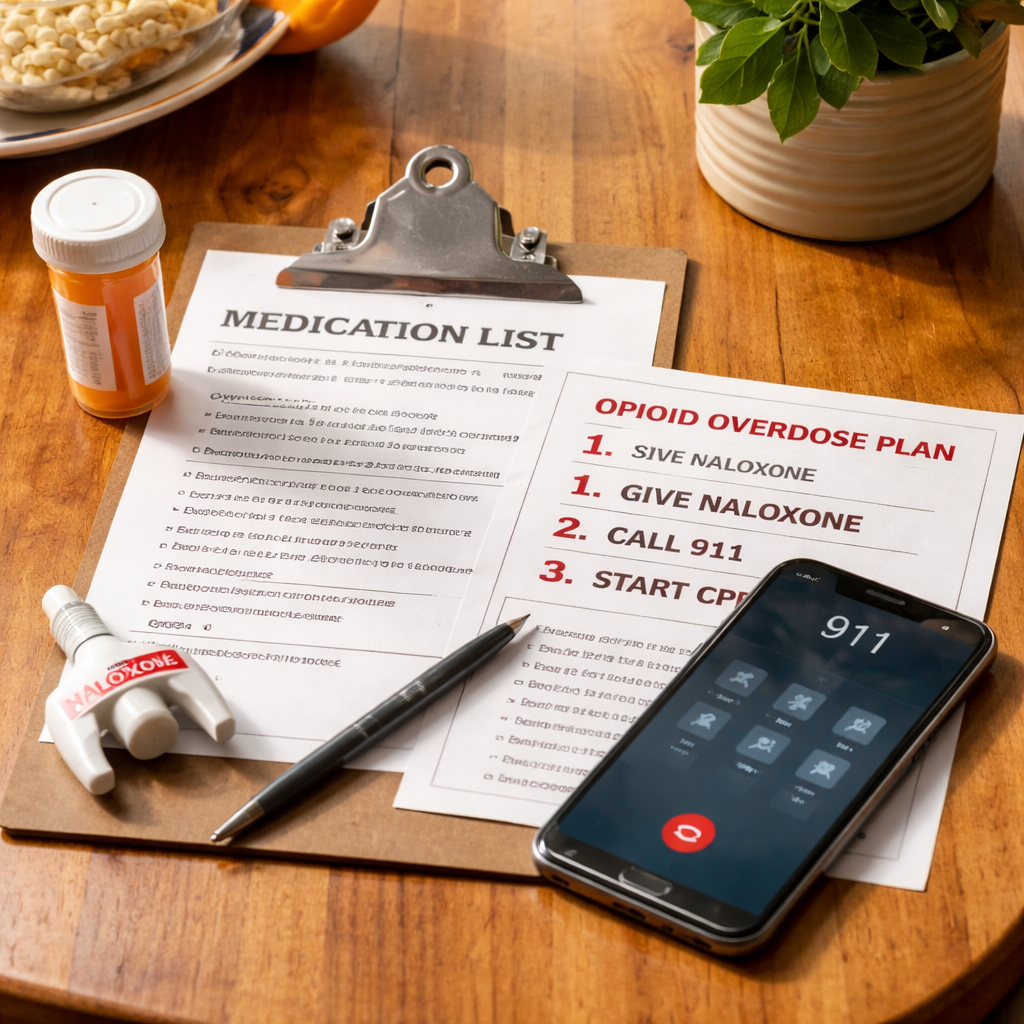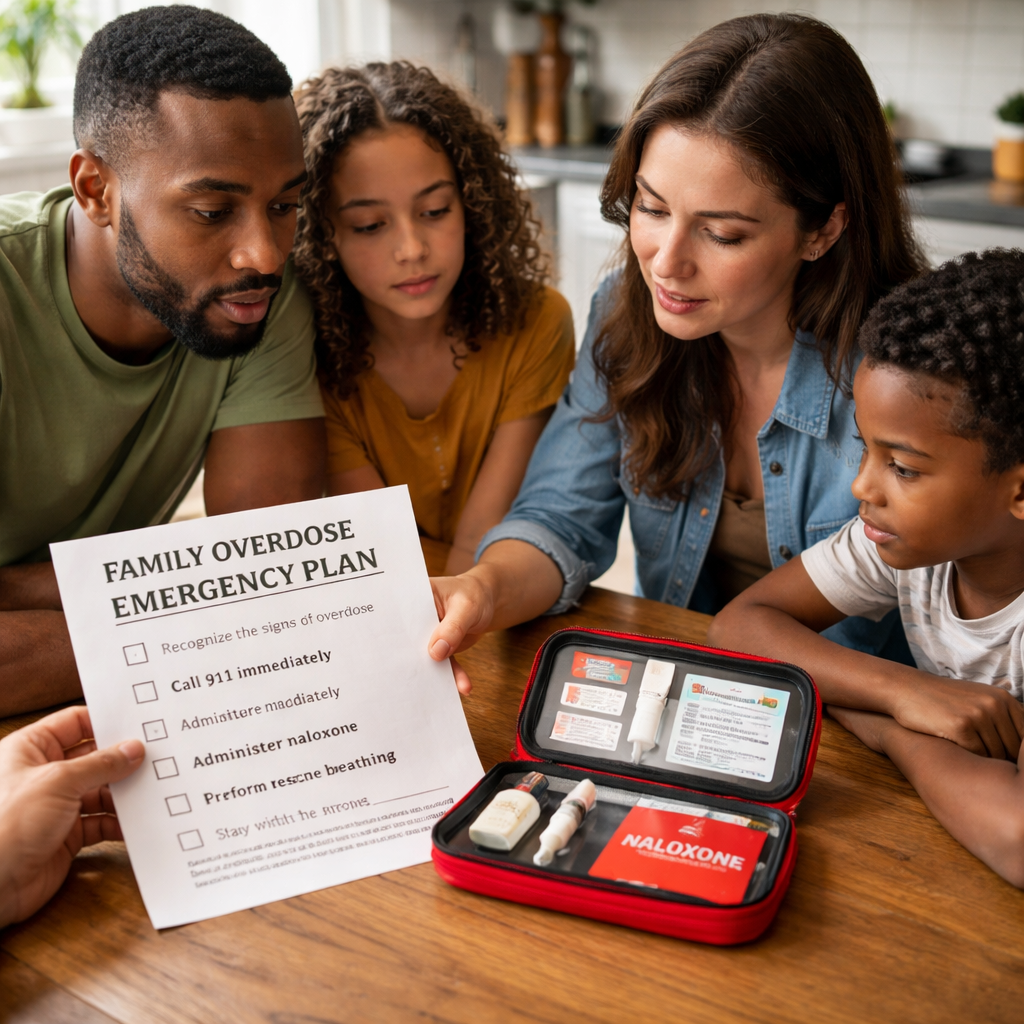
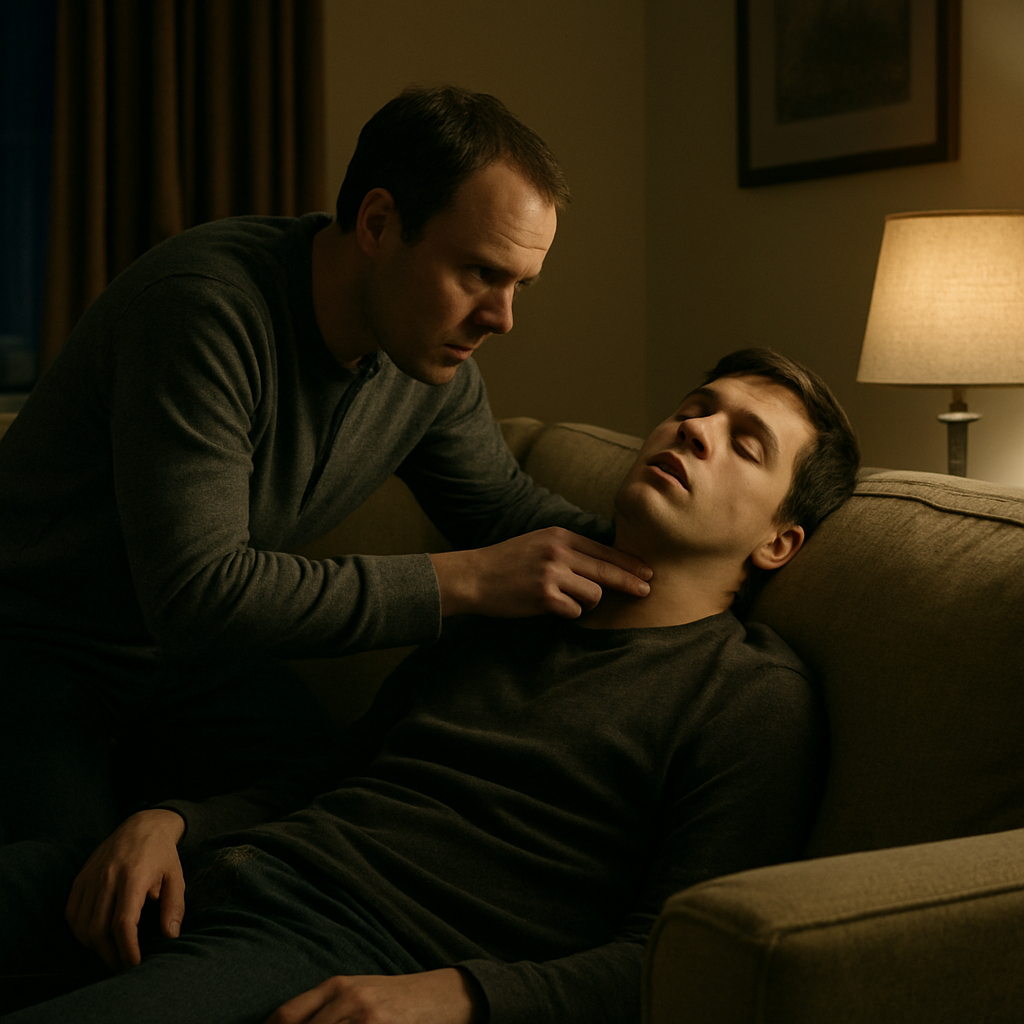
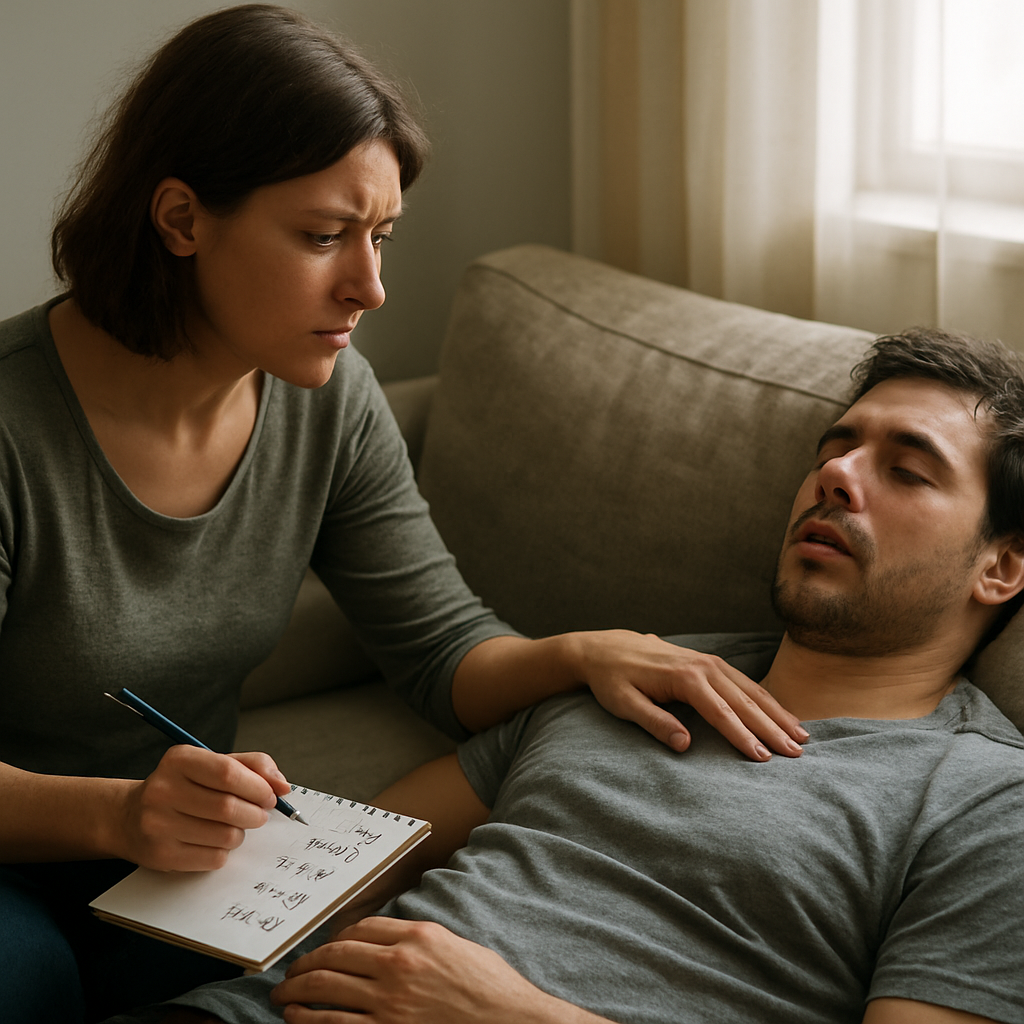
Imagine you’re sitting in the living room, the TV flickering, and suddenly you hear a gasp – a loved one is slumped on the couch, breathing shallow. Your heart races, and a flood of thoughts scramble: Do I call 911? Do I have naloxone? How do I keep them safe while the ambulance is on its way?
That moment is terrifying, but it’s also the exact point where clear, calm action can save a life. What you do in those first minutes makes all the difference, and you don’t need a medical degree to act – you just need the right steps and a steady head.
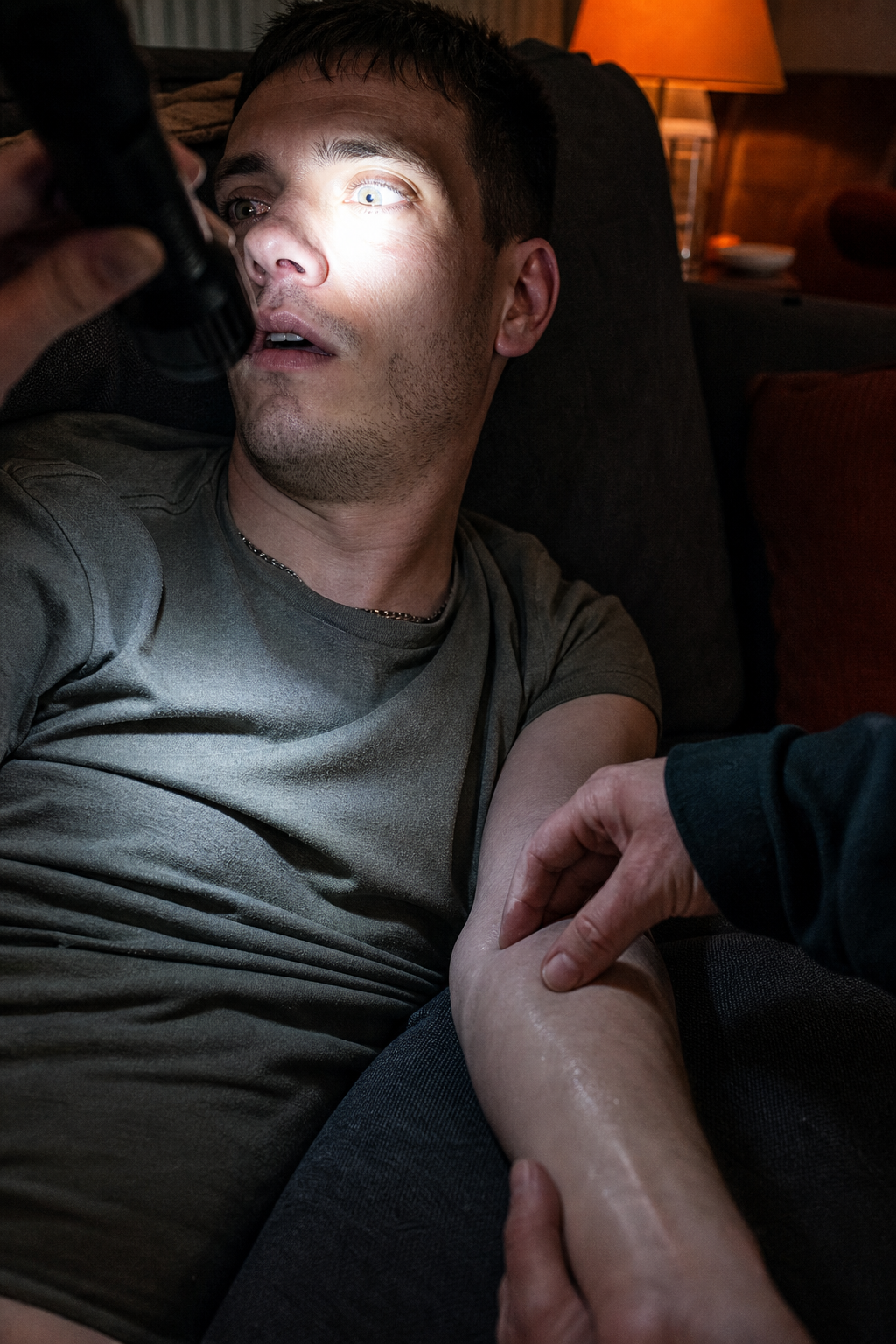
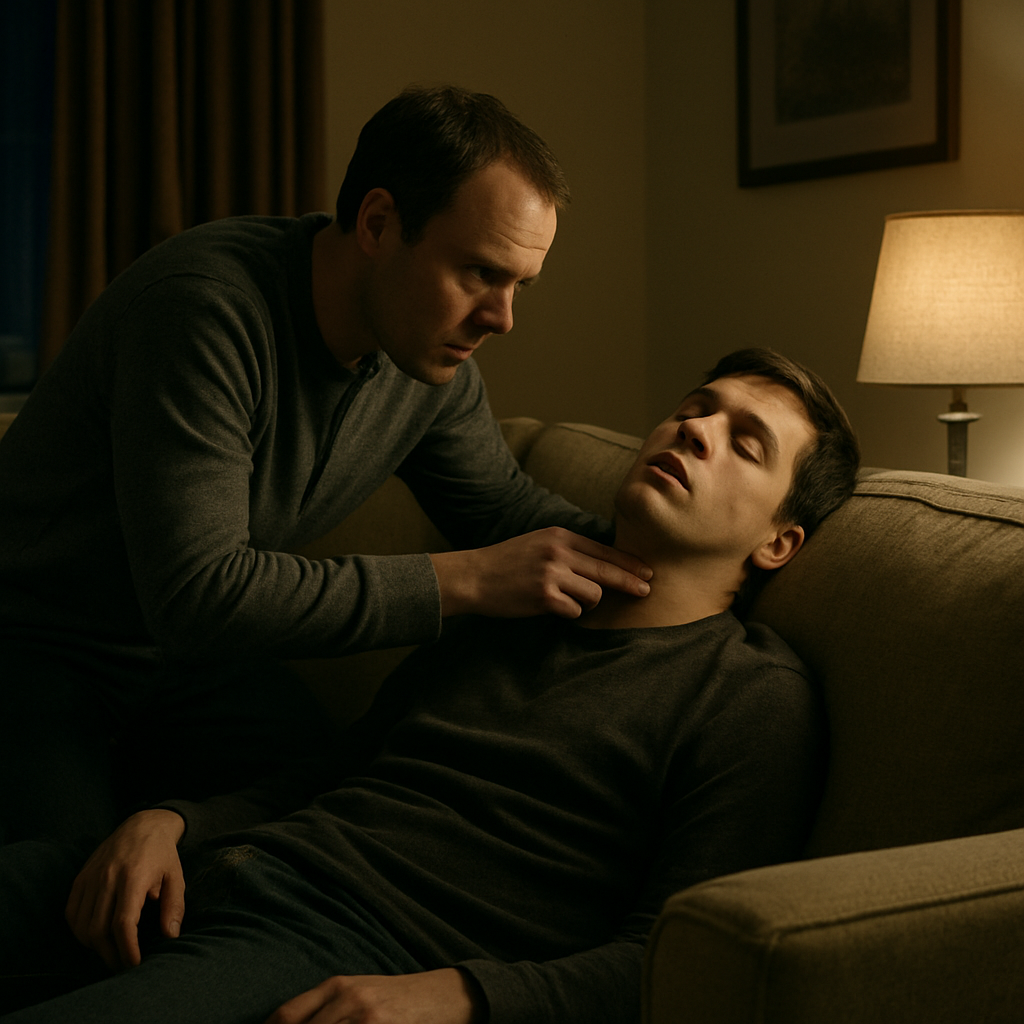
First, check the person’s responsiveness. Gently shake their shoulders and shout their name. If there’s no response, call 911 immediately. While you wait, look for signs of overdose: pinpoint pupils, shallow breathing, or a strange smell of chemicals. Every second counts, so don’t waste time trying to figure out the exact substance.
If you have naloxone (Narcan) on hand, it’s time to use it. Lay the person on their back, tilt their head back, and give the nasal spray or injection as directed. Within minutes you’ll often see them start to breathe more normally. Even if you’re unsure, administering naloxone is safer than doing nothing.
While the emergency responders are en route, stay with the person. Keep them warm, monitor their breathing, and be ready to give another dose of naloxone if their condition doesn’t improve after 2‑3 minutes. If they start to wake up, keep them seated upright and talk to them calmly – reassurance can prevent panic.
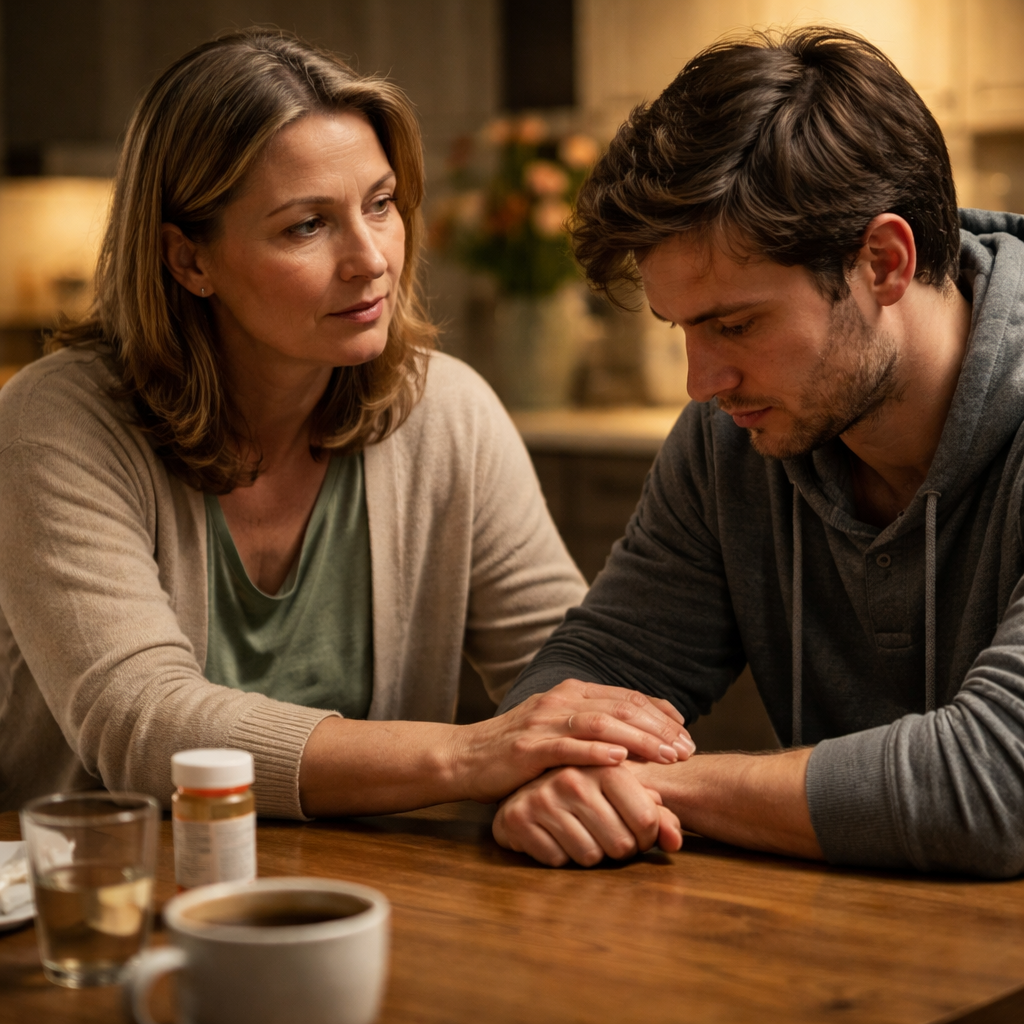
Once the crisis passes, the real work begins. This is where families often feel lost: how do you prevent another overdose? How do you support your loved one’s recovery journey? That’s why we’ve put together a detailed resource that walks you through post‑overdose care, including how to connect with professionals who can help you develop a safety plan and find ongoing support. Check out Overdose Help: A Practical Guide to Emergency Response and Recovery for a step‑by‑step roadmap.
And remember, after the immediate emergency, consider linking your family with proactive health resources. A partner like XLR8well can help you build a wellness plan that supports long‑term recovery and reduces the risk of future incidents.
TL;DR
If someone overdoses today, call 911, administer naloxone right away, stay with them, and be ready to give a second dose if breathing doesn’t improve.
After the emergency, connect your family with professional support and a safety plan—Next Step Intervention can guide you through comprehensive recovery resources and long‑term wellness.
Step 1: Recognize the Signs of an Overdose
Picture this: you hear a sudden gasp, the room feels heavier, and the person you love is slumped, breathing shallow. Your mind spins – is it a heart attack? A seizure? The truth is, the fastest way to save a life is to know the overdose warning signs before panic takes over.
First, check responsiveness. A gentle shake and a name call can tell you a lot. If there’s no answer, that’s a red flag. Then, scan for physical cues. These aren’t medical terms you need to memorize; they’re the clues your eyes can catch in a crisis.
Key physical signs to watch
• Pinpoint or “pin‑prick” pupils – they look like tiny black dots.
• Slow, irregular breathing – you might hear a soft gasp or a sigh that seems to pause too long.
• Bluish lips or fingertips – a subtle, eerie tint that signals oxygen deprivation.
• Unusual skin texture – clammy, sweaty, or unusually warm.
• A faint chemical or “sweet” smell – think of cleaning products or medicine.
These signs can appear together or singly, but any one of them should trigger an immediate response.
Now, what if you’re not sure what caused the reaction? Don’t waste a second trying to identify the substance. The body’s response is what matters, and acting fast can reverse the worst outcomes.
Quick assessment checklist
1. Is the person breathing? Count breaths in 10 seconds; fewer than six means you need help now.
2. Are the pupils visibly constricted? If they’re pinpoint, note it – it’s a classic opioid sign.
3. Check skin color and temperature. Cool, clammy skin is another alarm.
4. Look for vomit or a chemical odor. This can hint at the type of drug.
While you run through this mental list, call 911. Tell the dispatcher you suspect an overdose and give the location. Every minute you spend on the phone is a minute less you spend guessing.
And here’s a little secret most people miss: staying calm actually helps the person breathe more evenly. Speak slowly, keep your voice low, and avoid sudden movements that could startle them.
Once help is on the way, you might wonder what you can do next. If you have naloxone, administer it right away – it’s safe even if you’re unsure about the drug involved. If you don’t have it, focus on keeping the airway open: tilt the head back, lift the chin, and clear any obstructions.
While you wait for emergency services, consider the longer‑term picture. Overdose isn’t just a moment; it’s often part of a larger pattern of struggle. Connecting families with ongoing support can break that cycle.
For holistic wellness after the crisis, XLR8Well offers tailored recovery programs that focus on physical health, mental clarity, and community support. Their approach blends evidence‑based therapy with practical tools, helping loved ones rebuild daily routines.
If the person experiencing the overdose is a teen or young adult, resources that speak their language are vital. About Young People provides age‑appropriate guidance on navigating substance use, mental health, and peer pressure, making it easier for families to have honest conversations.
And when you need a seasoned professional to guide you through the emotional fallout, look to experts like Betti Rodriguez Aguilera, a licensed therapist specializing in trauma and addiction recovery. A compassionate counselor can help you process the shock and set up a safety plan that feels realistic.
Remember, recognizing the signs is just the first step. Your vigilance, quick calling, and calm presence buy precious time – time that can turn a potentially fatal overdose into a story of recovery.
Step 2: Call Emergency Services Immediately
The second thing you do after spotting the overdose signs is pick up the phone and dial 911. It sounds simple, but in the heat of the moment that call can feel like the biggest hurdle.
Why does it matter so much? Because every minute you wait, the brain loses precious oxygen and the opioid—whether heroin, prescription pain meds, or a mixed‑bag street drug—continues to suppress breathing. In our experience at Next Step Intervention, families who call right away give responders a clear timeline, and that extra minute often means the difference between a full recovery and lasting damage.
So, what should you say when you dial? Keep it short and calm: “I have an overdose, the person is not breathing well, I’ve given naloxone, and I need an ambulance now.” The dispatcher will ask for location, age, and any known substances—just give what you know. If you’re unsure about the drug, say “I think it might be opioids” and move on. They’re trained to handle uncertainty.
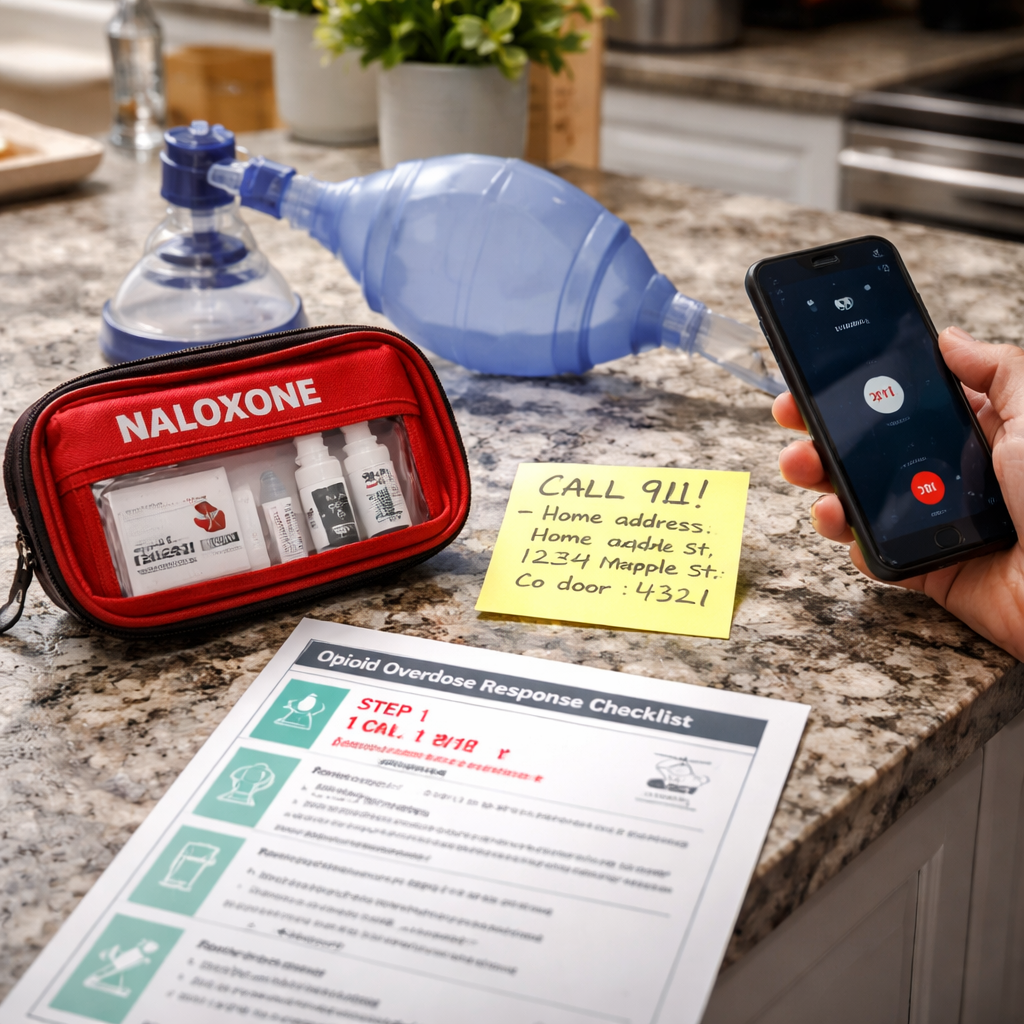
A quick tip: before you even pick up the phone, glance around and write down the exact address, the nearest cross street, and a brief description of the home (apartment number, floor, any landmarks). When the operator asks, you can read it off verbatim, and the ambulance won’t waste time hunting for you.
If you’re on a mobile phone and the signal is spotty, try using speaker mode so you can keep your hands free to monitor the person’s breathing. Keep the naloxone kit within arm’s reach—some responders will ask whether you’ve already administered it, and you’ll be ready to answer without scrambling.
What if you’re alone and can’t stay with the person while you’re on the phone? Put the phone on speaker, then position yourself where you can see the victim’s chest rise and fall. If the breathing stops again, tell the dispatcher “they’re not breathing, please send help immediately.” They’ll stay on the line and coach you through CPR if needed.
Remember, you don’t have to be an EMT to give the right information. The most important thing is to stay on the line until help arrives. Dispatchers are trained to keep you calm, to reassess the situation, and to send the appropriate resources—whether that’s a basic EMT unit or a paramedic team with advanced airway equipment.
A common mistake families make is to wait for the person to “wake up” before calling. Overdose can progress silently, and the brain can suffer irreversible injury in as little as five minutes. Treat the call as the first line of defence, not a backup plan.
What should you do while you wait for the ambulance? Keep the victim warm—cover them with a blanket, but avoid overheating. Monitor their breathing every 30 seconds and be ready to give a second naloxone dose if you don’t see improvement after two minutes. And, if you feel shaky, remember you’re not alone; Next Step Intervention offers a 24/7 crisis hotline you can call for immediate emotional support while help is en route.
Finally, once the EMTs arrive, give them a quick rundown: the exact time you gave naloxone, any known substances, and any changes you observed in breathing or consciousness. This hand‑off saves them precious seconds and lets them focus on stabilising the person instead of piecing together the puzzle.
Step 3: Administer First Aid (e.g., CPR, Naloxone)
Okay, the 911 call is already in progress, the naloxone spray is in your hand, and the person is still struggling to breathe. This is the moment where you move from “calling for help” to “being the help.” It feels intense, but remember: you don’t need a medical degree, just a clear, calm plan.
Check the airway and breathing first
Before you think about CPR, make sure the airway isn’t blocked. Gently tilt the head back, lift the chin, and look for any visible obstruction – a piece of food, a cloth, even a loose denture. If you see something, try to remove it with a finger sweep only if you can see it; don’t poke around blindly.
Next, place your cheek against the victim’s mouth and listen for air. Feel for chest rise every five seconds. If there’s no breathing or only gasps, you’re in the “cardiac arrest” zone and CPR is needed right away.
When and how to start CPR
Chest compressions are the most important part. Here’s the quick‑and‑dirty routine:
- Position your hands in the centre of the chest, one on top of the other.
- Push hard and fast – about 2 inches deep at 100‑120 compressions per minute. Think of the beat of “Stayin’ Alive.”
- Let the chest fully recoil between pushes.
- If you’re trained, give two rescue breaths after every 30 compressions. If not, just keep compressing until EMS arrives.
If you’re alone, set your phone on speaker so you can keep an eye on the chest while the dispatcher guides you.
Administering Naloxone – the second line of defense
Even if the person seems to be breathing, an opioid overdose can still be lurking. Naloxone reverses opioid effects within minutes, but its half‑life is shorter than many opioids. That means the person can slip back into respiratory depression after the first dose.
Follow these steps:
- Lay the person on their back, head tilted slightly back.
- Remove the naloxone nasal spray from its package – no assembly needed.
- Insert the tip into one nostril, press firmly until you hear a click.
- Watch for a gasp or a return to normal breathing within 2‑3 minutes.
If breathing doesn’t improve, give a second dose using the same nostril or the other one. Some kits include a second dose for exactly this reason.
Real‑world examples that illustrate the process
Imagine a family in a suburban home in 2026. Sarah’s brother, Mark, collapses after a night of using prescription pain medication. She calls 911, grabs the naloxone kit from the kitchen drawer, and while the dispatcher walks her through CPR, she notices his chest isn’t rising. She starts compressions, and two minutes later, the naloxone spray is administered. Mark’s breathing steadies, but after five minutes his pulse slows again. Sarah gives the second dose, and his breathing normalises. The EMTs arrive, and because Sarah recorded the exact times of each dose, they can monitor him for rebound effects without delay.
In another scenario, a college roommate finds his friend unresponsive in a dorm bathroom. He remembers a quick‑action video his campus health center showed: “If you see no breathing, start hands‑only CPR immediately, then use the Narcan nasal spray you kept in the bathroom cabinet.” He follows the steps, and the friend starts breathing again after the first spray. The roommate stays with him, checking breathing every 30 seconds, and calls 911 again when the friend’s eyes flutter closed – a sign of possible opioid re‑emergence. The second dose is ready, and the friend stabilises before the ambulance arrives.
Tips from the field
• Keep your naloxone kit in a place everyone knows – a pantry shelf, a bathroom cabinet, or a designated “overdose drawer.”
• Practice the CPR hand placement on a pillow or a CPR dummy once a year. Muscle memory saves seconds.
• Write the time of the first dose on a piece of paper and tuck it in your pocket. When EMS arrives, hand it over with a quick “First dose at 14:03, second at 14:07.”
• If you’re unsure whether the person is opioid‑related, the safe bet is to administer naloxone – it won’t hurt a non‑opioid user and could be lifesaving.
For a deeper dive into the whole emergency workflow, check out our Effective Intervention Steps: A Practical How‑To Guide. It walks you through safety checks, dosage timing, and post‑overdose follow‑up.
And when the ambulance finally pulls up, remember you’ve already done the hardest part: buying time. To keep that momentum going, consider linking your family’s recovery plan with ongoing wellness coaching. XLR8well offers proactive health monitoring that can help prevent future incidents while you focus on healing.
Step 4: Stay with the Person and Provide Information
Once the naloxone has been given and the ambulance is on its way, the hardest part isn’t over – you still have to stay right there. That steady presence does two things at once: it keeps the person from slipping back into a dangerous state, and it gives you a chance to gather the critical info responders will need.
First, keep your eyes on their breathing. Count the chest rises for 15 seconds, then double it – that’s the breaths‑per‑minute rate. If it drops below eight, be ready to give a second dose of naloxone. Also feel for a pulse at the wrist or neck; a weak or irregular beat is a red flag. Jot these numbers down on the back of a receipt or in a phone note – you’ll hand that paper to the EMTs.
Next, note the exact time you administered each dose. Write something simple like “Naloxone #1 – 14:03, #2 – 14:08.” Include any other substances you suspect (prescription pain meds, heroin, a mixed bag). Even if you’re not sure, a best‑guess helps paramedics decide whether they need additional antidotes.
Here’s a quick checklist you can run through while you’re watching the person’s chest rise and fall:
- Breathing rate – normal is 12‑20 per minute.
- Pulse quality – strong, weak, irregular?
- Skin colour – any bluish tint around lips?
- Level of consciousness – alert, groggy, unresponsive?
- Time of each naloxone dose.
- Any known drugs or recent use.
Let’s picture a real‑world example. Imagine you’re at a suburban home in 2026; your niece’s boyfriend collapses after a night of prescription oxycodone. You give the first nasal spray at 13:45, see a gasp at 13:48, but his breathing starts to waver again at 13:52. You quickly note the second dose at 13:53, keep him on his side, and whisper reassuringly, “You’re safe now, help is on the way.” When the EMTs arrive, you hand them the sheet that reads:
13:45 – Naloxone 1 (nasal)
13:53 – Naloxone 2 (nasal)
Suspected opioid: Oxycodone 30 mg
Breathing: 10/min, shallow
Pulse: 68, weak
Skin: pale, lips slightly bluish
The paramedics thank you for the precise timeline; it lets them anticipate a possible rebound and prepare a monitoring bag right away.
Another scenario: a college dorm bathroom. A roommate finds his friend unresponsive, gives a spray, and stays crouched nearby, feeling the chest rise every few seconds. He writes the time on his phone, notes a faint smell of cleaning solvent (possible fentanyl‑laced product), and keeps the friend’s head tilted slightly back to keep the airway clear. The EMTs later tell him that his meticulous notes helped them decide to administer a higher‑dose naloxone infusion.
These stories show why the “information” part of staying isn’t just paperwork – it’s a lifeline. In fact, a 2023 study published in the Journal of Emergency Medicine found that patients who received a complete hand‑off report from a bystander had a 15 % higher chance of avoiding a repeat dose of naloxone in the emergency department.
If you want a deeper dive into the exact questions to ask the EMTs, check out our Effective Emergency Intervention: A Step‑by‑Step Guide to Immediate Action. It walks you through the exact phrasing that speeds up the hand‑off.
| Information to Capture | Why It Matters |
|---|---|
| Time of each naloxone dose | Helps EMTs anticipate rebound respiratory depression |
| Breathing rate & pulse quality | Guides immediate interventions and monitoring level |
| Suspected substances & amounts | Informs choice of additional antidotes or supportive care |
Remember, staying calm is contagious. Speak in a low, steady voice, tell the person you’re there, and avoid sudden movements that could startle them. If you feel shaky, take a quick sip of water, but keep your hands free for monitoring.
Step 5: Follow Up with Medical Professionals After Emergency
Now the ambulance’s gone and the immediate crisis has eased, but the work isn’t finished – the real safety net starts when you talk to the medical team.
First thing you’ll want to do is ask for a debrief. “Can we go over what happened?” sounds simple, but it signals that you’re invested in the whole picture, not just the moment of rescue.
Gather the basics while the staff are still with the patient
Ask for the exact time each naloxone dose was given, the vitals they recorded, and any lab results that came back. Write those numbers down right away – a quick note on your phone or a scrap of paper works just fine.
“What was the breathing rate when you arrived?” “Did you notice any rebound depression after the first dose?” are the kind of questions that help the doctors anticipate what might happen next.
Confirm the next steps for monitoring
Most people need at least a few hours of observation, especially if the opioid involved has a long half‑life. Ask the nurse, “How long should we stay here before it’s safe to go home?” and “What signs should we watch for if we leave?” This gives you a concrete timeline instead of vague “stay until you feel better.”
Don’t be shy about asking about discharge instructions. A solid plan will usually include: a follow‑up appointment with an addiction specialist, a prescription for a take‑home naloxone kit, and referrals to counseling or support groups.
Get the contact details you need
Write down the name, phone number, and pager of the physician who oversaw the care. Ask for a direct line to the on‑call addiction counselor if the hospital has one. Having that info handy means you won’t be scrambling later when anxiety kicks in.
It’s also wise to request a copy of the medical record or at least a summary of the encounter. Many hospitals will email it securely, or you can pick up a printed copy before you leave.
Schedule the follow‑up before you walk out the door
Before you leave, ask the front desk to book a follow‑up with a substance‑use specialist within the next 48‑72 hours. If the hospital doesn’t have an in‑house program, they’ll usually have a partnership with a community clinic you can be referred to.
When you book the appointment, mention any barriers you anticipate – transportation, insurance, childcare. The scheduler can often arrange a tele‑health visit or connect you with a rideshare voucher.
Bring a trusted ally
Having a family member or friend sit with you during the debrief can help you remember details and keep the conversation on track. They can also ask questions you might forget when you’re stressed.
In our experience at Next Step Intervention, families who involve a second adult in the hand‑off report feeling more confident and end up following through on referrals at a higher rate.
What to do after you’ve left the ER
Send a quick email or text to the doctor’s office confirming the appointment and any prescriptions. Keep a log of how the person feels over the next few days – note sleep, cravings, mood swings, or any repeat breathing issues.
If you notice warning signs – like extreme drowsiness, vomiting, or confusion – call 911 again. It’s better to be safe than to assume “it’s probably fine.”
Finally, consider reaching out to a professional intervention service. A team that specialises in post‑overdose support can help you build a personalised safety plan, connect you with therapy, and even arrange ongoing naloxone refills.
So, what does “what to do if someone overdoses” really look like after the ambulance pulls away? It’s a blend of clear communication, concrete follow‑up, and a safety net that extends beyond the hospital walls. By asking the right questions, securing appointments, and staying engaged with the care team, you turn a frightening night into the first step of a longer, steadier recovery.
Step 6: Prevent Future Overdoses (Resources & Support)
Build a safety net right after the crisis
Now that the ambulance has left and the immediate danger has passed, the next battle is quieter but just as important—making sure it doesn’t happen again. First, lock down the naloxone kit in a place everyone knows and write down the exact location on the fridge. A simple sticky note can be a lifesaver the next time panic strikes.
Ask yourself: where does your loved one spend the most time? A bedroom drawer, a bathroom cabinet, or maybe a car glove compartment? Choose one spot, label it clearly, and keep a spare kit at a trusted friend’s house. Redundancy cuts the time you waste hunting for help.
Create a personalised recovery plan
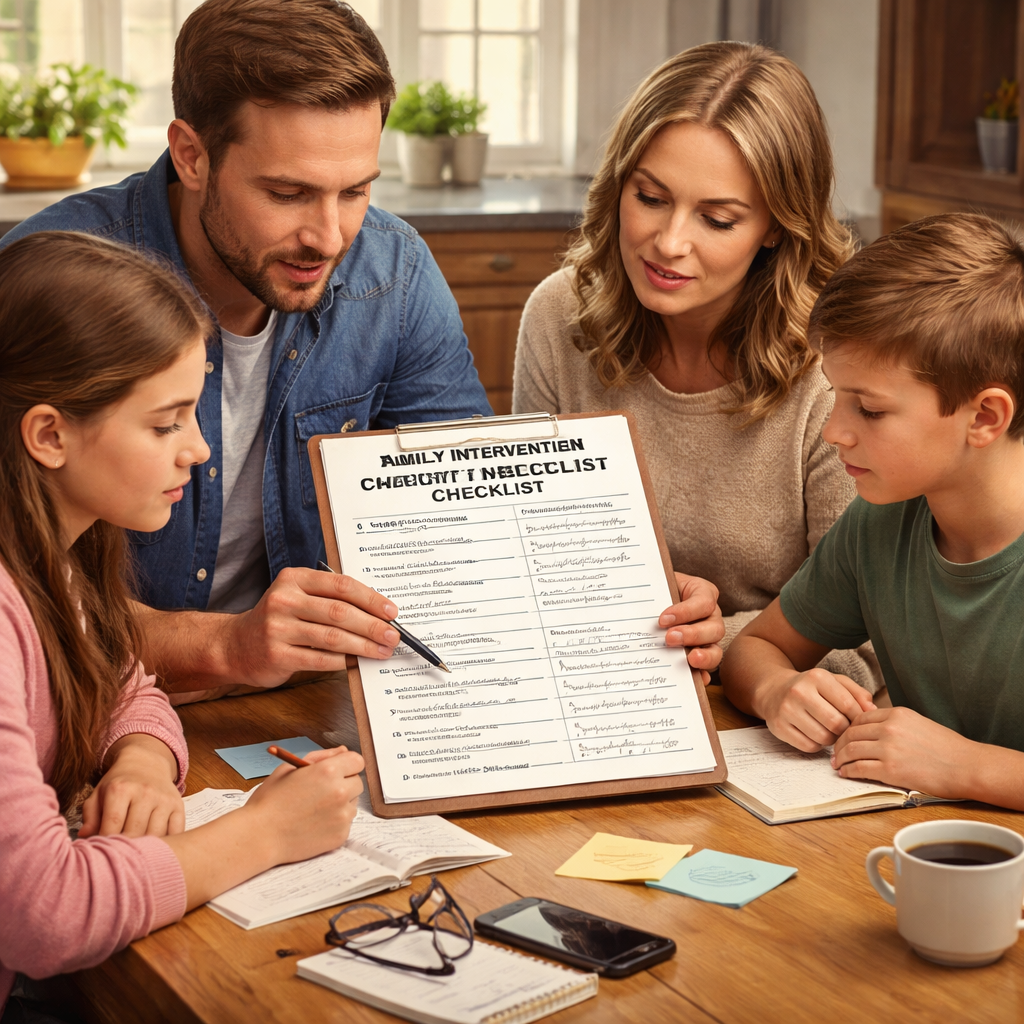
Recovery isn’t a one‑size‑fits‑all checklist; it’s a living document that evolves with mood swings, cravings, and life events. Start with three columns: What’s working (e.g., daily walk, therapy session), What needs tweaking (maybe a stressful job trigger), and Action steps for the next week (schedule a tele‑health check‑in, call a support buddy).
We’ve seen families who write these plans on a whiteboard in the kitchen feel more accountable because the reminder is literally in sight. You can also use a phone note or a free app—just keep it simple enough that you’ll actually open it.
Tap into professional resources
Next Step Intervention offers a post‑overdose follow‑up service that pairs you with an intervention specialist. They’ll help you flesh out the recovery plan, connect you to an addiction counselor, and set up regular naloxone refills. It’s not a sales pitch; it’s a safety net that many families miss until it’s too late.
If you prefer community‑based help, look for local harm‑reduction groups, sober‑living houses, or peer‑support meetings. A quick Google search for “overdose support group near me” will usually surface a city‑run hotline or a nonprofit that runs weekly check‑ins. The key is to attend at least one meeting in the first month—consistency builds trust.
Secure ongoing medication management
Opioid‑replacement therapies like buprenorphine or naltrexone can dramatically lower the risk of a repeat overdose, but they only work when you stay in touch with a prescriber. Ask the ER doctor to write a referral before you leave, or call your primary care office within 24 hours to lock in an appointment.
Don’t forget the paperwork: insurance cards, a list of current prescriptions, and any allergy notes. Having those on hand when you call the clinic reduces the back‑and‑forth that can stall treatment.
Build a support circle
Isolation is the silent killer after an overdose. Identify three people who can check in on you or your loved one—maybe a sibling, a close friend, and a counselor. Set a recurring text reminder, like “How are you feeling today?” and stick to it. Even a short “I’m thinking of you” can break a spiral before it starts.
Ask yourself: who would notice if the person missed a dose or seemed unusually withdrawn? That person becomes your early‑warning system, and they’ll know exactly what to do if another emergency looms.
Leverage technology wisely
There are free apps that send daily mood‑tracking prompts and can alert a designated contact if the user skips an entry three days in a row. Choose a platform with strong privacy policies—no need to hand over medical data to a third‑party ad network.
Set up a calendar event for each naloxone refill, therapy session, and medication check‑up. When the reminder pops up, you’re less likely to procrastinate.
Practice the “what‑if” scenario
It feels uncomfortable, but run through a quick rehearsal: someone overdoses again, you locate the kit, give naloxone, call 911, and hand off the timeline. Write the steps on a piece of paper and keep it near the kit. When the steps are already in your head, you’ll act faster under pressure.
And remember, you don’t have to do this alone. Reach out to your intervention specialist, lean on your support circle, and keep the safety plan visible. The goal is to turn today’s scary night into a roadmap that keeps your family safer tomorrow.
FAQ
What should I do first if someone overdoses?
First thing’s first: check breathing and responsiveness. If the person isn’t breathing or can’t stay awake, call 911 right away and tell the dispatcher it’s an overdose. While you’re on the line, pull the naloxone kit and administer the nasal spray. Keep them on their back, tilt the head back slightly, and stay with them until help arrives.
How many doses of naloxone might be needed?
It depends on the opioid’s strength and how long it’s been in the system. Most kits include two sprays. Give the first dose, wait two to three minutes, and watch for a gasp or normal breathing. If nothing changes, give the second dose. In some cases a third dose is required, so keep the kit handy and be ready to repeat.
Can I give naloxone to someone who isn’t using opioids?
Yes. Naloxone is safe for non‑opioid users—it won’t hurt them. If you’re unsure what substance caused the overdose, it’s better to administer naloxone than to wait. The drug only reverses opioid effects, so giving it to a non‑opioid case won’t cause harm, and it could be lifesaving if opioids are involved.
What information should I share with the EMTs when they arrive?
Write down the exact times you gave each naloxone dose, any observed breathing rates, pulse quality, and suspected substances. Hand the EMTs a quick note that looks like: “Naloxone 1 – 14:03, Naloxone 2 – 14:07, shallow breathing 8/min, suspected heroin.” This timeline helps them anticipate rebound depression and decide if more monitoring is needed.
Do I need to do CPR if I’ve already given naloxone?
If the person still isn’t breathing or only gasps, start hands‑only CPR immediately—30 compressions, then a rescue breath if you’re trained. Naloxone restores breathing, but it can take a minute or two. Keep compressions steady at about 100 per minute (think of the beat in “Stayin’ Alive”). Continue until EMS takes over.
What should I do after the emergency is over?
Follow up is crucial. Call your doctor or an addiction specialist within 24 hours to arrange a check‑up and discuss ongoing medication like buprenorphine. Ask for a refill of your naloxone kit and set up a short‑term safety plan. In our experience at Next Step Intervention, families who schedule a follow‑up within a few days are far more likely to stay on track and avoid another crisis.
Conclusion
If you’ve made it this far, you already know the frantic rush that comes when you have to act fast.
What to do if someone overdoses boils down to three things: call 911, give naloxone, and stay present until help arrives.
Remember, you don’t need a medical degree—just a clear head, the kit in reach, and a willingness to note the times of each dose.
Those simple notes become the lifeline EMS relies on to anticipate rebound depression.
And when the ambulance pulls away, the work isn’t over; a quick follow‑up call with a doctor or an addiction specialist keeps the momentum going.
In our experience, families who schedule that call within 24 hours are far more likely to stay on a recovery path.
So, grab a pen, jot down the timeline, and keep your naloxone kit where everyone can find it.
Make a habit of reviewing the steps with your loved ones—practice turns panic into confidence.
Feeling shaky after the crisis? Reach out to a professional crisis line; you don’t have to shoulder the stress alone.
Next Step Intervention offers 24/7 support for families navigating these moments, helping you build a safety plan that fits your life.
Take a breath, know you’ve done the hardest part, and let the next steps be guided by the plan you’ve created.
Every minute counts, but every caring action you take adds up to a chance at a healthier future.