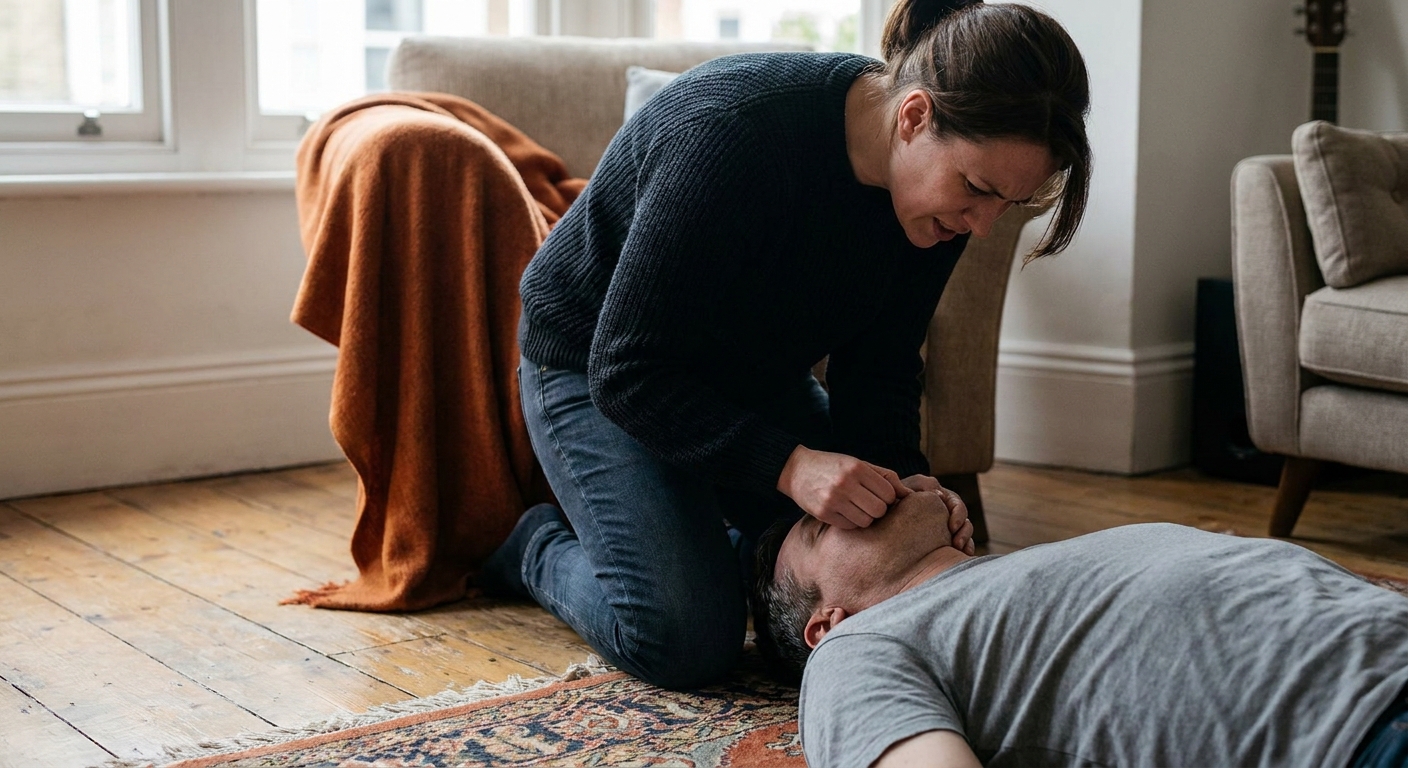
Opioid withdrawal can feel like a storm that hits your family out of nowhere. Most families think they can handle it alone, but missing timing details leave them unprepared. This family guide to managing opioid withdrawal at home shows you how to spot the signs, make the home safe, give real comfort, know when to call for help, and plan for lasting recovery.
In the next sections you’ll get step‑by‑step actions, practical checklists, and real‑world tips that turn panic into a clear plan. Let’s walk through each step together.
Step 1: Recognize Withdrawal Symptoms
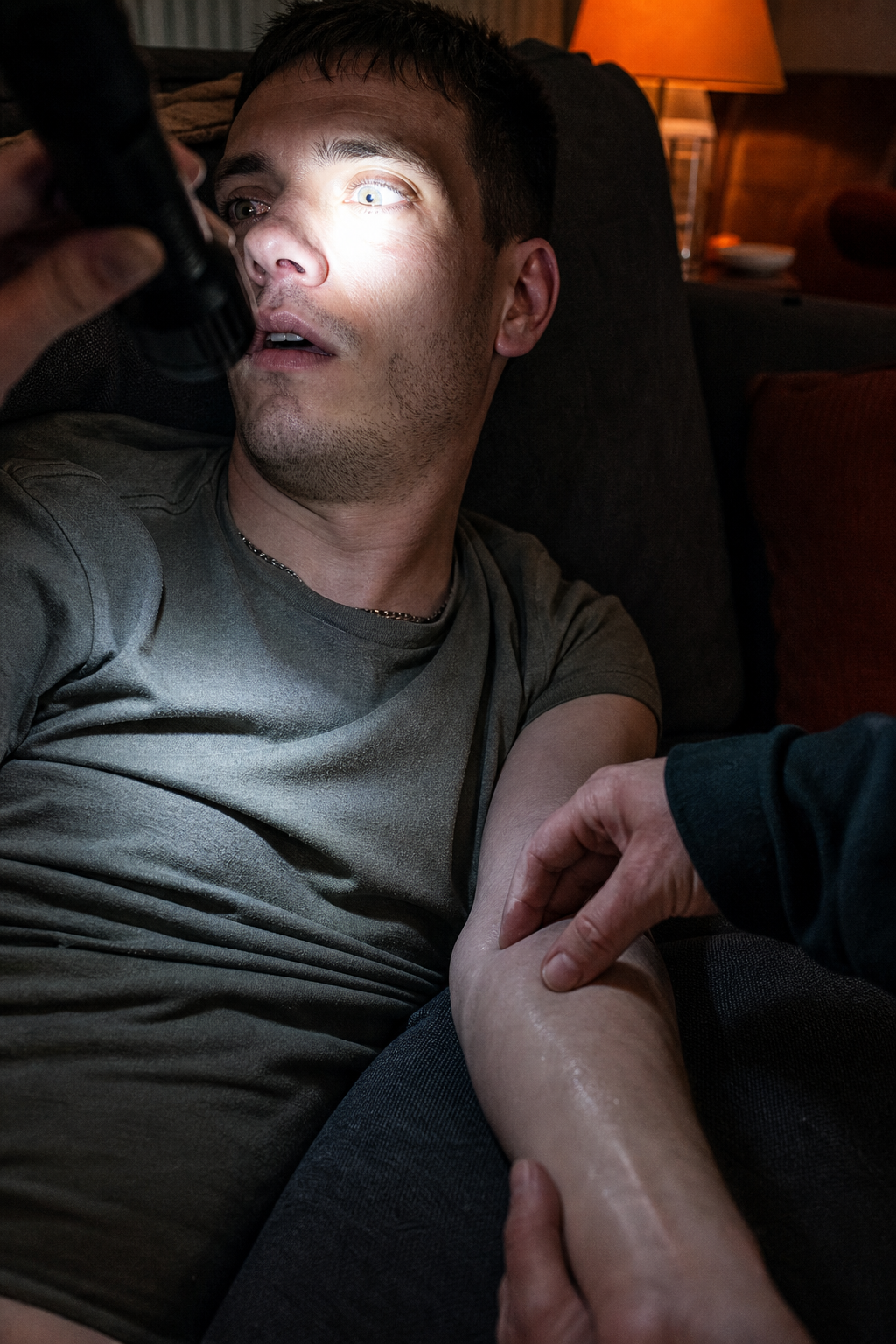
The first thing any family must do is know what the body will do when opioids leave the system. Symptoms start within a few hours for short‑acting drugs like heroin and can take a day or two for long‑acting meds like methadone. Common signs include watery eyes, runny nose, goose‑flesh, muscle aches, nausea, vomiting, diarrhea, sweating, rapid heart beat, anxiety, and insomnia. The National Library of Medicine describes these signs in detail, so you can match what you see at home to a medical checklist.
Why does this matter? When you know the timeline you can plan meals, fluids, and meds before the worst waves hit. It also helps you decide if the symptoms are mild enough for home care or need a doctor’s eye.
Here’s a quick way to track severity:
- Score each symptom from 0 (none) to 3 (severe).
- Add the scores; 0‑5 is mild, 6‑12 moderate, 13+ severe.
- Use the Clinical Opioid Withdrawal Scale (COWS) if you can get a copy from a health provider.
Example: Sarah’s brother showed a score of 9 on day two , moderate. The family gave him extra water, loperamide for diarrhea, and called his doctor for a short‑acting clonidine dose. The symptoms eased within 24 hours.
“The best time to start building backlinks was yesterday.”
Even though the quote is about SEO, the idea is the same: start early, don’t wait for a crisis.
Bottom line:Knowing the symptoms and timing gives your family a solid first line of defense.
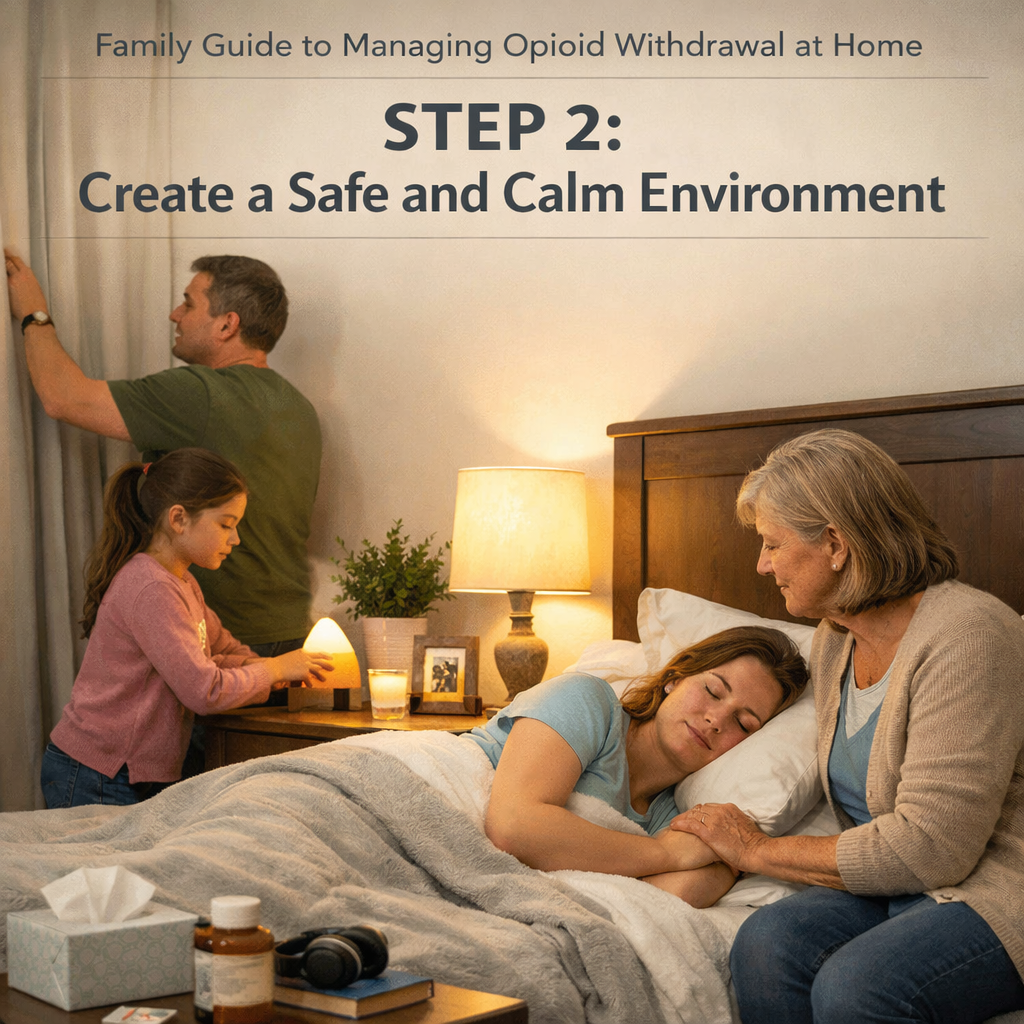
Step 2: Create a Safe and Calm Environment
Once you know what to look for, set the house up like a quiet recovery zone. Remove any extra pills, alcohol, or triggers that could tempt a relapse. Lock away prescription bottles in a safe box and keep the kitchen clear of sharp knives or heavy cookware that might be used in a moment of panic.
Next, think about lighting and noise. Dim lights, soft blankets, and a fan can lower anxiety. A cool room (around 68‑70°F) helps reduce sweating and chills.
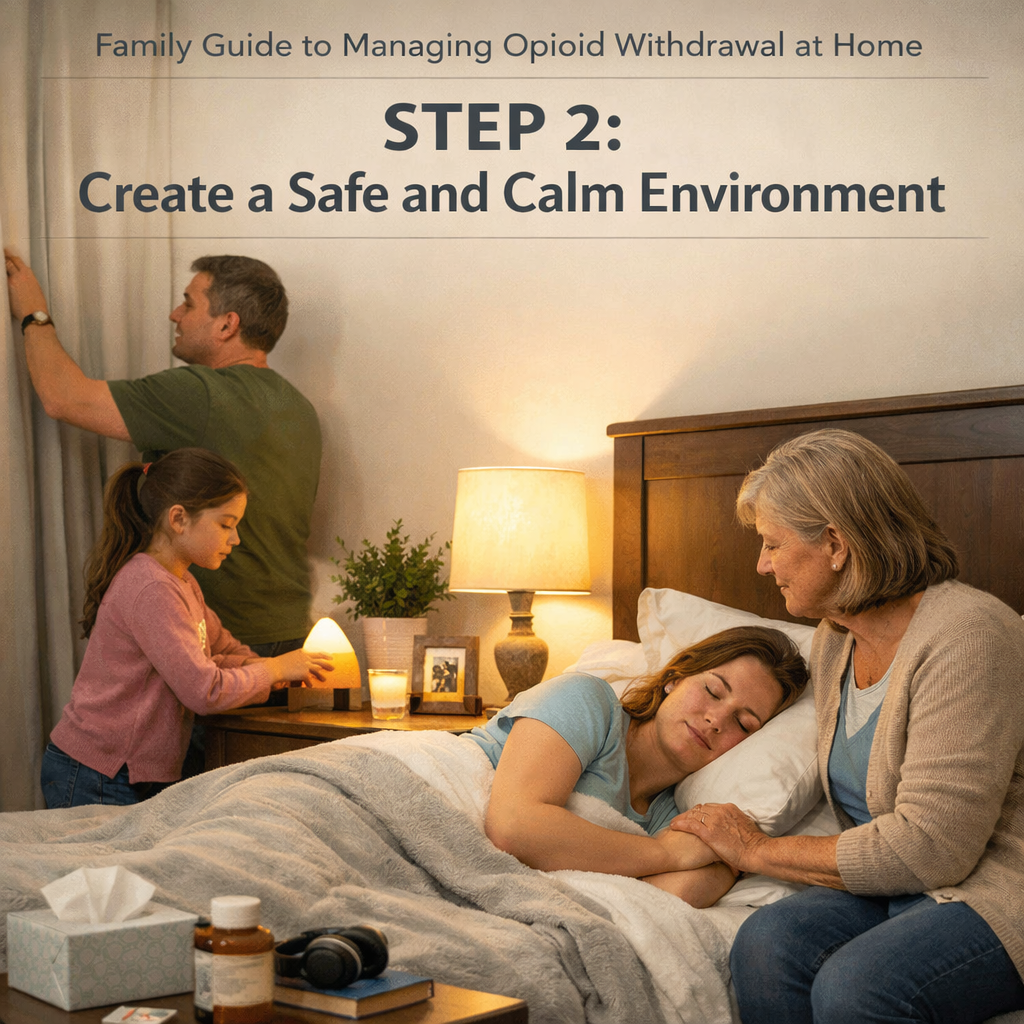
Family members should agree on a simple schedule: check vitals every 2‑3 hours, offer a glass of water, and note any new symptoms. Write the schedule on a whiteboard so everyone can see it.
Here’s a short checklist you can print:
| Task | When | Who |
|---|---|---|
| Check pulse & breathing | Every 2 hrs | Parent |
| Offer fluids | Every 3 hrs | Sibling |
| Remove triggers | Before withdrawal starts | All |
| Record symptoms | Nightly | Designated recorder |
Pro tip: keep a notebook next to the bed and write down each symptom as it appears. This record helps the doctor see patterns.
Finally, call a professional if you feel unsure. The only Emergency Action item in the research list is Next Step Intervention’s 24‑hour response team. Their phone line is (949) 545‑3438, and they can send a nurse or an interventionist within the hour.
10 Essential Detox Services Every Health‑Conscious Person explains how a mobile nurse can keep vitals steady at home.
Bottom line:A calm, trigger‑free space lets the body heal without extra stress.
Step 3: Provide Physical and Emotional Comfort
Now that the room is set, focus on the person’s body and mind. Physical comfort starts with hydration: 2, 3 L of water a day replaces fluids lost through sweat and diarrhea. Add a pinch of salt or an electrolyte drink like Pedialyte if the person can’t keep water down.
For pain and muscle aches, over‑the‑counter ibuprofen or acetaminophen works well. If nausea is strong, anti‑nausea meds such as meclizine (Antivert) can be used, but always check the doctor first.
Emotional comfort is just as vital. Stay calm, speak in a steady voice, and avoid arguing. Let the person know you’re there to help, not to judge. Simple phrases like “I’m right here with you” or “We’ll get through this together” lower fear.
Distraction helps too. Offer soft blankets, a favorite movie, or a gentle walk around the block. The goal is to keep the mind occupied so cravings don’t take over.
When you combine fluids, OTC meds, and caring words, the withdrawal feels more like a flu you can fight, not a life‑threatening emergency.
Effective Detox Treatment: A Step‑By‑Step Guide shows how a short medication plan can smooth these physical aches.
Bottom line:Hydration, simple meds, and a caring voice are the three pillars of comfort.
Step 4: Monitor for Complications and When to Seek Medical Help
Even mild withdrawal can turn serious if you miss a warning sign. The research shows only 13% of checklist items flag red alerts, so you need to be extra sharp.
Watch for these red flags:
- Blood pressure dropping below 90/50 mmHg (clonidine can cause this).
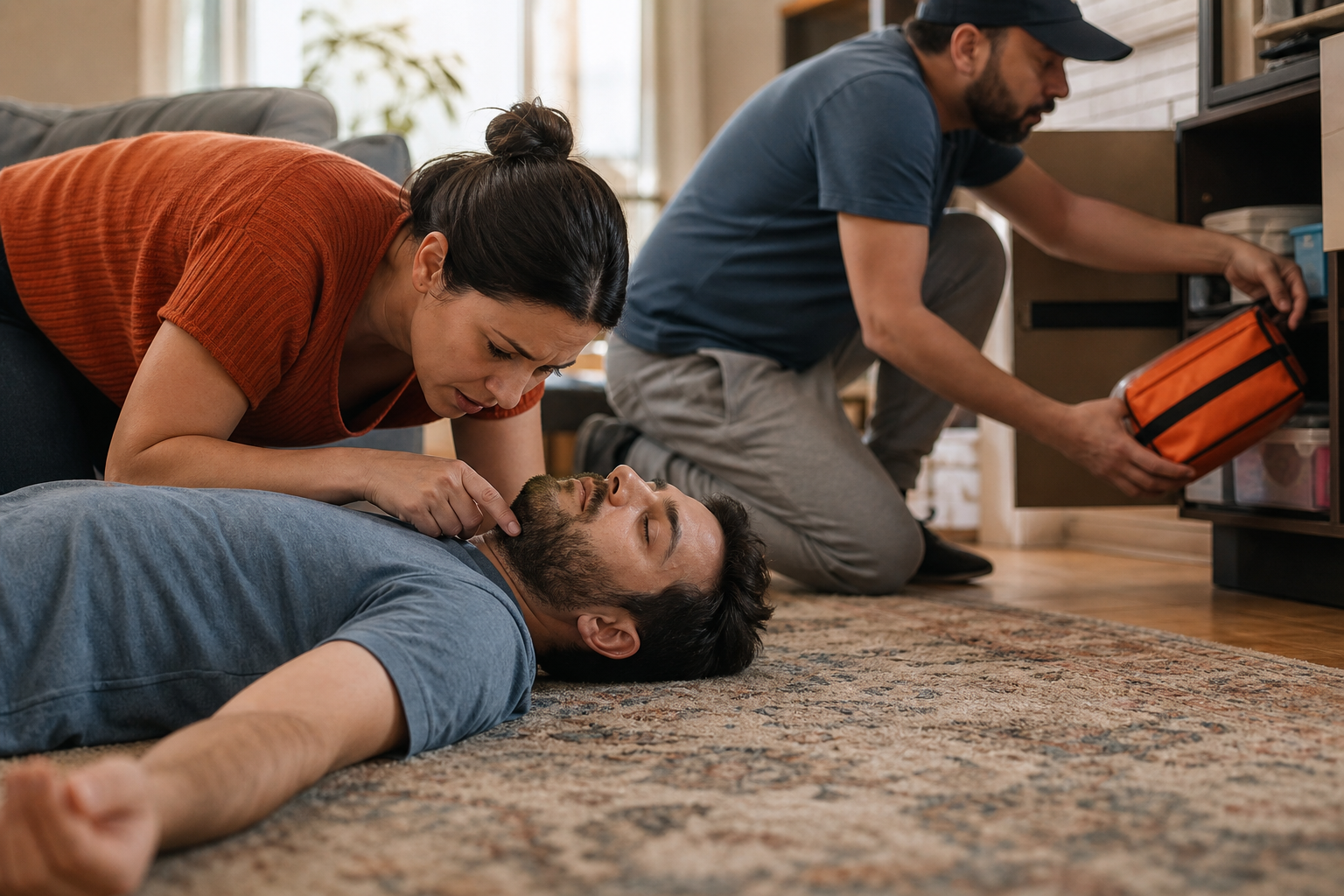
- Breathing that becomes shallow or stops.
- Severe vomiting that leads to choking or aspiration.
- Sudden confusion or hallucinations.
- Extreme shakiness that won’t settle after a dose of medication.
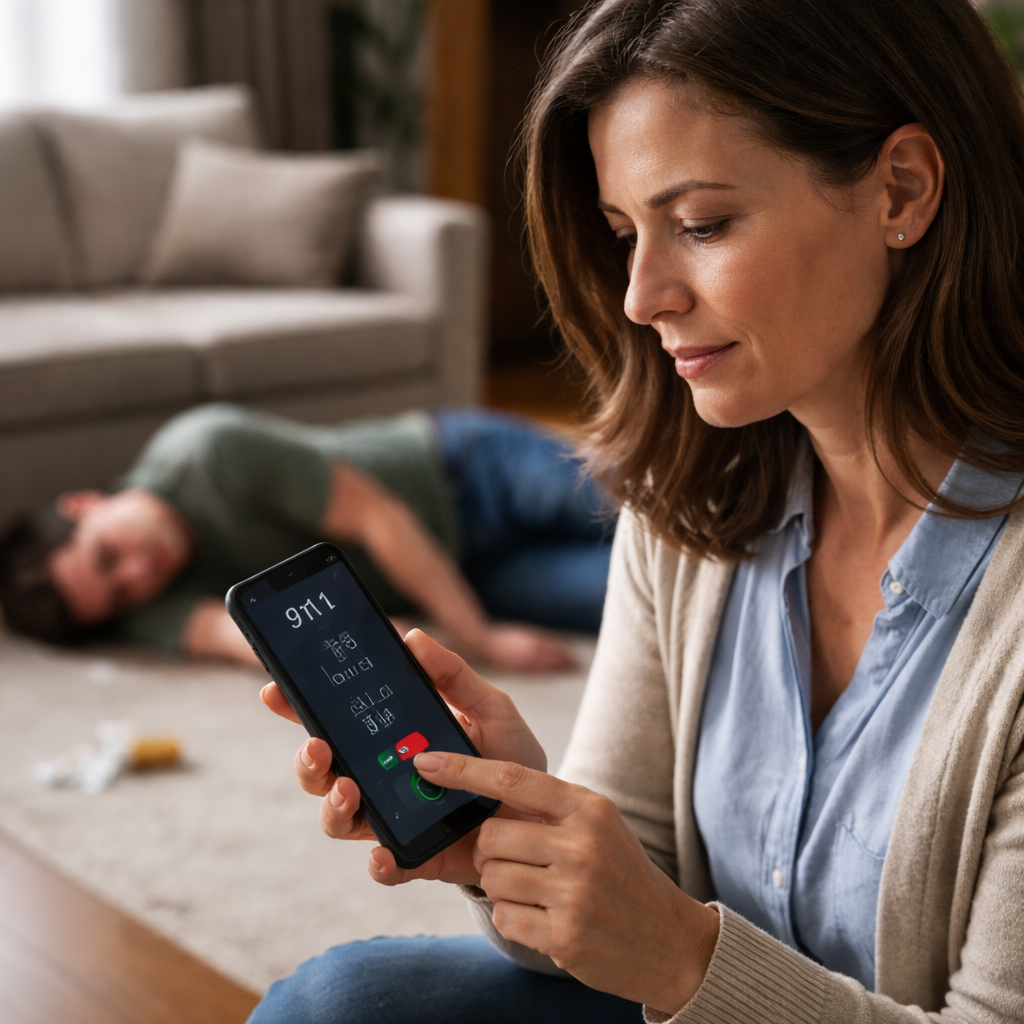
If any of these appear, call emergency services (911 in the U.S.) immediately. Do not wait to see if the symptom improves on its own.
For regular monitoring, use a simple chart:
| Time | BP | Pulse | Respiration | Notes |
|---|---|---|---|---|
| 08:00 | 120/80 | 78 | 16 | Cool, sweating mild |
| 10:00 | 115/78 | 80 | 18 | Nausea moderate |
| 12:00 | — | — | — | Check for red flags |
When you see a warning sign, act fast. Keep the emergency phone number handy, and have a backup plan for the person to be taken to the nearest hospital.
Next Step Intervention offers an emergency response plan that can be activated with a single call. Their 24‑hour team can dispatch a medical professional to your home within minutes, saving precious time.
How to Create an Effective Emergency Drug Intervention Plan for Families walks you through setting up that backup line.
Bottom line:Track vitals, know the red flags, and call for help the moment something looks dangerous.
Step 5: Plan for Long‑Term Recovery and Professional Support
Getting through the acute phase is only the start. Long‑term recovery needs a solid plan that includes medical treatment, counseling, and family habits.
Medication‑assisted treatment (MAT) such as buprenorphine or methadone reduces cravings and keeps relapse risk low. Talk to a doctor about a taper schedule that fits the person’s health and lifestyle.
Therapy is equally key. Cognitive‑behavioral therapy (CBT) helps the person identify triggers and build coping skills. Family therapy lets everyone share feelings and learn how to support each other without enabling.
Set up a weekly routine:
- Monday: Check‑in call with a therapist.
- Wednesday: Family meeting to discuss progress.
- Friday: Attend a local 12‑step or peer‑support group.
- Daily: Take prescribed meds, drink water, and log mood.
Keep a “recovery notebook” where the person writes down cravings, what helped, and any setbacks. Review it each week with a counselor.
“The best time to start building backlinks was yesterday.”
While the quote repeats, the point stands: start the plan now, not later.
Next Step Intervention’s team can help you build this roadmap. Call (949) 545‑3438 for a free consult, and they’ll match you with a doctor, therapist, and support group that fit your family’s needs.
Bottom line:A clear, ongoing plan that blends meds, therapy, and family rituals turns short‑term detox into lasting recovery.
Frequently Asked Questions
What are the first signs that opioid withdrawal is starting at home?
Early signs include watery eyes, runny nose, goose‑flesh, anxiety, and mild stomach upset. These usually appear within 12‑24 hours after the last dose. Using the family guide to managing opioid withdrawal at home, you can track these signs on a simple chart and decide if you need a doctor’s advice.
How much water should a person drink during withdrawal?
Aim for 2, 3 liters of water a day, spread out in small sips every hour. Adding an electrolyte solution like Pedialyte helps replace salts lost through sweat and diarrhea. Keep the water bottle on the bedside table so it’s easy to reach.
Can over‑the‑counter meds help with nausea and diarrhea?
Yes. Loperamide (Imodium) can slow diarrhea, and anti‑histamines such as meclizine or dimenhydrinate can calm nausea. Always check the dosage with a pharmacist or doctor before giving any OTC drug, especially if the person is also on prescription meds.
When should I call emergency services instead of handling symptoms at home?
Call 911 if you see shallow breathing, a drop in blood pressure below 90/50 mmHg, severe vomiting that could lead to choking, or sudden confusion. These are red‑flag signs that need immediate medical attention, even if the withdrawal feels “just a flu.”
What role does medication‑assisted treatment play after the initial detox?
MAT such as buprenorphine or methadone keeps cravings low and lowers the chance of relapse. It works by giving the brain a safe level of opioid activity while the person learns new coping skills in therapy. Your doctor can set a dose that matches the severity of the dependence.
How can families stay supportive without enabling the addiction?
Set clear boundaries: no extra pills, no money for drugs, and no enabling excuses. Offer help in concrete ways, like driving to a therapy appointment or preparing a healthy meal. Keep communication open and use “I feel” statements to share concerns without blame.
Is it safe to withdraw from opioids without a doctor’s supervision?
Mild withdrawal can be managed at home if the person is otherwise healthy and has a strong support system. However, severe dependence, existing health issues, or a history of overdose should always involve a medical professional. The family guide to managing opioid withdrawal at home recommends a doctor’s check‑in before starting.
What resources are available for families who need immediate help?
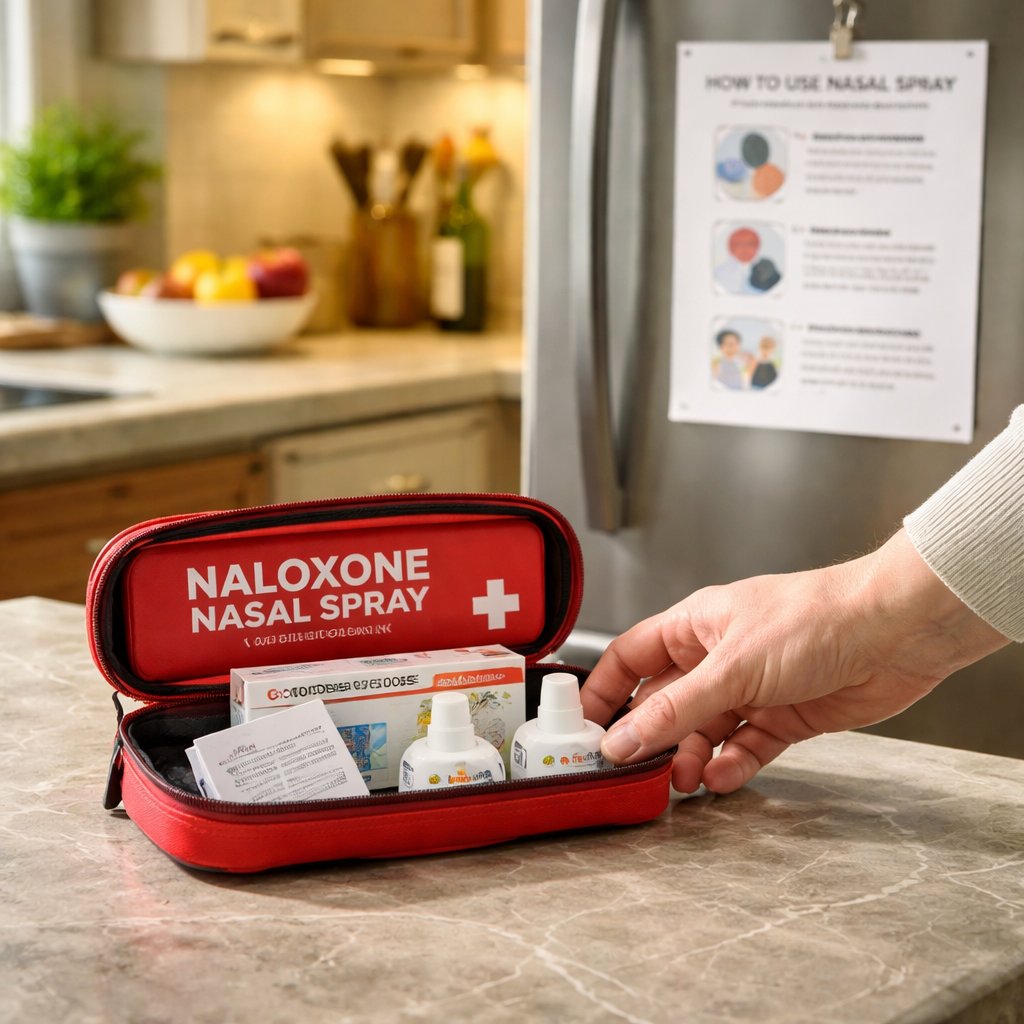
Next Step Intervention provides a 24‑hour emergency line at (949) 545‑3438. They can send a nurse, arrange a rapid detox slot, or connect you with a crisis counselor. Local health departments also run Overdose Education and Naloxone Distribution (OEND) programs that give free kits and training.
Conclusion
Managing opioid withdrawal at home is a big job, but with the right knowledge, a calm space, and a solid plan, families can guide their loved one through the toughest days safely. Start by recognizing the early symptoms, create a quiet environment, provide hydration and simple meds, watch for warning signs, and set up a long‑term recovery roadmap that includes professional care.
If you feel unsure at any point, remember that Next Step Intervention is just a phone call away at (949) 545‑3438. Their experts can step in, give you a nurse, and help you build a personalized plan that fits your family’s schedule.
Take the first step today: write down the top three symptoms you’ve seen, clear a safe space in your home, and call the emergency line to confirm your backup plan. With preparation and compassion, you can turn a scary withdrawal period into a stepping stone toward lasting recovery.