Imagine you’re sitting at the kitchen table, the phone rings, and a loved one has just overdosed. Your heart starts racing, thoughts jumble, and the urge to freeze is almost overwhelming.
That gut‑wrenching moment is exactly why we put together this quick “overdose help” guide. You don’t need to be a medical professional to make the right moves; you just need a clear, step‑by‑step plan you can follow while the adrenaline is still pumping.
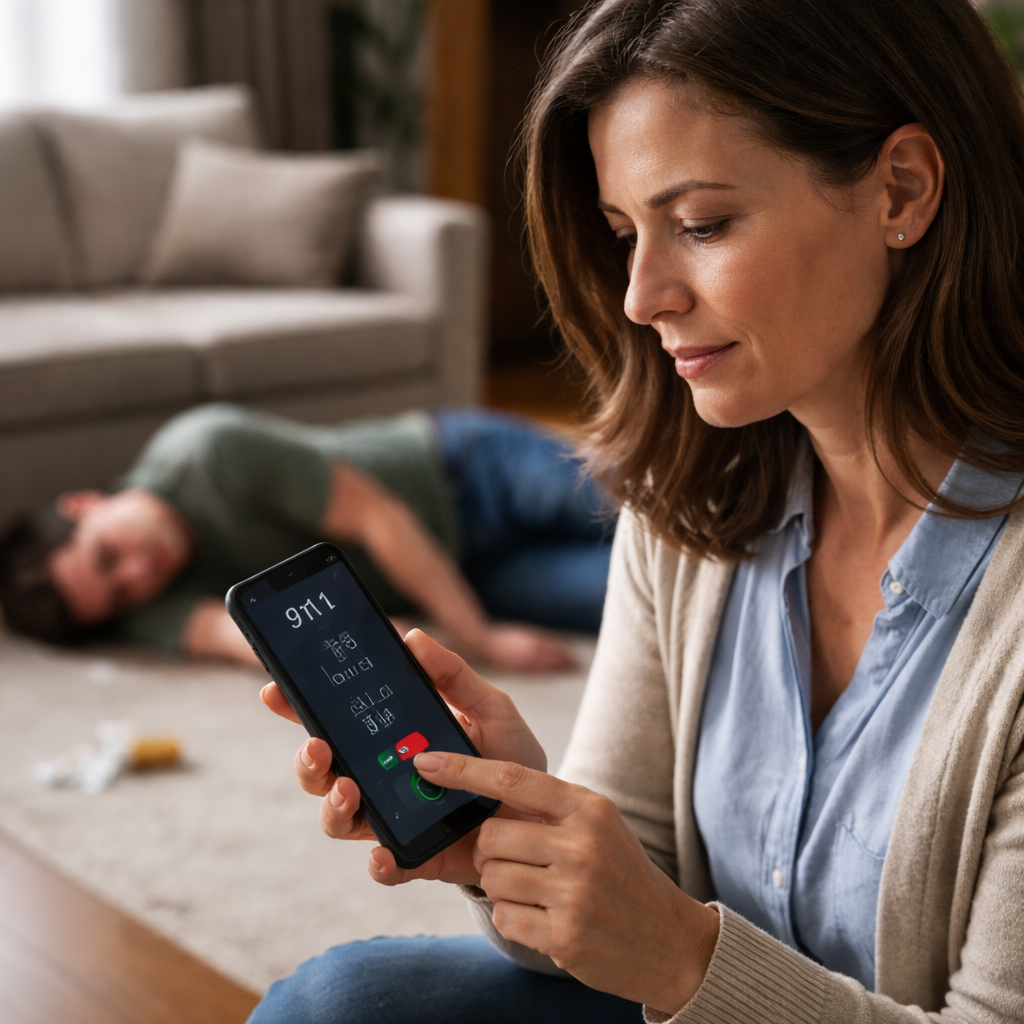
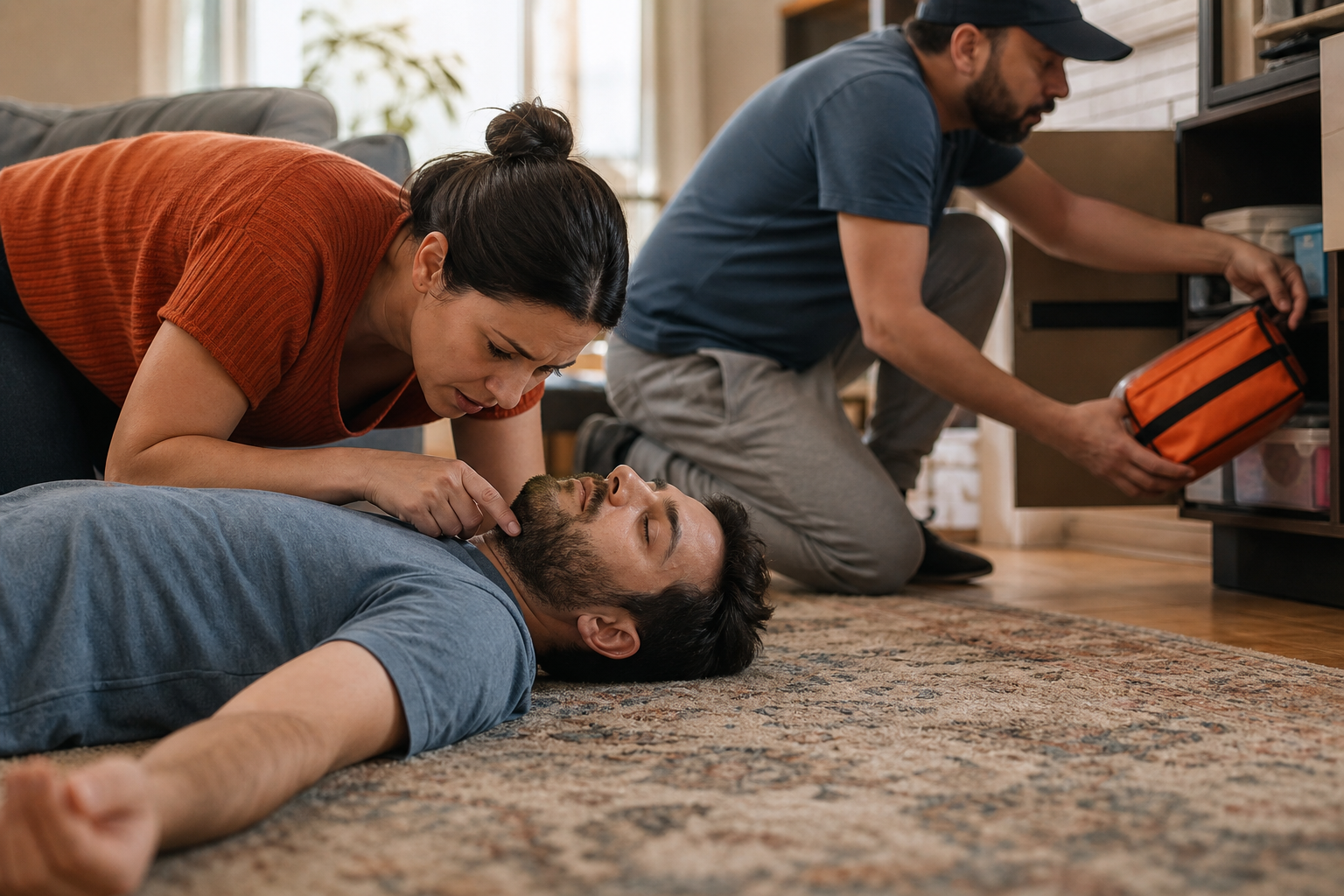
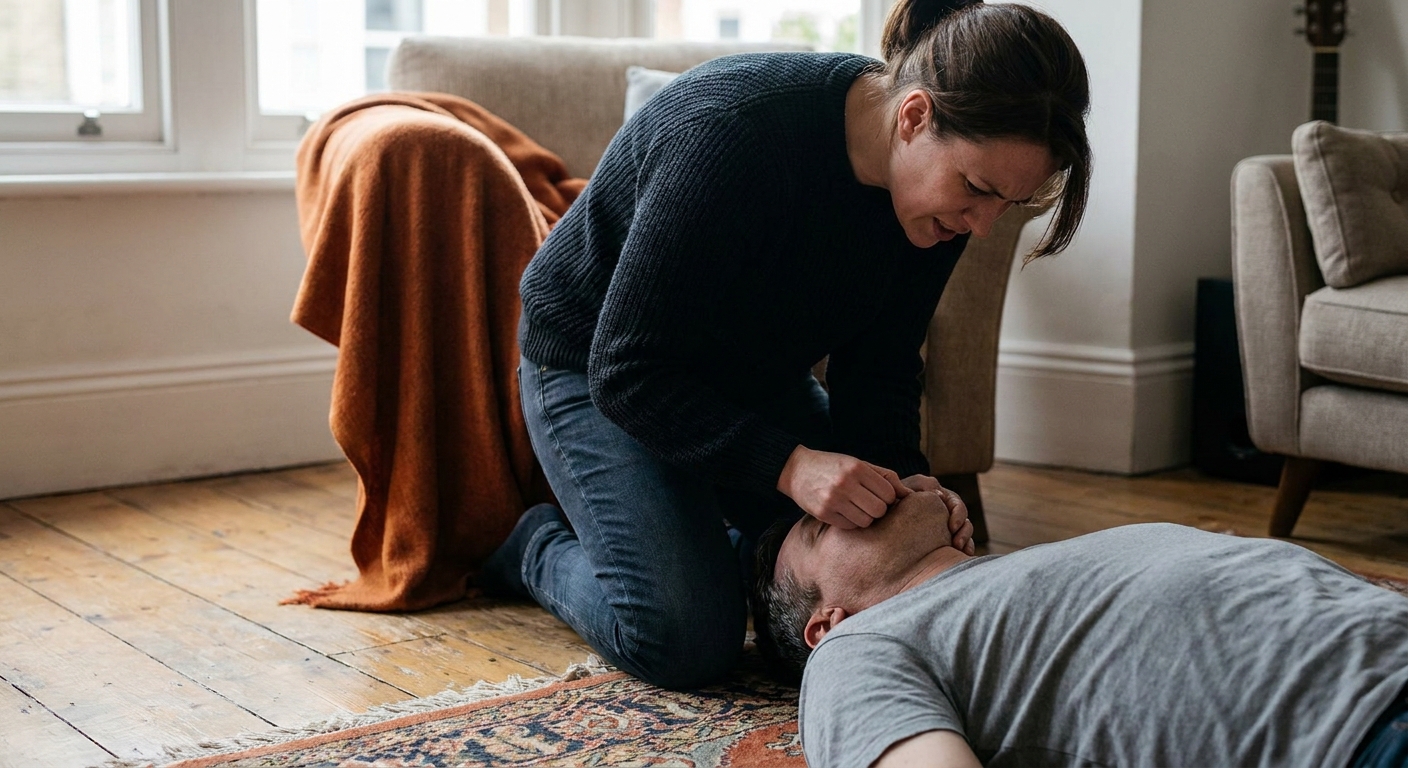
First things first: call 911 or your local emergency number. Even if you think the person might pull through, professional responders bring life‑saving equipment and the authority to administer medication on the spot. While you wait, check their breathing and pulse. If they’re not breathing, start rescue breaths—two slow breaths every five seconds—and keep talking to them so you know when they respond.
Second, if you have naloxone (Narcan) nearby, use it right away. It’s a simple nasal spray or auto‑injector that can reverse an opioid overdose in minutes. Many pharmacies now stock it over the counter, and community programs often give it out for free. After you administer naloxone, continue monitoring breathing; a second dose might be needed after 2‑3 minutes if there’s no improvement.
Third, keep the person safe and stay with them. Lay them on their side in the recovery position to protect the airway, remove any tight clothing, and keep the environment calm. Your voice can be a grounding anchor – “You’re okay, help is on the way,” works wonders.
Once the crisis passes, the real work begins. Connecting your loved one to professional treatment and ongoing support is crucial. Our effective crisis intervention guide walks families through the next steps, from detox options to long‑term counseling.
Families also need emotional healing after the shock. A life‑coach can help rebuild coping skills and set healthy routines. You might find transformative life‑coaching support a valuable complement to medical treatment.
If you’re staring at the phone right now, don’t wait. Call us for a free consultation at (949) 545‑3438 – we’re ready to help you navigate the emergency and plan the path forward.
TL;DR
If an overdose strikes, call 911 for overdose help, give naloxone if you have it, keep the person breathing, and stay by their side until help arrives.
Afterward, reach out to Next Step Intervention for guidance and a 24‑hour consultation at (949) 545‑3438 to connect loved one with recovery support.
Step 1: Recognize the Signs of an Overdose
When the phone rings and you hear that shaky voice on the other end, your mind can go into overdrive. Before panic takes the wheel, pause for a second and focus on the physical clues right in front of you. Those clues are the early warning lights that tell you it’s an overdose and that you need to act fast.
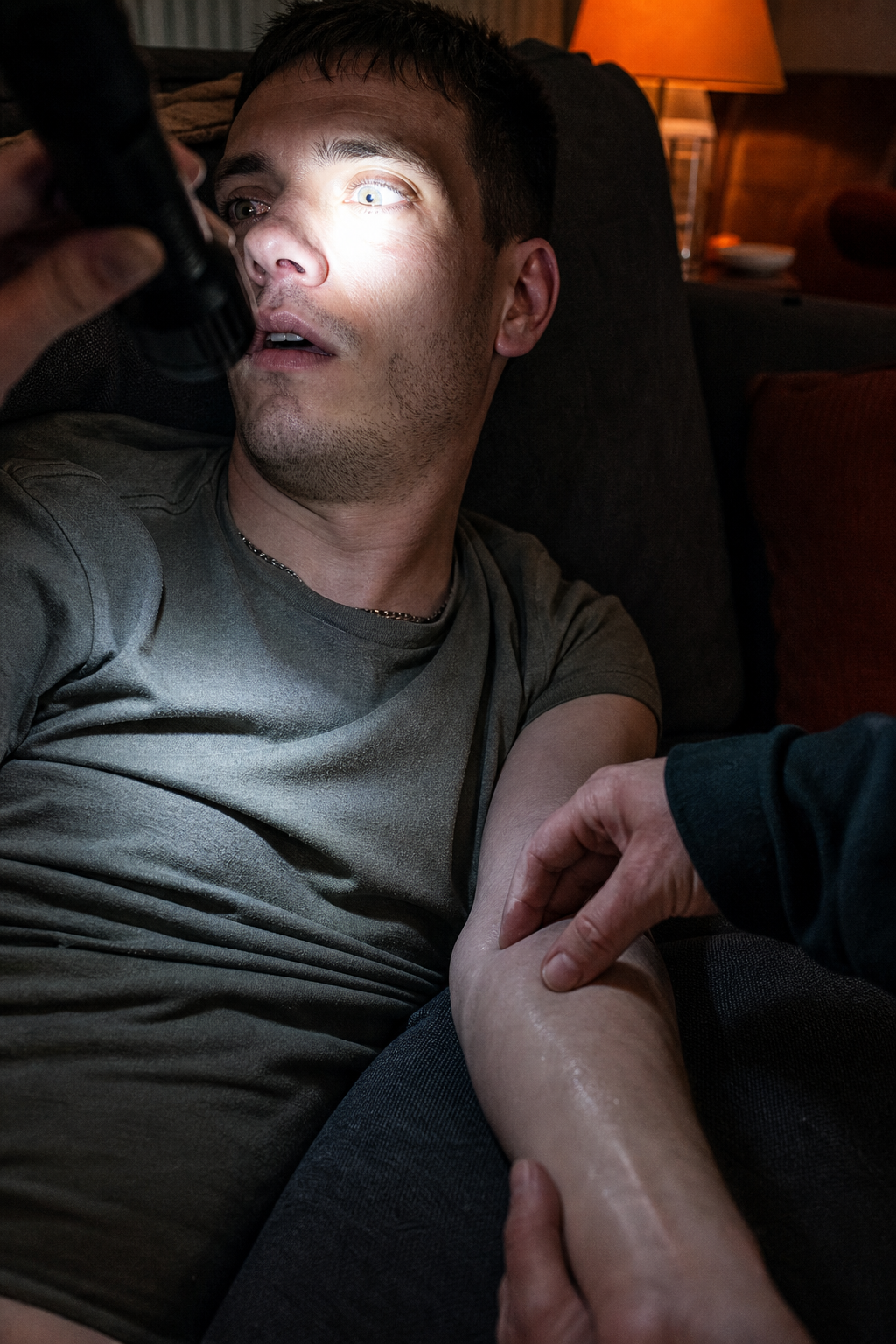
Typical physical signs are surprisingly specific. Look for pinpoint pupils that look like tiny beads, a skin tone that suddenly turns pale or flushed, and a breathing pattern that’s shallow, irregular, or completely absent. You might also notice a blue tinge around the lips or fingertips – that’s your body screaming for oxygen. If the person is unresponsive, can’t stay awake, or seems confused, those are red flags you can’t ignore.
But it isn’t just what you see; it’s also what you hear. Slurred speech, a sudden loss of coordination, or an inability to respond to simple questions are behavioral cues that often accompany opioid or benzodiazepine overdoses. Families that have been through this know the eerie silence that follows a sudden collapse – it’s the moment you realize you need to move from watching to doing.
Here’s a quick mental checklist you can run through in under ten seconds: 1) Are the pupils constricted? 2) Is breathing shallow, slow, or stopped? 3) Is the skin cool, clammy, or bluish? 4) Is the person unconscious or difficult to wake? If you answer “yes” to any of these, you’re looking at an overdose situation and need to call 911 immediately.
Sometimes a visual aid helps you keep those signs straight. Below is a short video that walks you through each symptom with real‑world examples, so you can spot them even when the room feels chaotic.
After you’ve watched the video, take a breath and remember the simple mantra: look, listen, act. Your eyes catch the pinpoint pupils, your ears hear the irregular breaths, and your hands call 911 and grab naloxone if it’s nearby. It’s a rhythm you can rehearse in your head so it becomes second nature when minutes count.
In our experience, families who quickly recognize these signs reduce the time the person goes without oxygen, which dramatically improves outcomes. For a deeper dive into handling the whole crisis, check out our effective crisis intervention guide – it walks you through what to do after the initial response.
While you’re focused on the emergency, think about the next steps for staying healthy long‑term. XLR8well offers proactive health monitoring tools that can alert you to risky patterns before they turn into a crisis, giving families a safety net that extends beyond the moment of overdose.
And when the immediate danger has passed, emotional support is just as crucial. Connecting with a life coach can help you process the trauma and rebuild coping skills. Bettina Rodriguez Aguilera’s coaching focuses on personal growth after crisis, making it a natural next step for families who want to move forward with confidence.
If you’re standing there right now, don’t wait. Call our free 24‑hour line at (949) 545‑3438 for a compassionate consultation. We’ll help you navigate the overdose help steps and guide you toward lasting recovery.
Step 2: Call Emergency Services and Provide Critical Information
When you’ve spotted the overdose signs, the next move is the most crucial: dialing 911. Your voice on the line becomes the bridge between a frantic moment and professional help. It feels scary, but remember—dispatchers are trained to guide you step‑by‑step, so you’re not alone.
What to say the moment you pick up
Start with the basics: “I need an ambulance for a possible opioid overdose.” Then, give the address, cross‑streets, and any landmarks (a red mailbox, a blue door). If you’re inside a multi‑unit building, mention the floor and unit number. The more precise you are, the faster EMS can find you.
Next, answer the dispatcher’s questions about the person’s condition. Expect to be asked:
- Is the person breathing? If yes, how fast? (Count breaths for 10 seconds.)
- Do they have a pulse? (Feel at the wrist or neck.)
- What substances might they have taken? (Mention opioids, fentanyl, alcohol, etc.)
- Have you given naloxone? If so, how many doses?
Answer calmly, even if your heart’s pounding. If you’re unsure about any detail, just say, “I’m not sure, but I think…” The dispatcher will note that uncertainty and still send help.
Gathering critical information while you wait
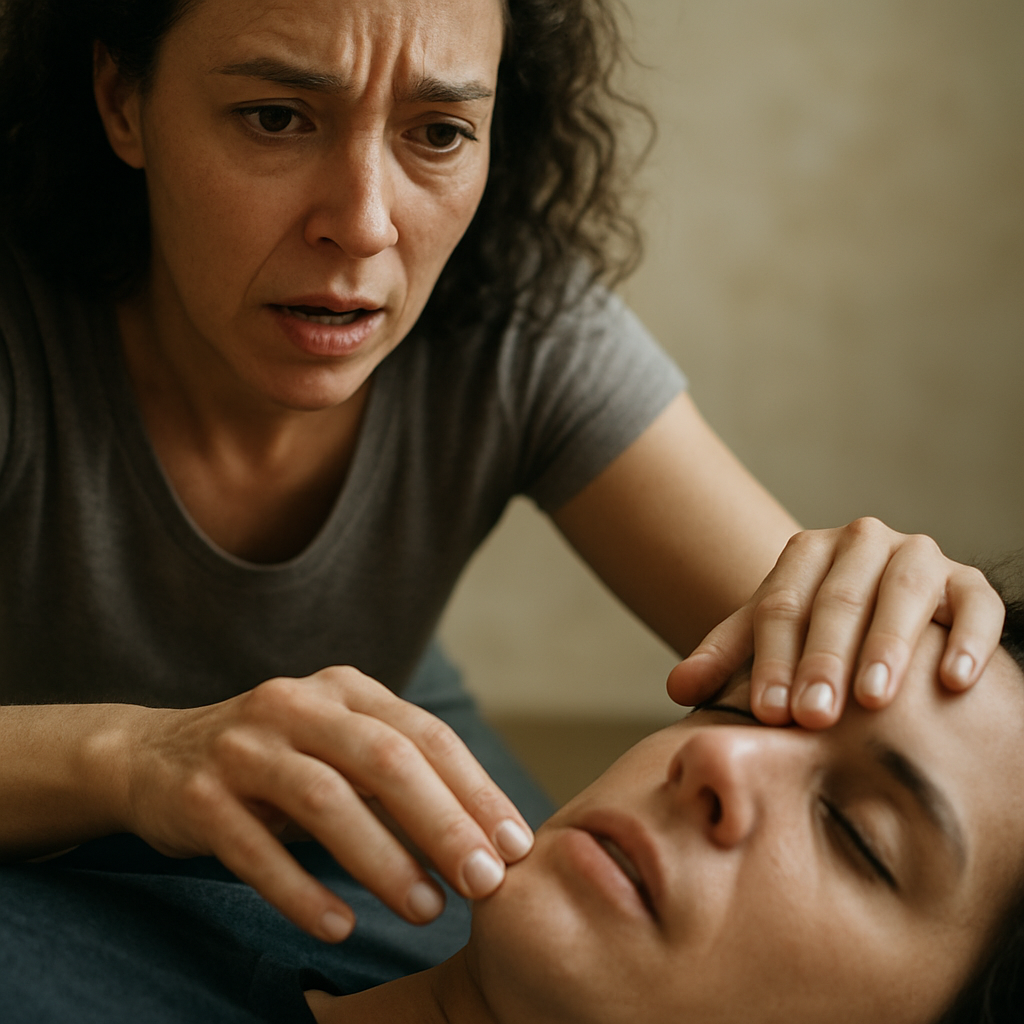
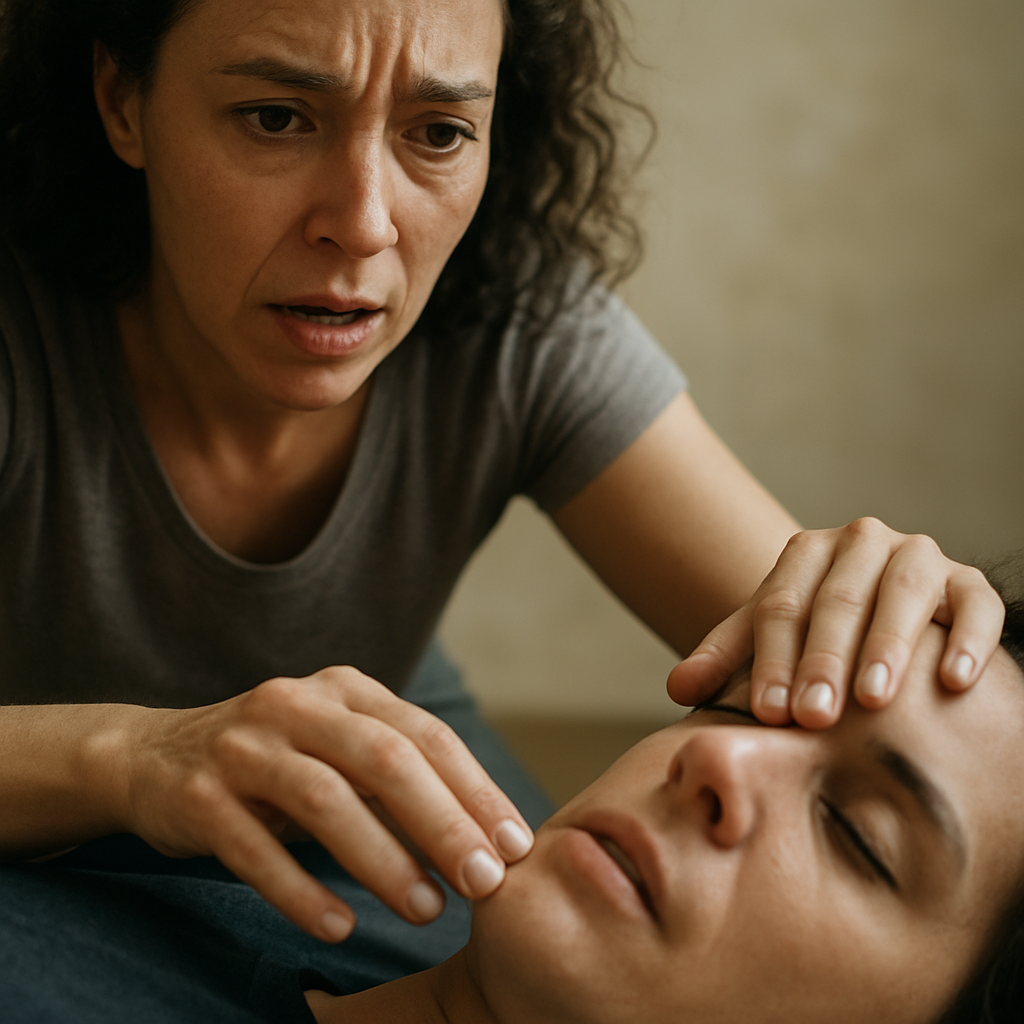
While the line stays open, keep an eye on the person’s breathing and skin colour. If they become unresponsive, place them in the recovery position—on their side, with the top leg bent and the head tilted back. This keeps the airway open and prevents choking if they vomit.
If you have a naloxone kit nearby, pull it out now. Even if you’ve already given a dose, a second one might be needed after two to three minutes. Hold the naloxone spray or auto‑injector steady, aim at the nose or thigh, and follow the device’s instructions. After each dose, watch for the person’s breathing to improve. If it doesn’t, repeat the dose if you have another.
While you’re doing this, talk to the person. A gentle, “You’re okay, help is on the way,” can keep them semi‑conscious and may trigger a reflexive gasp that re‑opens the airway.
What to tell EMS when they arrive
When the paramedics step in, give them a concise handoff:
- Exact time you first noticed the symptoms.
- All substances you suspect (including any recent fentanyl exposure).
- How many naloxone doses you’ve administered and when.
- Any known medical conditions or allergies.
Paramedics will also want to know if you’ve observed seizures, severe vomiting, or if the person has a history of overdose. Sharing this info speeds up their assessment and treatment.
Real‑world example
Take the story of a mother in San Diego who found her teenage son slumped on the couch, barely breathing. She called 911, gave the exact address, and told the dispatcher the boy had used fentanyl the night before. While waiting, she administered two naloxone sprays because the first didn’t bring a noticeable change. The EMTs arrived within eight minutes, praised her for the detailed report, and were able to stabilize the teen quickly. In the end, the teen was transferred to a local detox program where the family later used the How to Choose the Right Detox Center Near Me: A Practical Step‑by‑Step Guide to find a supportive facility.
Tips from the front lines
• Keep a small “overdose kit” by the phone: naloxone, gloves, a notepad for the dispatcher’s reference number, and a list of emergency contacts.
• Memorize the three‑digit code for your local EMS if you travel often; some regions use 112 or 999.
• If you’re in a multi‑family building, inform the building manager right away—they can unlock doors or clear hallways for EMS.
• After the crisis, take a moment to breathe yourself. It’s normal to feel shaken. You did everything possible, and that’s what matters.
Need a little extra reassurance? Give us a free consultation call now at (949) 545‑3438. We’ll walk you through what to expect from EMS, how to talk to first responders, and the next steps toward lasting recovery.
Step 3: Administer First Aid and Use Naloxone Safely
You’ve already called 911 and got help on the line. Now the real work begins, and you might be wondering: can I really save this person with my own hands?
The short answer is yes. Your first priority is to keep the airway open and support breathing while you get the naloxone ready.
Check breathing and pulse. Look for chest rise, listen for sounds, and feel for a pulse at the wrist or neck. If there’s no breathing or a very shallow breath, start rescue breaths right away—two slow breaths every five seconds.
While you’re delivering breaths, tilt the head back gently and lift the chin. This simple maneuver can prevent the tongue from blocking the airway.
Do you have gloves nearby? If not, grab a pair from your overdose kit or any clean disposable gloves you can find. Protecting yourself from potential bodily fluids is a tiny step that makes a big difference.
Position the person. If they’re unconscious but still breathing, roll them onto their side—the recovery position. This lets any vomit drain away and keeps the airway clear.
Now, it’s time for the hero of this story: naloxone.
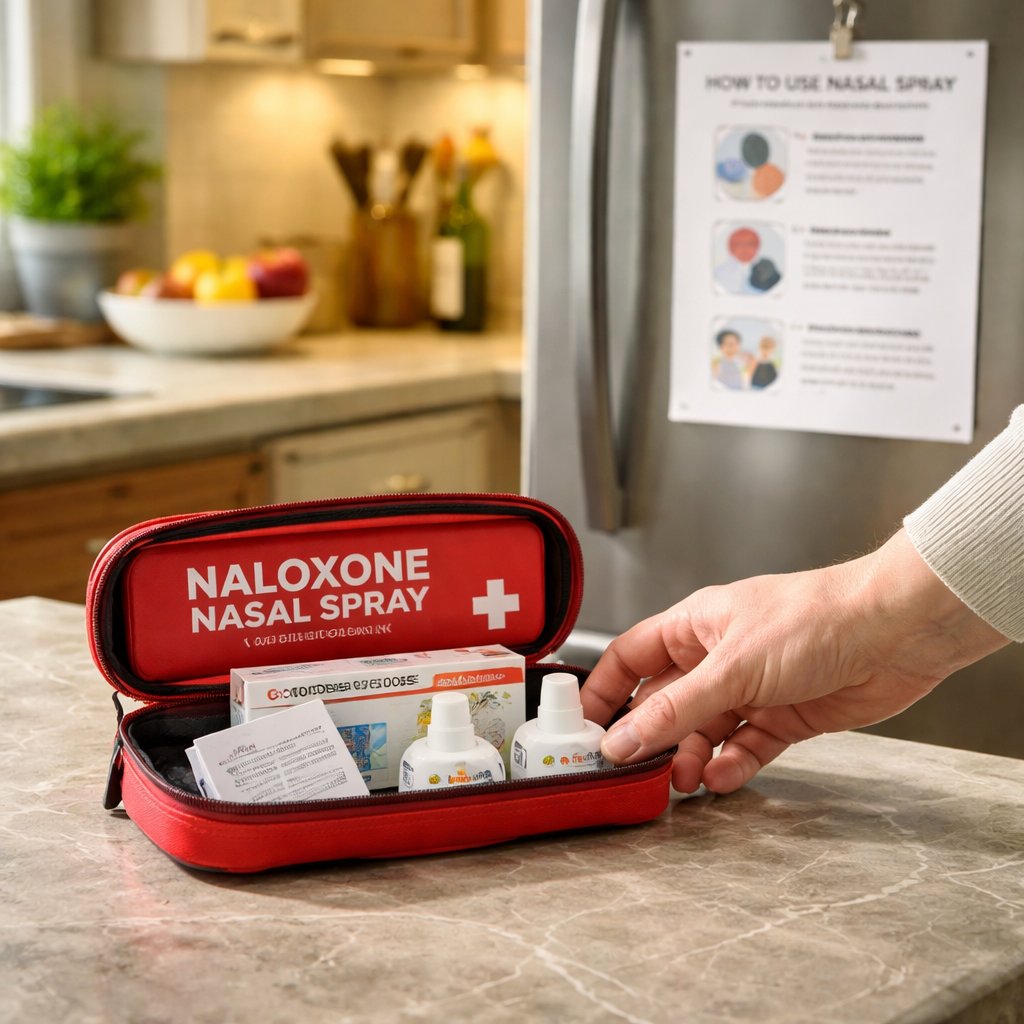
Take the nasal spray or auto‑injector out of its case. Remove the protective cap, and aim the nozzle toward one nostril. Press firmly until you hear the click—this releases the dose.
After the first spray, stay with the person and watch for signs of waking up: a gasp, coughing, or a return of normal breathing. It can take 30 seconds to two minutes for the drug to kick in.
What if nothing happens?
Give a second dose after two to three minutes if the person is still not breathing adequately. Most kits come with two doses precisely because the first may not be enough, especially with powerful opioids like fentanyl.
While you wait, keep talking to them. A calm, reassuring voice (“You’re okay, help is on the way”) can help reduce panic and may even trigger a reflexive gasp.
Here’s a quick checklist you can run through in your head:
- Call 911 (already done).
- Check breathing and pulse.
- Start rescue breaths if needed.
- Put on gloves.
- Place in recovery position.
- Administer naloxone – first dose.
- Monitor for response.
- Give second dose if no improvement after 2‑3 min.
- Stay with the person until EMS arrives.
Real‑world example: A mother in San Diego found her teen slumped, barely breathing. She gave two naloxone sprays, waited the two‑minute window, and watched his color return. Paramedics arrived and praised her for the detailed hand‑off. The family later used a local detox guide to find the right treatment center.
That story isn’t unique. Many families have turned a potential tragedy into a chance to connect with professional help.
Once the person is stable, you’ll need to share critical info with the responders: the exact time you gave each dose, any known drug use, and any allergies or medical conditions. This speeds up their assessment and can guide further treatment.
And remember, naloxone can cause sudden withdrawal symptoms—shakiness, sweating, nausea. These can be frightening, but they’re temporary. Keep the person comfortable, stay with them, and reassure them that help is on the way.
Below is a short video that walks you through the naloxone administration step‑by‑step. It’s a great visual refresher if you’ve never used the kit before.
After the video, take a moment to glance at the American Red Cross opioid overdose training page. It reinforces the CPR connection and gives you confidence that you’re following best practices.
If you want a quick reference you can print out, the New York State health guidance on overdose response includes a handy one‑page checklist you can stick on the fridge.
Finally, breathe. You’ve done the hard part—called for help, cleared the airway, delivered naloxone, and stayed present. When the EMTs arrive, hand them the kit, the timing notes, and let them take over. You’ve just turned a scary emergency into a story of survival.
Step 4: Aftercare – Monitoring, Support, and Treatment Options
Okay, the crisis has passed. The ambulance doors have closed, the paramedics have taken over, and you’re left holding a mix of relief and lingering worry. That feeling? It’s the start of the after‑care phase, where the real work of keeping your loved one safe begins.
First thing’s first: keep an eye on the basics. Even after naloxone kicks in, the person can slip back into respiratory depression, especially if a potent opioid like fentanyl was involved. Grab a timer, note the time you gave the last dose, and check breathing every five minutes for the next hour. Look for steady chest rise, a pulse that feels regular, and skin that’s no longer bluish. If anything feels off, don’t wait—call 911 again.
Step‑by‑step monitoring checklist
- Record the exact time of each naloxone dose.
- Count breaths for 30 seconds; aim for 8‑12 per minute.
- Feel for a pulse at the wrist or neck.
- Watch for signs of re‑sedation: drowsiness, slurred speech, or a sudden drop in oxygen level.
- Stay with the person until professional help arrives or they’re stable for at least an hour.
Does that sound like a lot? Imagine it like checking a simmering pot on the stove—you don’t walk away until you’re sure it won’t boil over.
Real‑world example: A mom in Providence noticed her son’s breathing slowed two hours after the first naloxone spray. She logged the time, called 911, and the paramedics arrived before his oxygen dipped dangerously low. That quick note‑taking saved a second emergency call.
Emotional and peer support
Monitoring the body is only half the battle. The person who just survived an overdose is likely shaking, scared, and maybe ashamed. That’s where supportive conversations and community resources step in. Encourage them to talk—don’t force it, just let them know you’re there to listen without judgment.
Peer‑support groups, like local “Recovery Café” meet‑ups, can be a lifeline. Seeing someone else who’s walked the same rocky road makes the path feel less lonely. If you’re in Rhode Island, the state’s overdose prevention program maintains a list of community‑run groups you can share.
One family we’ve worked with found that weekly check‑ins with a certified recovery coach helped their daughter move from “I’m scared” to “I’m ready to get help.” The coach didn’t push a treatment plan; they just asked, “What feels doable for you this week?” That tiny question opened the door to real change.
Treatment options to consider
After the immediate danger, it’s time to look at longer‑term solutions. Here are the three most common routes families explore, and a quick tip for each.
- Detox (medical‑supervised withdrawal): This is the safest way to clear opioids from the system. Look for a center that offers 24‑hour nursing and can manage potential seizures. Ask if they provide “comfort medication” to ease withdrawal symptoms.
- Medication‑Assisted Treatment (MAT): Buprenorphine, methadone, or naltrexone can reduce cravings and prevent relapse. The key is finding a provider who tailors dosage to the individual’s history.
- Therapeutic counseling: Cognitive‑behavioral therapy (CBT) or motivational interviewing helps address the underlying triggers—stress, trauma, or social pressure. A therapist who understands addiction, not just “talk‑therapy,” makes a world of difference.
Imagine a scenario: A father calls Next Step Intervention after his son’s overdose. We guide him to a local detox center, arrange a MAT evaluation, and set up a weekly family therapy session. Within three months, the son is stable on buprenorphine, attending group meetings, and the family reports fewer arguments at home.
Quick comparison of after‑care tools
| Aftercare Component | What to Do | Why It Matters |
|---|---|---|
| Vital‑sign monitoring | Check breathing, pulse, and note naloxone timing every 5 minutes for 1 hour. | Prevents hidden re‑sedation and catches emergencies early. |
| Peer support | Join a local recovery group or schedule a weekly check‑in with a coach. | Reduces isolation, builds accountability, and normalizes the recovery journey. |
| Professional treatment | Choose detox, MAT, or counseling based on medical advice. | Addresses physical dependence and underlying mental‑health factors. |
So, what’s your next move? Grab a notebook, jot down the monitoring schedule, and reach out to a trusted support network today. If you’re feeling overwhelmed, remember you don’t have to navigate this alone.
Need a steady hand to guide you through the next steps? Call us for a free consultation at (949) 545‑3438. We’ll help you map out monitoring, connect you with support groups, and explore the right treatment path for your family.
Step 5: Prevent Future Overdoses – Education and Resources
Okay, the emergency is over, but the story isn’t finished. The real challenge is making sure the next time you see those warning signs, you’re already equipped with knowledge, not panic.
Why education matters
Research shows that early, consistent education cuts down repeat overdoses by giving families the confidence to act before a crisis hits. The CDC points out that community‑wide prevention programs are a cornerstone of keeping opioid use disorder at bay.
So, what does that look like at home? It starts with a simple conversation, not a lecture. You might say, “Hey, I’ve read that naloxone is safe to carry, and I want us all to have a kit nearby.” That’s it—no shame, just practical safety.
Build a family overdose response plan
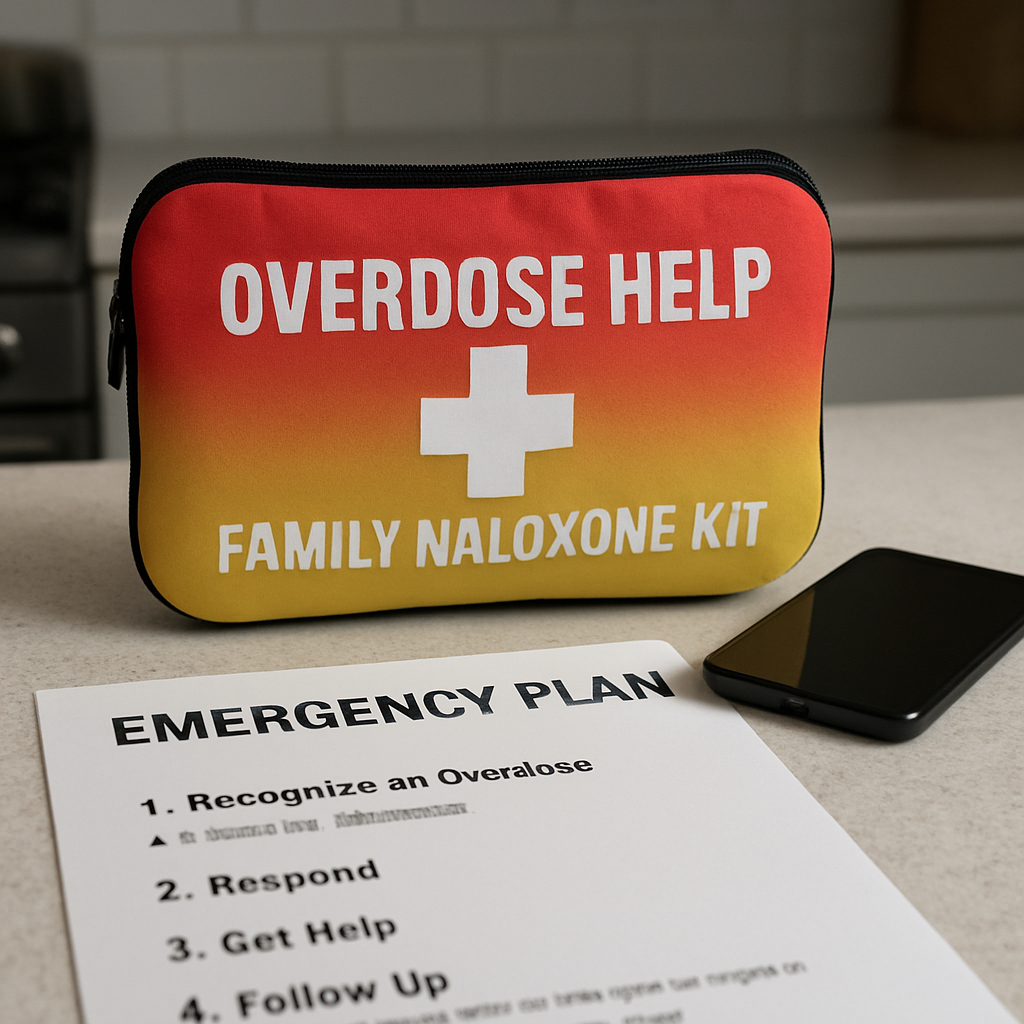
Grab a notebook or a shared Google Doc and write down three things: where your naloxone lives, who’s trained to use it, and the exact phone number for emergency services.
Make the plan visible—sticker the front of your fridge or tape it inside the bathroom cabinet. When you review it together every few months, it becomes muscle memory, not a stressful checklist.
Does it feel weird to rehearse? Think of it like fire‑drill practice. The more you run through the steps, the calmer you’ll be when seconds count.
Tap into community resources
Illinois runs a robust Overdose Education and Naloxone Distribution (OEND) program that provides free Narcan kits to families and community groups. You can enroll your household or a local church to get kits at no cost. The state’s website explains how to sign up and even offers testing strips for fentanyl‑laced pills.
Local health departments often host free workshops where you can watch a live demo of naloxone administration. Attending one of those sessions turns the “I hope I never need this” mindset into “I know exactly what to do.”
And if you’re not in Illinois? The CDC’s national prevention guide lists similar programs in most states, so a quick search can point you to the right contact.
Keep naloxone top of mind
Place your naloxone where you already reach for other essentials—next to your keys, in the car glove compartment, or by the front door. A bright label (“Naloxone – Save a Life”) reminds everyone that it’s part of everyday safety.
Set a calendar reminder every six months to check the expiration date. Swapping out an old kit is a painless task that could be the difference between a quick reversal and a delayed response.
Teach the next generation
Kids and teens don’t need the full medical jargon, but they do need to recognize the signs—slow breathing, pinpoint pupils, and blue‑tinged lips. A quick “If you ever see someone looking really pale and not waking up, call 911” line can save a life later on.
Consider a short role‑play during a family meeting: “What would you do if you found a friend slumped on the couch?” Let them practice calling 911 on a phone, even if it’s just a pretend one. Those rehearsal moments build confidence.
Stay connected to ongoing support
Recovery isn’t a one‑time event, and neither is education. Sign up for newsletters from your local health department or the CDC’s overdose prevention page to get updates on new resources, training events, and policy changes.
When you feel overwhelmed, remember you don’t have to navigate this alone. Next Step Intervention offers a free, no‑obligation consultation to walk you through setting up your family’s overdose response plan, finding local OEND programs, and connecting you with peer‑support groups.
Pick up the phone now and dial (949) 545‑3438. Let’s make sure you have the tools, the knowledge, and the peace of mind to prevent future overdoses.
Step 6: Community and Legal Support Resources
You’ve made it through the emergency, but the journey doesn’t end when the ambulance pulls away. The next big question most families ask is: “Where do I turn for help that actually understands what we’re going through?” The answer lives in two places – community networks that give you emotional stamina, and legal resources that protect your loved one and your family.
Find a peer‑support community that speaks your language
Grief after an overdose feels like an invisible weight. You might think, “No one gets it,” but there are groups built exactly for that feeling. GRASP (Grief Recovery After Substance Passing) offers free local meetings across the U.S. and Canada, where families share stories, swap coping tools, and remind each other that they’re not alone. Showing up for just one session can turn isolation into a lifeline.
Tip: Write down the next meeting date in your calendar the same way you’d note a doctor’s appointment. Treat it as non‑negotiable – you wouldn’t skip a flu shot, right?
Lean on professional counseling early
Emotional fallout can surface weeks after the crisis. A licensed therapist who specializes in addiction‑related trauma can help you process guilt, anger, and the roller‑coaster of hope. Look for counselors who list “Substance Use Disorder” or “Family Intervention” in their specialties. Many offer a brief “initial consult” free of charge – a good way to test the fit before committing.
And remember, you don’t have to do this alone. Our team at Next Step Intervention can point you toward vetted therapists in your area during a free consultation.
Legal basics you should know right now
When an overdose happens, questions about liability, medical records, and insurance pop up fast. Here are three quick steps to keep you on solid ground:
- Secure medical records. Ask the hospital for a copy of the after‑care notes within 30 days. Having that paper trail helps any future legal counsel understand what care was provided.
- Know your state’s Good Samaritan laws. Most states protect anyone who calls 911 or administers naloxone from prosecution. A quick web search for “[Your State] Good Samaritan overdose law” will give you the exact language.
- Consider an advance directive. If your loved one is able, discuss a legal document that outlines treatment preferences in case of future overdoses. It saves confusion when emotions are high.
If the legal maze feels overwhelming, a brief phone call to a local legal aid clinic can clarify your rights within minutes.
Connect with local OEND programs
Overdose Education and Naloxone Distribution (OEND) programs do more than hand you a kit – they often host workshops, provide legal FAQs, and maintain a network of peer mentors. Search your county health department’s website for “OEND” and sign up for the next training session. Walking into that room with other parents who’ve been there can turn fear into confidence.
Pro tip: Bring a notebook and jot down every question, even the ones that feel silly. The facilitator will appreciate the engagement, and you’ll walk away with a printed checklist.
Build a family action plan that includes legal and community steps
Take five minutes tonight to draft a one‑page plan. Include:
- Contact info for your chosen support group (GRASP meeting address, phone).
- Names and numbers of a therapist and a legal aid volunteer.
- Location of your naloxone kits and expiration dates.
- Emergency legal notes – Good Samaritan law summary, where to request medical records.
Stick that sheet on the fridge next to your phone. When the next crisis hits, you’ll have a clear roadmap instead of scrambling.
Does any of this feel like a lot? It is, but you don’t have to build it piece by piece on your own. Call us now for a free, no‑obligation consultation at (949) 545‑3438. We’ll walk you through community resources, legal safeguards, and the next steps to keep your family safe and supported.
FAQ
What’s the very first thing I should do if I think someone is overdosing?
Take a deep breath, then pick up the phone and dial 911. While the operator is on the line, quickly check the person’s breathing and pulse. If they’re not breathing or breathing shallowly, start rescue breaths and grab your naloxone kit. Give the dose, stay with them, and keep talking so they don’t drift into unconsciousness. If you’re ever in doubt, call us at (949) 545‑3438 for a free, no‑obligation walkthrough.
How can I get naloxone for my household without spending a fortune?
Most state health departments run Overdose Education and Naloxone Distribution (OEND) programs that hand out kits at little or no cost. Check your county’s website for “OEND” or call the local health department. Pharmacies also carry naloxone without a prescription in many states, and some insurance plans cover it fully. Having a kit at home, in the car, and at work turns panic into preparedness.
Where do I find a local peer‑support group that understands my family’s situation?
Start by searching for community‑run recovery groups like GRASP (Grief Recovery After Substance Passing) or local “Recovery Café” meet‑ups. Many churches, libraries, and community centers host weekly circles where families share stories and resources. A quick Google search for “overdose support group + [your city]” will usually pull up a calendar. Showing up even once can break the isolation you might be feeling.
How can I talk to my teen about overdose without sounding like a nag?
Pick a calm moment—maybe while you’re cooking dinner or driving home—and frame the conversation as caring curiosity, not a lecture. Try something like, “I’ve been reading about how easy it is for anyone to get into trouble with pills, and I want us both to stay safe. What do you think?” Listen more than you speak, validate their feelings, and gently introduce the idea of keeping naloxone nearby.
What legal protections do I have if I administer naloxone to someone?
Most states have Good Samaritan laws that shield you from civil or criminal liability when you call 911 or give naloxone in good faith. The law typically covers the person who called for help and anyone who provided emergency assistance. Keep a quick note of your state’s law—often a one‑sentence summary is enough—to share with EMS when they arrive. If you need clarification, a quick call to a legal‑aid clinic can clear things up.
What should I put on a family overdose action plan?
Grab a sticky note or a small notebook and write down four essentials: where the naloxone kits are stored (including expiration dates), the phone number for your local OEND program, a list of emergency contacts (including your therapist or legal aid volunteer), and a brief step‑by‑step reminder of the 5‑step quick‑check we’ve covered. Tape that sheet to the fridge or inside a bathroom cabinet—somewhere you’ll see it before you even think about it.
How do I know if what I’m seeing is an opioid overdose and not something else?
Look for the classic trio: pinpoint pupils that look like tiny beads, slow or absent breathing, and a blue tinge around the lips or fingertips. If you see any two of those signs, treat it as an opioid overdose until proven otherwise—call 911, administer naloxone, and monitor the airway. Even if it turns out to be a different medical issue, you’ve already taken the safest route.
Need a little extra confidence? Call Next Step Intervention for a free consultation at (949) 545‑3438. We’ll help you fine‑tune your plan, connect you with local resources, and make sure you’re never caught off guard.
Conclusion
We’ve walked through recognizing signs, calling 911, using naloxone, and planning after‑care. By now you know the exact steps that turn panic into a clear, lifesaving routine.
So, what does that mean for you? It means you can keep a printed checklist on the fridge, store the naloxone kit where you grab your keys, and feel confident that you’ll act fast if seconds count.
Key takeaways
- Spot the trio: pinpoint pupils, shallow breathing, blue lips.
- Run the 5‑step quick‑check, call 911, and administer naloxone.
- Stay with the person, note timing, and hand over details to EMS.
- After the crisis, monitor for re‑sedation and connect with support resources.
Remember, you don’t have to navigate this alone. If any part of the plan feels overwhelming, a quick, no‑obligation chat with our team can clear the fog.
Pick up the phone now and dial (949) 545‑3438 for a free consultation. We’ll help you fine‑tune your family overdose action plan, locate local OEND programs, and give you the peace of mind you deserve.
Take the first step today—because when it comes to overdose help, preparation saves lives.
Every family faces this tough reality, but with a plan you’re turning fear into action, and that shift makes all the difference for you and your loved ones.