When every second counts, families need a crystal-clear, step-by-step opioid overdose response plan. The research shows most official checklists leave critical gaps. For example, only 59% of steps tell you who should act. And only 38% say when to act. That leaves families guessing during a crisis. That’s why you need a family emergency plan for opioid overdose that covers every step. This guide walks you through five steps: recognizing signs, calling 911, giving naloxone, rescue breathing, and preparing your family for the long haul. You’ll also learn about a ready-made checklist from Next Step Intervention. Let’s start.
Step 1: Recognize the Signs of an Opioid Overdose
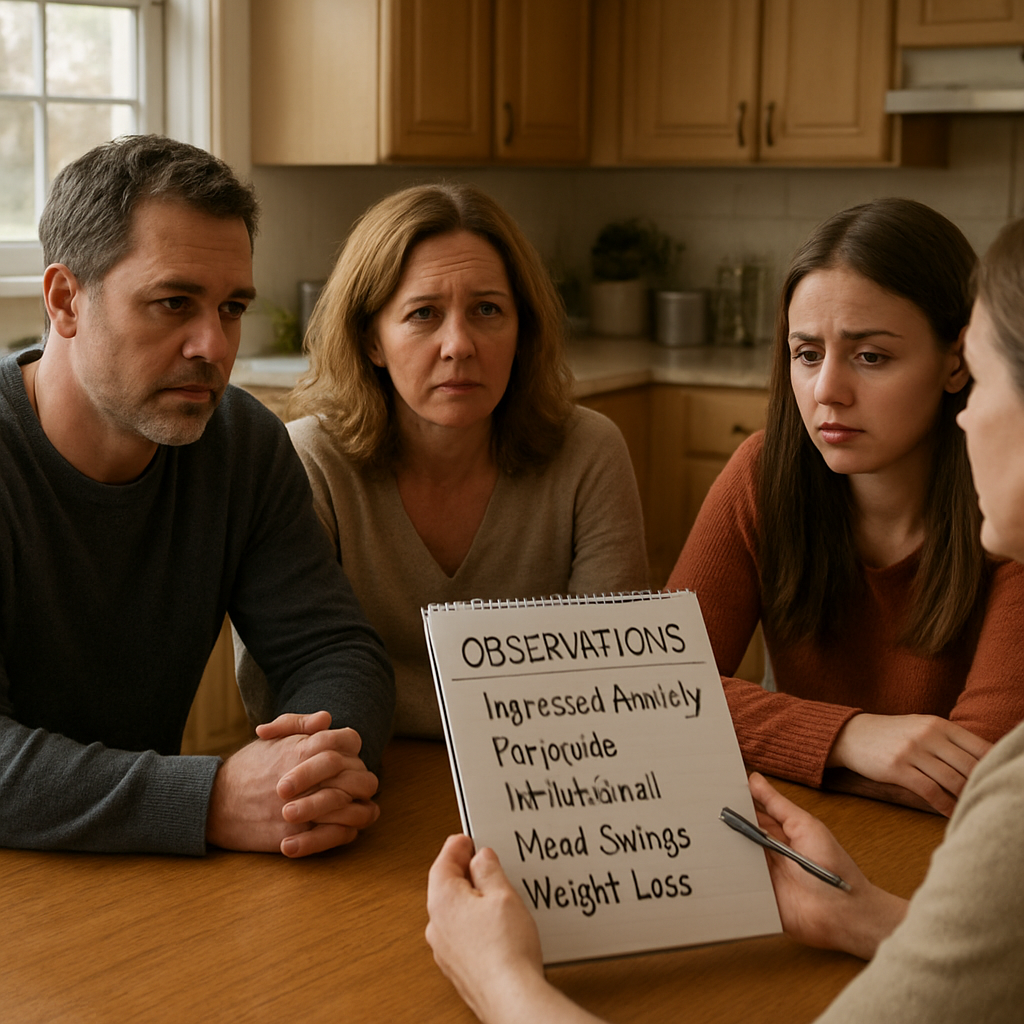
You can’t respond to an overdose if you don’t know what it looks like. The first part of your family emergency plan for opioid overdose is learning the signs. Opioids slow down your breathing. When someone overdoses, they stop breathing completely. The difference between life and death is how fast you get oxygen into their body.
Look for these signs:
- They won’t wake up. You shake them, shout their name, rub your knuckles on their chest bone. Nothing.
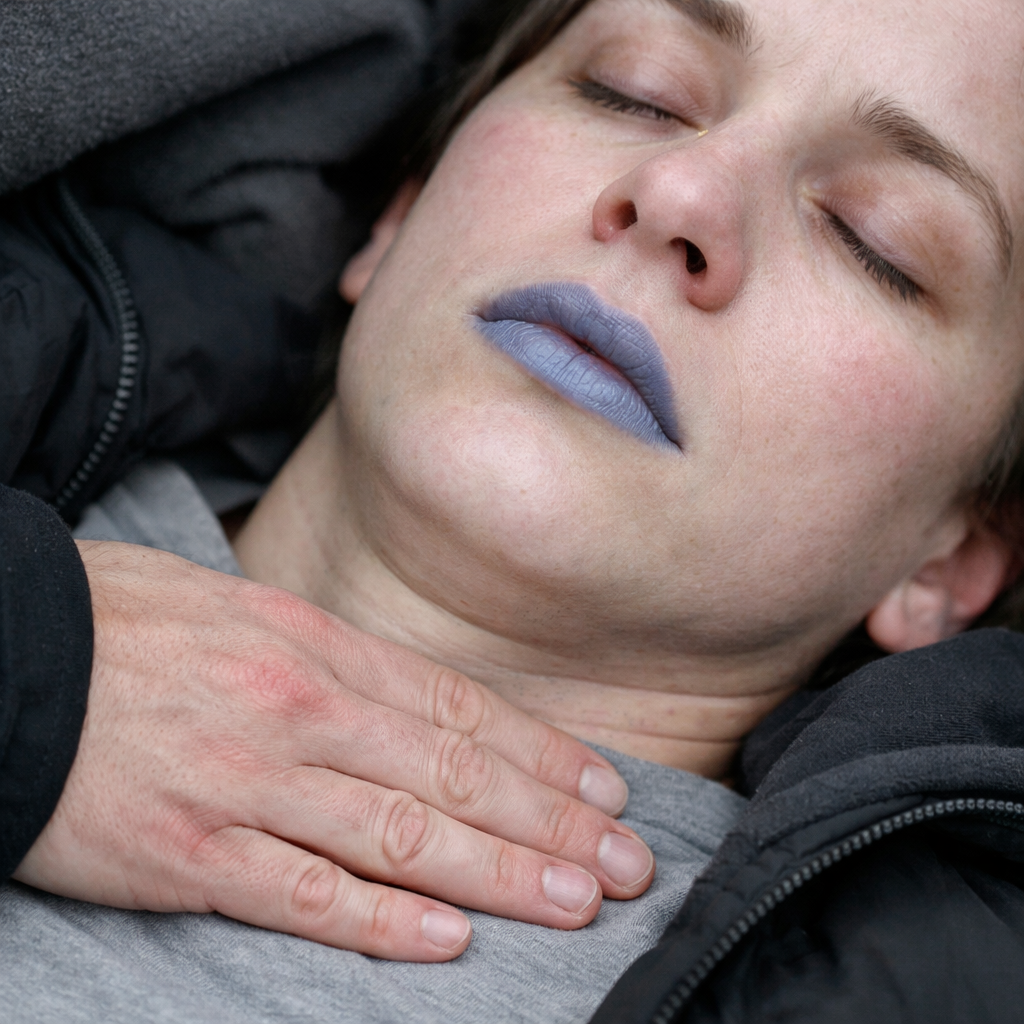
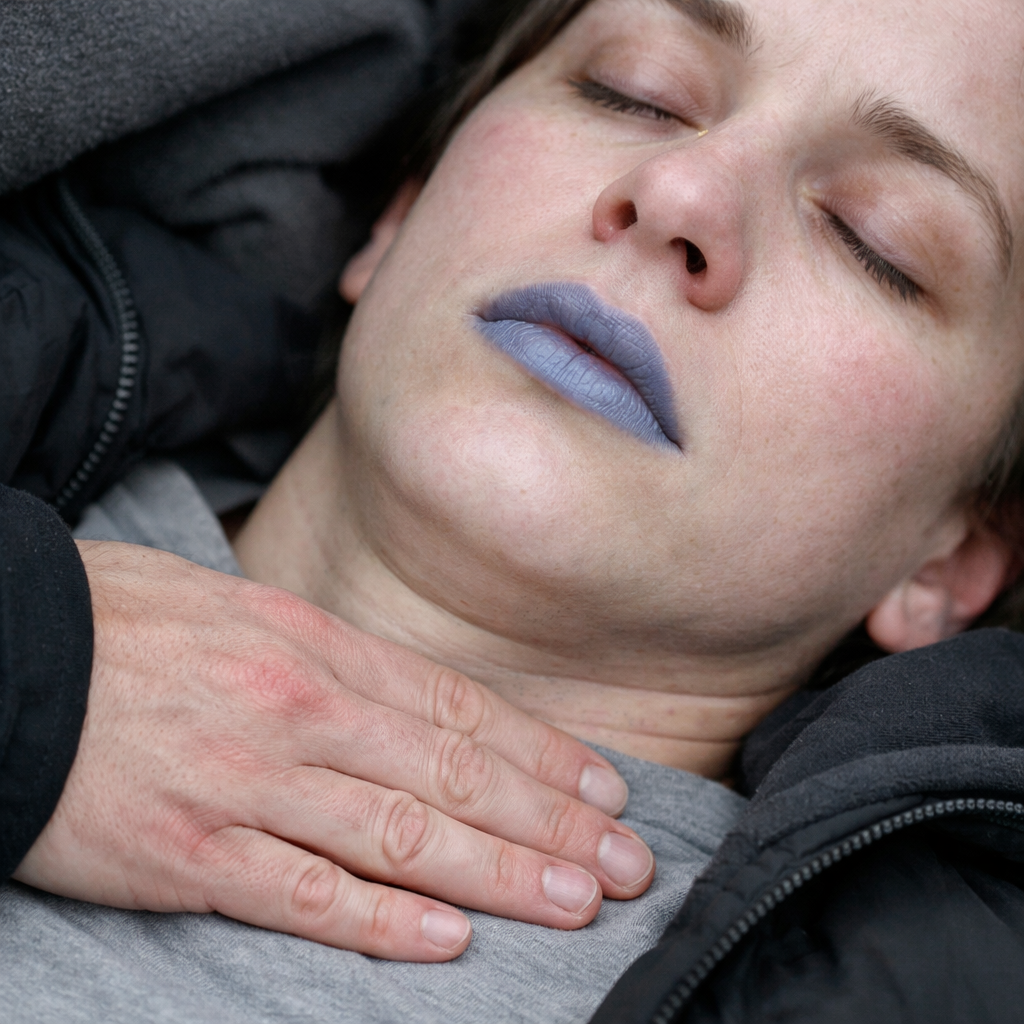
- Their skin is pale, clammy, or turning blue. This is especially clear on lips and fingernails.
- Their breathing is very slow or has stopped. Put your ear close to their nose and mouth. Listen for 10 seconds.
- They make a deep gurgling or snoring sound. This is called the “death rattle.” It means their airway is blocked.
- Their pupils are tiny like pinpoints.
Here’s a common mistake: people think someone is just sleeping or snoring. But that sound could be a sign of overdose. The Substance Abuse and Mental Health Services Administration (SAMHSA) says to call 911 immediately if you see ANY of these signs. Don’t wait. Don’t guess. If you’re not sure, treat it like an overdose.
That’s a big gap. Your family plan needs to spell out exactly what to do and when. Write down the signs on a card. Tape it to your fridge. Practice saying them out loud with your family. The more you rehearse, the faster you’ll act when it matters.
Bottom line: Recognizing the signs of an opioid overdose quickly is the first step in your family emergency plan for opioid overdose, and knowing what to look for cuts precious seconds off your response time.
Step 2: Call 911 Immediately
Once you suspect an overdose, your next move is to call 911. This is the single most important step. Paramedics have oxygen, medication, and training. They can save a life even if you make mistakes.
Many people hesitate because they’re scared of police showing up. But the Good Samaritan laws in most states protect you from drug possession charges if you call 911 for an overdose. Your first priority is to get help.
What do you say when you call? Here’s a simple script:
- Tell the dispatcher: “I’m with someone who is not breathing. I think they’re overdosing on opioids.”
- Give your exact address. Be specific about the entrance, floor, and apartment number.
- Say, “I have naloxone and I’m going to give it now.”
- Follow any instructions they give you.
- Don’t hang up until they tell you to.
If you’re alone with the person, put them in the recovery position before you call. That means rolling them onto their side. This keeps their airway open if they vomit. If you have someone else there, have them call while you start rescue breathing or give naloxone.
“The best time to start building backlinks was yesterday.” , Just kidding. The best time to call 911 is the second you see someone stop breathing.
A family emergency plan for opioid overdose should include a laminated card near every phone with the 911 script and your address. Practice it so you don’t freeze when it’s real.
Bottom line: Calling 911 immediately is non-negotiable in your family emergency plan for opioid overdose; it brings trained help fast and gives you legal protection under Good Samaritan laws.
Step 3: Administer Naloxone (Narcan)
Naloxone is the antidote for opioid overdose. It’s a simple nasal spray or injectable that knocks the opioids off the brain’s receptors. It works within 2 to 5 minutes. You can buy it at most pharmacies without a prescription. In many states, you can get it for free through community programs. Include getting naloxone in your family emergency plan for opioid overdose right now.
When to give it: as soon as you see signs of overdose. Don’t wait. The Washington State Department of Health says to give naloxone even if you don’t know what drugs they took. It only works on opioids, but it won’t hurt them if they took something else.
How to give nasal spray (most common):
- Take off the yellow cap.
- Put the tip into either nostril.
- Push the plunger firmly.
- Wait 2 to 3 minutes.
- If no response, give a second dose.
For injectable naloxone (if you have it):
- Take off the needle cap.
- Inject into the thigh muscle (through clothes is fine).
- Push the plunger all the way in.
- Wait 2 to 3 minutes.
- Repeat if needed.
One big mistake people make: they give naloxone and then walk away. But naloxone wears off after 30 to 90 minutes. The opioids can come back stronger. That’s why your family emergency plan for opioid overdose must include staying with the person for at least 2 hours after the last dose. If they wake up confused or angry, stay calm. Explain what happened. Don’t let them use again right away.
Another mistake: storing naloxone in a hot car or freezing car. Naloxone must be kept between 3.8°C (39°F) and 40°C (104°F). Only 6% of checklist steps mention this, but it’s critical. Check the label on your kit.
Bottom line: Administering naloxone immediately when you see overdose signs saves lives; include it in your family emergency plan for opioid overdose and practice using it so you’re ready.
Step 4: Perform Rescue Breathing
Naloxone is great, but it takes a few minutes to work. In the meantime, the person’s brain is starving for oxygen. Every second without air increases the chance of brain damage or death. That’s why rescue breathing is so important.
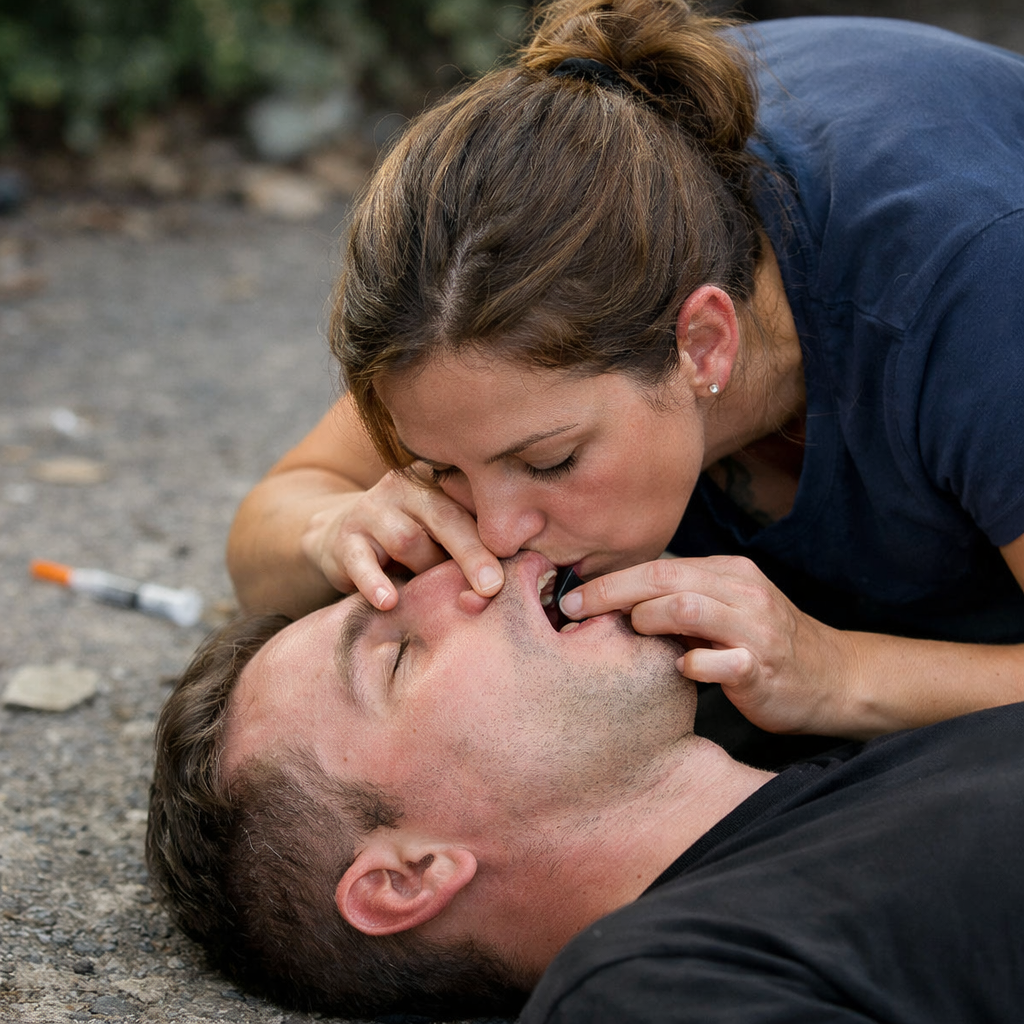
Rescue breathing is just mouth-to-mouth breathing. It’s simple. Here’s how:
- Lay the person flat on their back.
- Tilt their head back and lift their chin to open the airway.
- Pinch their nose shut.
- Cover their mouth with yours and give a slow breath over 1 second. Watch for their chest to rise.
- If the chest doesn’t rise, re-tilt the head and try again.
- Give one breath every 5 seconds (about 12 breaths per minute).
- Continue until they start breathing on their own or until help arrives.
If you have a barrier mask (like a pocket mask or face shield), use it. But don’t waste time looking for one. Your breath is better than nothing. The Illinois Department of Human Services recommends rescue breathing as a critical step in overdose response.
Combine rescue breathing with naloxone. One person can give breaths while another gives the spray. If you’re alone, give naloxone first, then start rescue breathing. Keep going until the person breathes on their own or paramedics take over.
Bottom line: Rescue breathing buys time for naloxone to work and prevents brain damage; make sure your family emergency plan for opioid overdose includes step-by-step instructions for giving breaths.
Step 5: Prepare Your Family and Know When to Seek Professional Help
Once the person is stable, the real work begins. A family emergency plan for opioid overdose isn’t just about the emergency. It’s about preventing the next one. This means preparing your family emotionally, getting professional support, and making a long-term safety plan.
Here’s what to include in your plan:
- Who’s responsible for what? Research shows only 59% of checklist items say who should act. So write it down: Mom calls 911, Dad gives naloxone, Aunt Jen does rescue breathing, older sibling clears the area.
- Where is the naloxone? Keep it in a visible, accessible spot. Not locked up. Not in a bathroom cabinet. In a bright red box on the kitchen counter. Check the expiration date monthly.
- Who do you call after? Have a list of numbers: your primary care doctor, an addiction specialist, a therapist, and an intervention service like Next Step Intervention. Don’t wait until you’re in crisis to find these numbers.
- What about the emotional aftercare? Overdose is traumatic for everyone. Schedule a family debrief within 24 hours. Consider professional counseling for any family member who witnessed it.
When should you seek professional help? If the overdose was accidental (e.g., a child got into pills), call poison control and have the house checked. If it was intentional or part of ongoing substance use, you need an interventionist. Call (949) 545-3438 to speak with Next Step Intervention. They can create a custom emergency drug intervention plan for families that extends beyond the immediate overdose.
Here’s a table to help you assign roles:
| Role | Who Does It? | What They Need |
|---|---|---|
| Lead Responder | Person trained in first aid | Naloxone, gloves, barrier mask |
| 911 Caller | Second adult or teen | Phone, address card, script |
| Airway Manager | Person trained in rescue breathing | Barrier mask (if available) |
| Emotional Support | Family member not in crisis mode | Phone numbers for therapist, support group |
| Follow-up Coordinator | Responsible adult | Interventionist contact, treatment options |
Review this table with your family once a month. Update it when someone moves out or loses their phone. Your family emergency plan for opioid overdose is a living document. It only works if you practice it.
Also think about the environment. Keep the home free of unused or expired opioids. Dispose of them at a pharmacy take-back event. Lock up current prescriptions in a safe box. These small steps reduce the risk of another overdose.
Bottom line: A complete family emergency plan for opioid overdose assigns clear roles, keeps supplies accessible, and connects you to professional help like Next Step Intervention for ongoing support.
Conclusion
You’ve just read five steps that can save your loved one’s life. But reading isn’t enough. You need to take action right now. Grab a piece of paper and write down your family emergency plan for opioid overdose. Start with the signs. Then write the 911 script. Add where your naloxone lives. Include who does what. Tape it to your fridge. And then , this is the part most people skip , practice it with your family. Run through it once a month like a fire drill. Because when an overdose happens, you won’t have time to think. You’ll only have time to act.
If you feel overwhelmed, you don’t have to do this alone. Call (949) 545-3438 or visit Next Step Intervention. They can help you build a personalized family emergency plan for opioid overdose and connect you with professional intervention services. They also have resources like an overdose help guide and emergency intervention step-by-step guide to support your family before, during, and after a crisis.
Remember, an overdose doesn’t have to be a death sentence. With the right plan, you can reverse it, get help, and start the journey to recovery. The time to prepare is now.
Frequently Asked Questions
What is a family emergency plan for opioid overdose?
A family emergency plan for opioid overdose is a written set of steps every family member can follow when someone overdoses. It includes how to recognize signs, who calls 911, where the naloxone is stored, how to give rescue breaths, and what to do after the person wakes up. The plan should be posted in a visible place and practiced regularly so everyone stays calm and ready.
How do I get naloxone for my emergency plan?
You can buy naloxone (Narcan) at most pharmacies without a prescription. Many states have standing orders that allow pharmacists to sell it to anyone. You can also get free naloxone through community-based distribution programs, local health departments, or online. Check with your local harm reduction organization. Store it at room temperature, away from extreme heat or cold. Check the expiration date every month and replace it before it expires.
What should I do if the person wakes up angry or confused?
That’s normal. Naloxone causes sudden withdrawal, which can feel awful. The person may be angry, scared, or try to fight you. Stay calm. Don’t argue. Speak gently and say, “You had an overdose. Help is on the way.” Don’t let them use more drugs. If they try to leave, let them go but call 911 again. The paramedics can help. After they’re stable, reach out to an interventionist for long-term support.
Where should I store naloxone in my family emergency plan for opioid overdose?
Store naloxone in a central, easy-to-find spot that you’ve designated in your plan. Do not lock it away. A bright red box on the kitchen counter or near the front door works well. Keep it at room temperature , between 3.8°C and 40°C (39°F to 104°F). Don’t leave it in a car or bathroom. Check the expiration date monthly. If you have multiple kits, store one in a separate location (like a bedroom or garage) for redundancy.
Can a minor administer naloxone in an emergency?
Yes, in most states, anyone can administer naloxone to save a life. Many states have laws that allow minors to carry and use naloxone. Check your local laws, but generally, Good Samaritan laws protect bystanders who act in good faith. Teach teenagers in the home how to use naloxone and include them in your family emergency plan for opioid overdose. Practice with a training device so they feel confident.
What is the most common mistake families make in their emergency plan?
The biggest mistake is not assigning specific roles. Research shows only 59% of checklist items name who should act, leaving families unsure. Another common mistake is failing to store naloxone correctly , exposing it to extreme temperatures. Only 6% of checklist steps warn about this. Also, many families forget to practice the plan. A written plan is useless if you haven’t rehearsed it. Schedule a monthly 10-minute drill.
How often should I update my family emergency plan for opioid overdose?
Review your plan at least once a month. Check expiration dates on naloxone, update contact numbers, and verify everyone remembers their role. After any emergency drill or real incident, update the plan based on what worked and what didn’t. Also update if someone moves, a new medication comes into the home, or a family member’s health changes. Keep a printed copy on the fridge and a digital copy on everyone’s phone.
When should I call a professional intervention service?
Call a professional intervention service like Next Step Intervention at (949) 545-3438 if your loved one has had an overdose, is using opioids heavily, or refuses treatment. Even if you’re not sure, it’s better to call for advice. They can help you create a long-term recovery plan, arrange a formal intervention, and connect you with treatment programs. Don’t wait for another crisis. The best time to call is right after the first overdose.