You hear a strange noise from the next room. Then silence. Your heart pounds. You rush in and find your loved one on the floor, not moving. In that moment, panic can take over. But you can prepare now, so you know exactly what to do.
In this guide, you’ll get a clear family drug overdose emergency checklist. We looked at 15 steps from four major sources. Only one step out of 25 checklist items warned against a common mistake. That’s a big gap. This checklist fills that gap.
We also found that YouTube contributes 7 of the 15 checklist steps (47%), all about kit prep. But no agency guide mentions those hands-on actions. That means families need to combine sources for a full plan.
Step 1: Learn the Signs of an Opioid Overdose
You can’t act if you don’t know what to look for. The first step in your family drug overdose emergency checklist is to memorize the signs. They show up fast.
Watch for these three things:
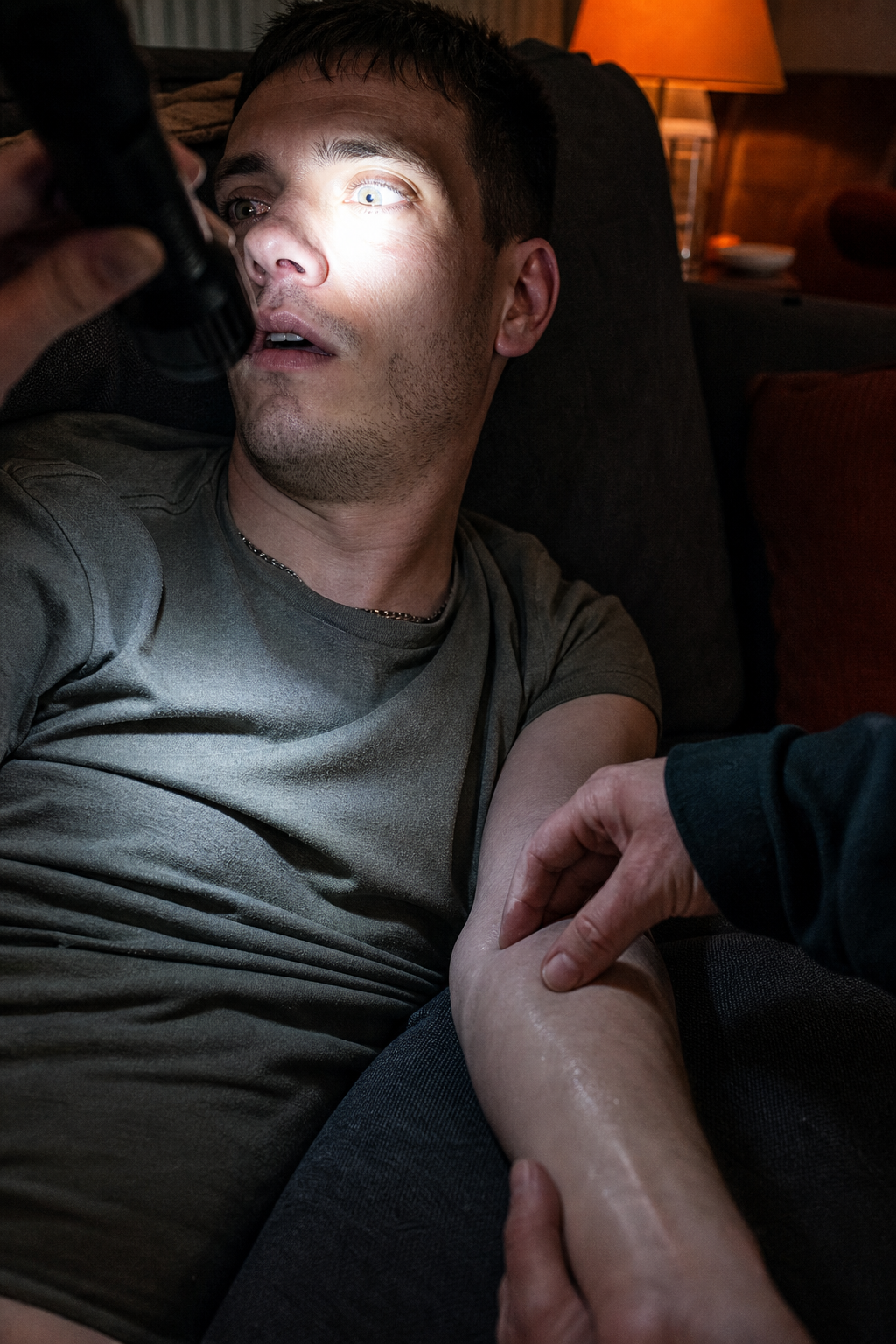
- Pinpoint pupils. The eyes look like tiny dots, even in dim light.
- Shallow or stopped breathing. The chest barely rises. Listen for breaths. Count to ten. If you don’t see or hear a breath, that’s an emergency.
- Blue lips or fingertips. Lack of oxygen turns skin a gray-blue color.
The person might make a snoring sound. That’s a sign of a blocked airway. They might be limp, like a rag doll. They won’t respond to your voice or touch.
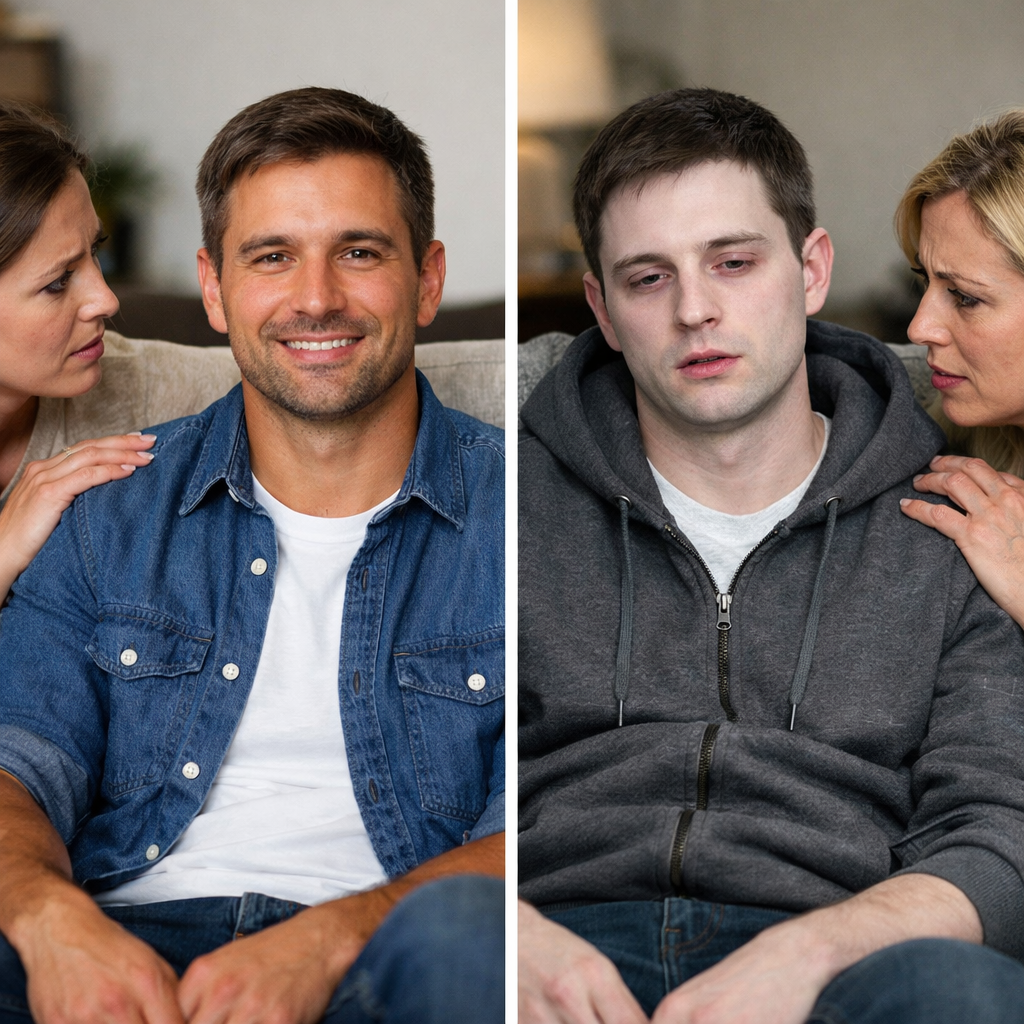
It’s easy to confuse an overdose with just being “too high.” But trust your gut. If the person looks wrong and won’t wake up, treat it like an overdose. The MedlinePlus guide on drug abuse emphasizes checking the airway and breathing first.
One thing you might not think about: the person could be awake but barely. They might mumble or move a little. That’s still a danger zone. Many overdoses happen slowly, not all at once.
If you see even one sign, start your family drug overdose emergency checklist right away. Don’t wait for “all three.” The sooner you act, the better the chance of survival.
Bottom line: Know the three main signs (pinpoint pupils, no breathing, blue skin) and act on any one of them immediately.
Step 2: Call Emergency Services Immediately
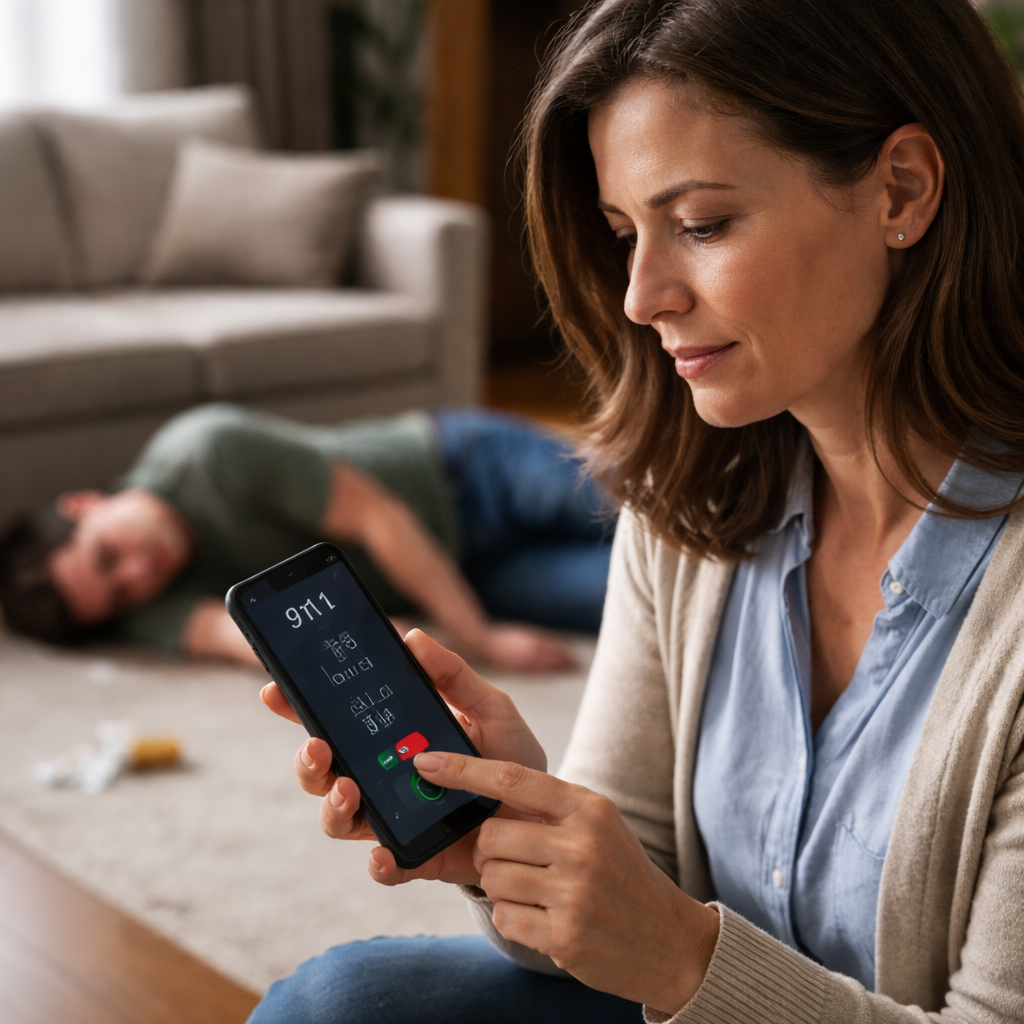
Once you spot the signs, pick up the phone. This is the second step in your family drug overdose emergency checklist. Call 911 (or your local emergency number) right away.
Some people hesitate. They worry about police showing up. They fear their loved one might get arrested. But most states have Good Samaritan laws. These laws protect you and the person who overdosed from drug possession charges. The goal is to save a life.
According to the National Institute on Drug Abuse, calling 911 is the most critical step. They list it twice in their checklist. That shows how important it is.
When you call, stay calm. Tell the dispatcher:
- “My loved one is not breathing.”
- “I think they overdosed on opioids.”
- Give your exact address and cross streets.
- Tell them if you have naloxone (Narcan) and if you’ve given any.
Put the phone on speaker. That frees your hands to do first aid. The dispatcher will guide you through rescue breaths and naloxone if needed.
One big mistake: hanging up too soon. Stay on the line until help arrives. The dispatcher might give you important updates or instructions.
If you’re alone, call 911 first. Then start first aid. Do not run to find naloxone first. The call is your lifeline.
Bottom line: Always call 911 immediately when you suspect an overdose, and stay on the line for instructions.
Step 3: Provide Rescue Breathing and Administer Naloxone
While the ambulance is on its way, you can take action. Step three in your family drug overdose emergency checklist is to give rescue breaths and naloxone.
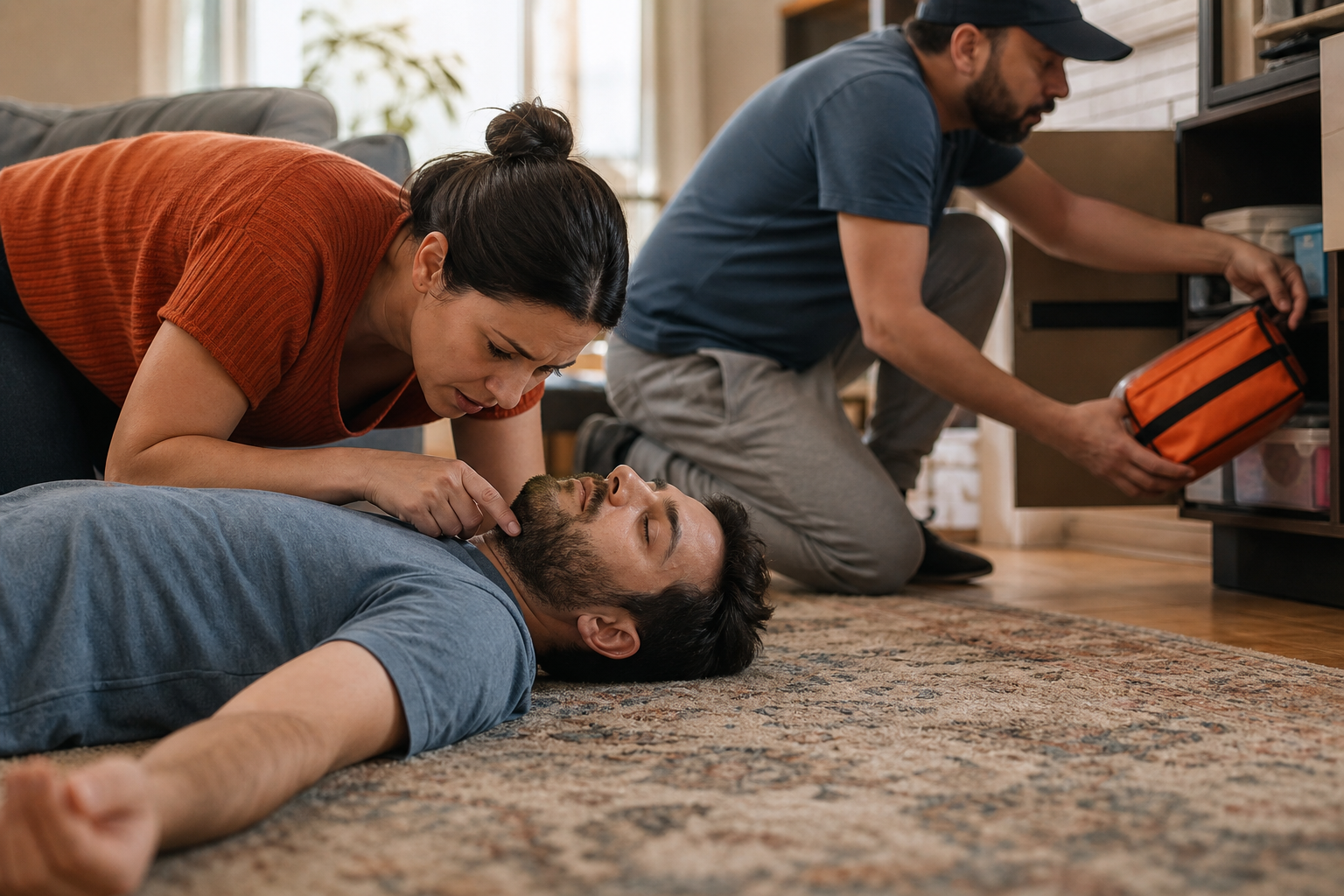
First, check if the person is breathing. Tilt their head back and lift the chin. Look, listen, and feel for breath for 10 seconds. If they’re not breathing, start rescue breaths.
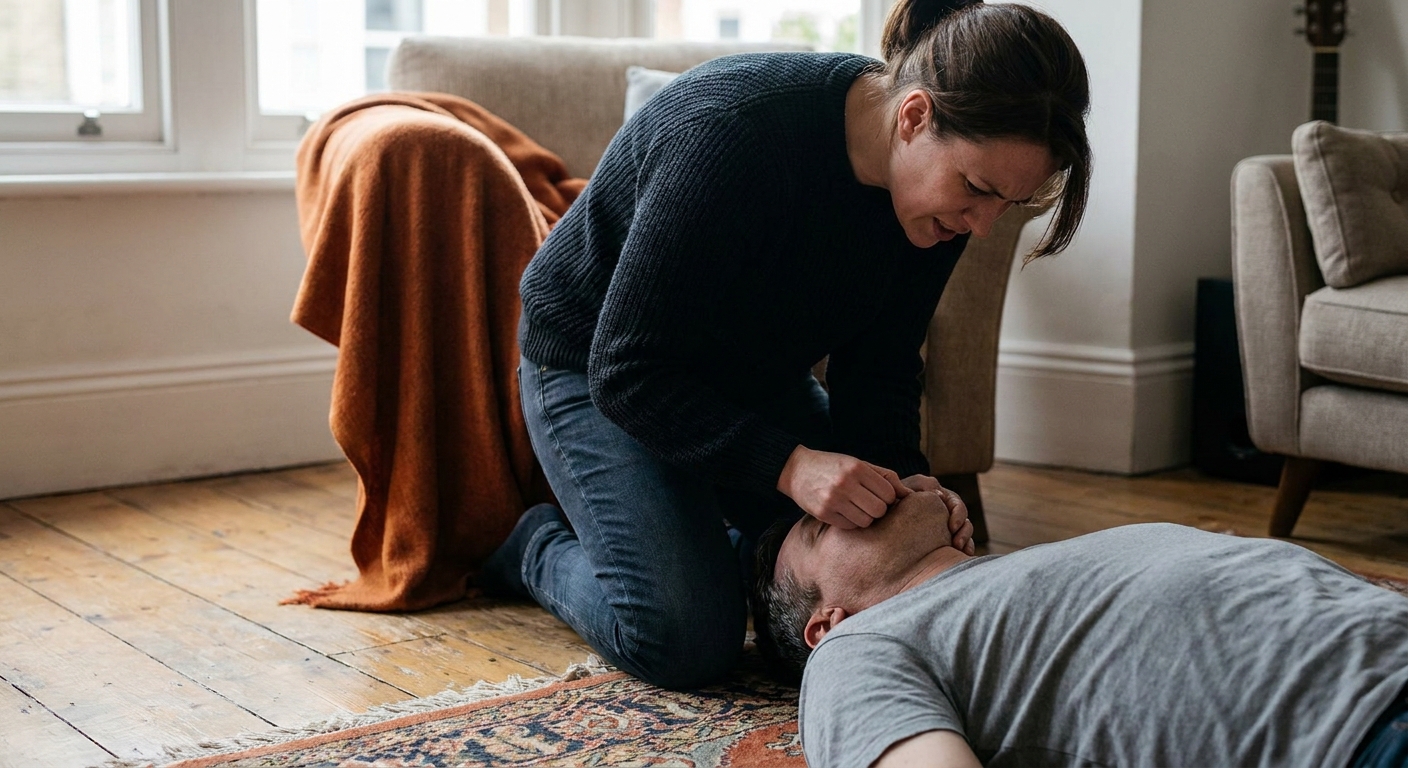
How to give rescue breaths:
- Pinch the person’s nose closed.
- Cover their mouth with yours.
- Give a slow breath over 1 second. Watch for the chest to rise.
- If the chest doesn’t rise, tilt the head more and try again.
- Give one breath every 5 seconds (about 12 breaths per minute).
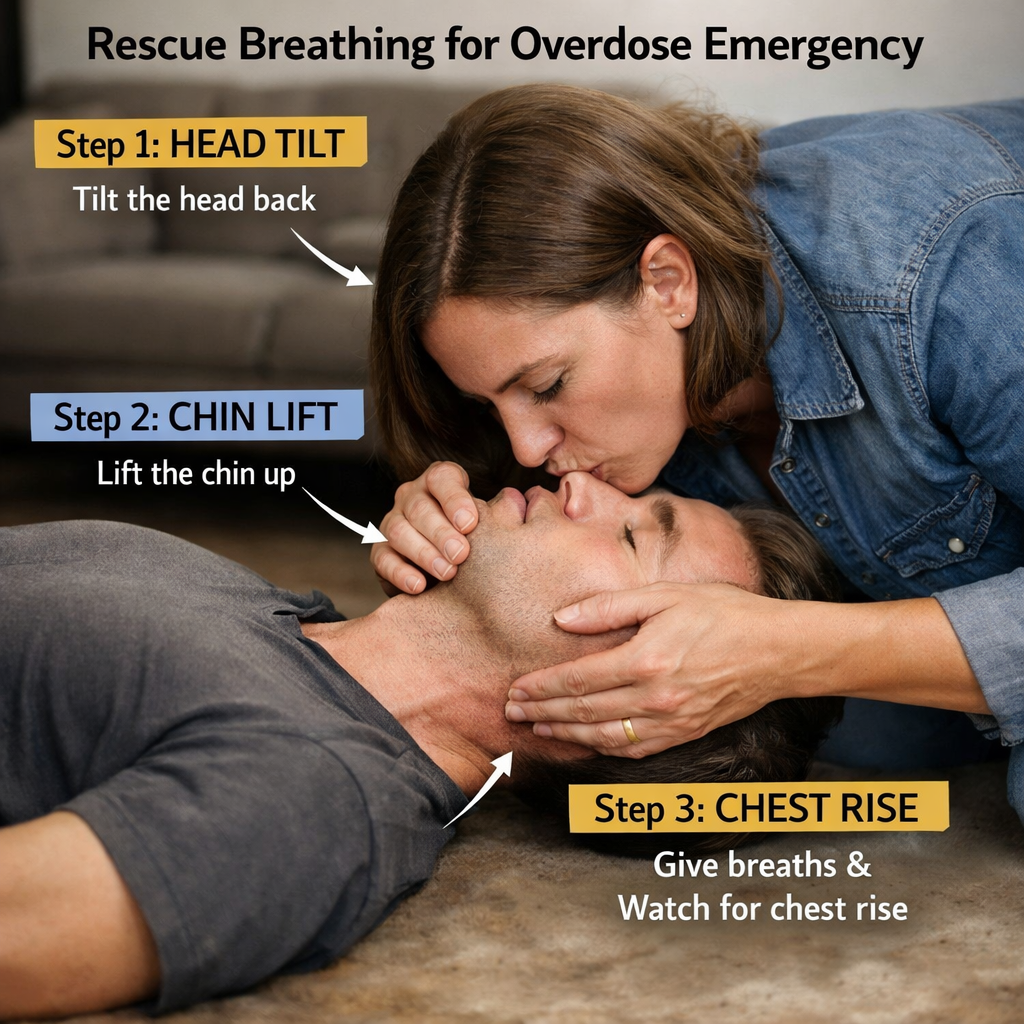
After 30 seconds of rescue breaths, grab your naloxone. Naloxone (brand name Narcan) is a medicine that reverses opioid overdoses. It works in 2-5 minutes. It’s safe to give, even if the person didn’t take opioids. No harm done.
How to give naloxone (nasal spray):
- Remove the spray from its package.
- Place the tip into one nostril.
- Press the plunger firmly to release the dose.
- The person should start breathing within a minute or two.
If you have an injectable form, follow the kit instructions. The Project Hope video shows a step-by-step assembly. It includes prying caps off, attaching the nasal adapter, and dispensing half the dose into each nostril.
After giving naloxone, keep giving rescue breaths. The naloxone might wake the person up, but they could go back to not breathing. Stay with them.
Bottom line: Start rescue breaths immediately, then give naloxone. Keep breathing for them until help arrives.
Step 4: Give a Second Naloxone Dose If Needed
One dose is often enough. But sometimes it’s not. Powerful opioids like fentanyl can block the effects of naloxone. That’s why your family drug overdose emergency checklist includes a second dose.
Wait 2-3 minutes after the first dose. Watch closely. Is the person breathing on their own? Are they waking up? If not, give a second dose.
The Washington State Department of Health guideline recommends repeating the dose if there’s no response after 2-3 minutes. Use the same nostril or the other one. Both are fine.
Most naloxone kits come with two doses. That’s intentional. Use both if needed. Don’t worry about “wasting” it. A saved life is worth a full kit.
After the second dose, keep giving rescue breaths if needed. The person might start gasping or vomiting. That’s a good sign , it means they’re coming back. Roll them onto their side (recovery position) to keep the airway clear.
Some people worry about giving too much naloxone. In practice, it’s very safe. The only side effect is withdrawal symptoms: sweating, shaking, or agitation. That’s uncomfortable but not life-threatening.
If you give two doses and still no response, continue rescue breaths. The ambulance should arrive soon. Tell the paramedics how many doses you gave and when.
Bottom line: Give a second naloxone dose after 2-3 minutes if the person isn’t breathing normally, and keep providing rescue breaths.
Step 5: Build Your Family Overdose Emergency Kit
Having a prepared kit makes all the difference. Step five of your family drug overdose emergency checklist is to build one now, before an emergency happens.
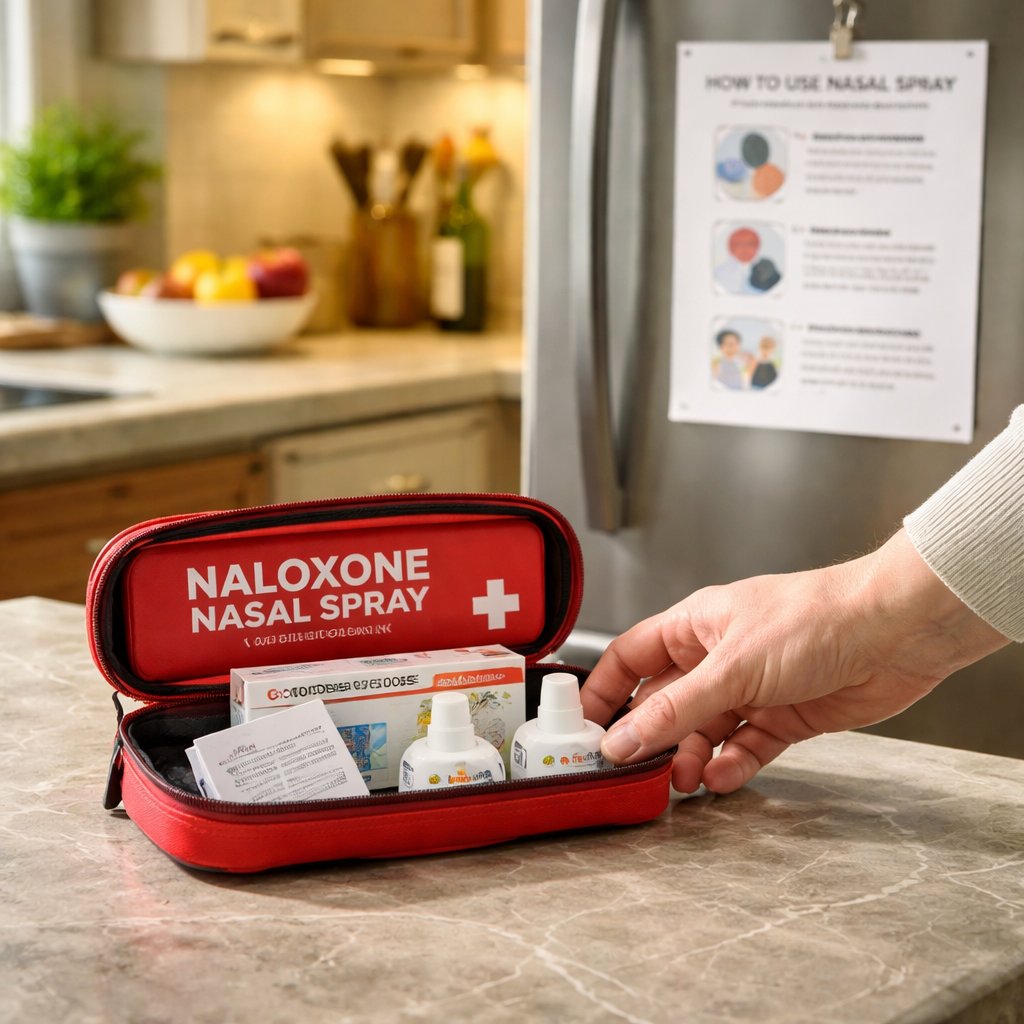
Your kit should include:
| Item | Purpose | Checklist |
|---|---|---|
| Two doses of naloxone (nasal spray or injectable) | Reverse opioid overdose | Check expiration date every month |
| Disposable gloves | Protect yourself from fluids | Keep in sealed bag |
| Pocket mask or face shield | Safe rescue breathing | Replace after use |
| Instructions for naloxone administration | Step-by-step guide during panic | Print from your county health website |
| Emergency contact list | 911, poison control, family doctor | Keep laminated with kit |
Store the kit in a cool, dry place. Not in the bathroom (too humid) or in the car (too hot). A kitchen cabinet or bedside drawer works.
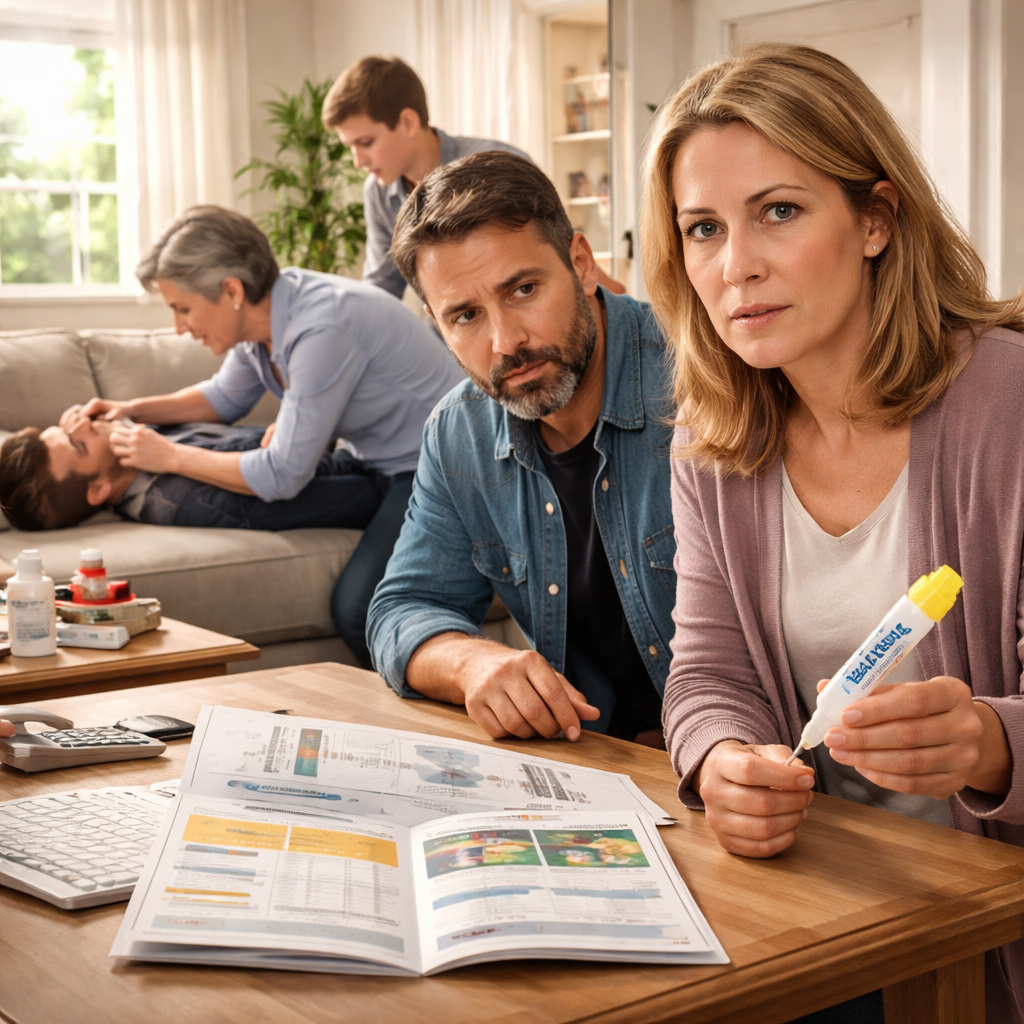
Tell everyone in the house where the kit is. Even teens who don’t use drugs should know. They might be the one who finds a friend overdosed.
You can get naloxone without a prescription at most pharmacies. Many states have standing orders. You can also get it for free through community programs. Check with your local health department.
The Project Hope video shows unpacking the kit and assembling the syringe and adapter. Practice with an old kit (expired naloxone but still useful for practice).
Update the kit every 6 months. Replace expired naloxone. Update phone numbers. Make sure everyone still remembers where it is.
Bottom line: Build a kit with naloxone, gloves, a mask, and instructions. Keep it accessible and teach your family how to use it.
Step 6: Understand Legal Protections and Access Resources
Many families worry about getting in trouble for helping. That fear can delay action. Your family drug overdose emergency checklist should include knowledge of Good Samaritan laws.
Good Samaritan laws protect you from arrest for drug possession when you call 911 for an overdose. They also protect the person who overdosed. Every state has some version of these laws. Learn yours.
You can also access resources like:
- Community naloxone distribution programs. Many health departments give free kits.
- Syringe exchange programs. They often provide naloxone and testing for fentanyl.
- Peer support groups for families, like GRASP (Grief Recovery After a Substance Passing).
After the emergency, you’ll need follow-up care. The NIDA website has a list of treatment options. Your local health department can also refer you.
Don’t be afraid to call a professional interventionist. Services like Next Step Intervention can help your family create a long-term plan after the crisis. They offer effective emergency intervention step-by-step guidance that fits right into your checklist.
“The best time to build your family drug overdose emergency checklist was yesterday. The next best time is right now.”
Bottom line: Know the Good Samaritan laws in your state and access free naloxone programs. After the crisis, seek professional help for your loved one’s recovery.
Step 7: Care for Your Family After an Overdose
An overdose doesn’t end when the ambulance leaves. Your family drug overdose emergency checklist needs a post-crisis step. This is about recovery, for everyone.
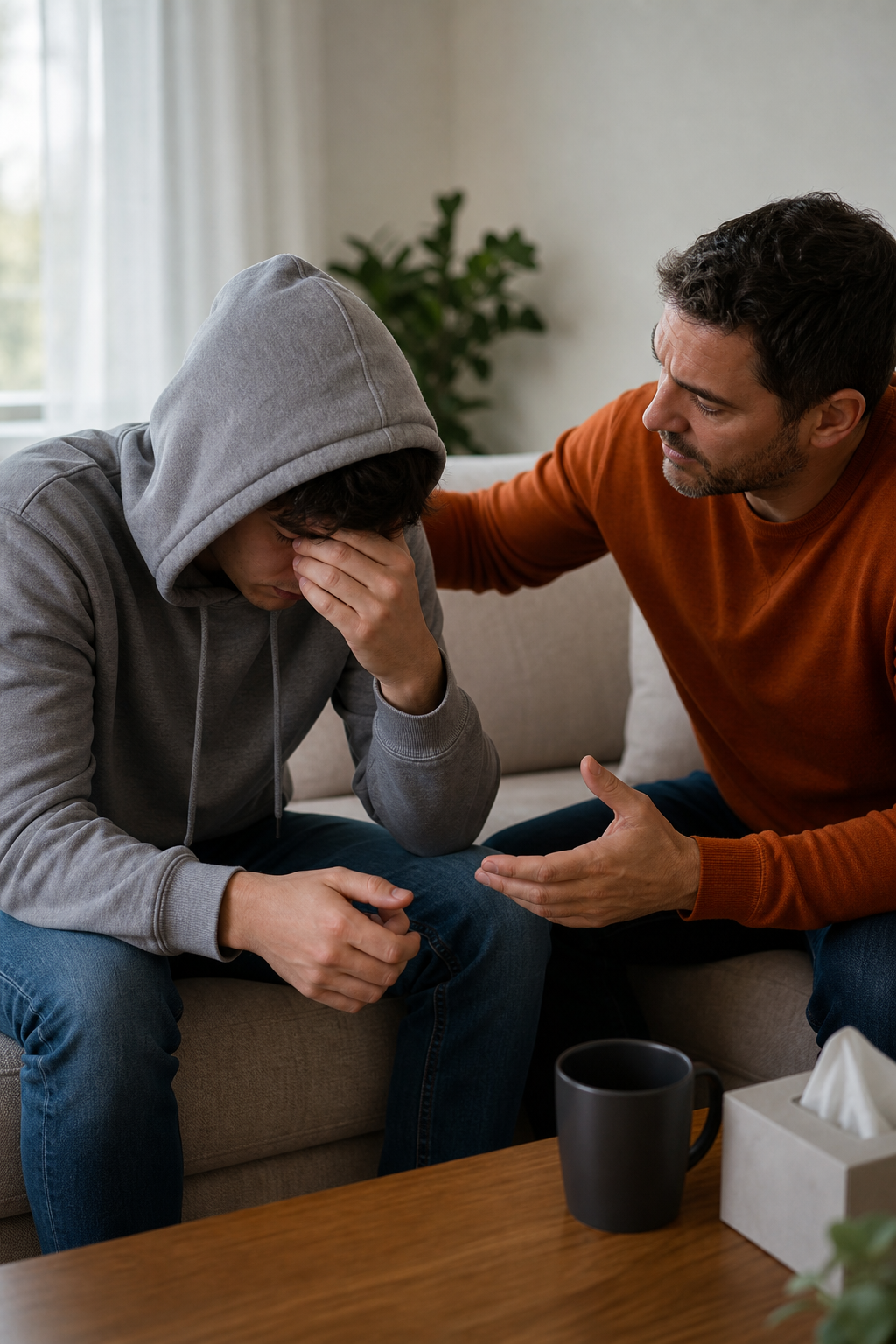
First, take care of yourself. You just went through a trauma. You might feel shaky, guilty, or relieved all at once. That’s normal. Talk to someone. A counselor, a friend, or a support group.
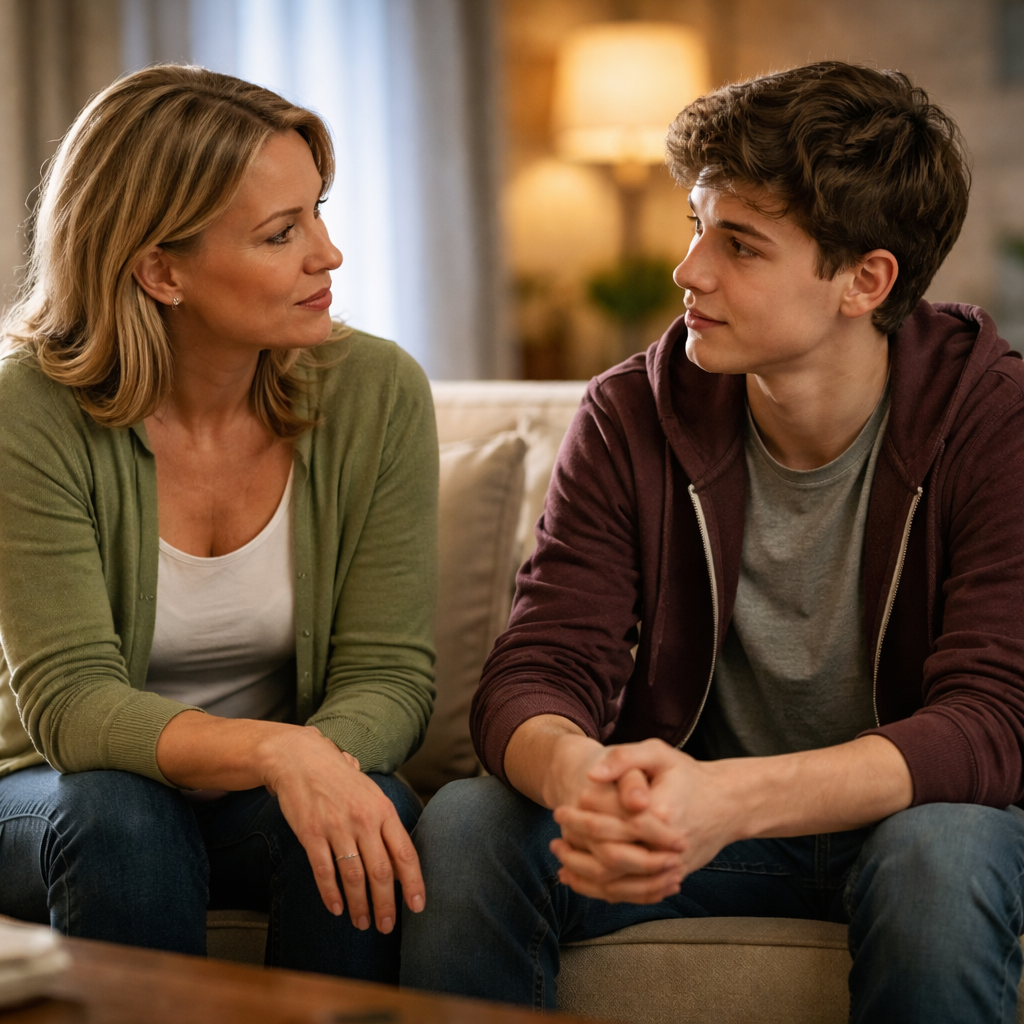
Second, talk to your loved one when they’re stable. Don’t launch into a lecture. Ask how they feel. Listen. The overdose can be a wake-up call for both of you.
Third, connect with treatment. An interventionist can help handle options. You can learn more about overdose help and recovery from a practical guide that covers emergency response and long-term care.
Fourth, update your family drug overdose emergency checklist. Learn from what happened. Did you have naloxone handy? Did everyone know the signs? Make the changes now.
Fifth, practice prevention. Keep the kit updated. Have regular family check-ins. Know the signs of relapse. Early intervention can prevent the next overdose.
Bottom line: Address the emotional toll, seek treatment, and improve your checklist based on the experience.
Frequently Asked Questions
What is the most important thing to do first if I think someone is overdosing?
The most important first step is to call 911 immediately. Do not wait to see if they wake up. While you’re on the phone, check their breathing and start rescue breaths if needed. If you have naloxone, give it as soon as possible. The family drug overdose emergency checklist always starts with a phone call because professional help is essential.
Can I get in trouble for calling 911 during an overdose?
Most states have Good Samaritan laws that protect you from prosecution for drug possession when you call 911 for an overdose. These laws also protect the person who overdosed. The goal is to save lives, not punish people. Check your local laws to be sure, but in general, you will not face charges if you act in good faith.
How do I get naloxone if I don’t have a prescription?
You can buy naloxone over the counter at most pharmacies in all 50 states. Many insurance plans cover it. You can also get free naloxone from community health centers, syringe exchange programs, and local health departments. Search online for “naloxone near me” or ask your pharmacist. Add finding a source to your family drug overdose emergency checklist.
What if I give naloxone but the person doesn’t wake up?
Wait 2 to 3 minutes, then give a second dose. Some opioids, like fentanyl, are very strong and require more naloxone. Continue rescue breathing even after giving naloxone. If they still don’t respond, keep breathing for them until help arrives. The paramedics have stronger medication and equipment.
How do I do rescue breathing safely?
First, put on gloves and a pocket mask if you have one. Tilt the person’s head back and lift their chin. Pinch their nose closed. Give a slow breath over one second. Watch for the chest to rise. If it doesn’t, reposition the head and try again. Give one breath every 5 seconds. The family drug overdose emergency checklist should include practicing this with a family member.
What should I tell the 911 dispatcher?
Tell them clearly: “I think my family member has overdosed on opioids. They are not breathing. I have naloxone.” Give your exact address and any landmarks. Stay on the line. The dispatcher will guide you through the steps. Do not hang up until they tell you to. This is a critical part of your emergency checklist.
How can I prevent another overdose after this one?
After the immediate crisis, connect your loved one with addiction treatment. This could be detox, inpatient rehab, or outpatient counseling. Also consider medication-assisted treatment (MAT) like buprenorphine or methadone. Keep naloxone in the home at all times. Update your family drug overdose emergency checklist and review it monthly. Professional intervention services, like those from Next Step Intervention, can help create a long-term plan.
Where can I get a free naloxone kit?
Check with your local health department, community health center, or harm reduction organization. Many provide free naloxone kits with training. Some pharmacies offer free kits under certain insurance plans. The CDC’s website has a map of naloxone distribution programs. Adding this to your family drug overdose emergency checklist ensures you’re prepared.
Conclusion
An overdose is terrifying. But a prepared family can make the difference between life and death. This family drug overdose emergency checklist gives you seven steps to follow: know the signs, call 911, give rescue breaths and naloxone, give a second dose if needed, build a kit, understand legal protections, and care for each other afterward.
The research we did shows that most official checklists miss hands-on steps like assembling the kit. That’s why your family drug overdose emergency checklist needs to combine medical advice with practical video tutorials. Take time this week to gather supplies, teach your family, and post the checklist in a visible spot.
You are not alone in this. Professional help is available. If you need guidance on what to do after an overdose, reach out to an intervention specialist. Call (949) 545-3438 to speak with a certified professional who can help your family handle recovery. For more resources, visit Next Step Intervention to learn about emergency intervention and long-term support.
Remember: you can’t prevent every overdose. But you can be ready to respond. Your family drug overdose emergency checklist is your safety net. Keep it close. Practice it. Share it. One day, it might save someone you love.