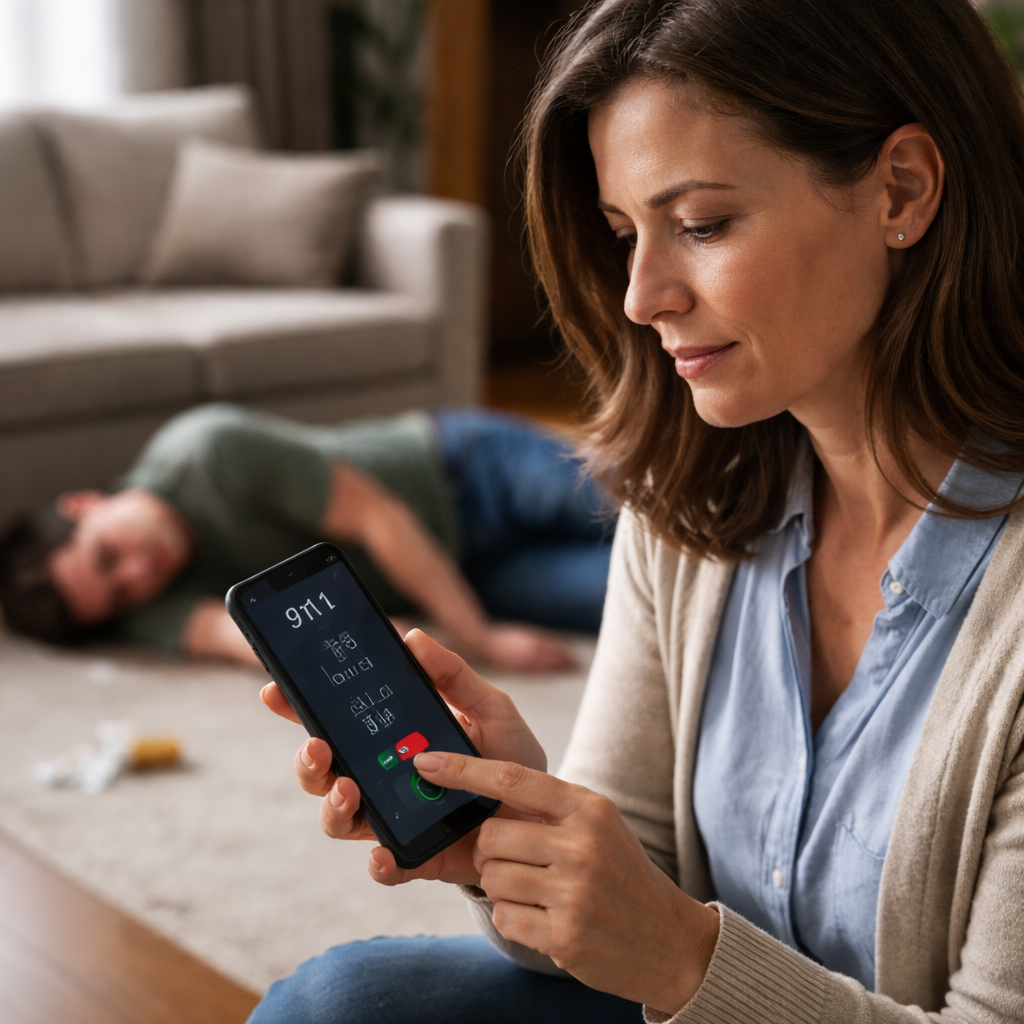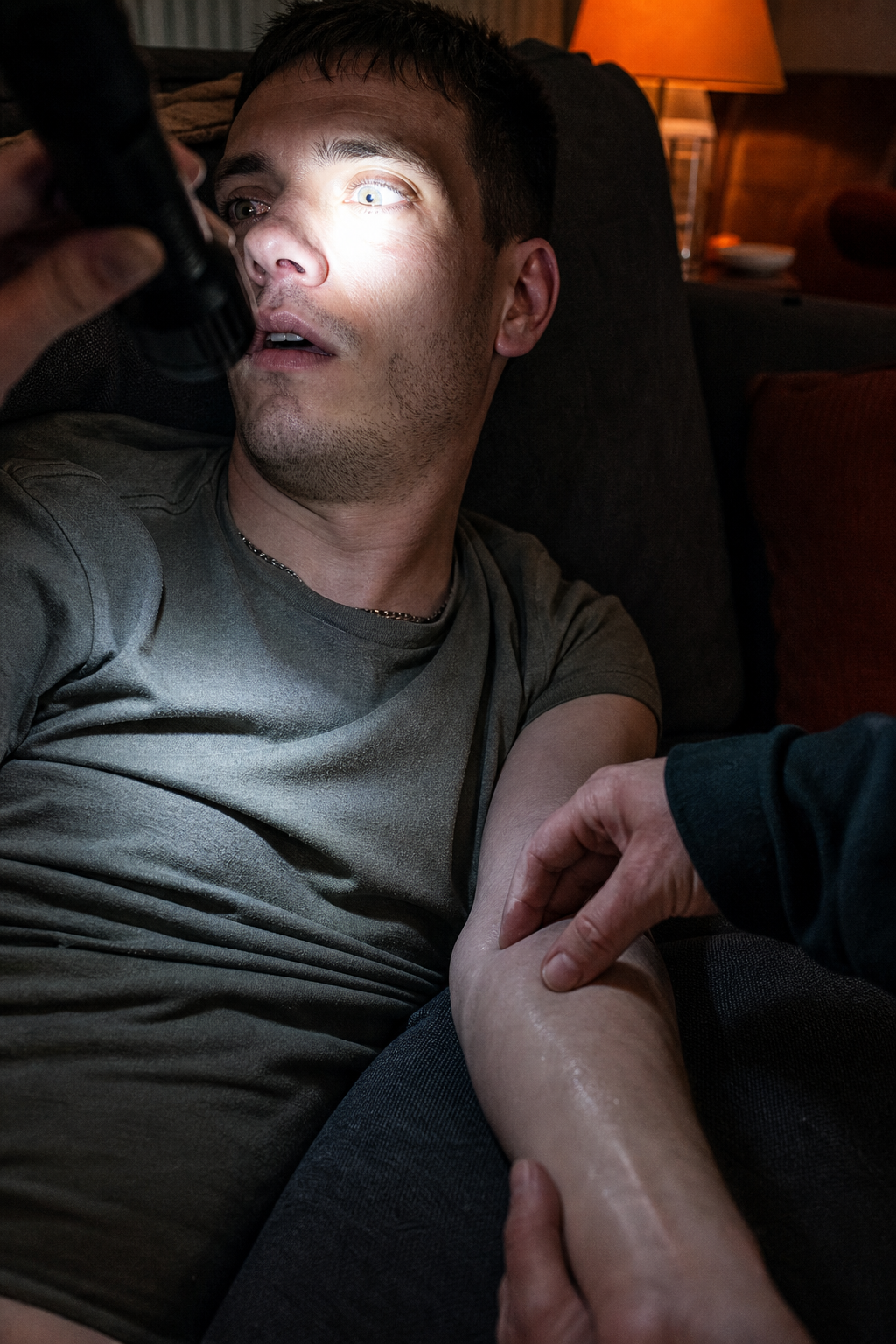
You never think it will happen to your family. But every day, 300 people die from drug overdoses in the United States. Most of those deaths involve fentanyl. And many of them could have been prevented if someone nearby knew what to do.
That’s why you need a family drug overdose plan. This isn’t a scary “what if” document. It’s a simple set of steps that can save a life. Think of it like a fire drill for an overdose. You hope you never use it. But if you need it, you’ll be glad you have it.
In this guide, you’ll learn the five steps to create a family drug overdose plan: recognizing the signs, building an emergency kit, learning how to use naloxone, making a clear action plan, and practicing it. Each step is simple and concrete. By the end, you’ll have a plan you can put into action today.
Let’s get started.
Step 1: Recognize the Signs of an Opioid Overdose
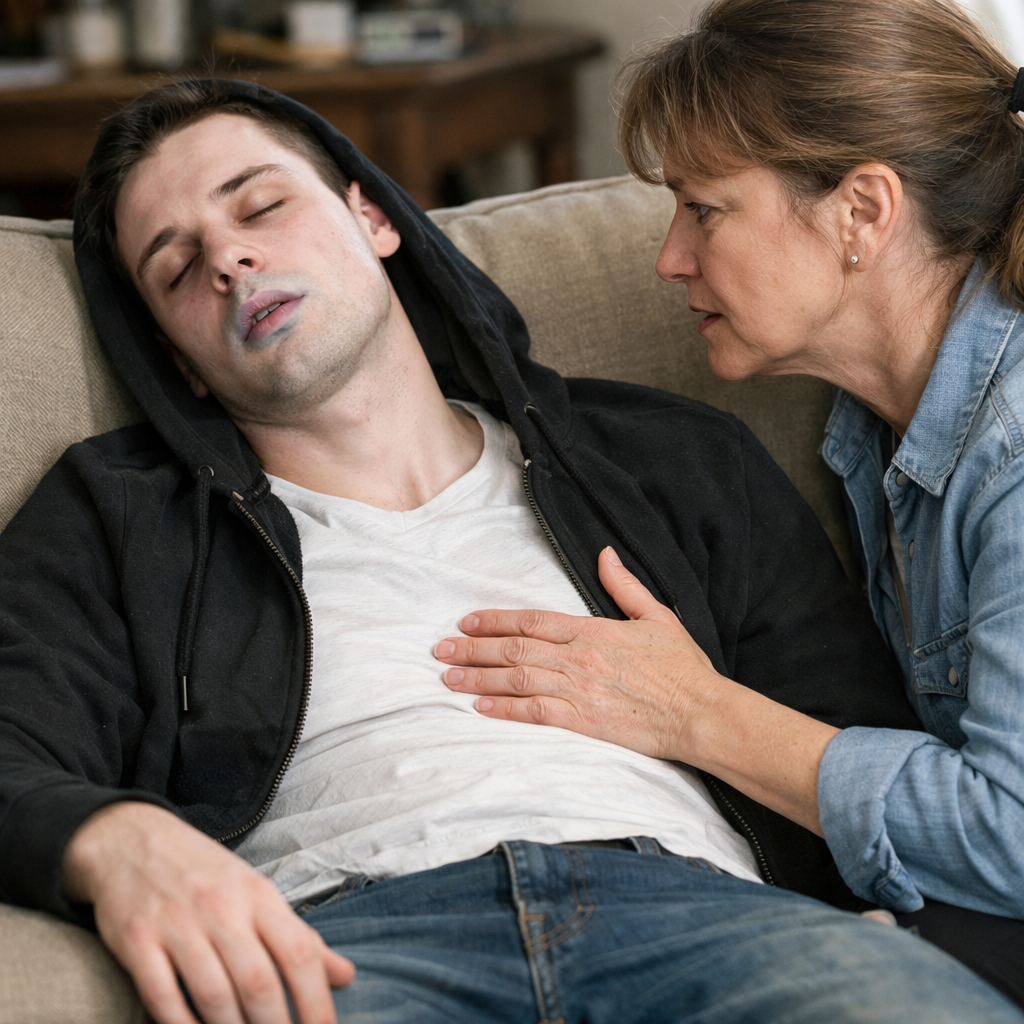
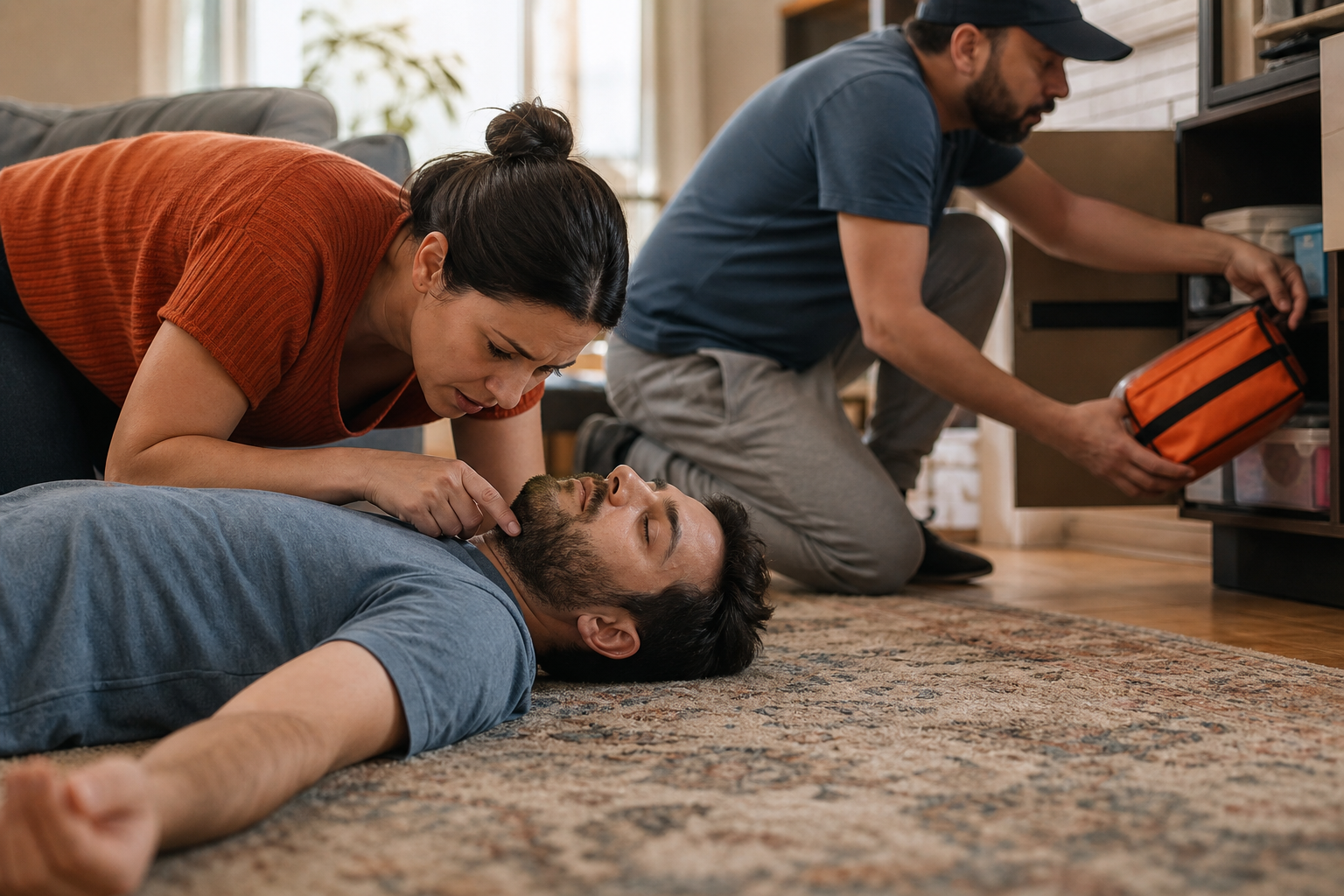
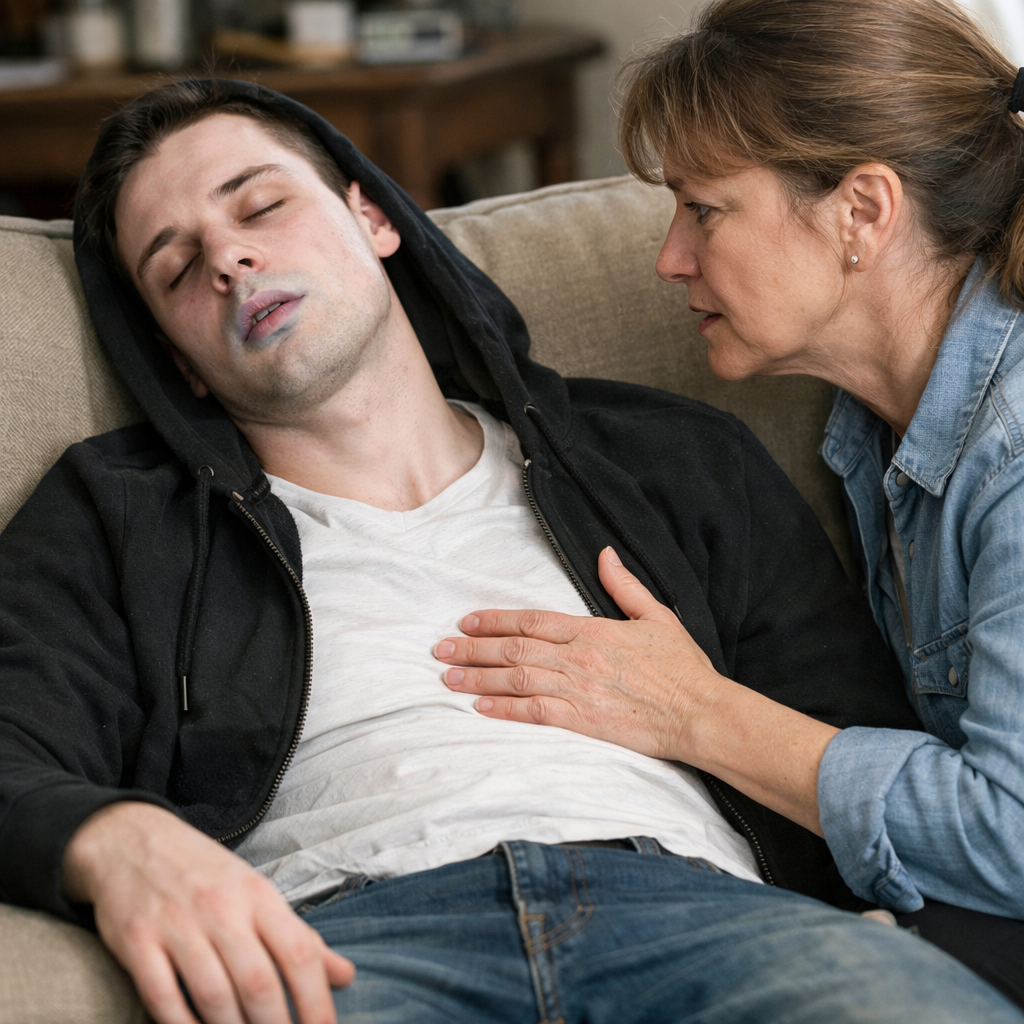
You can’t respond to an overdose if you don’t know what one looks like. The signs are clear if you know what to watch for. According to the National Institute on Drug Abuse, the main symptoms of an opioid overdose include:
- Pale, clammy skin
- Blue or purple lips and fingernails (or grayish/ashen skin on darker skin tones)
- Slow or shallow breathing (less than 8 breaths per minute, or gasping sounds)
- Unresponsiveness , the person won’t wake up even if you shake them or shout
- Limp body
- Vomiting or gurgling noises (like a snore that won’t stop)
- A very slow heartbeat or no heartbeat
Here’s the thing: most people who die from overdoses are alone. If you’re with them, you have a chance. The key is to act fast. Every minute counts. Breathing stops, then the heart stops, then brain damage starts. You have a small window to reverse it.
Don’t wait for all the signs. If someone is unresponsive and breathing weirdly, treat it like an overdose. Many overdoses involve fentanyl, which is extremely potent. Even a tiny amount can stop breathing within minutes.
It’s also important to know that someone can overdose on prescription opioids they took exactly as prescribed. If they take too much, or mix opioids with alcohol or other drugs, the risk goes way up. And because fentanyl is often added to other drugs like cocaine or Xanax without the user knowing, even people who don’t use opioids can accidentally overdose.
Teach every member of your family these signs , even teenagers. The NIDA lesson plan for teens shows that even young people can spot an overdose and call for help. The more people who know, the safer everyone is.
Bottom line: Knowing the three main signs , unresponsiveness, abnormal breathing, and blue lips or nails , is the first and most critical step in your family drug overdose plan.
Step 2: Build an Overdose Emergency Kit
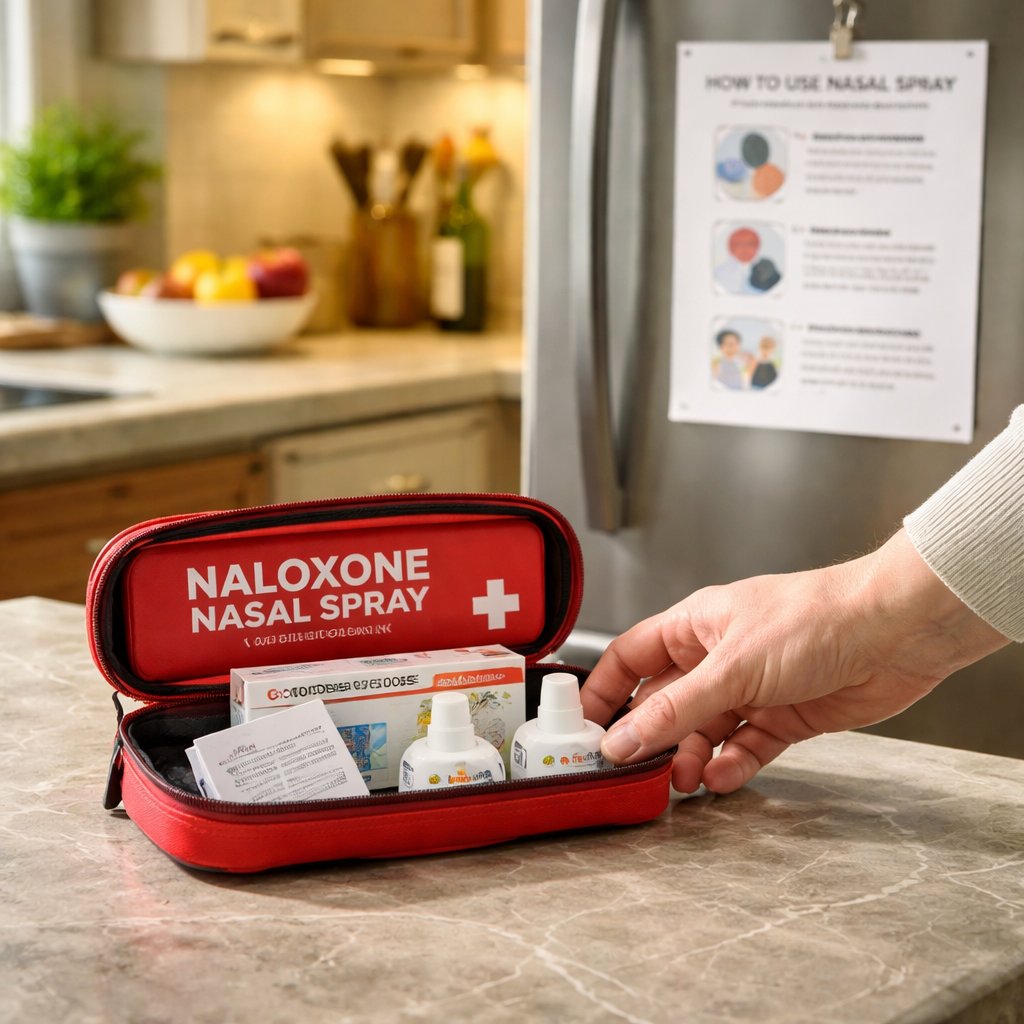
You need the right tools ready to go. An overdose emergency kit is like a first aid kit for opioid emergencies. You can put it together in 10 minutes. Here’s what goes inside.
| Item | Why you need it | Where to get it |
|---|---|---|
| Naloxone (Narcan nasal spray or injectable) | Reverses opioid overdose in 2-3 minutes | Most pharmacies without a prescription; many community programs offer it free |
| Two pairs of medical gloves | Protects you from blood or vomit when giving care | Drugstore or online |
| Emergency contact list (laminated) | Key numbers: 911, poison control, family doctor, interventionist | Make it yourself |
| Printed instructions for naloxone use | Quick reference if you forget the steps | Print from your state health department website |
| Small flashlight | Check pupil size and breathing in dim light | Home or dollar store |
| Pocket mask or CPR shield | Safe rescue breathing if needed | Online first aid kits |
Store your kit in a place that’s easy to reach but not accessible to young children. The kitchen counter or a hall closet works well. Make sure every adult and older teen knows exactly where it is. Don’t hide it so well that you can’t grab it in a hurry.
Check your kit every month. Make sure the naloxone hasn’t expired. Replace anything you used during a drill (more on that in Step 5). And add a small notebook and pen , you may need to write down the time you gave naloxone or other details for emergency responders.
One more thing: if you have a loved one who uses opioids (even prescribed ones), talk to them about the kit. Ask them where they think it should go. Include them in the planning. That reduces shame and builds trust. A family drug overdose plan works best when everyone is on board.
Bottom line: Build a small, simple kit with naloxone, gloves, a contact list, and instructions. Store it where it’s easy to find, and check it monthly.
Step 3: Learn How to Administer Naloxone
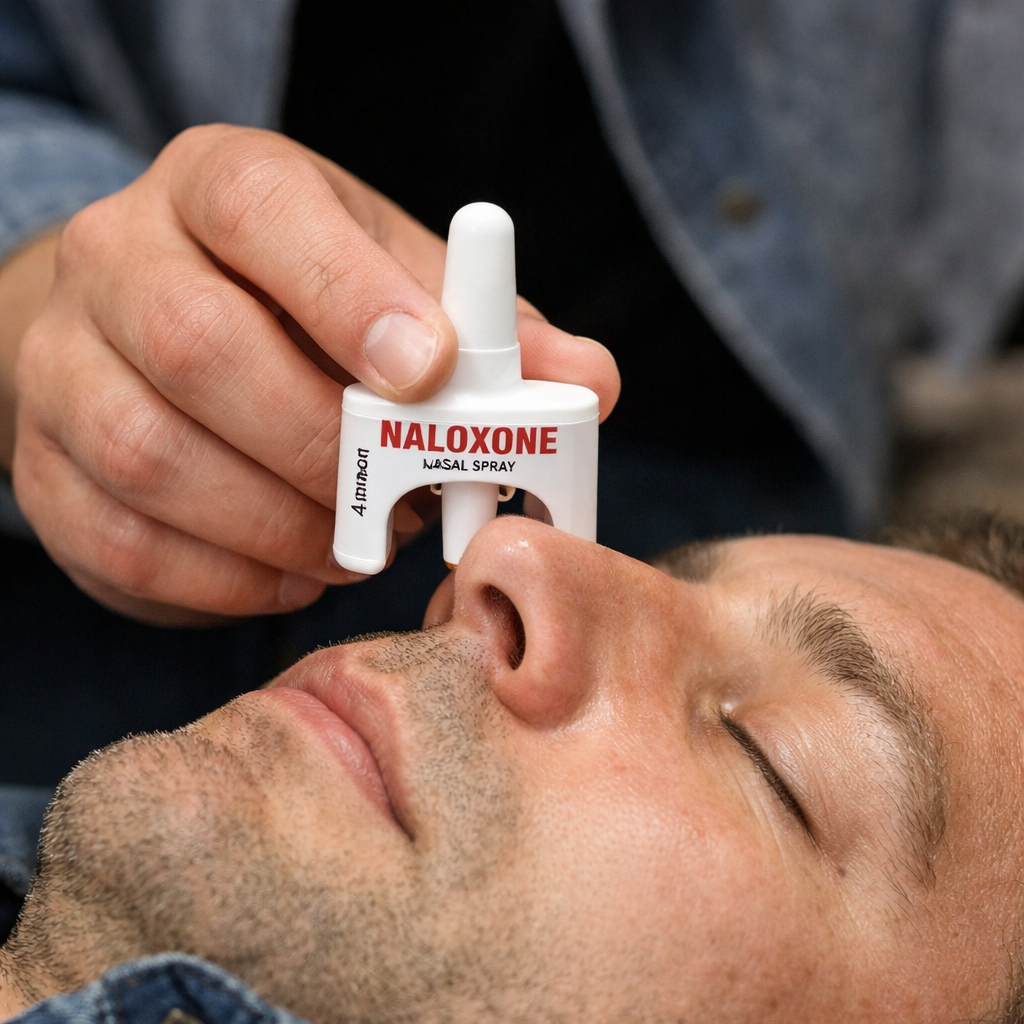
Naloxone is a lifesaving medication. It works by temporarily blocking opioid receptors in the brain, stopping the overdose and restarting breathing. It’s safe , even if the person isn’t overdosing on opioids, naloxone won’t hurt them. You can give it without a prescription in all 50 states.
The Washington State Department of Health explains that naloxone can be given as a nasal spray or an injection. The most common version is Narcan, a nasal spray that’s easy to use. Here’s the step-by-step:
- Check for overdose signs , unresponsive, slow or no breathing, blue lips.
- Call 911 (or have someone else call). Tell them you suspect an overdose and that you have naloxone.
- Give naloxone. For nasal spray: place the nozzle in one nostril and press the plunger. For injection: follow the instructions on the package , usually into the thigh muscle.
- Wait 2-3 minutes. Watch for them to start breathing normally. If they don’t, give a second dose.
- Put them in the recovery position (on their side) if they start breathing, so they don’t choke on vomit.
- Stay with them until help arrives. Naloxone wears off in 30-90 minutes, and the overdose can come back.
One common fear: “What if I break a rib during chest compressions?” You won’t need chest compressions if breathing restarts with naloxone. But if there’s no pulse, start CPR. Broken ribs are better than a funeral. Another fear: “What if the person wakes up angry?” Naloxone can cause sudden withdrawal, which is uncomfortable and can make someone agitated. Stay calm, keep distance if needed, and reassure them that help is coming.
Every family member who could be present during an overdose should know how to give naloxone. That includes teenagers. Many states allow minors to carry naloxone without a prescription. Include this training in your family drug overdose plan.
Bottom line: Naloxone is safe, easy to give, and works fast. Everyone in the household should learn the steps: call 911, give naloxone, wait, repeat if needed, and stay until help arrives.
Step 4: Create a Clear Action Plan for Emergencies
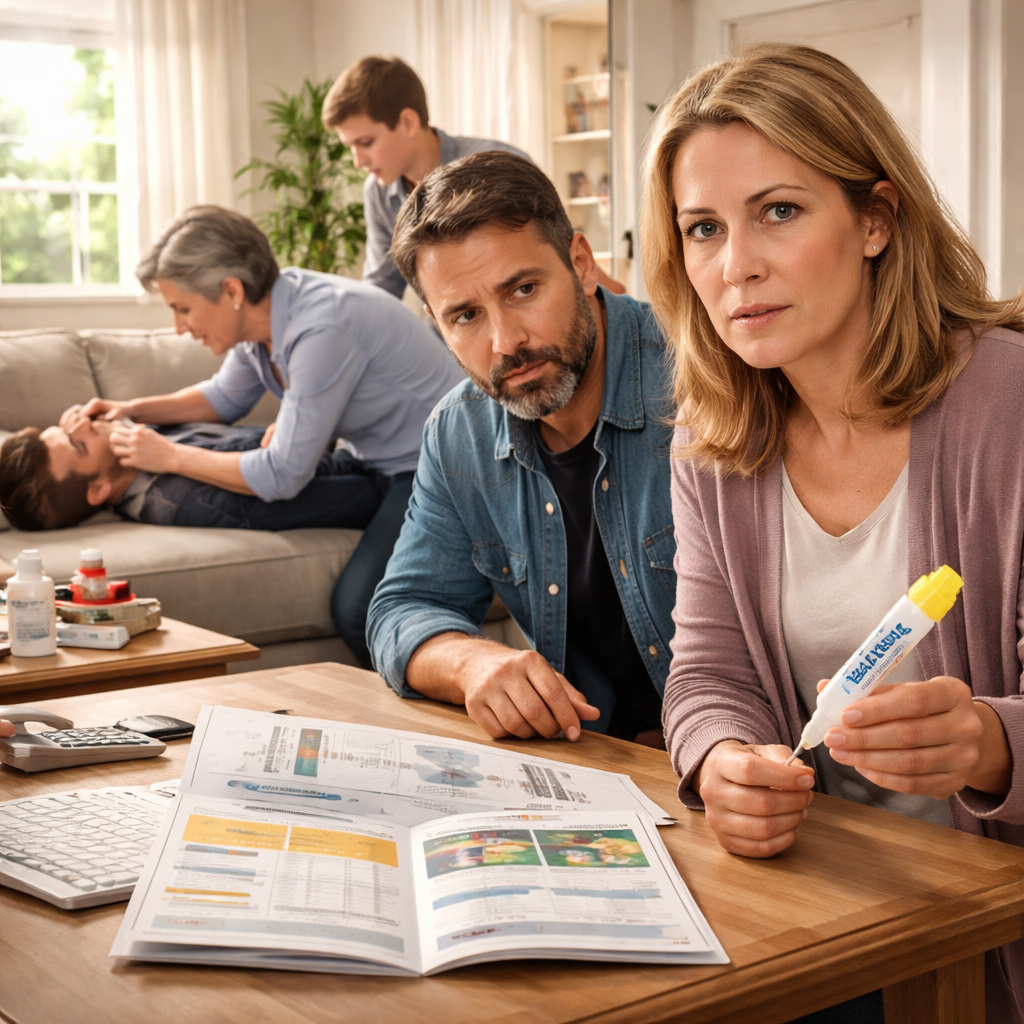
Now you need to put it all together into a written action plan. This is the heart of your family drug overdose plan. It tells each person exactly what to do when an overdose happens. No guessing. No freezing.
The NIDA lesson plan suggests using scenarios to practice, but you also need a written protocol. Here’s a simple template you can copy:
1. STOP , Assess the situation. Is the person breathing? Are they responsive? Check for signs from Step 1. If they are awake and talking, it’s not an overdose right now, but monitor them. If they are unresponsive, move to step 2.
2. CALL for help. One person calls 911 immediately. The dispatcher will ask for the address, what happened, and if the person is breathing. Answer clearly. Say “I suspect an opioid overdose. We have naloxone.” Put the phone on speaker so you can hear instructions.
3. GIVE naloxone. Follow the steps in Step 3. If you have two doses, use them if needed. Don’t worry about legal trouble , Good Samaritan laws in all states protect people who administer naloxone in good faith.
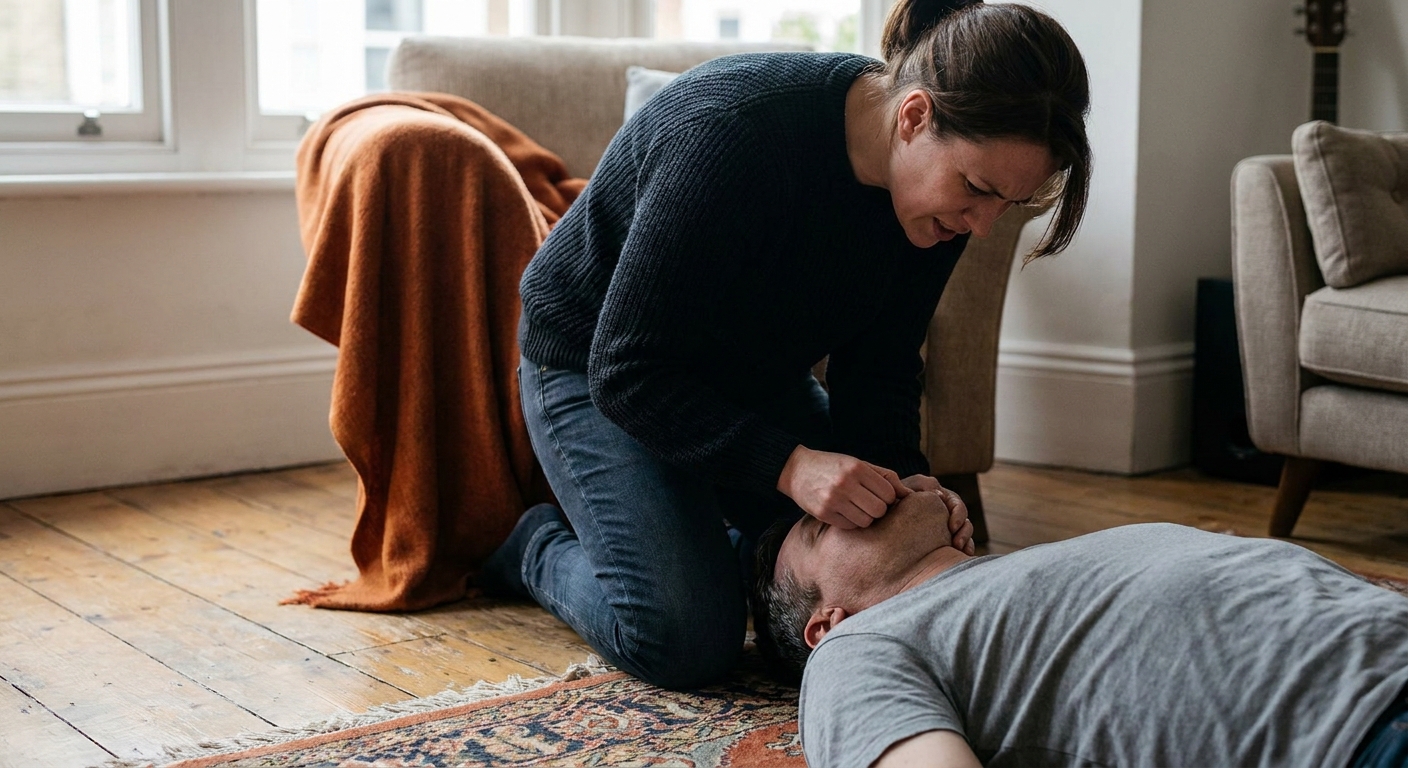
4. START rescue breathing if breathing does not restart after naloxone. Tilt the head back, pinch the nose, give one breath every 5 seconds. If you don’t have a mask, use a cloth or just do compressions only (hands-only CPR if you’re not trained).
5. STAY with them until EMS arrives. Roll them on their side if they are breathing. Monitor their pulse. Be ready to give another dose if they stop breathing again.
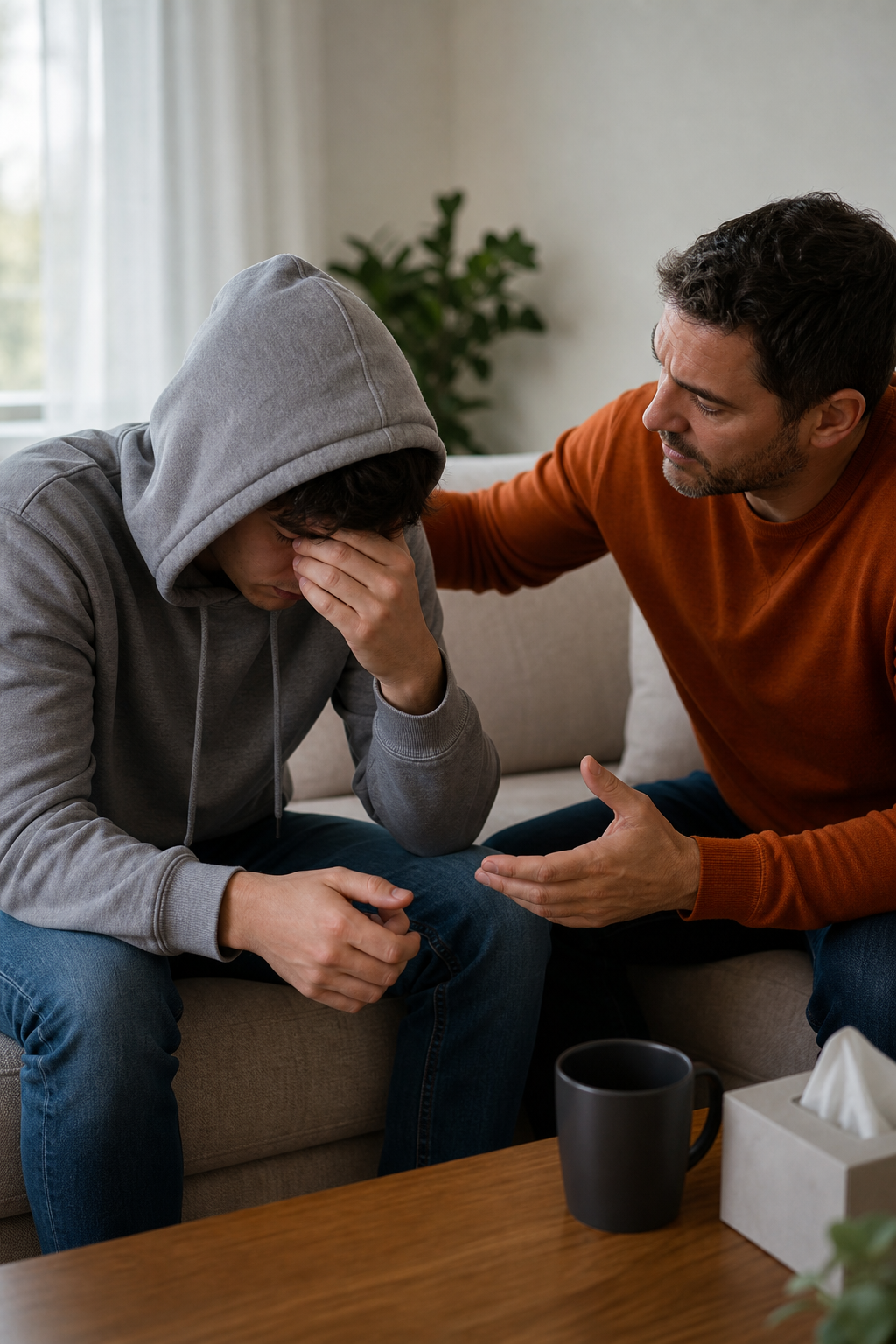
Also include what to do after the emergency: call your family doctor or overdose help resources to discuss next steps for treatment. An overdose is often a wake-up call. Use it to get the person into long-term recovery. The plan should also include who to contact for emotional support , a counselor, a friend, or a support group like GRASP.
Make sure the plan includes roles: who calls 911, who gets the kit, who checks breathing, who stays calm and directs others. Assign roles ahead of time so no one argues during the crisis.
Bottom line: Write a simple, step-by-step action plan with clear roles and post it where everyone can see it. Practice it so it becomes automatic.
Step 5: Practice and Maintain Your Family Plan
You have a written plan, a kit, and naloxone. But if you never practice, you might freeze when it counts. A family drug overdose plan needs to be a living document, not something you file away.
Schedule a monthly drill. Pick a day , maybe the first Sunday of the month. Gather the household. Run through a simple scenario out loud. “Mom, you find John on the floor, not moving. His lips are blue. What do you do?” Go through the steps: call 911, get the kit, give naloxone, start rescue breathing. Time yourselves. See how fast you can get from finding the person to administering naloxone.
Check your kit during the drill. Is the naloxone still good? Are the gloves still sealed? If you used anything in the drill (like an old pair of gloves), replace them.
Update the contact list. Phone numbers change. Doctors move. Add new numbers for poison control or a new interventionist. You can also use this time to review your overall emergency drug intervention plan and make sure it still fits your family’s situation.
After each drill, ask: What went well? What was confusing? Did anyone hesitate? Tweak the plan based on the answers. Maybe you need a bigger sign on the kit location. Maybe someone needs refresher training on naloxone. Keep improving.
Also consider a yearly family meeting to review the big picture: Has anyone’s health changed? Is there a new prescription in the house? Has someone started using substances? Update the family drug overdose plan accordingly. Effective intervention steps can help guide these conversations if needed.
Bottom line: Practice your plan monthly. Check your kit. Update contact information. The more you drill, the more confident everyone will be in a real emergency.
Frequently Asked Questions
What exactly is a family drug overdose plan?
A family drug overdose plan is a written set of steps that everyone in the household agrees on. It includes where naloxone is stored, who calls 911, how to give naloxone, and what to do after the overdose. The goal is to reduce panic and act quickly. Think of it as a fire escape plan for overdose. It’s a simple document you can create in an afternoon and update each month.
Do I need a family drug overdose plan if no one in my family uses drugs?
Yes. Overdoses can happen to anyone. You might have a guest over who takes prescription painkillers, or a neighbor’s child who accidentally swallows a medication. Fentanyl is also showing up in street drugs like cocaine and counterfeit pills. Having naloxone and knowing the signs can save a life , even if it’s a stranger in your home. It’s like having a fire extinguisher: you hope you never use it, but you’re ready.
How do I get naloxone without a prescription?
In most states, you can buy naloxone at any pharmacy without a prescription. Just ask the pharmacist. Some states have standing orders that allow anyone to get it. You can also find free naloxone through community programs, local health departments, or overdose education and naloxone distribution (OEND) programs. Search online for “free naloxone near me” or call your county health department. Many programs even mail it to you.
Can I go to jail for giving someone naloxone?
No. All 50 states have Good Samaritan laws that protect people who administer naloxone in good faith. These laws also often protect the person who overdosed from prosecution for drug possession if they call 911. The goal is to encourage people to help without fear of legal trouble. Check your state’s specific law, but in general, you are safe. Saving a life always comes first.
What if the naloxone doesn’t work?
If the naloxone doesn’t seem to work after two doses, the person may be having a medical emergency that isn’t an opioid overdose , like a stroke, a heart attack, or an overdose from another drug. Continue rescue breathing or CPR, and call 911 if you haven’t already. Naloxone only works on opioids. It’s still worth giving because you might be wrong about the substance. It won’t hurt them if they didn’t take opioids.
How often should I practice my family drug overdose plan?
Practice at least once a month. Pick a regular time, like the first Saturday of the month. Run through the steps out loud together. Time yourself to see how fast you can give naloxone. Also check your kit every month , make sure the naloxone hasn’t expired and the gloves are still intact. After each drill, discuss what could be improved and update your plan.
Should I include my teenager in the plan?
Absolutely. Teens are often present during overdoses, especially if they have friends who use drugs. Teach them the signs and how to call 911. Show them where the naloxone is stored and how to use it. Many states allow minors to carry naloxone without a prescription. Including teens makes them feel helped and prepared, not scared. It’s a life skill like CPR.
Conclusion: Take Action Today
Creating a family drug overdose plan doesn’t take much time. But it can make the difference between life and death. You’ve learned the five steps: recognize the signs, build a kit, learn naloxone, make a written action plan, and practice it. Now it’s time to act.
Start today. Write down the signs of overdose on a sticky note. Order naloxone online or stop by a pharmacy. Gather your family for a 20-minute meeting to run through the plan. It’s that simple.
Remember, fentanyl has made the drug supply more dangerous than ever. Over 100,000 people died of drug overdoses in 2023. Many of those deaths could have been prevented if someone had naloxone and knew what to do. Don’t wait until it’s too late.
If you need help putting together a plan, or if you’re worried about a loved one’s substance use, reach out to a professional. A certified interventionist can guide you through the process and provide support. Call (949) 545-3438 for a free, no-obligation consultation with Next Step Intervention. They specialize in helping families prepare for emergencies and find long-term recovery solutions.
You have the power to save a life. Your family drug overdose plan is the tool. Start building it now.