Fentanyl can kill in minutes. One slow breath, one missed call, and a family can lose a loved one. This family guide to fentanyl overdose response shows you how to spot danger, act in seconds, and keep help coming after the crisis. We’ll walk through the signs, the exact steps to save a life, why naloxone belongs in every home, prevention tricks, emotional coping, legal basics, and a plan you can print and stick on the fridge.
1. Recognize the Signs of a Fentanyl Overdose
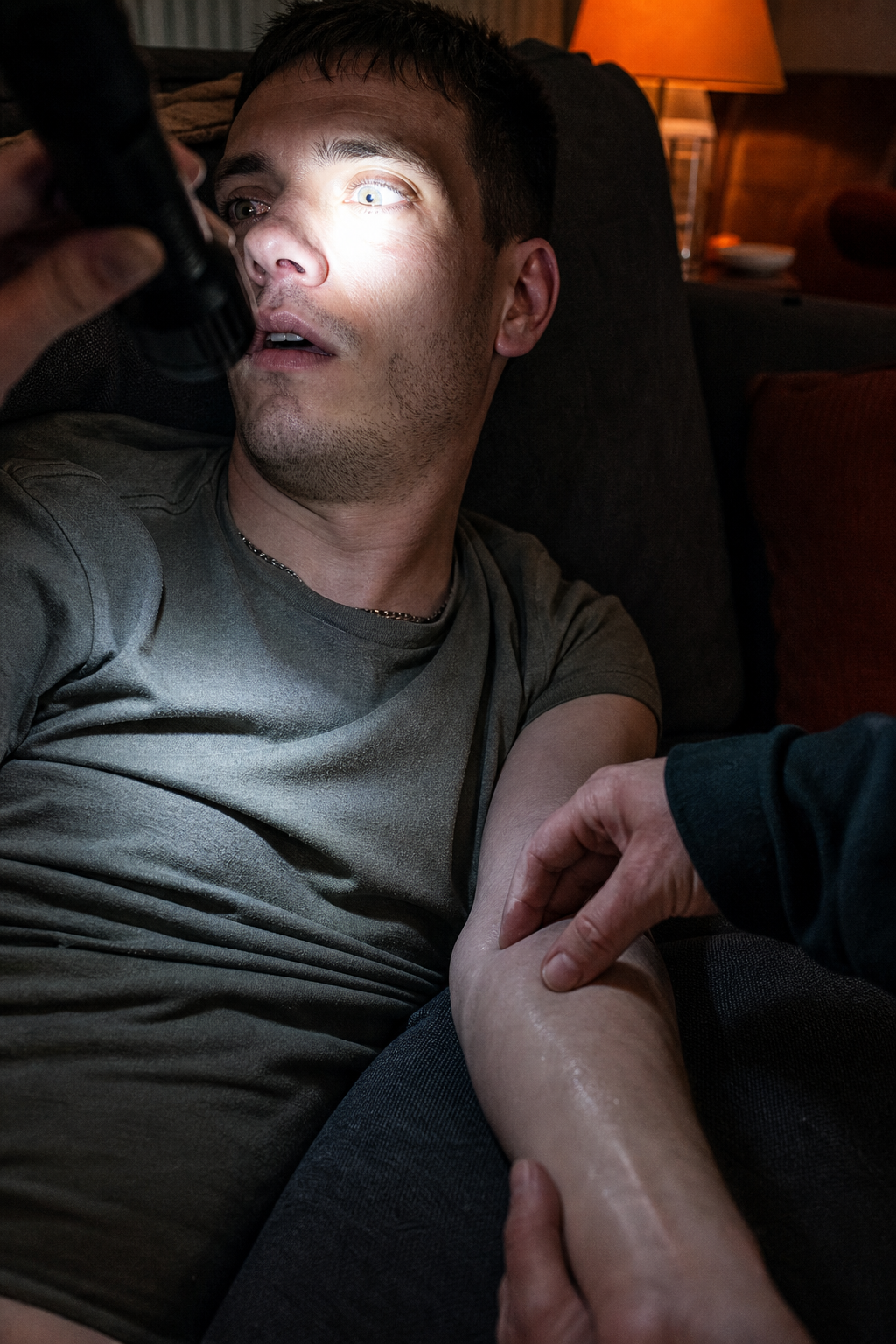
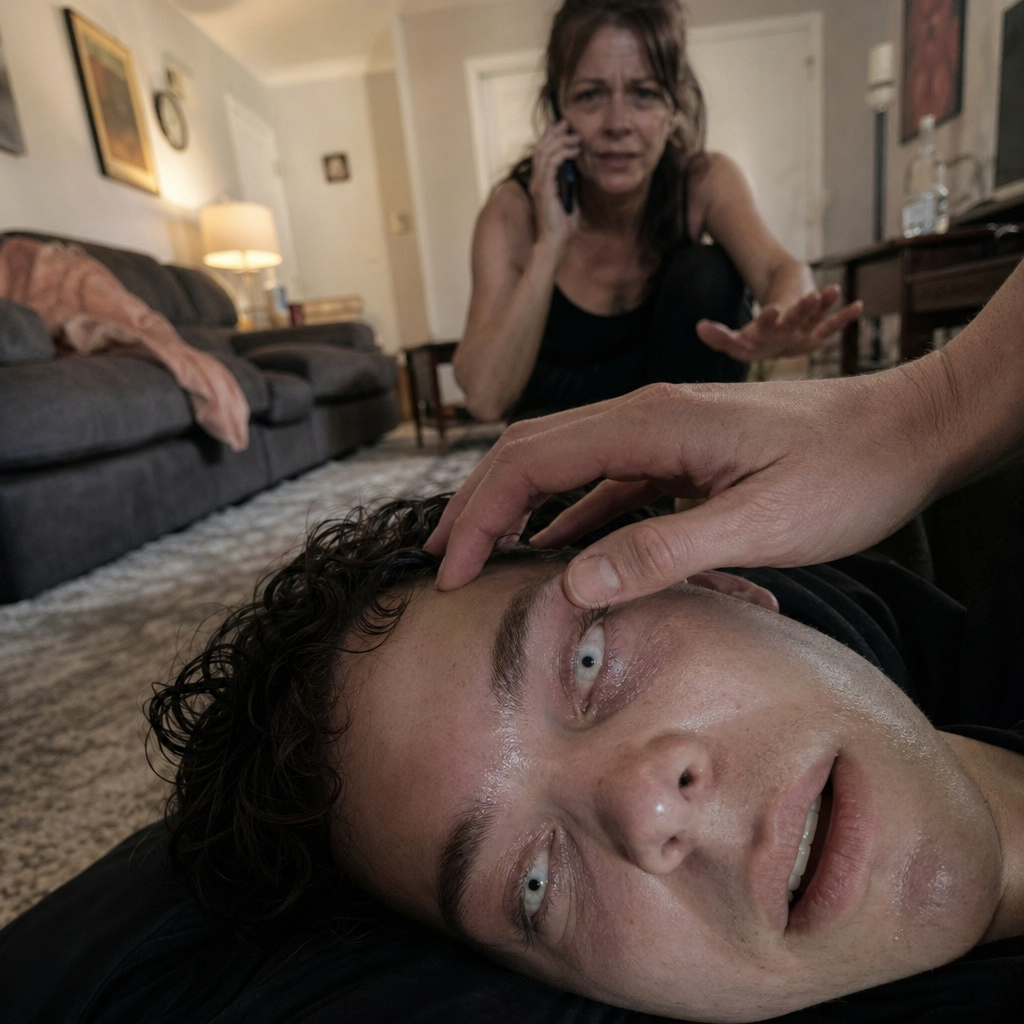
Knowing the warning signs can mean the difference between a quick recovery and a tragedy. Fentanyl is tiny but powerful. It slows breathing fast. Look for these red flags:
- Pinpoint, glass‑like pupils.
- Very shallow or no breathing.
- Blue or gray lips and fingertips.
- Unconsciousness or difficulty waking.
- Cold, clammy skin that feels wet.
These symptoms show up in seconds after use. If you see any of them, treat it as an emergency.
According to the Washington State Department of Health, opioid overdose, including fentanyl, requires an immediate 911 call. The same page notes that naloxone can reverse the effects in minutes, buying precious time for medical crews.
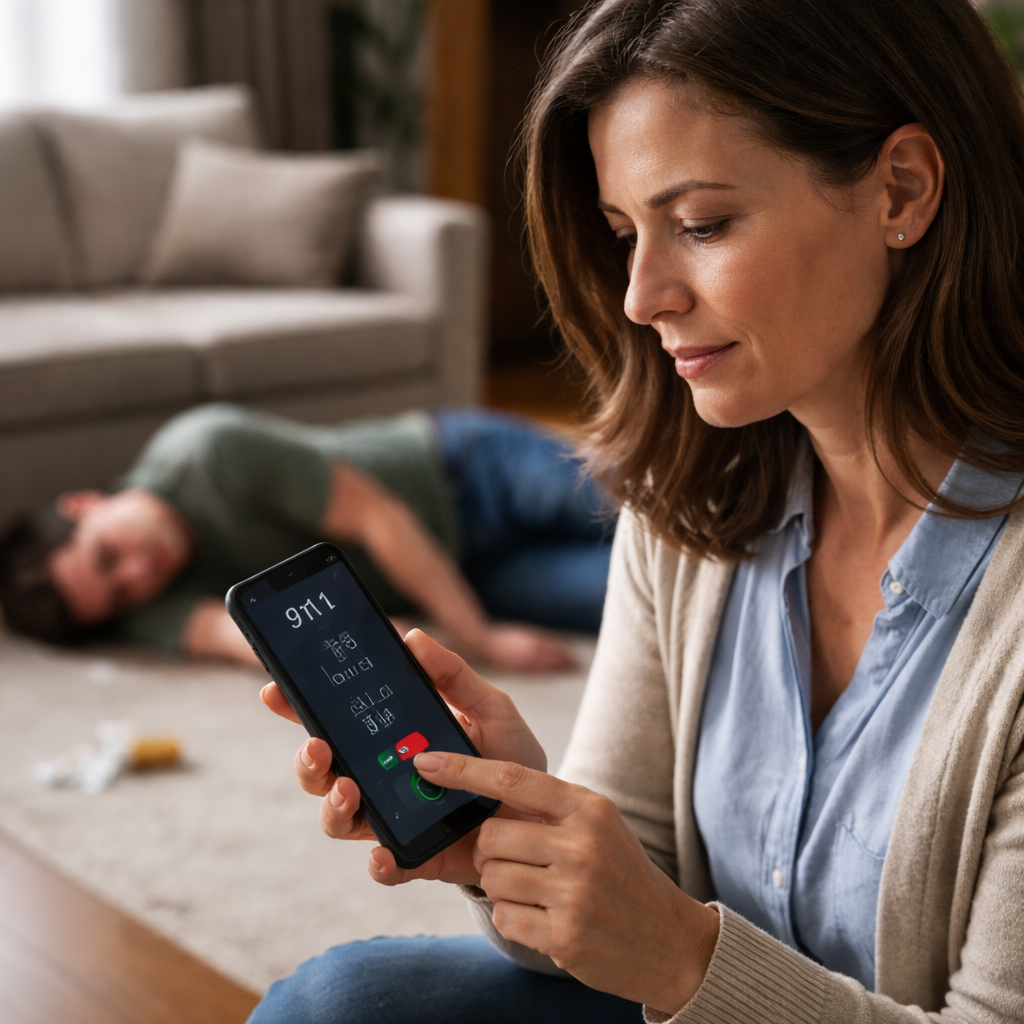
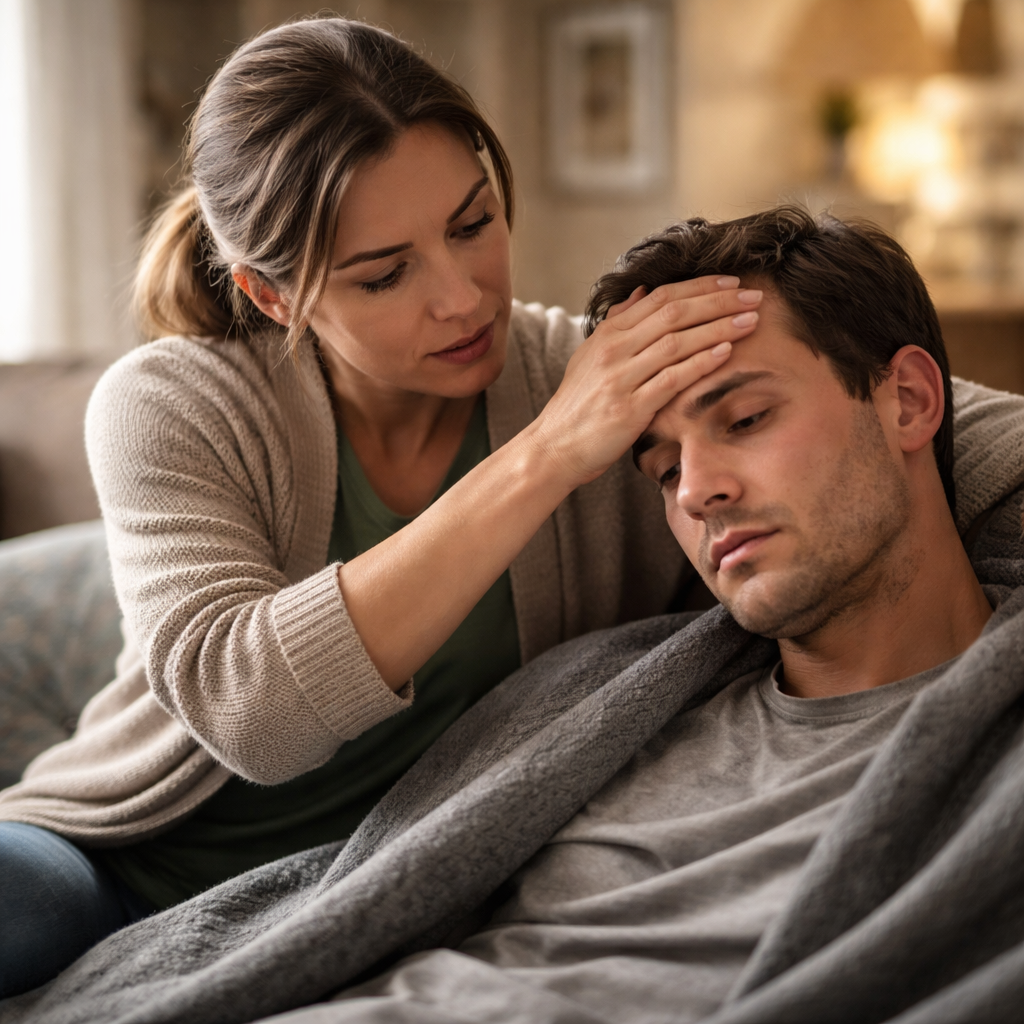
Here’s what I mean: you’re watching a teen on the couch. He’s mumbling, his eyes are tiny, his skin feels cold. You don’t wait. You call 911, grab naloxone, and start rescue breaths.
Bottom line: Recognizing the classic fentanyl signs lets you move from panic to purpose in seconds.
2. Step‑by‑Step Emergency Response: Call 911, Rescue Breathing, Naloxone
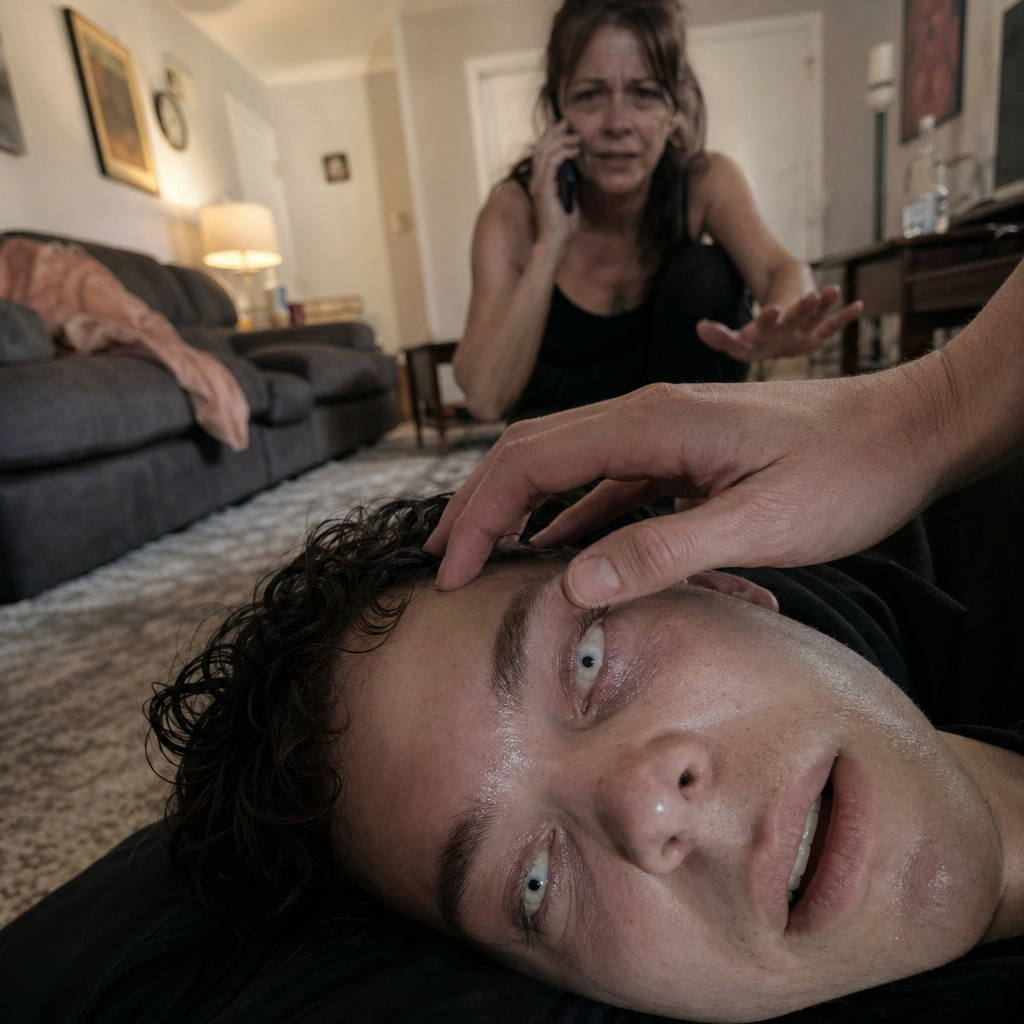
When seconds count, follow this simple script. It works for anyone, no medical training required.
- Call 911. Speak clearly. Say: “I think my family member is overdosing on fentanyl. I have naloxone ready.”
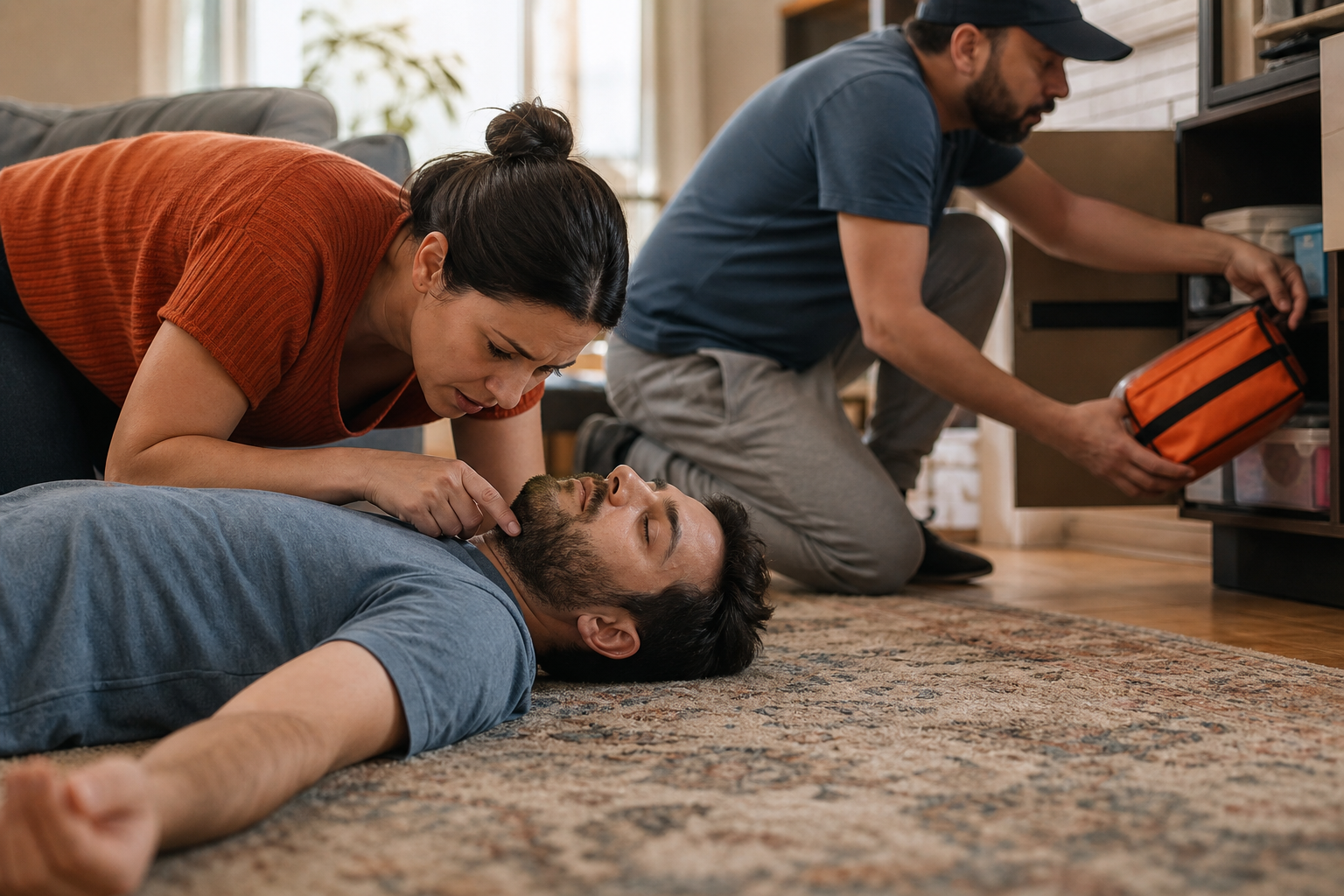
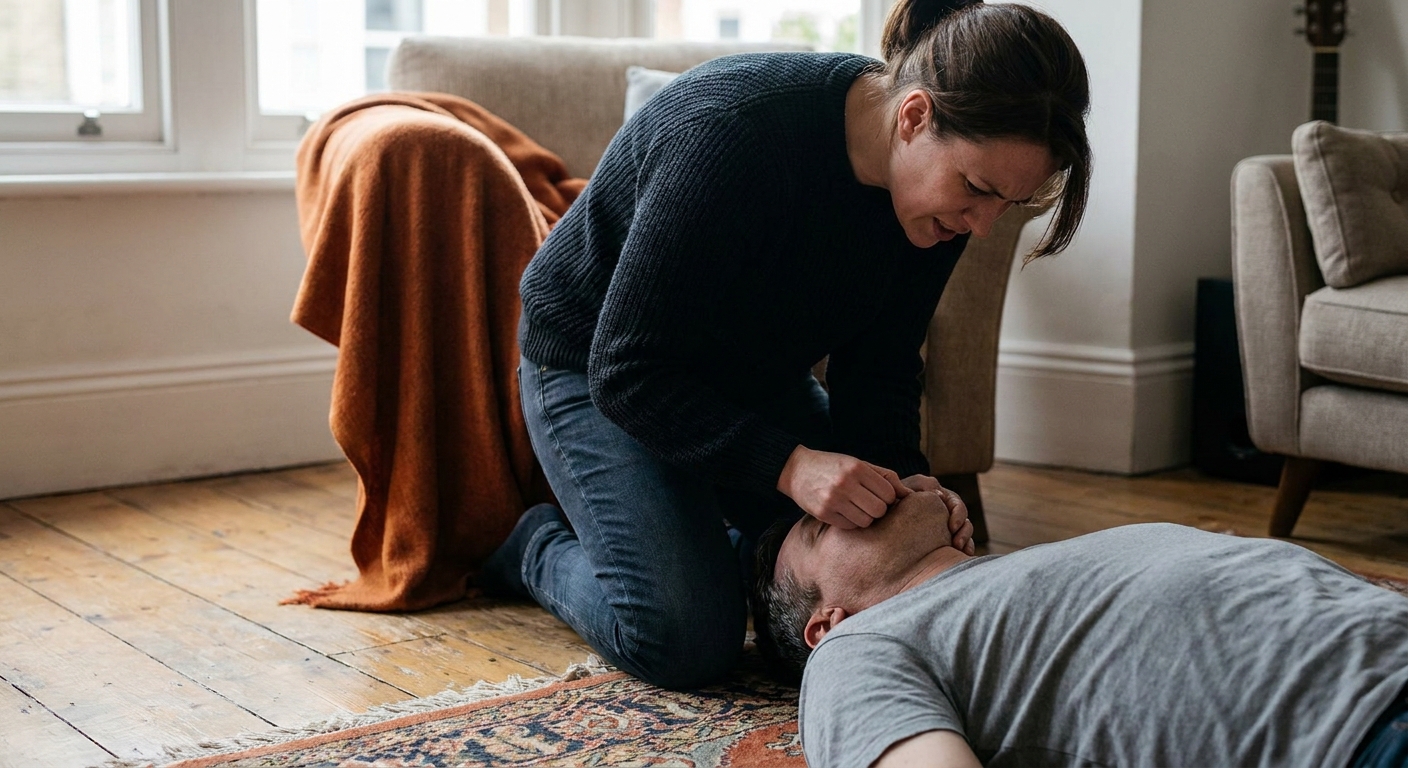
- Check breathing. If there’s no breath or it’s very shallow, start rescue breaths: two slow breaths every five seconds.
- Put the person on their side (recovery position) to keep the airway clear.
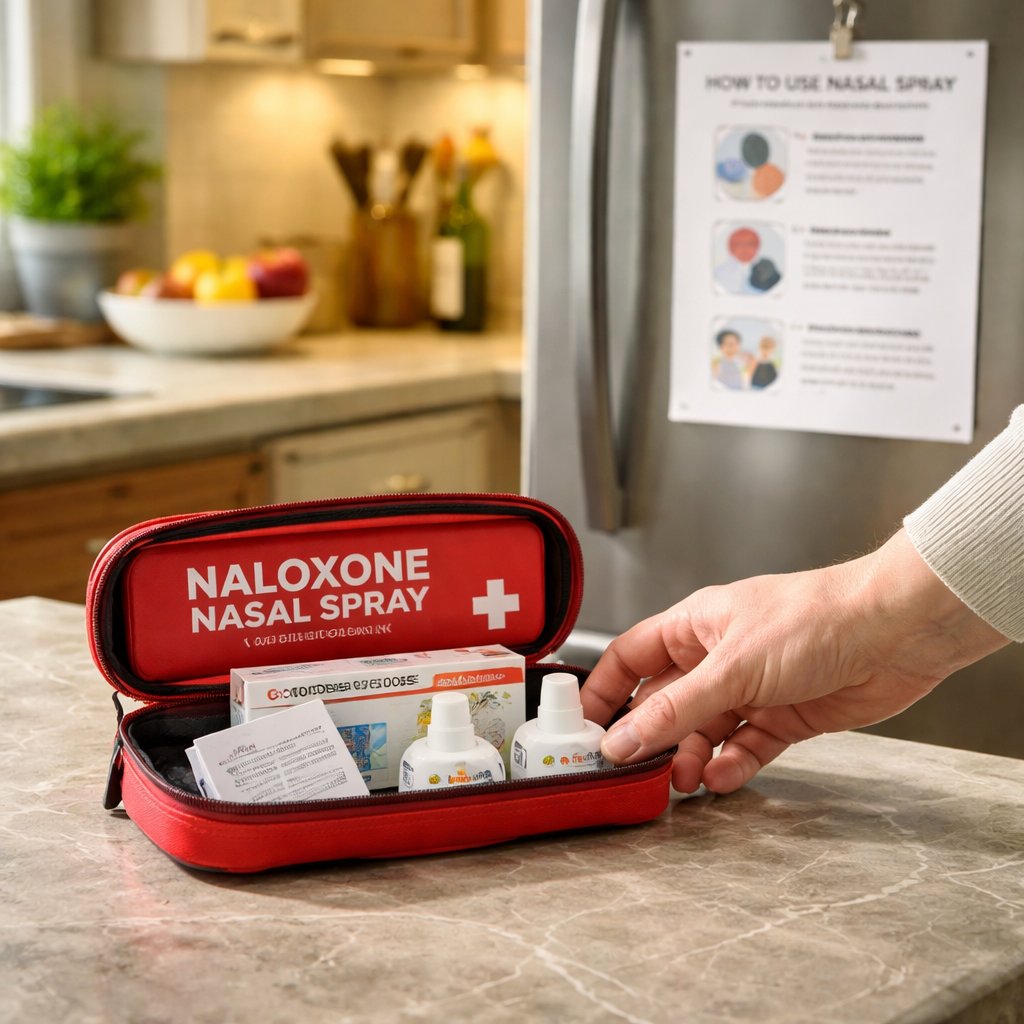
- Open the naloxone kit. If it’s a nasal spray, tilt the head back and spray into one nostril. If it’s an auto‑injector, press into the thigh and hold for ten seconds.
- Watch for a response. Within a minute, the person should gasp or start breathing better. If not, give a second dose after two minutes.
- Stay with them until EMS arrives. Keep talking calmly, “You’re safe, help is on the way.”
The video below walks you through each step. Pause it, practice with a dummy kit, and you’ll be ready.
And here’s a quick visual reminder you can tape to the bathroom mirror.
Pro tip: write the exact time you give each naloxone dose. EMS will need that info.
Bottom line: Follow the five‑step script, stay calm, and let EMS finish the job.
3. Why Every Household Should Have Naloxone (Narcan) and How to Use It
Naloxone is the only medication that can quickly reverse a fentanyl overdose. It’s cheap, easy, and legal without a prescription in most states.
- It works in 2‑5 minutes.
- It can be given by anyone , no training needed.
- It’s safe. If the person isn’t overdosing, it won’t harm them.
Next Step Intervention bundles naloxone kits with insurance help and a personalized after‑care plan. That extra logistics makes a huge difference. Most programs just hand out a kit and walk away.
When you buy a kit, check the expiration date. Replace it every two years. Store it at room temperature, away from direct sunlight.
| Feature | Why It Matters | Next Step Intervention Edge |
|---|---|---|
| Free training | Boosts confidence to use kit | Offers a live video walkthrough for families |
| Insurance billing help | Reduces cost barrier | Handles paperwork so families don’t have to |
| After‑care plan | Links overdose event to treatment | Provides a 99% success‑rate follow‑up |
Here’s what I mean: a mom in San Diego called Next Step Intervention after her teen’s overdose. The team delivered a fresh naloxone kit, filed the insurance claim, and set up a treatment appointment within 24 hours.
“The best time to start building a safety net was the moment we got the naloxone kit and a clear plan.”
Bottom line: Having naloxone at home, plus a clear usage plan, turns a potential death into a survivable event.
4. Practical Prevention Tips: Safe Storage, Disposal, and Fentanyl Test Strips
Preventing accidental exposure is as important as responding to an overdose. Follow these habits:
- Lock upall prescription opioids and fentanyl patches in a child‑proof cabinet.
- Disposeof unused patches by folding them in half, sealing in a bag, and tossing in the trash. Many pharmacies offer take‑back boxes.
- Use test stripsbefore any street‑sourced pill or powder. The strips are cheap, legal in most states, and give you a heads‑up.
The Prevent Overdose RI guide shows how to dip a strip in water for 15 seconds and read the result. One line means fentanyl may be present; two lines mean it’s negative.
Pro tip: keep a small bag of test strips in the same drawer as the naloxone kit. That way you never have to run for them.
Bottom line: Simple storage, disposal, and testing habits cut accidental fentanyl exposure dramatically.
5. Resources and Support for Families: Treatment, Counseling, Hotlines
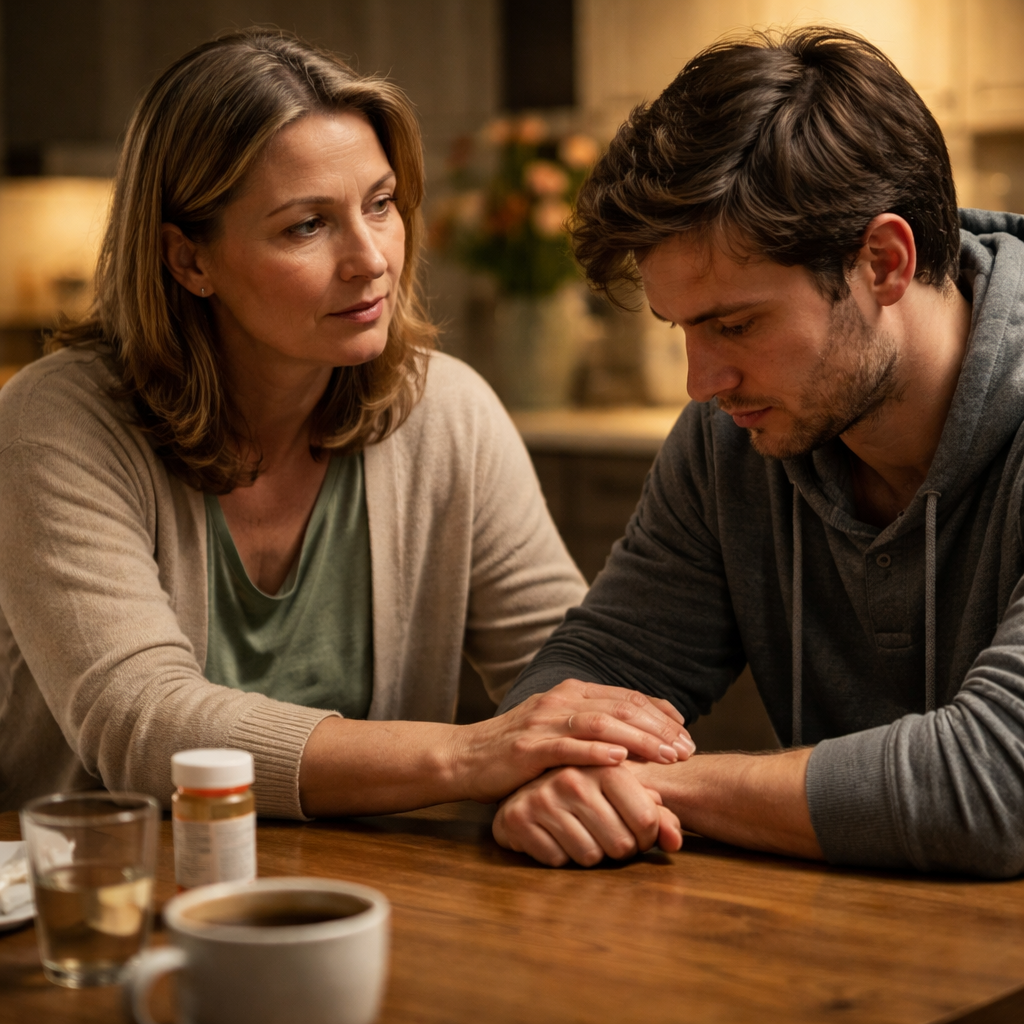
After the emergency, families need a roadmap to treatment and emotional help. Here are the top resources:
- Local OEND programs(Overdose Education and Naloxone Distribution) , they give free kits and training.
- National Suicide Prevention Lifeline (988), offers 24/7 crisis counseling.
- Next Step Intervention, the only service that combines naloxone delivery, insurance advocacy, and a customized after‑care plan with a 99% success rate.
When you call an OEND program, ask for a follow‑up appointment with a counselor. The counselor can guide you through medication‑assisted treatment (MAT) options like buprenorphine.
Bottom line: Pair emergency response with professional support to move from crisis to recovery.
6. Emotional Impact on Parents, Siblings, and Grandparents , Coping Strategies
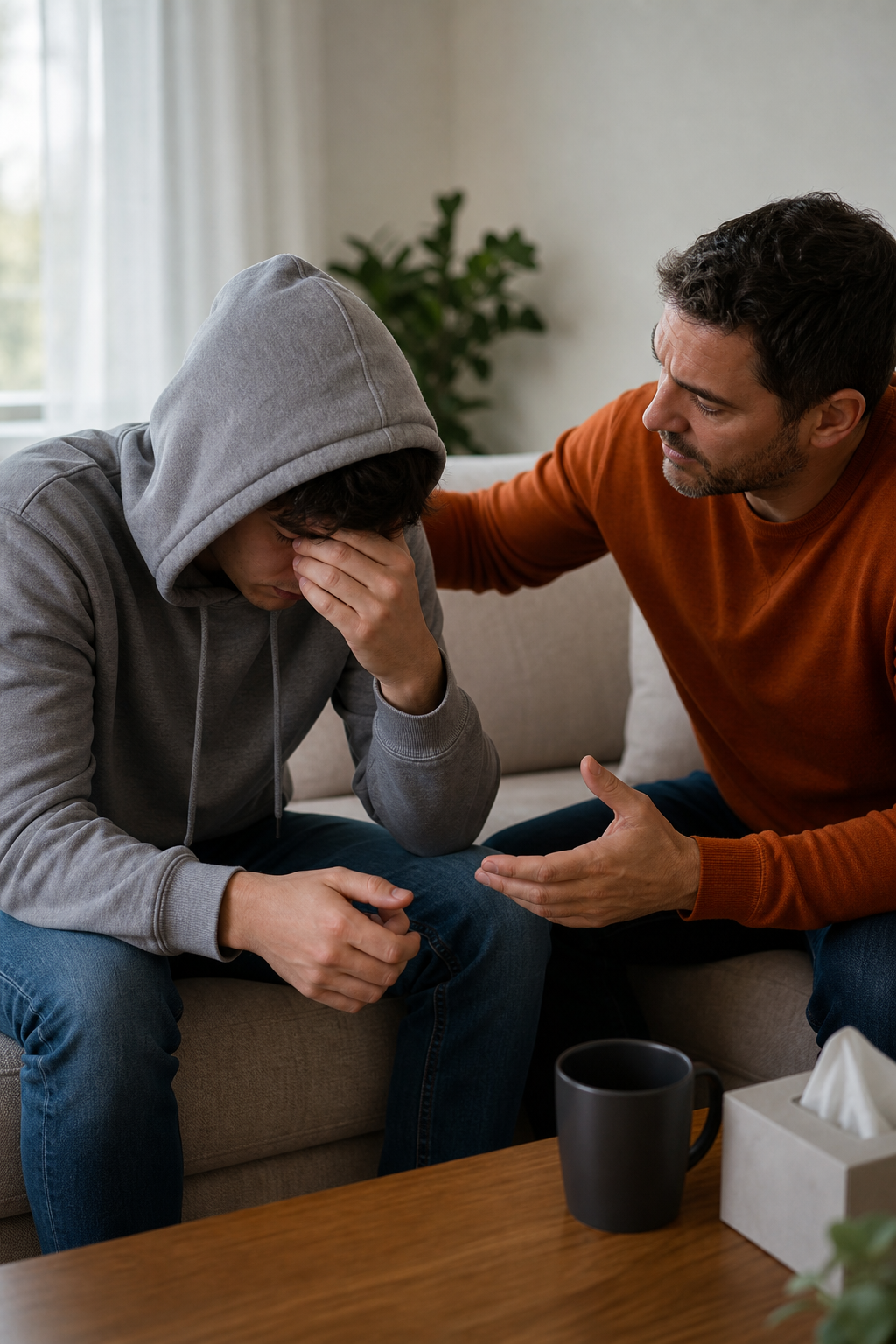
Watching a loved one overdose shakes the whole family. Grief, guilt, and fear are common.
- Parentsoften feel responsible. Talk to a therapist who specializes in addiction grief.
- Siblingsmay act out or withdraw. Keep a regular “check‑in” routine, five minutes after dinner, ask how they feel.
- Grandparentsmay fear they’re too old to help. Offer them a simple role, like keeping the naloxone kit in the kitchen.
One effective method is the “Three‑Step Calm”:
Pro tip: write these steps on a sticky note and put it on the fridge.
Bottom line: Simple, regular coping rituals keep the family’s emotional health from spiraling.
7. Real‑Life Family Case Studies and Intervention Stories
Stories help us works in real homes. Below are three brief snapshots.
Case A , San Diego Mom: She found her teen slumped, barely breathing. She called 911, gave two doses of naloxone, and stayed with him until EMTs arrived. The teen survived, entered a local MAT program within three days, and the family used Next Step Intervention’s after‑care plan to keep appointments.
Case B , Oregon Grandparents: Two retirees discovered their grandson’s fentanyl patches left on the nightstand. They locked the medicine cabinet, called an OEND hotline for a free naloxone kit, and set up a weekly video call with a counselor. The grandson now attends a community support group and has not relapsed for six months.
Case C , Texas Siblings: Two brothers saw their sister’s skin turn gray after using a counterfeit pill. They used a fentanyl test strip, confirmed contamination, called 911, and administered naloxone. The sister later joined a family‑focused rehab program recommended by Next Step Intervention.
Bottom line: These real stories prove that the steps in this family guide save lives.
8. Legal Details: Obtaining Naloxone Without Prescription and Liability for Caregivers
Most states allow anyone to buy naloxone over the counter. No doctor’s note needed. If you’re under 18, a parent can pick it up for you.
- Check your state pharmacy laws. In California, pharmacies must stock naloxone and can sell it without a prescription.
- Good Samaritan laws protect you when you call 911 and give naloxone. You won’t be charged for trying to help.
- If you’re a landlord, you can keep a naloxone kit in a common area to protect tenants.
Bottom line: Legal protections let you help without fear of prosecution.
9. Talking to Children About Fentanyl Risks: Age‑Appropriate Conversations
Kids need honest, age‑appropriate facts.
- Kids 5‑8: Explain that some pills are “very strong” and can make you feel sick fast. Use the phrase “danger medicine.”
- Pre‑teens 9‑12: Talk about peer pressure. Say, “If a friend offers something that looks like a normal pill, it could have fentanyl and be deadly.”
- Teens 13‑18: Give clear facts: fentanyl is 50‑100 times stronger than heroin. Show a tiny grain of salt and say it’s like that but far more potent.
Practice a role‑play where the child says, “What if I find a pill at a party?” The parent answers calmly, “We can test it with a strip first. If it’s positive, we call an adult right away.” This builds confidence.
Bottom line: Honest, age‑specific talks give kids tools to avoid fentanyl before it becomes an emergency.
10. Self‑Care Tips for Caregivers and Accessing Mental Health Support
Caregivers often forget they need help too. Burnout can cloud judgment.
- Schedule a 15‑minute “reset” walk each day. Fresh air clears the mind.
- Join a support group like Al‑Anon or a local caregiver circle.
- Use a simple breathing app for 2 minutes before bedtime.
Next Step Intervention offers a free mental‑health check‑in for families after an overdose event. That call can connect you to a therapist who understands addiction trauma.
Bottom line: Regular self‑care and professional mental‑health help protect the caregiver’s stamina.
11. Pediatric Exposure Scenarios: Accidental Ingestion and Beyond Patches
Children can encounter fentanyl in three common ways.
- Accidental ingestion: A toddler finds a loose patch or a pill. Immediate action: call 911, start rescue breaths, and give naloxone if available.
- Patch skin contact: A patch left on a bedside table can transfer through skin. Remove the patch, wash the area with soap, and monitor for breathing changes.
- Secondhand inhalation: Fentanyl powder can linger in the air. Keep the home well‑ventilated and store all opioids out of reach.
Pro tip: store patches in a sealed bag, then place the bag in a locked drawer.
Bottom line: Quick identification of pediatric exposure routes lets you act before the child’s breathing slows.
12. Create a Family Emergency Plan for Overdose Response
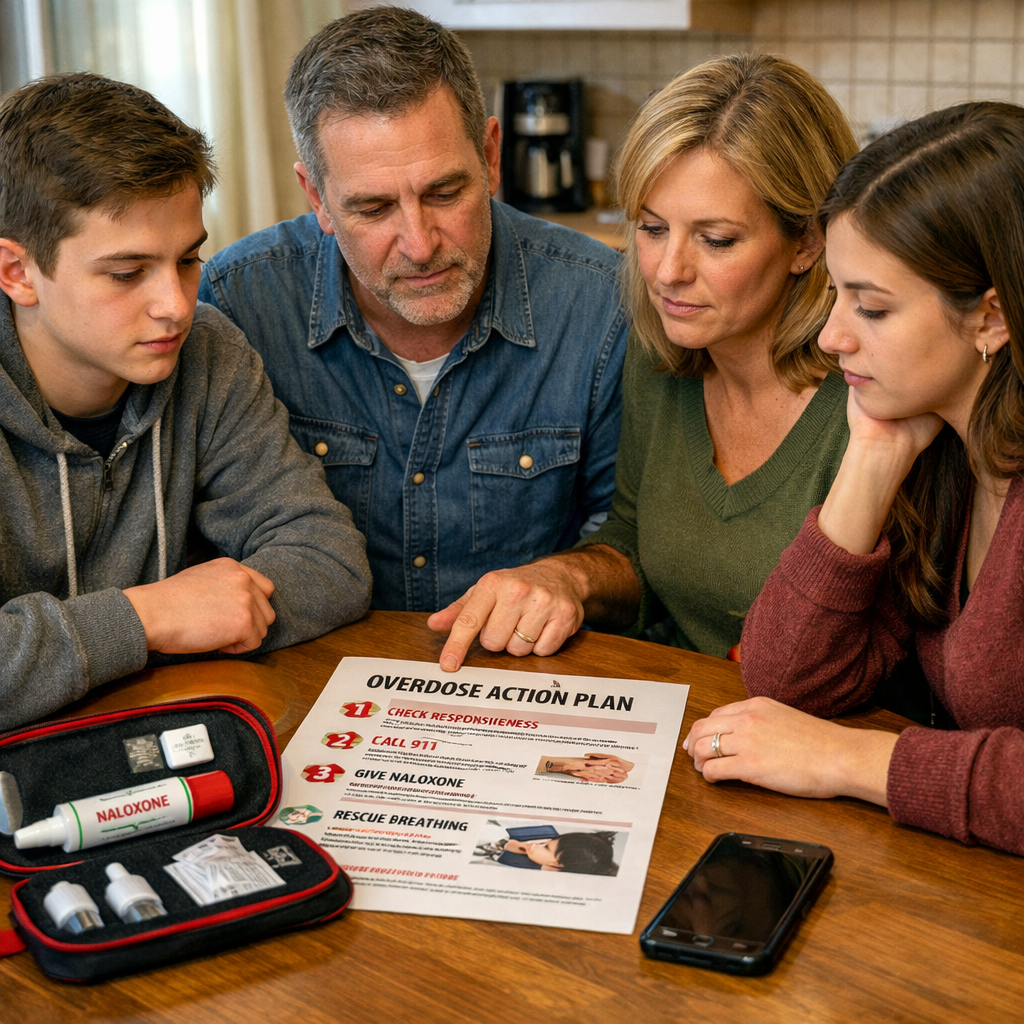
Turn the steps above into a printable plan. Here’s a simple template you can copy.
- Location of Naloxone: Kitchen drawer, labeled “Naloxone , Use in Emergency”.
- Phone Numbers: 911, local poison control, Next Step Intervention (949) 545‑3438, trusted family friend.
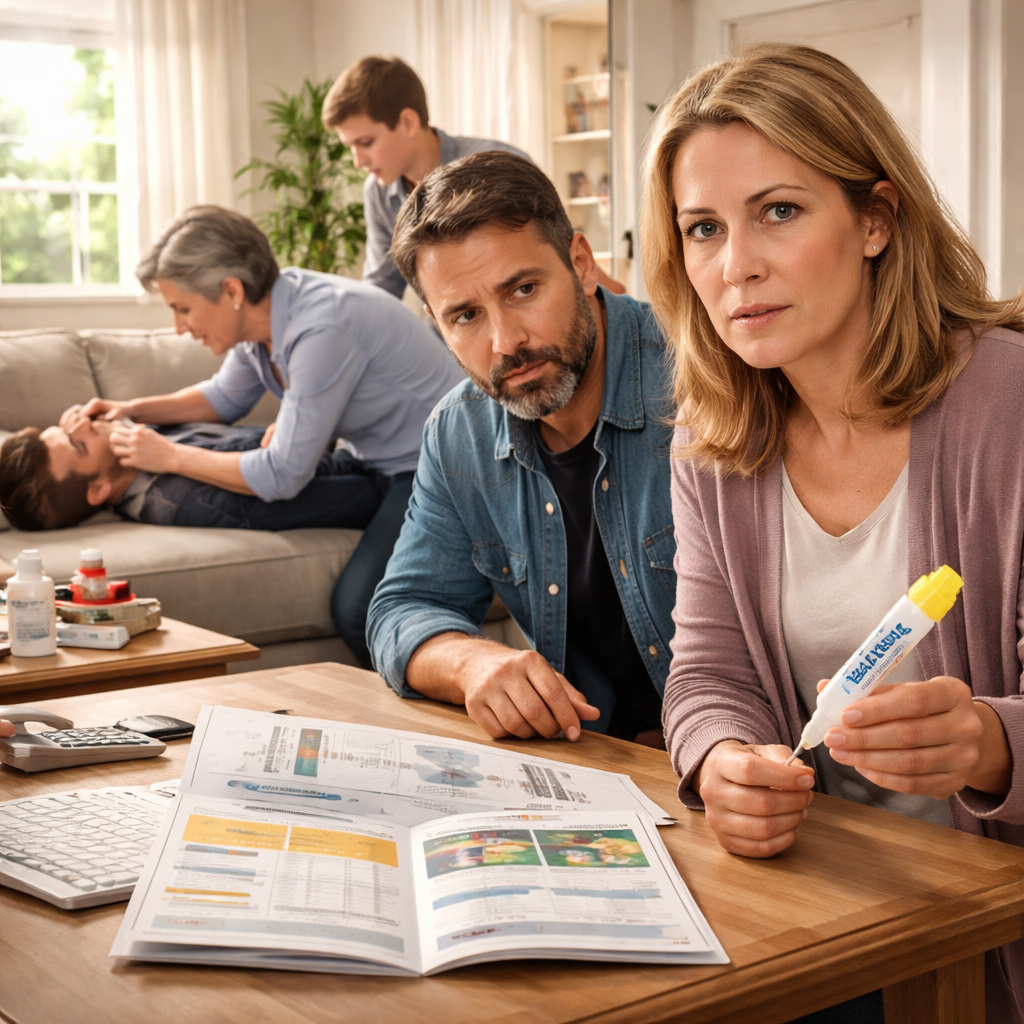
- Roles: Mom , call 911, Dad , administer naloxone, Teen , stay with the person and give rescue breaths.
- After‑Care Steps: Call Next Step Intervention within 2 hours, schedule treatment intake, attend family counseling.
Print the plan, laminate it, and stick it on the fridge. Review it every month.
Bottom line: Having a clear, practiced emergency plan saves lives and reduces stress.
Conclusion
This family guide to fentanyl overdose response gives you the signs, the step‑by‑step rescue routine, the tools to keep naloxone handy, and a road map for after‑care. By storing medication safely, using test strips, and practicing a written emergency plan, you turn a terrifying situation into a manageable one. Remember, every family that acts fast and follows through with professional support sees better outcomes. If you need a personalized plan, a free consultation, or help getting a naloxone kit, call Next Step Intervention at (949) 545‑3438. You can also explore more detailed resources on our Overdose Help guide or read about creating an effective emergency drug intervention plan here. Stay prepared, stay calm, and keep your loved ones safe.
- Take three deep breaths.
- State one fact (e.g., “The naloxone is here”).
- Offer a supportive statement (“We’ll get through this together”).