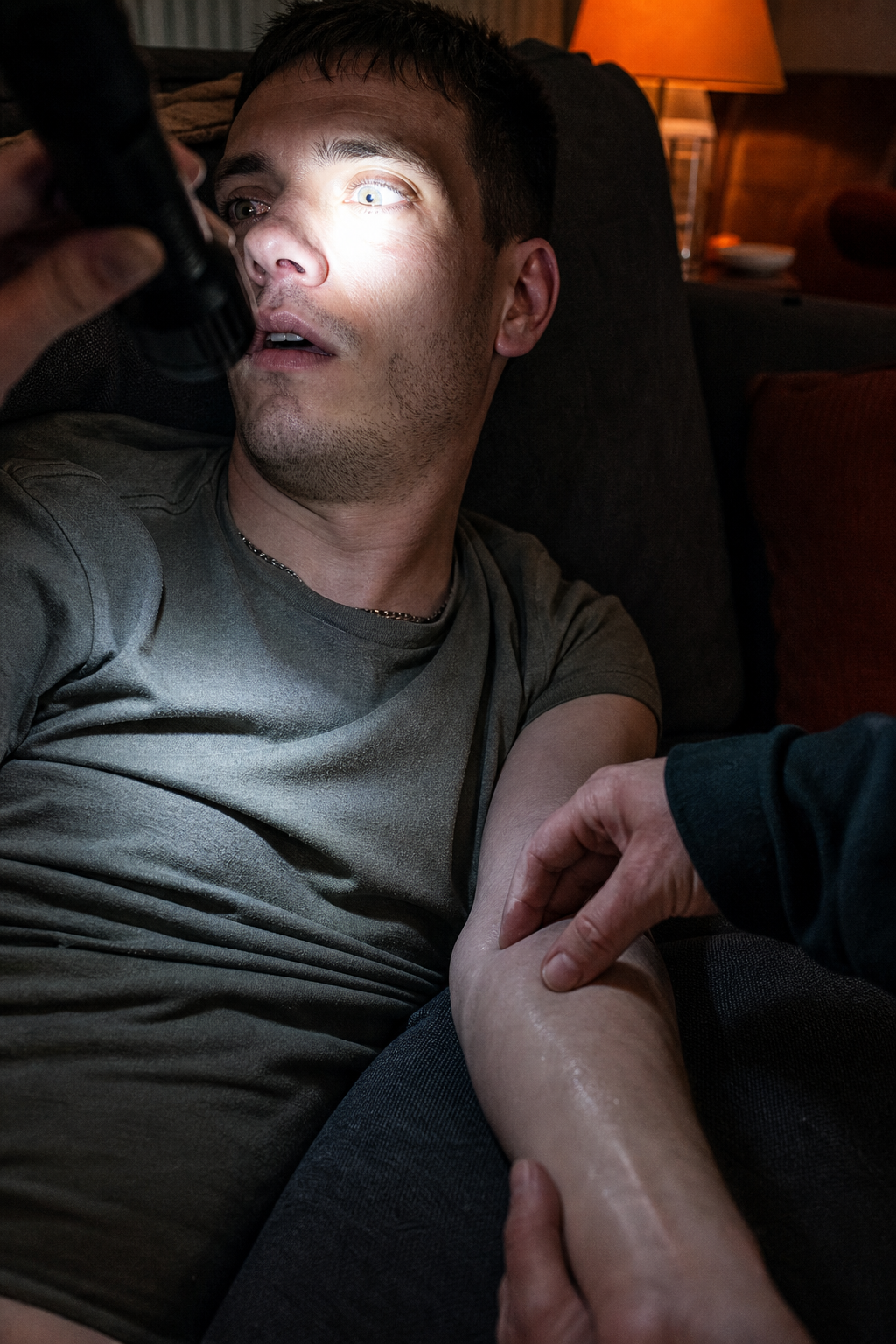
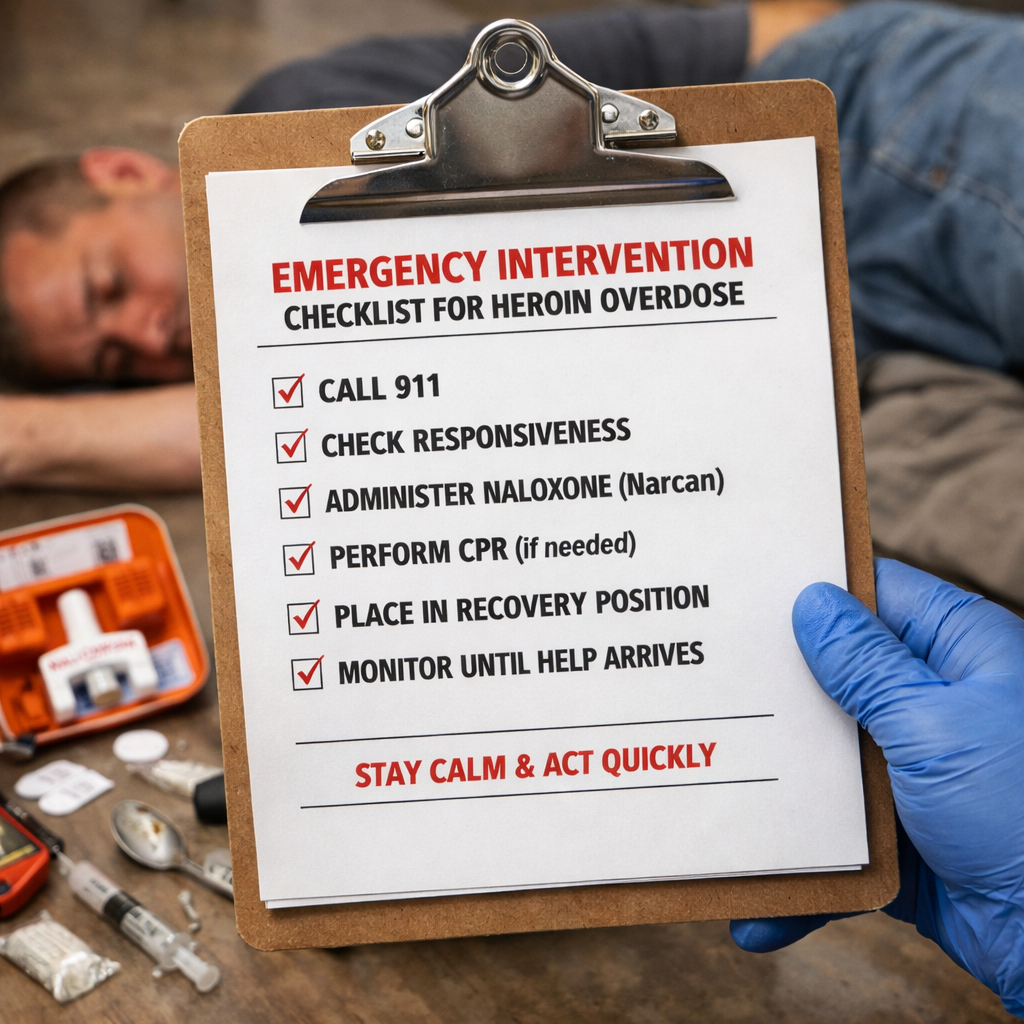
When a loved one stops breathing and you hear that faint, panicked gasp, every second feels like a lifetime. In that split‑second you need a clear plan, not guesswork. This article walks you through the full emergency intervention checklist for heroin overdose, from securing the scene to documenting what happened, so you can act fast and stay calm.
We’ll break down each step, give you practical tips, and show where to get help right now. By the end you’ll have a printable, pocket‑size checklist you can trust when minutes matter.
Research shows that an analysis of 14 emergency‑intervention steps across 9 sources reveals that only one step even mentions a contraindication, while most protocols skip equipment lists and focus on split‑second actions.
Step 1: Ensure Safety and Call Emergency Services
The first thing you do is make the scene safe for you and the person who’s overdosing. If there’s broken glass, a fire, or a weapon nearby, move them to a clear area. This protects you from injury while you focus on breathing.
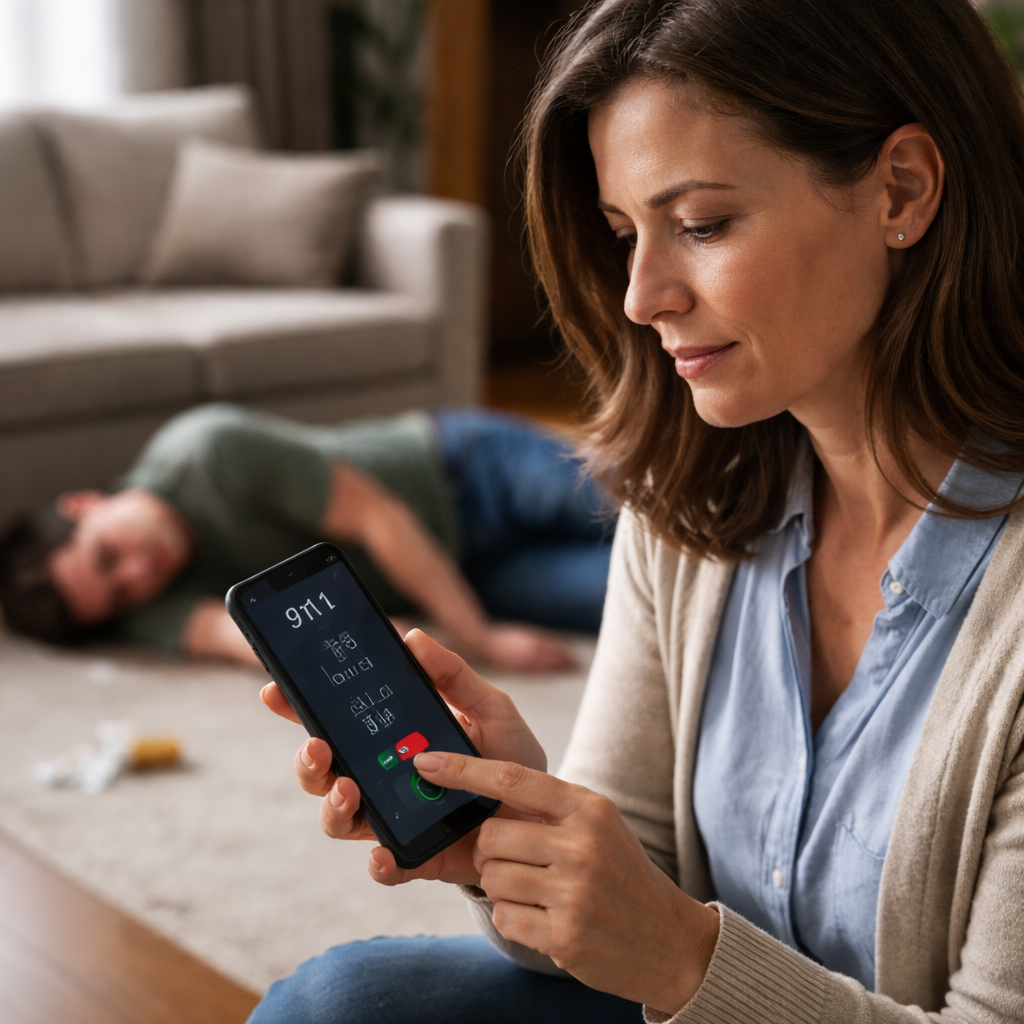
Next, dial 911. Speak clearly: “I need an ambulance for a possible opioid overdose.” Give the exact address, cross‑streets, and any apartment number. Let the dispatcher know if you’ve already given naloxone.
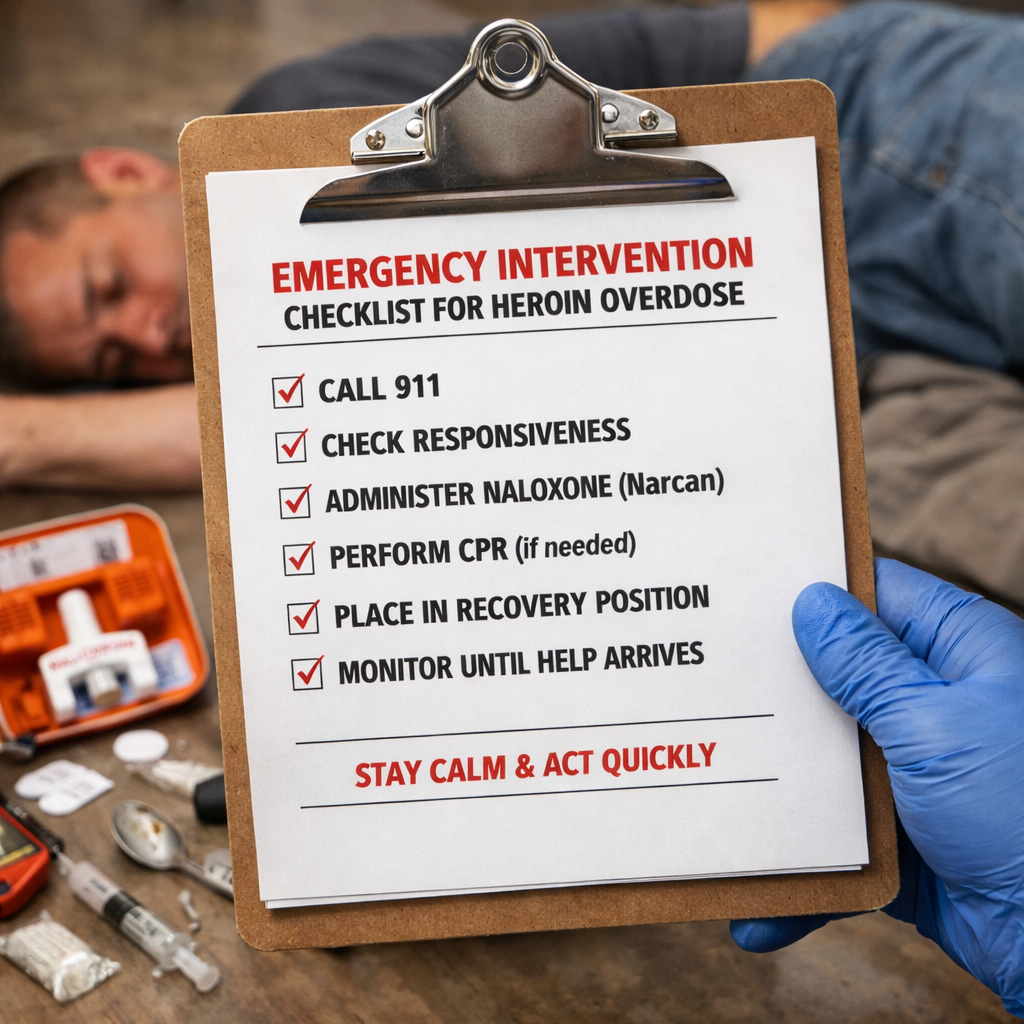
While you wait, keep an eye on the person’s breathing. If they stop breathing, you’ll need to start rescue breaths right away.
Calling 911 also alerts EMS to bring a bag‑valve‑mask, oxygen, and other airway tools that you likely don’t have at home. The dispatcher will ask about the substance involved; answer honestly, even if you’re not sure.
Here’s a quick script you can memorize: “My loved one isn’t breathing properly, I think it’s an opioid overdose, address is ___, I have administered naloxone.” Practicing this script reduces panic and ensures you give the dispatcher the right details.
After the call, you can also alert a trusted intervention service. Overdose Help: A Practical Guide to Emergency Response and Recovery offers a 24‑hour hotline that can walk you through the next few minutes while EMS is on the way.
Two reputable sources back up these steps. The CDC’s overdose‑prevention page explains why immediate EMS activation saves lives, and the NIDA lesson‑plan stresses the importance of clear, concise information for dispatchers.
Remember, you’re not alone. The emergency operator is trained to stay on the line, guide you through rescue breathing, and note the time you gave naloxone. Their guidance is a lifeline.
Key Takeaway:Secure the area, call 911 with precise details, and stay on the line while you prepare to help.
Bottom line:A safe scene and a quick 911 call give EMS the head‑start they need to save a life.
Step 2: Perform Rescue Breathing and Assess Responsiveness
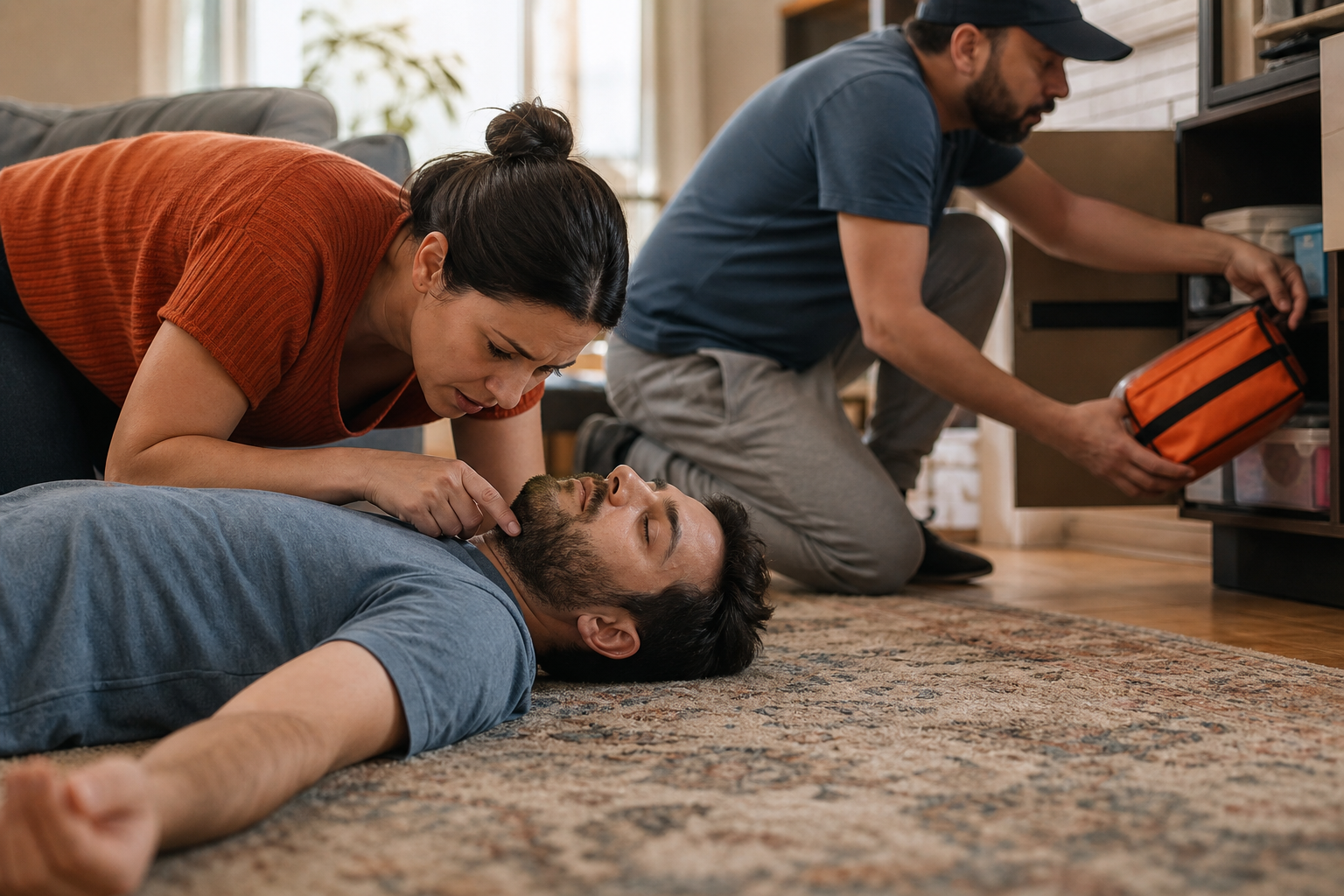
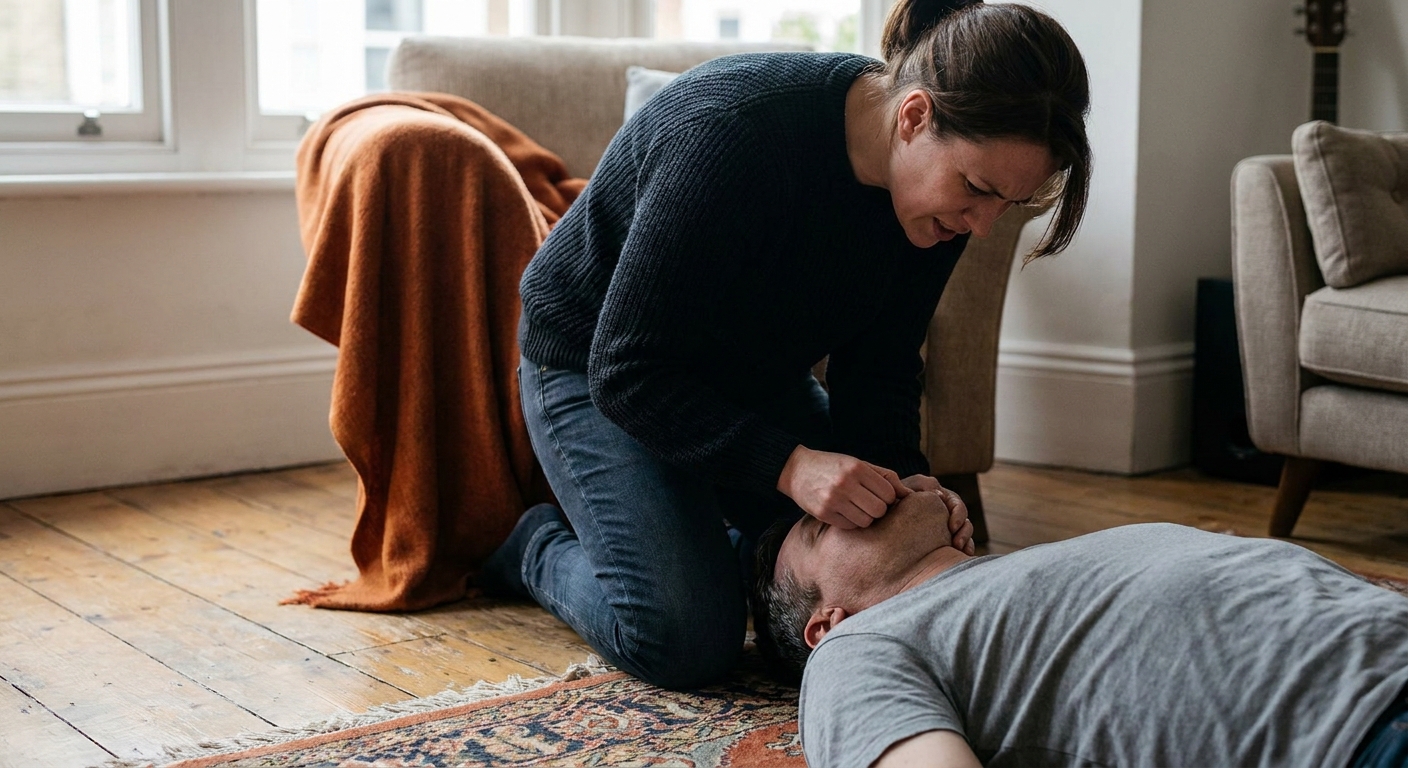
Once you’ve called emergency services, check if the person has a pulse. Feel for a beat at the wrist or neck. If there’s no pulse or the breathing is shallow, start rescue breaths immediately.
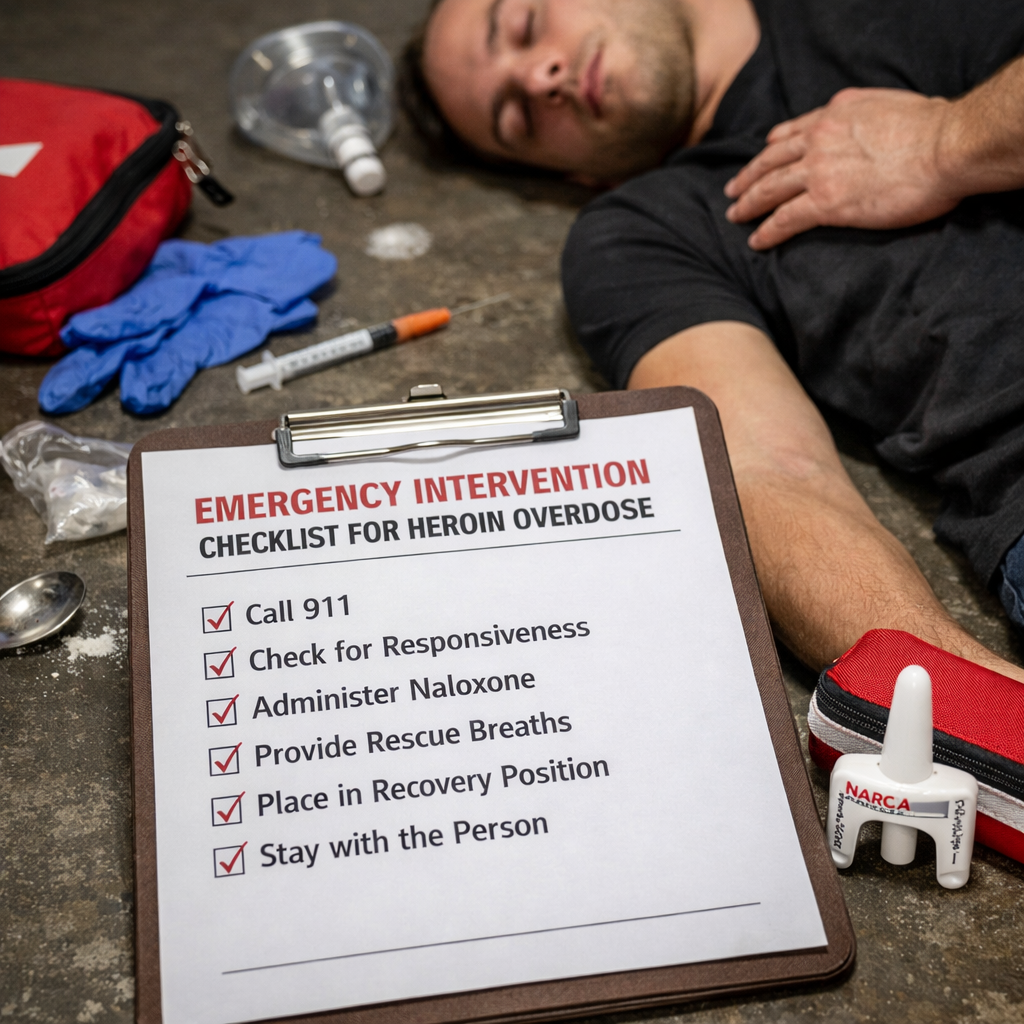
Place the person on their back. Tilt the head back slightly and lift the chin , the classic head‑tilt‑chin‑lift. This opens the airway and reduces the chance of the tongue blocking air flow.
Give two slow breaths, each lasting about one second. Watch the chest rise. If the chest doesn’t move, re‑check the airway and try again.
| Breath Count | What to Watch For |
|---|---|
| First 2 breaths | Chest rises, skin pinks, any sound of air. |
| Every 5 seconds | Continue breaths until EMS arrives or the person starts breathing on their own. |
While you’re breathing for them, look for signs of responsiveness: a squeeze of the hand, a grunt, or eye movement. Any sign means you keep breaths going and be ready to transition to CPR if the heart stops.
If you have gloves, put them on now. This protects you from bodily fluids and keeps the situation sanitary.
When you’re not sure about the pulse, the American Heart Association says it’s safer to start CPR if the person is unresponsive and not breathing. That means 30 chest compressions followed by two rescue breaths, repeating until EMS takes over.
Two external sources back this: the NIH’s CPR guide outlines the exact compression‑to‑breath ratio, and the CDC’s emergency‑response page stresses the importance of not delaying breaths.
After a few minutes, you may notice the person’s color improving. That’s a good sign, but stay alert , overdose can re‑occur, especially with long‑acting opioids.
Bottom line:Rescue breathing buys critical oxygen time; keep checking pulse and responsiveness until help arrives.
Step 3: Administer Naloxone Safely
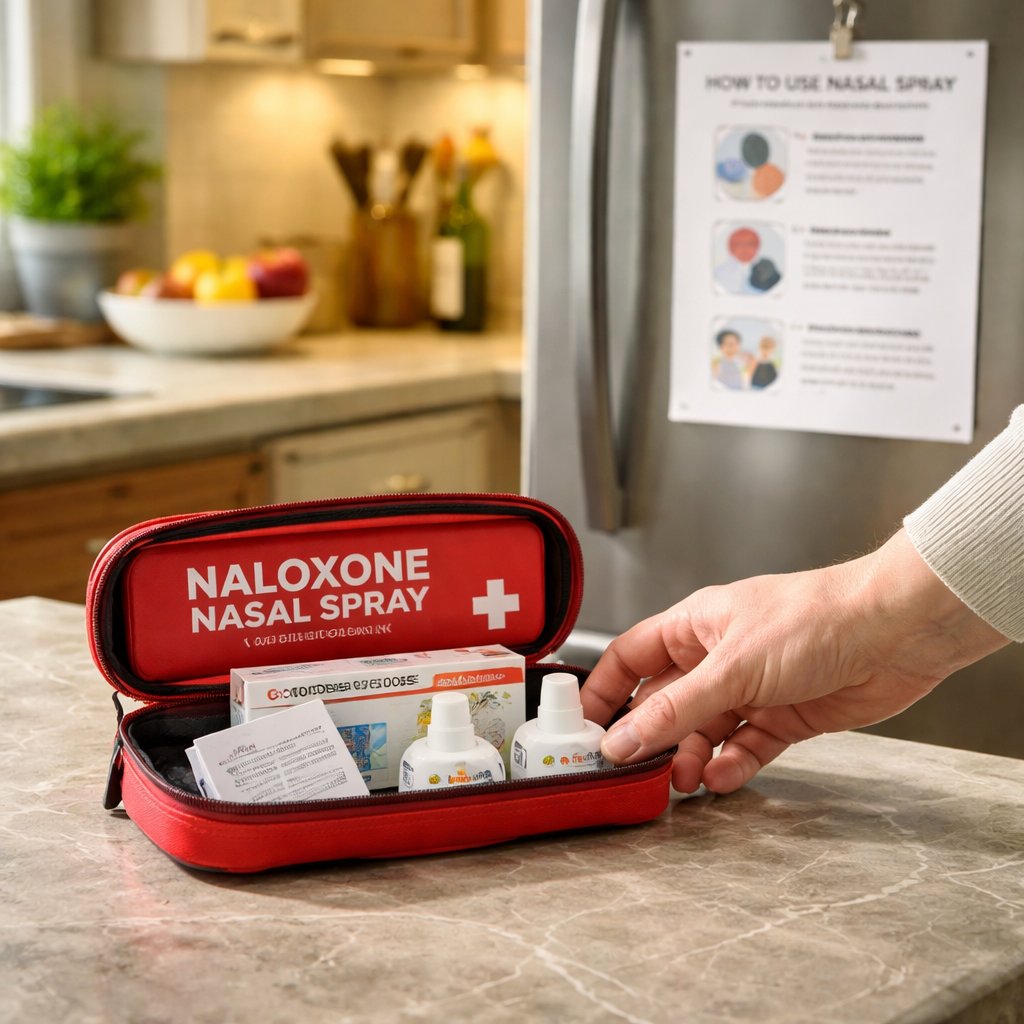
If you suspect an opioid overdose , pinpoint pupils, shallow breathing, blue lips , pull out your naloxone kit. Naloxone comes as a nasal spray or an auto‑injector for the thigh.
Remove the protective cap, place the nozzle in one nostril, and press until you hear a click. For the auto‑injector, press firmly into the outer thigh and hold for ten seconds.
After the first dose, wait 2‑3 minutes. Look for signs of waking: a gasp, coughing, or a return of normal breathing. If nothing changes, give a second dose. Most kits include two doses precisely because powerful synthetic opioids like fentanyl often need more.
While you administer naloxone, keep talking to the person. A calm voice , “You’re okay, help is on the way” , can trigger a reflexive gasp and help keep the airway open.
Document the exact time you gave each dose. Write it on a piece of paper or type it into your phone. This information is vital for EMS and for later medical care.
Only one of the 14 steps in the research mentions a contraindication , known hypersensitivity to naloxone. That means most lay‑person guides don’t warn you about allergies. If you know the person is allergic, skip naloxone and focus on breathing and EMS.
Two reputable external sources support these actions: the CDC’s naloxone page details dosage and timing, while the NIH’s overdose response chapter explains why repeated dosing may be needed for synthetic opioids.
After the dose, keep the person on their side in the recovery position. This prevents choking if they vomit and keeps the airway clear.
Bottom line:Naloxone reverses opioid depression fast; give it promptly, watch for response, and be ready to repeat.
Step 4: Provide After‑care and Support
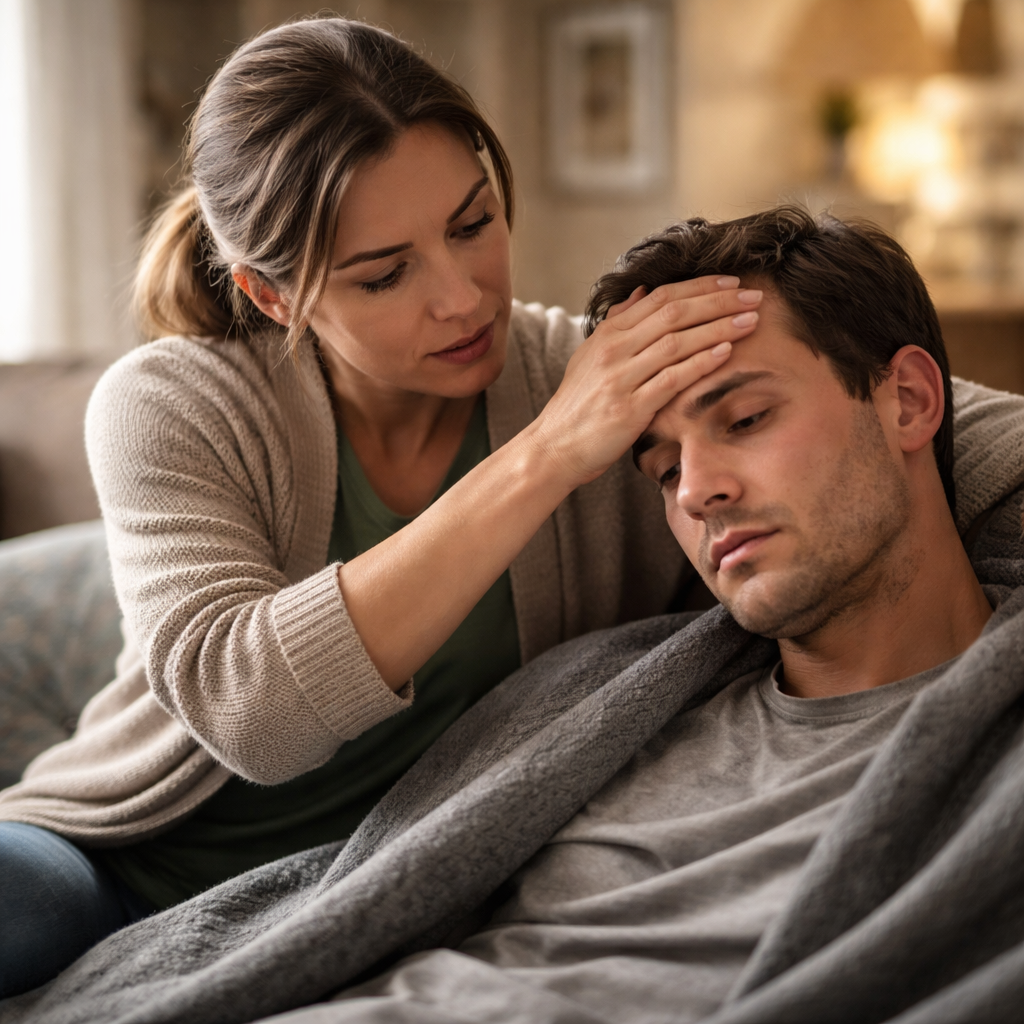
Once EMS arrives and the person is stable, the emergency phase ends, but the recovery phase begins. Overdose can cause a rebound effect where the opioid wears off and the person slips back into respiratory depression. Keep monitoring breathing for at least an hour.
Ask the responders for a written hand‑off: time of naloxone doses, vitals, and any complications. Bring that paper home and add any extra observations you made.
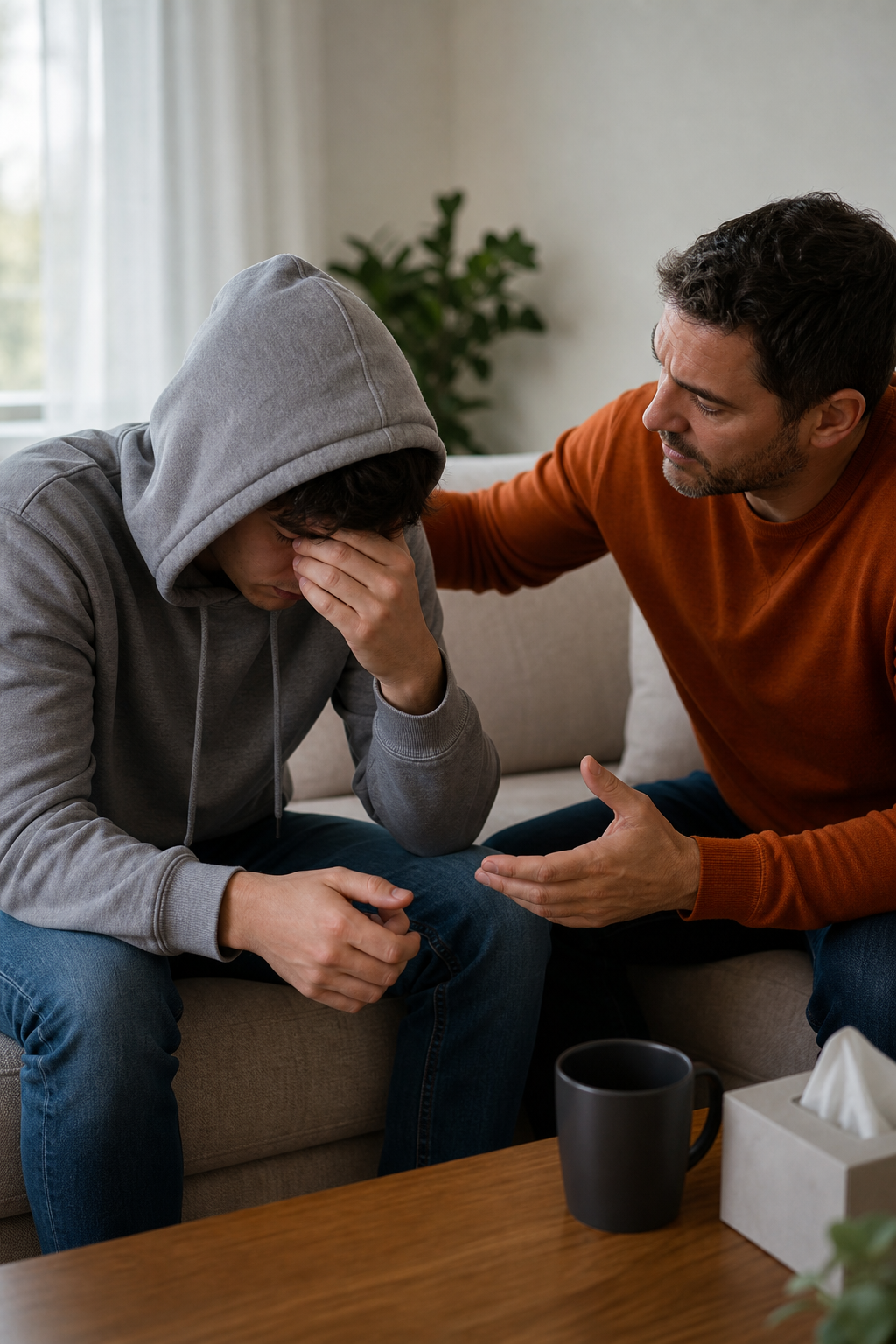
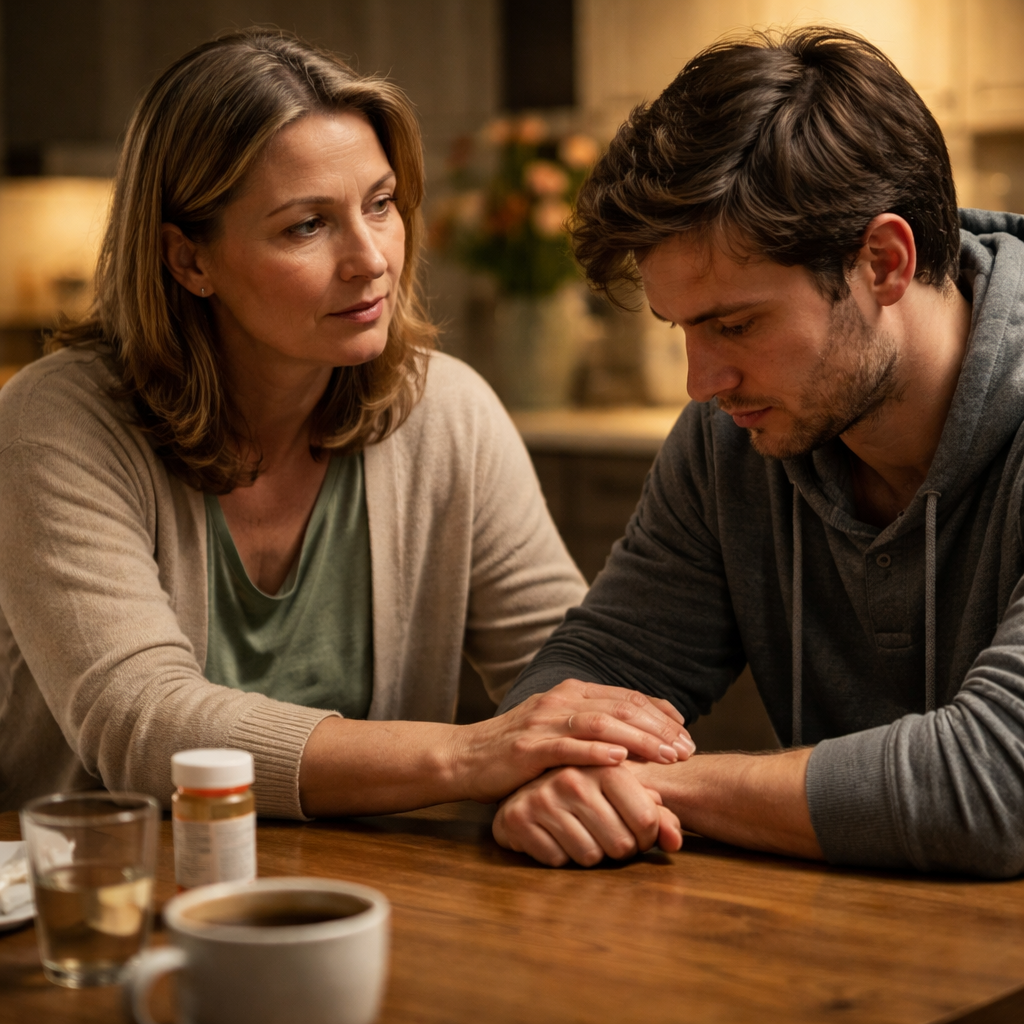
Now focus on emotional support. Speak calmly, reassure them that help is on the way, and avoid blaming language. Simple statements like “You’re safe now, we’re here for you” work best.
For longer‑term support, consider these three actions:
- Call a certified interventionist within 24‑48 hours. Effective Emergency Intervention: A Step‑by‑Step Guide to Immediate Action can set up a follow‑up call.
- Schedule a medical evaluation to check for injuries, infections, or withdrawal symptoms. The CDC notes that post‑overdose monitoring reduces repeat events.
- Connect the person with a community resource , a local support group, a medication‑assisted treatment program, or a counseling service.
While you’re planning follow‑up, a quick breathing‑exercise routine can help the person calm anxiety and improve oxygen flow. The guide Breathing Exercises for Lung Health: How‑To Guide 2026 offers simple diaphragmatic breathing steps you can do together.
Staying hydrated is also key. Overdose and naloxone can cause dehydration, so offer water or an electrolyte drink. The guide How to Buy Natural Electrolyte Powder for Optimal Hydration , 2026 Guide explains why electrolyte balance matters after an opioid reversal.
Bottom line:Post‑overdose care is about vigilant monitoring, emotional calm, and rapid connection to treatment resources.
Step 5: Document the Incident and Follow Up
Accurate documentation helps medical providers understand the timeline and prevents future overdoses. Grab a notebook or use a note‑taking app on your phone.
Record the following details:
- Exact time you first noticed symptoms.
- All substances you suspect were used (including alcohol or other drugs).
- Time of each naloxone dose and the route (nasal, intramuscular).
- Any changes in breathing, pulse, or color.
- EMS arrival time and interventions they performed.
After the event, share this log with the emergency department and the interventionist you contacted. It creates a clear medical record and helps clinicians decide if a longer observation period is needed.
Follow‑up doesn’t stop at the hospital. Within 24‑48 hours, call the interventionist line to discuss next steps. Effective Intervention Steps: A Practical How‑To Guide outlines a simple debrief call that captures the incident and sets up a treatment plan.
Two external sources reinforce this practice: the NIH’s transport and admission guide explains why a written hand‑off improves continuity of care, and the electrolyte guide reminds you to note hydration status for future appointments.
Finally, review the incident with the whole family. Hold a brief meeting to discuss what worked, what could improve, and assign roles for the next emergency (e.g., who keeps the naloxone, who calls 911).
Regularly update the log and the family plan , at least once a month , to keep everyone prepared.
Bottom line:Detailed documentation and a quick follow‑up call turn a one‑time crisis into a structured safety net.
Conclusion
We’ve walked through every part of the emergency intervention checklist for heroin overdose: secure the scene, call 911, provide rescue breathing, give naloxone, monitor after care, and document everything. Each step is designed to be doable even when adrenaline is screaming. By keeping a printed checklist on your fridge, storing naloxone where you grab your keys, and practicing the script with your family, you’ll turn panic into a clear, lifesaving routine.
If you ever face an overdose, remember you’re not alone. Call (949) 545‑3438 to connect with a certified interventionist from Next Step Intervention. They’ll guide you through the next steps, from hospital follow‑up to long‑term recovery planning.
Stay calm, stay prepared, and keep the emergency intervention checklist for heroin overdose close at hand. Your quick action could be the difference between tragedy and a new chance at recovery.
FAQ
What’s the very first thing I should do if I think someone is overdosing?
The very first thing is to stay as calm as you can, then pick up the phone and dial 911. While the dispatcher is on the line, quickly check the person’s breathing and pulse. If they’re not breathing or breathing very shallowly, start rescue breaths right away and grab your naloxone kit. Give the naloxone dose, stay with the person, and keep talking to them until EMS arrives. If you need extra help, call (949) 545‑3438 for a free walkthrough.
How can I tell if it’s an opioid overdose and not something else?
Look for the classic trio: pinpoint pupils that look like tiny beads, slow or absent breathing, and a bluish tinge around the lips or fingertips. If you see any two of these signs, treat it as an opioid overdose until proven otherwise. Call 911, administer naloxone if you have it, and monitor the airway. Even if it turns out to be a different medical issue, you’ve taken the safest route.
What if I’m alone when the overdose happens?
Stay with the person, call 911, and put the phone on speaker so your hands stay free. Pull out the naloxone kit, give the dose, and start rescue breaths if needed. Shout for help from a neighbor or a nearby friend while you focus on the emergency. Keep the conversation calm , “You’re okay, help is on the way.” If you can, have someone else call the interventionist line at (949) 545‑3438 for added support.
How many naloxone doses should I give?
Give one dose right away. Wait 2‑3 minutes and watch for a response , a gasp, coughing, or restored breathing. If there’s no improvement, give a second dose. Some powerful opioids like fentanyl may need a third dose, but never exceed the number of doses in your kit. Keep noting the exact times you administer each dose for EMS.
What should I do after EMS takes over?
Ask the paramedics for a written hand‑off that includes the time of each naloxone dose, vital signs, and any treatments they gave. Bring that paper home, add any extra observations you made, and share it with the person’s doctor or an interventionist. Schedule a follow‑up call within 24‑48 hours , you can reach Next Step Intervention at (949) 545‑3438 , to set up a treatment plan and discuss any withdrawal symptoms.
How can I prevent future overdoses?
Start by keeping naloxone in a known, accessible spot and checking the expiration date regularly. Create a family overdose action plan that lists where the kit lives, who’s trained to use it, and the emergency numbers. Encourage the person to seek medication‑assisted treatment (MAT) if they’re open to it, and connect them with a local support group. Regularly review the plan with the whole family to keep it fresh in everyone’s mind.