When minutes count, a family can be the first line of defense. This family guide to naloxone administration shows you exactly what to watch for, how to use the kit, and what to do after you give the dose. In the next few minutes you’ll walk through a simple checklist that turns panic into a clear, life‑saving plan.
Step 1: Recognize the Signs of an Opioid Overdose
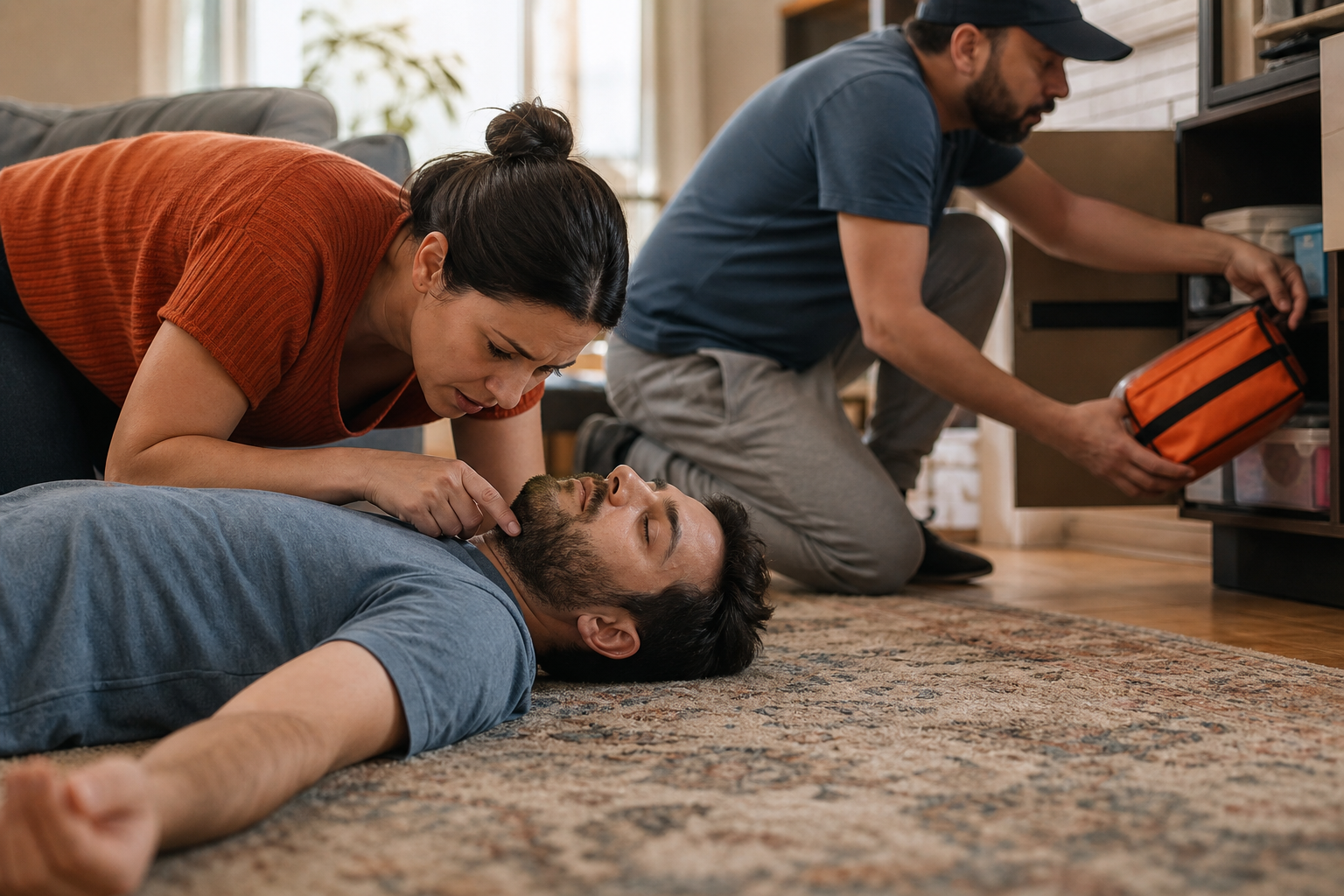
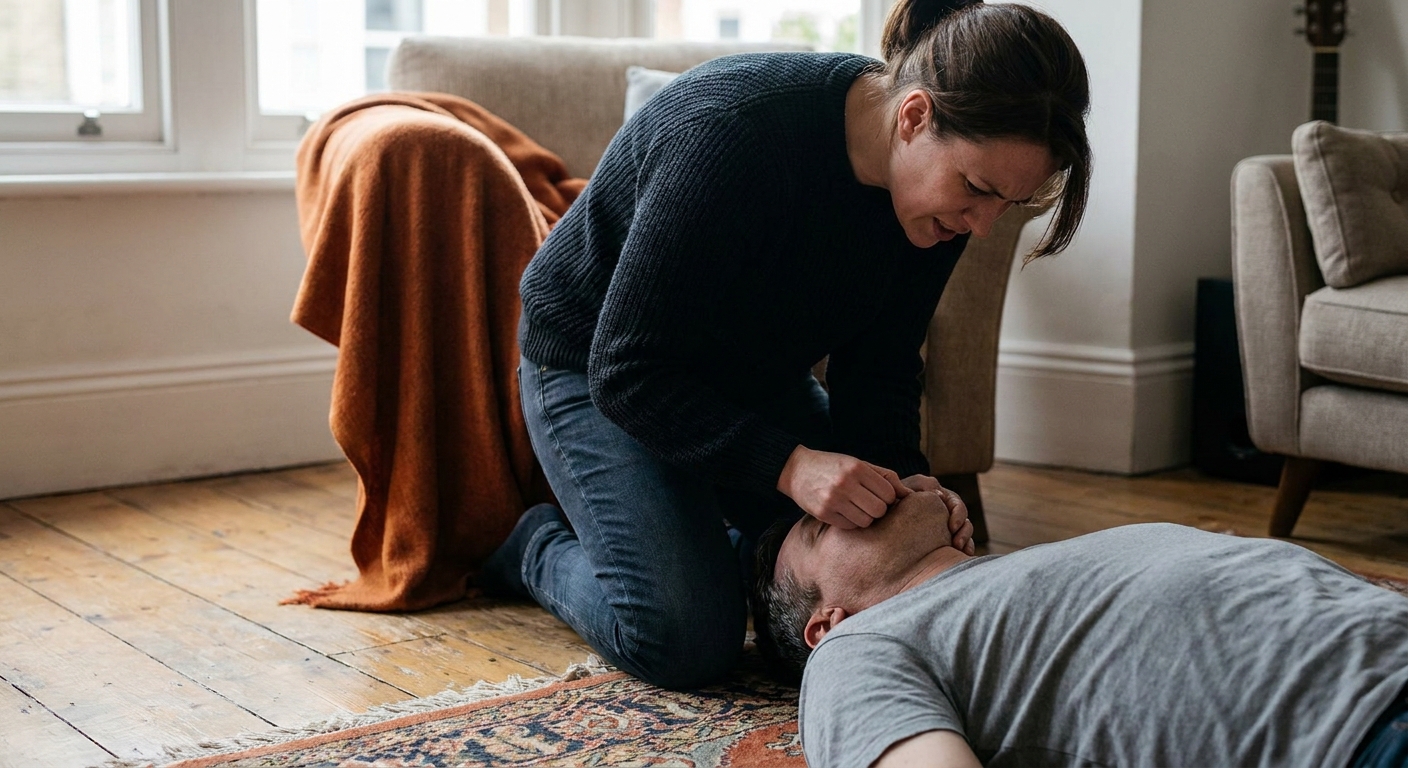
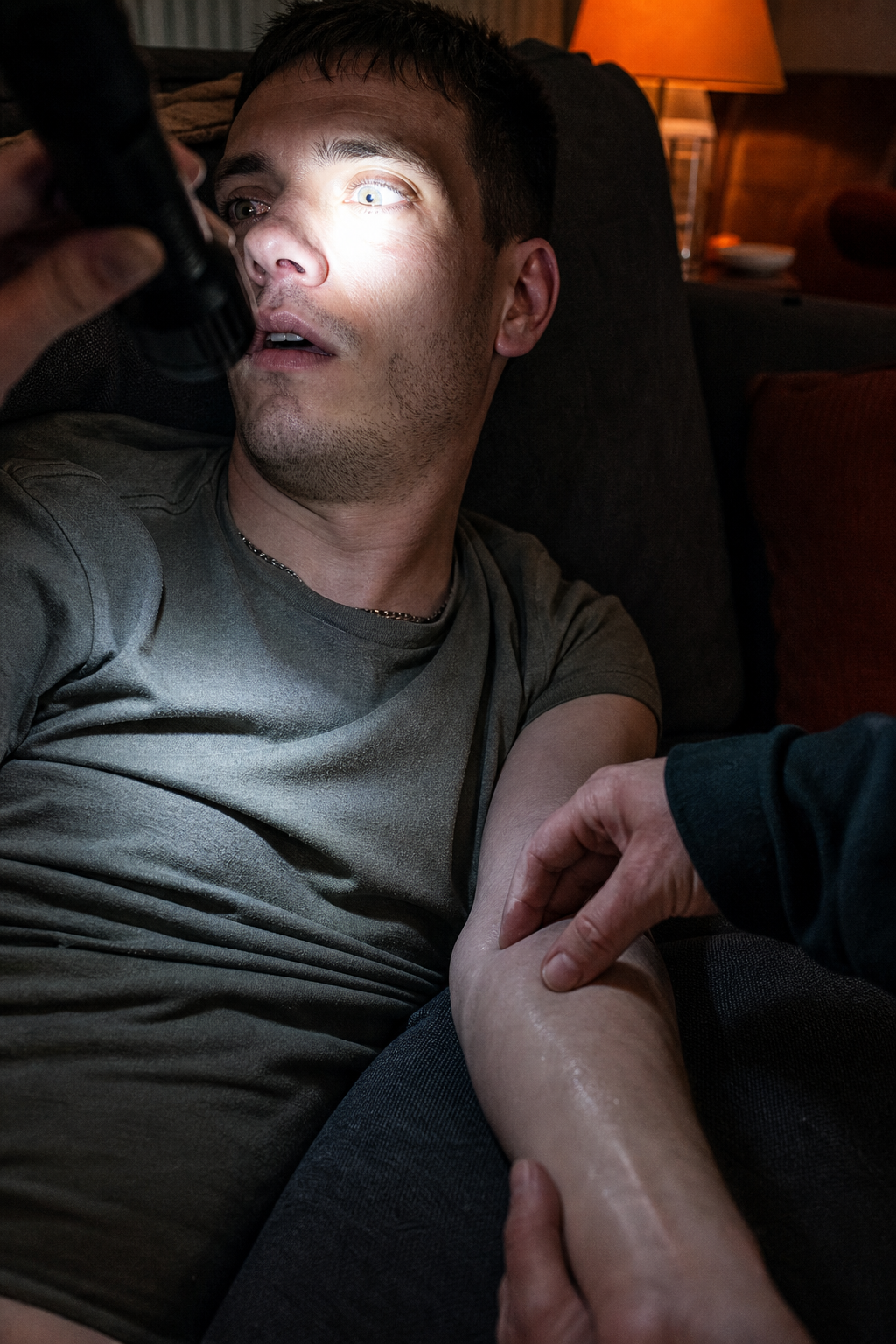
First, look for three tell‑tale signs. The person may be unresponsive, breathing shallow or not at all, and have pinpoint pupils. You might also notice a blue‑tinged tint around the lips or a slow, irregular pulse. These clues line up across every training video and the official drug‑facts guide from the National Institute on Drug Abuse.
Take a quick inventory:
- Is the person conscious? If they don’t respond to a gentle shake or a loud call, note it.
- Count breaths for ten seconds. Less than eight breaths in that span is a red flag.
- Check pupil size. Pinpoint pupils are a classic opioid sign.
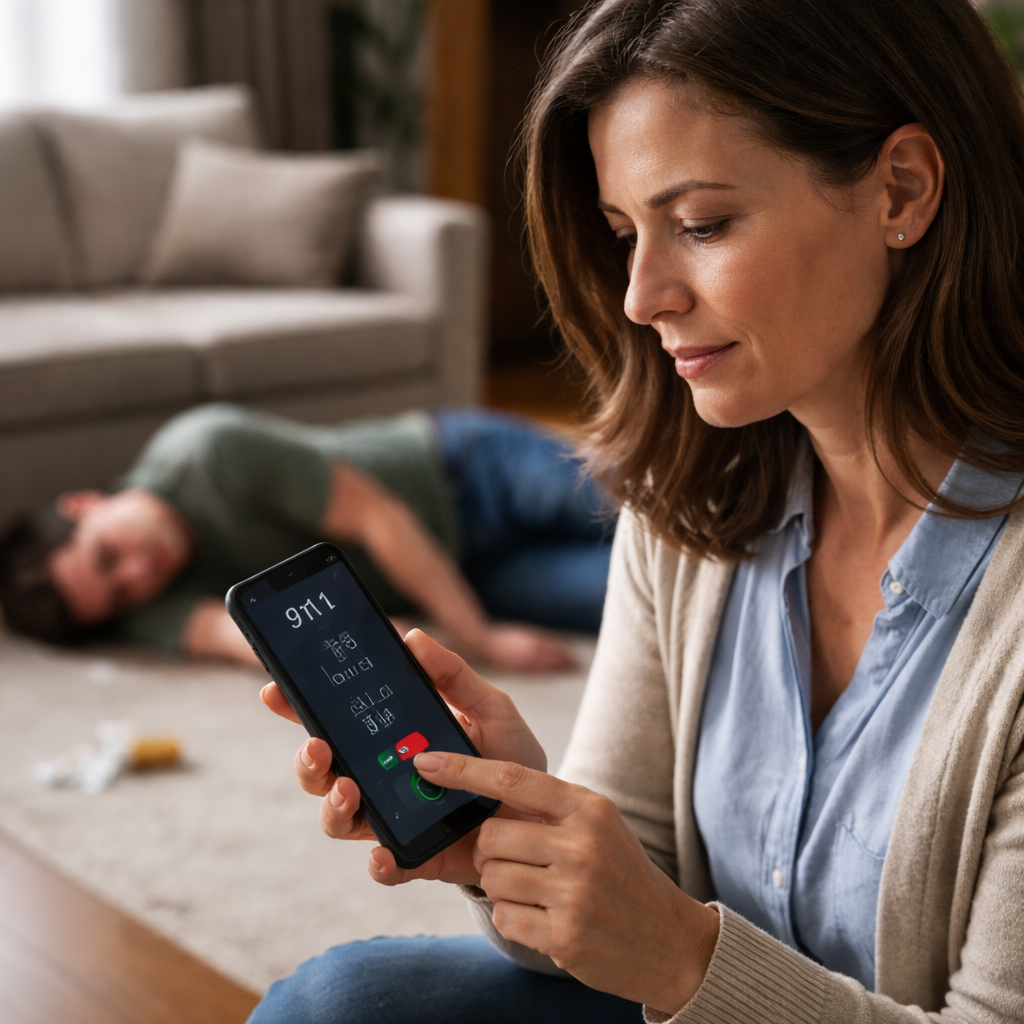
When you see any of these, act fast. Call 911 right away; the dispatcher will need details about breathing, consciousness, and any drugs you suspect. While the call is connecting, stay with the person and prepare your naloxone kit.
“The best time to start helping is the moment you notice shallow breathing and unresponsiveness.”
Why does the dispatcher need this info? Emergency crews can bring additional equipment and medication if they know you’ve already given naloxone. It also speeds up their assessment, which can mean the difference between a full recovery and lingering complications.
For more depth on how naloxone works, see the Wikipedia entry on Naloxone. and for a detailed emergency response guide, refer to our Overdose Help guide.
Bottom line:Recognizing the three classic signs fast starts the life‑saving chain.
Step 2: Prepare the Naloxone Kit
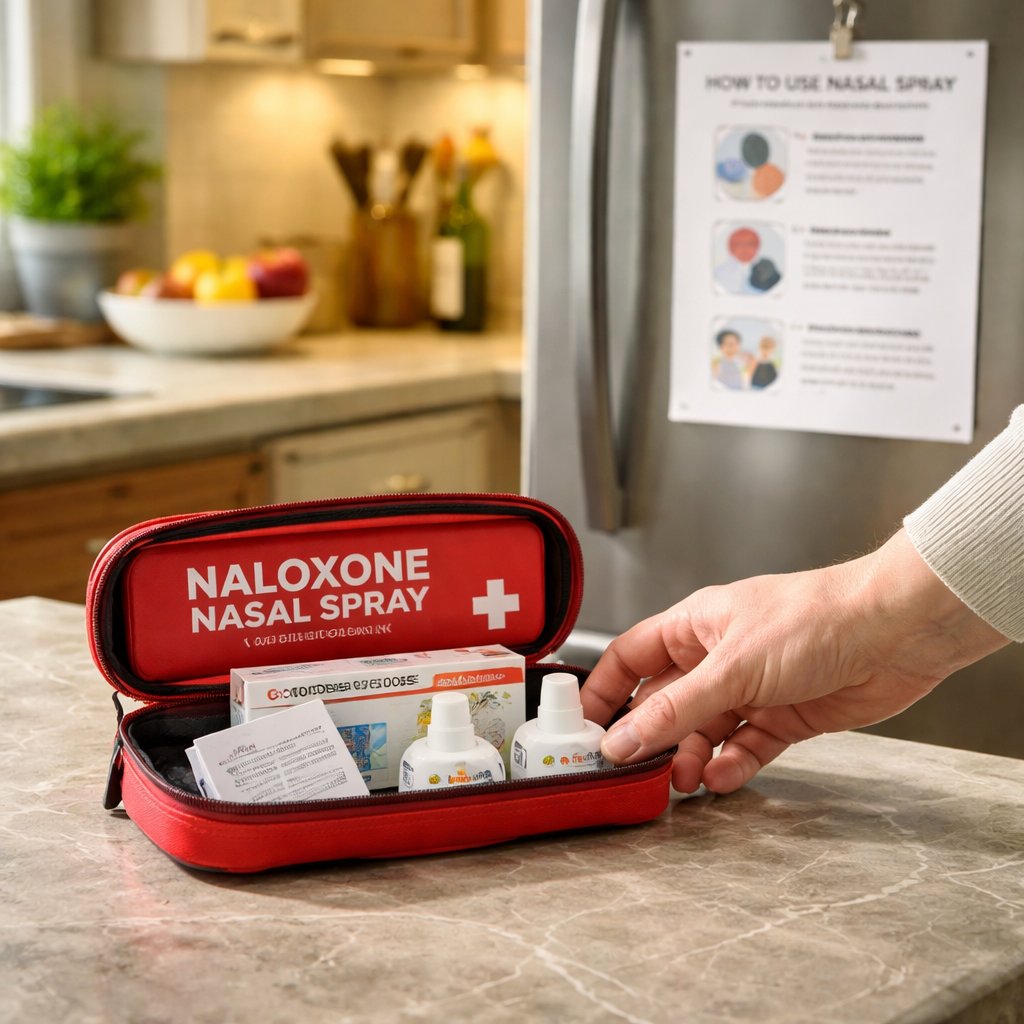
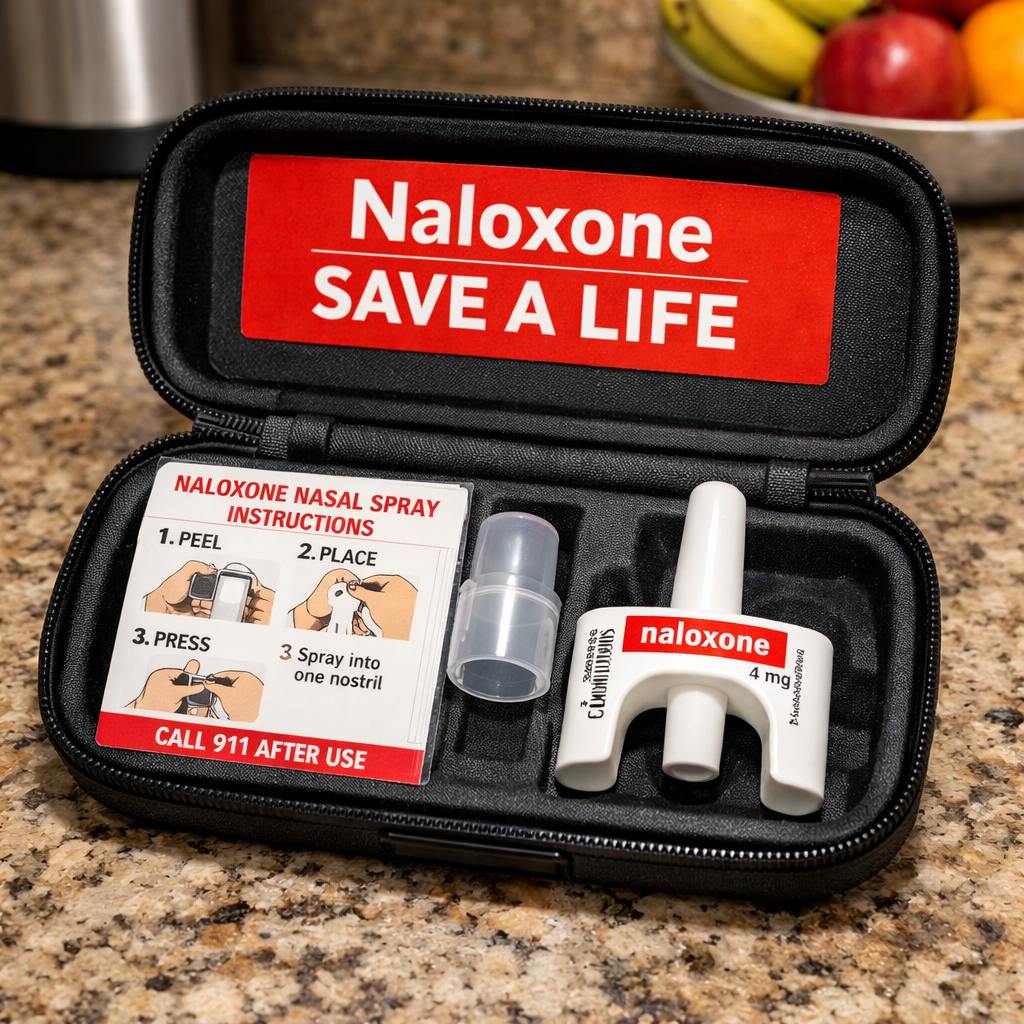
Next, make sure your naloxone kit is ready to go. Most kits come as a nasal spray or an auto‑injector that fits in the palm of your hand. Open the case, check the expiration date, and confirm that the protective cap is intact. If the kit is older than two years, replace it even if the drug looks fine.
Store the kit where you already keep other safety items , next to your first‑aid box, in the kitchen drawer, or in the car glove compartment. Label the spot with a bright sticker that says “Naloxone , Save a Life” so everyone knows where it lives.
Practice opening the case once a month. The more familiar you are, the quicker you’ll be in a crisis. If you have more than one kit, keep one at home, one in the car, and another at work.
When you buy a new kit, ask the pharmacist to show you how the device clicks and releases the dose. That short demo can clear up any confusion before you ever need it.
Here’s a quick visual of what a ready kit looks like:
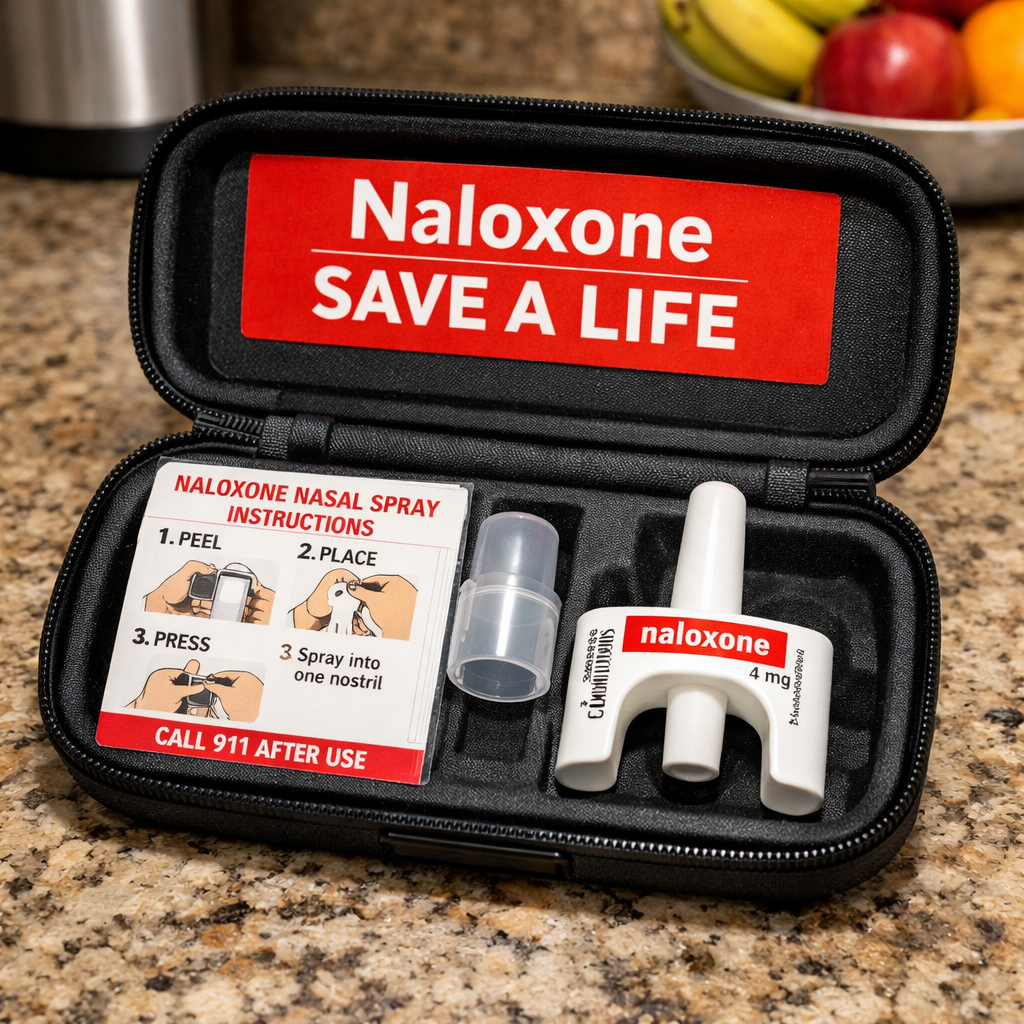
For official dosing instructions, the U.S. CDC’s overdose page outlines how to give the nasal spray and what to expect after the dose.
CDC’s drug‑overdose resources give clear guidance on dose timing and follow‑up care.
Bottom line:A prepared kit lets you act without hesitation.
Step 3: Administer Naloxone (Nasal Spray or Injectable)
When you’ve called 911 and confirmed the signs, it’s time to give naloxone. Hold the nasal spray upright, remove the protective cap, and place the tip in one nostril. Press the plunger firmly until you hear a click , that releases the full dose.
If you’re using the auto‑injector, place the needle end against the outer thigh, press the button, and hold for ten seconds. The device will automatically retract the needle after the dose.
After you give the first dose, stay with the person and watch for a response. Most people start breathing more normally within 30 seconds to two minutes. If breathing does not improve after three minutes, give a second dose with the same method.
While you wait, keep the airway open. Tilt the head back, lift the chin, and be ready to give rescue breaths if needed. Talk to the person in a calm voice , “You’re okay, help is on the way.” This reassurance can trigger a gasp and help restore breathing.
Why might you need a second dose? Powerful synthetic opioids like fentanyl can outlast a single spray. The research notes that many families miss the two‑to‑three‑minute waiting window, giving a second dose too early or not at all.
For a detailed breakdown of nasal‑spray versus injectable use, the NIDA drug‑facts sheet explains the mechanics and success rates of each form.
Read the NIDA Naloxone fact sheet for dosage guidance and safety tips.
Bottom line:Correct administration and timing are the core of the rescue.
Step 4: After Administration: Emergency Response
Even after naloxone works, the person can slip back into danger. Opioids may stay in the system longer than the drug, so keep monitoring breathing and consciousness for at least two hours.
Place the person in the recovery position , on their side with the top leg bent, chin tilted back, and head supported. This keeps the airway clear in case they vomit.
Check breaths every five minutes. Count chest rises and listen for normal sounds. If breathing slows again, be ready to give another dose if you have a spare kit.
When EMS arrives, hand over a quick summary: the time you first saw signs, when you called 911, each dose given, and any changes in breathing. Clear handoff speeds up medical care.
While you wait, keep the person calm. Talk softly, cover them with a blanket if they’re cold, and avoid giving food or drinks until a professional says it’s safe. For a structured approach to post-overdose care, see our Emergency Drug Intervention Plan for Families.
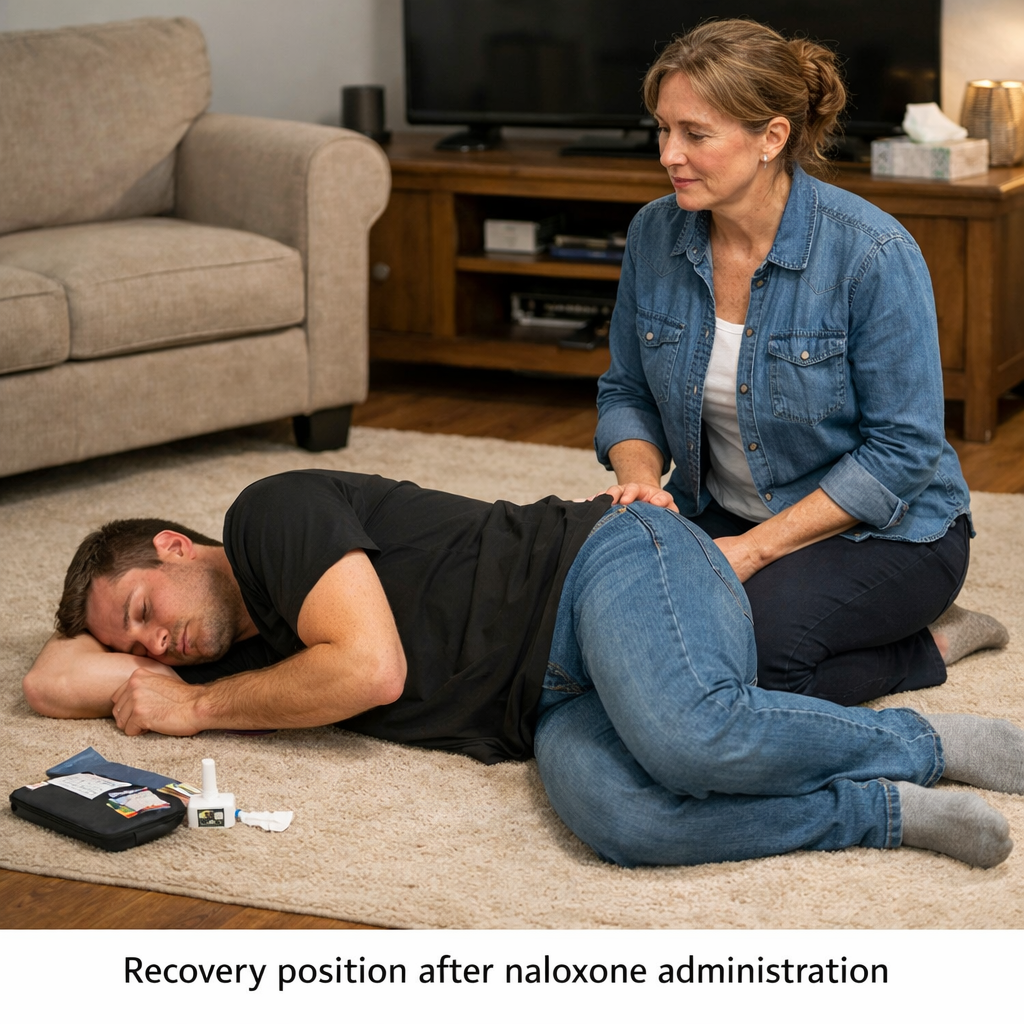
For official post‑overdose monitoring steps, the CDC outlines the need for observation and repeat dosing guidelines.
Read the CDC’s overdose response guide for detailed after‑care instructions.
Bottom line:Ongoing observation prevents a second emergency.
Step 5: Where to Get Naloxone and Training
Getting a naloxone kit is easier than many think. In most states, pharmacies sell it over the counter without a prescription. Some insurance plans cover the cost fully, so check your benefits first.
If you can’t afford a kit, many health departments run free‑distribution programs. Washington State’s Naloxone Finder lists dozens of locations, from community health centers to vending machines, where you can pick up a kit at no charge.
| County | Location | Contact |
|---|---|---|
| King | Port Gamble S’Klallam Community Health Center | (360) 297‑2840 |
| Pierce | Benton‑Franklin Health District – Pasco | (509) 766‑8971 |
| Thurston | Thurston County Family & Juvenile Court | See website |
| Snohomish | Snohomish County Health Department | (425) 339‑5200 |
| Other | Various community pharmacies and vending machines | Check local health department |
Beyond getting the kit, training boosts confidence. Many local hospitals, community centers, and even some pharmacies offer free naloxone workshops. The training usually covers recognizing overdose signs, using the device, and what to do after dosing.
For a national overview of training resources, the NIDA site lists free online modules and links to state programs.
Read the NIDA Naloxone fact sheet for a list of training options and how to find a nearby program.
Bottom line:Easy access and training turn preparation into confidence.
Frequently Asked Questions
What should I do first if I think someone is overdosing?
Start by checking if the person is unresponsive, has shallow breathing, or pinpoint pupils. Call 911 right away, then grab your naloxone kit. Give the dose, wait two minutes, and be ready to give a second dose if breathing does not improve. Stay with the person, keep their airway open, and talk to them calmly while help arrives. This family guide to naloxone administration emphasizes acting fast and staying present.
How can I get naloxone if I can’t afford it?
Most pharmacies sell naloxone without a prescription, and many insurance plans cover it fully. If cost is a barrier, look for free distribution sites listed on your state health department’s naloxone finder. Washington’s map shows community health centers, vending machines, and county programs that hand out kits at no charge. Call your local health department for the nearest location.
Do I need to be a medical professional to use naloxone?
No. Naloxone kits are designed for laypeople. The nasal spray requires just a click, and the auto‑injector works with a simple press‑and‑hold action. Training sessions teach you how to recognize overdose signs, give the dose, and monitor the person afterward. The family guide to naloxone administration makes the steps clear enough for anyone to follow.
Can naloxone cause any side effects?
Yes, it can trigger sudden opioid withdrawal symptoms such as shaking, sweating, nausea, or anxiety. These effects are uncomfortable but short‑lived, usually lasting a few minutes. They are far less dangerous than an untreated overdose. Keep the person calm, offer reassurance, and let EMS handle any severe reactions.
How many doses should I keep on hand?
Most experts recommend having at least two doses in each kit because powerful opioids may require a repeat dose. Store a spare kit in another location, like your car or workplace, so you always have a backup. Check expiration dates every six months and replace any expired units promptly.
What should I tell the EMTs when they arrive?
Give a concise handoff: note the time you first saw the signs, the exact time you called 911, each naloxone dose given, and any changes in breathing. Mention any known substances the person might have taken, as well as medical conditions or allergies. Clear communication helps EMTs decide on further treatment quickly.
Conclusion
We’ve walked through every step of the family guide to naloxone administration: spotting the signs, calling 911, preparing the kit, giving the dose, watching the person afterward, and finding a kit and training. When you keep a kit visible, practice opening it, and rehearse the timing, you turn a frightening emergency into a calm, coordinated response.
Remember, the fastest action saves lives. Keep the phone ready, the kit stocked, and the plan written down. If you need more help right now, call (949) 545‑3438 or visit Next Step Intervention for a free, 24‑hour consultation. Our team can walk you through the steps, connect you with local resources, and support your family through the recovery journey.
Stay prepared, stay calm, and know that your quick actions can turn a panic‑filled moment into a life‑saving outcome.