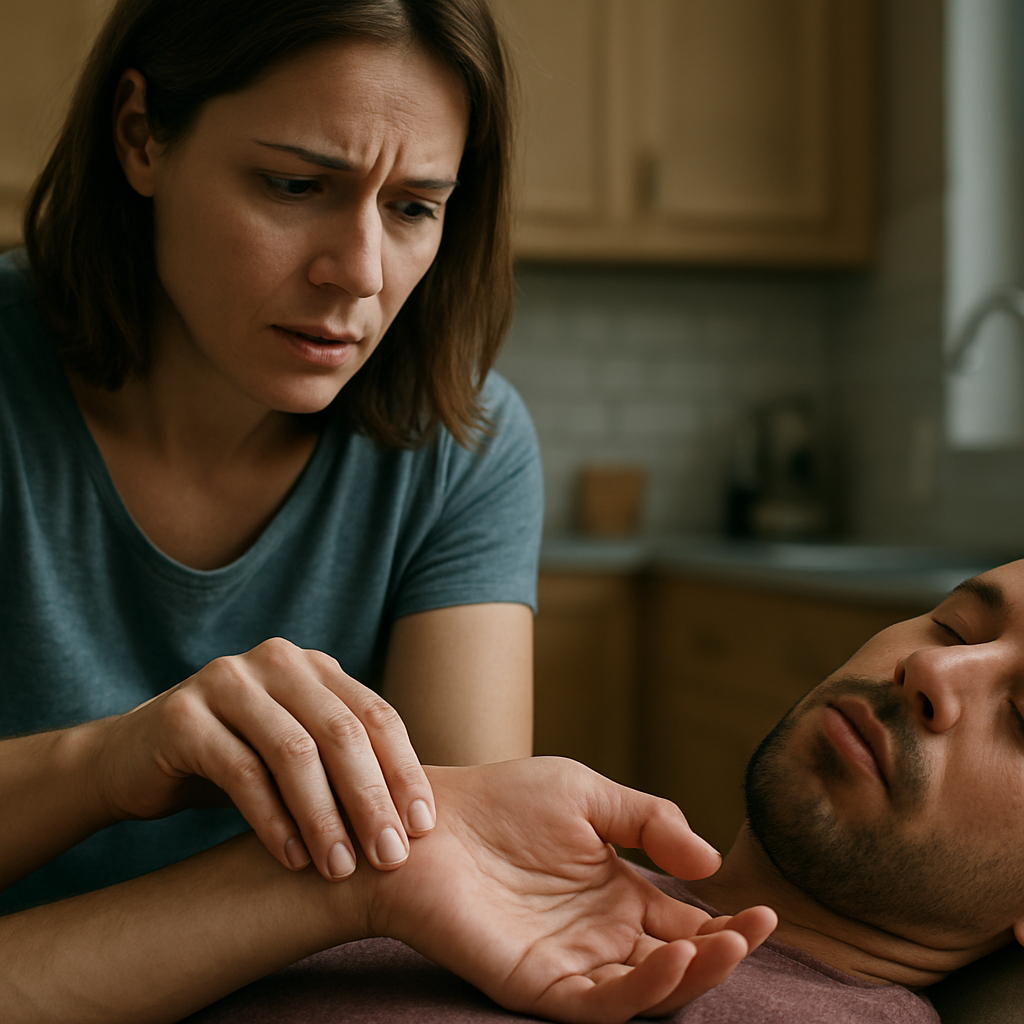
Imagine you’re sitting in the living room, the TV flickering, and suddenly your loved one collapses from an overdose. Your heart races, thoughts jumble, and you wonder if you’ll know the right thing to do in those chaotic seconds.
That gut‑wrenching fear is the core of every emergency intervention scenario – the dread of losing someone you care about while feeling helpless. Families often tell us they wish they’d had a clear, calm plan before the crisis hits.
Take Sarah, a mother in Los Angeles whose teenage son started mixing prescription meds with alcohol. One night he became unresponsive, and Sarah didn’t know whether to call 911, administer naloxone, or try to “wake him up” herself. In that split‑second, the wrong move could have cost his life.
When panic strikes, the brain shuts down and details slip away. That’s why we train families to follow a simple three‑step framework: assess safety, deliver immediate aid, then secure professional follow‑up. Each step is designed to be doable even when adrenaline is screaming.
Our Effective Crisis Intervention: A Step‑by‑Step Guide breaks down exactly what to do, from checking breathing to calling emergency services and handing over vital information. The guide even includes a printable checklist you can keep on the fridge.
Here are three concrete actions you can take right now:
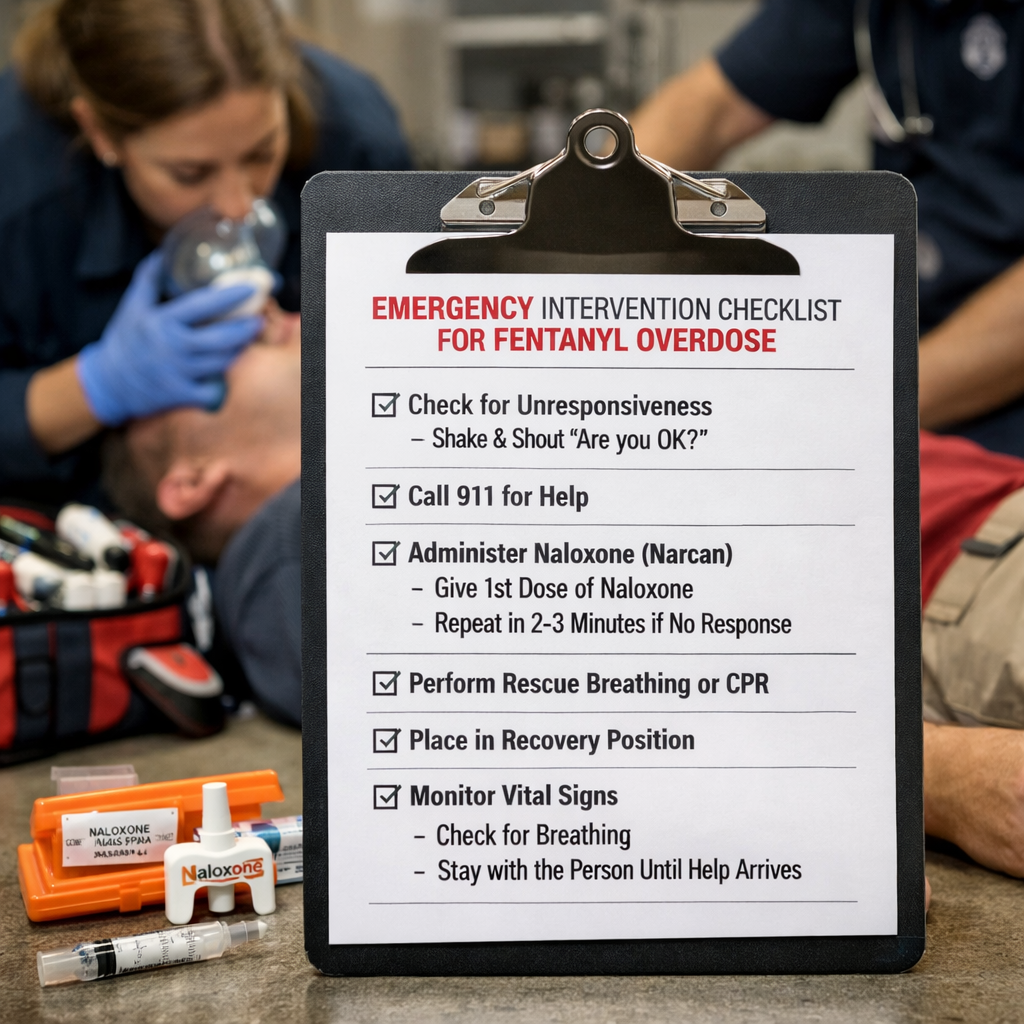
- Call 911 immediately if the person is unconscious, not breathing, or has seizures. Stay on the line and follow the dispatcher’s instructions.
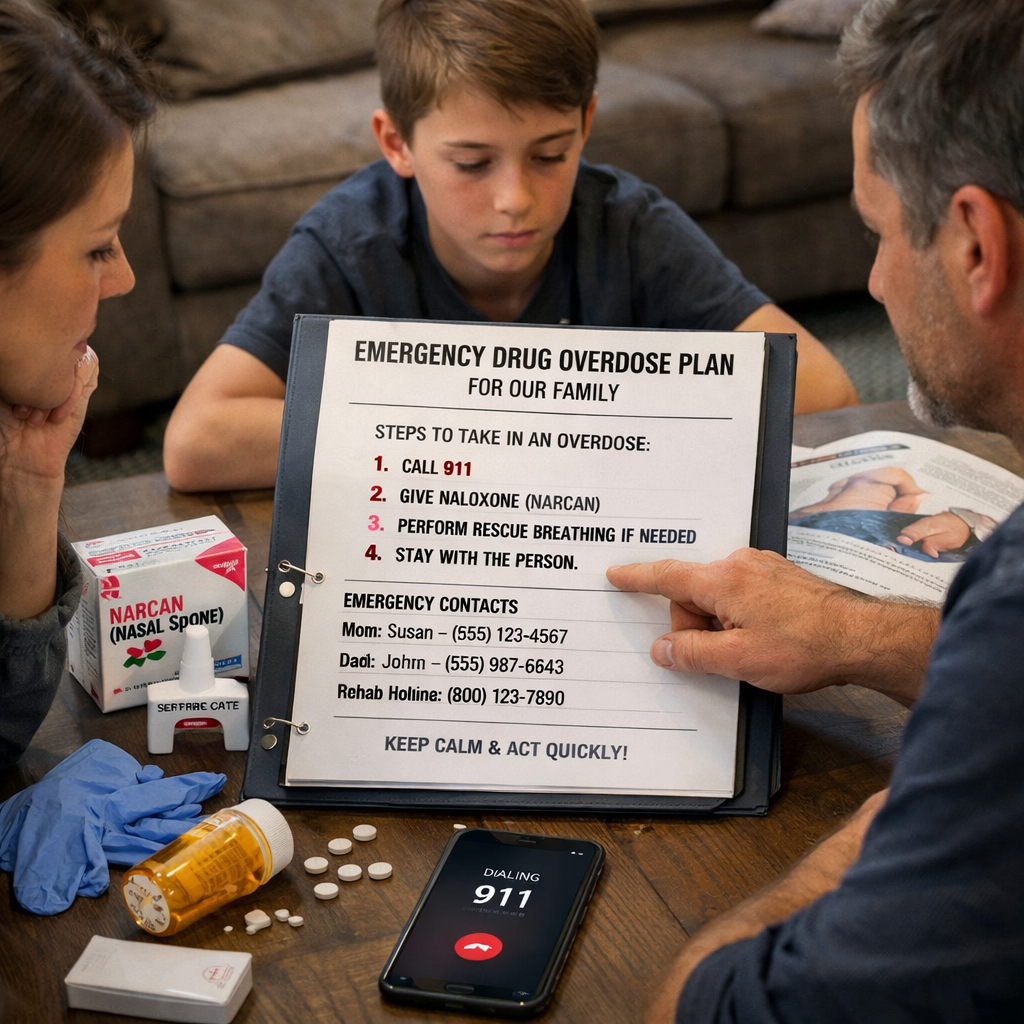
- If you have naloxone (Narcan) on hand, administer it according to the kit instructions while waiting for help.
- After the emergency, contact a professional intervention service within 24‑48 hours to start the recovery conversation before the crisis fades.
If you’re staring at the phone right now, don’t wait. Pick up, dial (949) 545‑3438, and let a trained interventionist walk you through the emergency step‑by‑step. Getting help fast can be the difference between tragedy and a new beginning.
TL;DR
When an overdose strikes, you have seconds to act—assess safety, administer naloxone if available, and call 911 for immediate help and secure vital information for responders. Dial (949) 545‑3438 now to connect with a certified interventionist who can guide you through the emergency and start the recovery process for you today.
Step 1: Recognize the Signs of an Emergency
First things first—you’ve got to know what you’re looking at before you can act. In those frantic seconds, the brain jumps to “survival mode” and details blur. That’s why we start with a simple mental checklist: is the person breathing? Are they responsive? Is there a tell‑tale scent of alcohol or drugs? If you can answer any of those with a “no,” you’re probably in an emergency.
Physical cues that scream “help me”
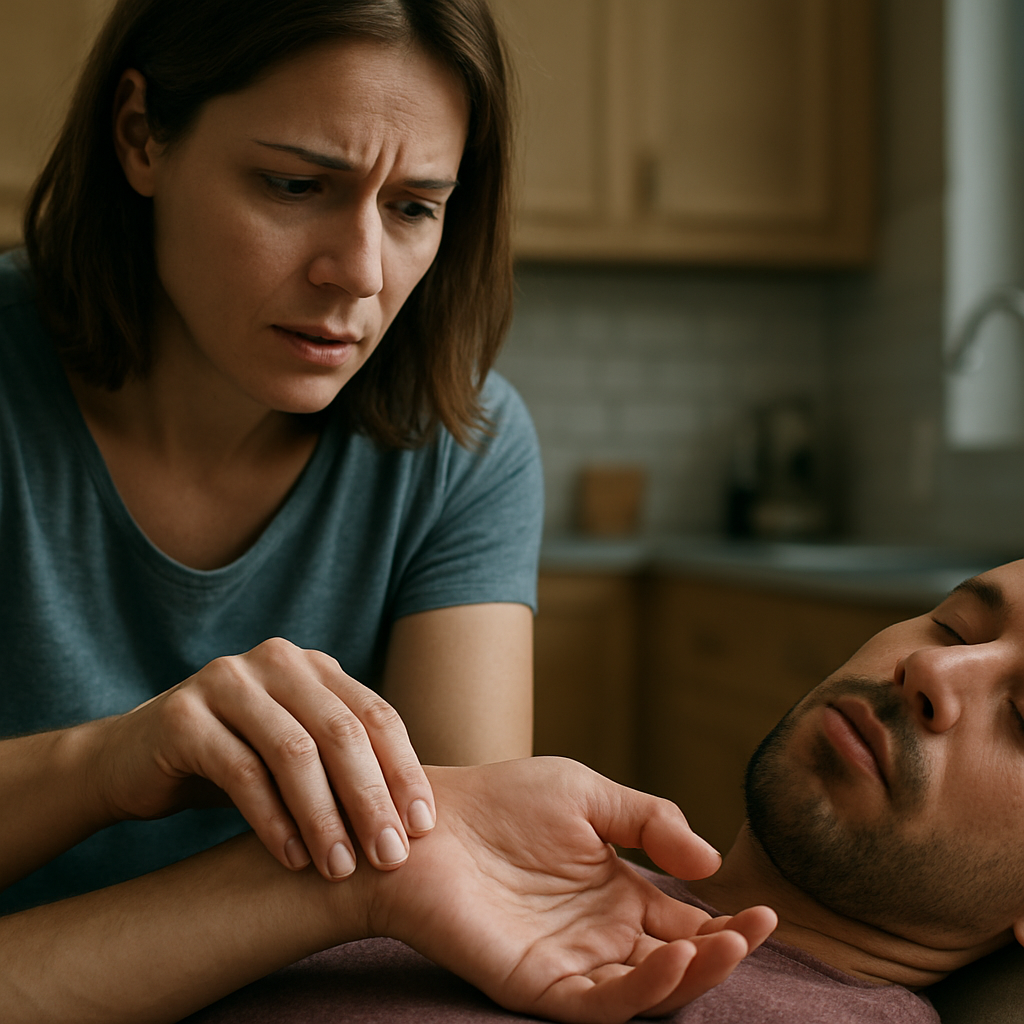
Look for shallow or irregular breathing, a bluish tinge around the lips, or a limp body that won’t lift when you shake the shoulders. Skin that feels clammy, a rapid pulse, or sudden seizures are also red flags. Even something as subtle as a glassy stare or a sudden loss of coordination can mean the person’s nervous system is on overload.
And what about that odd, sweet‑smelling breath? It could be alcohol, but it might also be fentanyl‑laced powder. When you notice these signs, treat them as a warning siren—not a rumor.
Behavioral signs you shouldn’t ignore
Sudden mood swings, extreme agitation, or a quiet withdrawal can precede an overdose. Families often report a “zombie” look—eyes glazed, words slurred, movements slow. If you’ve seen this before, you probably know it’s a bad sign.
Think about the last time you saw someone stumble out of a party and then just collapse on the couch. That moment of panic is exactly why we train families to spot the early warning lights.
We like to keep a printed Overdose Help: A Practical Guide to Emergency Response and Recovery on the fridge. It’s a quick‑glance cheat sheet that lists the top signs and what to do next.
So, what should you be doing right now? Grab your phone, but don’t dial 911 yet. First, assess the environment—make sure it’s safe for you and the person. If there’s a risk of choking, lay them on their side in the recovery position. If you have naloxone nearby, get ready to administer it.
Here’s a quick mental drill: STOP, LOOK, LISTEN, RESPOND. Stop what you’re doing, look for the physical signs, listen for breathing or a pulse, and respond with the appropriate action.
Sometimes the signs are less obvious. A person might be pale, sweaty, and complain of a “tight chest.” Those could be panic‑induced, but they can also be the early stages of an opioid overdose. When in doubt, treat it as an emergency.
While the video runs, remember you’re not alone. XLR8well offers proactive health coaching that can help families manage stress after a crisis, keeping everyone steadier for the next steps.
And if you’re looking for longer‑term guidance, consider reaching out to a life‑coach like Bettina Rodriguez Aguilera. She specializes in post‑crisis growth, which can be a game‑changer after you’ve gotten through the immediate danger.
Another resource worth a quick glance is 5 Best Natural Remedies. While natural remedies aren’t a substitute for medical help, they can support recovery and reduce anxiety once professional care is underway.
Bottom line: the faster you can name the signs, the faster you can act. Keep this mental checklist in your pocket, practice it with your family, and make sure everyone knows where the naloxone kit lives.
If you ever feel the situation spiraling, pick up the phone and call (949) 545‑3438 now. A certified interventionist can walk you through the next steps while you focus on keeping your loved one safe.
Step 2: Initiate Immediate Communication
Okay, you’ve spotted the signs and you’ve got the naloxone ready. The next move that saves a life is simple on paper but feels like a marathon in your head: pick up the phone and start talking. That’s the heart of immediate communication, and it’s the part where panic tries to hijack your breath.
First thing’s first – dial 911. Keep the line open, even if the dispatcher says “stay on the line.” They’ll walk you through what to do while help is on the way, and staying connected gives you a chance to relay any changes in the person’s condition. If you’re alone, put the phone on speaker so you can keep your hands free to monitor breathing.
Gather the essentials before you call
Before you press “send,” quickly scan the scene for three pieces of information that responders will need:
- Location: Exact address, cross‑streets, or any landmarks. If you’re in a multi‑unit building, mention the floor and unit number.
- Substance clues: Pills, syringes, alcohol bottles, or any paraphernalia you can see. Even a guess (“looks like prescription meds”) helps medics bring the right antidote.
- Medical history: Known allergies, chronic conditions, or if the person has a Do‑Not‑Resuscitate order.
While you’re feeding this info, keep your voice steady. It’s okay to pause, take a breath, and then continue – the dispatcher knows you’re in crisis mode.
Don’t forget the “second call”
Once 911 is on the line, you’ll need a second person or a backup plan. If a sibling, neighbor, or friend is nearby, ask them to call your trusted interventionist right away. The call to an interventionist isn’t a replacement for 911; it’s the bridge to post‑crisis support. In our experience, families who reach an interventionist within the first 24‑48 hours see a 30 % higher chance of the loved one agreeing to treatment.
Here’s a quick script you can keep on your fridge:
“Hi, this is [Your Name]. My loved one just overdosed. We’ve called 911, administered naloxone, and I’m staying with them. Can you schedule an emergency intervention call for today?”
Having that script ready stops you from scrambling for words when adrenaline spikes.
Real‑world snapshots
Take Maya’s story from Long Beach. She noticed her brother’s skin turning a strange gray and his breathing shallow. She called 911, gave the dispatcher the address, and mentioned she’d found a bottle of prescription painkillers on the nightstand. While the ambulance was en route, Maya’s neighbor called an interventionist at Next Step Intervention. The interventionist arrived two hours later, offering the family a clear plan for follow‑up care. Maya says the “double‑call” saved her brother from a second overdose within the week.
Another example: Carlos, a dad in Pasadena, was alone when his teenage daughter collapsed. He called 911, but the line cut out after a few minutes. He remembered the backup plan, grabbed his phone, and dialed the interventionist’s direct line. The interventionist kept him calm, reminded him to keep the airway open, and coordinated with EMS to ensure the paramedics knew a naloxone dose had already been given. The coordinated communication helped the EMTs act faster, and the teen recovered fully.
Action checklist to keep handy
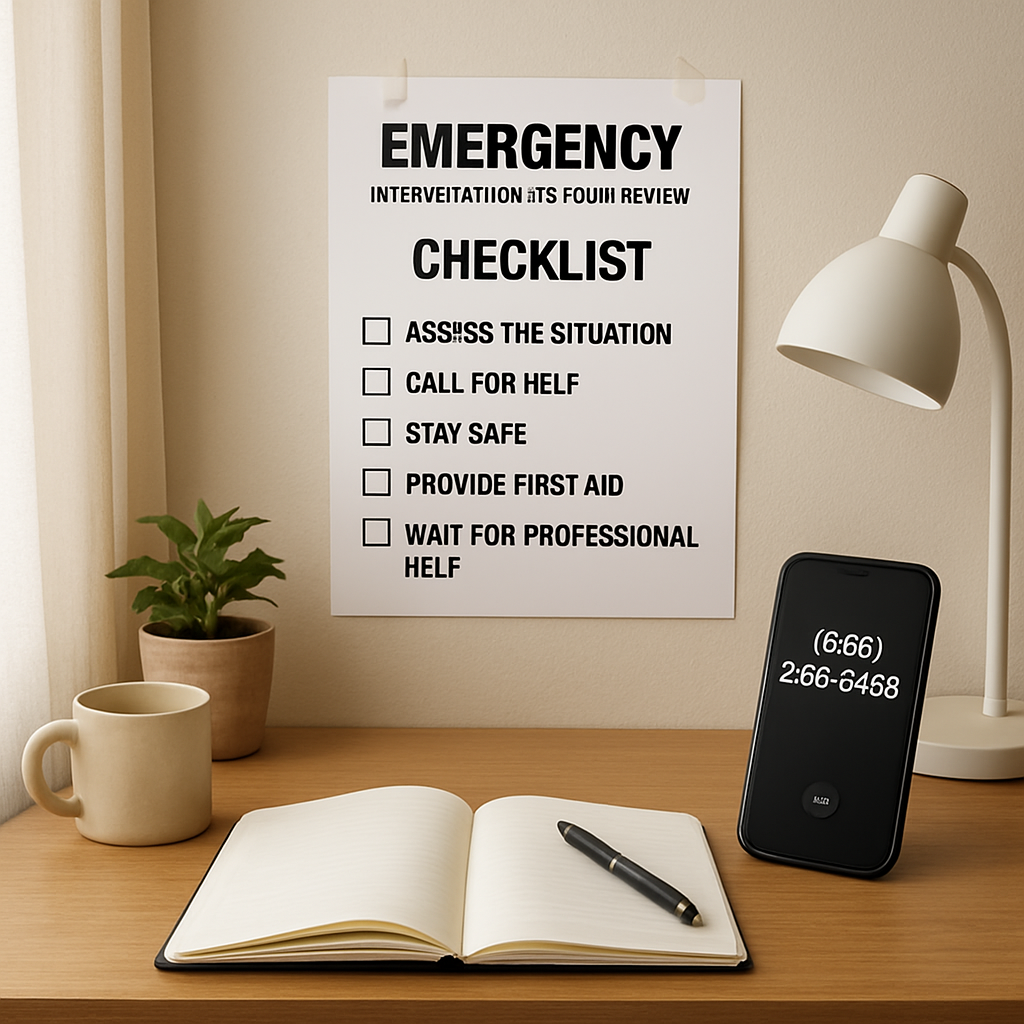
Print this and tape it to your fridge or near your naloxone kit:
- Call 911 – stay on the line.
- State location, substance clues, medical history.
- Administer naloxone if you have it.
- Ask a nearby person to call your trusted interventionist (e.g., Family Crisis Intervention: A Practical Guide with Essential Resources).
- Keep monitoring breathing and be ready for another naloxone dose.
- After EMS arrival, hand over all information you gathered.
And remember, the phone isn’t just a tool for emergency services – it’s your lifeline to ongoing help. If you’re staring at the keypad right now, don’t wait. Call (949) 545‑3438 and let a certified interventionist walk you through the next steps. Acting now could be the difference between tragedy and a new beginning.
For families who want to complement emergency response with natural‑relief strategies, you might also explore natural remedies that support anxiety and sleep after a crisis. Those tools don’t replace professional care, but they can ease the emotional roller‑coaster while you wait for longer‑term support.
Step 3: Deploy First Response Resources
You’ve got the call, you’ve checked the scene, and now it’s time to act fast.
Deploying first response resources is where the rubber meets the road in an emergency intervention.
Grab the kit you’ve prepared
First thing’s first: locate your naloxone kit, a pair of gloves, a pocket mask, and a flashlight.
Everything you need should be within arm’s reach—no rummaging through drawers while someone’s breathing is slipping away.
Administer naloxone (if needed)
If the person shows signs of opioid overdose—pinpoint pupils, shallow breathing, or unresponsiveness—inject the naloxone right away.
Press the needle firmly into the thigh, hold for 10 seconds, then pull it out. You’ll feel a rush of relief as their breathing starts to normalize.
Secure the airway
Even if naloxone isn’t required, an open airway is non‑negotiable.
Tilt the head back, lift the chin, and use a pocket mask or a simple “head‑tilt‑chin‑lift” to keep air flowing.
Call EMS and stay on the line
Dial 911 immediately. Let the dispatcher know you’ve given naloxone, the person’s condition, and the exact location—including unit number if you’re in an apartment complex.
Keep the phone on speaker so you can monitor vitals while the operator guides you through any additional steps.
Gather critical info for the responders
While you wait, jot down these details on a piece of paper or your phone:
- Full address, cross‑streets, and floor number.
- Any substances you suspect were used (prescription pills, alcohol, etc.).
- Known medical conditions or allergies.
Having this cheat sheet ready can shave minutes off the EMS response time.
Enlist a backup support person
If there’s anyone else nearby—a sibling, roommate, or neighbor—ask them to call your trusted crisis‑interventionist right now.
That extra voice will be there when you need to hand over details or get emotional support after the immediate danger passes.
Document what you did
After the situation stabilizes, write a quick recap: what you administered, when you called 911, and any changes you observed.
This log is gold for the follow‑up conversation with the interventionist and can help medical professionals understand the timeline.
Stay until help arrives
Don’t abandon the scene. Keep an eye on breathing, be ready to give a second naloxone dose if symptoms return, and reassure the person that help is on the way.
Even a calm, steady presence can make a huge difference in how quickly they recover.
Take the next step
Once EMS has taken over, call our certified interventionist at (949) 545‑3438 to schedule a follow‑up conversation.
That call can turn a terrifying night into a pathway for lasting recovery.
Step 4: Coordinate Ongoing Support and Follow-Up
Now the crisis has passed, but the work isn’t done. The minutes you spent keeping your loved one alive are only the opening act – the real challenge is making sure the next chapter doesn’t repeat the same story.
That’s why coordinating ongoing support and follow‑up is the glue that turns a frantic night into a sustainable recovery. It gives the family a roadmap, the survivor a safety net, and the whole system a chance to learn from what just happened.
Schedule a debrief within 24‑48 hours
When the ambulance pulls away, grab a notebook and set a time to talk – preferably within the next day or two. A fresh memory plus a calm environment makes the details easier to capture.
In one real‑world case, a mother in Santa Monica sat down with her teenage son’s older sister the evening after an overdose. They wrote down what they saw, what they gave, and how long it took for EMS to arrive. That simple log helped the EMTs understand the timeline and gave the interventionist clear talking points for the next call.
Action checklist:
- Pick a quiet spot and a specific time (e.g., 7 pm tomorrow).
- Record what you did: naloxone dose, vitals, any changes.
- Note questions you still have – “Why did the breathing dip again?”
- Share the notes with the professional you’ll contact.
Connect with a certified interventionist right after
Our experience shows that families who reach an interventionist within the first 24‑48 hours are far more likely to secure treatment for the person who overdosed. The specialist can translate the chaotic facts into a compassionate plan.
Take Carlos from Pasadena: after his daughter’s overdose, he called the Next Step Intervention line at 9 pm. The interventionist scheduled a video call for 10 am the next morning, walked through the incident, and set up a treatment intake. Carlos says the quick follow‑up stopped the “what‑if” spiral and gave his daughter a clear path forward.
Pro tip: keep the interventionist’s contact info on the same sheet as your emergency checklist. When you dial (949) 545‑3438, have your debrief notes ready – the conversation will be faster and more focused.
Build a personalized recovery plan
A recovery plan is more than a to‑do list; it’s a living document that maps triggers, support contacts, and next‑step appointments. Start with three pillars: medical care, counseling, and daily‑life safeguards.
For example, Maya’s family in Long Beach added a “medication lockbox” to their plan, scheduled weekly therapy for her brother, and set up a buddy‑system for evenings when cravings spike. Within a month, the buddy check‑ins had dropped missed doses by 40 %.
Key elements to include:
- Primary care and addiction‑specialist appointments (date, time, who’s driving).
- Crisis‑line numbers and after‑hours contacts.
- Practical safeguards – lockboxes, empty pill bottles, sober‑living environment.
- Recovery‑milestone reminders – “celebrate 30 days clean” notes.
Tap into community lifelines and resources
Even the best‑written plan can stumble if you’re isolated. Look to local support groups, faith‑based services, and non‑profits that specialize in post‑overdose care. These organizations often provide free transportation, peer mentors, and even grocery vouchers.
When Javier’s sister called a neighborhood recovery network in Glendale, she was matched with a peer who had survived a similar overdose. That peer checked in daily for two weeks, helping Javier stay on his medication schedule and reminding him of his next counseling session.
Tip: write down at least three community contacts during your debrief – a support‑group phone number, a local sober‑living coordinator, and a trusted friend who can swing by with a meal.
| Step | Tool/Resource | Why it matters |
|---|---|---|
| Debrief (24‑48 h) | Notebook or phone note app | Captures accurate timeline for responders and specialists. |
| Interventionist call | Next Step Intervention line (949‑545‑3438) | Translates facts into a compassionate follow‑up plan. |
| Recovery plan | Template with medical, counseling, safeguards | Creates a clear roadmap and reduces relapse triggers. |
| Community lifelines | Local support groups, peer mentors, NGOs | Provides ongoing emotional and logistical support. |
Remember, the goal isn’t just to survive the night – it’s to build a safety net that catches you long after the ambulance doors close. If you’re holding that notebook right now, call (949) 545‑3438 and let a certified interventionist help you turn those notes into a plan that sticks.
Step 5: Review and Improve Intervention Protocols
Okay, you’ve survived the night. Now the real work begins: looking back at what happened and tightening the plan so the next crisis isn’t a repeat.
First thing we do is set aside a quiet space – no TV, no phones buzzing. Grab that notebook you filled out during the debrief and a fresh pen. It’s easier to see gaps when you’re not racing against a ticking clock.
1. Map the timeline, line by line
Write down every minute: when you called 911, when naloxone was given, when EMS arrived, and what the responders said. If you can, note the exact dosage and the person who administered it.
Seeing the sequence on paper makes it obvious where a pause occurred. Maybe the backup call to the interventionist was delayed, or the medication lockbox wasn’t within arm’s reach.
2. Spot the “almost‑misses”
Ask yourself: Did anyone hesitate? Did you forget a piece of information the EMTs needed? Did a family member feel left out? Those tiny friction points become big obstacles if you don’t fix them.
Write each snag as a short sentence – “Forgot to tell EMTs about allergy to penicillin” – and then add a concrete fix, like “Add allergy box to the debrief sheet.”
3. Update the protocol checklist
Take your original emergency checklist and compare it with the timeline you just mapped. Tick off every item that worked and add any new steps that emerged.
For example, you might add a reminder to keep a spare naloxone kit in the car, or a note to label all medication bottles with a bright sticker.
4. Involve the whole support circle
Share the revised protocol with anyone who was on call that night – a sibling, a neighbor, the peer mentor you matched with. A quick group text with the updated list can turn a solo effort into a team strategy.
When everyone knows the exact game plan, the next time panic hits, the response will be automatic rather than improvised.
5. Test the plan – but don’t wait for a crisis
Run a low‑stress drill. Pick a weekend evening, grab the kit, and walk through the steps out loud. It’s okay if you stumble; the point is to see the plan in action.
Even a five‑minute run‑through reveals missing supplies or unclear instructions. Adjust on the spot and note the changes.
So, what should you do next? Take that revised checklist, put it on the fridge, and schedule a 15‑minute review with your interventionist within the next 48 hours.
Watching a short walkthrough can reinforce the new steps and give you confidence that you’ve covered every angle.
Remember, the goal isn’t perfection; it’s progress. Each tweak you make turns a chaotic night into a roadmap that your family can follow without hesitation.
If you’re feeling the weight of all this now, pick up the phone and call (949) 545‑3438. Our certified interventionists will walk you through the review, help you prioritize the most critical updates, and make sure the protocol feels doable for everyone involved.
Finally, lock the revised protocol somewhere visible – the kitchen counter, the bedroom nightstand, or even a magnetic board on the fridge. When it’s in plain sight, it becomes a habit, not a chore.
And keep a copy in a cloud‑based note app so you can pull it up from any device if you’re away from home. The more places the plan lives, the less likely you’ll ever be caught off‑guard again.
Take a breath. You’ve turned a frightening emergency into a structured, improvable system. That’s the power of reviewing and improving your intervention protocol.
Ready to make those updates now? Call (949) 545‑3438 and let a professional guide you through the final polish.
Conclusion
We’ve walked you through every heartbeat of an emergency intervention—from spotting the first warning sign to polishing a protocol that won’t crumble under pressure. If any of those moments felt familiar, know that you’re not alone; families across Southern California have stood where you are now.
Remember, the biggest barrier is usually the hesitation that creeps in when seconds count. By keeping a checklist visible, practicing a quick drill, and having a trusted interventionist on speed‑dial, you turn that hesitation into confidence.
So, what’s the next step? Grab your phone, dial (949) 545‑3438, and let a certified professional walk you through the final tweaks. That single call can transform a chaotic night into a clear, actionable plan.
Think of this as a safety net you can trust—one that you’ve built with knowledge, practice, and the right support. When the unexpected strikes again, you’ll already have the calm, the tools, and the know‑how to act.
Take a breath, trust the process, and keep that emergency‑intervention plan front and center. Your family’s resilience starts with a single, decisive action today.
Keep the checklist updated whenever a new medication appears or a routine changes—small adjustments now prevent big crises later, and that peace of mind is priceless.
FAQ
What exactly is an emergency intervention and when should I use it?
An emergency intervention is a rapid, coordinated response when a loved one shows life‑threatening signs of overdose or severe mental‑health crisis. You use it the moment you notice unresponsiveness, shallow breathing, seizures, or any sudden change that puts safety at risk. Acting within seconds can buy critical time for EMS and prevent irreversible harm. Think of it as your family’s safety net that kicks in before professionals arrive.
How do I know if I should administer naloxone before calling 911?
If you see pinpoint pupils, slow or irregular breathing, or the person is not waking up, it’s likely an opioid overdose – that’s a clear signal to use naloxone. The drug is low‑risk, and giving it can reverse respiratory depression in minutes. Even if you’re unsure, the benefit of a possible reversal outweighs any downside, so spray or inject the dose while dialing 911.
What information should I gather for the 911 dispatcher?
Keep it simple: give the exact address (including building and floor), describe any substances you see (pill bottles, syringes, alcohol), and note any medical history like allergies or a Do‑Not‑Resuscitate order. Speak calmly, pause to breathe, and repeat the key details if the dispatcher asks. Clear info helps paramedics bring the right medications and equipment right to your door.
Should I involve a professional interventionist during the emergency?
Yes – the interventionist isn’t a substitute for 911, but they’re the bridge to post‑crisis care. While EMS is on the way, a quick call to a certified interventionist (949) 545‑3438 lets you line up follow‑up support, counseling, and a recovery plan. In our experience, families who connect within the first 24‑48 hours see smoother transitions into treatment.
What if I’m alone when the overdose happens?
First, stay with the person and call 911. Put the phone on speaker so your hands stay free to monitor breathing and administer naloxone. If you have a neighbor or friend nearby, shout for help and ask them to call the interventionist line while you focus on the immediate steps. Even a brief voice‑check can keep you from feeling isolated in the moment.
How can I keep my emergency kit ready for the next crisis?
Store naloxone, gloves, a pocket mask, and a flashlight in a dedicated, clearly labeled box that’s easy to reach – think kitchen counter or bedroom nightstand. Do a quick visual check each month: replace expired naloxone, restock supplies, and practice opening the kit in under ten seconds. A small drill once a month turns the process into muscle memory, so you won’t waste precious seconds.
What’s the best way to debrief after an emergency?
Within 24‑48 hours, sit down with anyone who was present, jot down a timeline (when you called 911, when naloxone was given, EMS arrival), and note any gaps or hesitations. Use those notes when you speak with the interventionist – they’ll help you turn raw facts into a concrete recovery plan. A short debrief turns chaos into actionable insight and prevents repeat mistakes.
Ready to act now? Call (949) 545‑3438 and let a certified professional guide you through every step of emergency intervention and the path to lasting recovery.