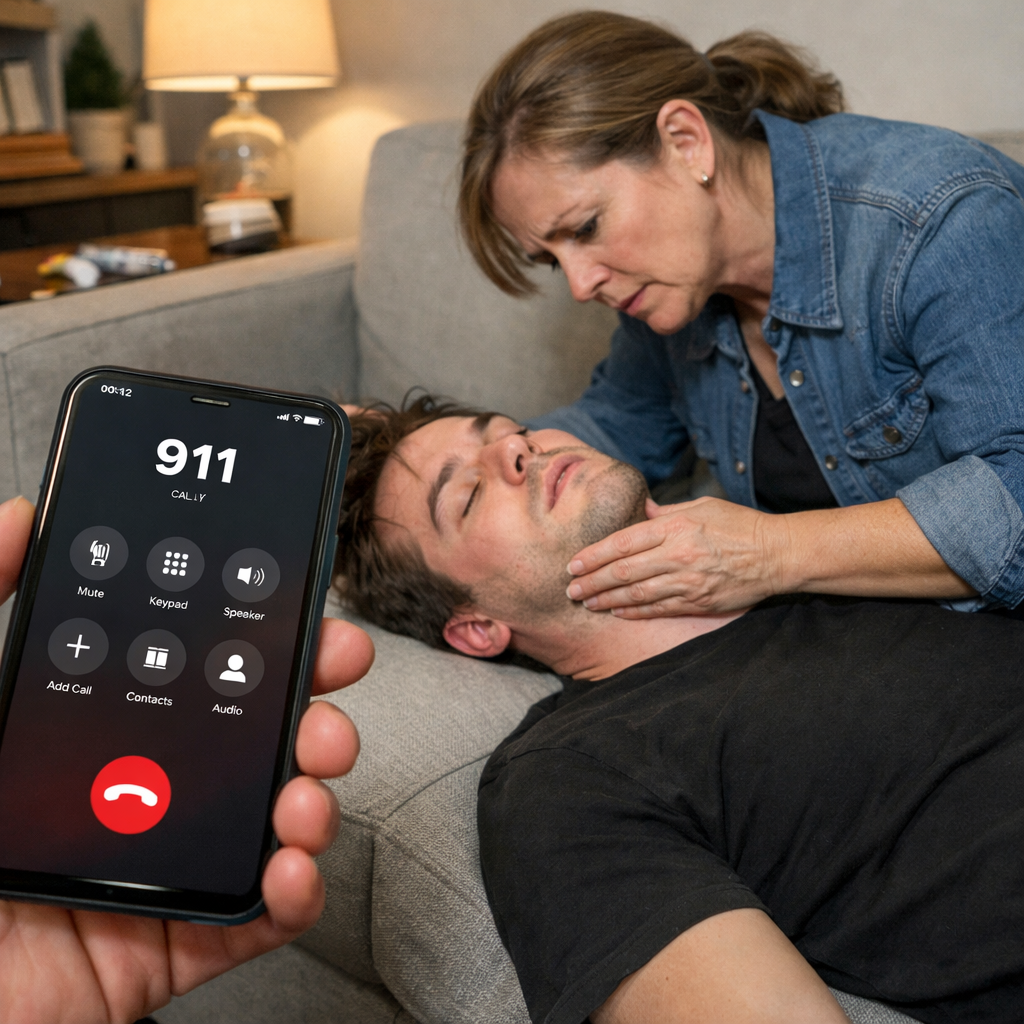
Fentanyl can strike fast. One minute a family member seems fine, the next their breathing slows, skin turns pale, and panic sets in. Knowing what to do can mean the difference between life and death. In this guide you’ll learn a clear, step‑by‑step plan to act fast, give the right help, and keep the crisis from happening again.
Step 1: Assess the Situation and Call for Help
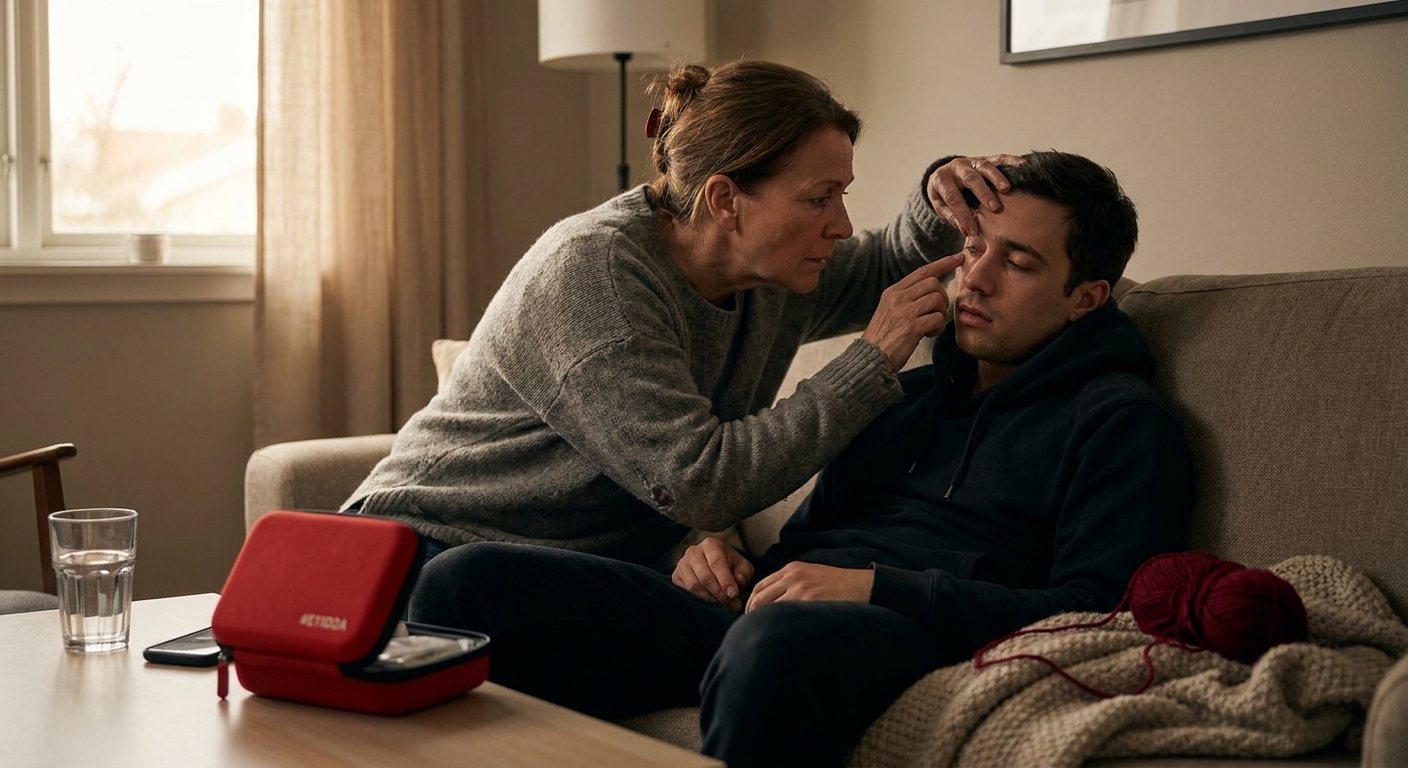
First, stay calm. Panic clouds judgment and makes it harder to see what’s happening. Look for signs of an overdose: shallow breathing, a limp body, or a blue tinge around the lips. If you see any of these, you are in an emergency.
Pick up the phone and dial 911. Tell the dispatcher that you suspect a fentanyl overdose. Give them the exact address, the person’s name, and any known drug use. The dispatcher will guide you on what to do while help is on the way. The CDC’s emergency response card outlines the exact questions dispatchers ask.
While you wait, keep the person lying on their back if they are unconscious but still breathing. If they are not breathing, gently roll them onto their side to open the airway and prevent choking.
Make sure the area is safe. Remove any sharp objects, and if the person is near a fire or open flame, move them away. Fentanyl is a potent opioid, but it is not flammable; the risk is the person’s breathing.
Tell the 911 operator if you have naloxone (Narcan) at home. Some dispatchers will send a paramedic with a dose, but having yours ready can buy critical minutes.
Bottom line:Call 911 immediately, give the dispatcher clear details, and keep the person safe while help arrives.
Step 2: Perform Immediate First‑Aid Checks
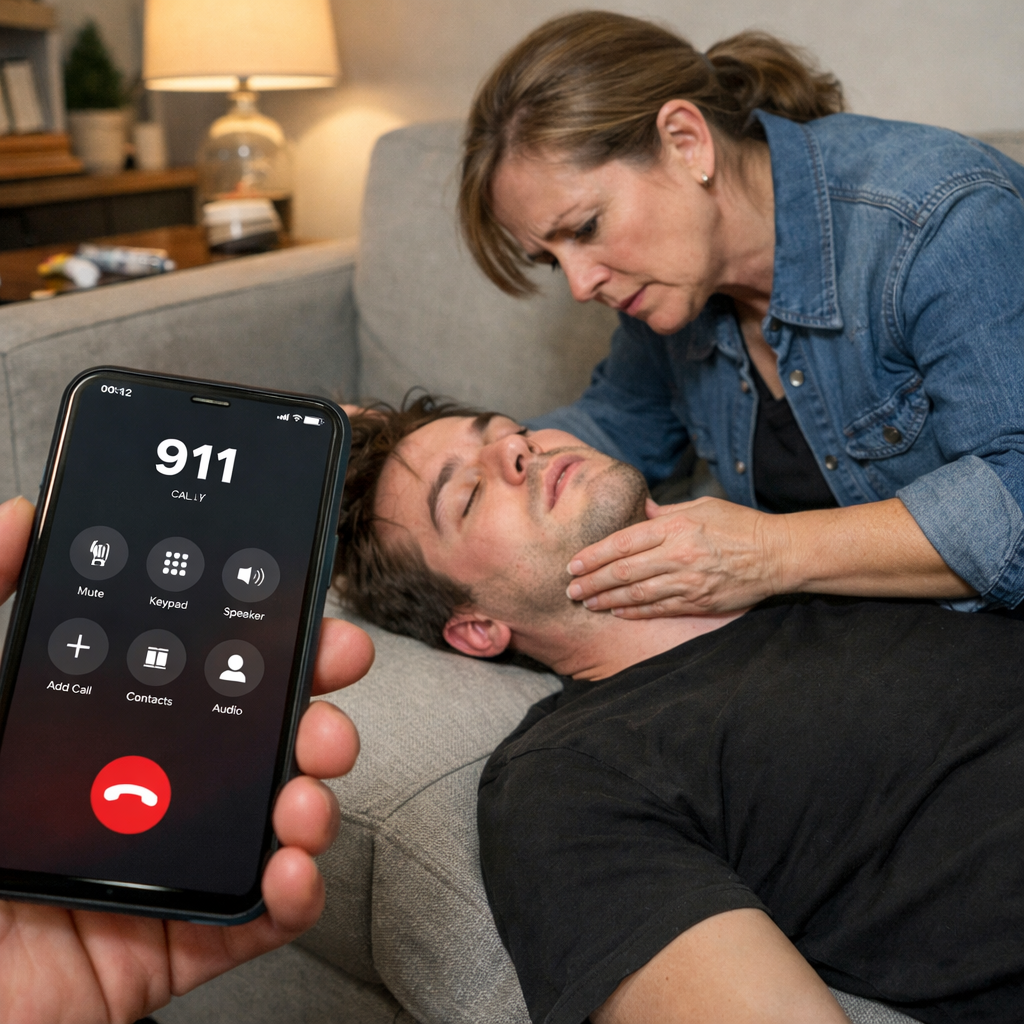
Now that help is on the way, you need to check two things: breathing and pulse. Look at the chest , does it rise and fall? Listen for air moving in and out. If the chest is not moving, you must start rescue breaths.
Place one hand on the wrist or neck to feel for a pulse. If you can’t find a pulse, treat the person as if they have no heartbeat and start CPR.
Here’s a quick CPR rundown:
- Push hard and fast in the center of the chest, about 2 inches deep, at a rate of 100‑120 compressions per minute.
- After 30 compressions, give two rescue breaths. Pinch the nose, cover the mouth, and blow until you see the chest rise.
- Keep going until EMS arrives or the person starts breathing on their own.
If the person is breathing but very shallow, give rescue breaths every 5 seconds while you wait for naloxone.
While you work, keep the person’s head tilted back slightly to keep the airway open. If you notice vomiting, turn them onto their side , the recovery position , so they don’t choke.
Do not give the person anything to eat or drink. This can cause choking and may interfere with naloxone.
Take note of the time you started CPR and each breath you gave. This log helps EMTs understand how long the person has been without oxygen.
Bottom line:Check breathing and pulse, start CPR if needed, and keep the airway clear while you wait for emergency crews.
Step 3: Administer Naloxone Safely
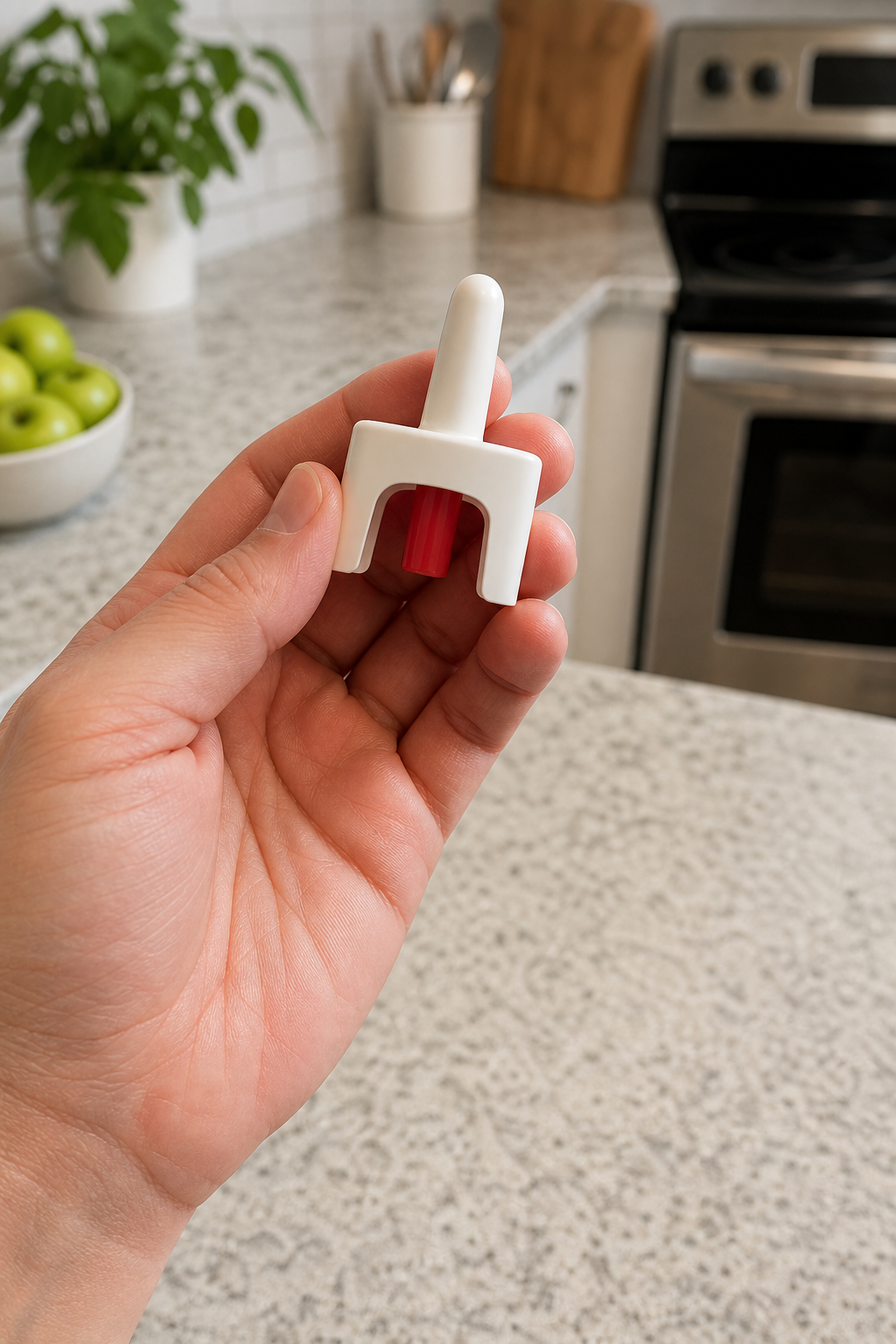
When you have a naloxone kit, act fast. Naloxone can reverse fentanyl’s effects in minutes. It comes as a nasal spray or an auto‑injector. Follow the instructions on the package, but the basics are the same.
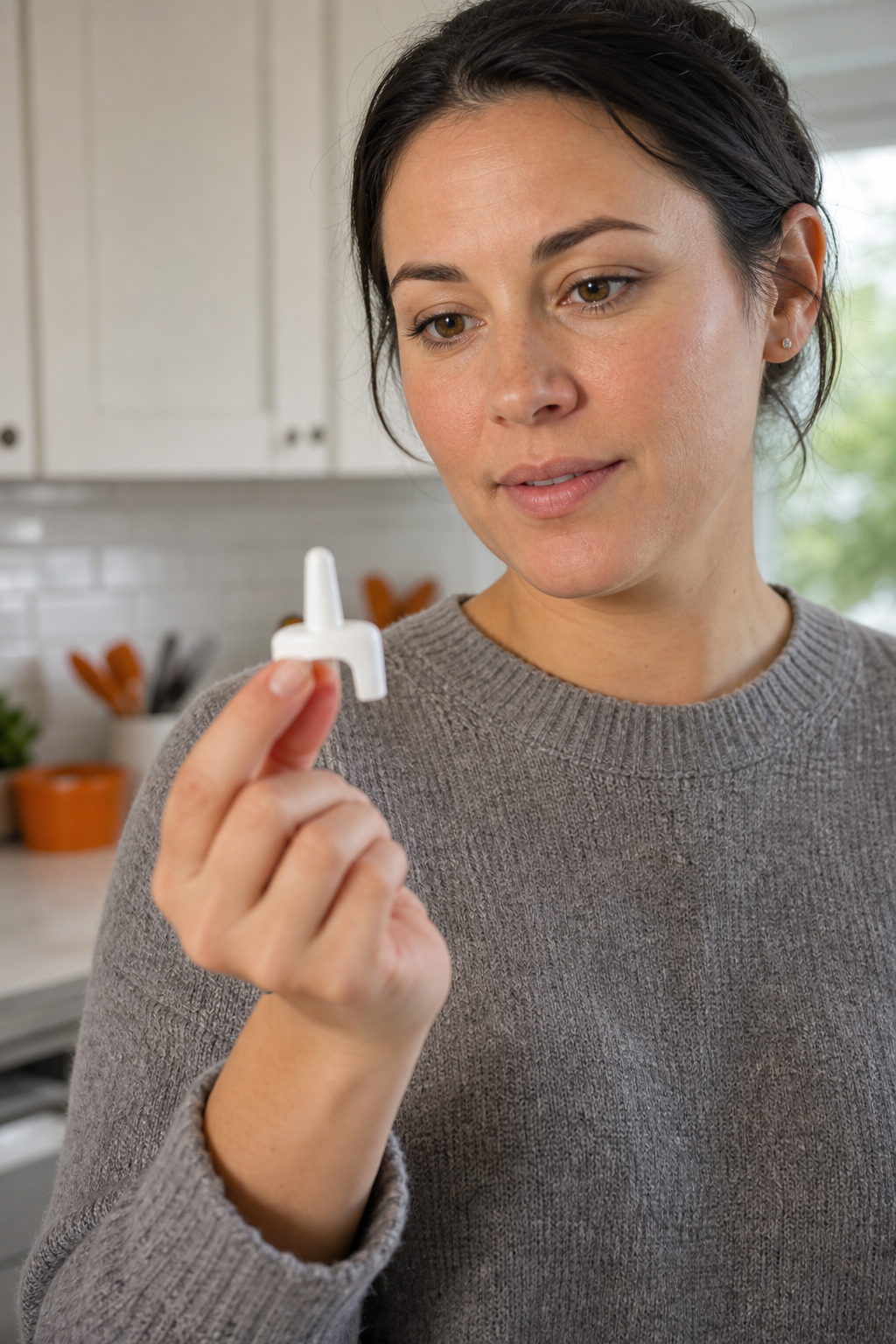
Remove the protective cap, place the tip into one nostril, and press firmly until you hear a click. That’s the full dose.
After the first dose, watch the person closely. If they do not start breathing normally within 2‑3 minutes, give a second dose in the other nostril or on the thigh if using an injector.
Even if they wake up, they can slip back into overdose because fentanyl lasts longer than naloxone. Keep monitoring breathing every five minutes for at least an hour.
“Naloxone is a life‑saving medicine that works in minutes, but it is not a cure for addiction.”
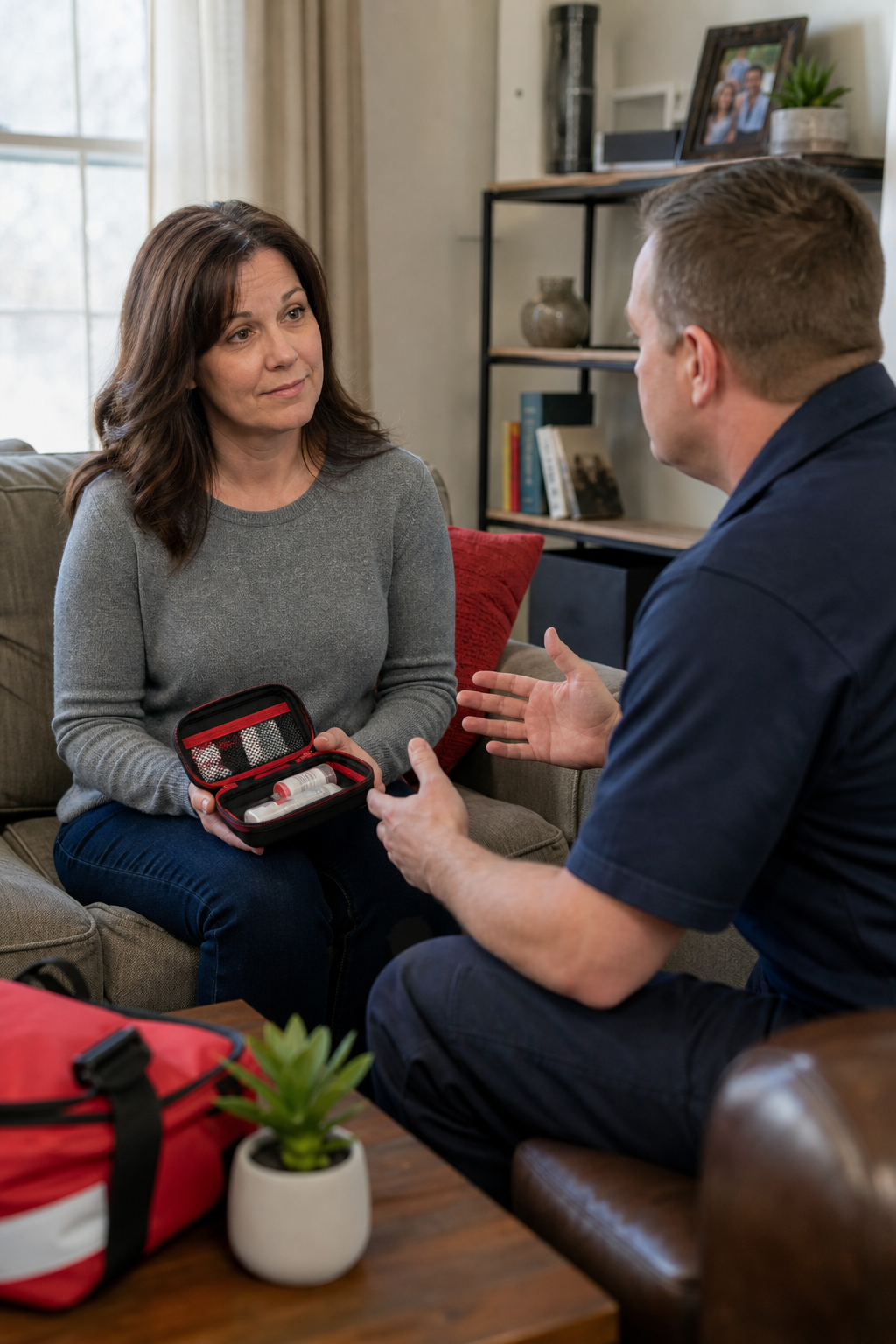
When EMTs arrive, tell them how many doses you gave and when. This helps them decide if more naloxone is needed.
If you don’t have naloxone at home, many pharmacies now sell it over the counter, and many community programs give it out for free. Overdose Help: A Practical Guide to Emergency Response and Recovery explains where to find a free kit near you.
Bottom line:Naloxone can reverse fentanyl’s grip, but you must act quickly and stay vigilant.
Step 4: Provide Ongoing Support and Monitoring
After the overdose, the person may feel confused, shaky, or nauseous. Stay with them, talk calmly, and reassure them that help is on the way.
Ask them simple questions: “Can you breathe?” “Do you feel any pain?” Their answers help EMTs triage.
While waiting, keep a timer handy. Record the time of each naloxone dose and any changes in breathing. This record is vital for the medical team.
Once paramedics take over, let them know the full story: when you first noticed symptoms, the steps you took, and any medical history you know (allergies, chronic conditions, other meds).
Even after they leave, you may need to watch the person for 12‑24 hours because fentanyl can cause a delayed return of symptoms. If breathing gets shallow again, call 911 immediately.
Here’s a quick monitoring table you can print and keep on the fridge:
During this time, keep the environment calm. Dim lights, low noise, and a comfortable temperature help the body recover.
Consider calling a professional service that can bridge the emergency to long‑term care. Family Crisis Intervention: A Practical Guide with Essential Resources shows how Next Step Intervention can arrange same‑day admission to a treatment center and handle insurance paperwork.
Bottom line:Keep monitoring, record everything, and hand off detailed info to EMTs and follow‑up professionals.
Step 5: Follow‑Up Care and Prevent Future Overdose
Surviving an overdose is only the first step. The next 24‑48 hours are crucial for preventing another episode.
Schedule a medical evaluation within 12 hours. Doctors will check for complications, run lab tests, and may prescribe a take‑home naloxone kit.
Talk to a certified interventionist about a treatment plan that fits your loved one’s needs. How to Find an Interventionist: A Practical Step‑by‑Step Guide walks you through choosing a professional who can arrange same‑day admission.
Set up a safe home environment:
- Lock away all opioids, including prescription pills.
- Store naloxone in an easy‑to‑reach spot, like a kitchen drawer.
- Remove any weapons or sharp objects that could be used in a crisis.
Develop a daily routine that includes:
- Regular meals to keep blood sugar stable.
- Exercise or a short walk to boost mood.
- Check‑in calls or texts from a trusted friend or family member.
Enroll the person in a support group (e.g., Narcotics Anonymous) or a therapist who specializes in opioid use disorder. Ongoing counseling reduces relapse risk by up to 30 % according to research (see NCBI’s guide on opioid overdose response).
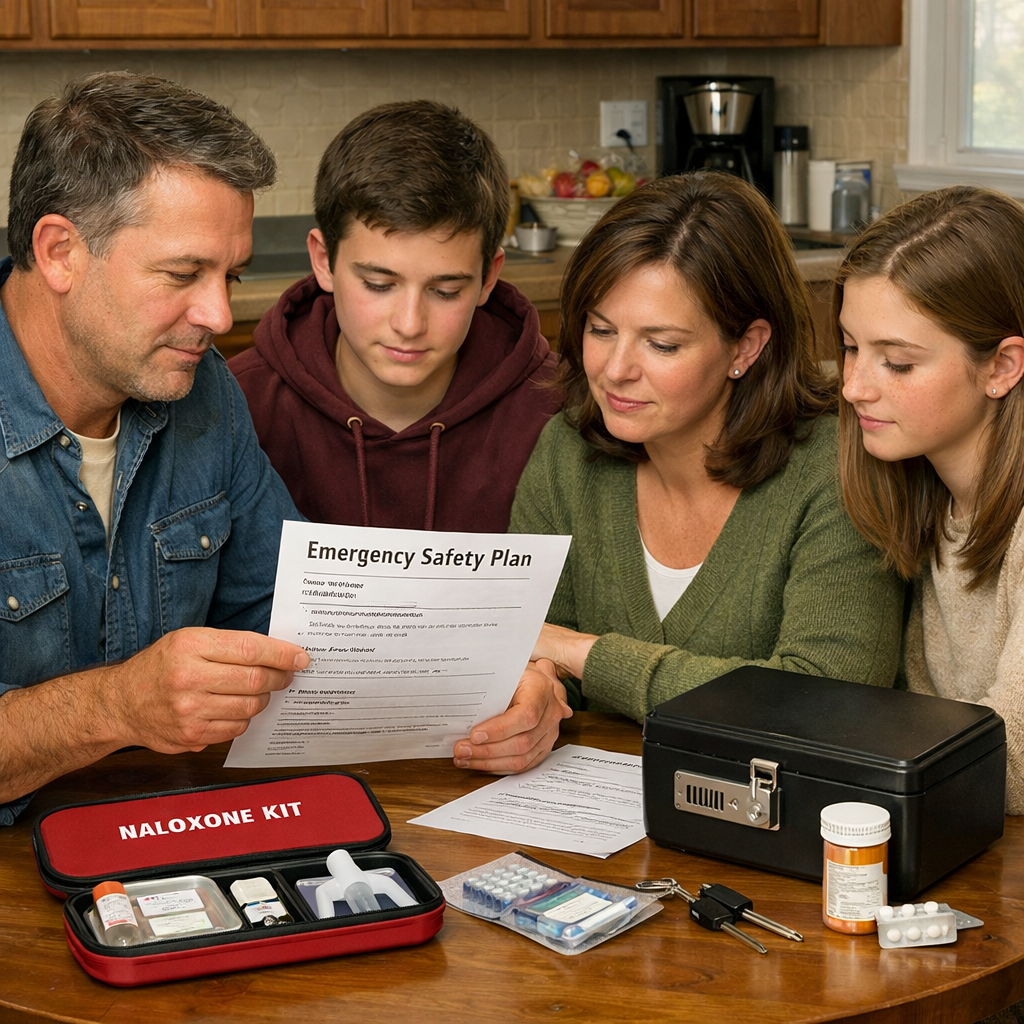
Finally, create a family emergency plan. Write down who will call 911, who will bring the naloxone, and who will drive the person to treatment. Practice the plan once a month so everyone knows their role.
Bottom line:Connect with professionals, lock away drugs, and build a routine that supports recovery.
FAQ
What should I do if I can’t find naloxone at home?
Call 911 right away and tell the dispatcher you suspect an opioid overdose. While you wait, start CPR if the person isn’t breathing. Many emergency crews carry naloxone, and some pharmacies can dispense it without a prescription. You can also ask the dispatcher for the nearest location that sells a free kit.
How long does naloxone’s effect last compared to fentanyl?
Naloxone works in minutes but typically wears off after 30‑90 minutes. Fentanyl can stay in the system for several hours, so the person may need a second dose or close monitoring for at least an hour after the first dose. Always keep watching breathing and be ready to call EMS again if symptoms return.
Can a child safely use naloxone?
Yes. Naloxone is safe for children and adults. The nasal spray is designed for easy use, even by a teenager or a parent who has never given a medication before. Just follow the instructions on the box and call 911 after giving the dose.
What if the person refuses to go to treatment after an overdose?
Respect their feelings but keep the conversation focused on safety. Offer to arrange a meeting with a counselor or an interventionist who can explain options without pressure. If the person’s behavior puts anyone else at risk, you may need to involve law enforcement or a mental‑health crisis line.
Is it legal to force someone into rehab?
In most states you cannot force an adult into rehab without a court order. However, you can call a crisis line, request an involuntary psychiatric hold if the person is a danger to themselves, or have an interventionist present a clear, compassionate plan that makes admission easier.
How often should my family practice overdose response drills?
Run a brief drill once a month. Walk through the steps: recognize signs, call 911, give naloxone, and monitor. Use a timer to simulate the two‑minute interval between naloxone doses. The practice builds muscle memory and reduces panic during a real event.
What role does Next Step Intervention play after the overdose?
Next Step Intervention offers same‑day admission to a treatment center, handles insurance paperwork, and provides a family‑focused recovery plan. Their rapid response bridges the gap between emergency care and long‑term recovery, which most public health guides overlook.
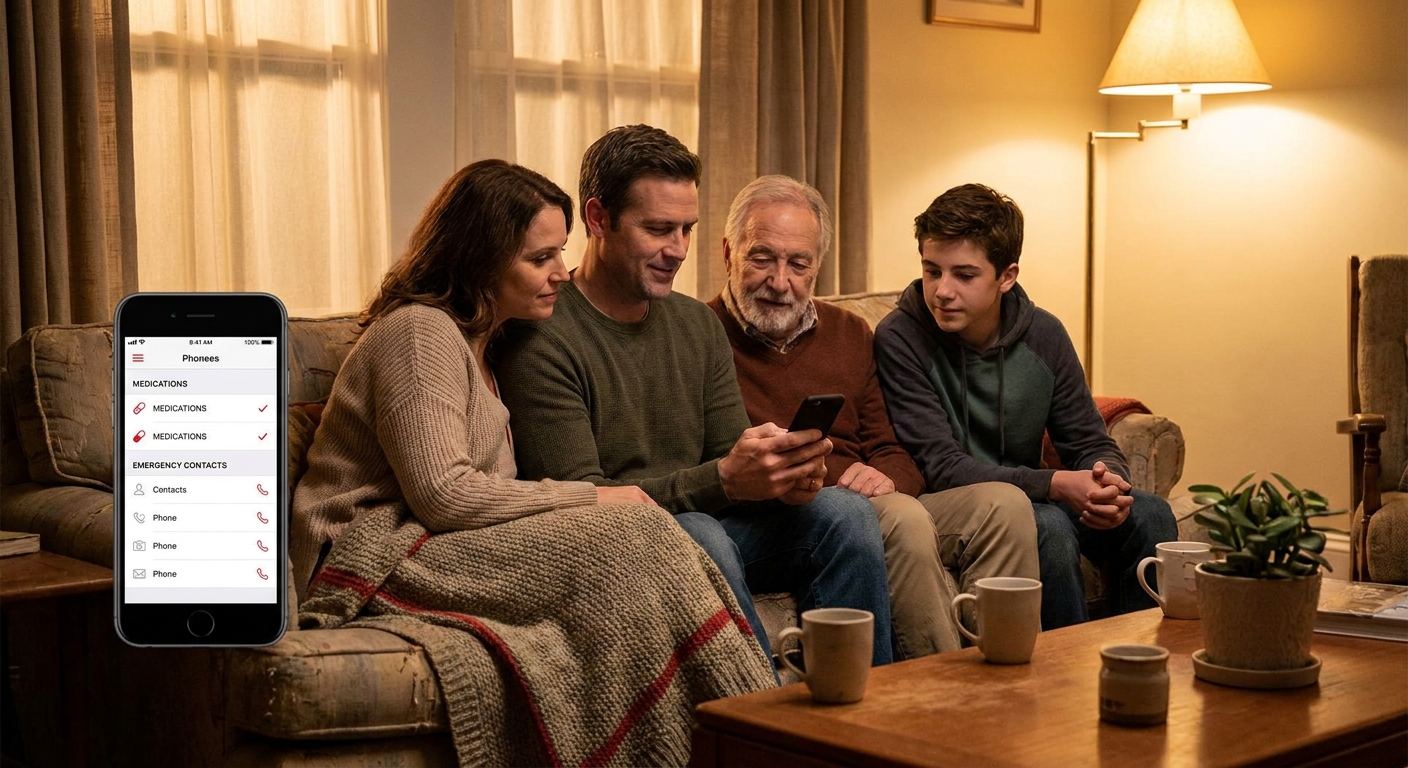
Can I use a smartphone app to track overdose symptoms?
p
Yes. Apps that log time of naloxone doses, breathing rates, and pulse can share data instantly with EMTs. Choose an app that lets you export the log so paramedics can see the full timeline when they arrive.
Conclusion
Facing a fentanyl overdose is terrifying, but a clear plan turns fear into action. Call 911, check breathing, start CPR if needed, give naloxone, and keep monitoring until professionals take over. Then move quickly to medical follow‑up, lock away drugs, and set up a family safety plan. When you act fast and stay organized, you give your loved one the best chance to survive and start a path to recovery.
If you need immediate help or want a professional team to guide you through the next steps, call(949) 545‑3438now or visit Next Step Intervention. Their rapid‑response service can arrange same‑day treatment and provide the ongoing support families need.