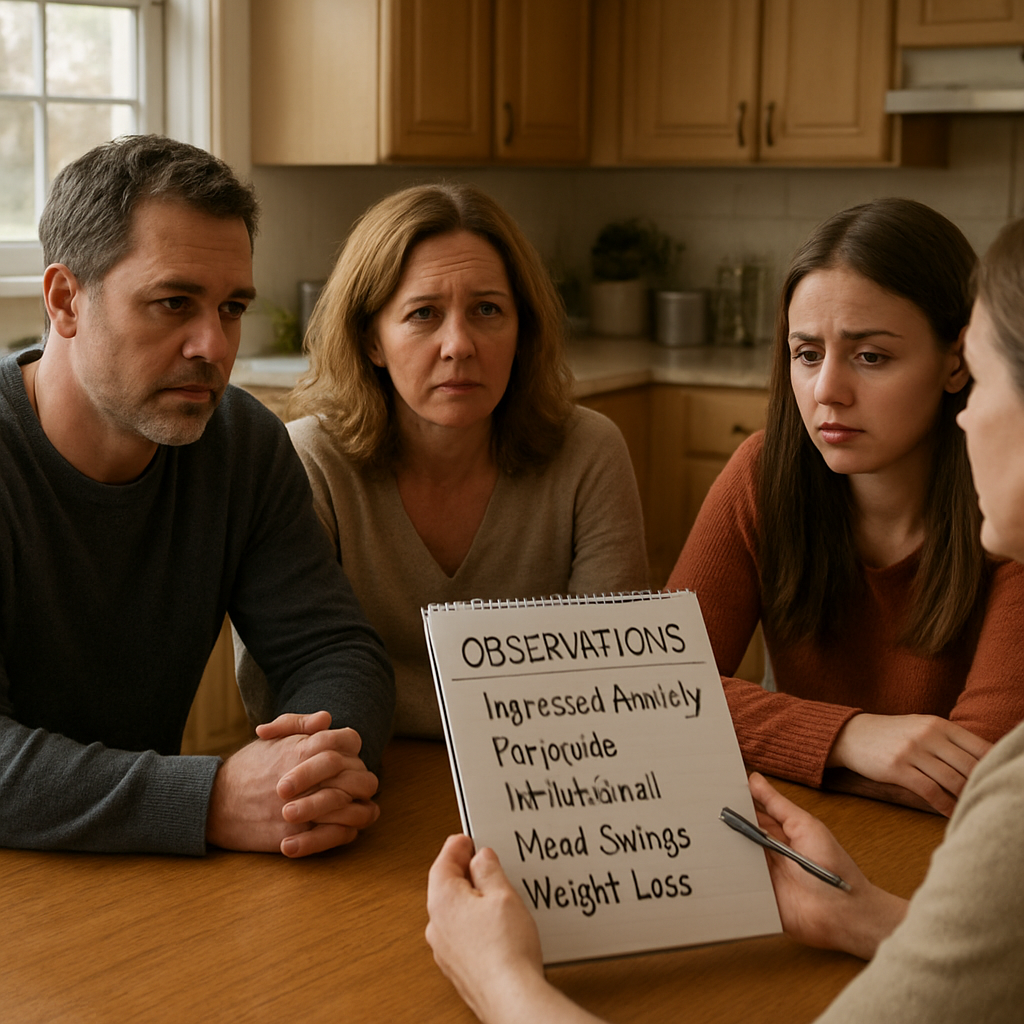

You’ve probably felt that knot in your chest the moment you realize a loved one is spiraling—late‑night calls, missed work, the empty bottle that just won’t disappear. That feeling tells you it’s time to act, but the question “how do I find an interventionist” can feel overwhelming.
First, narrow down what you actually need. Are you looking for a rapid‑response professional who can show up within hours, or someone who can guide a multi‑day family meeting? Jot down the top three concerns—safety, treatment options, and insurance coverage—and keep that list handy when you start searching.
Next, type the phrase together with your city or zip code, for example “interventionist near me Los Angeles”. Add qualifiers like “certified” or “24/7” to filter out generic therapists. The goal is to surface professionals who specialize in addiction crises, not just any counselor.
When a candidate pops up, dive into their credentials. Look for a Certified Interventionist (CI) badge, a state license, or affiliation with bodies like the Association of Intervention Specialists. A quick click on their “About Us” page should reveal training hours and ethics codes. If the information is vague, that’s a red flag—move on.
Proximity matters more than you might think. Open the address in Google Maps, check the driving time, and note any nearby hospitals or rehab centers they mention. A local expert can coordinate admission to a treatment facility within the same day, cutting down the window for denial.
Read the reviews with a critical eye. Families often mention “quick arrival”, “compassionate tone”, and “follow‑through after the intervention”. Those are the signals that the professional can handle the pressure of a crisis night.
Once you have a shortlist, schedule a no‑obligation 15‑minute consultation. During the call, ask them to walk you through a mock intervention based on the three priorities you listed. If they can sketch a plan on the spot, you’ve found someone who gets you. For a deeper dive into the step‑by‑step process, check out our How to Find an Interventionist: A Step‑By‑Step Guide for Families article.
After you choose the right fit, lock in the appointment and share your concise brief with them. That simple, three‑point summary turns chaos into a clear roadmap, making it easier for the interventionist to act fast and coordinate treatment.
And remember, the work doesn’t end with the intervention. Ongoing recovery support is crucial—consider a health‑coaching partner like XLR8well to help maintain sobriety and mental well‑being after the crisis has been addressed.
TL;DR
Finding the right interventionist means spotting a certified professional who can respond fast, understand your family’s crisis, and guide you toward immediate treatment today.
Follow our step‑by‑step checklist to verify credentials, assess response time, and secure a trusted partner who turns panic into a clear, actionable recovery plan for your loved one.
Step 1: Identify Your Specific Needs
You’ve probably felt that knot tighten the moment you realize a loved one is spiraling. The panic, the sleepless nights, the replay of “what if”—it all points to one thing: you need a clear picture of what you actually need before you even start looking for an interventionist.
Why does that matter? Because an interventionist can only work with the facts you give them. If the brief you hand over is fuzzy, the whole process becomes a guessing game, and the window for safe, fast action narrows. So let’s take a breath and turn that vague dread into three concrete, actionable priorities.
Grab a notebook or open a notes app and answer these five quick prompts. No jargon, just the raw details that matter right now:
- What is the most dangerous behavior you’ve witnessed (e.g., missed doses, overdose, driving while intoxicated)?
- When did the last three concrete incidents happen? Write dates and a one‑sentence description.
- Who are two or three close allies (family, friends, a counselor) who have seen the same patterns?
- What short‑term safety concerns are top of mind (hospital access, weapons, children in the house)?
- Pick the three outcomes you need the interventionist to address first: safety, treatment entry, insurance navigation.
When you step back, that list should feel like a roadmap rather than a mess of worries. It’s the difference between shouting into the void and handing a professional a set of coordinates they can act on instantly.
Next, turn those bullet points into a one‑page brief. Keep it under 200 words, use plain language, and label each section clearly. This is the document you’ll email or read aloud during your first 15‑minute consultation. The clearer you are, the faster the interventionist can sketch a tailored plan and schedule a home visit.
Once you’ve got your brief, it’s time to share it with a professional. Our How to Find an Interventionist: A Step‑By‑Step Guide for Families walks you through the exact questions to ask during that free 15‑minute call, so you know you’re speaking with someone who can honor the three priorities you just wrote down.
While you’re waiting for that call, consider adding a layer of post‑intervention support. XLR8Well offers health‑coaching that can help your family maintain sobriety, build healthy habits, and stay on track with the recovery plan the interventionist creates. A few minutes each week with a coach can turn the momentum from the intervention into lasting change.
And don’t forget the mental‑health side of things for the whole family. Stress and burnout can creep in fast when you’re caring for someone in crisis. e7D‑Wellness provides evidence‑based assessments that let you spot early warning signs in caregivers, giving you tools to stay resilient while you navigate the intervention process.

Bottom line: identifying your specific needs isn’t a bureaucratic step—it’s the foundation that lets an interventionist move from “we’ll see what we can do” to “we have a clear, actionable plan right now.” Write it down, keep it simple, and you’ll turn that knot of fear into a straight line toward help.
Step 2: Research Qualified Interventionists in Your Area
Now that you’ve nailed down what you need, it’s time to dig into who can actually deliver it. Research feels like a chore, but think of it as a treasure hunt—each clue brings you closer to the professional who can turn panic into a plan.
First, type a focused phrase into Google: “certified interventionist” plus your city or zip code. Add qualifiers like “24‑hour” or “emergency response” to weed out generic therapists. You’ll see a handful of firm websites, a few ads, maybe a directory listing.
Skip the glossy banners and zero in on sites that proudly display credentials. Look for a Certified Interventionist (CI) badge, a state license number, or affiliation with the Association of Intervention Specialists. If the page is vague about training hours or ethics, that’s a red flag—move on.
Next, map the address in Google Maps. Open the route, check driving time, and note any nearby hospitals or rehab centers mentioned. A local professional who knows the nearest detox unit can coordinate same‑day admission, shaving precious hours off the crisis window.
Got a promising name? Dive into the reviews. Scan Google, Yelp, or Facebook for recurring themes: “quick arrival,” “compassionate tone,” and “follow‑through after the intervention.” Real families love to mention when the interventionist helped them get into treatment the same day. Those nuggets tell you the person can handle the pressure of a crisis night.
Don’t be shy about asking for references. A reputable firm will gladly connect you with a past client—after all, they’ve walked that tightrope before. If they dodge the request, trust your gut and keep looking.
Now, schedule a no‑obligation 15‑minute consultation. During the call, walk them through the three priorities you drafted earlier. Ask them to sketch a quick mock plan on the spot. If they can do that without scrambling, you’ve found someone who gets you.
Here’s a quick checklist you can copy into a notebook:
- Certified Interventionist badge or state license visible on website.
- Proximity: under 30‑minute drive, with nearby hospitals noted.
- Positive reviews highlighting rapid response and post‑intervention support.
- Willingness to provide at least one client reference.
- Free 15‑minute consultation that includes a mock intervention demo.
While you’re comparing, keep this visual in mind: a side‑by‑side table with columns for Credentials, Response Time, Local Knowledge, Reviews, and Price. Give each candidate a score from 1 to 5. The highest total usually points to the best fit, but always let the vibe be the final tie‑breaker.
In our experience at Next Step Intervention, families who ran this exact research process landed a local, crisis‑ready professional within hours. That speed made the difference between a night of denial and a same‑day admission to a treatment center.
Still feeling overwhelmed? Our step‑by‑step guide walks you through each question to ask, the red flags to watch for, and how to lock in a consultation without feeling sold.
So, what’s the next move? Grab that notebook, tick off the checklist, and call the top two candidates you’ve identified. Ask them the three audit questions you wrote in Step 1, and watch how quickly they can translate those needs into a concrete action plan.
Remember, you’re not just searching for a name—you’re vetting a partner who can show up at your door, keep everyone safe, and get your loved one into treatment before the crisis deepens. Do the research, trust the scores, and let that brief you crafted become the blueprint for the interventionist to follow.
Step 3: Evaluate Credentials, Experience, and Fit
Alright, you’ve got a shortlist. Now it’s time to dig deeper than just a glossy badge on a homepage. Think of this like a first‑date interview – you want to know if they’ve got the chops, the local know‑how, and the vibe that matches your family.
Start with the basics: a Certified Interventionist (CI) badge, a current state license, and affiliation with a reputable body like the Association of Intervention Specialists. If the site only says “we’re experienced” without naming the certifying organization, that’s a red flag. Ask for the license number and double‑check it on the state licensing board’s portal. In our experience, families that verify this step avoid costly missteps later.
Next, ask about emergency response. A good professional should be able to say, “If you call us at 2 a.m., I can be at your door within two hours.” Anything vague like “we’ll get there as soon as possible” is a sign to keep looking. Write that response down – you’ll compare it side‑by‑side with the other candidates.
Then, consider specialization. Does the interventionist have a track record with the exact substance you’re dealing with – opioids, alcohol, prescription meds? Ask for a brief example (no names, just a scenario) of a recent case they handled. Real‑world anecdotes show they’ve walked the path before.
Cost and insurance can feel like a separate mountain, but it’s part of the fit. Some firms are cash‑only, others work with PPOs, Medi‑Cal, or even health‑share plans. Get a written fee outline before you sign anything. If they can’t give you a clear number, that uncertainty will bleed into the actual intervention.
Finally, references matter. A reputable provider will gladly connect you with two families (with permission) who can speak to how quickly they arrived, how compassionate the tone was, and whether the loved one actually entered treatment. If they dodge the request, walk away.
Here’s a quick cheat‑sheet you can copy into your phone:
| Criterion | What to Look For | How to Verify |
|---|---|---|
| Credentials | CI badge, state license, professional association | Ask for license number; confirm on state board site |
| Response Time | Guaranteed arrival within hours for crises | Request written emergency protocol |
| Specialization | Experience with specific substance (e.g., opioids) | Ask for a recent, de‑identified case study |
| Cost & Insurance | Transparent fees, accepts your plan | Get an itemized quote before signing |
| References | Family testimonials about speed and follow‑through | Request two references; verify outcomes |
Put those five rows into a spreadsheet and give each candidate a score from 1 to 5. Add up the totals – the highest score usually points to the best overall fit. But remember, your gut matters too. If someone’s tone feels cold or they seem to be rushing you, that’s a deal‑breaker even if the numbers look perfect.
Once you’ve narrowed it down to a top‑two, send a short email that repeats your three priority items (safety, immediate intake, family alignment) and asks them to confirm their emergency protocol in writing. A concise email forces them to be clear and shows you’re organized – exactly the impression you want to give when the clock is ticking.
One more thing: you don’t have to do this alone. Finding an Interventionist Near Me: A Practical Guide walks you through a printable checklist and even gives you a script for that email. Grab it, print it, and keep it next to your notebook.
When the call finally happens, start with a brief intro – “I’m Jane, I need urgent help for my brother, and my top three concerns are safety, same‑day treatment, and keeping our family aligned.” That opening tells the professional you’ve done the homework, and it often speeds up the scheduling process.
Remember, the goal isn’t just a credentialed name on a page; it’s a qualified, local professional who can show up fast, understand your family dynamics, and translate that three‑point brief into a concrete intervention plan. Nail this step, and you’ll move from feeling stuck to having a clear path forward.
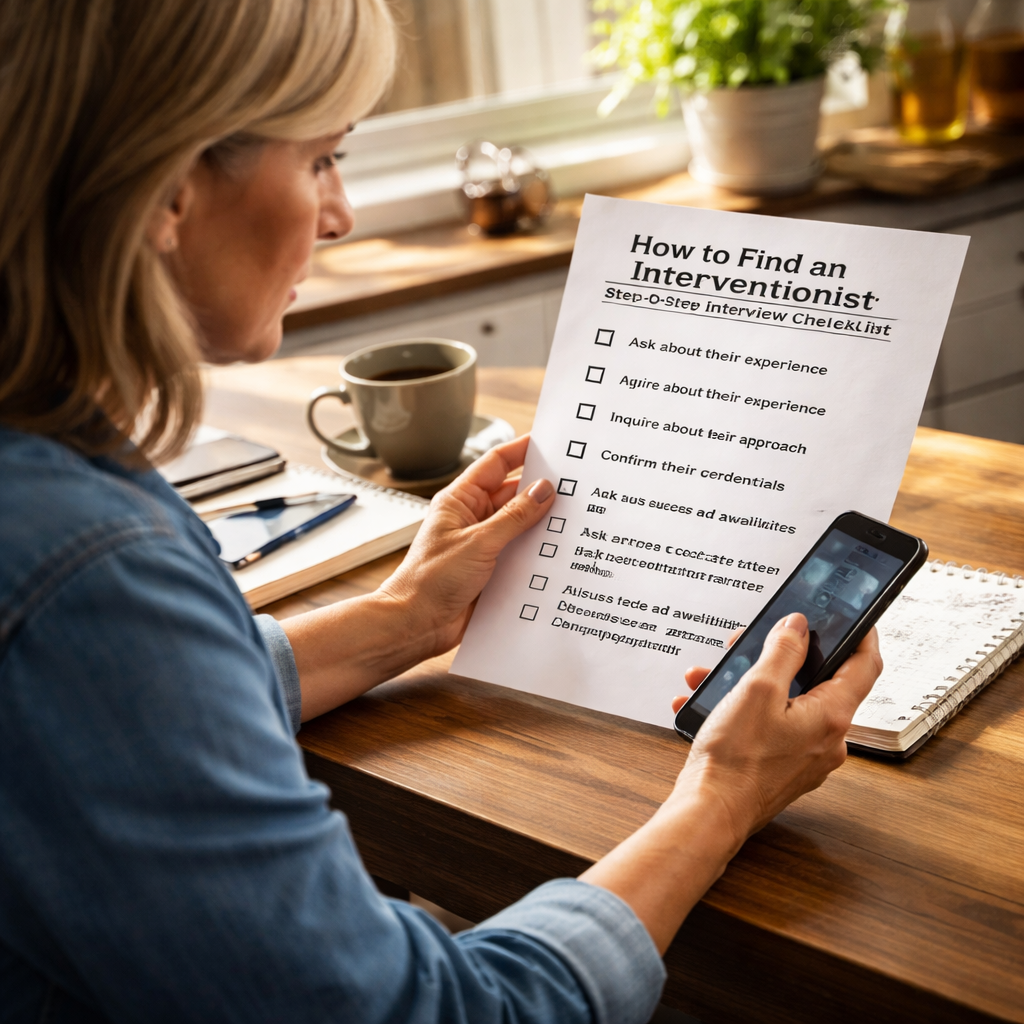
Step 4: Make Contact and Set Up an Initial Consultation
Pick the right number and set the tone
When you finally feel ready to dial, grab the phone and aim for the dedicated intake line – most reputable firms have a direct line that routes you straight to a coordinator, not a generic receptionist. Say something like, “Hi, I’m Jane, I need urgent help for my brother,” and watch how quickly they recognize the seriousness.
Ask for a “no‑obligation, 15‑minute consultation” right off the bat. If they try to slide you into a long sales pitch, that’s a red flag – you want a brief, focused chat where they confirm they can meet the three priorities you wrote down in Step 1.
What to have on hand
Before you call, pull together a few essentials: the exact home address, your insurance details (policy number and group name), and a one‑sentence summary of the three urgent issues you identified (safety, same‑day intake, family alignment). Having these ready turns a 20‑minute back‑and‑forth into a crisp five‑minute confirmation.
Also keep any recent medical paperwork or ER discharge notes nearby – the coordinator may ask for a quick glance to gauge how fast they need to mobilise emergency services.
Ask the right questions
During the call, treat the conversation like a mini‑interview. Try these three questions:
- “What’s your guaranteed response time for a crisis call after hours?”
- “Can you walk me through a mock intervention plan based on my three priority items?”
- “Do you have written emergency protocols and a local detox center you work with?”
If they can answer each with specifics – “We can be at your door within two hours” or “We partner with the County Hospital’s fast‑track detox unit” – you’ve found someone who gets the urgency.
Take notes and confirm in writing
Jot down the coordinator’s name, the promised response window, and any next‑step dates they suggest. After the call, send a quick email that repeats your three‑point brief and asks them to confirm the emergency protocol in writing. A concise email does two things: it forces the professional to be crystal clear, and it gives you a paper trail if anything falls short later.
In our experience at Next Step Intervention, families who lock down the plan in writing move from “maybe” to “booked” within the same afternoon.
Set up the initial consultation
Pick a time that works for everyone in the household – ideally when the loved one isn’t already in the middle of a binge or a blackout. A video call works for many, but if the situation feels too volatile, ask for an in‑person visit. The professional should arrive with a printed agenda that mirrors your three priorities.
During the 15‑minute session, expect them to:
- Repeat back the three priority items to prove they listened.
- Outline a concrete safety plan (e.g., who will stay with your loved one, transport logistics).
- Explain the next steps for same‑day treatment, including any paperwork you’ll need.
If they skip any of these, politely ask for clarification before you sign anything.
What to do after the call
Send a brief thank‑you email that includes a link to our step‑by‑step guide for families. That not only reinforces your commitment but gives you a reference checklist to verify the next appointment.
Finally, set two reminder alarms – one for the day before the consultation and another the morning of – so the meeting doesn’t slip through the cracks. Treat these reminders like you would a medical appointment; the stakes are just as high.
Remember, making contact isn’t just another task on a to‑do list; it’s the bridge between panic and a concrete plan. When you walk into that first conversation prepared, you’ll feel the knot in your chest loosen a little, and the path forward will look a lot clearer.
Conclusion
We’ve walked you through every piece of the puzzle, from spotting the red flags to drafting that three‑point brief.
Now, picture this: you pick up the phone, hand over a clear, concise summary, and within a couple of hours a certified professional is at your door, ready to turn panic into a plan.
Does that sound like the outcome you need? If you’re still wondering how to find an interventionist who truly gets your family’s urgency, remember the checklist – credentials, emergency protocol, local proximity, and that gut feeling you get when they listen.
In our experience at Next Step Intervention, families who follow those steps often move from “I don’t know what to do” to “we have a concrete roadmap” in less than a day.
So, what’s the next move? Grab your notebook, write down the three priorities you identified, and start reaching out to the top two candidates you vetted. Ask for a written emergency protocol and a quick mock plan.
When you hear back with a solid response, you’ve found the right partner. If not, keep searching – the right interventionist is out there, and the sooner you connect, the faster you can protect your loved one.
FAQ
How can I verify that an interventionist is properly certified?
First, look for a Certified Interventionist (CI) badge or a similar credential on their website. Ask them to provide the license number and the issuing organization—most states keep an online directory you can double‑check. If they’re hesitant or can’t point you to a public registry, that’s a red flag. In our experience, families who confirm the certification up front avoid costly missteps later and feel more confident when the professional arrives at their door.
What should I ask about emergency response times?
Time is critical in a crisis, so ask for a written emergency protocol that spells out how quickly they can be on‑site after you call—ideally within a few hours, not days. Request a specific example: “If I call at 2 a.m., when can you be here?” A reputable provider will give you a clear answer and may even offer a test call to prove their availability. Knowing the exact window helps you plan safety measures and reduces anxiety.
Do I need an interventionist who specializes in a particular substance?
Yes, if you know the primary substance—opioids, alcohol, prescription meds—it’s worth confirming their experience with that addiction type. Ask for a recent, de‑identified case study that shows how they handled a similar situation. While they can’t share names, a short scenario will reveal whether they understand the nuances of withdrawal, hospital coordination, and family dynamics for that specific substance. Matching expertise to your loved one’s needs speeds up treatment acceptance.
How much should I expect to pay, and does insurance cover an interventionist?
Pricing varies, but most reputable firms will give you an itemized quote before any contract is signed. Ask whether they accept your health‑share plan, PPO, or if they operate on a cash‑only basis. Some insurers cover the intervention as part of a broader addiction treatment package, so it’s worth checking with your provider. Transparent costs prevent surprise bills and let you budget for any follow‑up care or after‑care services your family might need.
Can I get references from families who have used the interventionist?
Absolutely—any ethical professional should be willing to share two references with permission. When you call, let the reference know you’re a family in a similar crisis and ask about the speed of arrival, the clarity of the plan, and whether the loved one entered treatment. Real‑world feedback is priceless; it gives you a sense of the interventionist’s bedside manner and how they handle the high‑stress moments you’ll soon face.
What paperwork should I have ready before the first consultation?
Gather any recent medical records, insurance cards, and a concise three‑point brief of your priorities—safety, immediate intake, and family alignment. Having a clear address, a list of supportive family members, and any legal documents (like a power of attorney) speeds up the intake process. When the interventionist sees you’re organized, they can jump straight to a mock plan instead of spending time gathering basics, which can shave precious hours off the response timeline.
Is there a difference between an interventionist and a therapist?
Yes. An interventionist is trained to mediate a crisis meeting, coordinate with detox or rehab centers, and create an emergency response plan. A therapist provides ongoing counseling and may not have the rapid‑deployment capability you need in an acute situation. When you’re looking for someone who can show up within hours and facilitate a family‑led intervention, focus on Certified Interventionists who specialize in emergency response rather than general counselors.