
One missed breath can mean a life lost. When an opioid overdose hits at home, families need a clear plan fast. This family guide to opioid overdose response walks you through every step , from spotting the signs to staying with your loved one until help arrives. You’ll get simple, actionable tips you can practice today.
1. Recognize the Signs of an Opioid Overdose (family guide to opioid overdose response)
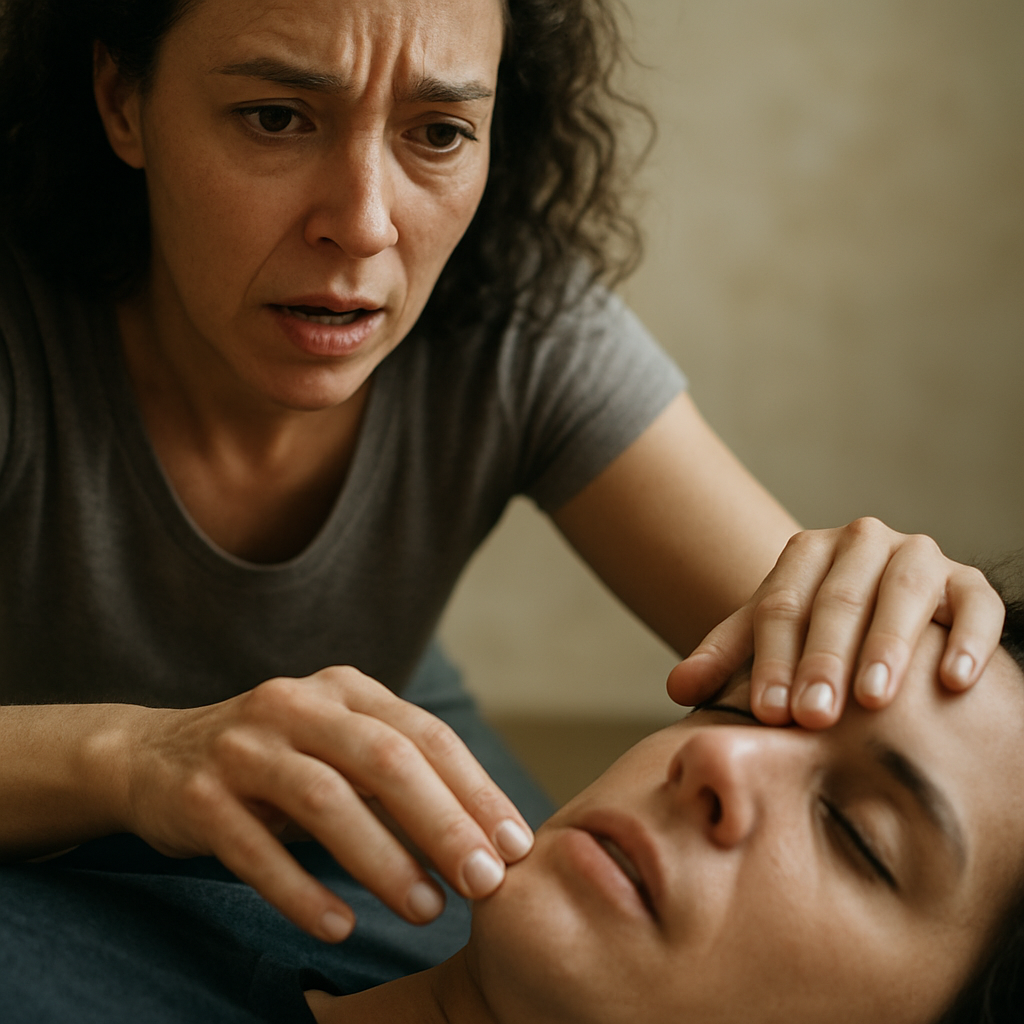
First thing you need to do is spot the warning signs. Opioids slow breathing and can shut down the brain’s urge to breathe. The classic trio is pinpoint pupils, blue‑gray skin, and a slow or absent breath. If you see any of these, act now.
Other clues can be slurred speech, stumbling, or a confused stare. A person may seem “asleep” but can’t be woken with a shake. That’s a red flag. SAMHSA’s overdose prevention guide lists these exact symptoms. For a more detailed emergency response strategy, see our Overdose Help guide.
Imagine you’re at a family dinner and your teen suddenly goes quiet, eyes glazed, and stops responding. Don’t assume it’s just being high. Treat it as an overdose , it could save a life.
Remember, you don’t have to be a medical pro to recognize the danger. Your eyes and ears are powerful tools.
“Every second counts in an overdose. Spotting the signs early can mean the difference between life and death.”
Bottom line: Recognize the three core signs fast and you’ll know when to act.
2. Call 911 Immediately (family guide to opioid overdose response)
Dialing 911 is the next move after you spot the signs. Your voice becomes the bridge to professional help. Speak clearly: “I need an ambulance for a possible opioid overdose.” Give the exact address, any known drug use, and any allergies you know of.
The dispatcher will ask for details. Give them the person’s age, what they might have taken, and the time you first noticed symptoms. This info speeds up EMS care.
If you’re scared of police, know many states have Good Samaritan laws that protect you when you call for help. The law keeps you from being charged for drug possession when you seek medical aid.
While you wait, keep the person upright if possible, and monitor breathing.
Bottom line: Call 911 right away and give clear, calm info to get help fast.
3. Administer Naloxone (Narcan) (family guide to opioid overdose response)
Naloxone is the only medicine that can reverse an opioid overdose. It comes as a nasal spray or an auto‑injector. When you see the overdose signs, pull the kit out and follow the instructions.
Place the spray into one nostril and press firmly. If you use the injector, press it against the outer thigh and hold for 10 seconds. After the dose, watch for a gasp or a return of normal breathing within 2‑3 minutes.
If the person doesn’t wake up, give a second dose after two minutes. Some kits include two sprays for exactly this reason.
Remember, naloxone only works on opioid overdoses. It won’t help with alcohol, benzodiazepines, or stimulants.
“Naloxone can buy you minutes , minutes that can become hours of life.”
Bottom line: Administer naloxone promptly; a second dose may be needed.
4. Perform Rescue Breathing (family guide to opioid overdose response)
If breathing is shallow or stopped, rescue breathing can keep oxygen flowing. Pinch the nose closed, give a deep breath into the mouth, and watch the chest rise. Do two breaths every five seconds.
Use a barrier device like a face shield if you have one. If not, a clean cloth works. Keep your own safety in mind , wear gloves if you can.
Continue rescue breaths until the person starts breathing on their own or EMS arrives. If you notice the chest isn’t moving, adjust the head‑tilt‑chin‑lift to open the airway.
The goal is to keep oxygen in the blood until professional help can take over.
Bottom line: Rescue breathing buys time and oxygen for the overdose victim.
5. Stay with the Person Until Help Arrives (family guide to opioid overdose response)
Never leave the person alone. Your presence can calm them and lets you watch for changes. Talk in a calm voice: “You’re okay, help is on the way.”
Put them in the recovery position if they’re breathing but unconscious. That means on their side, top leg bent, head tilted back. This stops choking if they vomit.
Keep the environment safe. Remove loose cords, sharp objects, and anything that could cause injury.
“Staying by the side shows love and can prevent a second overdose if the person wakes up confused and relapses.”
Take note of the time you gave naloxone and when breathing improved. Hand this note to EMS when they arrive. For a deeper dive into the immediate actions you can take, explore our Effective Emergency Intervention guide.
Bottom line: Stay, monitor, and record , never walk away until professionals take over.
6. Know Your State’s Good Samaritan Laws (family guide to opioid overdose response)
Good Samaritan laws protect you when you call for help. In many states, you won’t be arrested for drug possession if you’re seeking medical aid for an overdose.
Check your state’s specific rules. Some states require you to stay with the person; others give you full immunity. Knowing the law removes fear and lets you act fast.
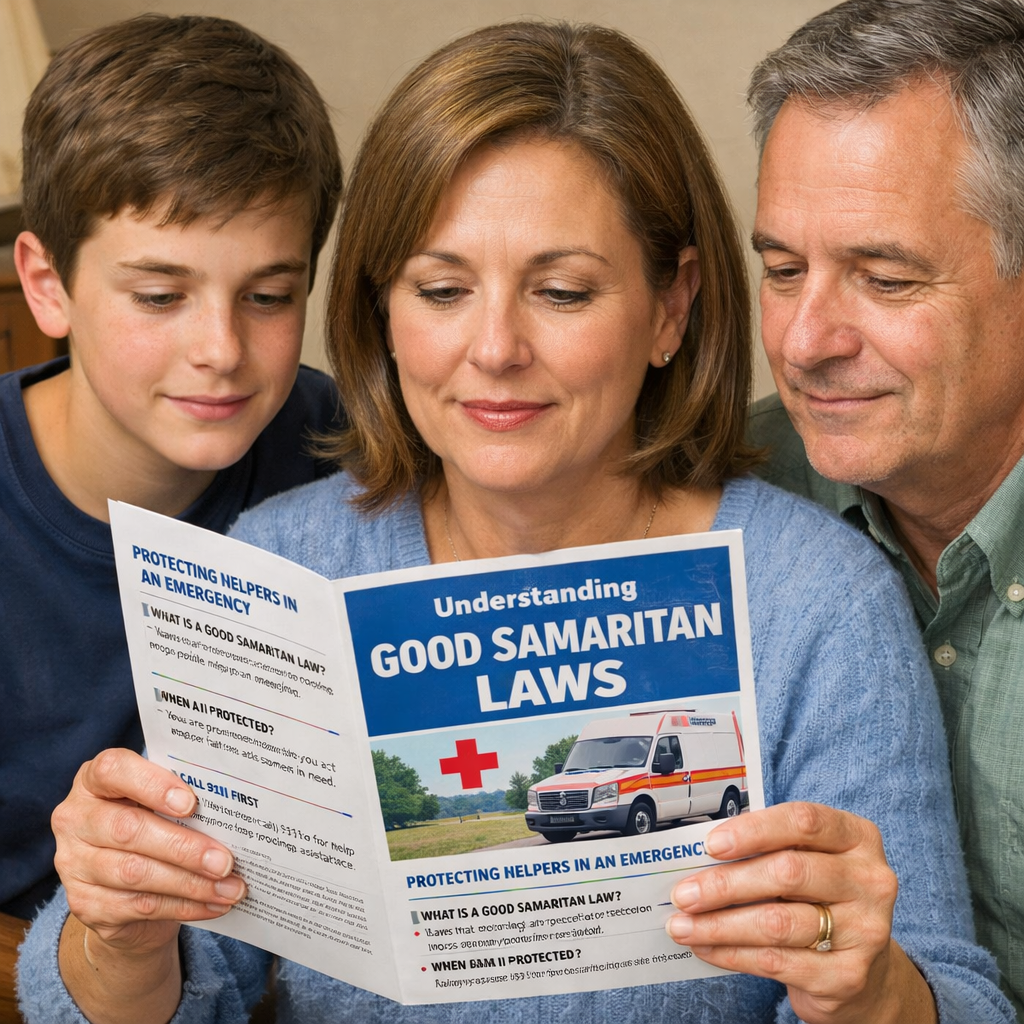
For example, California’s Emergency Medical Services Access Law of 2012 shields callers from prosecution. Illinois has a similar law that protects both the victim and the bystander.
When you know the law, you’ll call 911 without hesitation.
Bottom line: Know your state’s protections so you can call for help confidently.
7. Prepare an Overdose Response Kit (family guide to opioid overdose response)
Having a kit ready cuts panic. A basic kit includes naloxone (two doses), gloves, a face shield for rescue breathing, and test strips for fentanyl or xylazine. Keep it in a place everyone knows , like the kitchen drawer.
Order kits from trusted programs. iKnowMine’s naloxone kit lists what should be inside and even offers free training.
Check the expiration date on the naloxone. Replace it before it expires. Store it away from heat and light.
Include a simple checklist inside the kit: 1) Naloxone, 2) Gloves, 3) Face shield, 4) Test strips, 5) Instructions.
“A ready kit turns a chaotic moment into a step‑by‑step plan you can trust.”
Bottom line: Build and maintain a kit so you’re never caught unprepared.
Frequently Asked Questions
What are the first signs of an opioid overdose?
Look for pinpoint pupils, blue‑gray skin, slow or no breathing, and an unresponsive state. These are the core symptoms the family guide to opioid overdose response tells you to watch for. If any appear, treat it as an emergency right away.
How quickly should I call 911 after spotting an overdose?
You should dial 911 immediately , within seconds. Delay can cost precious minutes of oxygen. Give the dispatcher clear info about location, drug use, and any naloxone already given.
Can I use naloxone on anyone who might have taken non‑opioid drugs?
Naloxone works only on opioid overdoses. If the person took alcohol, benzos, or stimulants, naloxone won’t reverse the effects. Still call 911 and monitor breathing.
How many doses of naloxone might I need?
Many kits come with two doses. Give one, wait two to three minutes, and if breathing hasn’t improved, give the second dose. Some powerful opioids like fentanyl may need more, so be ready to repeat if needed.
What should I do while waiting for EMS?
Keep the person lying on their side in the recovery position, perform rescue breaths if they’re not breathing, and stay calm. Record the time you gave naloxone and any changes you notice.
Are there legal risks for calling 911?
Good Samaritan laws in most states protect you from arrest for drug possession when you call for medical help. Knowing your state’s law removes fear and lets you act fast.
How often should I check my overdose kit?
Check the kit at least once a year. Look at expiration dates, replace used test strips, and ensure the naloxone is still good. A calendar reminder helps.
Where can I get a free naloxone kit?
Many local health departments, community programs, and pharmacies offer free kits. Call your state health line or check your local health department’s website for distribution sites.
Conclusion: Be Prepared, Save a Life (family guide to opioid overdose response)
Now you have a full family guide to opioid overdose response. You know the signs, how to call 911, give naloxone, breathe, stay, and protect yourself legally. You also have a ready kit and a plan for the future.
Preparation saves seconds, and seconds save lives. If you ever face an overdose, you’ll have the steps memorized and the confidence to act.
Need extra help? Next Step Intervention offers emergency response for families in crisis. Call (949) 545‑3438 or visit Next Step Intervention’s website for a free, no‑obligation consultation.
Stay calm, stay prepared, and keep your loved ones safe.