
When a loved one slips back into use, panic can take over fast. You feel scared, angry, and unsure what to do next. This guide shows you clear, kind steps to help them get back on track. You’ll learn how to stay calm, make a safe space, give useful help, boost healthy coping, and keep an eye on progress.
Step 1: Stay Calm and Gather Information
First, take a deep breath. Your calm tone can stop the panic from spreading. When you speak in a low, steady voice, the person feels less judged. That makes them more open to hearing you.
Next, collect the facts. Write down what you saw, when it happened, and any clues that led to the slip. The National Institute on Drug Abuse data notes that 40‑60% of people in recovery face a relapse, so you are not alone. Knowing the details helps you see patterns and plan the next move.
Ask gentle questions. “What made you feel this way?” or “What was happening before?” lets them talk without feeling blamed. Listen more than you speak. Nod, repeat back what they said, and show you hear them.
Check the person’s relapse‑prevention plan. Most treatment programs give a list of warning signs and steps to take. If they have one, review it together. If not, you can help build a quick list.
While you gather info, avoid blaming words. Shaming only pushes the person deeper into shame, which research calls “toxic”. A kind response can keep the slip from becoming a full‑blown relapse.
Bottom line:Stay calm, record facts, and listen without blame to set a solid foundation.
Step 2: Create a Safe, Non‑Judgmental Environment
Now you need a place where the person can feel safe to open up. Pick a quiet room with soft lighting. Remove loud noises, phones, and anything that can spark stress.
Set clear rules: no yelling, no blaming, and no interruptions. Let them know you’re there to help, not to police.

Offer a simple comfort item , a warm drink, a blanket, or a short walk outside. Small gestures show care without pressuring.
Use “I” statements. Say, “I feel worried when I see you struggling,” instead of “You always mess up.” This keeps the focus on feelings, not fault.
Invite them to share what they need right now. Some people want space, others want a hug. Respect their choice.
Bring in an external resource if they’re open. The How to Set Boundaries with an Addict: A Practical Guide explains how clear limits can protect both you and the person without feeling harsh.
Keep the space neutral. Avoid places tied to past use, like a bar or a party house. A neutral setting removes extra triggers.
Bottom line:Create a quiet, non‑judgmental space and use “I” language to keep the conversation safe.
Step 3: Offer Practical Help and Resources
Now it’s time to give concrete help. Ask, “What can I do right now to make things easier?” This question shifts the talk from feelings to actions.
If they need a ride to a treatment center, arrange it now. If they need a phone number for a support group, write it down and hand it over.
Explain the options clearly. List the name of the center, the address, phone, and what to expect at the first visit. Clear info cuts fear.
Share the A Practical Family Rehab Guide: Steps to Rebuild Healthy Relationships, which has a checklist of things to gather before a rehab stay , insurance info, a list of meds, and a schedule.
Encourage them to call a professional line. The phone line (1‑(949) 545‑3438) at Next Step Intervention is ready 24‑hours for families in crisis.
Remind them that help is a step, not a judgment. You can say, “I’m here to walk this path with you, not to push you.”
Bottom line:Offer clear, concrete help and give the person easy ways to reach professional support.
Step 4: Encourage Healthy Coping Strategies
Recovery needs new habits. Ask what healthy things they enjoy , a walk, music, drawing, or a sport. Then plan a short daily habit around it.
Teach a simple breathing drill: inhale four counts, hold two, exhale four. This can calm cravings in minutes.
Suggest a short journal. Write one line about mood, trigger, and a win. Keeping a log turns feelings into facts.

Point them to a peer‑support meeting. The World Health Organization fact sheet shows that regular group attendance boosts long‑term recovery.
Practice the coping skill together. Walk outside, do the breathing drill, or draw for five minutes. Modeling shows you’re in this together.
Remind them that slip ups are normal. Say, “It’s okay to feel the urge, you just chose a different action.” This reduces shame.
Bottom line:Build easy, daily coping habits and practice them together to replace old urges.
Step 5: Monitor Progress and Adjust Support
Keep an eye on how things go. Use a short weekly check‑in: ask about mood, cravings, and any appointments kept.
Track three simple signs: attendance at treatment, use of coping tools, and mood stability. Write them in a table so you can see trends.
If the person stalls, ask what’s hard. Maybe the travel to a meeting is a barrier. Offer a ride or a virtual option.
Adjust the plan quickly. A small change, like adding a new hobby or moving a meeting time, can keep momentum.
Celebrate every win, no matter how small. A quick text saying “Great job on the meeting today!” reinforces positive behavior.
Bottom line:Track simple metrics, tweak the plan fast, and celebrate wins to keep progress steady.
FAQ
What should I say right after a relapse?
Start with a calm, caring line. Something like, “I see you’re having a hard time, and I’m here for you.” Avoid blame or shaming. Ask a gentle question about what triggered the slip and listen without interrupting. Offer a concrete help step, such as a ride to a meeting, to move the talk toward action.
How can I stop enabling my loved one?
First, write down what enabling looks like , giving money, covering shifts, or lying. Then share one clear limit with the person, using “I” language: “I can’t give cash for drinks, but I can help find a support group.” Keep the limit firm and follow through each time the request comes up. Reach out to a professional for extra guidance.
h3>When is it safe to call emergency services?
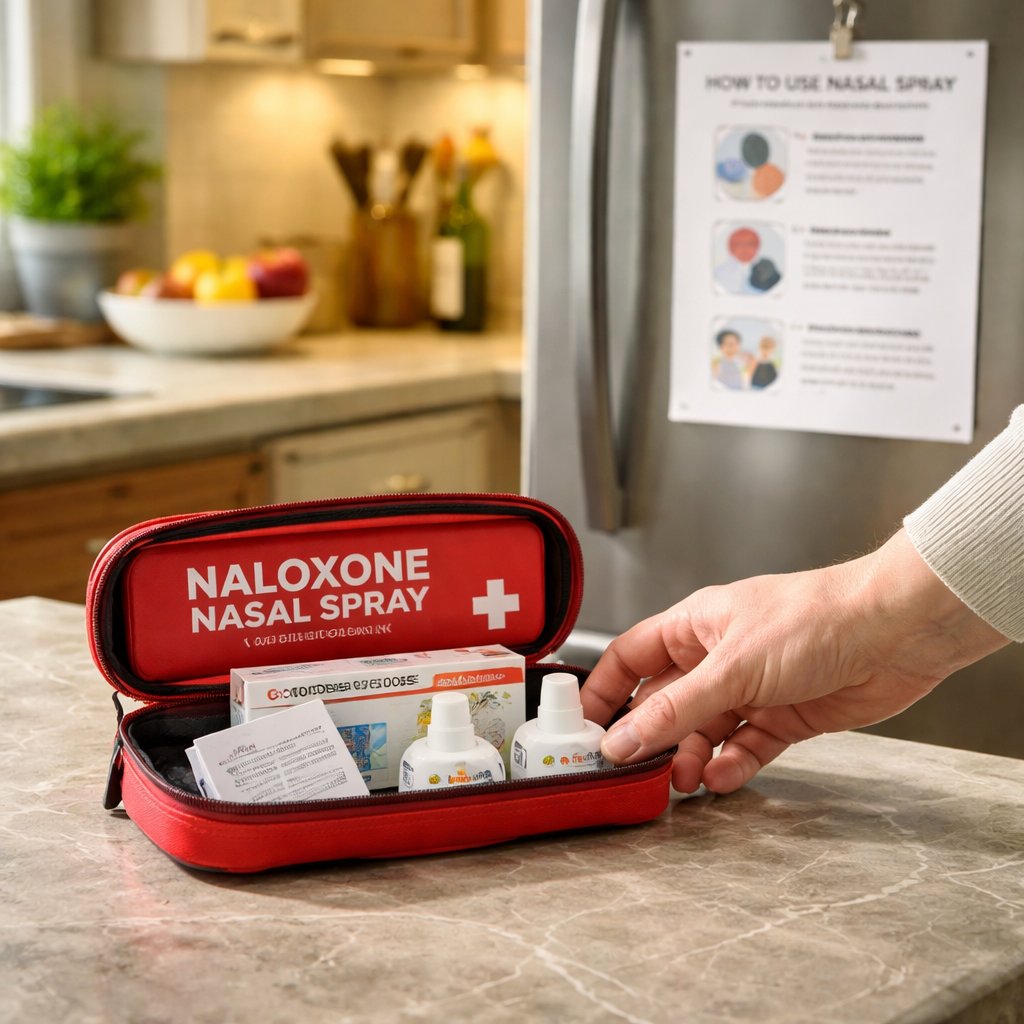
If the person shows signs of overdose, severe withdrawal, or threatens self‑harm, call 911 right away. While waiting, keep them in the recovery position, monitor breathing, and, if you have naloxone, use it as instructed. Even if you think they’ll be okay, professional help is the safest route.
What are good coping tools for cravings?
Simple breathing (4‑2‑4), a short walk, and a five‑minute journal are easy to start. You can also use a stress ball, listen to calming music, or call a trusted friend. The key is to have a list ready so the person can pick one fast when the urge hits.
How often should I check in?
Begin with a quick text or call within 24‑48 hours after the relapse. Then move to a brief weekly check‑in for the first month. After that, a bi‑weekly touch point works for most families. Keep the check‑in short , a question about mood, cravings, or appointments , and end with a positive note.
What professional help should I look for?
Look for a licensed interventionist, a certified addiction counselor, or a detox center with 24‑hour nursing. The phone line (1‑(949) 545‑3438) at Next Step Intervention can connect you to a specialist who will guide the next steps, set up an intake, and give a family support plan.
How can I help my loved one after they enter treatment?
Stay involved but respect their space. Attend family meetings if invited, help with transport, and keep track of medication schedules. Offer encouragement after each session and ask if they need anything practical , a grocery run, a pet sitter, or a quiet place to rest.
What if my loved one refuses help?
Don’t force the issue. Keep the conversation open and let them know you’re ready whenever they decide. Write down the resources you shared and check back in after a few days. If the risk rises (dangerous behavior, self‑harm), call a crisis line or emergency services.
Conclusion
Supporting a loved one after a relapse is tough, but you don’t have to go it alone. Stay calm, create a safe space, give clear help, teach simple coping tools, and watch progress closely. Celebrate each win and adjust the plan fast when needed. When you feel stuck, the experts at Next Step Intervention are just a call away at (949) 545‑3438. Reach out today to start a caring, steady path back to health.