
Opioid overdoses happen fast. One missed sign can cost a life. This family guide to opioid overdose emergency shows you how to act in seconds, not minutes. You’ll learn the six steps that turn panic into a clear plan and how Next Step Intervention can back you up 24/7.
Let’s walk through each step so you feel ready the next time an overdose threatens your home.
Step 1: Recognize the Signs of an Opioid Overdose
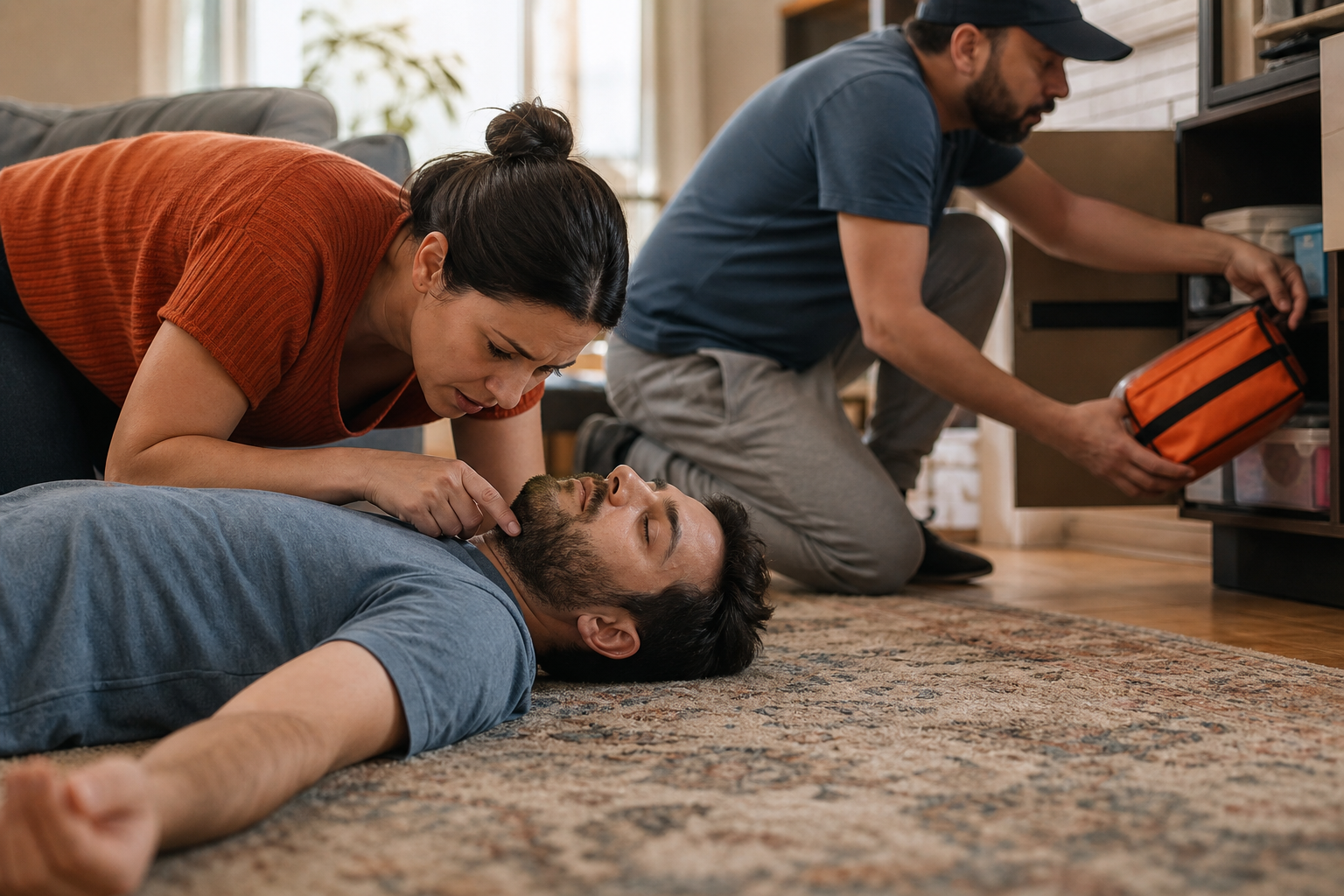
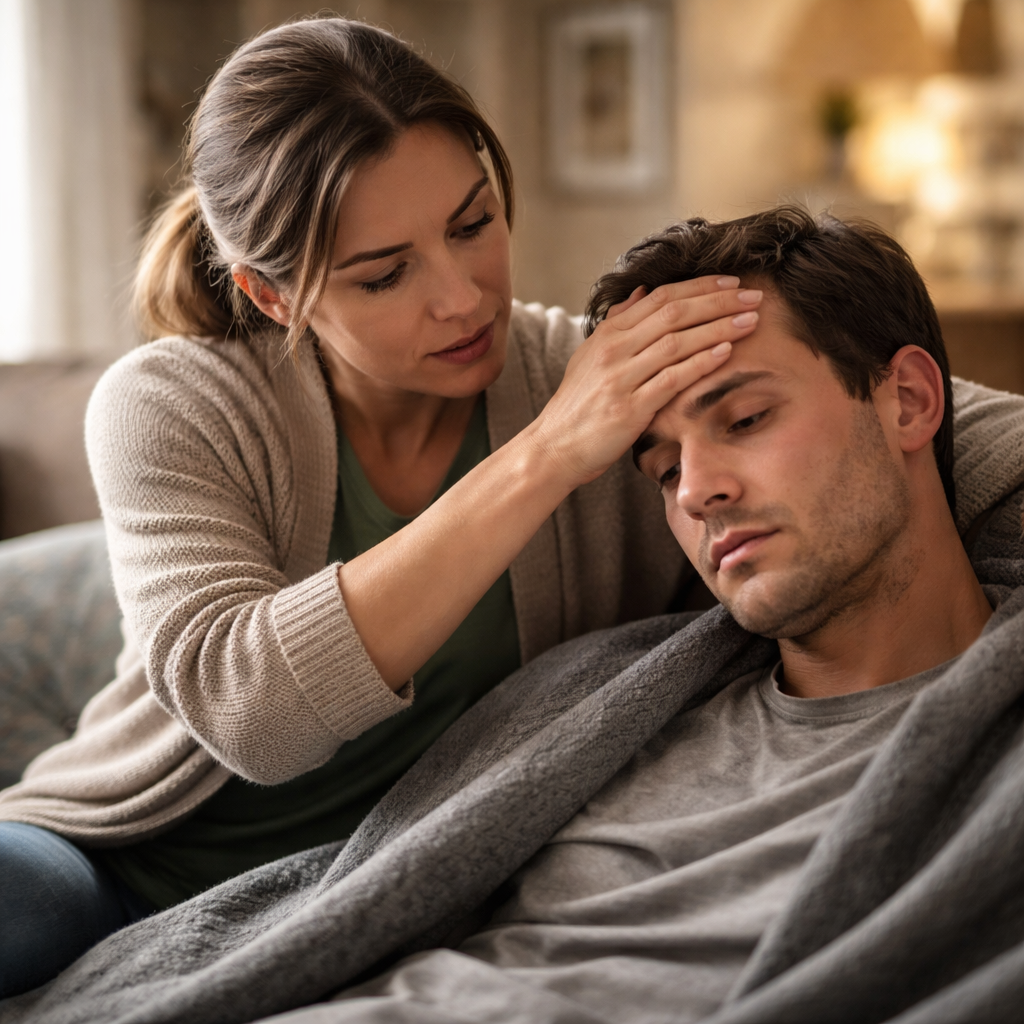
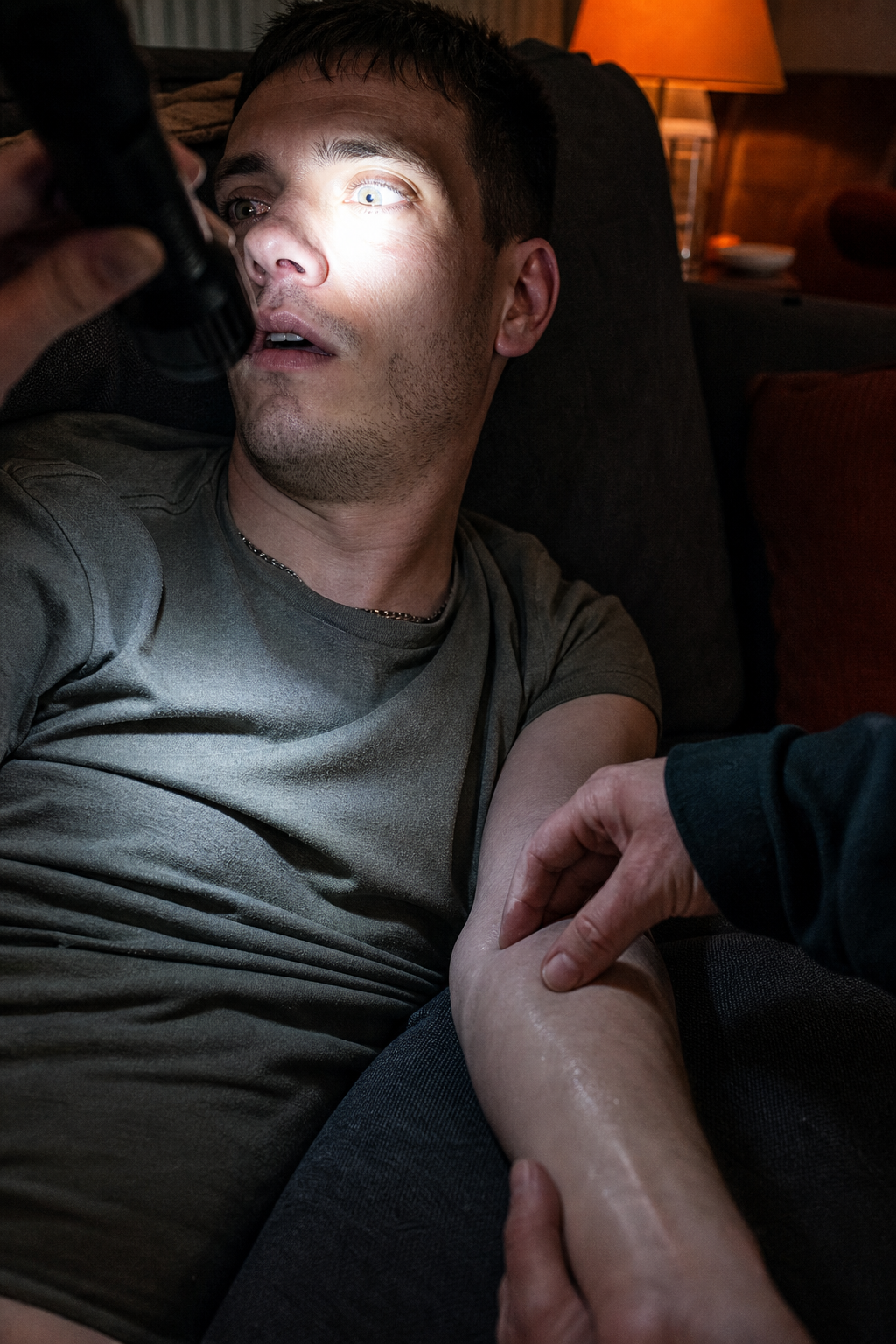
The first thing you must do is spot the warning signs. Opioids slow breathing and can make a person look like they’re just asleep. Look for these clues:
- Pinpoint pupils that look like tiny dots.
- Skin that feels cold, clammy, or turns bluish around the lips.
- Very shallow or irregular breathing , sometimes a soft gurgle.
- Unresponsiveness when you call their name or shake them gently.
When you see any of these, treat it as an overdose even if you’re not sure. The safest move is to act right away.
Why does this matter? Research shows that people who survive an overdose often did because someone treated the event as an emergency from the start. Harm Reduction’s overdose basics explains that a quick response can keep oxygen flowing and buy time for help.
Here’s a quick mental checklist you can keep in your pocket:
- Check pupils , are they pin‑point?
- Feel the skin , cold or gray?
- Listen for breathing , is it shallow?
- Try to rouse , no response?
Practice this checklist with your family during a calm moment. When the crisis hits, the steps become second nature.
And remember, you are not alone. Next Step Intervention offers a 24‑hour crisis line that can walk you through the signs in real time.
Bottom line: Recognizing the classic signs fast gives you the first critical edge in an overdose emergency.
Step 2: Call 911 Immediately
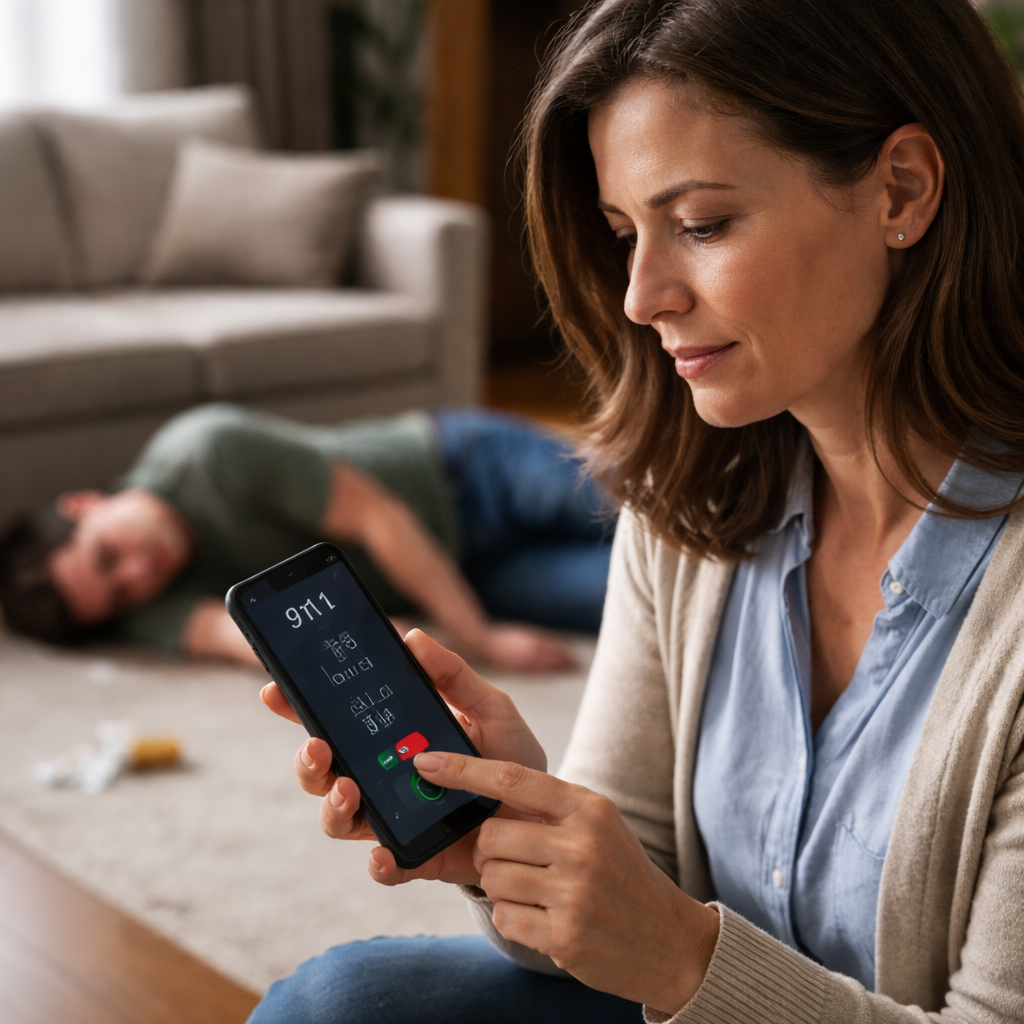
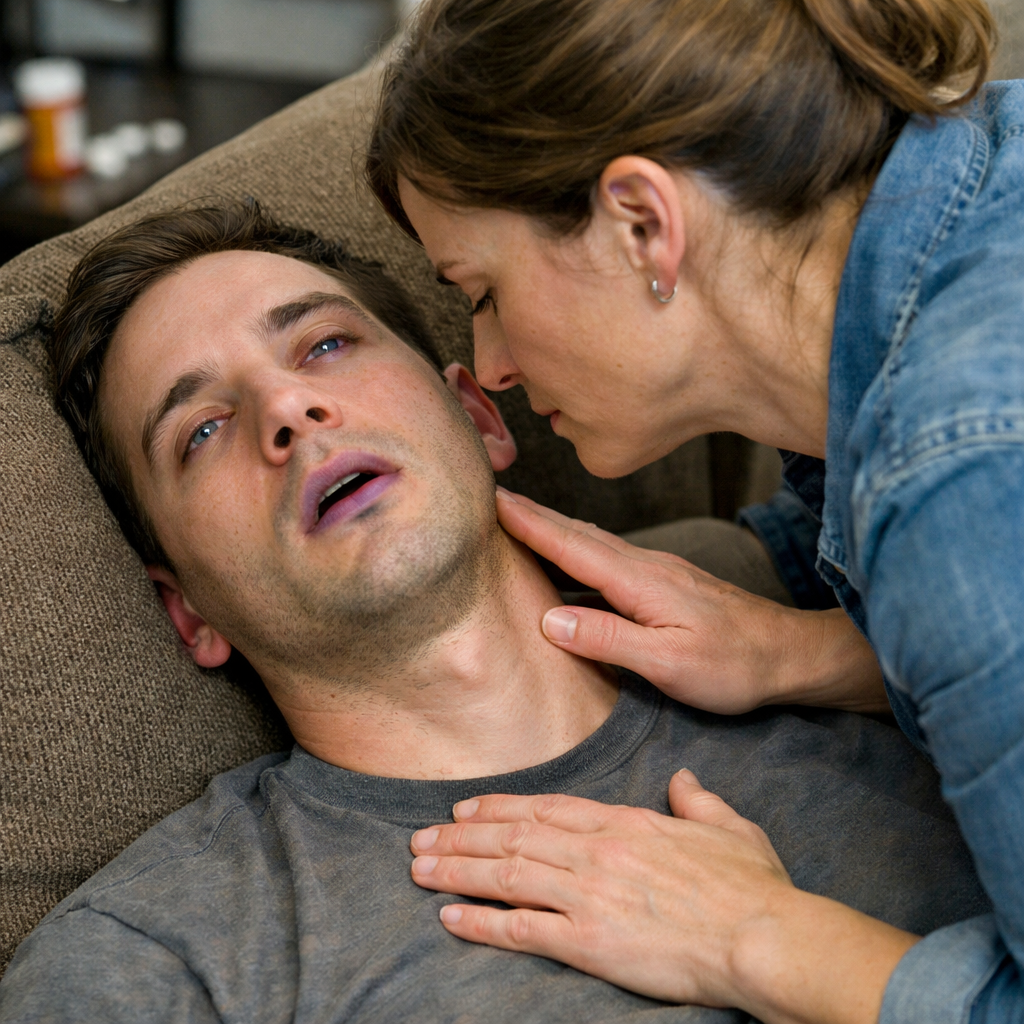
Once you know something’s wrong, dial 911. The dispatcher can guide you while help is on the way.
Tell them:
- Location , exact address, floor, unit number.
- What you see , no breathing, unresponsive, possible opioid use.
- If you have naloxone , how many doses you’ve given.
Stay on the line. The operator may ask you to do simple things like keep the person on their side or give you a pulse check.
And if you can’t call right away because you’re in another room, put the phone on speaker so you can keep your hands free.
Why is this step crucial? Harm Reduction’s response guide notes that professional EMS brings equipment, can give additional naloxone, and monitors for complications that you can’t see.
Here’s a sample script you can rehearse:
“I need an ambulance for a possible opioid overdose. Address is 123 Maple St, Apt 4B. The person is not breathing well and I have given one dose of naloxone.”
And after the call, keep an eye on the person’s breathing. If they stop breathing, give rescue breaths until EMT arrives.
Pro tip: Write the address and key questions on a sticky note so you can read it fast while dialing.
Bottom line: A fast 911 call connects you to trained help and sets the stage for life‑saving care.
Step 3: Administer Naloxone (Narcan)
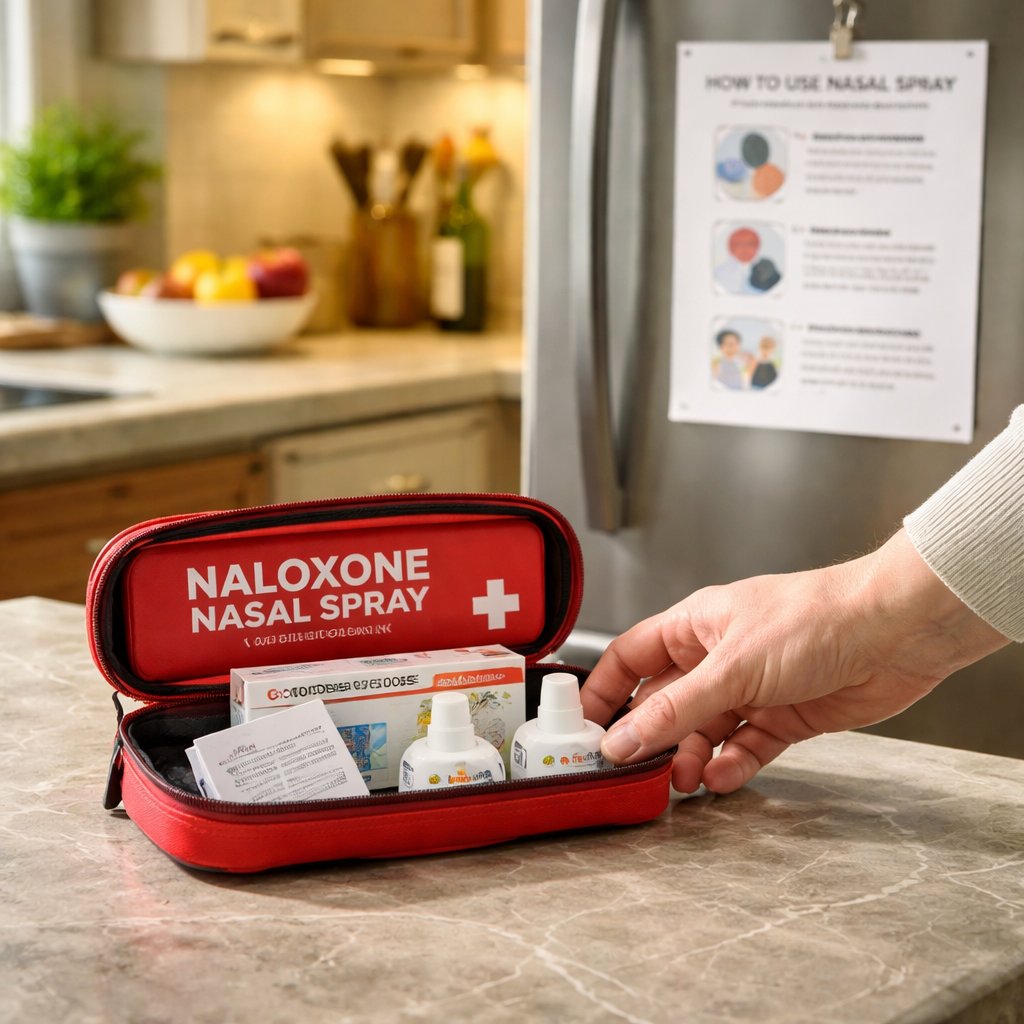
If the person shows opioid signs, give naloxone right away. Naloxone works by blocking the opioid receptors and can restore breathing in minutes.
Most kits come as a nasal spray or an auto‑injector. Here’s how to use each:
- Nasal spray: Remove the cap, place the nozzle in one nostril, and press firmly until you hear a click. Hold the person’s head upright for 30 seconds.
- Auto‑injector: Press the device against the outer thigh, hold for 5 seconds, then remove.
After the first dose, wait 2‑3 minutes. If breathing does not improve, give a second dose if you have another kit.
New York State health officials provide a clear one‑page checklist that you can print and tape to the fridge. The state guide walks you through the steps and reminds you to check the expiration date.
And keep these safety notes in mind:
- Wear gloves if you have them , it protects you from bodily fluids.
- Note the time you give each dose. Write it on a piece of paper for the EMTs.
- If the person wakes up and becomes agitated, stay calm and keep them seated.
And remember, naloxone only works on opioid overdoses. If you suspect other drugs, still call 911.
Bottom line: Giving naloxone quickly can reverse an opioid overdose and give EMS a chance to provide full care.
Step 4: Provide Rescue Breathing and Recovery Position
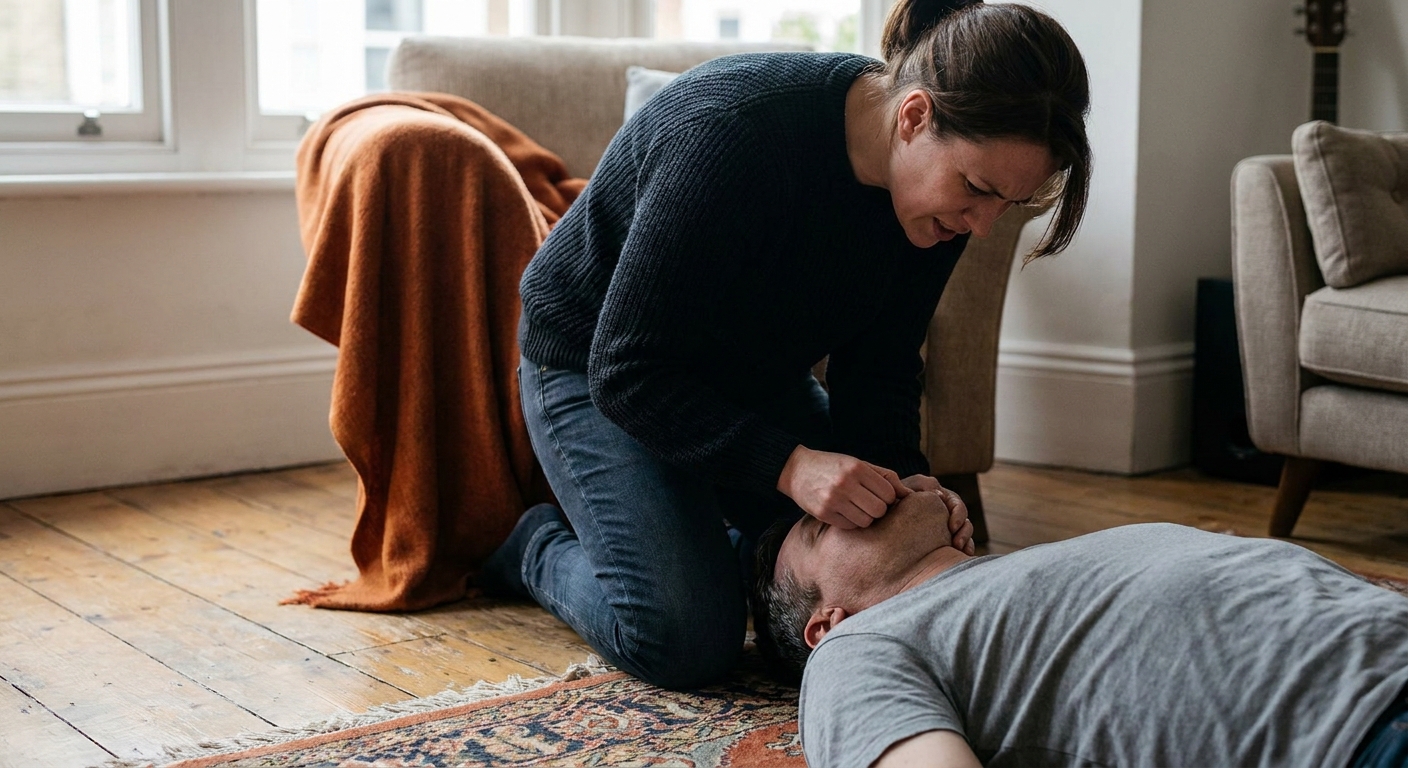
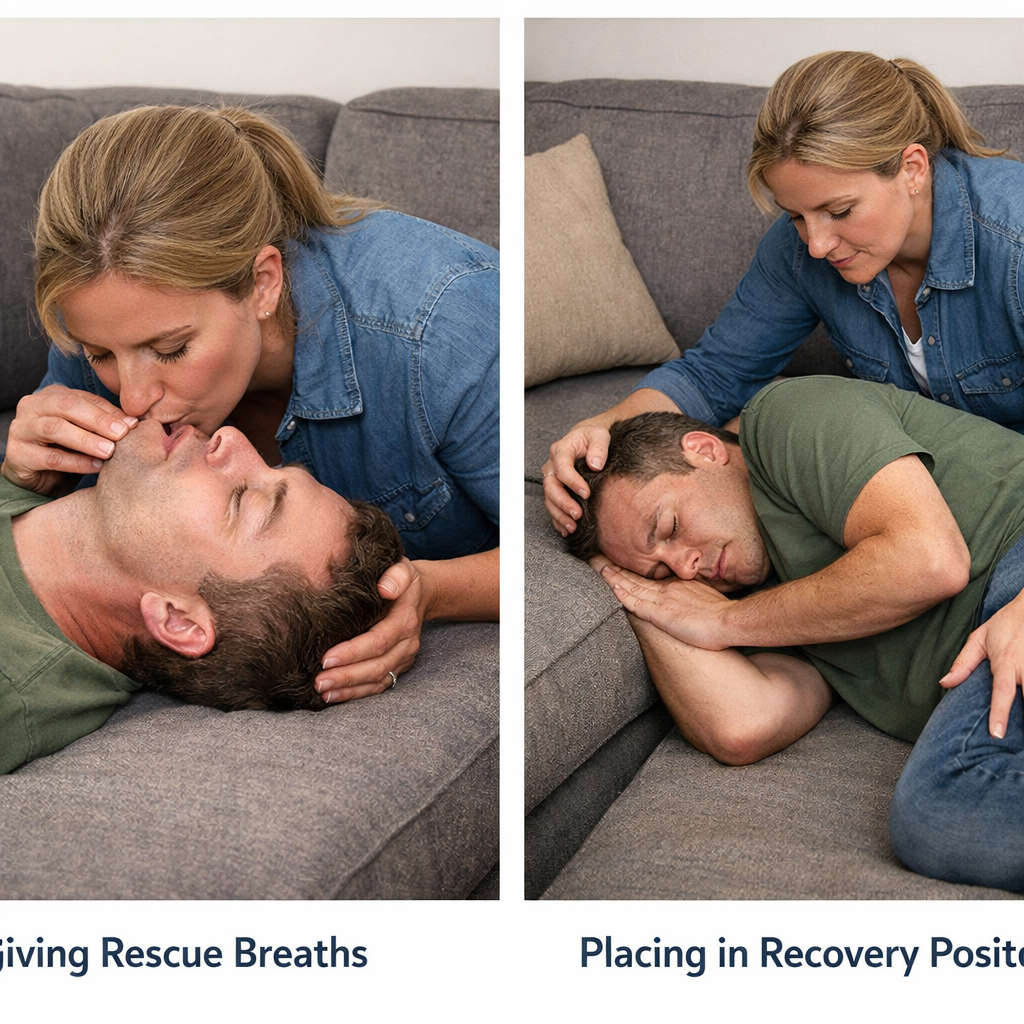
If the person isn’t breathing well, you need to give rescue breaths. Pinch the nose, cover the mouth with yours, and blow for about one second. Do this twice, then check for chest rise.
Keep doing two breaths every five seconds until the person starts breathing on their own or EMS arrives.
When the person begins to breathe again but is still unconscious, roll them onto their side. This is the recovery position. It keeps the airway open and lets any vomit drain out.
Here’s how to roll them safely:
- Place the arm nearest to you at a right angle to the body.
- Bring the far leg up, keeping the knee bent.
- Hold the shoulder and hip, then gently roll the person toward you.
- Tilt the head back slightly to keep the airway clear.
Make sure the top leg is bent so the person won’t roll over.
And after you’ve placed them, stay with them. Talk calmly, “You’re safe, help is on the way.” Your voice can keep them from slipping back into a deep sleep.
Bottom line: Rescue breathing plus the recovery position protect the airway while you wait for professional help.
Step 5: Stay with the Person Until Help Arrives
Do not leave the scene. Even if the person looks stable, stay until EMS says it’s safe.
While you wait, monitor breathing and pulse every minute. Keep the phone line open in case the dispatcher needs more info.
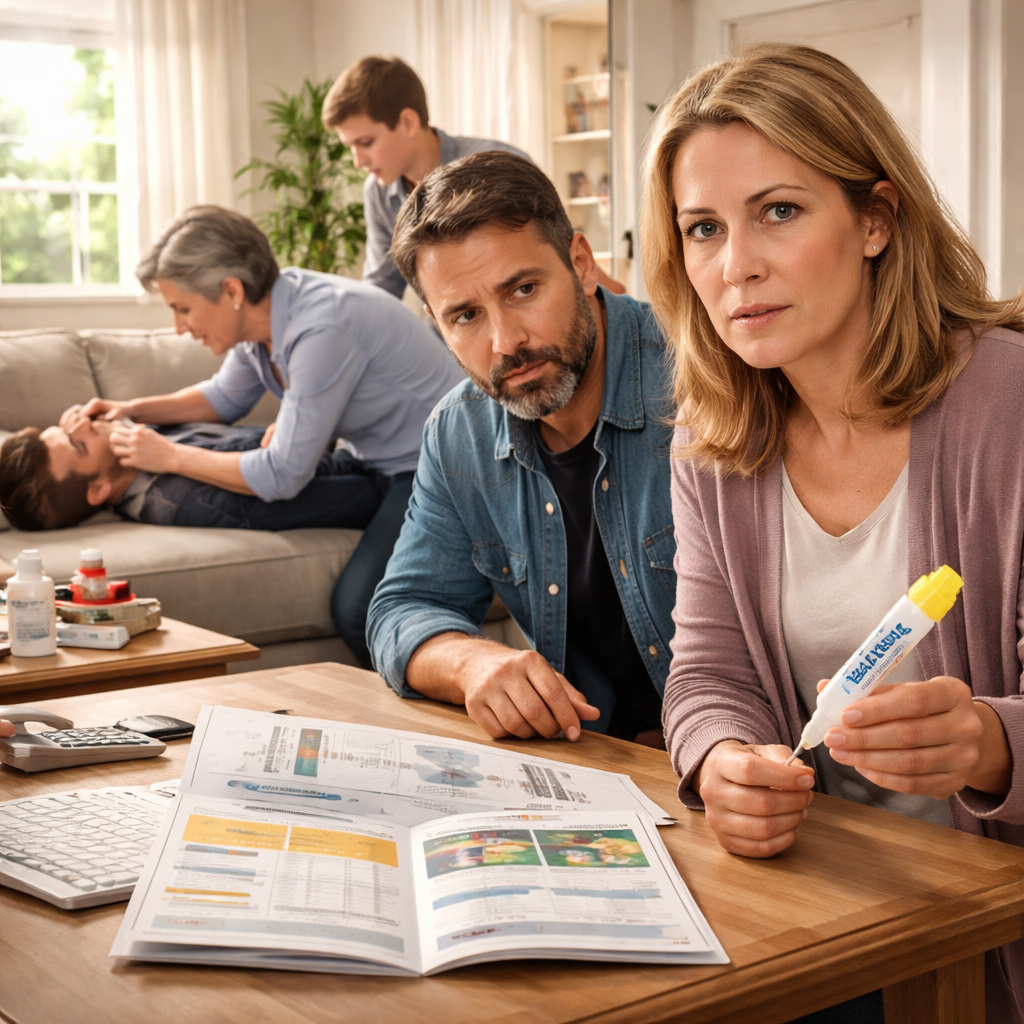
And if you have other family members nearby, assign them simple roles: one can hold a flashlight, another can keep the door unlocked for EMTs.
It’s easy to feel scared, but your calm presence reduces the person’s stress. A calm voice can lower heart rate and help the body recover.
Here’s a quick script you can repeat:
“You’re okay. I’ve called help. Keep breathing with me. I’m right here.”
Pro tip: If you notice the person’s color turning blue again, start another round of rescue breaths.
Bottom line: Staying present, monitoring, and communicating keeps the person stable until professionals take over.
Step 6: After the Overdose , Next Steps for Families
When the EMTs leave, the crisis is over but the recovery journey begins.
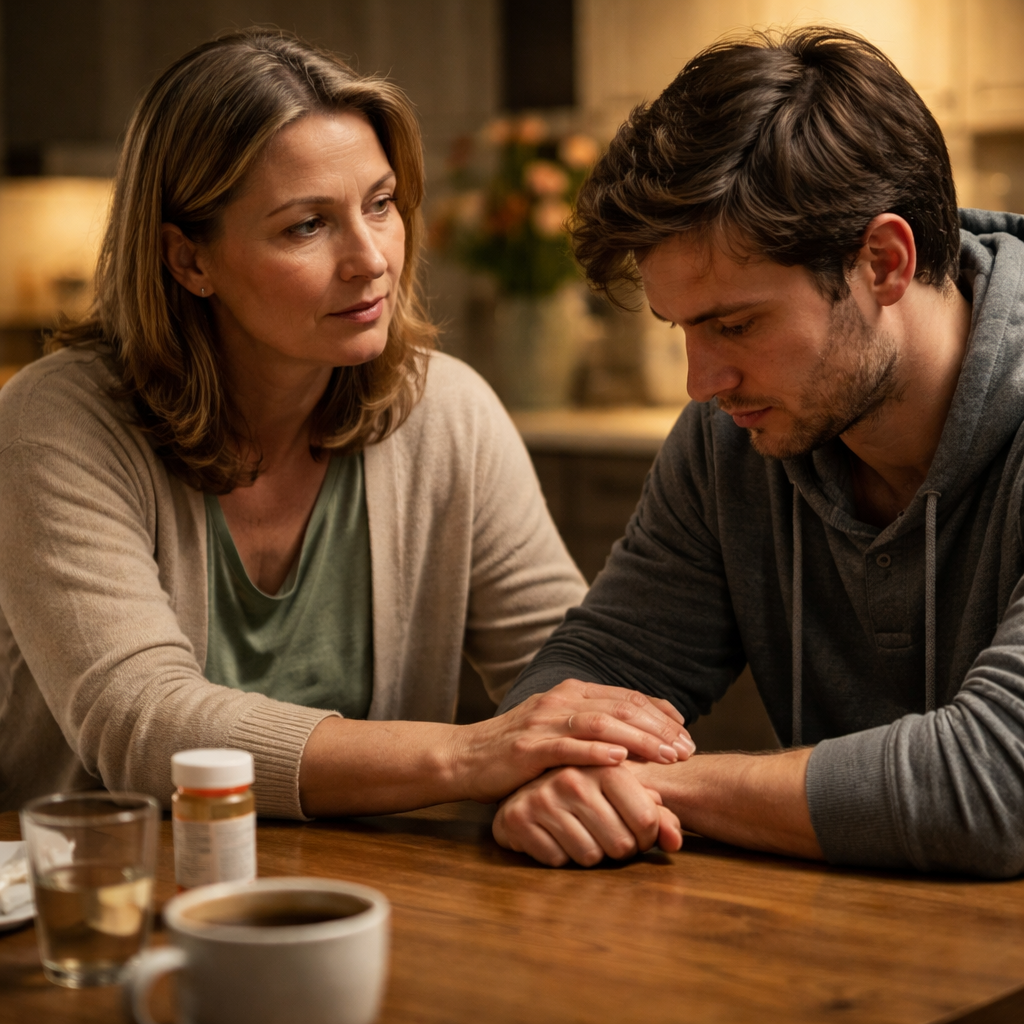
First, talk with the medical team. Ask for a written summary of what happened, what doses of naloxone were given, and any follow‑up care needed.
Second, schedule a follow‑up appointment with a primary care doctor or an addiction specialist within 24‑48 hours. Early medical review can catch complications like pneumonia.
Third, use the support that Next Step Intervention offers. Their 24/7 crisis line can help you plan the next steps, find a detox program, or set up family counseling. For detailed guidance, see their overdose help guide.
Fourth, create a family overdose response plan. Write down:
- Where your naloxone kits live.
- Who will call 911 if something happens.
- What local treatment centers are available.
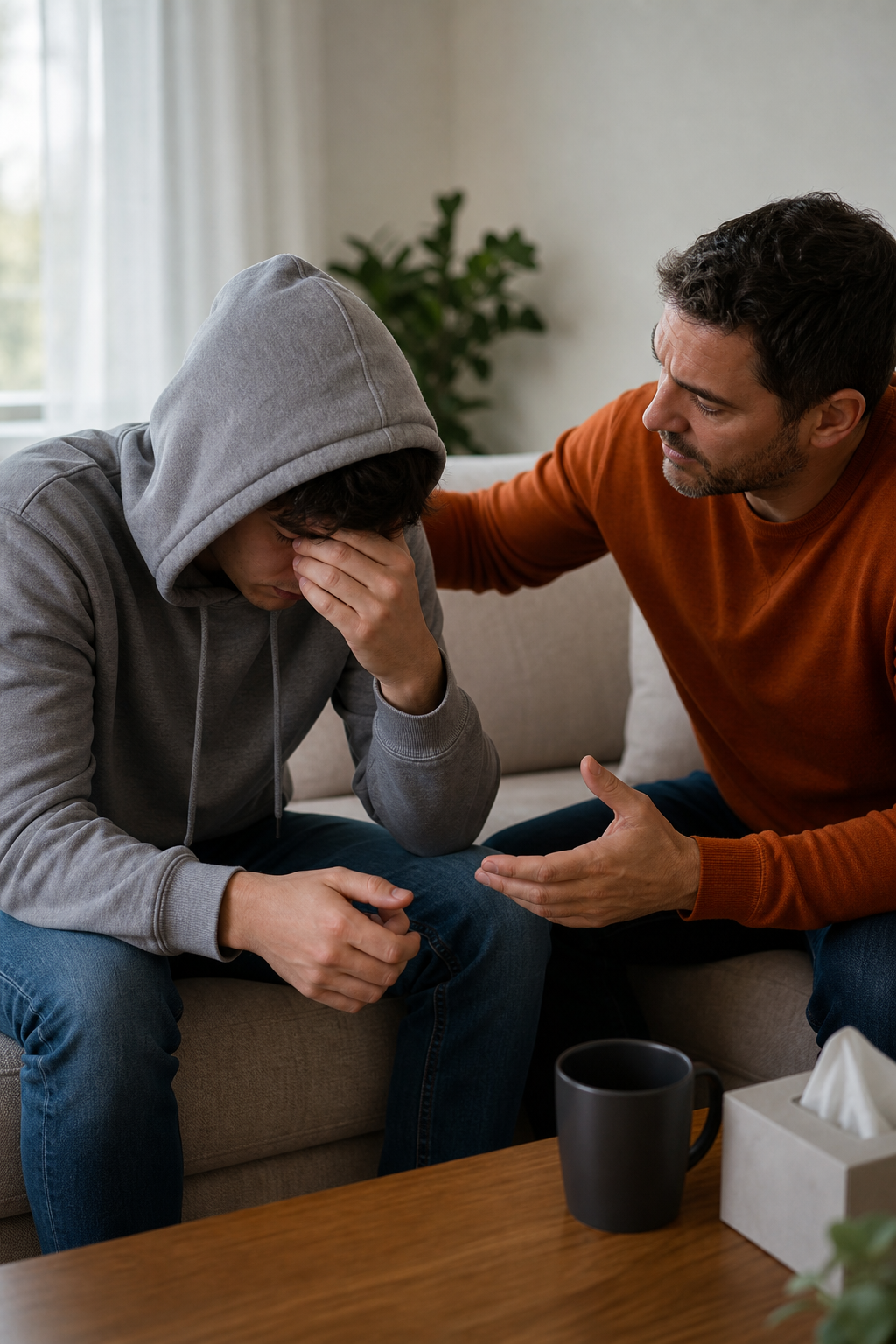
Post‑overdose, many families feel guilt or blame. A short debrief session with a therapist can help everyone process emotions and avoid resentment. Learn what an intervention specialist does in our guide to the substance abuse intervention specialist role.
And finally, consider joining a peer‑support group. Hearing other families’ stories reduces isolation and gives you practical ideas for staying sober.
Bottom line: After the emergency, a clear follow‑up plan, medical review, and ongoing support keep your loved one on a path to lasting recovery.
Frequently Asked Questions
What is the first thing I should check when I think someone is overdosing?
Look for pinpoint pupils, shallow breathing, and lack of response. If any of these are present, treat it as an overdose and move to step two. The family guide to opioid overdose emergency stresses acting fast, even if you are unsure.
How many doses of naloxone can I give?
You can give one dose, wait two to three minutes, and give a second dose if breathing does not improve. Most kits contain two doses. Keep track of the time you give each dose and tell the EMTs when they arrive.
Can I give naloxone to a child?
Yes, naloxone works for children too. The dose is the same for a child over 12 pounds. If the child is smaller, a medical professional will advise a lower dose, but in an emergency you should still give the standard dose and call 911.
What should I do if the person wakes up angry after naloxone?
Stay calm. Speak softly and remind them that help is on the way. Offer water, keep them seated, and avoid arguments. Their anger is often a withdrawal symptom, not a personal attack.
Do I need a prescription to have naloxone at home?
No. Many states allow over‑the‑counter purchase, and many community programs give it away for free. Check your local health department for free kits.
How can I prevent future overdoses?
Keep naloxone kits in reachable places, store prescription opioids in a lockbox, and create a family action plan. Regular check‑ins with a counselor or support group also lower risk. For a step‑by‑step approach, refer to our emergency drug intervention plan for families.
What if I can’t call 911 because of fear of police?
Most jurisdictions have Good Samaritan laws that protect people who call for medical help. You can ask the dispatcher if the police will be sent, but the priority is to get medical care.
Is it safe to drive after giving naloxone?
Only if the person is fully awake, alert, and breathing normally. Even then, a short observation period of 30‑60 minutes is wise before any travel.
Conclusion
Overdose emergencies are terrifying, but this family guide to opioid overdose emergency gives you a clear, step‑by‑step plan. From spotting the signs, calling 911, using naloxone, to staying with the person and planning after‑care, each step builds a safety net for your loved one.
If you ever feel unsure, remember that Next Step Intervention offers a 24‑hour crisis line at (949) 545‑3438. They can walk you through the steps in real time and connect you to treatment resources.
Take a moment today to locate your naloxone kit, write down the emergency phone numbers, and share this guide with every adult in the house. Being prepared can turn a frightening moment into a saved life.