
When a loved one’s drug use spirals, families feel stuck. You need a plan that moves fast and stays calm. This guide walks you through each step so you can act at home, keep everyone safe, and point the person toward treatment.
By the end you’ll know how to assess the situation, pull the right people together, pick a safe spot, script the talk, line up resources, and keep the momentum after the meeting.
Step 1: Assess the Situation and Identify the Need for Intervention
First, look at what’s really happening. Write down dates, places, and what you saw. Concrete facts keep the talk from turning into blame.
Ask yourself: Is there a risk of overdose or self‑harm right now? If yes, you need an emergency plan before anything else.
Talk to a doctor or a trusted counselor for a quick health check. Their input helps you decide if the person needs immediate medical help.
Next, gather any records you have, ER notes, police reports, or a calendar screenshot that shows missed work. Having the paperwork ready makes it easier to explain the problem without getting emotional.
When you list the facts, look for patterns. Do the incidents happen after a certain trigger, like a stressful job meeting or a weekend party? Spotting triggers lets you talk about solutions later.
Here’s a quick way to organize the data:
- Date , what happened.
- Location , where it happened.
- Impact , who felt the effect (you, kids, other family).
- Response , what you tried (call, text, doctor visit).
Use a notebook, a spreadsheet, or even a simple piece of paper. The key is to keep it tidy so each team member can read it aloud.
After you have the facts, decide on the primary goal. Is it getting into a detox center within 48 hours? Or is it scheduling an intake call by the end of the week? Clear goals give the conversation direction.
Learn how Next Step Intervention builds an emergency plan that matches this step.
Bottom line:Gather facts, spot risks, and set one concrete goal before you move forward.
Step 2: Gather Supportive Family Members and Trusted Friends
Now you need a small team that can stay calm. Pick three to five people who truly care and who won’t get angry if the conversation gets tense.
Ask each person to write down one short example they’ve seen. When everyone brings a fact, the group looks united and the person you’re helping sees that it’s not just one angry voice.
It’s okay to include a friend, a clergy member, or a therapist. The only rule is that they must be willing to stick to the script you’ll create later.
Set a brief rehearsal meeting. Run through each line, pause for a breath, and note any language that feels judgmental. Practice helps the team sound natural and not rehearsed.
During the rehearsal, assign clear roles:
- Lead speaker , opens with an “I feel” statement.
- Fact giver , shares a concrete observation.
- Logistics helper , holds the resource sheet and phone numbers.
- Support anchor , stays nearby in case the person needs a break.
Make sure each role is written on a sticky note and placed on a shared agenda. Seeing the roles helps the team remember who says what.
When you’re ready, give the team a short one‑page handout that lists the meeting time, location, and each person’s role. Handouts keep everyone focused and prevent last‑minute confusion.

After the rehearsal, remind the team to stay on message and avoid blaming language. The goal is to show love and concern, not to point fingers.
Effective drug and alcohol intervention strategies show why a calm team matters.
Bottom line:Build a small, rehearsed team that can stick to facts and stay supportive.
Step 3: Choose a Private, Safe Setting for the Intervention
The setting matters a lot. Pick a room where everyone can sit face‑to‑face without distractions.
A living‑room with soft lighting works for most families. If the person is likely to feel defensive, a neutral space like a community meeting room can help keep emotions lower.
Make sure the room has only one exit, so the person can’t walk out and disappear. At the same time, keep a door unlocked in case anyone needs to step out for a break.
Turn off TVs, silence phones, and remove any items that could trigger a fight. A calm environment lets the team stay on topic.
According to the Substance Abuse and Mental Health Services Administration (SAMHSA), a private setting reduces shame and increases the chance the person will listen.
Another helpful source is the Wikipedia entry on psychological interventions, which explains why a neutral space helps keep the focus on support rather than accusation.
Before the meeting, walk the room with a flashlight to spot any hidden hazards, sharp objects, open bottles, or anything that could be used in a crisis.
When you set the scene, let the person know the meeting will last 45‑60 minutes. A clear time limit keeps the talk from dragging and reduces fatigue.
Bottom line:Choose a calm, private space and clear any distractions before you start.
Step 4: Structure the Conversation , Script, Timing, and Delivery
Having a script stops the talk from wandering. Keep it short: an opening, three facts, the impact, and two options.
Here’s a simple layout you can copy:
Practice the script with your team. Each person should speak in a calm tone, pause after each line, and keep eye contact.
Time the whole talk. Aim for 45 minutes max. If emotions rise, use a pre‑agreed signal, like raising a hand, to take a short break.
After the script, hand the person a one‑page sheet that lists the two options, contact numbers, and a simple checklist for the next steps.
Remember to stay on message. If the person tries to argue, gently bring the focus back: “I hear you. Let’s look at the facts we wrote down.”
Designing an effective intervention program gives a deeper look at script building.
Bottom line:Use a short, fact‑based script and rehearse it with the team.
Step 5: Prepare Resources and Treatment Options Ahead of Time
Before the meeting, collect a list of local treatment centers, therapists, and support groups. Include phone numbers, address, insurance info, and a brief note on what each offers.
Print the list on a single sheet. If the person has limited internet access, a printed sheet is much more helpful.
Call each center ahead of time. Verify that they have space, that they accept the person’s insurance, and that they can start within a week. Jot down the contact name you spoke with, personal names add credibility.
If you can, get a brochure from the center. Many centers have PDFs you can download and print.
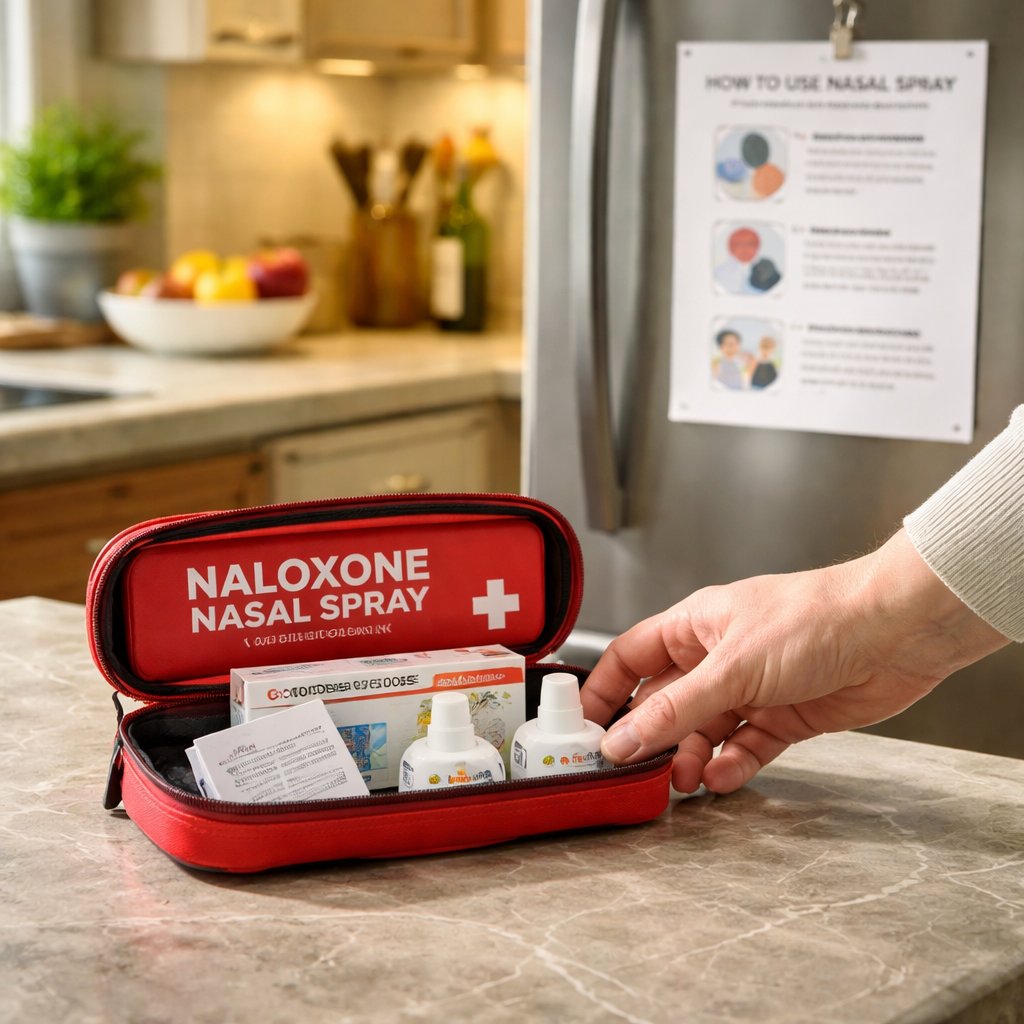
Also, gather a list of crisis numbers: the 988 Suicide & Crisis Lifeline, the nearest emergency department, and a local naloxone kit location. Keep this list on the fridge for quick reference.
When you hand the sheet to the person, point out the first step: “Call Sunrise Recovery at 555‑123‑4567 to schedule an intake tomorrow.” This concrete ask reduces hesitation.
Next, think about transportation. Arrange a ride‑share voucher, a family member’s car, or a public‑transport route. Removing the logistics barrier often tips the scales toward acceptance.
Effective intervention strategies stress the power of a prepared resource kit.
Bottom line:Gather clear treatment options, contact info, and logistics before the intervention.
Step 6: Follow‑Up After the Intervention , Monitoring and Ongoing Support
After the meeting, the work isn’t done. The first 48‑hour window is critical. Call the person to confirm the next step they agreed to.
If they booked an intake, send a brief text: “We’re here for you. Your intake is tomorrow at 10 a.m. Let us know if you need a ride.” A quick check‑in shows you’re still on their side.
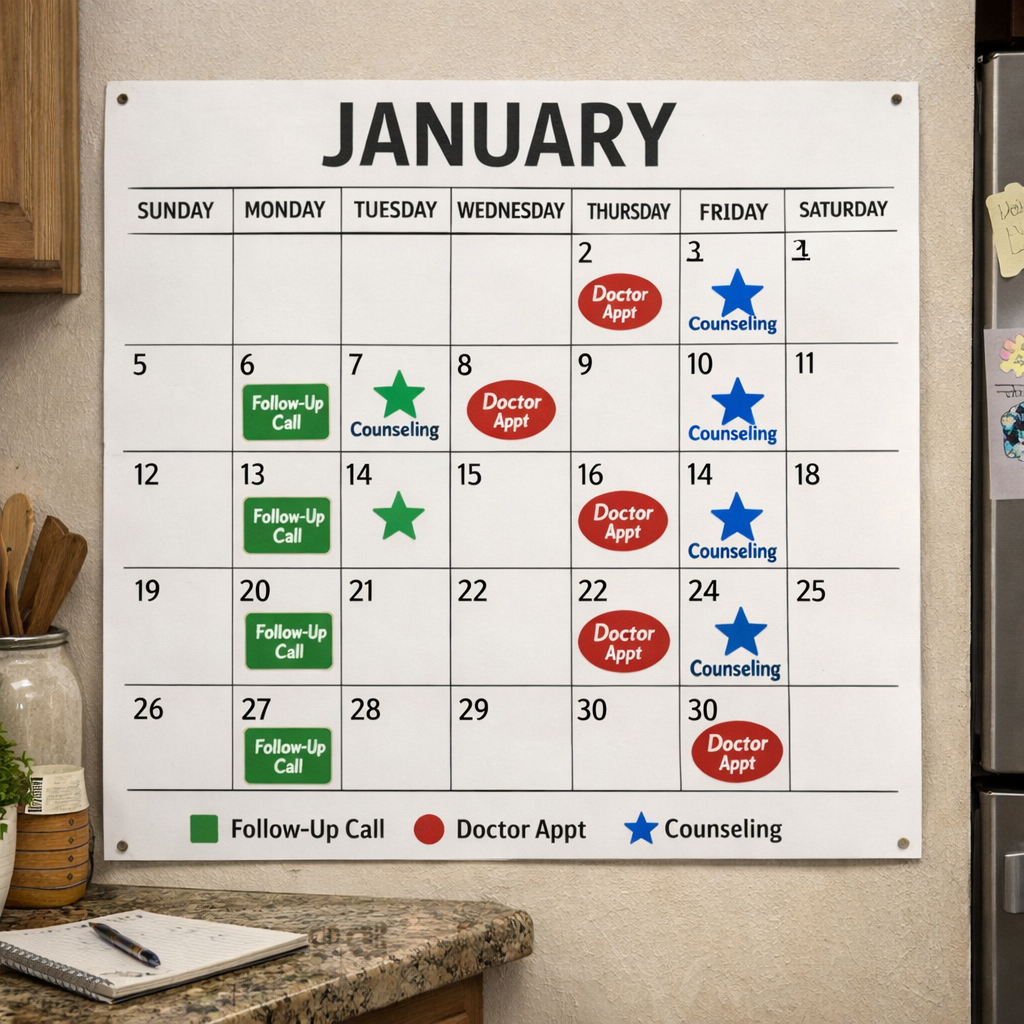
Set up a simple tracking sheet. Columns can be: Date, Action Taken, Who Followed Up, Outcome. Update it after each call or visit.
Schedule three check‑ins:
- 48‑hour call , confirm the first appointment.
- One‑week call , ask how the first day went, offer a ride if needed.
- One‑month call , review progress, adjust support, celebrate wins.
Use a shared Google Sheet or a paper log that stays on the fridge. Visual progress helps the whole family see improvement.
The CDC’s drug overdose monitoring guide recommends tracking daily mood, cravings, and any relapse signs. This data helps you spot trouble early.
Also, keep an eye on mental health. If the person shows signs of depression or anxiety, connect them with a therapist right away. The NIH’s substance‑use resources list free counseling hotlines you can share.
How to do a drug intervention outlines why follow‑up matters for lasting change.
Bottom line:Follow up quickly, track progress, and keep offering support.
FAQ
What if the person refuses to come to treatment?
If they say no, stay calm and restate the two options you offered. Remind them of the consequences you mentioned, such as tighter house rules. Offer a softer step, like visiting the treatment center together or attending a support‑group meeting first. Keep the door open and schedule another check‑in in a few days. Persistence combined with compassion often leads to a later agreement.
How many people should be in the intervention team?
Three to five is ideal. Too many voices can feel overwhelming, while too few may not cover all perspectives. Choose people who care, can stay calm, and have a clear role. Include at least one person who can handle logistics, like calling the treatment center, and one who can provide emotional support after the meeting.
Can I do an intervention over video if we can’t meet in person?
Yes, a video call can work if you follow the same steps: prepare a fact sheet, assign roles, and choose a quiet room with good lighting. Make sure each participant has a stable internet connection and that the person you’re helping can sheet ahead of time and follow up with the same phone calls you would after an in‑person meeting.
What if I’m worried about safety during the meeting?
Safety comes first. If there’s any sign of aggression or self‑harm, have a plan to pause the meeting and call emergency services. Choose a room with an easy exit and keep a phone charged and within reach. A trusted friend or neighbor can stand by the door as a silent safety net.
How do I handle my own emotions during the intervention?
Practice deep‑breathing before the meeting. Keep your statements short and fact‑based. If you feel tears coming, pause, take a breath, and continue. Remember you’re speaking for the family’s love, not for anger. After the meeting, talk to a counselor or a support group to process your feelings.
What if the person relapses after starting treatment?
Relapse is common and doesn’t mean failure. Keep the resource sheet handy and schedule an immediate follow‑up call with the treatment center. Offer additional support, such as a sponsor or an extra counseling session. Review the original facts and adjust the plan if needed, focusing on what helped most in the first weeks.
Conclusion
Creating a drug intervention plan at home takes time, honesty, and a clear structure. You start by gathering facts, pull a calm team, pick a safe room, script the talk, line up treatment options, and then follow up with quick check‑ins. When you act fast and stay organized, you give your loved one a real chance to get help.
If you need a professional hand, Next Step Intervention offers same‑day emergency response and free step‑by‑step resources. Call (949) 545‑3438 now to start the plan that fits your family’s needs.
Bottom line:A well‑planned, compassionate home intervention can move a loved one from crisis to care, and consistent follow‑up keeps the change alive.