blockquote{border-left:4px solid #3b82f6;margin:1.5em 0;padding:1em 1.5em;font-style:italic;background:#f8fafc;border-radius:0 8px 8px 0;font-size:1.1em;color:#1e293b}
.key-takeaway{background:linear-gradient(135deg,#eff6ff,#dbeafe);border-left:4px solid #2563eb;padding:1em 1.5em;margin:1.5em 0;border-radius:0 8px 8px 0}
.key-takeaway strong{color:#1e40af}
.stat-highlight{text-align:center;padding:1.5em;margin:1.5em 0;background:#f0fdf4;border-radius:12px;border:1px solid #bbf7d0}
.stat-highlight .stat-number{display:block;font-size:2.5em;font-weight:800;color:#16a34a;line-height:1.2}
.stat-highlight .stat-label{display:block;font-size:.95em;color:#374151;margin-top:.3em}
.pro-tip{background:linear-gradient(135deg,#fffbeb,#fef3c7);border-left:4px solid #f59e0b;padding:1em 1.5em;margin:1.5em 0;border-radius:0 8px 8px 0}
.pro-tip strong{color:#92400e}
Every family worries about a sudden overdose. One missed sign can cost a life. You need a plan that’s clear, quick, and ready to use.
In this guide you’ll learn how to assess risk, gather supplies, write an action sheet, train everyone, and keep the plan fresh. You’ll walk away with a ready‑to‑print checklist and real steps you can start today.
Here’s the research that backs this guide.
| Name | Family Training Program | Price Range | Unique Strength | Source |
|---|---|---|---|---|
| Drug and Alcohol Interventions (Our Pick) | — | — | — | nextstepintervention.com |
| Free naloxone kits distribution | — | Free | Over 1,800,000 free naloxone kits have been distributed | myflfamilies.com |
| South Carolina DPH Free Opioid Overdose Kit | — | free | Includes naloxone nasal spray, fentanyl and xylazine test strips, easy-to-read instructions (Spanish available) | dph.sc.gov |
| Overdose Recognition and Response Training | Overdose Recognition and Response Training | Free | Provides both training and free naloxone kits | myflfamilies.com |
| Live virtual training | Live virtual training | Free | Live virtual training with certificate of completion | myflfamilies.com |
| Live in-person trainings | Live in-person training | Free | Connection to local enrolled distributor for in‑person training | myflfamilies.com |
| Narcan Training Sessions | Narcan training sessions | — | — | youtube.com |
| NARCAN (pharmacy distribution) | — | — | Same‑day, no‑prescription access at pharmacies | youtube.com |
| 9-1-1 emergency response | — | — | Nearly all first responders now carry naloxone | youtube.com |
| First Aid for Opioid Overdoses Online Course | — | — | interactive 45‑minute online course | redcross.org |
Method: we searched for family‑focused overdose‑prevention services in April 2026. We pulled ten pages, five web sites and three YouTube videos. We logged crisis hotlines, medical liaison contacts, training formats, price, and strengths. The table shows what we found.
Step 1: Assess Risks and Gather Essential Supplies
First, look around the house. Write down every prescription bottle, every over‑the‑counter pain pill, every leftover heroin bag. Note the name, dose, and where it lives.
Ask each adult in the home how they feel. Do they notice mood swings? Sleep changes? Needle marks? Jot those clues down too. This helps you spot who’s most at risk.
Why does this matter? When a crisis hits, you won’t have to guess. You’ll have a clear list of what could be used and who might need help.
Next, gather the supplies you’ll need when minutes count.
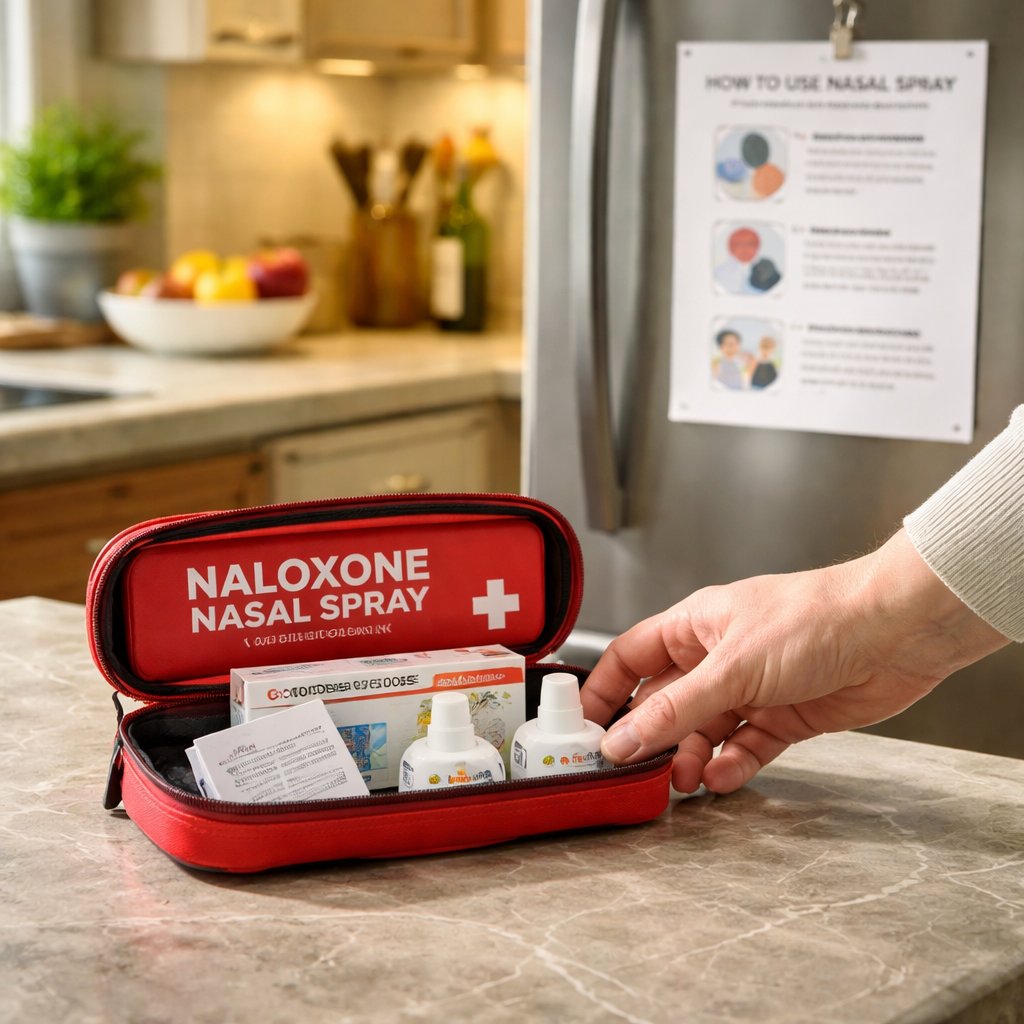
- Naloxone nasal spray or auto‑injector , keep two copies, one at home and one in the car.
- Gloves , to protect your hands.
- Rescue breathing mask , optional but useful.
- Phone with emergency numbers pre‑saved.
Pro tip: Store naloxone in a lockbox that only the designated guard can open, but keep the key on a keychain you carry.
“When seconds count, a plan saves lives.”
Our pick, Drug and Alcohol Interventions, helps families set up this exact inventory and supplies kit. They’ll walk you through the list and lockbox set‑up.
Bottom line: Knowing what’s in the house and having the right tools ready cuts the response time in half.
Step 2: Create a Family Emergency Action Sheet
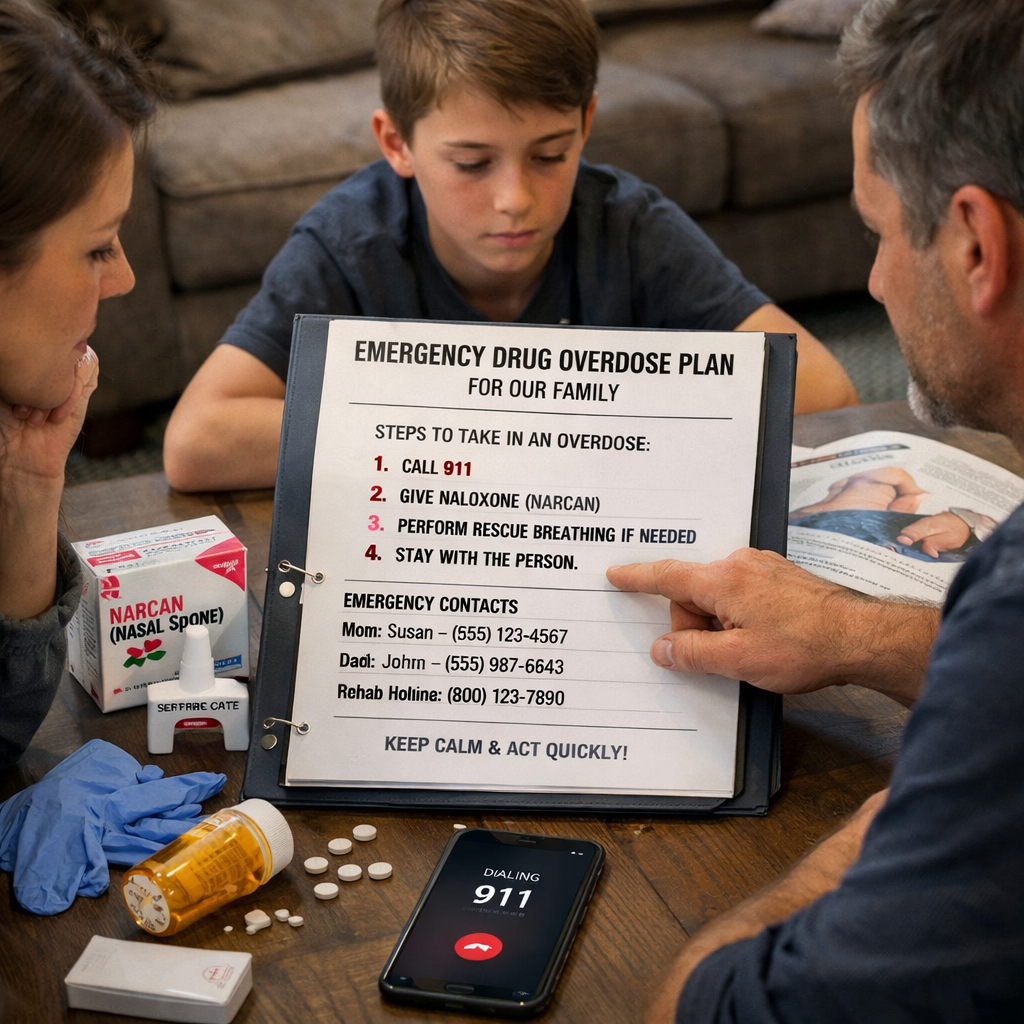
Now you need a single sheet that lives on the fridge. It should tell anyone who walks in what to do.
Start with a contact list. Include name, phone, role, and any special notes. Put your doctor, your local urgent‑care, the 988 Suicide & Crisis Lifeline, and the nearest pharmacy that stocks naloxone.
Next, add a line for “Naloxone location.” Write exactly where it’s kept , e.g., “kitchen drawer, top left.” Note the expiration date.
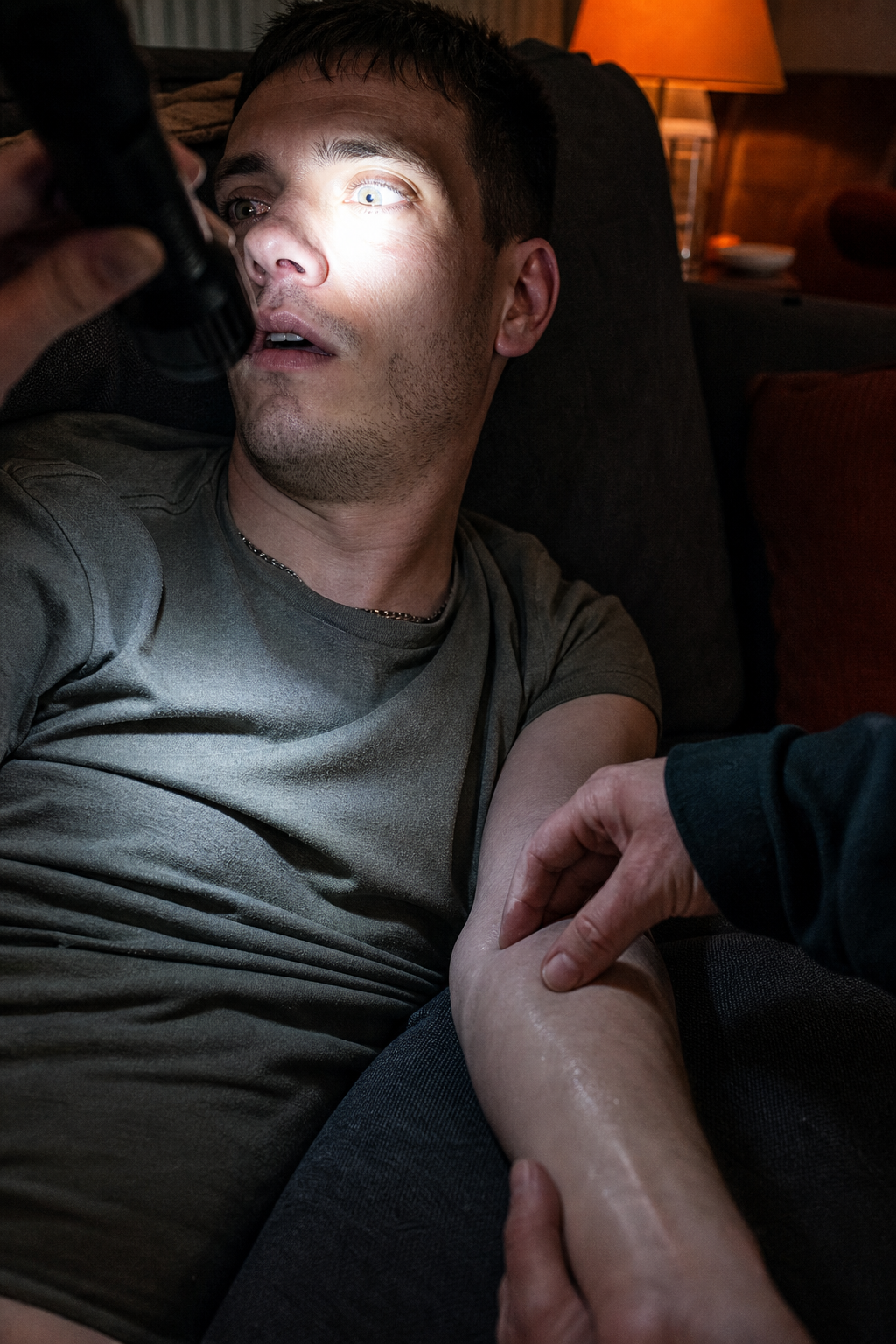
Then, list the overdose signs in plain language. Use short phrases like “pale skin,” “slow breathing,” “can’t wake up.”
Finally, write the step‑by‑step response:
- Call 988.
- Give naloxone.
- Check breathing every 2 minutes.
- Call 911 if no improvement.
- Stay with the person until help arrives.
Here’s a quick template you can copy:
Name | Phone | Role | Notes
--- | --- | --- | ---
Mom | 555‑123‑4567 | Medication guard | Keeps lockbox
Dad | 555‑987‑6543 | Emergency caller | Calls 988
Dr. Lee | 555‑555‑1111 | Doctor | Updates Rx
Naloxone | Kitchen drawer | , | Expires 04/2028
Make the sheet bright , use a colored marker so it stands out. Tape it to the fridge at eye level.
Our pick, Drug and Alcohol Interventions, provides a printable action‑sheet template and helps families customize it for their needs.
Bottom line: When a crisis hits, the action sheet tells everyone exactly who to call and what to do.
Step 3: Train Everyone on Immediate Response Techniques
Even the best sheet is useless if no one knows how to use naloxone. Set aside a short training session for the whole family.
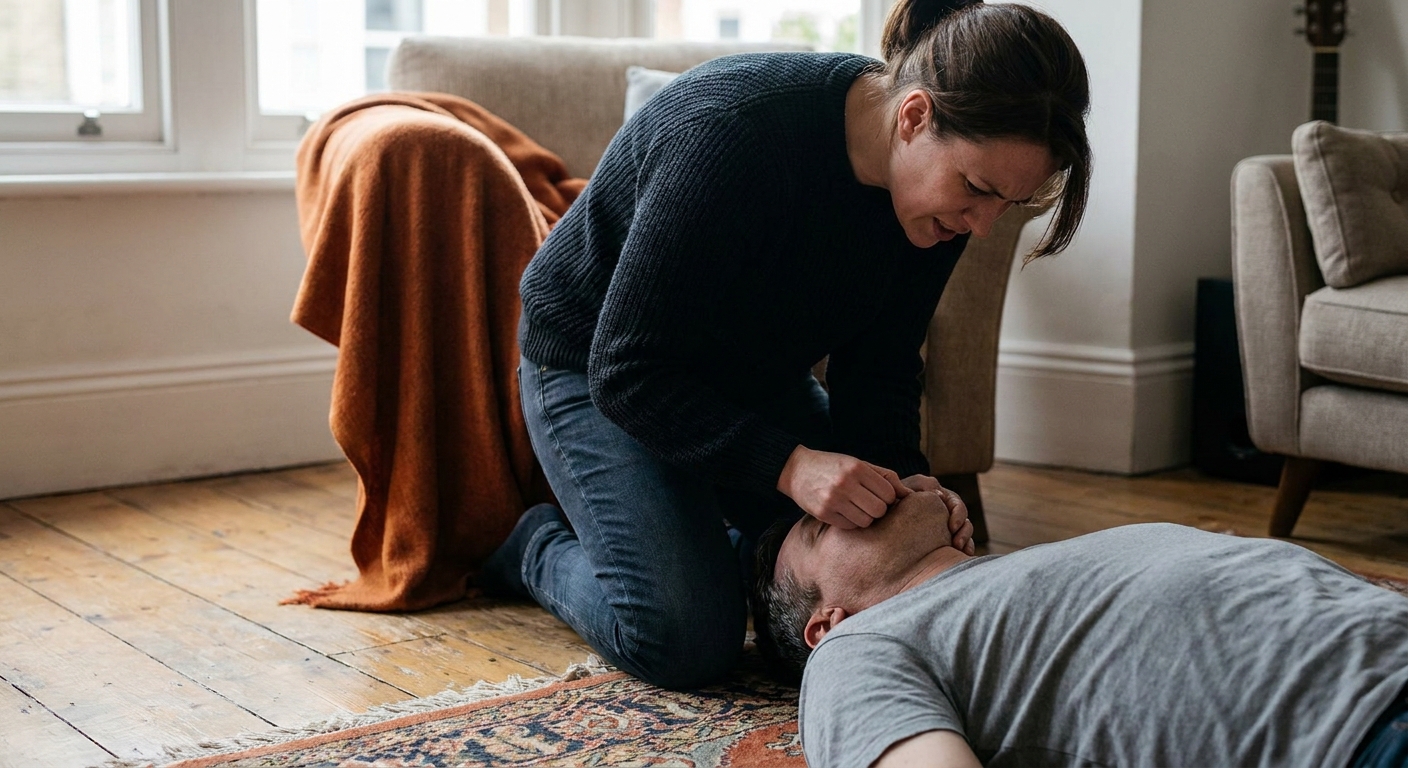
Pick a quiet evening. Gather the kit, gloves, and a phone. Show each person how to open the nasal spray, how to hold it under the nose, and how to give a second dose if needed.
Run a role‑play. One person pretends to be the overdose victim, another calls 988, a third gives naloxone. Switch roles so everyone practices.
Keep the language simple. Say, “If you see shallow breathing, give naloxone, then call 988.” Repeat the phrase three times.
Here’s a short video that walks you through the steps:
After the video, hand out a one‑page cheat sheet that lists the three key actions.
Our pick, Drug and Alcohol Interventions, offers free virtual training sessions that cover these exact steps.
“Practice makes perfect, especially when lives are on the line.”
Bottom line: When every family member can act fast, the chance of a fatal overdose drops dramatically.
Step 4: Practice Drills and Keep the Plan Updated
Just like fire drills, you need to rehearse the overdose plan at least once a month.
Pick a night that works for everyone. Run through the sheet, the call, the naloxone steps, and the post‑call debrief. No one has to act on a real person , you’re just talking out loud.
After each drill, ask three quick questions:
- Did anyone get confused about their role?
- Is any contact info out of date?
- Do we need a new naloxone kit or lockbox?
Write the answers on a sticky note and tape it to the action sheet.
Update the sheet whenever a medication changes, a new phone number is added, or a kit expires.
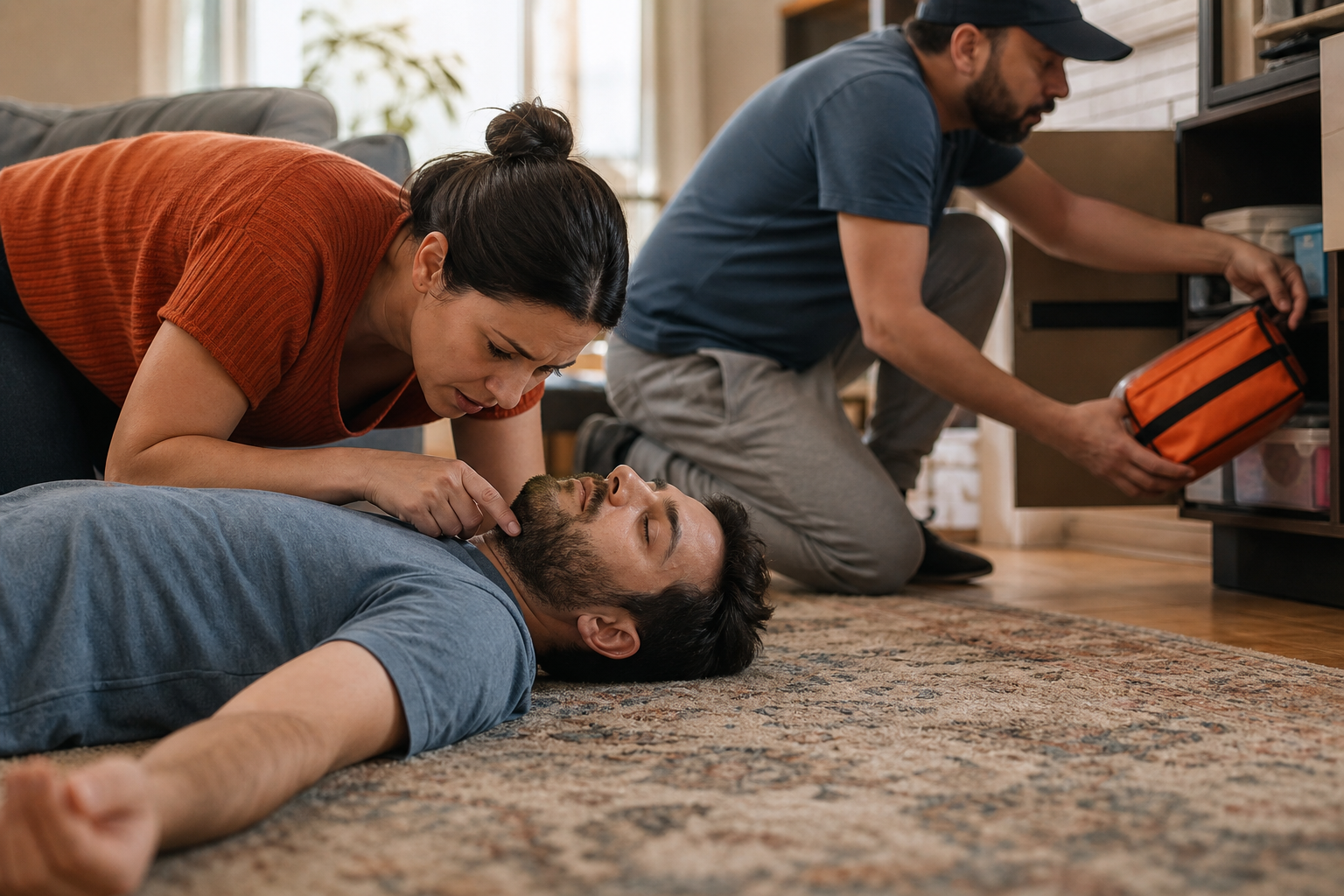
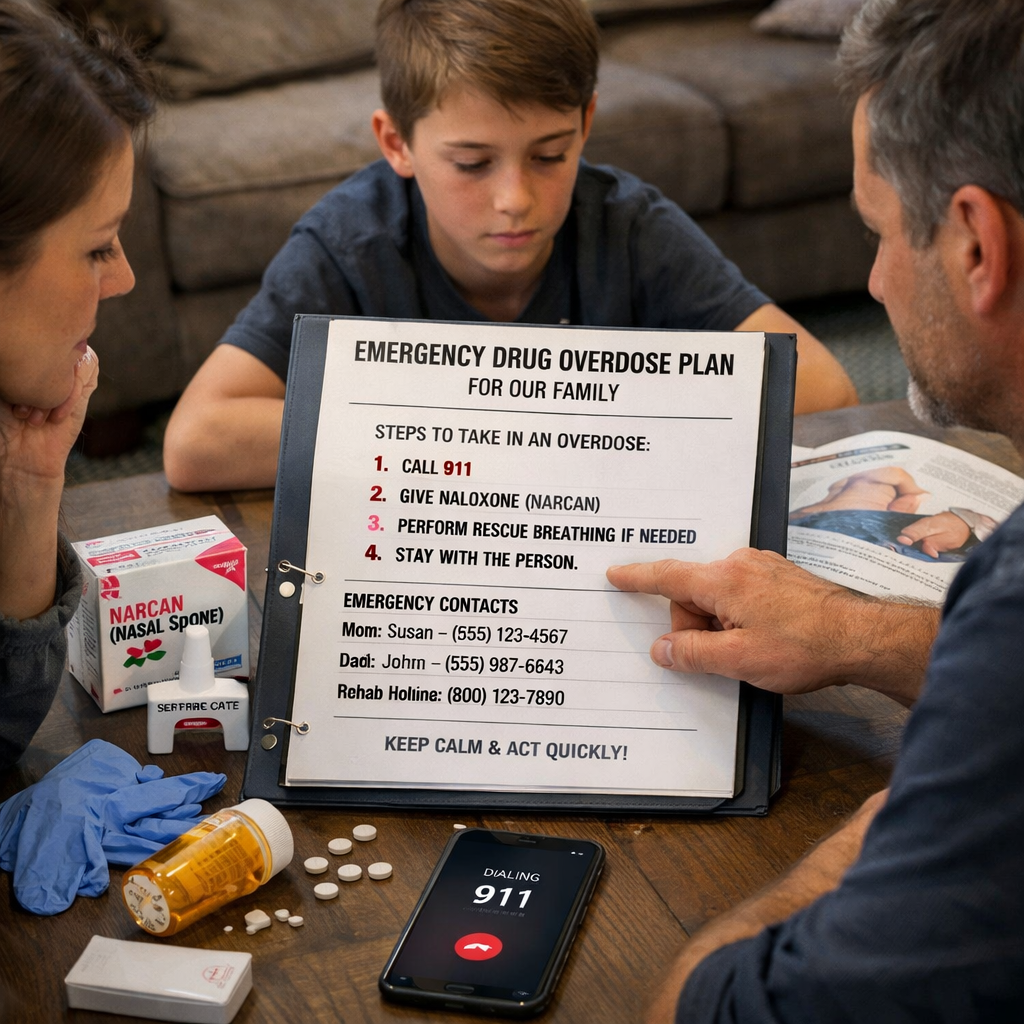
Here’s an image prompt for an AI generator that could illustrate a family doing a drill (placeholder only).
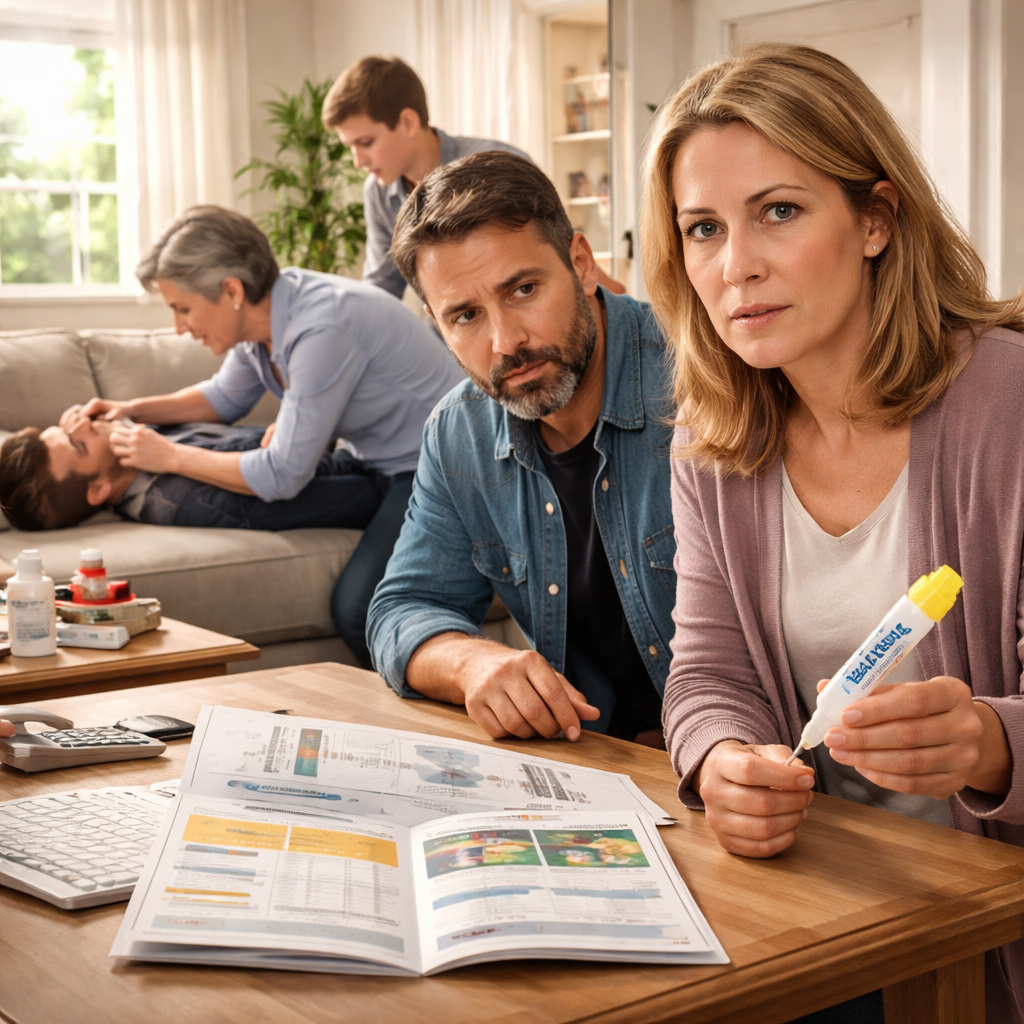
And another visual for the toolkit download mentioned by Fraser Health (placeholder).
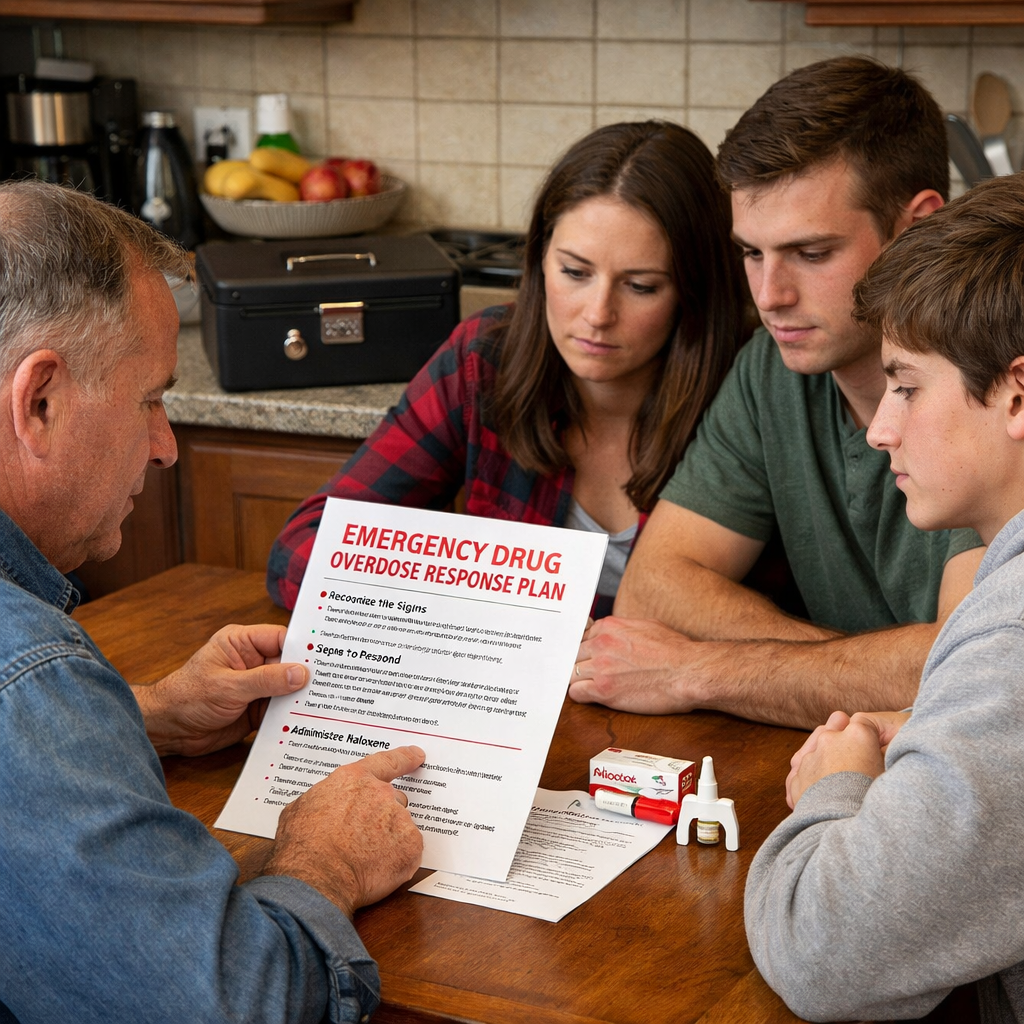
Fraser Health runs a free toolkit you can download. It includes printable checklists and a short video on how to run a drill.
External link: Fraser Health Overdose Drill Toolkit
Our pick, Drug and Alcohol Interventions, can help you schedule a quarterly review call to make sure the plan stays fresh.
Bottom line: A plan that’s practiced and updated is a plan that works when you need it most.
Conclusion
Building an emergency drug overdose plan for families takes time, but each step adds a layer of safety. Start with a risk inventory, gather supplies, write a clear action sheet, train every member, and rehearse the plan each month. Keep the sheet on the fridge, check the kit dates, and call 988 if you see any signs of overdose.
When you act fast, you give your loved one a chance to live and heal. If you need help tailoring the plan to your unique situation, Next Step Intervention offers a free consultation. Call (949) 545‑3438 today and let a professional walk you through the details.
FAQ
What is the first thing I should do if I think someone is overdosing?
Call 988 right away. While you wait, check breathing. If breathing is shallow or stopped, give naloxone from your kit. Stay with the person, keep them on their side, and be ready to repeat the dose after two minutes if there’s no change. Even if they seem better, still call emergency services so a professional can check them.
How often should I review my emergency drug overdose plan for families?
Look at the plan at least once a month. Update phone numbers, replace expired naloxone, and add any new medications. After a drill, note any confusion and fix it right away. A quarterly deep‑check helps catch bigger gaps.
Do I need a medical professional to teach me how to use naloxone?
No, the kit comes with simple instructions. Many community programs, including the ones listed in the research table, offer free short trainings. You can also watch the video in this guide and practice with a friend.
Can I store naloxone at a friend’s house?
Yes, but make sure the friend knows the location and how to use it. Write the address on the action sheet and keep a duplicate sheet at their home too. This gives you backup if you’re away.
What should I do if the person refuses naloxone?
Stay calm. Tell them you care and that you’re acting to keep them safe. Give the dose anyway if you can; the medication is safe and won’t hurt them. Call 988 and let the dispatcher know the situation. Professional help can intervene if needed.
How can I involve kids in the emergency drug overdose plan?
Use simple language. Show them where the kit is (out of reach) and who to call if they hear a grown‑up in trouble. Practice the call script with a pretend phone. Keep their role limited to calling 988 or finding an adult.