blockquote{border-left:4px solid #3b82f6;margin:1.5em 0;padding:1em 1.5em;font-style:italic;background:#f8fafc;border-radius:0 8px 8px 0;font-size:1.1em;color:#1e293b}
.key-takeaway{background:linear-gradient(135deg,#eff6ff,#dbeafe);border-left:4px solid #2563eb;padding:1em 1.5em;margin:1.5em 0;border-radius:0 8px 8px 0}
.key-takeaway strong{color:#1e40af}
.stat-highlight{text-align:center;padding:1.5em;margin:1.5em 0;background:#f0fdf4;border-radius:12px;border:1px solid #bbf7d0}
.stat-highlight .stat-number{display:block;font-size:2.5em;font-weight:800;color:#16a34a;line-height:1.2}
.stat-highlight .stat-label{display:block;font-size:.95em;color:#374151;margin-top:.3em}
.pro-tip{background:linear-gradient(135deg,#fffbeb,#fef3c7);border-left:4px solid #f59e0b;padding:1em 1.5em;margin:1.5em 0;border-radius:0 8px 8px 0}
.pro-tip strong{color:#92400e}
Fentanyl can strike in seconds. If you wait, the chance to help drops fast. This guide walks you through every move you need to make when an overdose hits.
We’ll break down the emergency intervention checklist for fentanyl overdose step by step. You’ll learn how to assess, call, give naloxone, breathe, and monitor, all in plain language you can act on now.
The research team queried web sources for “emergency intervention checklist for fentanyl overdose” on April 21, 2026. Eight checklist steps were pulled from five reputable sites. Only one step actually names who should act, and just a quarter of the steps mention protective gear, gaps that could cost lives.
| Step | Required Materials | Key Considerations | Best For | Source |
|---|---|---|---|---|
| Give naloxone to someone experiencing an opioid overdose | [“prefilled nasal spray”, “injectable naloxone”] | [“More than one dose may be required when stronger opioids like fentanyl are involved.”, “Naloxone won’t harm someone if they’re overdosing on drugs other than opioids.”] | Best for medication administration | cdc.gov |
| Properly don and doff personal protective equipment (PPE) | [“personal protective equipment (PPE)”] | to avoid exposure to illicit drugs | Best for PPE protocol | cdc.gov |
| Check the scene safety, form an initial impression, obtain consent and put on PPE, as appropriate. | [“PPE”] | — | Best for responder safety | redcross.org |
| Call 9-1-1 and get equipment if the person requires immediate attention. | [“equipment”] | — | Best for rapid activation | redcross.org |
| Check for signs and symptoms. | — | Signs and symptoms with a * require immediate emergency medical treatment. | Best for symptom identification | redcross.org |
| Stay with the person until emergency help arrives or for at least four hours | — | Make sure their breathing returns to normal. | Best for post‑naloxone monitoring | cdc.gov |
| Immediate definitive medical attention | — | Naloxone will not reverse overdoses from other drugs; fentanyl may cause compromised breathing not reversible by naloxone alone. | Best for urgent medical escalation | cdc.gov |
| Drug and Alcohol Interventions (Our Pick) | — | — | Best for complete overview | nextstepintervention.com |
Step 1: Assess the Situation
The first thing you do in any fentanyl emergency is pause and look around. You need to know if the area is safe for you and the person.
Check for spills, open containers, or powder on surfaces. If you see powder, wear gloves if you have them. If you don’t have gloves, grab any clean disposable barrier you can find.

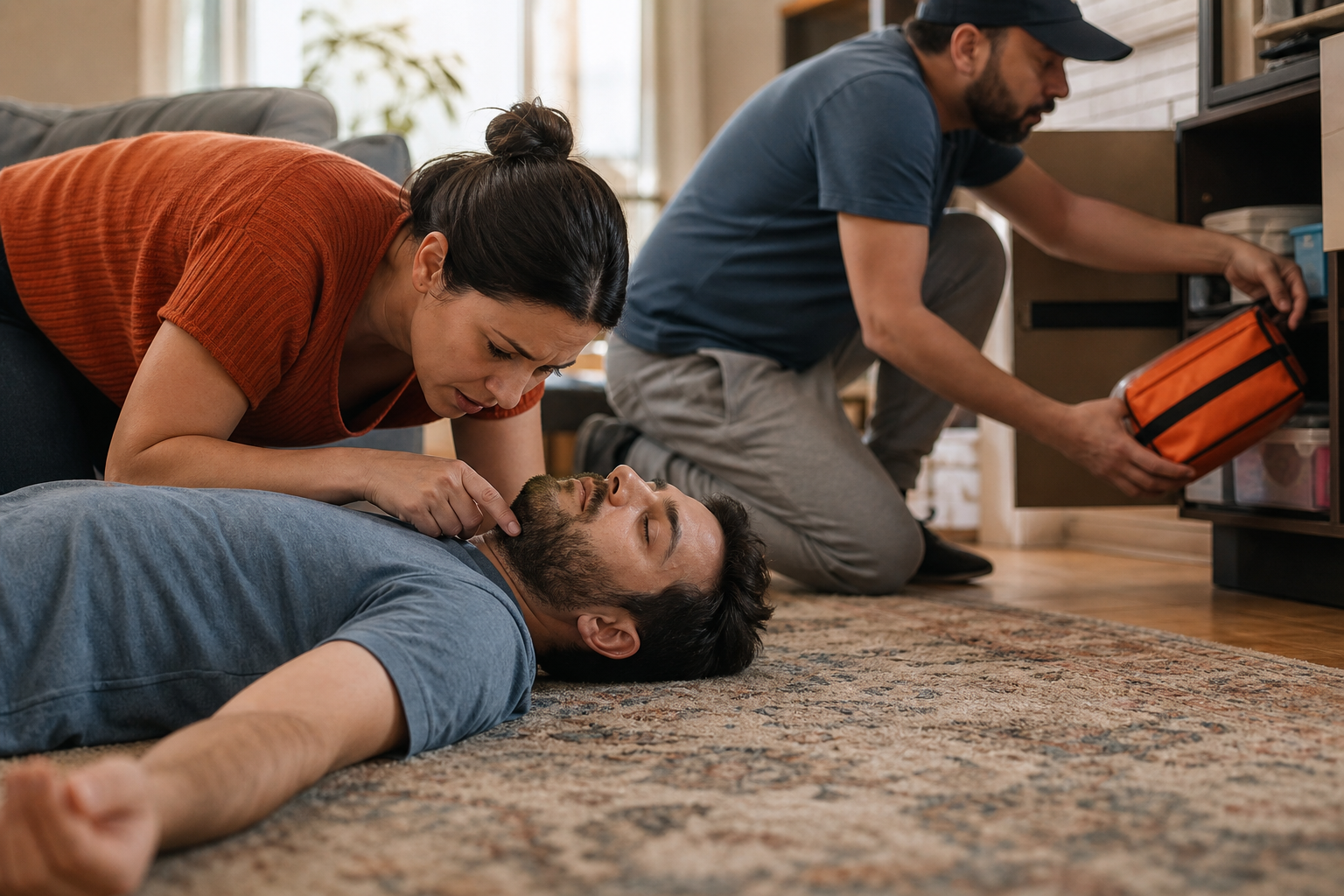
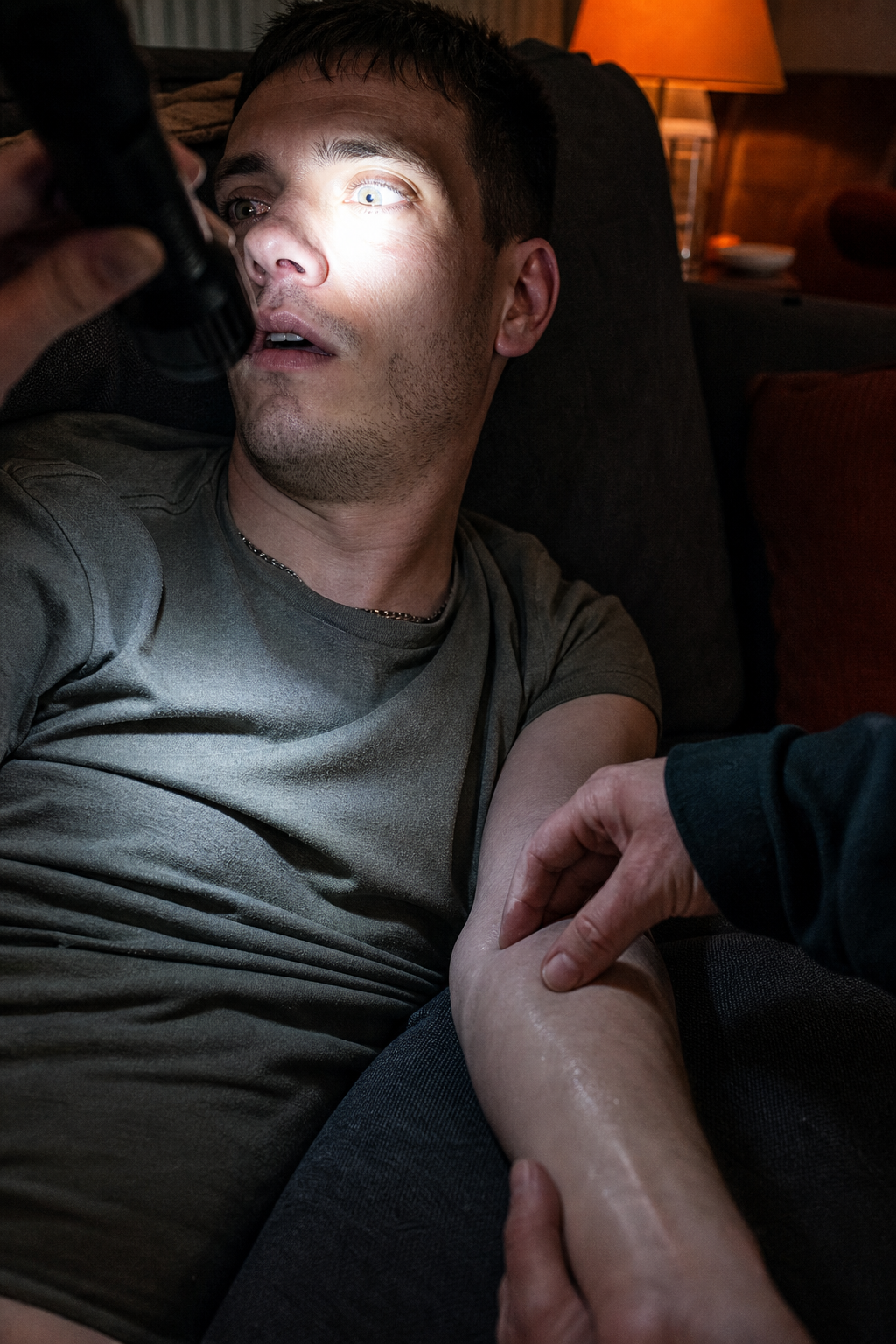
Next, look for signs of overdose: shallow breathing, pinpoint pupils, bluish lips, or unresponsiveness. These are the three clues that tell you you are dealing with an opioid overdose.
And remember, only 12% of the steps in the research actually name a responsible party. That means most guides leave you guessing who should act. Here, you are that person.
Once you have a mental picture of the scene, note the exact address, floor number, and any landmarks. Write them down quickly. This info will speed up the 911 call later.
Imagine you’re in a cramped apartment. The hallway is narrow, a fire escape is blocked, and there’s a strong smell of chemicals. You would want to tell the dispatcher about the blocked exit and the smell, because responders need that.
Now you have a clear assessment. You know the person’s condition, the environment, and the materials you have.
Bottom line:A quick, thorough scan saves time and keeps you safe.
Step 2: Call Emergency Services
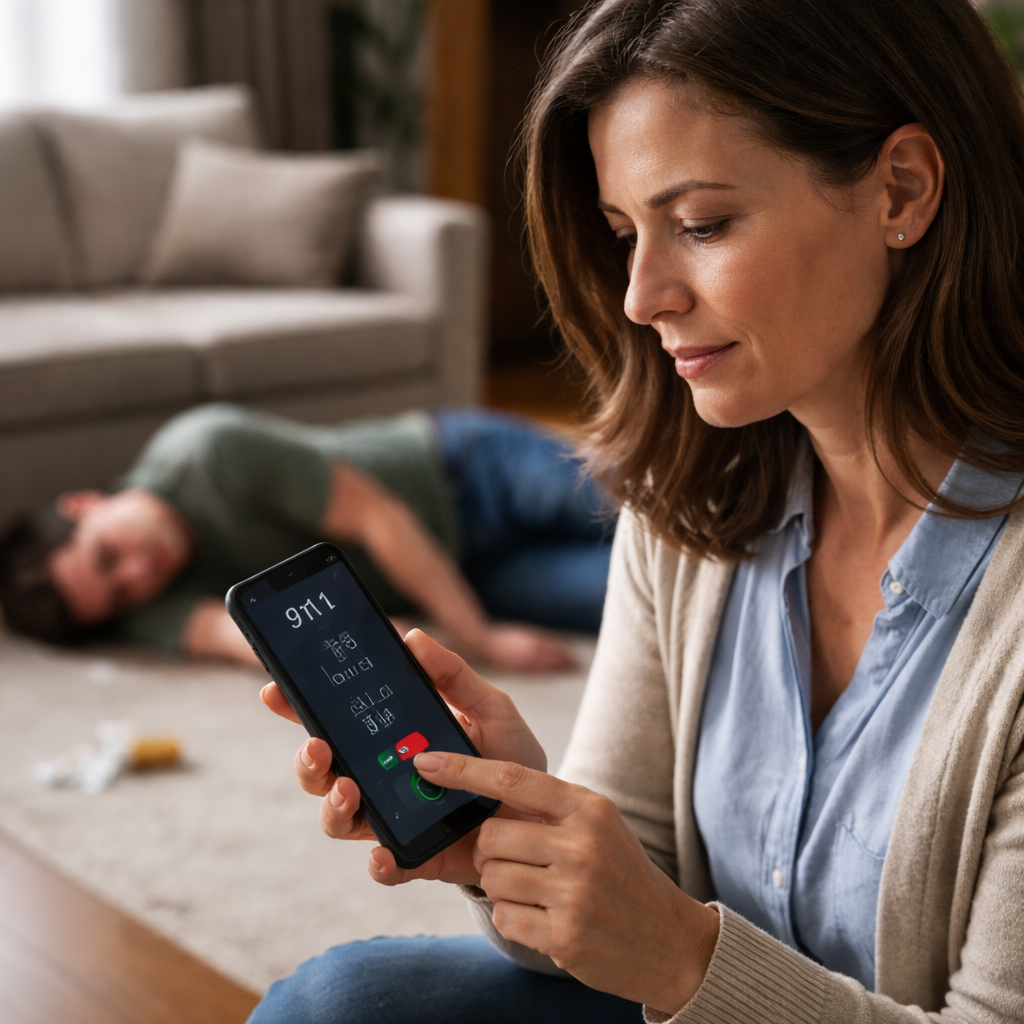
Dial 9‑1‑1 the moment you suspect an overdose. Keep the line open. The dispatcher will ask you for details.
Start with the basics: “I need an ambulance for a possible opioid overdose.” Then give the address you wrote down. Mention any blocked exits or hazards.
And be ready to answer questions about breathing rate, pulse, and any substances you think were used. If you’re not sure, say “I’m not sure, but I think it might be fentanyl.”
While you wait, stay with the person. Monitor breathing every 10 seconds. If breathing stops, you will need to start rescue breaths right away.
After you give the info, the dispatcher may say “Stay on the line”. Do not hang up. They will guide you through next steps.
“The best time to start building backlinks was yesterday.”
When help is on the way, you can also let a trusted family member know what’s happening. This spreads the load and gives you backup.
Remember, only a quarter of the checklist steps talk about protective gear. That’s why we stress gloves and a mask now.
Bottom line:Clear, concise info speeds EMS arrival and guides their treatment.
Step 3: Administer Naloxone
If the person shows opioid signs, give naloxone right away. This is the only step that lists both required materials and key considerations.
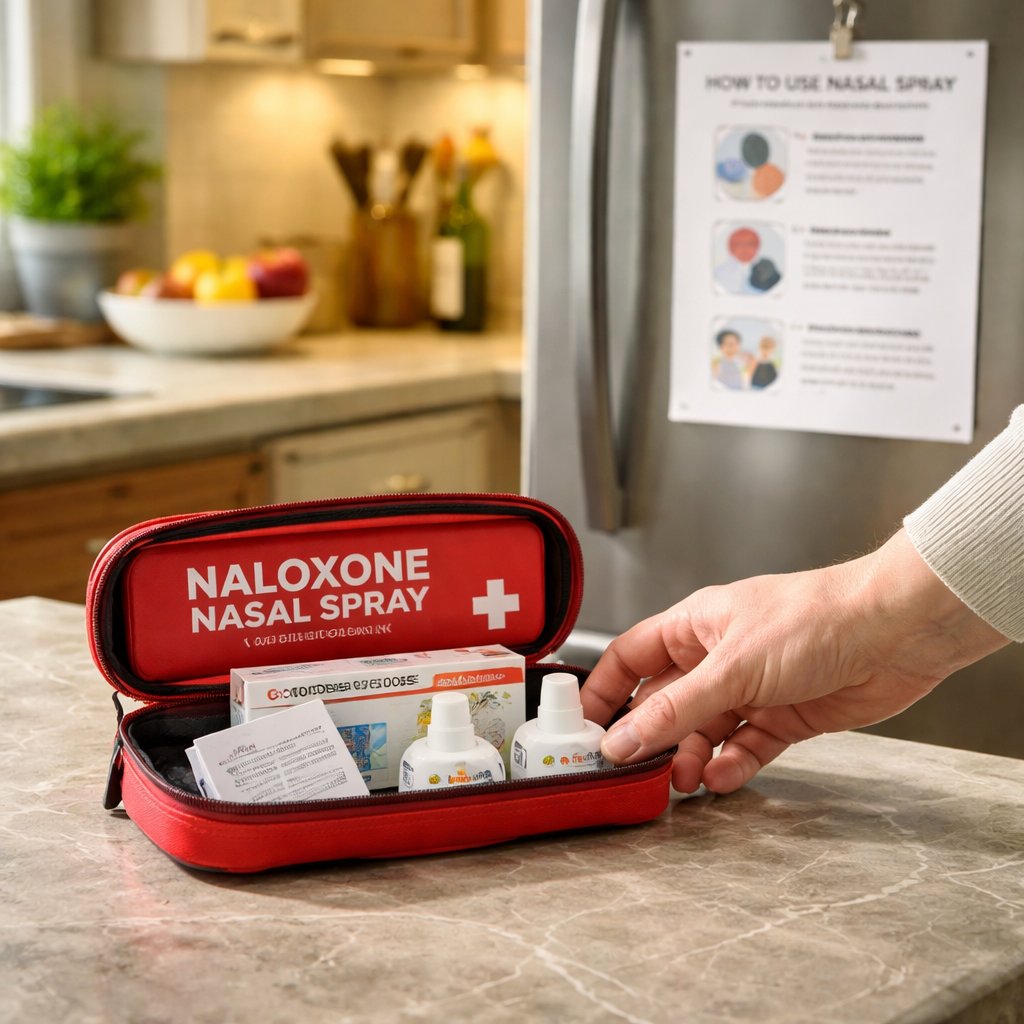
Take the nasal spray out of its case. Remove the cap. Hold the nozzle in one hand and place it in the person’s nostril. Press firmly until you hear a click. That releases the dose.
And if you have the injectable version, follow the same steps: attach the needle, inject into the thigh, hold for ten seconds, then pull out.
After the dose, watch the person for a gasp, coughing, or a return of normal breathing. It can take 30 seconds to two minutes.
If there is no response after two minutes, give a second dose. Many kits include two doses for a reason, fentanyl is very strong.

While you wait for EMS, keep the person on their side if they vomit. This keeps the airway open.
Even if the person wakes up, stay with them. Naloxone can wear off, and fentanyl can cause the breathing to drop again.
Bottom line:Fast naloxone can reverse the overdose, but watch for re‑sedation.
Step 4: Provide Rescue Breathing
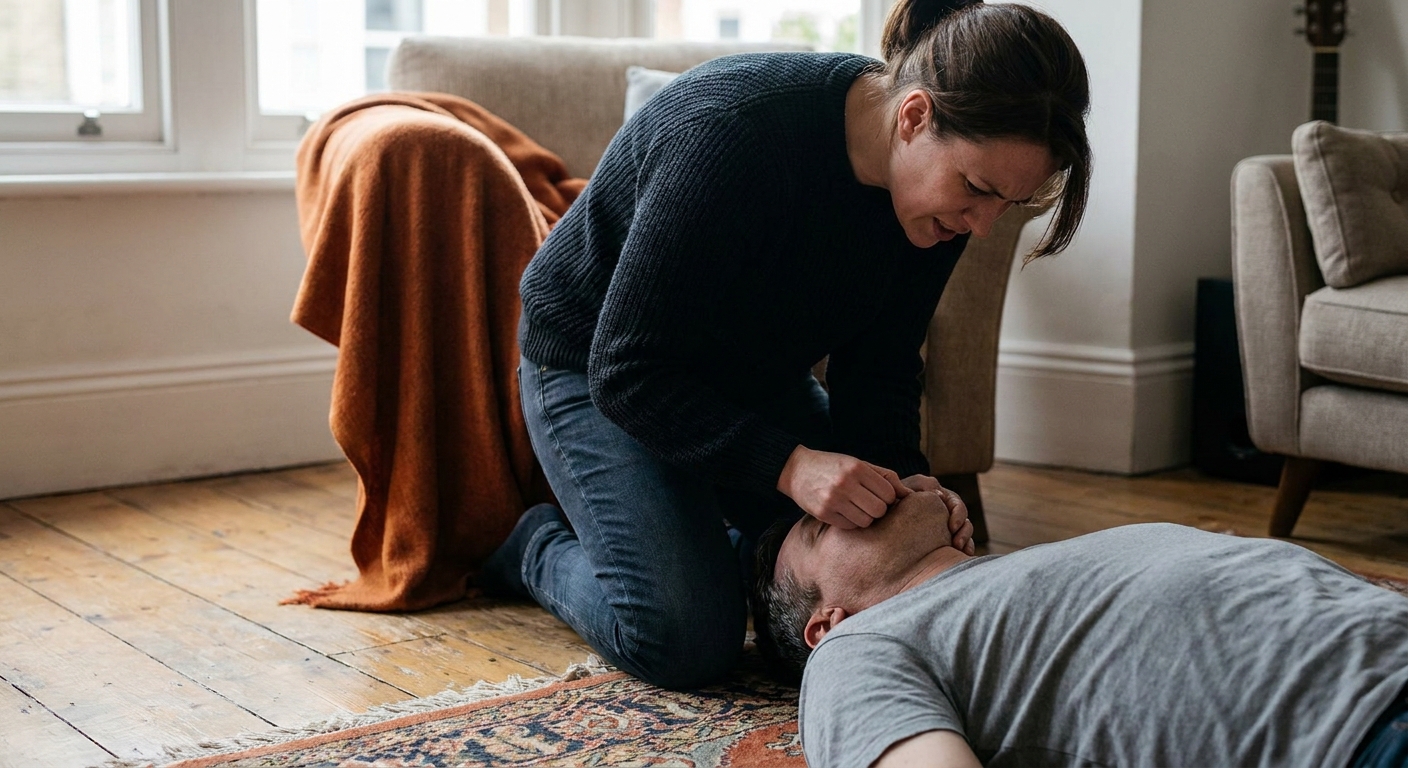
If the person isn’t breathing or breathing is very shallow, you need to give rescue breaths.
First, tilt the head back and lift the chin. This opens the airway.
Pinch the nose closed with one hand. With the other hand, give a slow breath into the mouth. Watch the chest rise.
Do two breaths every five seconds. That’s about 12 breaths a minute, which is enough to keep oxygen flowing.
And if you have a pocket mask, place it over the mouth and nose and deliver breaths through it. It reduces exposure to fluids.
Keep checking for a pulse at the wrist. If you feel a pulse but no breathing, focus on breaths only.
After a minute, re‑check breathing. If it improves, keep the person in the recovery position. If it stays shallow, continue breaths until EMS arrives.
Bottom line:Rescue breathing buys time for the heart and lungs while help comes.
Step 5: Monitor and Support the Victim
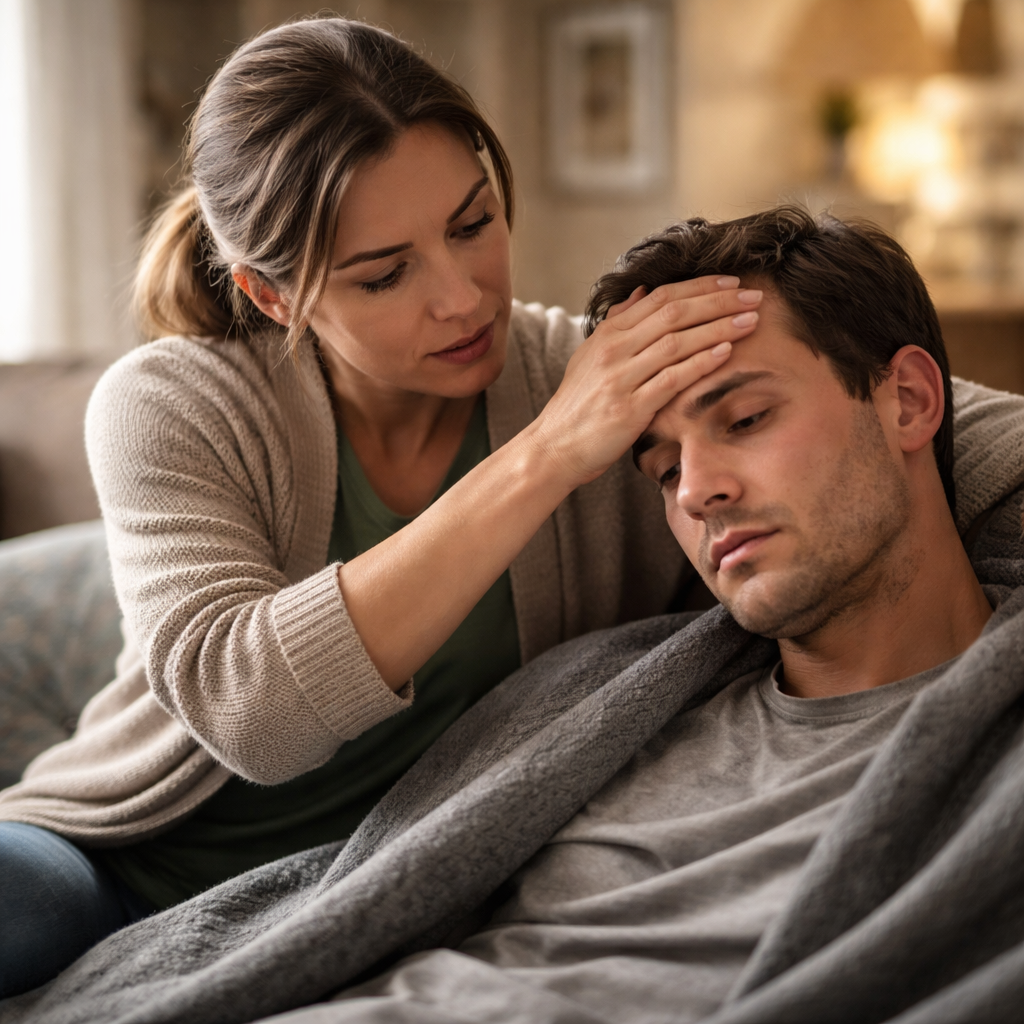
Now that you have called 911, given naloxone, and supported breathing, you shift to monitoring.
Watch the person’s breathing rate every five minutes. Count how many breaths in 30 seconds, then double it.
Feel for a steady pulse. If the pulse drops or the skin turns pale again, be ready to give a second naloxone dose.
And stay with the person for at least an hour after the last naloxone dose. Overdose can rebound.
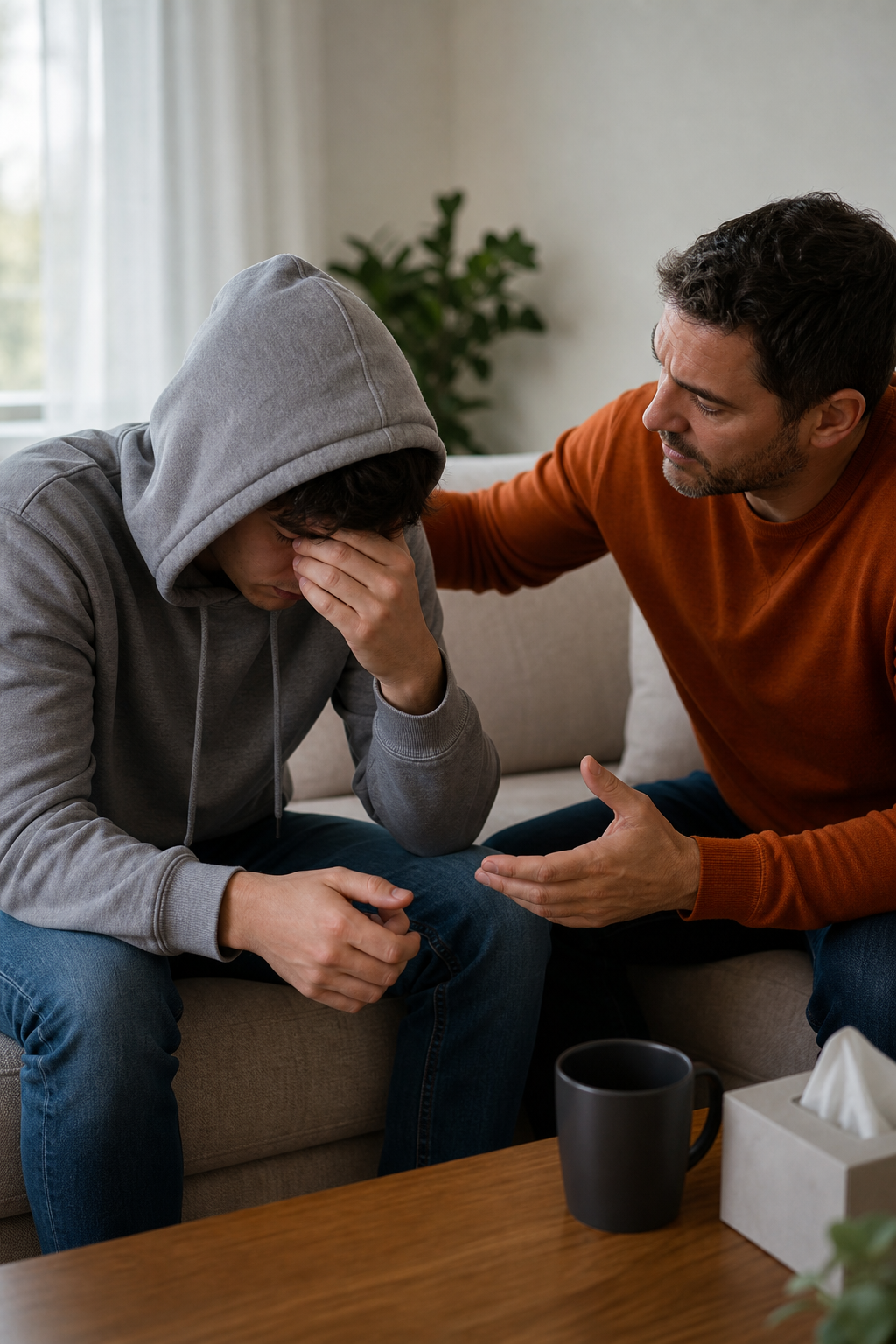
While you wait, talk calmly. Say “You’re safe now. Help is here.” This helps the person stay semi‑alert.
When EMTs arrive, hand them the notes you took: time of first dose, second dose if any, breathing changes, and any known allergies.
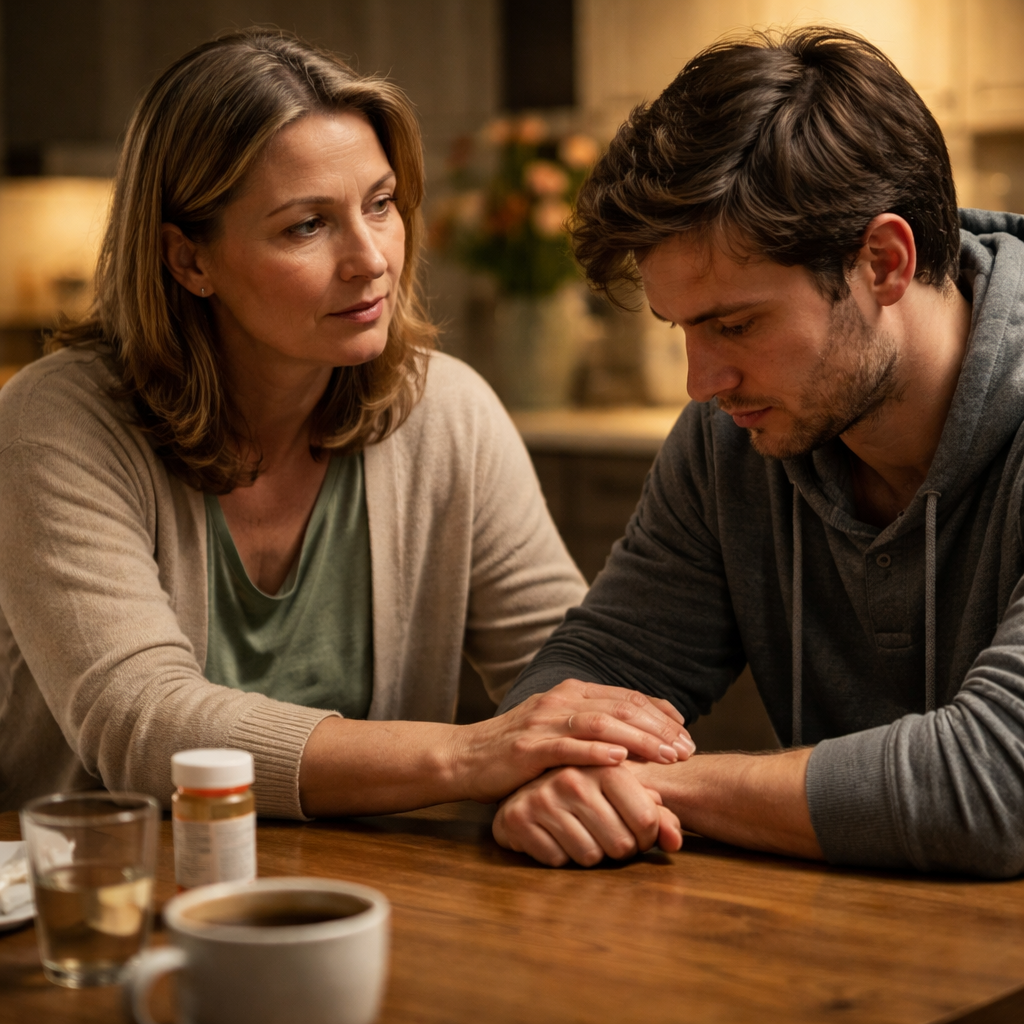
After the emergency passes, consider a follow‑up call with a professional. Next Step Intervention offers a free 24‑hour consultation at (949) 545‑3438 to guide you toward lasting recovery.
Bottom line:Ongoing monitoring prevents hidden re‑sedation and ensures a smooth handoff to EMS.
FAQ
What is the first thing I should do if I think someone is overdosing?
Take a breath, then call 9‑1‑1. While the dispatcher is on the line, quickly check breathing and pulse. If breathing is shallow or stopped, start rescue breaths and grab your naloxone kit. Give the dose, note the time, and stay with the person until help arrives. If you’re unsure, call us at (949) 545‑3438 for a quick walkthrough.
How do I know if the person needs naloxone?
Look for pinpoint pupils, slow or no breathing, and a blue tinge around the lips. Those signs point to an opioid overdose. If you see any two of them, give naloxone right away. Even if you’re not 100% sure, the benefit of a possible reversal outweighs any risk.
Can I use the emergency intervention checklist for fentanyl overdose at home?
Yes. The checklist is designed for families and anyone who may be first on the scene. It works in a home, car, or public place. Just keep your overdose kit handy and practice the steps so you’re ready.
What if I don’t have gloves or a mask?
Use any clean barrier you can find, plastic bags, a clean shirt, or a paper towel. The goal is to keep your hands from direct contact with any bodily fluids. After the incident, wash your hands with soap and water for at least 20 seconds.
How long should I stay with the person after giving naloxone?
Stay for at least one hour, and keep checking breathing every five minutes. Naloxone can wear off, especially with fentanyl, so a second dose may be needed. If the person looks like they’re slipping again, call 9‑1‑1 again.
Where can I get more help after the emergency?
Call a professional intervention service right away. Overdose Help: A Practical Guide to Emergency Response and Recovery offers step‑by‑step follow‑up. You can also reach the Effective Emergency Intervention: A Step‑By‑Step Guide for ongoing support. A quick call to (949) 545‑3438 connects you with a certified specialist.
What should I do if the person becomes aggressive?
First, keep a safe distance. If you feel threatened, call 9‑1‑1 and tell the dispatcher about the aggression. Try to calm the person with a steady voice. If possible, have another adult help you move the person to a safer spot while you wait for help.
How can I prepare my family for future emergencies?
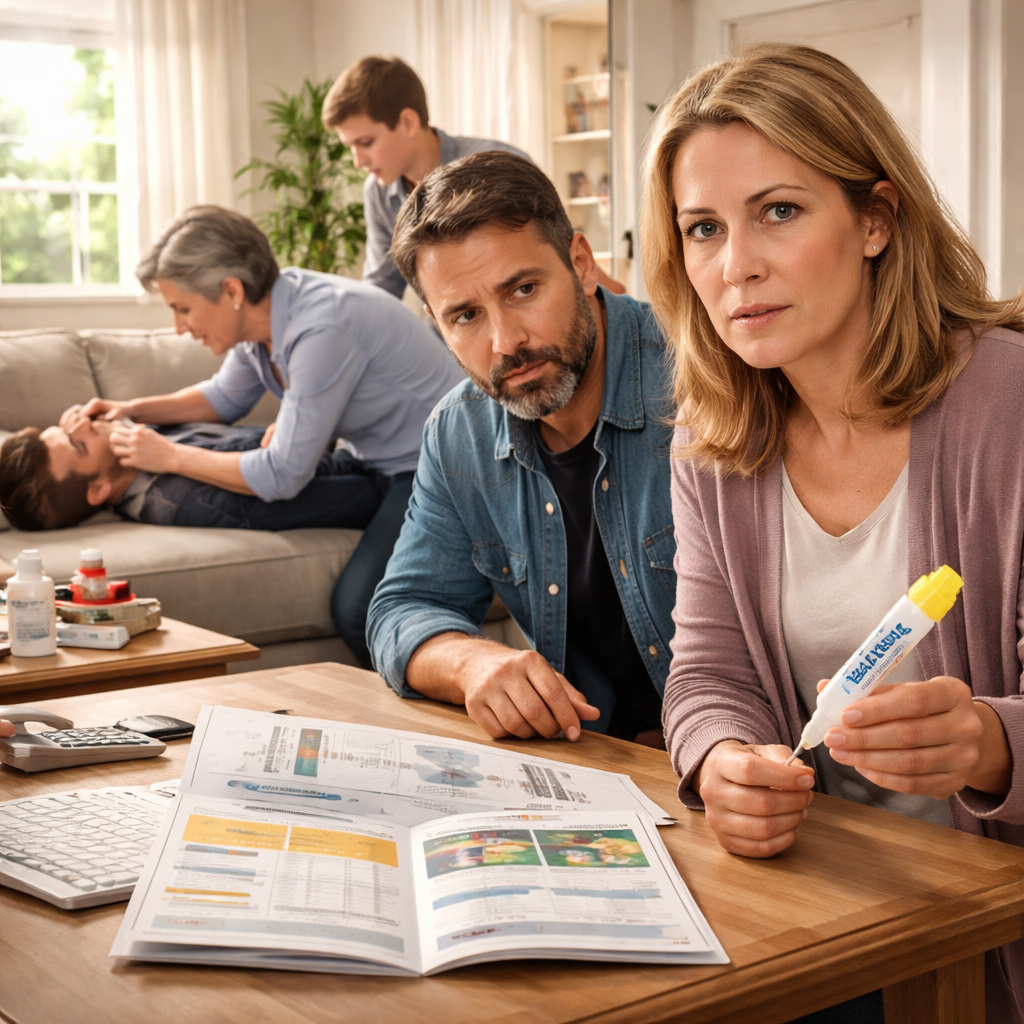
Make a printed checklist and stick it on the fridge. Keep a small “overdose kit” in a drawer near the phone. Practice the steps with your family so everyone knows their role. Review the plan every few months.
Conclusion
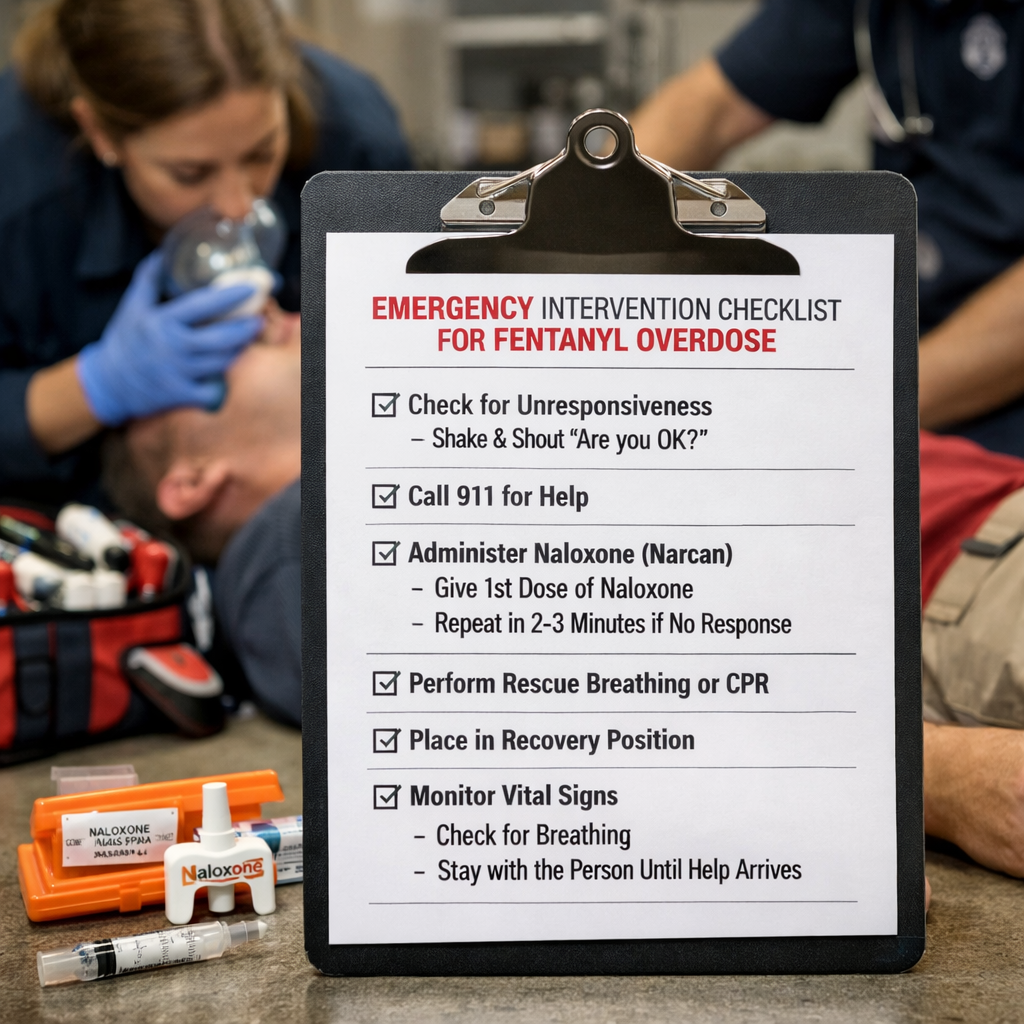
We’ve walked through every step of the emergency intervention checklist for fentanyl overdose. From scanning the scene to calling 9‑1‑1, giving naloxone, breathing, and monitoring, each move saves minutes and lives.
Remember, the data shows only a few steps name a responder or mention PPE. That’s why you need a clear plan and a ready kit.
Keep the quick‑reference checklist on your fridge, store naloxone where you keep your keys, and know the phone number for Next Step Intervention at (949) 545‑3438. When seconds count, you’ll be ready to act.
Take the first step now. Print this guide, share it with family, and practice the steps. You have the power to turn a terrifying moment into a chance for recovery.
| Info to give dispatcher | Why it matters |
|---|---|
| Exact location | Helps EMS arrive fast |
| Observed symptoms | Guides medical response |
| Any naloxone already given | Avoids duplicate dosing |
| Known allergies or conditions | Prevents adverse reactions |