blockquote{border-left:4px solid #3b82f6;margin:1.5em 0;padding:1em 1.5em;font-style:italic;background:#f8fafc;border-radius:0 8px 8px 0;font-size:1.1em;color:#1e293b}
.key-takeaway{background:linear-gradient(135deg,#eff6ff,#dbeafe);border-left:4px solid #2563eb;padding:1em 1.5em;margin:1.5em 0;border-radius:0 8px 8px 0}
.key-takeaway strong{color:#1e40af}
.stat-highlight{text-align:center;padding:1.5em;margin:1.5em 0;background:#f0fdf4;border-radius:12px;border:1px solid #bbf7d0}
.stat-highlight .stat-number{display:block;font-size:2.5em;font-weight:800;color:#16a34a;line-height:1.2}
.stat-highlight .stat-label{display:block;font-size:.95em;color:#374151;margin-top:.3em}
.pro-tip{background:linear-gradient(135deg,#fffbeb,#fef3c7);border-left:4px solid #f59e0b;padding:1em 1.5em;margin:1.5em 0;border-radius:0 8px 8px 0}
.pro-tip strong{color:#92400e}
Opioid addiction can turn a quiet home into a panic zone fast. If you feel lost, you need a plan that works right now. This guide shows you how to build a family crisis plan for opioid addiction step by step. We’ll walk you through assessing the scene, talking clear, assigning roles, and testing the plan. By the end you’ll have a paper you can hold, a phone list you can call, and confidence to act when the moment hits.
Research shows that only one of ten crisis‑plan providers offers true 24/7 support, yet the best family‑involved models use several short sessions to gather facts. A multi‑source review was done on April 21, 2026. It pulled data from ten provider pages and looked at assessment method, family involvement, and 24/7 help. The sample size was ten items.
| Name | Assessment Method | Intervention Type | Family Involvement Level | Best For | Source |
|---|---|---|---|---|---|
| Drug and Alcohol Interventions (Our Pick) | — | — | — | Best overall | nextstepintervention.com |
| Family Check‑Up (FCU) | initial intake interview and videotaped structured assessment protocol | brief assessment and feedback intervention | two family sessions required | Best for evidence‑based brief assessment | ncbi.nlm.nih.gov |
| Multidimensional Family Therapy (MDFT) | assess risk and protective factors of the individual, parents, family, and extrafamilial systems | individual and family sessions in clinic, home, or community locations | multiple family members and extrafamilial others involved | Best for complete family systems | ncbi.nlm.nih.gov |
| Three‑session family intervention program | semi-structured pro forma, McMaster’s Family Assessment Device, Maudsley Addiction Profile | three-session family intervention based on psychoeducation, supervision, relapse prevention, communication and coping | families participated in three-session intervention | Best for short intensive programs | pubmed.ncbi.nlm.nih.gov |
| Behavioral Couples Therapy (BCT) | — | structured counseling approach with 12–20 weekly sessions | couples attend sessions together | Best for couples‑focused treatment | ncbi.nlm.nih.gov |
| Behavioral Family Therapy (BFT) | — | behavioral family counseling sessions (12 adapted sessions) | client and a family member (usually a parent) attend session | Best for parent‑child focused sessions | ncbi.nlm.nih.gov |
| Brief Strategic Family Therapy (BSFT) | — | family therapy targeting family interactions supporting drug misuse | entire family involved in therapy sessions | Best for whole‑family engagement | ncbi.nlm.nih.gov |
| SAMHSA National Helpline | — | treatment referral | — | Best for free 24/7 referral service | samhsa.gov |
| Intervention 365 | — | — | private, one‑on‑one family preparation and post‑admission coaching | Best for private one‑on‑one coaching | intervention365.com |
| Family First Intervention | initial phone consultation | — | — | Best for initial phone consultation | family-intervention.com |
Step 1: Assess the Situation and Gather Information
First, look at the home. List every opioid pill, every bottle, every syringe. Write down who can reach each item. This gives you a clear picture of risk.
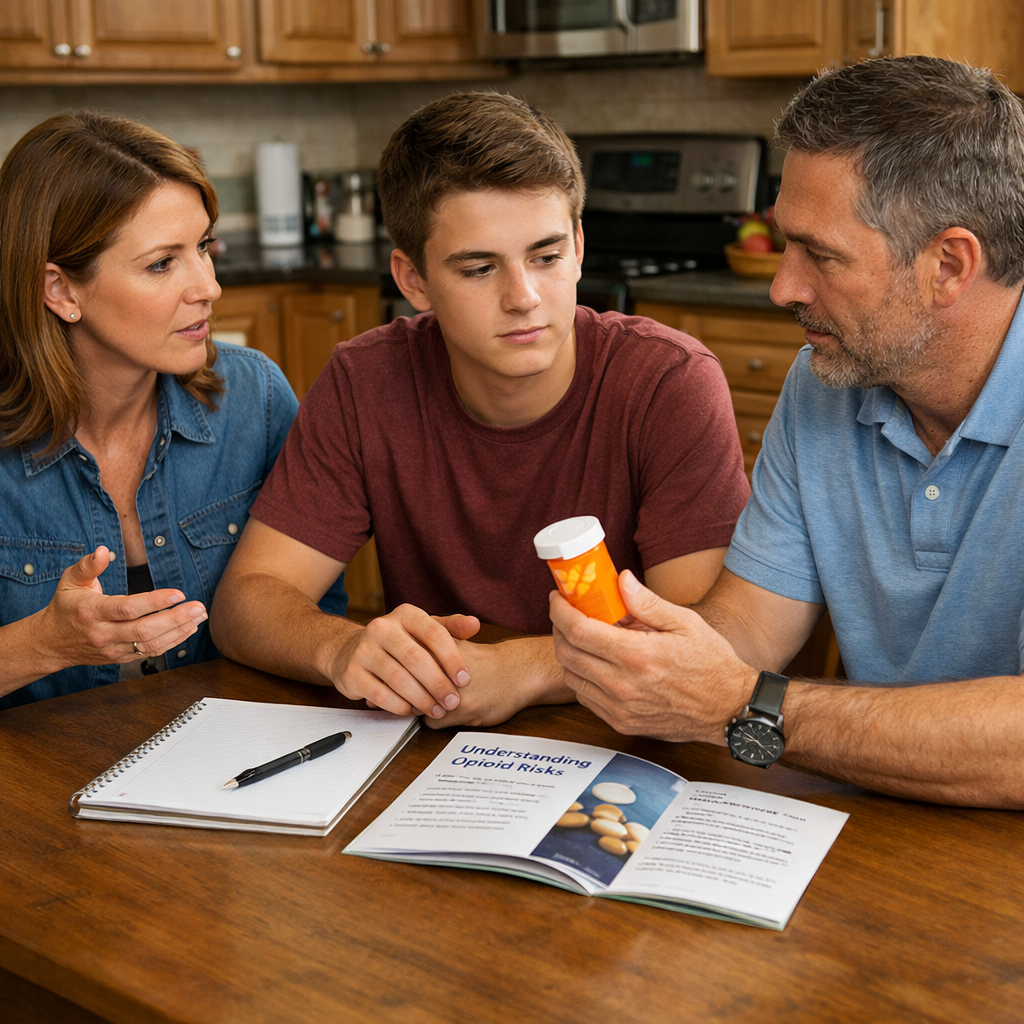
Next, talk to each adult in the house. Ask about mood changes, sleep loss, or hidden use. Write down dates, times, and what you saw.
And note any recent overdose signs , shallow breathing, pin‑point eyes, unsteady steps. Those clues tell you how urgent the plan must be.
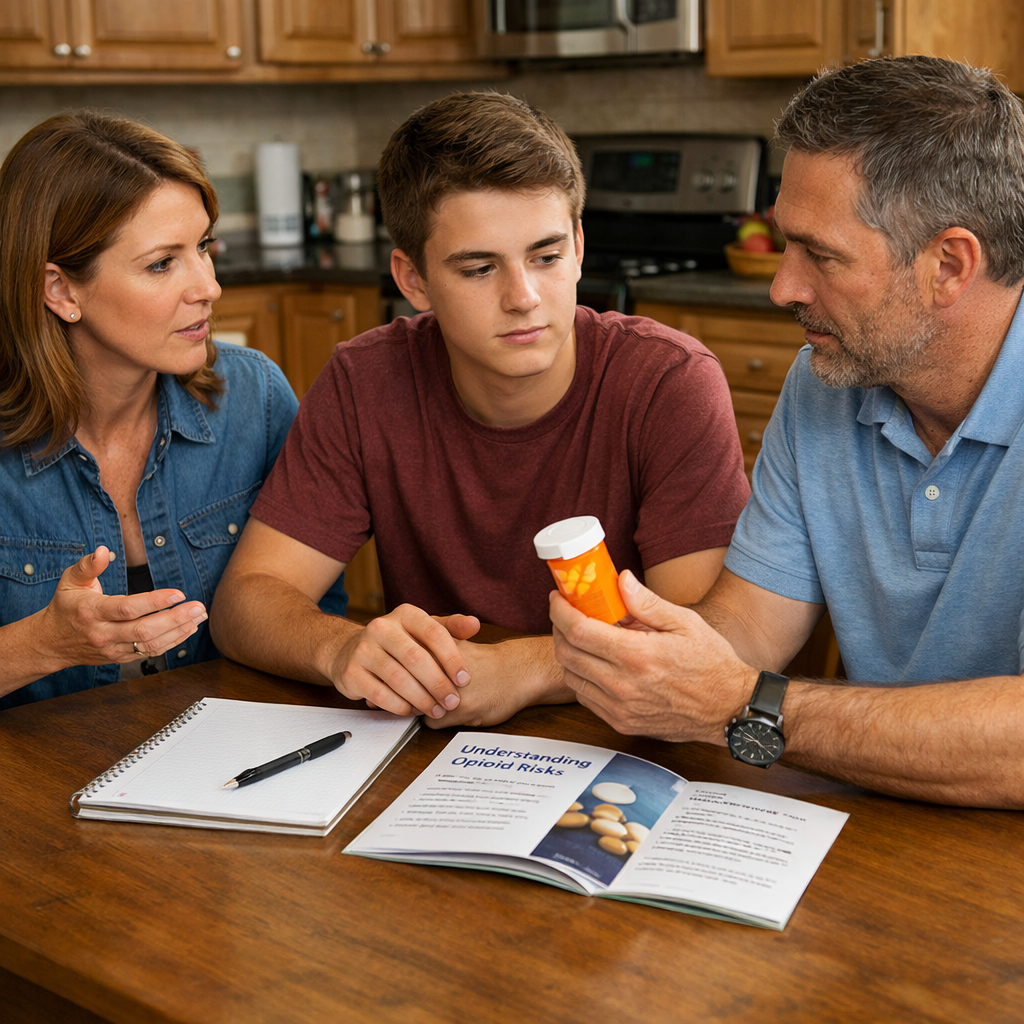
Use a simple spreadsheet. Column A = item, B = dose, C = location, D = who controls it. Update whenever a new script comes in.
Why does this matter? When you see the exact meds and who holds them, you can lock them away fast.
Imagine a family where the dad hides pills in a nightstand. Once you write it down, you can move the nightstand or put a lockbox.
Pro tip: Put the spreadsheet on a shared phone app so every trusted adult can see it.
Now add a contact list. Include your doctor, the nearest urgent‑care, a local addiction specialist, and the 988 Suicide & Crisis Lifeline. Keep the list on the fridge.
And remember, the best first step is to call a professional who knows the local system. Effective emergency drug intervention plan guides families on how to start right away.
Bottom line: Clear facts and a lockable list give you power to act fast.
Step 2: Establish Clear Communication Channels
Now you need a way for everyone to talk fast when danger pops up. Pick one phone that all adults know how to use.
And set a group chat on a simple app , no fancy features, just names and a “call now” button.
But you also need a plan for who says what. One person can be the caller, another can be the note‑taker, a third can be the driver.
Write these roles on a sticky note and put it where you keep the meds list.
“The best time to start building backlinks was yesterday.”
When you have a clear chain, you avoid confusion. If a child sees a pill, they know to call the driver, not to try to handle it alone.
And test the chain. Do a quick drill: one person pretends to find a bottle, another dials 988, a third reads the next steps.
Pro tip: Use a ringtone that’s loud but not scary, so everyone knows it’s an emergency call.
Keep the group chat quiet most of the day. Only use it for real alerts. That way it stays trusted.
For deeper help on setting up a family communication plan, see designing an effective intervention program. It shows how to map roles and keep notes.
Bottom line: A clear, practiced line of talk saves time when a crisis hits.
Step 3: Create an Action Plan with Roles and Resources
Now turn facts and talk into a real plan. List the first move you will take if an overdose is seen.
Step one: Call 988 right away. The line is free and works 24/7.
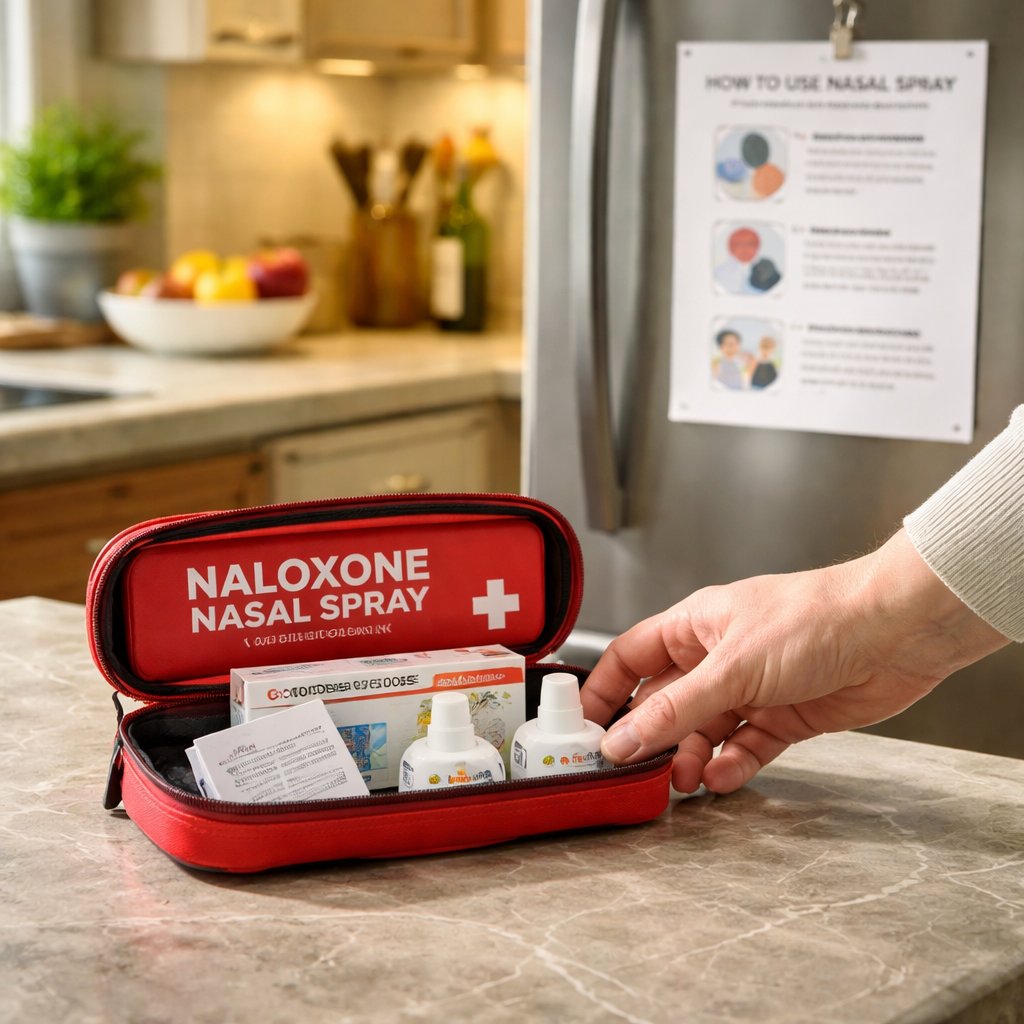
Step two: Give naloxone if you have it. Show how to spray it under the nose.
Step three: Move any children to a safe room. Keep a list of safe places , a neighbor’s house, a car, a community center.
Step four: Call the driver you assigned. Have them ready with a car or rideshare.
Step five: Contact the addiction specialist you listed. They can start an intake right away.
Write all steps on one page. Put the page on the fridge next to the contact list.
And add resources. List nearby treatment centers, their phone numbers, and whether they take insurance.
Pro tip: Print two copies , one for the home, one to take to the hospital if you need to show it.
When you need help finding a center, practical overdose help guide gives phone numbers and what to ask.
Bottom line: A written, step‑by‑step sheet turns panic into a clear path.
Step 4: Review, Practice, and Adjust the Plan
Even the best plan can slip if you never look at it again. Set a monthly check‑in.
During the check‑in, ask: Are any meds new? Did any role change? Is the driver still able to help?
And run a quick drill each month. Pretend you found a bottle. Run through the call chain, the naloxone step, the safe room move.
If a drill shows a gap , maybe the driver’s phone died , fix it right away.
| Task | Owner | Frequency |
|---|---|---|
| Update medication list | Primary caregiver | Monthly |
| Test emergency call chain | All adults | Quarterly |
| Refresh naloxone kit | Designated health guard | Every 6 months |
| Review treatment contacts | Family liaison | Bi‑annual |
Pro tip: Keep a small notebook titled “Plan Review”. Jot any changes right after the meeting.
Why is this step key? The NIH HEAL Initiative shows that ongoing practice improves outcomes for opioid use disorder. When families rehearse, they act faster and stay calmer.
Bottom line: A plan that is checked and practiced never gets forgotten.
Conclusion
Building a family crisis plan for opioid addiction takes time, but each step adds safety. You start by listing every opioid source and who can reach it. Then you set a clear phone line and role chain. Next you write a one‑page action sheet with steps, roles, and local resources. Finally you meet each month, run a drill, and tweak anything that doesn’t work.
When you follow this guide, you give your loved one a chance to get help before a tragedy strikes. You also give your family a calm way to act, not a panic‑filled scramble.
If you want a professional hand, call Next Step Intervention at (949) 545-3438. Their emergency response team can walk you through each step, fill gaps, and connect you to the right treatment fast.
Remember, a plan is only as good as the people who use it. Keep it visible, keep it updated, and practice it often. Your family’s safety is worth the effort.
FAQ
What should be the first thing I write down in a family crisis plan for opioid addiction?
The first line should list every opioid medication or illicit substance in the house, the exact dosage, and where it is stored. Include who has the key or can access it. This clear inventory helps you lock away danger quickly and shows who is responsible for each item.
How often should we update the family crisis plan for opioid addiction?
Update the plan at least once a month. Look for new prescriptions, changes in who lives at home, or shifts in roles like a new driver. A monthly check keeps the plan accurate and stops old info from causing confusion during an emergency.
What role does 988 play in a family crisis plan for opioid addiction?
988 is the free, 24/7 Suicide & Crisis Lifeline. When anyone shows overdose signs, the first call should be to 988. The line can guide you through emergency steps, connect you to local services, and give emotional support while you wait for help.
Can a family crisis plan for opioid addiction work without a professional?
It can work, but a professional adds expertise. A certified interventionist can help you write clear scripts, choose the right treatment center, and rehearse the plan. Their experience often speeds up the time a loved one enters treatment.
What should we do if the person refuses help during an overdose situation?
If the person refuses, focus first on safety: call 988, give naloxone if available, and move children away. After the immediate danger passes, schedule a follow‑up meeting with the family and a professional to discuss next steps and new boundaries.
How can we involve kids safely in a family crisis plan for opioid addiction?
Keep kids out of the direct conversation. Teach them to go to a safe room if they hear shouting or see someone unwell. Give them a trusted adult’s phone number and let them know it’s okay to call for help.
What resources are available for low‑cost or free help?
The SAMHSA National Helpline is free and works 24/7. Many states also offer free counseling through community health centers. Check local public health websites for sliding‑scale clinics that can start treatment without high cost.
How do we know if our family crisis plan for opioid addiction is effective?
Measure success by two things: how quickly you can call 988 and give naloxone, and whether the loved one enters treatment within a month of the plan’s first use. If both happen, the plan is working.