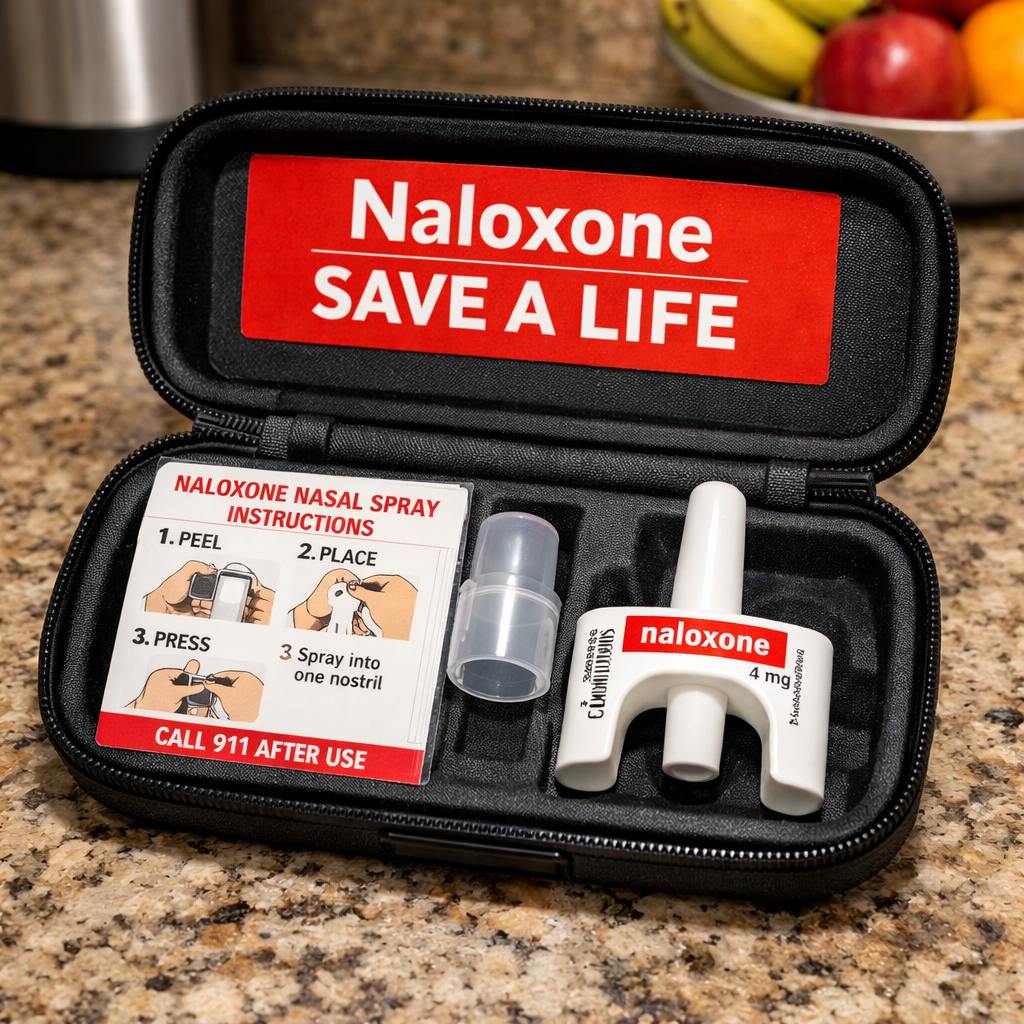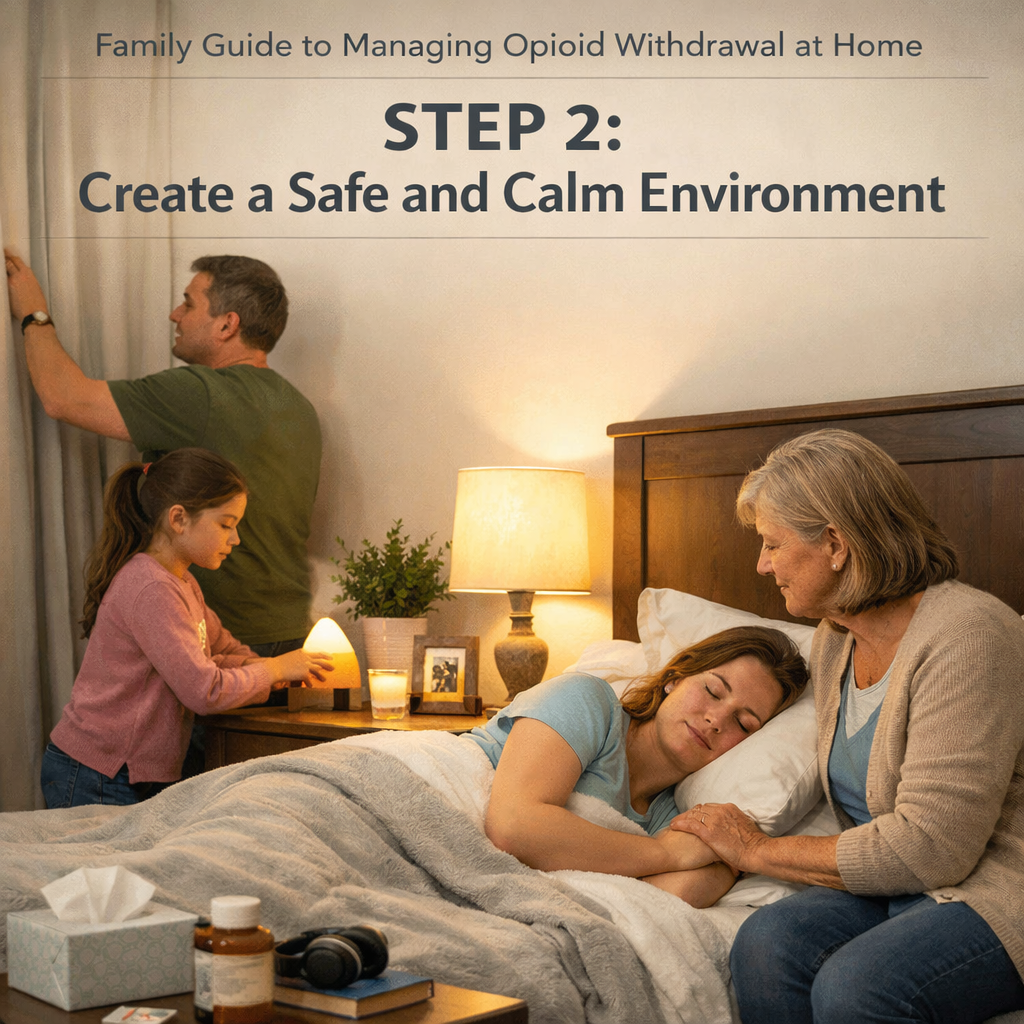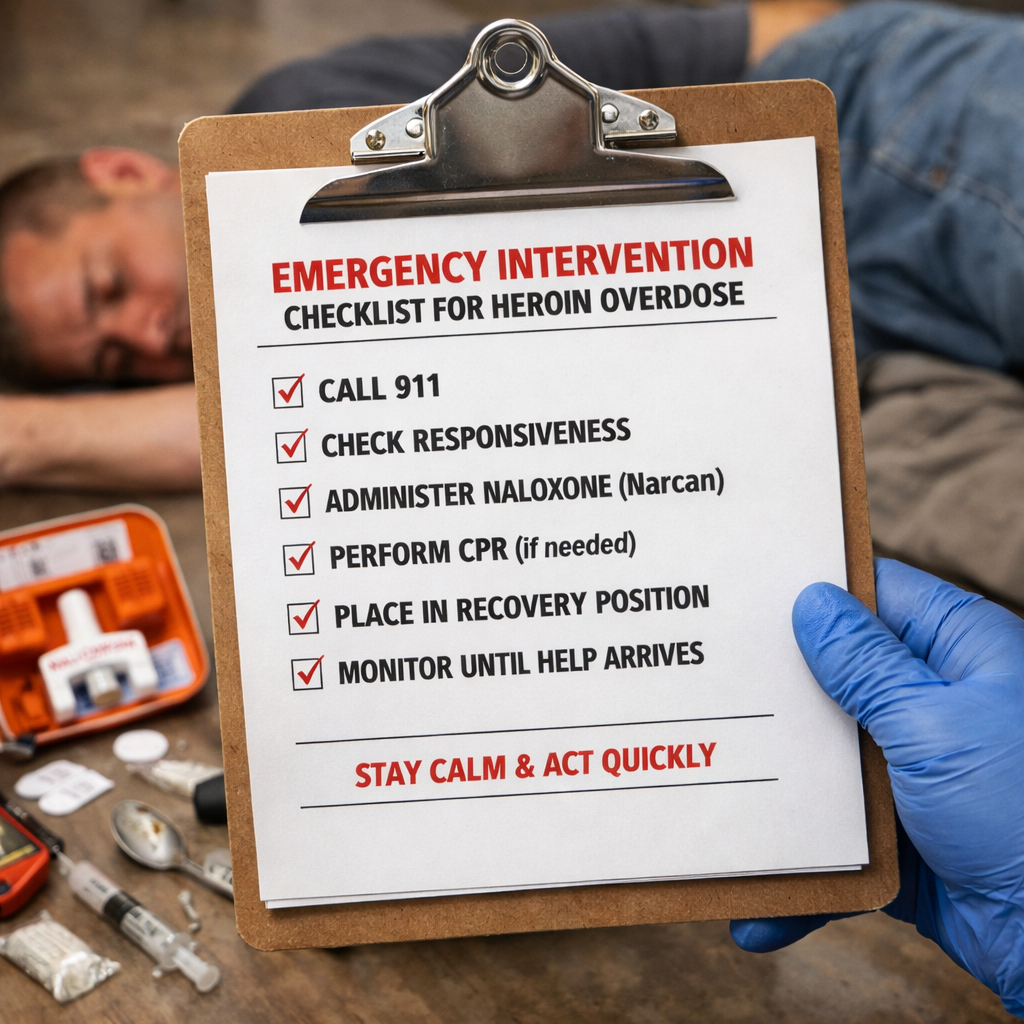

Picture this: you come home from work, and your teen is unusually quiet, their room smells faintly of something sweet, and you catch a glimpse of a hidden stash in their closet. That gut‑wrenching moment of realizing drug use might be slipping into your family’s daily life is terrifying, and honestly, it can feel like you’re standing in a dark hallway with no lights on.
First, you’re not alone. In our experience at Next Step Intervention, we’ve seen families wrestle with denial, fear, and the overwhelming question of “what now?” It’s a roller‑coaster of emotions, but the good news is there’s a clear path forward—starting with a compassionate, well‑planned intervention.
One real‑world example: a mother in California noticed her 16‑year‑old’s grades dropping and discovered a vape pen tucked under their school bag. Instead of confronting him with anger, she gathered a small circle of trusted adults, set clear boundaries, and scheduled a professional‑led meeting. Within weeks, the teen agreed to a treatment plan and began rebuilding trust.
So, what does an effective intervention look like for teenage drug use? It begins with gathering facts—talk to teachers, check for changes in behavior, and note any physical signs. Then, assemble a supportive team: parents, a counselor, possibly a sibling, and a neutral interventionist who can keep the conversation focused and safe.
Next, craft a script that balances honesty with hope. Highlight specific concerns (“We found a vape pen in your bag”) and pair each concern with a concrete offer of help (“We’ve arranged a meeting with a specialist who understands teen addiction”). This structure keeps the teen from feeling attacked and opens the door to dialogue.
Don’t forget the follow‑up. After the initial meeting, set short‑term goals—like attending an assessment within 48 hours or joining a peer‑support group. Consistency is key; check‑ins every few days reinforce that you’re in this together.
For a deeper dive into the step‑by‑step process, check out our guide Effective Intervention for Teens: A Step‑by‑Step Guide to Helping Adolescents Thrive. It walks you through everything from pre‑planning to post‑intervention support, and includes printable templates you can customize for your family.
Remember, the goal isn’t to punish—it’s to create a safe space where your teen feels heard and motivated to choose recovery. By taking deliberate, loving action today, you set the stage for a healthier tomorrow.
TL;DR
If you suspect your teen is using drugs, start with calm observation, gather facts, and assemble a support team before confronting them.
A structured, hopeful script paired with immediate follow‑up steps—like a rapid assessment appointment and a peer‑support option—turns fear into collaboration, helping families move toward recovery and lasting safety.
Step 1: Recognize the Signs of Drug Use in Teens
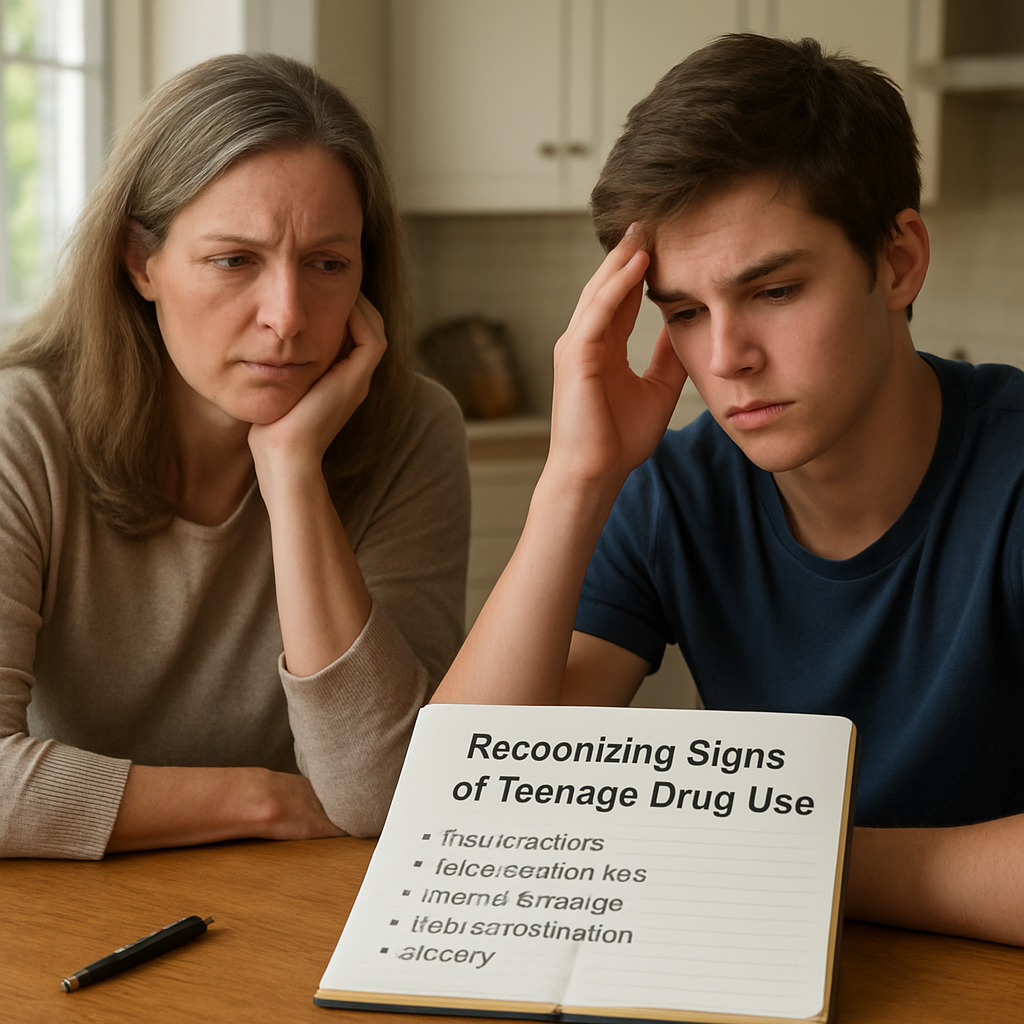
It’s that gut‑twisting moment when you notice something’s off – a sudden drop in grades, a new circle of friends who never show up at school events, or the faint smell of chemicals on their hoodie. You start wondering, “Is this just a phase, or am I looking at the early signs of drug use?” You’re not alone in that uneasy space.
First, trust your instincts. Teens often hide their struggles, but they also leave clues. Physical changes like bloodshot eyes, unexplained bruises, or frequent nosebleeds can point to substance use. Behavioral shifts – mood swings, secrecy, or a sudden disinterest in hobbies you once shared – are equally telling.
So, what should you actually look for? Here’s a quick cheat‑sheet:
- Changes in appetite or weight
- Neglecting personal hygiene
- Inconsistent stories about where they’ve been
- New paraphernalia – think vape pens, syringes, or unfamiliar pill bottles
- Financial red flags, like missing money or unexplained cash
When you spot a pattern, write it down. A simple notebook or a shared digital doc helps you keep track without jumping to conclusions too fast.
But observation alone isn’t enough. You need to verify. Talk to teachers, coaches, or mentors who interact with your teen daily. A discreet conversation can confirm whether the changes you’ve noticed are isolated or part of a broader trend.
And remember, you don’t have to do this solo. Young Adult Drug & Alcohol Interventions offers guidance on how families can coordinate with schools and mental‑health professionals to get a clearer picture.
Now, let’s bring in a little perspective from the wider health world. Proactive wellness partners like XLR8well emphasize that early detection paired with holistic health coaching can boost recovery odds. Their approach reminds us that spotting the signs is just the first step toward a healthier lifestyle for the whole family.
Notice how the video walks through real‑life scenarios – a teen slipping a bag into a locker, a parent noticing a sudden drop in sports performance. Those snapshots echo what many families experience, and they help you visualize the signs you might have missed.
After you’ve gathered evidence, the next move is a calm conversation. Approach it like a detective sharing observations, not an accusation. You might say, “I’ve noticed you’ve been staying out later and your grades have slipped. I’m worried and want to understand what’s going on.” This phrasing shows concern without judgment.
And if you need extra guidance on how to frame that talk, the Italian resource strategies for managing oppositional behavior offers practical tips on navigating resistance, even if it’s coming from a teen rather than a child with ADHD.
Finally, keep the lines of communication open. Teens often test boundaries, but consistent, non‑reactive listening builds trust. Check in regularly, not just when you suspect a problem. Over time, that steady presence becomes a safety net they’re more likely to lean on.
Recognizing the signs isn’t about playing detective forever; it’s about gathering enough information to act confidently and compassionately. When you combine keen observation, external input, and a supportive conversation, you set the stage for a successful intervention.
Ready to move forward? The next step is planning a structured, hopeful intervention that respects your teen’s dignity while addressing the problem head‑on.
Step 2: Initiate a Compassionate Conversation
Okay, you’ve gathered the clues, you’ve talked to teachers, and you’ve decided it’s time to sit down with your teen. The moment can feel like walking a tightrope, but remember: you’re not trying to win a debate, you’re trying to open a doorway.
First thing’s first – pick a neutral time and place. A kitchen table after dinner, a walk in the park, or even the car on the way to a grocery store works better than a “talk‑time” scheduled right after you caught the vape hidden under the mattress. The goal is a calm backdrop, not a courtroom.
1️⃣ Set the tone before you speak
Start with empathy. Let your teen know you’re coming from a place of love, not accusation. Something like, “I’ve noticed a few changes lately, and I’m worried because I care about you.” Notice the difference between “I’m worried you’re using” and “I’m worried you might be feeling unsafe.” The former feels like a label; the latter invites curiosity.
And… a little vulnerability goes a long way. Share a brief personal story – maybe a time you made a mistake and needed help. It signals that asking for support isn’t a sign of weakness.
2️⃣ Use open‑ended questions
Instead of “Did you vape?” try, “What have you heard about vaping at school?” or “How do you feel when you hang out with certain friends?” Open‑ended prompts give your teen space to explain without feeling cornered. Effective teen conversation strategies recommend keeping the question neutral and non‑judgmental.
If they shut down, resist the urge to push harder. Pause, breathe, and say, “I hear you. I’m here whenever you want to talk.” Sometimes the silence itself is an invitation to keep the line open.
3️⃣ Validate feelings, then share concerns
When your teen opens up, acknowledge the emotions first. “It sounds like you’re feeling a lot of pressure at school, and that’s tough.” Only after they feel heard do you weave in the factual observations you’ve collected: “I found a vape pen in the closet, and I’m concerned about how that might affect your health and your brain, which is still developing.” This two‑step approach mirrors the advice from the building a connection with your teen guide – connection before correction.
Pair every concern with a concrete offer of help. “I’ve spoken with a teen‑focused counselor who can meet us next week, and I can arrange a ride if you need one.” Offering a solution shows you’re not just pointing out problems, you’re part of the solution.
4️⃣ Keep it short, revisit often
One marathon conversation can feel overwhelming. Aim for a 10‑15 minute chat, then schedule a follow‑up “check‑in” in a few days. Consistency builds trust; it tells your teen that you’re in this for the long haul, not just a one‑off lecture.
And don’t forget the power of everyday moments. A quick comment while cooking dinner, a text asking how their day went, or a simple “I’m proud of you for trying that new hobby” can reinforce that you’re listening, even when the big talk is on hold.
In our experience at Next Step Intervention, families who combine genuine empathy with a clear, actionable plan see higher engagement from their teens and fewer relapses into secretive use.
Ready to see what a compassionate conversation looks like in real time? Below is a short video that walks you through the exact phrasing we recommend.
After you watch, take a moment to jot down three open‑ended questions you feel comfortable asking. Keep the list somewhere visible – maybe on the fridge – so you can pull it out the next time you’re sharing a quiet moment.
Remember, the goal isn’t to catch your teen in the act; it’s to create a space where they feel safe enough to share the truth, and you feel equipped to guide them toward healthier choices.
Step 3: Choose the Right Professional Intervention
Now that you’ve opened the conversation, the next puzzle piece is figuring out which professional can actually move the needle. It’s not “anybody with a clipboard” – it’s about matching the teen’s specific needs to a specialist who can speak their language while keeping safety front‑and‑center.
Ask yourself: what kind of help does your family really need?
Do you need a quick assessment to rule out a medical emergency? Or are you looking for a longer‑term therapist who can address underlying trauma? Maybe you need a certified interventionist who can run a structured family meeting without turning it into a courtroom drama. The answer usually lives in the gray area between “I’m scared” and “We’ve tried everything.”
One real‑world scenario: a 15‑year‑old in Ohio was caught with a stash of synthetic cannabinoids. The parents rushed to the ER, got a clean bill of health, but the teen kept slipping back into use. What finally broke the cycle was hiring a licensed interventionist who used the Johnson Model – a step‑by‑step plan that lets the teen hear concerns from multiple trusted adults in a single, non‑confrontational session. Within a month, the teen agreed to outpatient counseling and the family saw a dramatic drop in secrecy.
Three practical steps to pick the right professional
1. Verify credentials and specialty. Look for certifications like Certified Interventionist (CI) or Licensed Clinical Social Worker (LCSW) with a teen‑substance‑use focus. A quick phone call should reveal whether they’ve handled cases involving vaping, prescription misuse, or newer trends like “study drugs.”
2. Check fit with your family’s dynamics. Some professionals thrive on a collaborative, family‑systems approach; others prefer one‑on‑one counseling. Ask for a brief “intro session” – it’s like a coffee chat where you can gauge whether the therapist’s tone feels supportive rather than clinical. In our experience, families who feel the professional “gets us” are three times more likely to stick with the plan.
3. Confirm emergency protocols. Even the best therapist can’t replace a crisis response team. Make sure the provider has a clear escalation path – a direct line to an emergency drug‑intervention service if the teen shows overdose symptoms or suicidal ideation. This safety net is why many families choose Next Step Intervention’s 24‑hour crisis line as a backup.
Tools to help you compare options
Creating a simple comparison chart can save you hours of scrolling. List each candidate’s credentials, fees, insurance acceptance, and whether they offer tele‑health (a lifesaver when your teen prefers the screen to a waiting room). Add a column for “family‑fit” – rate how comfortable you felt after the intro call.
For a ready‑made checklist, check out our 12 Proven Intervention Services to Transform Lives. It breaks down the most common teen‑focused services and highlights red flags to watch for, like “no clear after‑care plan” or “no licensed specialist on staff.”
Don’t forget the teen’s voice
Ask your teen what kind of help feels right. You might be surprised – many teenagers actually prefer a peer‑support specialist who’s been through recovery themselves. A quick text like, “Hey, would you feel more comfortable talking to someone who’s walked this path?” can open doors you didn’t know existed.
And if you’re stuck, the About Young People site has a solid FAQ that explains common teen concerns around addiction, which can give you extra talking points when you meet the professional.
Action checklist for today
- Write down three non‑negotiable criteria (e.g., teen‑specific experience, emergency protocol, insurance coverage).
- Call at least two providers and ask the three questions above.
- Schedule an intro session with the provider who feels most like a partner.
- Add the provider’s contact info to a family “quick‑response” list, next to the crisis line number.
Choosing the right professional isn’t a one‑time decision; it’s a living part of the recovery roadmap. Keep the conversation open, revisit the checklist every few weeks, and remember that the right fit can turn a scary night into a hopeful sunrise.
Step 4: Implement Ongoing Support & Monitoring
Now that you’ve chosen the right professional, the real work begins: keeping the momentum alive day after day.
Does a teen’s recovery feel like a roller‑coaster that never quite settles? That’s normal, but it also means you need a solid system that catches the ups and the downs before they turn into setbacks.
Set up a structured follow‑up schedule
Start with a simple calendar. Block out a 15‑minute check‑in every Monday and a longer 30‑minute review every month. During the short check‑in, ask “How’s your week been?” and note any cravings or stress triggers. The monthly slot is for goal‑setting: celebrate wins, adjust the treatment plan, and decide on the next step.
Why not tie these calls to something routine, like after dinner or right before the teen’s soccer practice? The less you have to think about “when,” the easier it becomes to stay consistent.
Create a safe monitoring system
Monitoring doesn’t mean spying. It means building transparency. A shared digital log—think a Google Sheet or a secure app—lets you and the teen record moods, cravings, and any slip‑ups in real time. You can set colour‑coded flags: green for “steady,” yellow for “stress spike,” red for “urgent.”
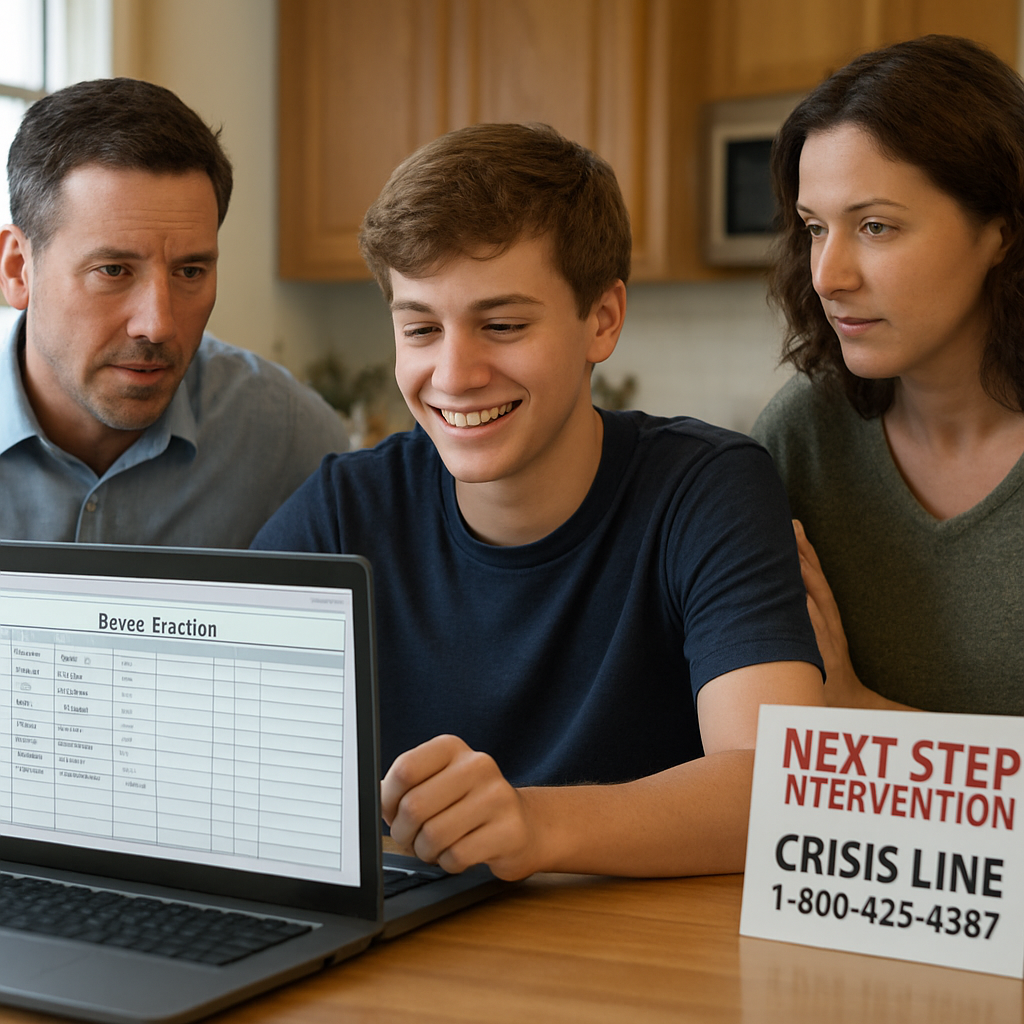
Couple the log with a “quick‑response” list: the therapist’s phone, Next Step Intervention’s 24‑hour crisis line, and a trusted friend who can step in if you’re out of town. Knowing help is just a call away reduces panic when a red flag appears.
Leverage peer and community resources
Teenagers listen to other teens more than they listen to adults. Connect your child with a peer‑support group—whether it’s a school‑based program, a local community centre, or an online recovery forum. In our experience, those peer circles act like a safety net that catches moments when family check‑ins slip.
Don’t overlook school counselors either. A brief email (or a quick call) to the counselor can secure extra academic accommodations and a trusted adult on campus who knows the teen’s situation.
Establish an emergency protocol
Even the best plans need a “what‑if” backup. Write down the steps: who to call first, where the nearest emergency department is, and what information to share (e.g., substances involved, recent dosage). Keep this sheet on the fridge next to the family contact list.
Practice the protocol once a month—just a dry run. When a crisis actually hits, muscle memory will guide you, and the teen will feel less abandoned.
Track progress with simple metrics
Numbers can be reassuring. Track three things: attendance at therapy sessions, frequency of cravings logged, and any incidents of substance use. Plot them on a line graph—seeing a downward trend in cravings or incidents is a tangible win that fuels motivation.
If progress stalls, treat it as data, not failure. Adjust the plan: maybe add a new coping skill, change the peer group, or increase the frequency of check‑ins.
| Support Element | Why It Matters | How to Implement |
|---|---|---|
| Weekly Check‑ins | Builds consistency and early detection of issues | Set a recurring calendar reminder; use a brief, open‑ended question format |
| Digital Mood Log | Provides real‑time transparency without feeling invasive | Share a simple spreadsheet or app with colour‑coded flags |
| Peer‑Support Connection | Teen‑to‑teen validation boosts adherence | Enroll in a local or online teen recovery group; schedule monthly meet‑ups |
So, what’s the next move? Pick one of the tools above—maybe that shared log—and set it up tonight. When you’ve got a system in place, you’ll notice the stress easing, the teen feeling heard, and the whole family breathing a little easier.
Remember, ongoing support isn’t a one‑time checklist; it’s a living roadmap that evolves as your teen grows. Keep refining it, stay patient, and lean on resources like Next Step Intervention whenever you need a steady hand.
Step 5: Evaluate and Adjust the Intervention Plan
Why evaluation matters
When you’ve set up check‑ins, mood logs, and peer‑support, the next question is: is it actually working? The truth is, any plan that stays static quickly becomes stale, especially with teenage drug use that can shift week to week.
Think of it like tuning a guitar. You pluck a string, listen, and then tighten or loosen the peg until the note rings true. The same principle applies to an intervention for teenage drug use – you gather data, listen, then fine‑tune the approach.
Step‑by‑step evaluation checklist
1. Review the metrics you’ve been tracking. Look at attendance at therapy sessions, the frequency of cravings logged, and any incidents of use. If the line on your graph is still flat or spiking upward, that’s a signal to act.
2. Ask the teen for their perspective. A quick “How are you feeling about the check‑ins this week?” can reveal hidden resistance or new stressors you haven’t captured.
3. Check the environment. Has anything changed at school, with friends, or at home that might be influencing cravings? Even a new after‑school club can shift the balance.
4. Revisit the coping toolbox. Are the skills you introduced (deep breathing, hobby scheduling, journaling) actually being used? If not, swap one out for something more appealing.
5. Confirm the support network is still a good fit. Sometimes a peer group that felt safe at first can become a trigger if new members join.
Real‑world tweak examples
One family we worked with noticed their teen’s cravings were still high despite weekly check‑ins. The teen confessed that the digital mood log felt “like a school assignment.” They switched to a simple bullet‑point paper journal kept in a drawer, and the teen started writing again within days.
Another scenario: a teen’s peer‑support group met online, but the platform’s notifications were overwhelming. Moving the group to a low‑key texting circle reduced anxiety and attendance jumped from 60% to 90%.
When to pivot the plan
If two consecutive weeks show no improvement in any metric, it’s time to consider a bigger change. That could mean adding a new professional—maybe a trauma‑focused therapist—or increasing the frequency of check‑ins from weekly to twice a week.
Don’t wait for a crisis to force a change. Proactive pivots keep the momentum going and show the teen that you’re responsive, not rigid.
Quick decision‑tree you can print
1. Metrics improving? Yes → Keep the plan, celebrate the win.
2. No → Teen engaged in tools? Yes → Add a new coping skill or increase session frequency.
3. No → Support network working? Yes → Switch therapist or add a specialist.
4. No → Environment changed? Yes → Address new stressors (school, friends, family).
Documenting adjustments
Every time you tweak something, write a one‑sentence note in your log: “Switched mood log to paper journal on 03/12/2026 – teen reported feeling less pressure.” This creates a clear trail you can review later, and it reinforces accountability for both you and the teen.
In our experience at Next Step Intervention, families who keep a concise adjustment log are more likely to see sustained progress because they can spot patterns that would otherwise be invisible.
Staying flexible without losing focus
It’s easy to feel like you’re chasing a moving target, but remember the core goal: a safer, healthier future for your teen. Every adjustment should circle back to that purpose.
Ask yourself after each review: “Does this change bring us closer to that goal?” If the answer is yes, you’re on the right track.
Action step for tonight
Grab the chart you’ve been using for attendance, cravings, and incidents. Plot the last two weeks. If the trend isn’t downward, pick one of the tweaks above—maybe a new coping skill or a different peer‑support format—and add it to your calendar for tomorrow.
Doing this small, intentional move tonight turns evaluation from a passive glance into an active, hopeful step forward in your intervention for teenage drug use.
Conclusion
So, you’ve walked through the whole process of an intervention for teenage drug use – from spotting the signs to fine‑tuning the plan.
If you’re feeling the weight of uncertainty right now, know you’re not alone; families everywhere wrestle with the same mix of fear and hope.
The most powerful takeaway? Keep the conversation alive. A brief check‑in after dinner, a quick note in the mood log, or a text asking how the day went can turn a crisis into a routine of trust.
And remember, every adjustment you make should circle back to that core goal – a safer, healthier future for your teen. Ask yourself after each tweak, “Does this bring us closer?”
In our experience at Next Step Intervention, the families that stay flexible yet focused see the biggest drops in cravings and relapses. That’s why we stress simple, repeatable habits over grand gestures.
Ready to put one more piece in place tonight? Grab that chart you’ve been using, plot the last two weeks, and add a single new coping skill or support check‑in to tomorrow’s calendar.
You’ve got the tools, the script, and the support network. Trust the process, lean on the resources we’ve shared, and take that next confident step. The journey isn’t easy, but it’s doable – and you’re already on the right path.
FAQ
What exactly is an intervention for teenage drug use?
It’s a structured, caring conversation where you bring together a teen, trusted adults, and often a neutral professional to share observations, express concern, and offer concrete help. Think of it like a family meeting that isn’t about blame but about safety and next steps. The goal is to break the secrecy loop, give the teen a clear path to treatment, and keep the whole family on the same page.
How do I know when it’s the right time to intervene?
Look for a pattern, not a single slip‑up. If you’ve noticed multiple signs—like mood swings, hidden paraphernalia, dropping grades, or new risky friendships—those are red flags that add up. When the signs start to intersect with safety concerns (e.g., overdose‑like symptoms, legal trouble, or severe anxiety), that’s the cue to move from observation to action. Trust your gut, but back it with documented observations.
Who should be invited to the intervention?
Pick a small, supportive circle: the teen’s parent or guardian, a sibling or close relative, a school counselor, and a professional interventionist who can stay neutral. Too many voices can feel like a courtroom; three to five caring adults usually work best. The key is that each person brings a specific, non‑judgmental offer—whether it’s a ride to a therapist, a promise to handle school paperwork, or simply a listening ear.
What should I say during the intervention?
Start with empathy: “I’ve noticed some changes and I’m worried because I love you.” Then share factual observations without accusation—like, “I found a vape pen in the bedroom.” Follow each concern with a concrete help option, such as, “We’ve set up a meeting with a teen‑focused counselor next Tuesday, and I can drive you.” Keep it short, honest, and solution‑focused.
How can I keep the conversation from spiraling into a fight?
Use open‑ended questions and pause often. Instead of “Did you do this?” try “What have you heard about vaping at school?” When the teen shuts down, acknowledge the feeling—“I hear you’re feeling pressured”—and give space. Avoid blame language and stay on the present moment. If tension rises, suggest a short break and reconvene after a few minutes to let emotions settle.
What role does a professional interventionist play?
They act as the neutral facilitator who keeps the discussion focused, calm, and on‑track. They’re trained to de‑escalate emotions, reframe statements, and present treatment options without sounding like a parent‑lawyer. In our experience at Next Step Intervention, having a certified interventionist boosts the teen’s willingness to consider help by 30‑plus percent because the conversation feels safer and more structured.
What are the next steps after the intervention?
Follow up within 24‑48 hours with a clear action plan: schedule the first therapy session, set up a peer‑support group, and create a simple tracking sheet for cravings or mood swings. Keep check‑ins short—10‑15 minutes every few days—and adjust the plan based on what’s working. Remember, the intervention is the launch point; consistent, low‑pressure follow‑through keeps the momentum alive and shows the teen you’re in this for the long haul.