
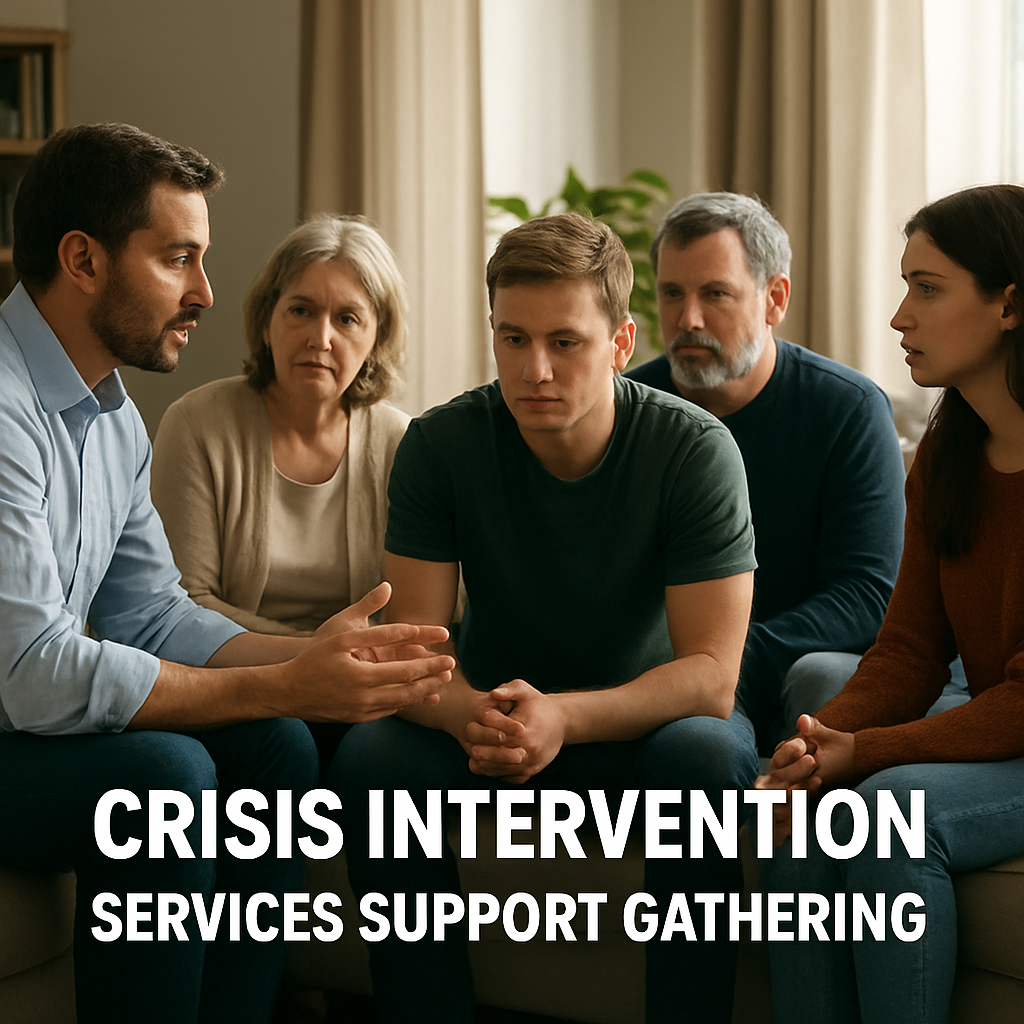
Ever had that gut‑wrenching feeling when a loved one’s drinking or drug use suddenly spirals, and you’re left wondering if there’s any way to reach them before things get even worse? You’re not alone—many families hit that wall, feeling helpless, exhausted, and terrified of saying the wrong thing.
What we’ve seen time and again at Next Step Intervention is that the first breakthrough often comes from a simple, yet structured conversation: an intervention. It’s not a dramatic showdown; it’s a carefully planned, compassionate gathering where friends and family share their concerns, set clear boundaries, and offer a path forward. Imagine sitting around a kitchen table, each person speaking from the heart, while a trained interventionist guides the flow to keep emotions honest but constructive.
Real‑world example: the Martinez family in San Diego called us after their 19‑year‑old son missed work repeatedly and started hiding pills. Within a week of planning, we helped them stage a calm, factual discussion that highlighted his health risks and presented treatment options. Within days, he agreed to a residential program, and the family reported a noticeable shift in hope and communication.
So, how does an intervention actually work? Here are three actionable steps you can start today:
1️⃣ Gather a small, trusted circle—ideally three to five people who truly care and can stay calm.
2️⃣ Write down concrete observations (missed appointments, legal troubles, mood swings) and the impact on the family.
3️⃣ Choose a neutral location and set a firm time limit (usually 60‑90 minutes) to keep the conversation focused.
It’s also crucial to have professional guidance. A skilled interventionist can keep the dialogue from devolving into blame and ensure everyone’s voice is heard. If you’re wondering where to find that expertise, check out our comprehensive overview of intervention services that outlines the different models we offer—from substance‑abuse to dual‑diagnosis support.
And remember, you don’t have to wait for the perfect moment. The longer you hesitate, the deeper the entrenchment can become. If you’re feeling the weight of uncertainty right now, pick up the phone and call us. Call Now—Immediate Response! Call (949) 545-34388. We’re ready to help you take the first, decisive step toward healing.
TL;DR
When a loved one’s addiction spirals, a compassionate, professional intervention can break the cycle, restore hope, and guide them toward safe treatment. Call Next Step Intervention now for an immediate response—dial (949) 545‑34388 and our interventionists will meet you quickly, assess the situation, and set up a safe plan today.
1. Crisis Intervention Services
When a crisis hits, the clock starts ticking and every minute feels heavier. You’ve probably felt that gut‑wrenching rush of panic wondering, “How do I even begin?” The good news? Crisis intervention services are built to turn that chaos into a clear path forward.
1️⃣ Immediate, on‑the‑ground response
Our team shows up fast—often within the hour. We assess safety, talk to everyone in the room, and set a calm tone before emotions spiral. Think of it as the “first‑aid” for families facing addiction or mental‑health emergencies.
2️⃣ A safe, neutral space
We pick a location that feels neutral—maybe a community center or a quiet coffee shop—so no one feels trapped at home. That neutral ground lets you speak honestly without the walls closing in.
3️⃣ Tailored conversation scripts
Every family is different, so we craft a script that matches your loved one’s history, triggers, and strengths. It’s not a one‑size‑fits‑all lecture; it’s a conversation that feels like you’re finally being heard.
4️⃣ Professional facilitation
Our interventionists keep the dialogue from turning into blame. They gently redirect, keep the focus on concrete behaviors, and make sure the person on the brink knows there’s a concrete plan waiting.
5️⃣ Seamless hand‑off to treatment
Once the conversation lands, we connect you with the right treatment option—whether it’s an inpatient program, outpatient counseling, or a dual‑diagnosis clinic. The transition is smooth, because we’ve already built trust.
Here’s a quick snapshot of what that looks like in practice: a family of four gathers in a quiet room, each sharing a single observation—missed work, hidden pills, rising anxiety. The interventionist guides the flow, validates feelings, and then presents a clear next step: a 30‑day residential program that fits the family’s budget and schedule. Within days, the loved one checks in, and the family feels the weight lift.
That real‑world flow is why many families call us for “crisis” help rather than waiting for a “nice time.” If you’re wondering where to start, our full range of intervention services breaks it down step by step.
Looking for ways to keep the momentum after the intervention? Pairing the process with holistic health resources can make a huge difference. XLR8well’s proactive health programs offer nutrition plans, stress‑management tools, and fitness routines that complement recovery and help maintain sobriety.
After you’ve watched the video, remember that the conversation doesn’t end there. Ongoing support—like regular check‑ins or a post‑intervention plan—keeps everyone accountable.
If you need a guiding hand beyond the immediate crisis, consider adding a personal growth partner. Bettina Rodriguez Aguilera’s life coaching specializes in helping families rebuild routines, set boundaries, and nurture a healthier mindset after the intervention.
And don’t forget the power of a simple call. When you’re ready to take that first decisive step, pick up the phone. Call Now—Immediate Response! Call (949) 545‑34388. We’ll be there, ready to listen, plan, and act.
2. Substance Abuse Intervention Services
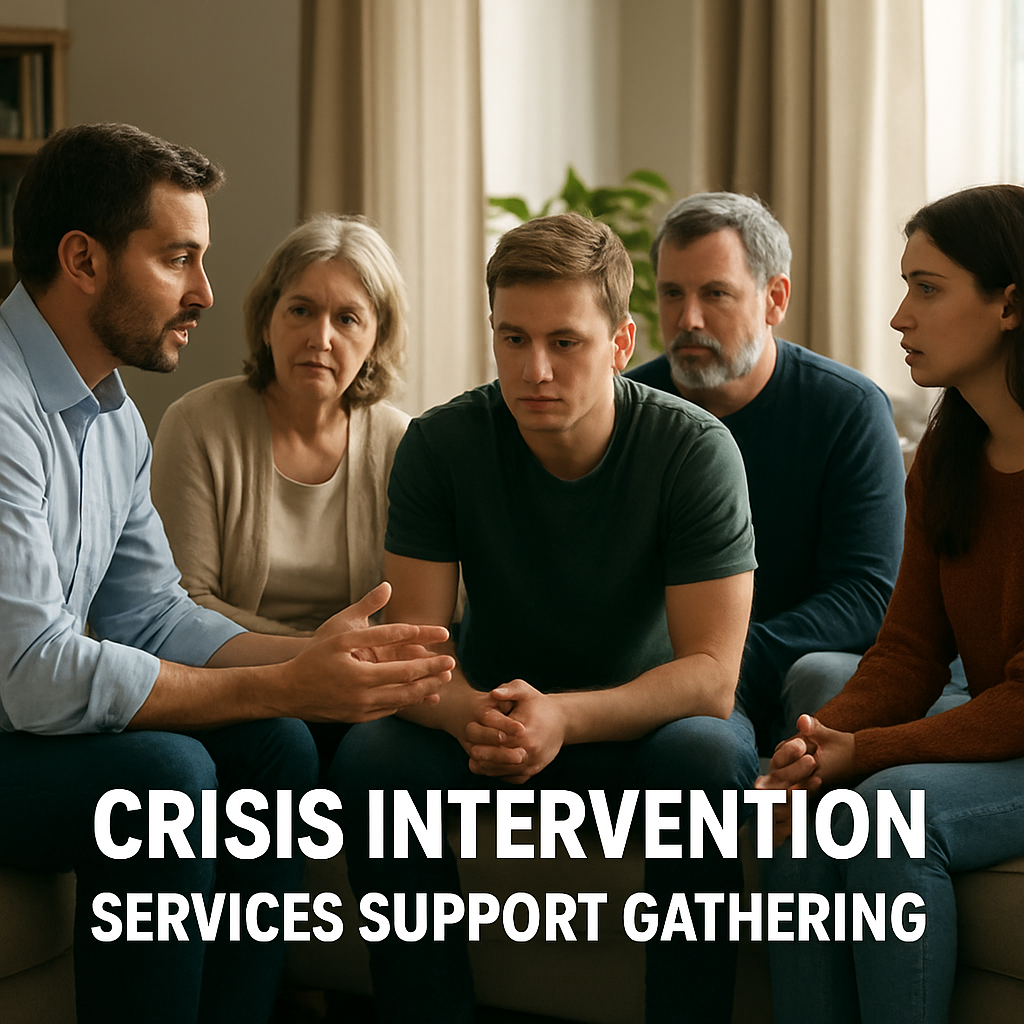
When the conversation turns to substance abuse, the stakes feel higher and the emotions run deeper. You’ve probably wondered if there’s a playbook that actually works, or if you’re just winging it. In our experience, a solid set of intervention services can turn that uncertainty into a clear path forward.
1️⃣ Assess the Landscape
First thing we do is take a step back and map out what’s really happening. It’s not just “they’re drinking too much.” We look at patterns—missed work, legal issues, health scares—and write them down. This creates a factual baseline that keeps the conversation from spiraling into blame.
2️⃣ Bring in a Trained Interventionist
A neutral professional knows how to hold space while the family shares hard truths. They set ground rules, keep the tone respectful, and make sure everyone gets a turn. Think of them as the referee who makes sure the game stays fair.
3️⃣ Craft a Compassionate Script
We help families turn raw observations into “I‑feel” statements. Instead of “You always hide,” you might say, “I feel scared when I see you hiding pills because I love you and worry about your health.” This tiny shift makes the person hear the concern instead of the accusation.
4️⃣ Offer Concrete Options
People often freeze when faced with a vague “get help” suggestion. We present a menu—residential rehab, outpatient counseling, faith‑based programs—each with clear steps, costs, and timelines. When the options are concrete, the decision feels less overwhelming.
5️⃣ Leverage Community Resources
Funding can be a huge barrier, but the federal Substance Use Block Grant program channels money to states for exactly this kind of help. You can explore eligibility and application details through the Substance Use Block Grant to see if local agencies can cover part of the treatment cost.
6️⃣ Plan Immediate Follow‑Up
After the intervention, momentum is everything. We set up a 24‑hour check‑in, arrange transportation to the intake facility, and assign a post‑intervention coach. Simple check‑ins like “Did you get to your first session?” keep the person accountable and supported.
So far, does that roadmap make sense? It feels like a lot, but each piece builds on the last, turning chaos into a step‑by‑step plan.
Watching the video can help you visualize how an intervention flows—from the calm opening to the clear presentation of options. Keep an eye on the body language tips; they’re small tweaks that make a huge difference.
7️⃣ Track Progress and Adjust
We treat the whole process like a living document. After the first treatment session, we note attendance, any cravings reported, and family stress levels. If something isn’t clicking—maybe the program feels too intense—we pivot to a different modality. Data‑driven tweaks keep hope alive.
8️⃣ Celebrate Tiny Wins
Recovery isn’t a sprint; it’s a marathon with many water stations. Celebrate when the loved one shows up for a therapy appointment, or when the family can have a calm dinner without tension. Those moments reinforce the new habits you’re building. Those small victories add up, creating a ripple effect that strengthens the whole family’s resolve.
Ready to put this into action? Grab a notebook, rally your trusted circle, and give us a call. Call Now—Immediate Response! Call (949) 545‑34388. We’re here to guide you through every step of these intervention services.
3. Mental Health Intervention Services
That hollow feeling when a loved one stops answering texts and you can see their mood slipping—yeah, we know that moment. Mental health crises often hide behind quiet rooms and missed appointments, and intervention services are the tool that brings the conversation back into the light.
1) Rapid mental‑health triage: what to do first
Start with safety and facts. If someone is at immediate risk (talking about suicide, showing psychosis, or using substances dangerously), call emergency services. Then get a clear snapshot: sleep, appetite, meds, and recent triggers.
Tip: write three specific, recent observations—dates, times, concrete behaviors. That keeps the talk grounded and helps any clinician fast‑track care.
2) Bring in a clinician‑led intervention
Professionals who understand mental‑health diagnoses keep the focus on treatment, not blame. In our experience, having even one licensed clinician present turns a chaotic family meeting into a short, effective decision point.
Actionable step: schedule a 30‑minute pre‑call with an interventionist to map roles, agree on boundaries, and script the opening lines—this avoids the typical “argument drift.”
3) Choose the right setting and modality
Not every person needs inpatient care; some need a rapid outpatient intake, medication management, or crisis stabilization. Present options with simple logistics: “If you say yes, we’ll call this clinic, arrange transport, and meet you there.”
Example: a young adult with severe anxiety may accept a same‑day psychiatry intake and start a brief CBT track. An older adult with bipolar features may need expedited med adjustment and close follow‑up.
4) Concrete steps families can take right now
1) Gather three calm, trusted allies who will stay on script.
2) Draft non‑negotiable boundaries and supportive options (housing, transport, intake times).
3) Line up a clear first‑week plan—who will call the intake, who will drive, who will check in daily.
Why this helps: immediate, concrete plans reduce the “overwhelm freeze” that keeps people from accepting help.
5) Post‑intervention care: momentum matters
A crisis isn’t fixed by one meeting. Track attendance at the first appointment, medication adherence, and sleep patterns for the first 14 days. If things slide, pivot fast—change the provider, increase support, or consider short residential stabilization.
Does this really work? Yes—when families hold momentum and the plan is specific, the odds of engagement rise dramatically.
6) Real‑world example (without names)
We once worked with a family where panic attacks had shut down work and social life. The team presented two options—urgent psych med eval the same day, or brief residential stabilization. The person chose outpatient med eval because transport and privacy were arranged instantly. That concrete offer changed “maybe” to “yes.”
7) Where to learn more and get next steps
If you want a deeper look at the models and local pathways we use when mental health is the main issue, check our focused page that explains the types of interventions we deliver and how we coordinate care.
Mental Health Interventions Services | Next Step Intervention
Final, practical tip
Keep your language short and concrete: “I’m calling because I’m scared for you. Here are two ways we can get you help tomorrow.” Short sentences. Clear options. Less blame.
If you’re at that hard crossroads right now, call us. Call Now—Immediate Response! Call (949) 545-34388
4. Family & Relationship Intervention Services
1. Whole‑Family Talk (FT) – a proven framework
When a parent’s mental health is shaky, the whole household feels the tremor. The Family Talk program gives every family member a seat at the table, from the teen who’s scrolling TikTok to the grandparent who still uses a landline.
It’s a seven‑session, clinician‑facilitated series that mixes psycho‑education, narrative work and problem‑solving. Families we’ve helped see better communication, fewer night‑time arguments, and a noticeable dip in the kid’s anxiety scores.
2. Couples‑Focused Intervention
Sometimes the crisis isn’t just about the person with the addiction or mental‑health issue – it’s about the partnership that’s been stretched thin. A short‑term, structured couples session can turn “I’m done” into “Let’s figure this out together.”
Research on early‑psychosis families shows that dedicated family intervention reduces relapse and hospital admission. The same principle applies when you replace “relapse” with “re‑argument.”
3. Parent‑Child Skill‑Building Sessions
Kids notice the tension before you do. A 45‑minute play‑based session lets a parent practice active listening while the child learns how to voice worries without blaming.
We’ve seen families walk away with a simple “check‑in” script: “Hey, I noticed you’ve been quiet today – what’s on your mind?” The script feels safe, concrete, and it keeps the conversation from spiralling.
4. Crisis‑Response Coaching for Relationships
If a night‑time panic attack or an unexpected binge hits, you need a rapid‑response plan. Think of it as a “relationship emergency kit” – two clear options, a designated transport person, and a backup contact.
We coach families to write that kit in plain language: “Option A – call Dr. Smith for a same‑day med eval. Option B – drive to the residential intake center.” Concrete choices turn “maybe” into “yes.”
5. Follow‑Up & After‑Care Check‑Ins
Momentum dies without a schedule. Mark the calendar for the first 14 days: track appointments, medication adherence, and sleep patterns. If anything slides, pivot fast – swap the provider, add a support person, or consider a short residential stay.
Simple, short sentences work best: “I’m calling because I’m scared for you. Here are two ways we can get you help tomorrow.” Keep it blunt, keep it kind.
Quick Comparison
| Service | Who Benefits | Typical Length / Notes |
|---|---|---|
| Whole‑Family Talk | Parents with mental‑health issues + children (5‑18) | 7 weekly 60‑90 min sessions; strong evidence for improved family functioning |
| Couples‑Focused Intervention | Two adults in a relationship facing addiction or mental‑health stress | 1‑3 intensive sessions; reduces relapse risk in early psychosis families |
| Parent‑Child Skill‑Building | Any family where a child needs a safe space to express concerns | 45‑min session series; focuses on communication scripts |
Feeling the weight of a crossroads right now? Call us. Call Now—Immediate Response! Call (949) 545‑34388. We’ll get an interventionist on the phone within minutes and walk you through the next steps.
5. Educational Intervention Services
1. The “why” behind school‑based interventions
Ever walked into a classroom and sensed that a kid is constantly drifting, even after the teacher’s best effort? That feeling usually means the student is missing a hidden piece of support.
In our experience, academic struggles often mask deeper issues—unaddressed trauma, early‑onset substance use, or mental‑health flare‑ups. When those pieces stay invisible, the whole family feels the ripple.
That’s why educational intervention services exist: to give schools a structured safety net that catches the student before the problem spirals.
2. The three‑tier MTSS model explained
Most districts now run a Multi‑Tier System of Support (MTSS). Think of it as a ladder.
Tier 1 – universal, high‑quality instruction for every student. The teacher tweaks lessons, uses engaging strategies, and monitors day‑to‑day progress.
Tier 2 – targeted help for students who aren’t keeping up. Small‑group sessions, extra worksheets, or a dedicated instructional coach step in. Progress is checked weekly.
Tier 3 – intensive, individualized instruction pulled out of the regular classroom. This could be daily reading labs, one‑on‑one math tutoring, or a behavior‑intervention plan.
Data from the Wallkill Central School District shows that when all three tiers are faithfully implemented, reading proficiency can jump by up to 15 % within a single school year. Multi‑Tier System of Support (MTSS) framework
3. Real‑world example: the “quiet sophomore”
Picture a 15‑year‑old sophomore who used to ace geometry but now hands in blank worksheets. His parents notice mood swings, but the teacher only sees a “lack of effort.”
Using MTSS, the school flagged him during the universal screening. He was moved to Tier 2 for a few weeks of focused math tutoring and weekly check‑ins with a school counselor.
When progress stalled, the team escalated him to Tier 3, pairing a reading specialist with a trauma‑informed therapist. Within two months his grades rebounded, and his family reported a noticeable drop in home tension.
4. Actionable steps you can take right now
1️⃣ Ask the school for the latest universal screening results. If you haven’t seen them, request a copy—parents have a right to this data.
2️⃣ Set up a brief meeting with the classroom teacher and the school’s intervention coordinator. Bring three concrete observations (e.g., “missed three homework assignments in the past week”).
3️⃣ Request a Tier 2 plan if the data points to a gap. Ask for clear success metrics: “Will my child improve reading fluency by 5 % in four weeks?”
4️⃣ If progress isn’t evident after 4‑6 weeks, push for Tier 3. Insist on daily progress monitoring and a written adjustment plan.
5️⃣ Create a home‑school log. Each evening, jot down what was practiced at school and what you reinforced at home. Consistency is the secret sauce.
5. Tips from seasoned interventionists
• Keep language simple. When you talk to teachers, say “I’m seeing my child struggle with math facts” instead of “my child exhibits low academic proficiency.”
• Celebrate micro‑wins. A “finished worksheet” or “asked a question in class” deserves a quick high‑five. Those moments build confidence faster than a perfect test score.
• Leverage community resources. Many districts partner with local nonprofits that provide after‑school tutoring at no cost. Ask the school’s liaison for the current list.
• Don’t wait for the next report card. Intervention is most effective when it’s proactive, not reactive.
6. When educational intervention meets addiction or mental‑health concerns
Sometimes the academic gap is just the tip of the iceberg. A teen who starts skipping classes may be experimenting with substances, or they might be battling anxiety.
In those cases, the school’s intervention team can coordinate with a licensed interventionist—like the ones at Next Step Intervention—to align the academic plan with a treatment plan.
The combined effort ensures the student isn’t pulled in two opposite directions: one side saying “go back to class,” the other saying “seek help.” Instead, they get a unified roadmap.
7. Quick checklist before you call
- Have the latest screening data in hand.
- Write down three specific concerns.
- Know which tier you think your child needs.
- Prepare a list of community tutoring options.
- Set a date for a follow‑up meeting (usually 4 weeks later).
If you’re staring at a report card that feels more like a warning sign, remember you don’t have to navigate it alone. Call Now—Immediate Response! Call (949) 545‑34388 and let a professional guide you through the next steps.
6. Workplace Intervention Services
Ever feel like the stress at work is spilling over into home life, and you’re not sure where to draw the line? You’re not alone—burnout and workplace anxiety are showing up in more family conversations than ever.
1. Quick stress‑screening for the whole team
Start with a simple check‑in. Ask each employee to rate their current stress on a 1‑10 scale and note any red flags like sleeplessness or irritability. In a recent trial of a blended web‑based program, participants who completed the screening saw a measurable drop in stress scores after the intervention (see the study on workplace intervention services).
2. Psycho‑education modules you can fit into a lunch break
Give staff bite‑size lessons on recognizing burnout, managing anxiety, and debunking stigma. The best‑selling approach mixes six self‑paced online videos with one live group session, so people get the flexibility of e‑learning plus the connection of face‑to‑face practice. A single module can be wrapped up in 15 minutes—perfect for a coffee break.
3. Manager‑led “check‑in” consultations
Equip supervisors with a short script: “I noticed you’ve been pulling late nights lately—how can we adjust your workload?” Pair this with a one‑hour consultation from a senior social worker who can scan the work environment (think of the Moos Work Environment Scale). When managers act early, teams report higher feelings of professional accomplishment.
4. Blended group workshops for peer support
After the online modules, bring the group together for a 90‑minute workshop. Use real‑world case studies (no names, just scenarios) and let participants practice “I‑feel” statements. The face‑to‑face portion boosts engagement—research shows pure online learning can feel isolating, while blended formats keep morale up.
5. Ongoing “pulse” surveys to keep momentum
Every four weeks, send a quick 3‑question survey: stress level, burnout signs, and one concrete action taken. Track the numbers. If stress climbs back up, you can re‑activate the psycho‑education refresher. Consistent data collection turns a one‑off program into a living, breathing support system.

6. Measuring impact and adjusting the plan
Finally, you need a way to know whether the effort is paying off. Most workplaces adopt the Maslach Burnout Inventory (MBI) to track emotional exhaustion, depersonalization, and professional accomplishment, plus the DASS stress subscale for quick mood checks. Pair those numbers with a mental‑health‑literacy quiz—like the one used in the frontiers study—to see if knowledge gaps are closing. When the scores plateau or rise, it’s a cue to swap a module, bring in a specialist, or add a brief mindfulness break. The key is to treat the data as a compass, not a scoreboard.
Picture this: a mid‑size tech firm rolled out the five steps above. Within two months, absenteeism dropped 12 %, and the HR dashboard flagged a 20 % reduction in reported burnout. The secret? Keeping the program simple, measurable, and anchored in real‑time conversation.
So, what’s the next move for you? Grab a notebook, map out these five steps, and talk to your HR partner about launching a pilot. If the idea of designing a program feels overwhelming, remember you don’t have to do it alone—Next Step Intervention can guide you through the setup and help you interpret the results.
Feeling the pressure building? Call Now—Immediate Response! Call (949) 545-34388 and let a professional walk you through a tailored workplace intervention plan today.
Conclusion
After seeing how a quick stress screen, a clear script, and a follow‑up plan can turn chaos into a roadmap, you probably wonder if it all feels doable.
Here’s the short version: pick three trusted allies, write down three concrete observations, and schedule a 30‑minute call with a professional interventionist. Those three steps give you data, compassion, and momentum—all the ingredients we’ve seen shrink burnout and boost recovery.
Does it sound overwhelming? It isn’t. In our experience families who start with a notebook and a phone call see measurable change within weeks. The key is to treat the process like a conversation, not a checklist, and to keep checking the numbers you care about.
What’s the next move? Grab that notebook right now, jot down what’s been happening, and call us. We’ll be on the line within minutes, walk you through the first script, and help you set up the follow‑up schedule.
Finally, keep the momentum alive by revisiting your notes every two weeks. Celebrate even the tiniest win—a completed appointment, a calmer family dinner—and adjust the plan if something feels off. Consistency turns a single intervention into lasting change.
Remember, you don’t have to figure this out alone—Call Now—Immediate Response! Call (949) 545‑34388 and let a caring professional guide you through the next steps.
FAQ
What exactly are intervention services and how do they work?
Intervention services are a structured, compassionate process where a trained professional guides you and a small circle of trusted allies through a calm, fact‑based conversation with your loved one. The goal isn’t to lecture or blame—it’s to share concrete observations, set clear, non‑negotiable boundaries, and present realistic treatment options. The interventionist keeps emotions in check, helps each voice be heard, and steers the meeting toward a safe, actionable plan.
How quickly can I get help after I reach out?
When you call us, we aim to have a qualified interventionist on the phone within minutes—usually under ten. We understand that crises don’t wait for business hours, so our immediate‑response team is on standby 24/7. After the initial call, we’ll schedule a 30‑minute prep session the same day if possible, giving you a clear roadmap before you even step into the first conversation.
What should I prepare before the first intervention call?
Grab a notebook and jot down three specific, recent observations—dates, behaviors, and the impact on the family. Think about who you want in the room (ideally three calm, supportive people) and what non‑negotiable boundaries you need (e.g., “no more hidden substances”). Having this concrete info ready lets the interventionist tailor the script, keep the meeting focused, and avoid vague accusations that can derail progress.
Are intervention services covered by insurance or other payment options?
Many health plans include coverage for crisis intervention and short‑term counseling, but coverage varies by provider and state. We can help you verify benefits, submit the necessary documentation, and explore sliding‑scale fees if insurance isn’t an option. In our experience, families who ask about payment up front feel more confident moving forward, and we’re happy to walk you through every step of the paperwork.
Can intervention services address both substance‑abuse and mental‑health concerns at the same time?
Absolutely. Dual‑diagnosis situations are common, and a skilled interventionist can weave together both strands—talking about the substance‑use patterns while also acknowledging underlying anxiety, depression, or trauma. By presenting a coordinated plan that includes rehab, outpatient therapy, and possibly medication management, we help families avoid the “choose one” trap and give the loved one a clearer path to recovery.
What makes Next Step Intervention’s approach different from other options?
We focus on turning the intervention into a conversation, not a checklist. Our team spends extra time coaching you on “I‑feel” language, rehearsing scripts, and building a rapid‑follow‑up schedule that keeps momentum alive. We also provide a 24‑hour check‑in system so you never feel stranded after the first meeting. That blend of empathy, practical tools, and ongoing support is why families often see measurable change within weeks.
What if I’m terrified that my loved one will reject help or get angry?
That fear is normal—and it’s why we stress preparation. By grounding the discussion in specific, non‑judgmental observations and offering concrete options, you reduce the chance of a defensive reaction. The interventionist acts as a neutral moderator, stepping in if the conversation heads toward blame. Plus, we equip you with a post‑intervention safety plan, so if the person says “no” now, you have a clear next step rather than feeling stuck.
Ready to take the next step? Call Now—Immediate Response! Call (949) 545-34388 and let a caring professional guide you through the process.