When an opioid overdose happens, you don’t have time to panic. You need a clear, step-by-step plan. This guide gives you 10 critical resources to recognize an overdose, give naloxone, and get help. Let’s get started.
1. Next Step Intervention , Expert Guidance for Overdose Preparedness
Next Step Intervention helps families prepare for opioid emergencies. They offer training on spotting overdose signs, using naloxone kits, and staying calm under pressure. Their team works with you to create a personalized emergency plan.
Best for: Families who want hands-on coaching and a written plan they can practice.
They walk you through each resource in this guide so you’re never guessing. If you want expert backup before a crisis hits, reach out to them. Check their quick checklist for family drug crisis to start building your plan today.
Caveat: Their services are a supplement, not a replacement for 911 or naloxone access. Always call 911 in an overdose.
2. Narcan (Naloxone Nasal Spray) , Most User-Friendly Option
Narcan is the brand-name nasal spray version of naloxone. It’s the easiest to use , no needle, no assembly. Just peel, place, and press.
Best for: Anyone , no medical training required. It’s the go‑to for families.
Narcan works within 2, 5 minutes. If the person doesn’t respond, give the second dose in the other nostril after 2, 3 minutes. Learn more in our overdose help guide.
Caveat: Narcan expires. Check the date every month and replace if needed.
3. Recognizing an Opioid Overdose , The First Critical Step

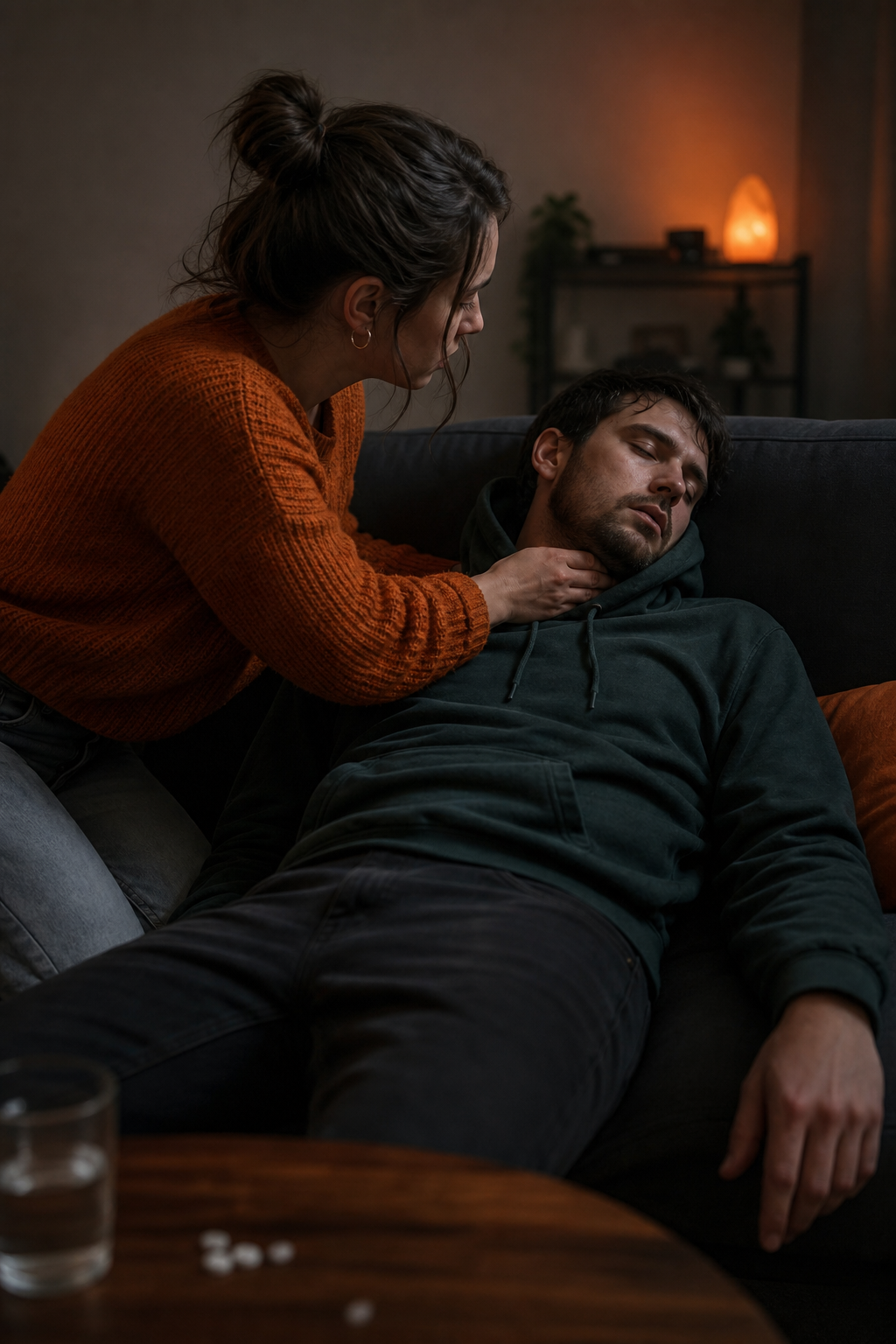
Before you give naloxone, you need to be sure it’s an overdose. Look for these signs:
- The person won’t wake up, even if you shake them or yell.
- Breathing is very slow, shallow, or stopped.
- Lips or fingertips turn blue or gray.
- Making gurgling or snoring sounds.
- Pupils are tiny (pinpoint).
If you see any of these, call 911 immediately and grab your naloxone. Don’t wait , seconds matter. According to Ontario’s free naloxone kit page, calling 911 is the first step in every overdose response.
4. Calling 911 and Good Samaritan Laws , Don’t Hesitate
Many families pause because they’re scared of police or legal trouble. But Good Samaritan laws in every state protect you from being charged for possessing naloxone or for the overdose itself.
When you call 911, describe the situation and that you have naloxone. Stay on the line and follow the dispatcher’s instructions.
Best for: Overcoming the biggest barrier , fear of calling.
Remember, you cannot be arrested for helping. The law shields you from prosecution for simple possession or calling for help. Don’t let that fear cost a life.
5. Administering Naloxone Nasal Spray , Peel, Place, Press
Once you have the Narcan device, follow the three P’s:
- Peel, Open the package and remove the device. Don’t test it , one dose only.
- Place, Tilt the person’s head back, support their neck, and insert the nozzle into one nostril until your fingers touch their nose.
- Press, Press the plunger firmly to release the full dose.
After giving the spray, roll the person onto their side (recovery position). Watch for breathing to improve within 2, 3 minutes. If not, give the second dose in the other nostril.
For more details, see our guide on what to say during an overdose.
6. Intramuscular Naloxone Injection , For Those Trained
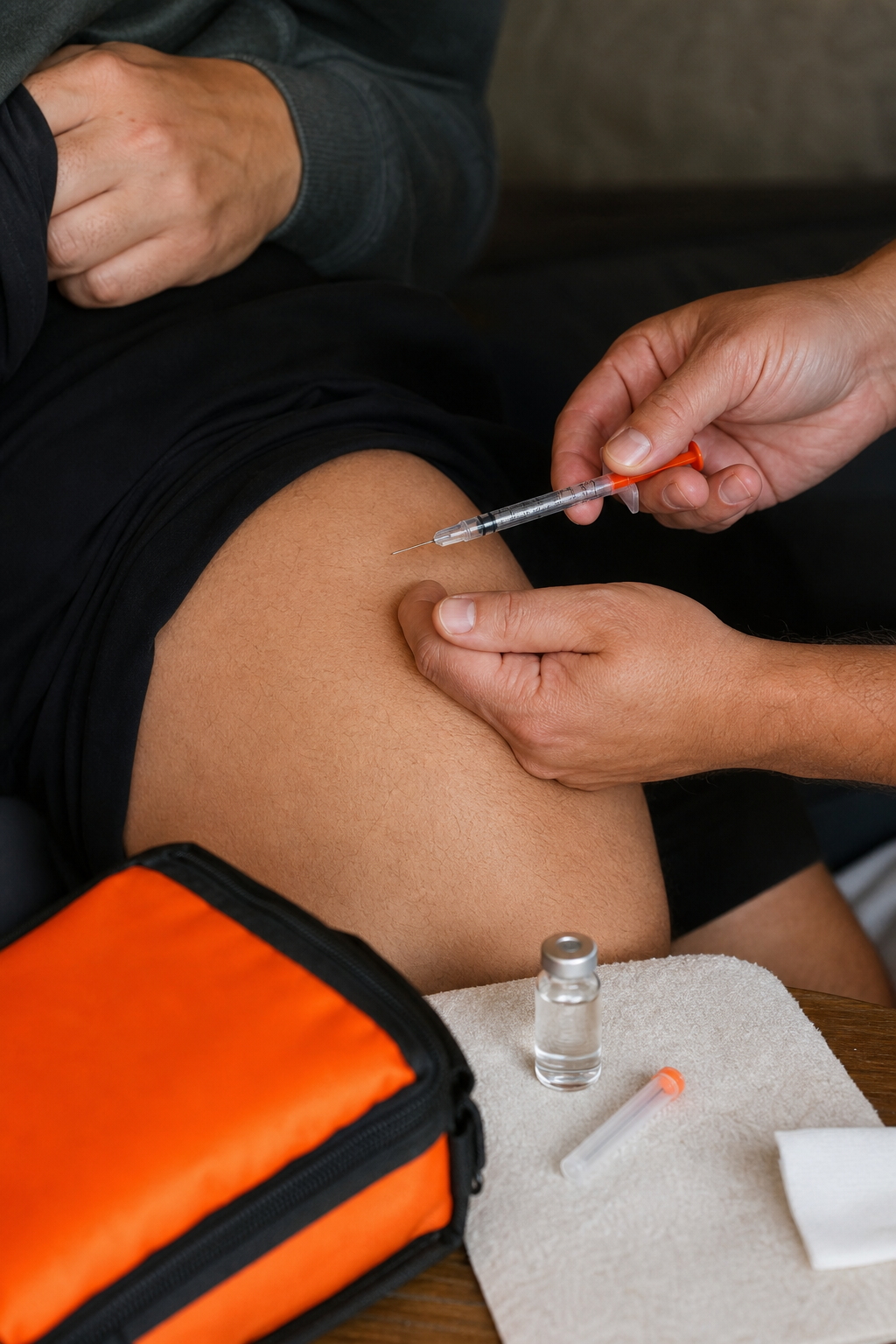
Some families prefer or are given injectable naloxone kits. These include a vial of naloxone, a syringe, and an alcohol swab. Use only if you’ve been trained or if the nasal spray isn’t available.
Steps:
- Remove the vial cap. Wipe the rubber top with the alcohol swab.
- Attach the needle to the syringe. Pull back the plunger to draw air equal to the dose (usually 1 mL).
- Insert the needle into the vial, push the air in, then turn the vial upside down and draw 1 mL of naloxone.
- Tap the syringe to remove air bubbles.
- Inject into a large muscle , outer thigh, upper arm, or buttock. Push the plunger firmly.
- Remove the needle and safely dispose of it in a sharps container.
Best for: Those who have received hands-on training. The injectable form is also common in community distribution programs.
Caveat: Never reuse needles. Always use a new syringe from the kit.
7. Waiting and Giving a Second Dose , The 2, 3 Minute Rule
After the first naloxone dose, wait 2, 3 minutes. Watch for signs of waking: coughing, groaning, or starting to breathe on their own.
If there’s no improvement, give the second dose. With fentanyl or carfentanil, the first dose may not be enough because these opioids are so potent. Its half‑life is shorter than many opioids, meaning re‑overdose is possible.
Best for: Ensuring the person stays alive until help arrives.
Don’t be afraid to use both doses. It’s safe , naloxone has no effect if opioids aren’t present.
8. Post-Administration Care , Rescue Breathing and Observation
While you wait for EMS, the person may still not be breathing well. Start rescue breathing:
- Tilt their head back, lift the chin.
- Pinch the nose shut.
- Give one breath every 5 seconds. Watch for the chest to rise.
- If you have a pocket mask or CPR face shield, use it.
Keep them in the recovery position (on their left side) to prevent choking if they vomit. Stay with them the entire time. Even if they wake up, they need medical evaluation , naloxone wears off in 30, 90 minutes, and sedation can return.
9. Aftercare and Emotional Support for Your Loved One
After an overdose, the person may feel confused, scared, or angry. Naloxone can cause sudden withdrawal , sweating, shaking, nausea. Speak calmly and reassure them.
Once they’re stable and with medical professionals, your job isn’t over. Help them connect with treatment. Contact a professional intervention service like Next Step Intervention to create a recovery plan. They offer compassionate guidance for the whole family.
Pro Tip: Write down what happened , time of doses, breathing rate, any changes. That information is gold for doctors and counselors.
10. Storing, Disposing, and Obtaining Naloxone Kits
Finally, make sure you have naloxone ready before you need it. Most pharmacies sell Narcan without a prescription. Community programs often give free kits. Check with your local health department.
Storage: Keep at room temperature, away from direct light and heat. Check expiry dates every month. Replace expired or used kits immediately.
Disposal: Used naloxone devices (nasal spray or needles) go in a sharps container. If you don’t have one, put them in a heavy plastic bottle with a screw‑on lid, then throw it in the trash (check local rules first).
For online scheduling tools to book training sessions or appointments, such services can help manage the process. And if your local support group needs a website to reach families, website development services can help create industrial‑grade websites for organizations like yours.
Frequently Asked Questions
Will naloxone hurt someone if they aren’t overdosing?
No. Naloxone only blocks opioid receptors. If opioids aren’t present, it does nothing. It’s safe to give even if you’re not sure.
How long does naloxone take to work?
Naloxone usually works within 2 to 5 minutes. If you don’t see improvement after 2, 3 minutes, give a second dose.
What if I only have one dose of naloxone?
Call 911 immediately. Give the single dose and start rescue breathing. Paramedics will have more naloxone. Most kits come with two doses , use both if needed.
Can I be arrested for calling 911 during an overdose?
No. All 50 states have Good Samaritan laws that protect you from prosecution for minor drug possession when you call 911 for an overdose. You are helping, not hurting.
Where can I get free naloxone?
Check your local health department, community clinics, or harm reduction organizations. Many offer free naloxone kits without a prescription. Pharmacies also sell Narcan over the counter.
What should I say to the 911 dispatcher?
Tell the dispatcher you suspect an opioid overdose and are giving naloxone. Give your exact location. Stay on the line and follow instructions. Don’t hang up until they tell you to.
Conclusion
You now have a complete step-by-step naloxone guide for families. Print this page, practice the steps, and keep a naloxone kit at home. The most important thing is to act fast and call 911. If you need extra help preparing, Next Step Intervention offers expert guidance and a caring hand. Call them at (949) 545-3438 or visit nextstepintervention.com to start building your family’s overdose response plan. You’ve got this.