
One dose of naloxone can bring a loved one back from the brink of death in under a minute. Families often wonder if it’s safe, how fast to act, and what to do after the first spray. This quick guide walks you through every move , from spotting the warning signs to getting a kit and staying calm until help arrives.
By the end you’ll know the exact steps to take, how to avoid common myths, and where to find training that fits your schedule. Let’s get started.
Step 1: Recognizing the Signs of Opioid Overdose
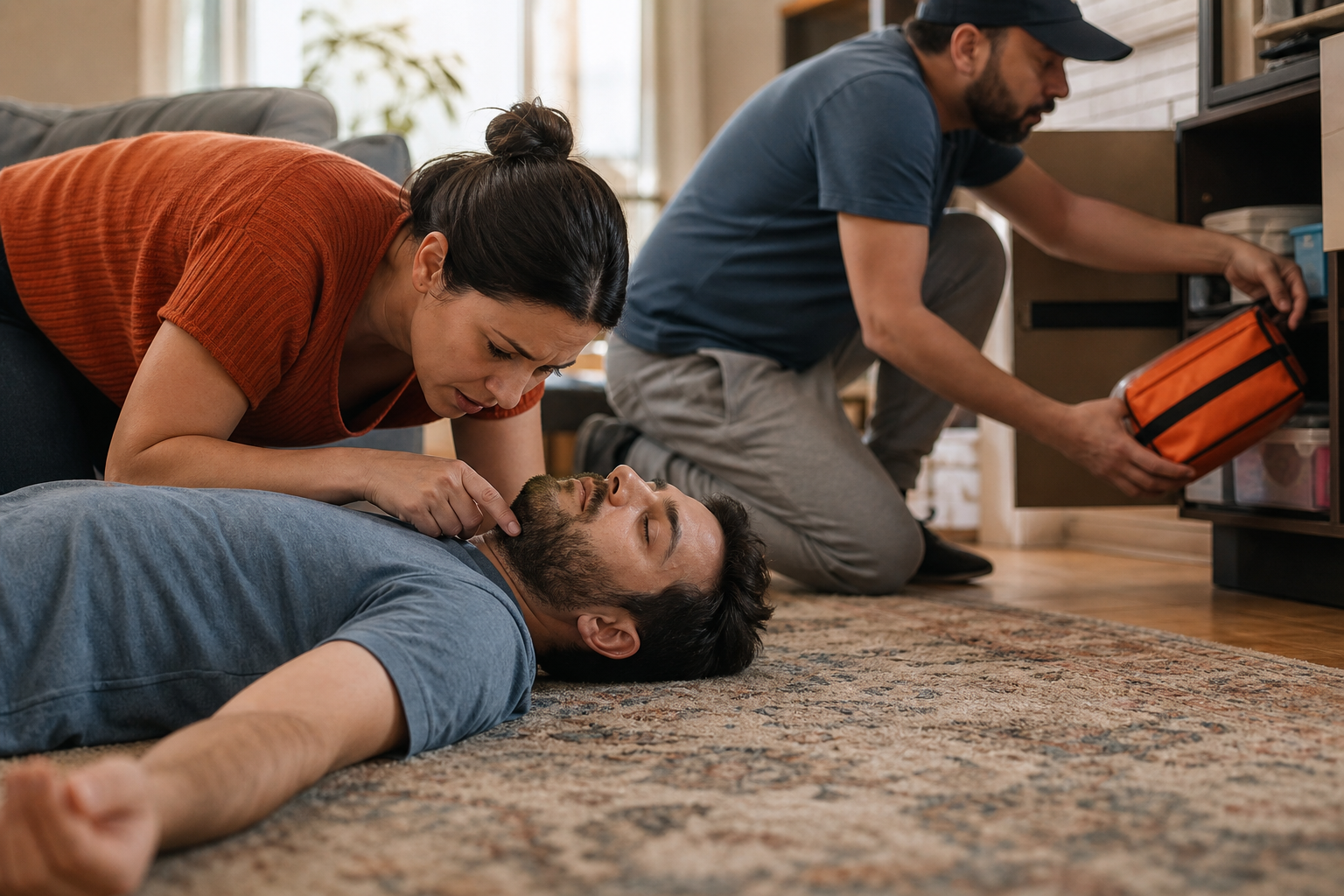
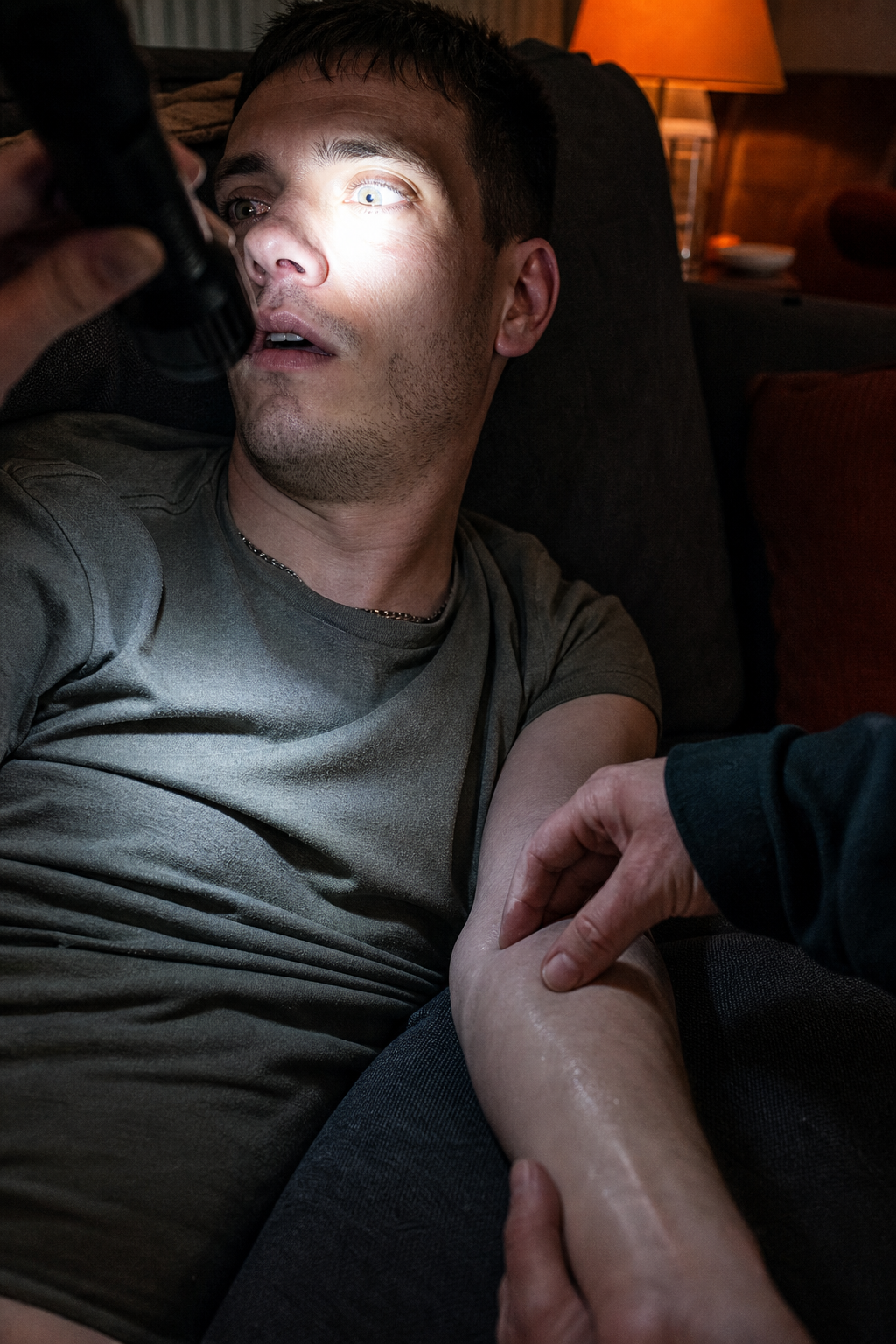
When an opioid overdose strikes, the body slows down fast. Breathing may become shallow, irregular, or stop completely. Look for these red flags:
- Pinpoint or very small pupils
- Skin that feels cool, clammy, or turns blue at the lips
- Unresponsiveness , the person doesn’t wake up when you shake them
- Slow or irregular heartbeat
These signs can appear in seconds, especially with fentanyl, which is up to 50 times stronger than heroin. If you see any of them, treat it as an emergency.
It helps to have a mental checklist ready. When you spot a symptom, ask yourself: “Is the person breathing? Are the pupils tiny? Is the skin color off?” If the answer is yes to any, you’ve identified an overdose situation.
Why the rapid response matters: the brain can survive only a few minutes without oxygen. Delaying even a minute can cause lasting damage.
Once you’re sure, move to the next step , getting naloxone ready.
When you’re prepared, the whole process becomes far less frightening.
For more on how health officials define overdose symptoms, see the CDC’s naloxone overview. It explains why quick action saves lives.
Step 2: Preparing and Administering Naloxone
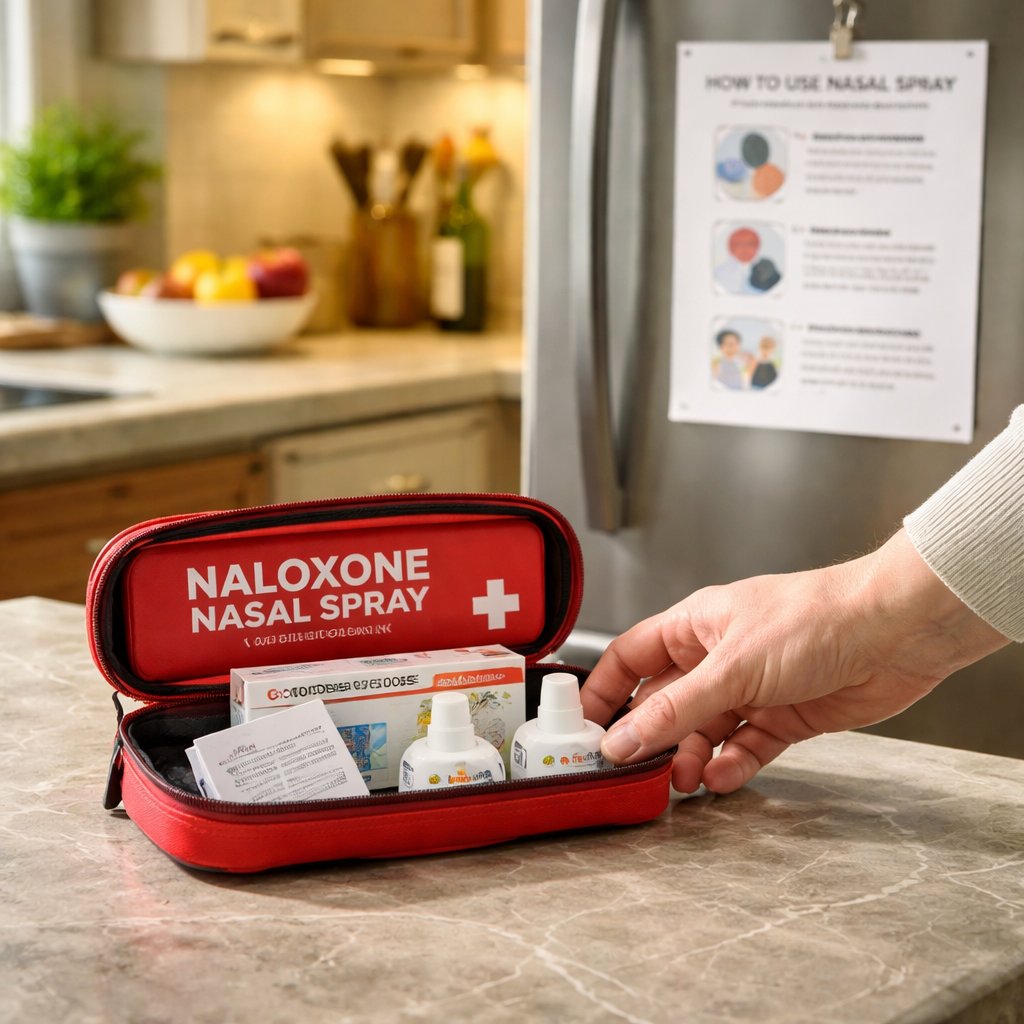
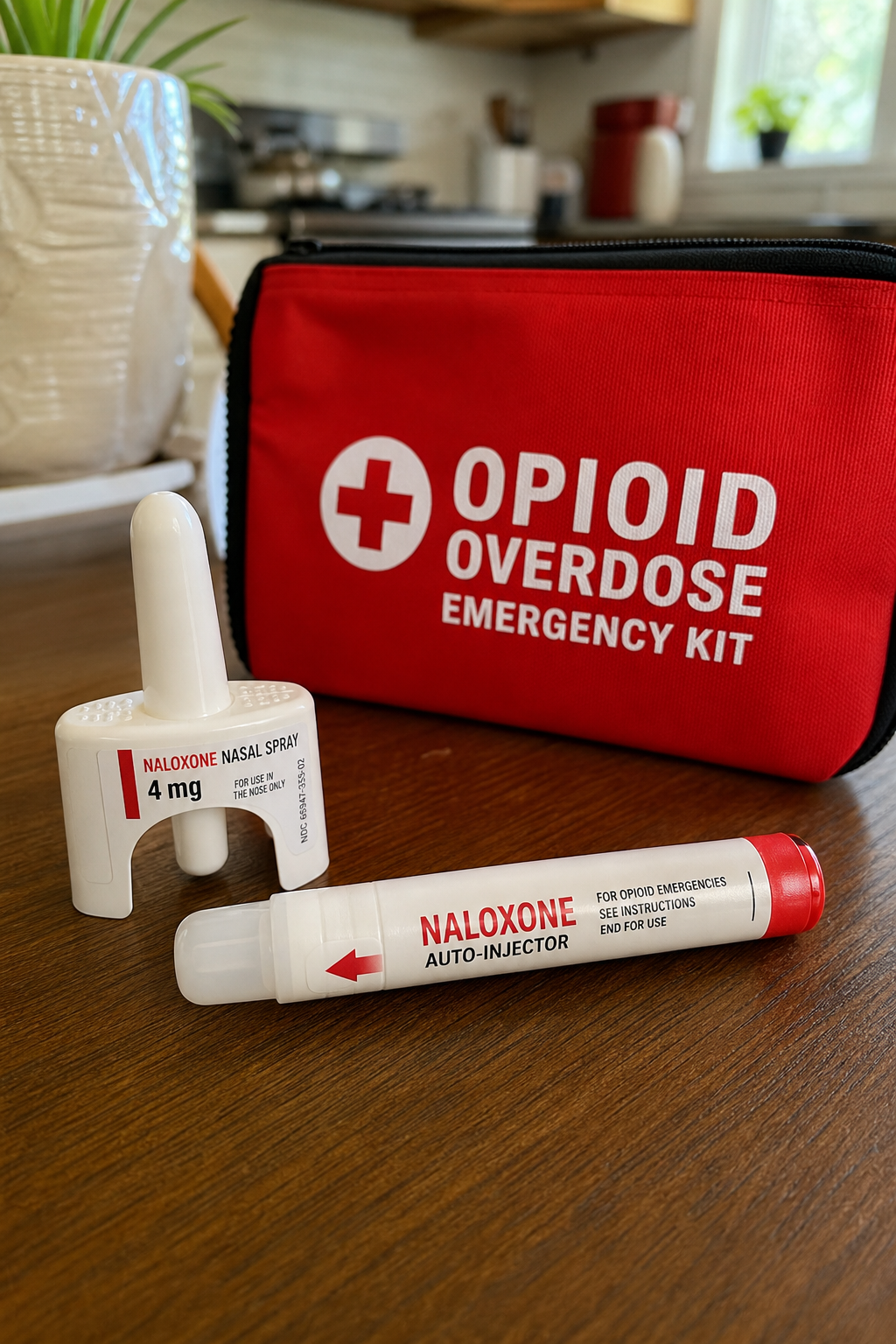
Most kits contain a nasal spray and an auto‑injector. Both are designed for people with no medical background.
First, open the kit. Remove the protective cap, then check the expiration date , kits older than two years should be replaced. The date is printed on the side of the device.
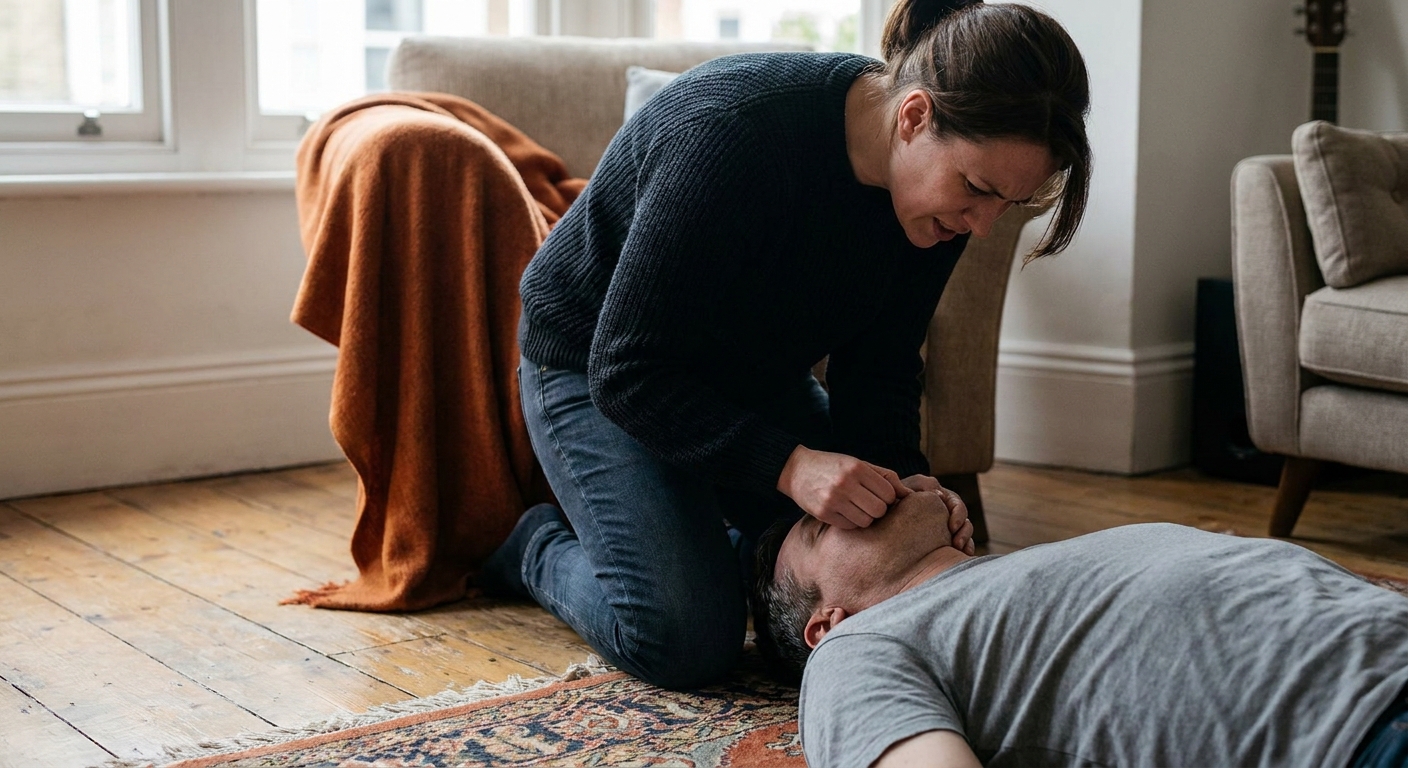
Next, position the person on their back if they’re unconscious but still breathing. Tilt the head back slightly and lift the chin to open the airway.
If you’re using the nasal spray, place the nozzle into one nostril and press firmly until you hear a click. That click means the full dose has been released. If you have an auto‑injector, press it against the outer thigh (the muscle side) and hold for five seconds before removing it.
After the first dose, watch for a gasp, coughing, or any sign of normal breathing returning. It may take 30 seconds to two minutes.
If breathing does not improve after two to three minutes, give a second dose , either in the other nostril or on the other thigh. Most kits include two doses because strong opioids like fentanyl often need more than one.
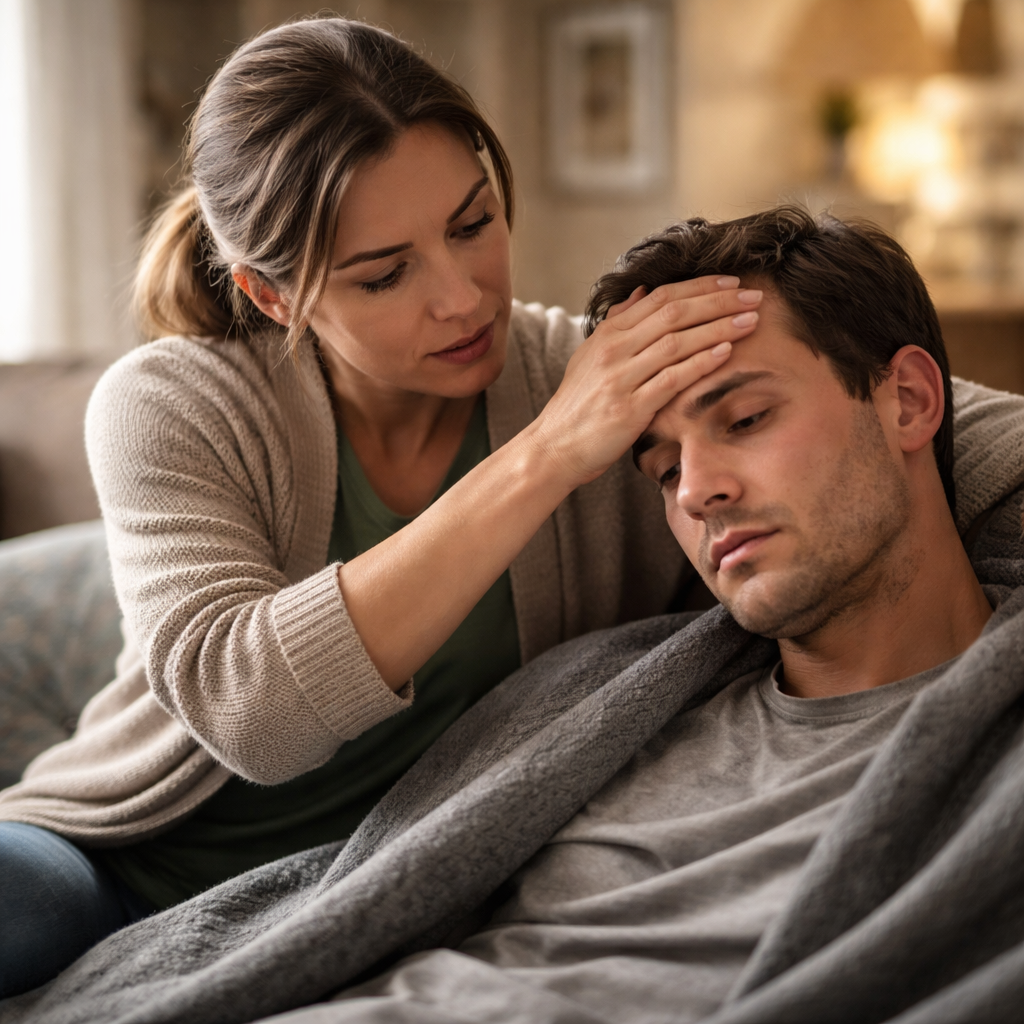
While you wait, stay with the person. Talk calmly, keep them warm, and be ready to administer a repeat dose if needed.
Don’t forget to protect yourself. Gloves are optional but recommended if you have them.
For a deeper look at how naloxone works at the molecular level, check Wikipedia’s naloxone page. It explains why the drug is safe even if the person isn’t overdosing.
When the kit is ready, you’re set for the next phase: calling emergency services and monitoring the person.
Step 3: Post‑Administration Care and Calling 911
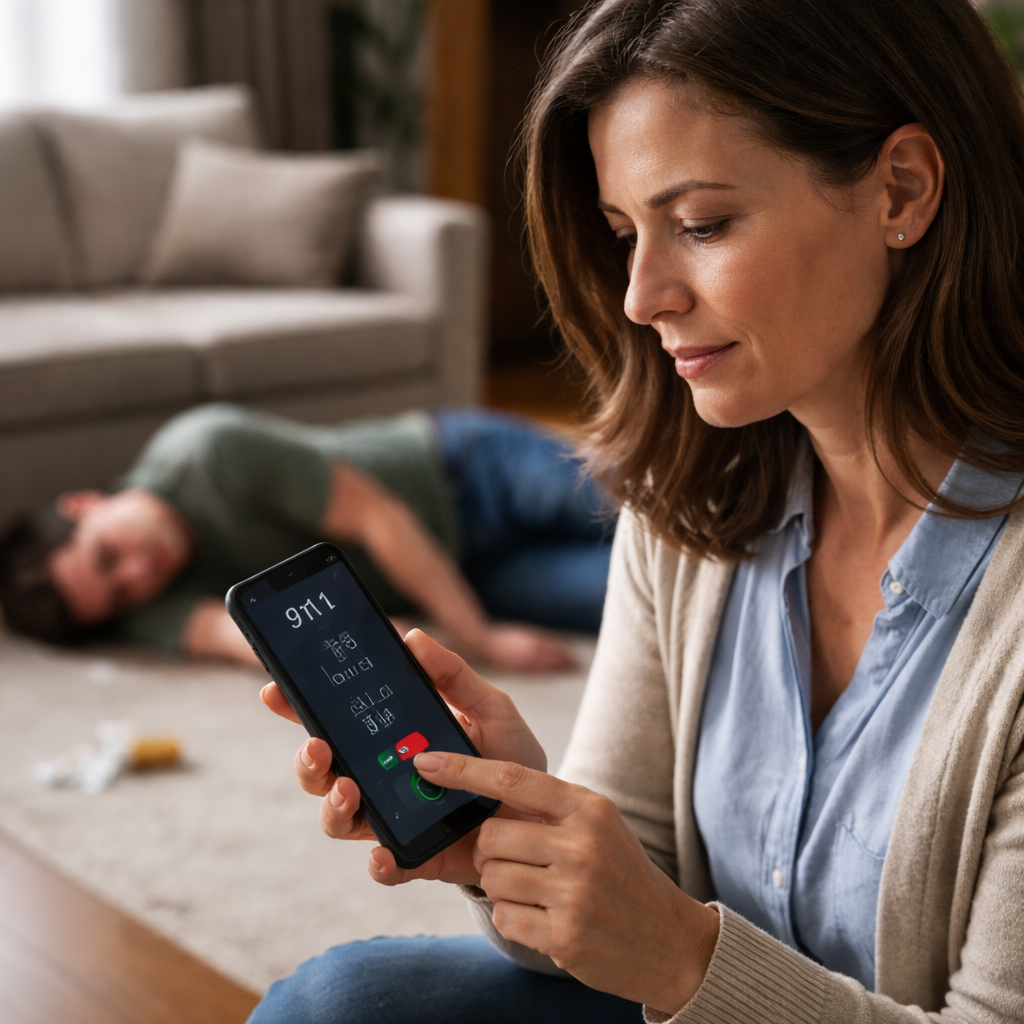
Dial 911 the moment you suspect an overdose, even if you’ve already given naloxone. The dispatcher will ask for the address, the person’s condition, and whether you’ve administered any medication.
While the line stays open, keep an eye on breathing. If the person starts to breathe again, place them in the recovery position , on their side with the top leg bent and the head tilted back. This prevents choking if they vomit.
Continue to monitor for at least four hours. Opioids can re‑enter the bloodstream after the naloxone wears off (which lasts 30‑90 minutes). A second wave of overdose symptoms is common, especially with fentanyl.
Record the time of each dose, any changes in breathing, and any side effects like shaking or nausea. EMTs will need this information to tailor further treatment.
When help arrives, give a concise handoff:
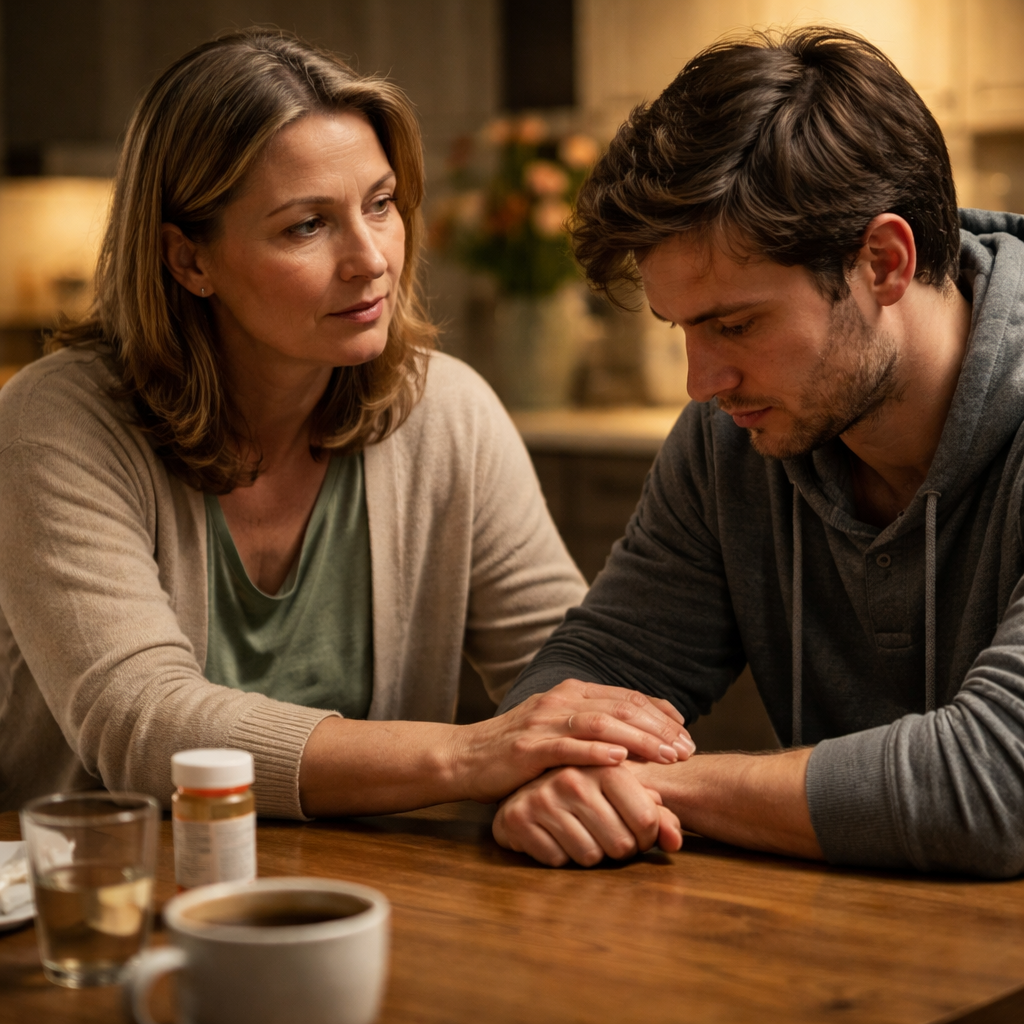
After the emergency, consider a follow‑up plan. Talk with a medical professional about addiction treatment options. Many families find that connecting with a local intervention service helps keep the momentum going. For a structured approach, read our Emergency Drug Intervention Plan for Families to create a roadmap for recovery.
Seeing a real‑life demonstration of the steps can make the process feel less intimidating. Watch the video above for a visual walk‑through of the entire response.
Step 4: Where to Obtain Naloxone and Get Training
Naloxone is available without a prescription in all 50 states, D.C., and Puerto Rico. Most pharmacies will fill it under a “standing order.” Call ahead and ask for the “naloxone nasal spray” or “auto‑injector.”
If you have insurance, the cost is often $0‑$10. Many insurers cover it fully. For those without insurance, community health departments and local nonprofits often distribute kits for free.
Training is simple but worth the time. Many pharmacies offer a brief 10‑minute session when you pick up the kit. Public health agencies also host free workshops , look for events at your county health department or local hospital.
Here’s a quick checklist for finding a reliable source:
- Ask your pharmacist if a standing order is in place.
- Search your state’s health department website for “naloxone distribution locations.”
- Contact a local addiction support group; they often have a stash of kits.
- Consider calling Next Step Intervention for a rapid, home‑based training session. Our experts can walk you through the process and set up a family emergency plan.
Below is a comparison of typical acquisition routes.
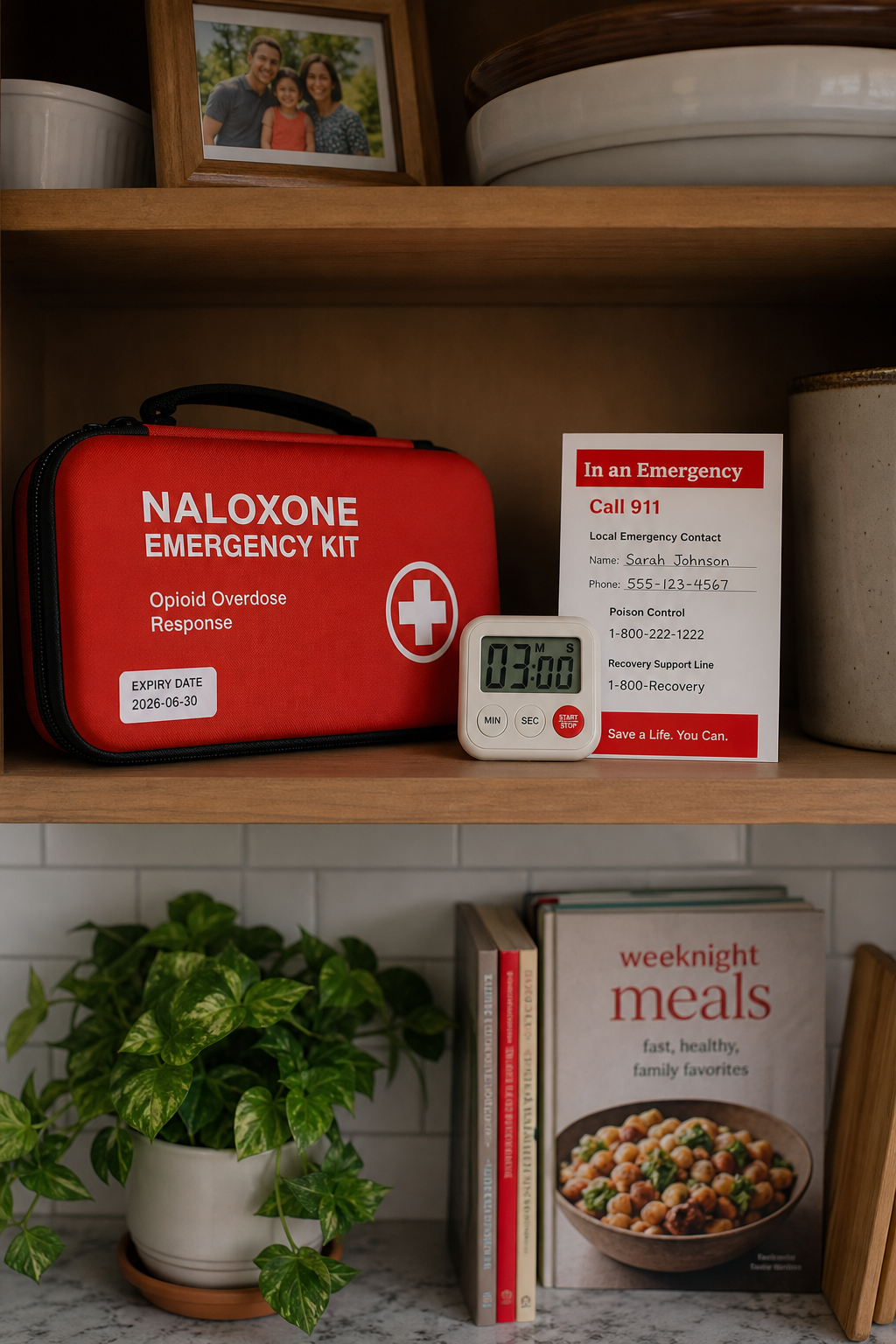
Whichever route you pick, keep the kit in a place all adults can reach , a kitchen drawer or a bathroom cabinet works well. Label the container with the expiration date and replace it after two years, even if you never used it.
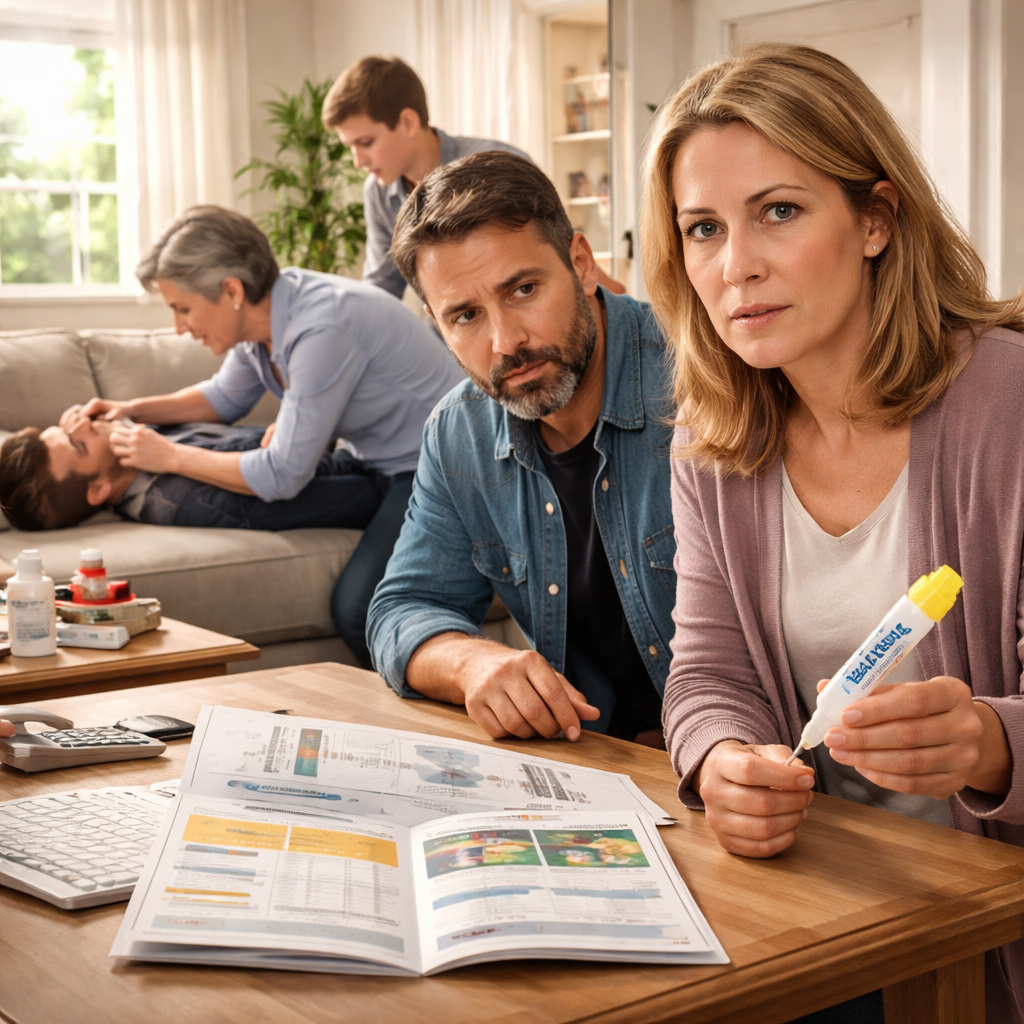
Finally, remember that training isn’t a one‑time event. Review the steps with every adult in the house at least once a month. That rehearsal can make the difference between panic and confidence when minutes count.
Frequently Asked Questions
Can I give naloxone to someone who isn’t overdosing?
Yes. Naloxone is safe even if the person hasn’t taken opioids. It won’t cause harm because it only works on opioid receptors. If you’re unsure, give it , the benefits of reversing a possible overdose far outweigh any tiny risk.
How long does a naloxone dose last?
A single dose works for 30‑90 minutes. Strong opioids may require a second dose after two minutes because they stay in the bloodstream longer. Keep monitoring breathing until emergency services arrive.
What if the person wakes up confused or agitated?
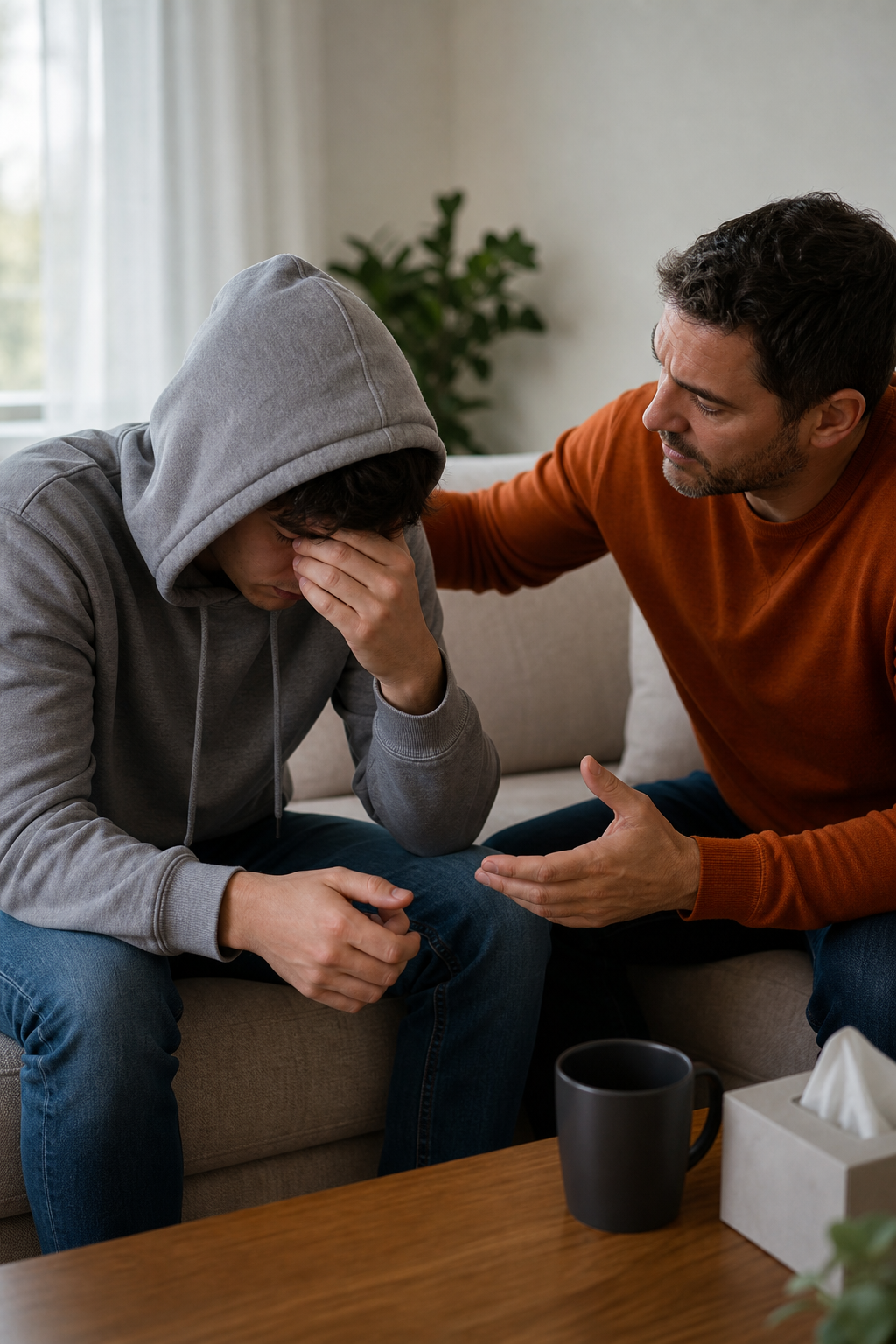
That’s a normal withdrawal reaction. They may feel shaky, nauseous, or have a rapid heartbeat. Stay calm, reassure them, and keep them seated or lying on their side. Call 911 if the agitation threatens safety.
Do I need a prescription to get naloxone?
No. All states allow pharmacists to dispense naloxone without a doctor’s prescription under a standing order. Just ask for it by name.
Can children use naloxone?
Yes, the nasal spray is approved for people aged 12 and older. For younger children, a health professional may recommend a different formulation, but the emergency steps stay the same.
What should I do after EMS arrives?
Give them the exact times you administered each dose, any observed changes, and the person’s medical history. Then let the professionals take over while you stay nearby for support.
Is there a Good Samaritan law that protects me?
Most states have Good Samaritan laws that protect people who administer naloxone in good faith from legal liability. Check your state’s specific language, but the protection is generally strong.
How often should I replace my naloxone kit?
Replace it every two years, even if you haven’t used it. The drug degrades over time, and an expired kit may not work when you need it most.
Conclusion
Having a naloxone kit at home turns a frightening emergency into a manageable response. By learning the signs, learning the simple administration steps, and keeping the kit fresh, families can save lives within minutes. If you want a comprehensive walkthrough of overdose response, see our Practical Guide to Emergency Response and Recovery. For hands‑on training or help setting up a family emergency plan, reach out to Next Step Intervention at our website or call (949) 545‑3438. We’ll guide you through every detail, so you feel ready to act confidently.
Stay prepared. Stay calm. Keep the kit close. And remember , a quick, correct action can turn a tragedy into a story of rescue.
- Exact time of first and any repeat naloxone doses
- Observed breathing rate and skin color
- Any known medical conditions or allergies