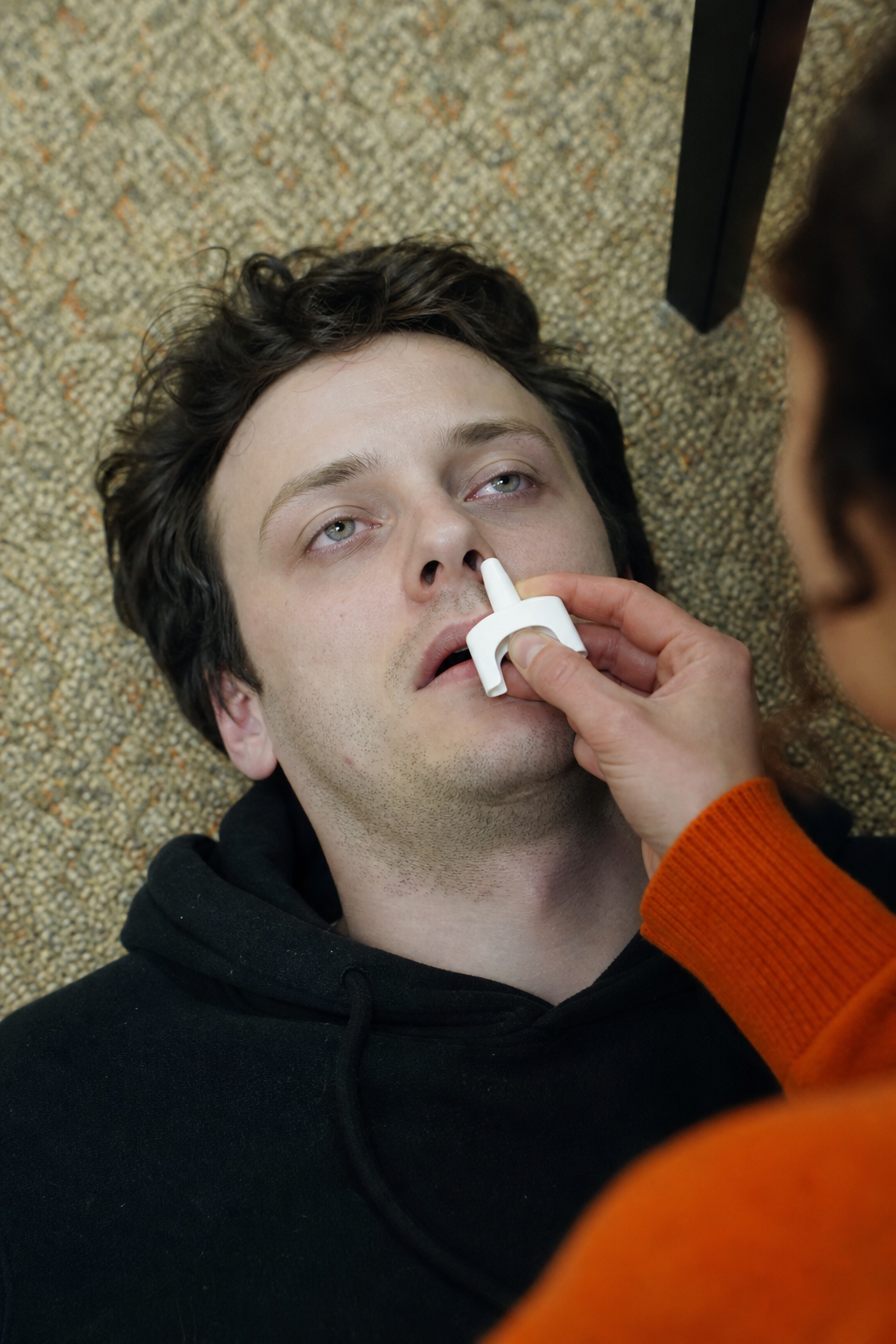
If someone near you stops breathing or won’t wake up because of opioids, you have the power to save their life. Naloxone is a rescue medication that reverses an opioid overdose in minutes. This guide walks you through every step, from spotting the signs to giving the drug and staying safe afterward.
Step 1: Recognize an Opioid Overdose and Decide When to Use Naloxone
Act fast. The window to reverse an overdose is narrow. Look for these three classic signs: the person is unconscious and won’t wake up, their breathing is very slow or has stopped, and their pupils are tiny , like pinpoints. You might also hear choking or gurgling sounds, and their skin can turn pale, clammy, or blue-gray.
If you see any of those, call 911 right away. Then grab your naloxone. You don’t need to be 100% sure it’s an opioid overdose. Naloxone is safe , it has no effect on someone who hasn’t taken opioids. The risk of not giving it is far greater than the risk of giving it when it’s not needed.
If the person has taken a powerful opioid like fentanyl, they might stop breathing within seconds. So don’t wait. Every second counts. For a deeper look at handling fentanyl overdoses specifically, read How to Handle a Loved One’s Fentanyl Overdose.

Step 2: Prepare Your Naloxone Kit and Practice Safety
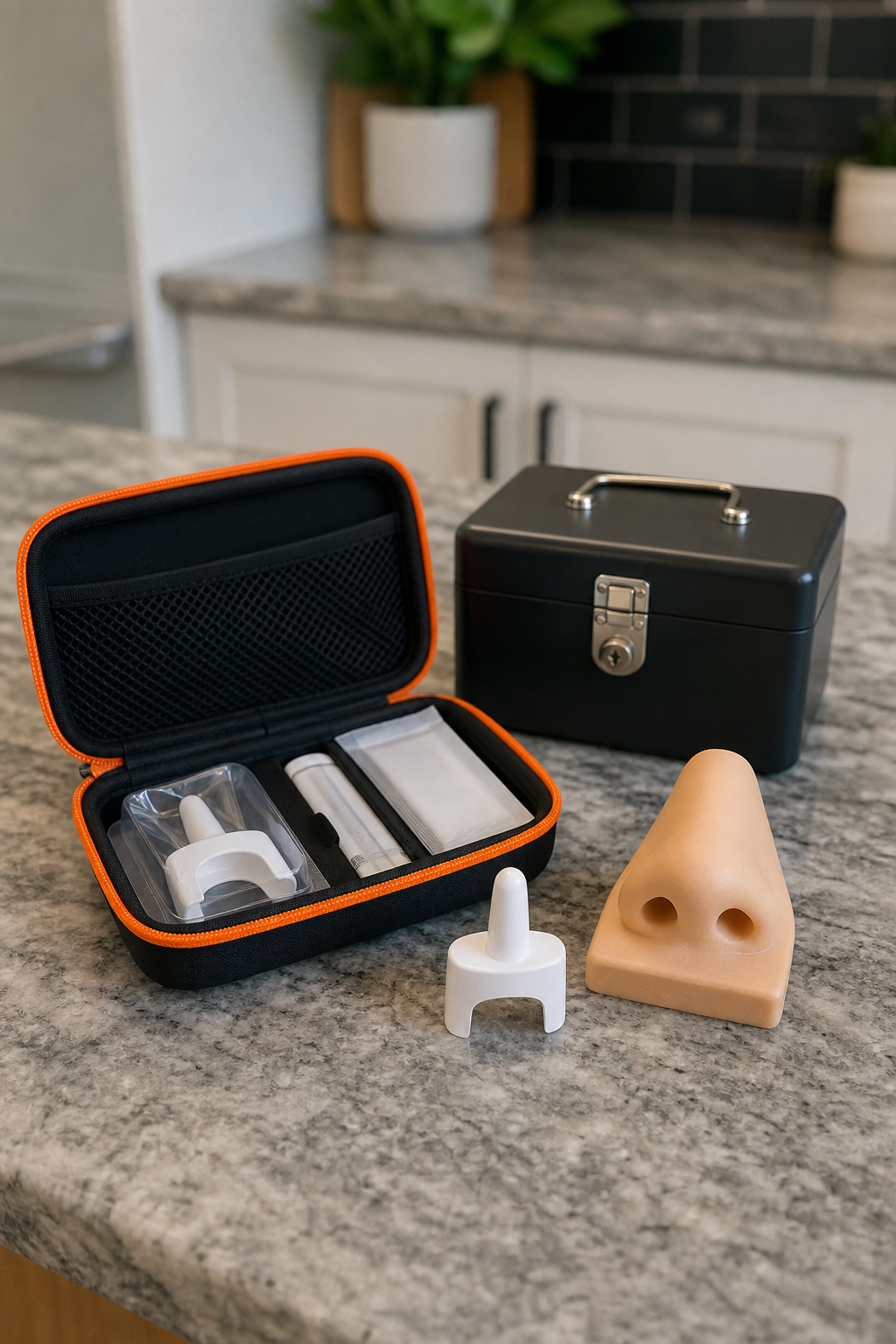
Your naloxone kit should live in a place you can grab fast , a kitchen drawer, a car glove box, or a purse. Check the expiration date every month. Expired naloxone might not work.
Open the box and read the instructions. Most kits come with a trainer device. Practice using it until you feel comfortable. The real device works exactly the same way, but don’t prime or test it , that wastes the only dose.
Store naloxone at room temperature, away from direct sunlight and extreme heat or cold. If you have children in the house, keep it in a lockbox, but make sure every adult knows the combination. Planning for emergencies with your whole family is smart , see our How to Create an Effective Emergency Drug Intervention Plan for Families for a template.
Step 3: Administer Naloxone Nasal Spray (Narcan) Step by Step
Follow these five actions exactly. Don’t skip or change the order.
- Position the person. Lay them flat on their back. Tilt their head back slightly and support the back of their neck. This opens the airway.
- Remove the spray from its packaging. Peel back the foil tab. There will be a quick-start guide inside , read it if you need to.
- Hold the spray correctly. Put your thumb on the bottom of the plunger. Place your first and middle fingers on either side of the nozzle. Do not press the plunger yet.
- Insert the tip. Gently put the nozzle into one nostril until your fingers on the sides touch the bottom of the person’s nose.
- Press the plunger. Push it firmly all the way in with your thumb. You’ll hear a click. That’s the full dose.
Remove the spray and check the person’s breathing. The naloxone will start working in 2, 3 minutes. Stay with them and call 911 if you haven’t already. For more on what to say to the dispatcher, see What to Say During a Drug Overdose Emergency.
Step 4: Administer Injectable Naloxone (Ampule or Auto-Injector) Step by Step
Injectable naloxone is less common at home, but some kits include it. There are two types: ampules (glass vials with a syringe) and auto-injectors (a pre-filled device).
For an ampule and syringe: First, snap the top off the ampule at the colored dot. Use a cloth to protect your fingers. Draw the liquid into the syringe. Then inject it into a muscle , the outer thigh or shoulder are best. Use a quick dart-like motion. Push the plunger down all the way, then pull the needle out straight. Don’t reuse the syringe.
For an auto-injector: Pull off the safety cap. Press the black end firmly against the outer thigh , you can inject through clothing if needed. Hold it in place for 5 seconds. The device will click and then retract. Remove it and massage the area for a few seconds.
After either method, watch for breathing to improve. The CDC says naloxone takes 2, 3 minutes to work. If there’s no response, give another dose.
Step 5: After Naloxone Administration: Monitor, Second Dose, and Emergency Care
Naloxone wears off in 30, 90 minutes, but many opioids last longer. That means the person can slip back into an overdose. So even if they wake up, stay with them and keep watching.
If the person vomits, roll them onto their side to clear the airway. Don’t leave them alone for at least two hours after the last dose. When paramedics arrive, tell them exactly how much naloxone you gave and when.
FAQ
Can I give naloxone to someone who isn’t overdosing?
Yes, it’s safe. Naloxone only works if opioids are in the system. If the person hasn’t taken opioids, it does nothing. So if you’re not sure, give it anyway.
How many doses of naloxone can I give?
Give one dose, wait 2, 3 minutes, then give a second if there’s no response. Some potent opioids like fentanyl may need more than two doses, but the official advice is to call 911 and let paramedics handle further doses.
Do I need a prescription to get naloxone?
In most states, you can buy naloxone at a pharmacy without a prescription. Many community health centers and harm reduction programs give it out free. Check with your local health department.
What are the side effects of naloxone?
The person may go into withdrawal: nausea, vomiting, sweating, rapid heart rate, and agitation. That’s uncomfortable but not life-threatening. Rarely, there can be an allergic reaction. The overdose is the bigger danger.
How do I dispose of a used naloxone device?
Put the used spray or syringe in a hard plastic container with a lid, like an empty laundry detergent bottle. Check with your pharmacy or local waste authority for proper disposal rules. Never throw it loosely in the trash.
Conclusion: Be Prepared and Get Support from Next Step Intervention
You now know the steps to reverse an overdose at home. The most important thing is to act fast and call for help. Naloxone saves lives, but it’s only the first step. After the emergency, your loved one needs ongoing support. At Next Step Intervention, we help families handle addiction and mental health crises with compassion and urgency. For immediate help, call us at (949) 545-3438. You don’t have to face this alone.