
Every second counts when fentanyl is involved. One missed sign can turn a chance to help into a tragedy. In this guide you’ll learn how to recognize fentanyl overdose signs, what to do the moment you see them, and where to get help fast.
We’ll walk through five clear steps, from spotting the first clues to calling emergency services and getting long‑term support. By the end you’ll feel ready to act confidently, even if panic tries to take over.
Step 1: Recognize the Physical Signs of a Fentanyl Overdose
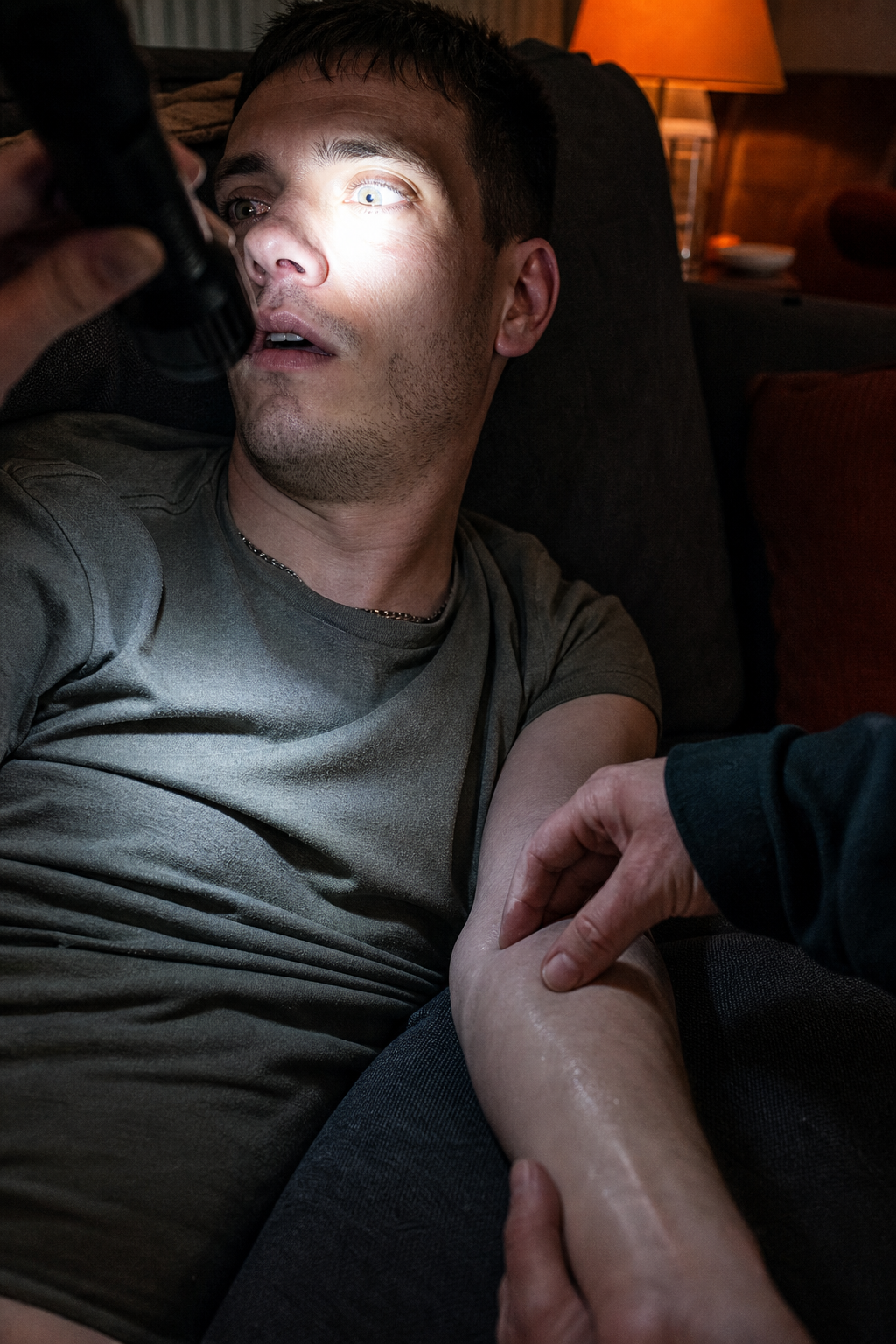
The body gives off a few unmistakable clues when fentanyl shuts down breathing. The classic trio is pinpoint pupils, shallow or stopped breathing, and a bluish tint around the lips or fingertips. These three signs often appear together within minutes of a dose.
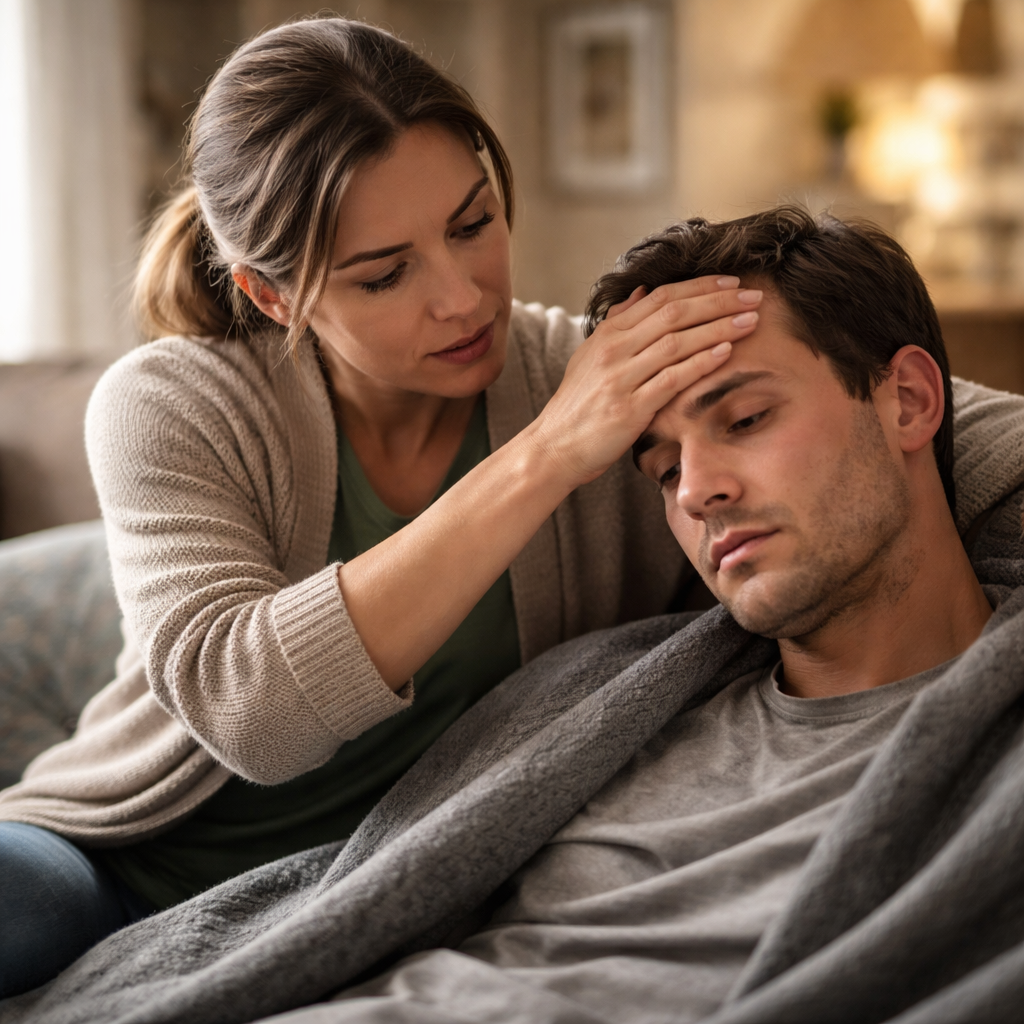
Beyond the triad, look for skin that feels cool and clammy, a limp body that won’t lift when you shake the shoulders, and a sudden loss of coordination. Some people also show a “zombie” stare , eyes glazed, words slurred, movements slow. These cues may seem subtle, but they signal that the brain isn’t getting enough oxygen.
Imagine a friend who suddenly slurs their speech, their pupils shrink to tiny beads, and their skin turns pale. That is a red flag. If you see any two of these signs, treat it as an overdose until proven otherwise.
- Check pupil size , tiny, non‑reactive pupils are a key sign.
- Feel the skin , cool, clammy, or mottled skin means oxygen is low.
- Watch the breathing , shallow, irregular, or no breath at all.
When you notice these signs, act fast. The next step is to test responsiveness and breathing quality.
For a deeper look at how health officials define the overdose triad, see the CDC emergency‑response card. It lists the same signs and adds rare symptoms like wooden chest syndrome and muscle rigidity.
Need more context on how these signs differ from other drug effects? How to Handle a Loved One’s Fentanyl Overdose walks through each symptom with real‑world examples you can practice at home.
Step 2: Assess Responsiveness and Breathing
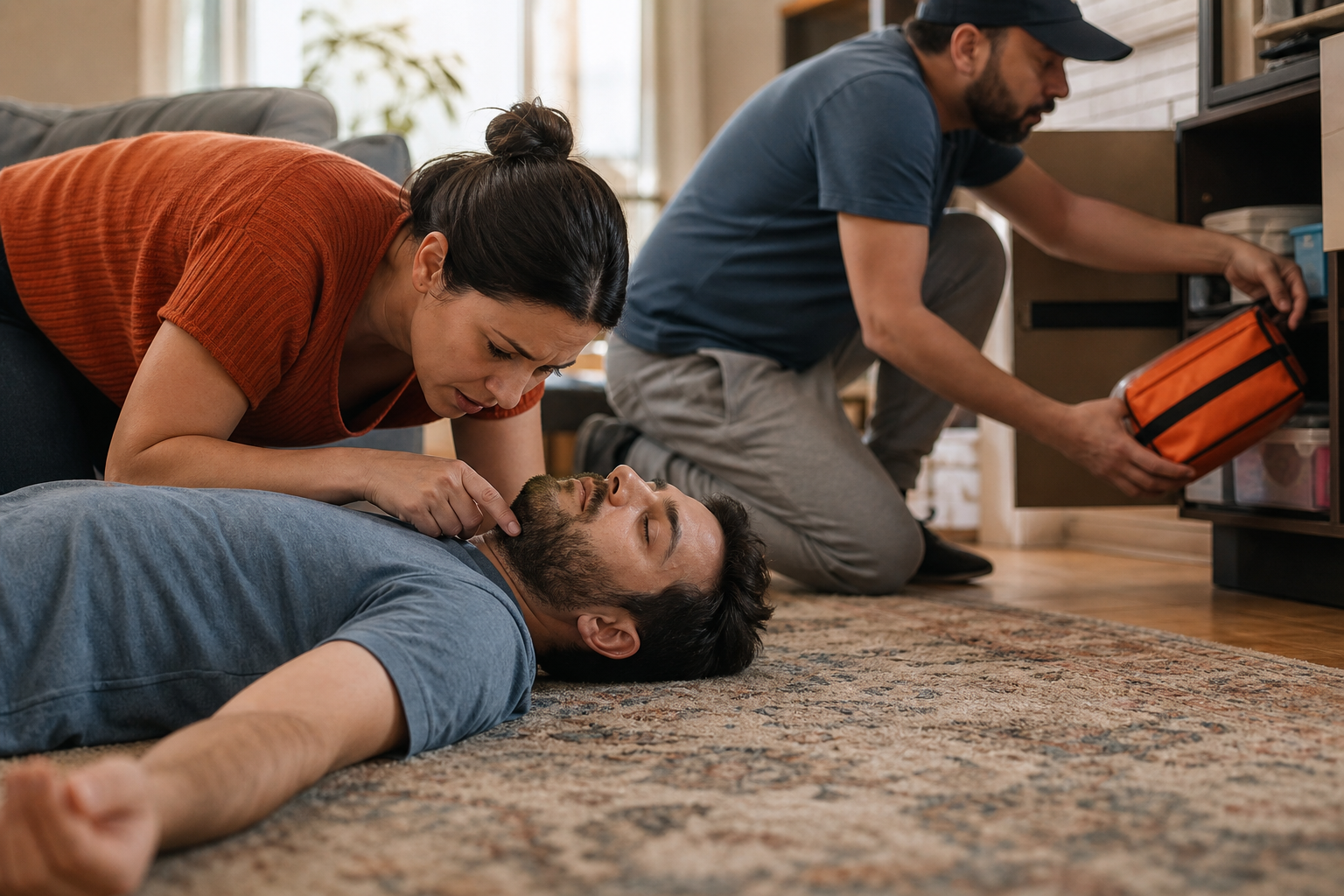
First, see if the person can respond to a simple shout or gentle shake. If they don’t answer, they may be slipping into unconsciousness. Next, place your ear near their mouth and listen for air moving in and out. Feel the chest rise with each breath.
If breathing is shallow, count the breaths for 30 seconds. Normal adult breathing is 12‑20 breaths per minute. Anything slower or irregular means the brain isn’t getting enough oxygen.
While you watch, keep the airway open. Tilt the head back slightly and lift the chin. This prevents the tongue from blocking the airway.
After you’ve checked responsiveness, note any changes every 30 seconds. If breathing stops, start rescue breaths right away , two slow breaths every five seconds , while you call for help.
- Shout the person’s name; if they don’t answer, move to the next step.
- Feel for chest rise; no rise means you need rescue breaths.
- Keep the airway open with a head‑tilt‑chin‑lift.
These steps match the guidance from the University of California, Davis health blog, which stresses that fentanyl can cause rapid respiratory depression.
For a usable checklist you can print, see Effective Emergency Intervention: A Step‑by‑Step Guide. It breaks the response into “STOP, LOOK, LISTEN, RESPOND” , a simple mental drill you can use under pressure.
Step 3: Administer Naloxone (Narcan) Immediately
Naloxone is the only medication that can reverse opioid overdose quickly. It works by blocking the opioid receptors in the brain, letting breathing start again within minutes.
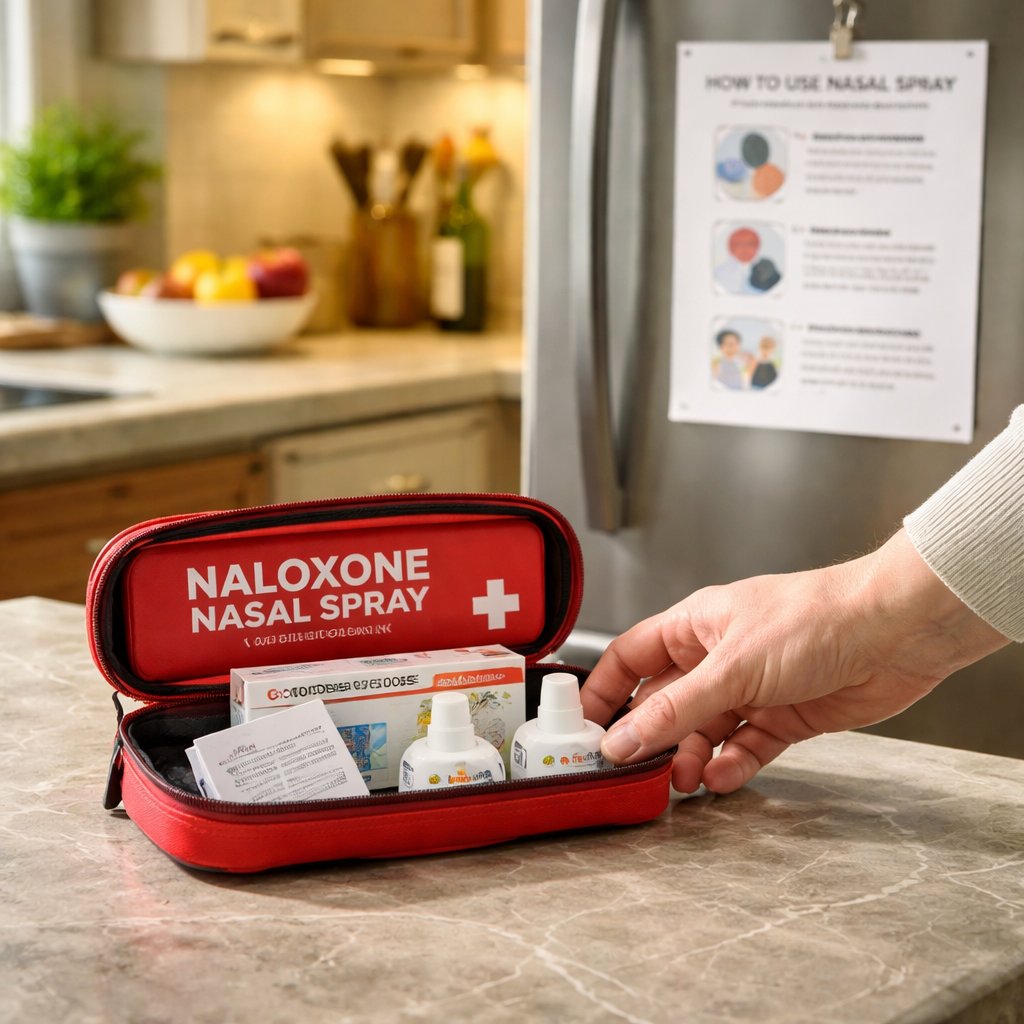
If you have a nasal spray, pull the cap off, place the nozzle in one nostril, and press firmly until you hear a click. If you have an auto‑injector, press the device against the outer thigh, hold for 10 seconds, then remove.
After you give the dose, keep watching the person’s breathing. If there is no improvement after 2‑3 minutes, give a second dose in the other nostril or on the opposite thigh.
Do not wait for an ambulance before giving naloxone. The drug works fast, but the overdose can return once the naloxone wears off. Stay ready to give a second dose if the person’s breathing gets shallow again.
- Have a naloxone kit on hand at home, in the car, and at work.
- Practice the steps with a trainer device so you’re not fumbling.
- Note the time of each dose , you’ll need to tell the EMTs.
When you’re done, call 911 right away and tell the dispatcher you have given naloxone. That lets paramedics know what to expect when they arrive.
Step 4: Call 911 and Provide Rescue Breathing
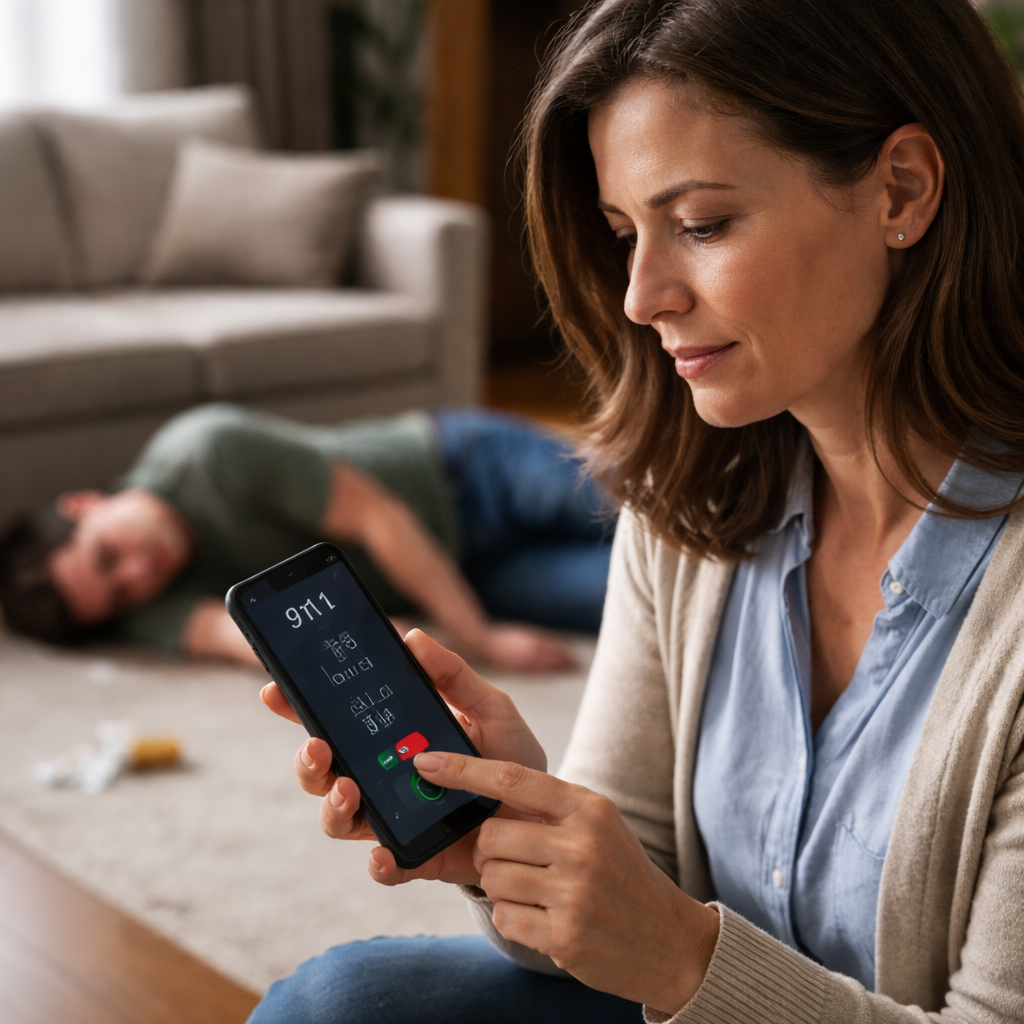
Dial 911 the moment you suspect an overdose. Speak clearly and give the exact address, any landmarks, and a brief description of what you see , “person unconscious, shallow breathing, naloxone given.” Stay on the line until the operator says it’s okay to hang up.
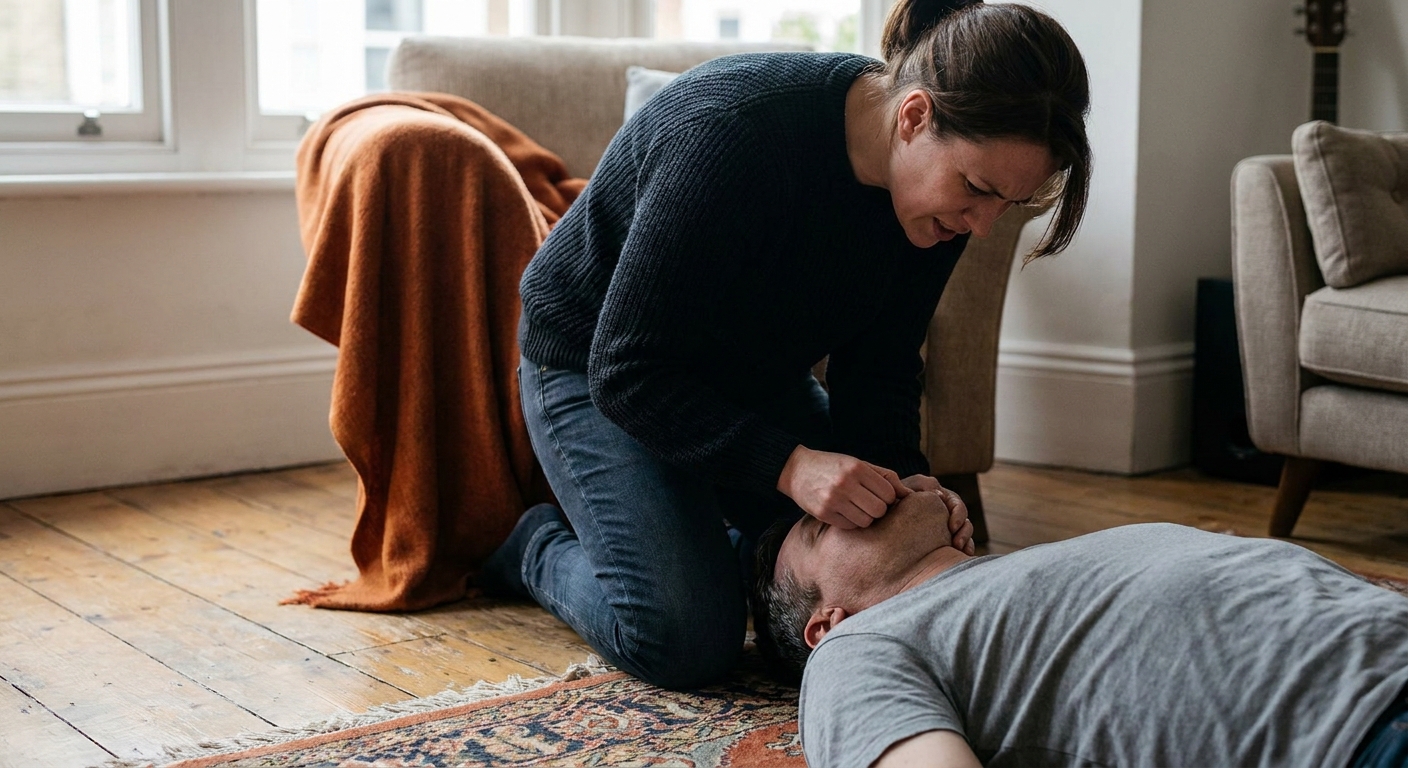
While you wait, continue rescue breaths if the person isn’t breathing well. Pinch the nose, cover the mouth with your own, and give two slow breaths every five seconds. Watch the chest rise with each breath.
If the person vomits, roll them onto their side into the recovery position. This keeps the airway open and prevents choking.
- Call 911 , give location, condition, and naloxone use.
- Start rescue breaths if breathing is inadequate.
- Place the person in recovery position if they vomit or become unconscious.
When you hand over the scene to EMTs, tell them the time of the first naloxone dose, the second dose if given, and any other substances you think are involved.
For a quick visual guide on how to position a person for rescue breathing, see the image below.
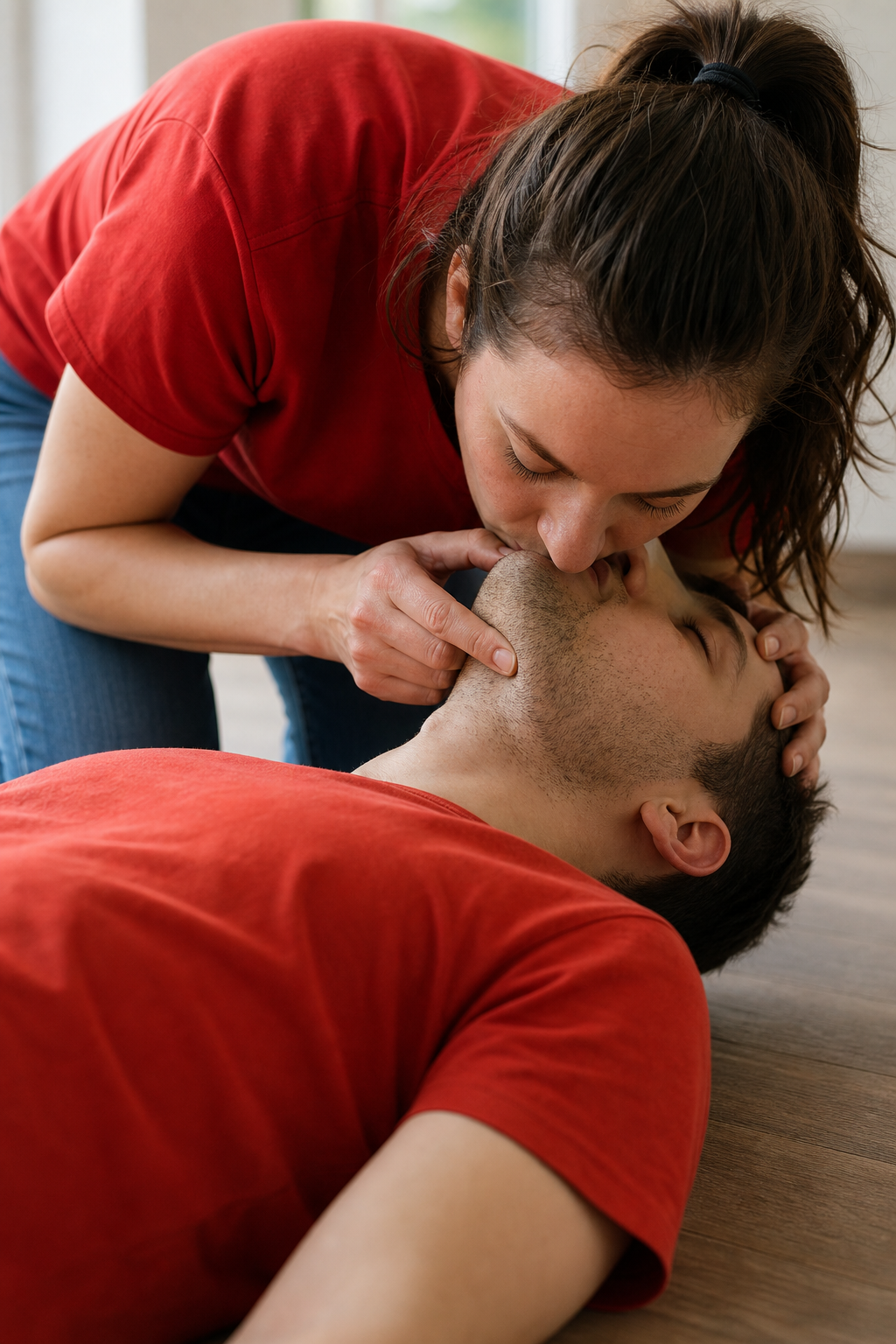
Remember, the most important thing is to stay calm, keep the airway open, and keep the phone line with 911 active.
Step 5: Seek Professional Help for Long‑Term Recovery
Even if you reverse the immediate crisis, the person remains at high risk for another overdose. Fentanyl’s potency means a second dose can happen hours later, especially if the original dose was large.
Call a crisis line right after the emergency stabilizes. Next Step Intervention runs a 24‑hour hotline (949‑545‑3438) that connects families with trained counselors who can set up an emergency drug‑intervention plan.
Long‑term recovery usually involves medication‑assisted treatment, counseling, and support groups. Ask the EMTs to refer the person to a certified addiction specialist who offers after‑care. The specialist can help you create a safe‑home plan, schedule follow‑up appointments, and arrange for naloxone refills.
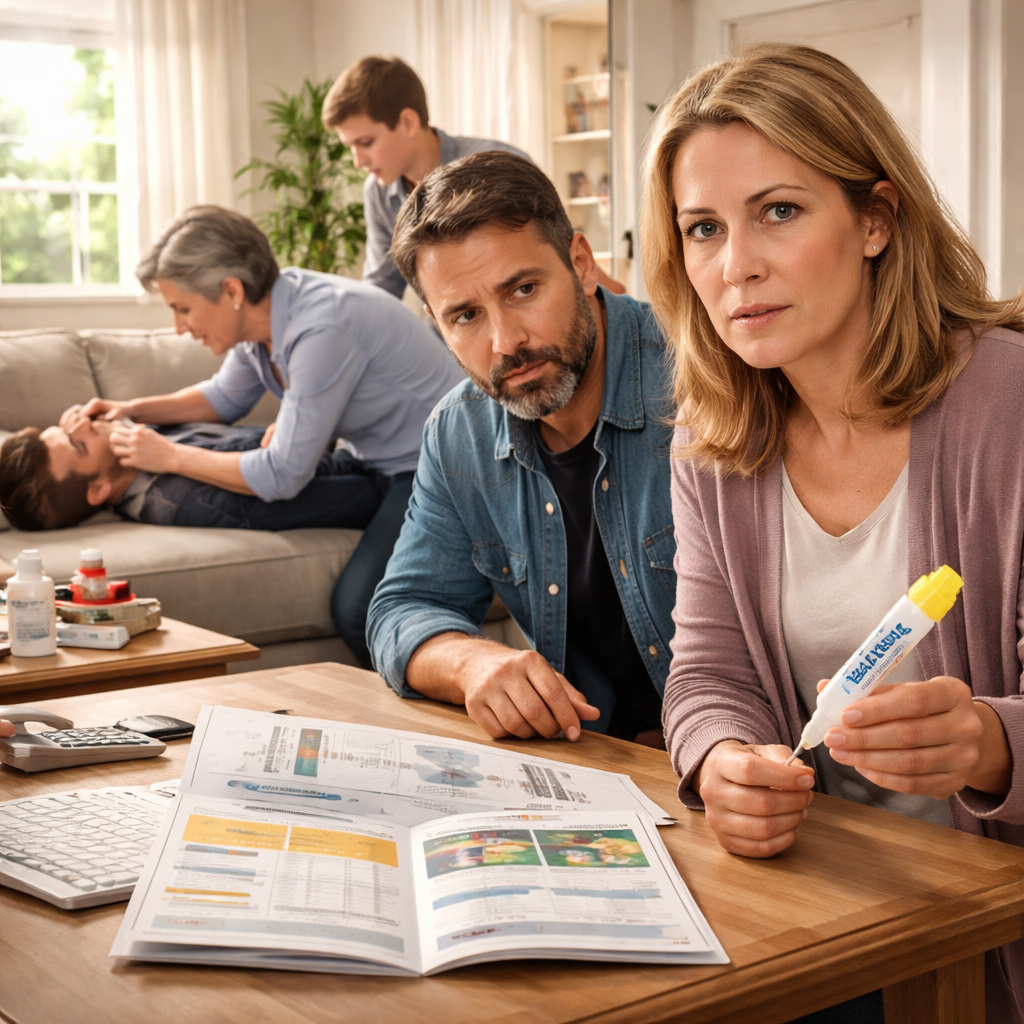
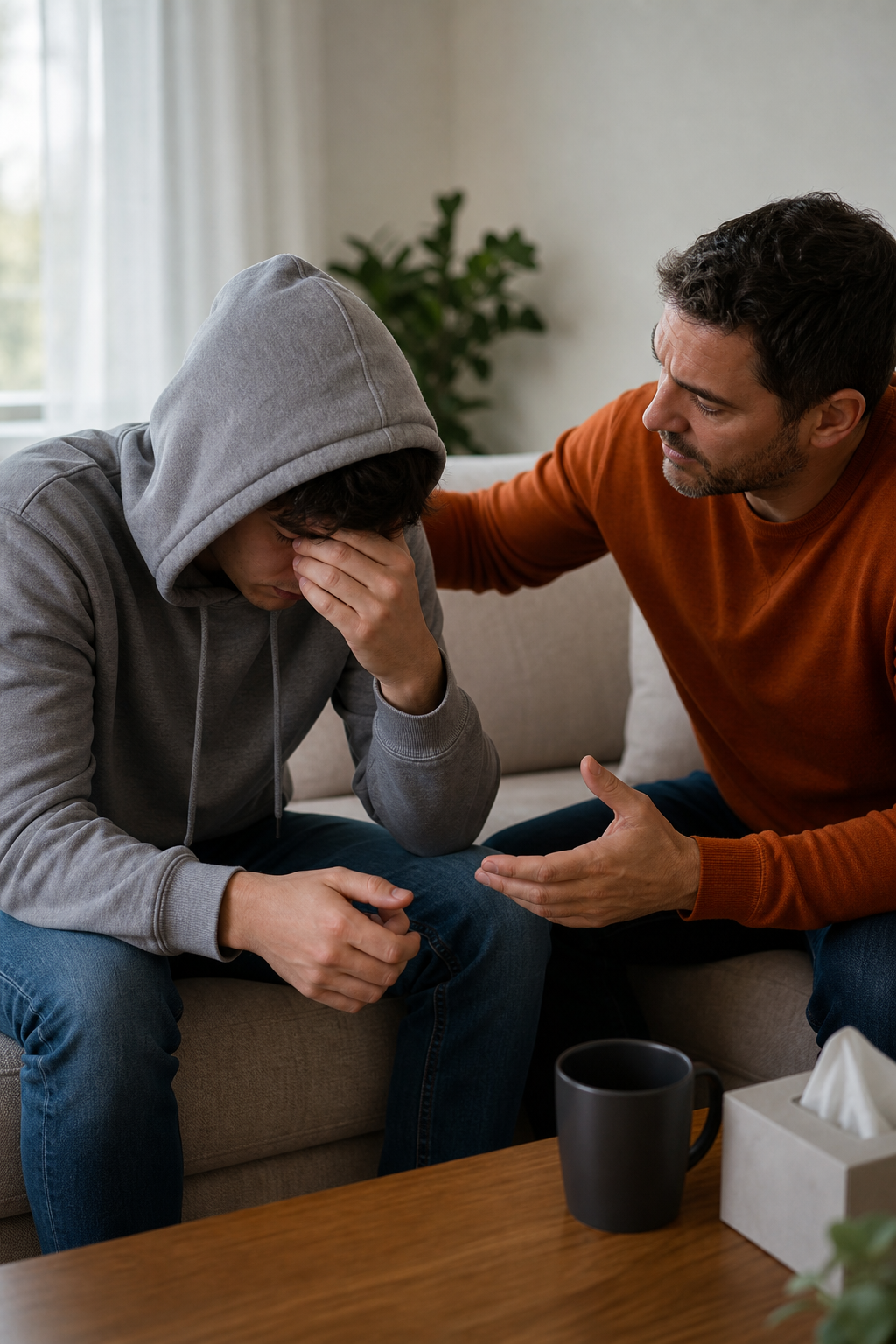
It’s also wise to involve trusted family members in the recovery plan. Share what you observed, the steps you took, and the person’s medical history. A united support network reduces the chance of relapse.
- Enroll in medication‑assisted treatment (MAT) if recommended.
- Join a local or online support group for families.
- Keep a fresh naloxone kit at home and know how to use it.
“When you act fast and then follow up with professional care, you give the person a real shot at staying safe.” , a senior intervention counselor at Next Step Intervention
For an overview of fentanyl’s pharmacology and why it’s so dangerous, see the Wikipedia entry on fentanyl. It explains the drug’s potency and how even a tiny amount can be lethal.
Frequently Asked Questions
What are the first signs that someone is overdosing on fentanyl?
The earliest clues are pinpoint pupils, shallow or stopped breathing, and a blue tint around the lips or fingertips. You may also notice cool, clammy skin and a limp body that won’t lift when you shake the shoulders. If two or more of these appear, treat it as an overdose and act immediately.
How long does naloxone take to work?
Naloxone usually starts working within one to two minutes for the nasal spray and two to three minutes for the auto‑injector. You’ll see the person gasp, cough, or start breathing more normally. Keep watching, because the effect can wear off after 30‑90 minutes, and a second dose may be needed.
Can I use naloxone if I’m not sure the drug is fentanyl?
Yes. Naloxone is safe for any opioid overdose and does not harm someone who has not taken opioids. It’s better to give it and be wrong than to wait and lose a chance to save a life.
What should I say to the 911 dispatcher?
Give the exact address, describe the person’s condition (unconscious, shallow breathing, naloxone given), and mention any substances you saw (pill bottles, powder, syringes). Stay on the line and follow the dispatcher’s instructions.
Do I need to be trained to give rescue breaths?
No formal training is required to give basic rescue breaths. Place the person on their back, tilt the head, pinch the nose, and blow gently into the mouth. Watch the chest rise. If you’re unsure, the 911 operator can guide you step‑by‑step.
How can I keep naloxone at home?
Purchase a nasal spray or auto‑injector from a pharmacy or a local health department. Store it in a cool, dry place, away from children. Keep a reminder on the fridge so you’ll remember to check the expiration date each year.
What long‑term help is available for my loved one?
Look for medication‑assisted treatment, counseling, and peer‑support groups. A professional interventionist can design a safe‑home plan, arrange follow‑up care, and provide a crisis hotline. Next Step Intervention offers a 24‑hour line (949‑545‑3438) that connects families with these resources.
Can an overdose happen again after naloxone?
Yes. Because naloxone’s effect is shorter than fentanyl’s, the person can slip back into respiratory depression once the drug wears off. Keep monitoring breathing for at least an hour and be ready to give another dose if needed.
When every breath matters, knowing the signs and acting fast can mean the difference between life and loss. Spot the triad, check responsiveness, give naloxone, call 911, and then move straight into professional help. If you feel unsure, remember that the next step is to reach out for help , you don’t have to face this alone.
Ready to act? Call Next Step Intervention’s 24‑hour crisis line at(949) 545‑3438or visit our website for more resources and a printable emergency checklist.