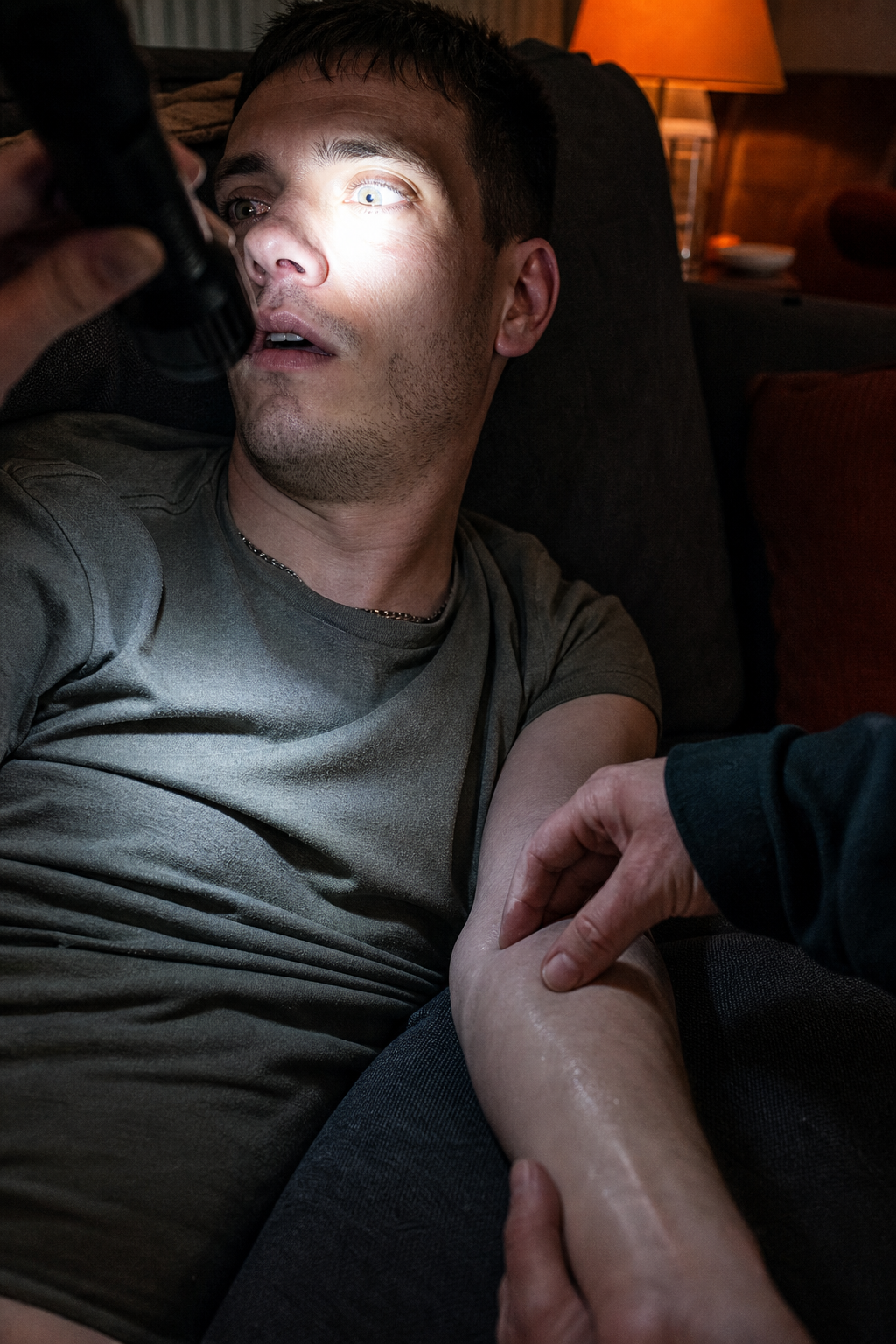

Opioid overdose can happen in an instant. If a loved one is breathing shallow, pinpoints pupils, or is unresponsive, every second counts. This guide walks you through the exact steps to recognize an overdose, pick the right naloxone dose, give the medicine, and keep the person safe until help arrives. By the end you’ll know how to act confidently and protect your family.
Step 1: Recognize the Signs of an Opioid Overdose
Spotting an overdose early can mean the difference between life and death. The most common clues are:
- Very slow, shallow breathing or a complete pause in breathing
- Pinpoint pupils that look like tiny black dots
- Blue‑tinged lips or fingertips
- Unresponsiveness or inability to wake the person
When you see any of these, act fast. The CDC’s fact sheet explains that the brain needs oxygen within minutes, and a delay can cause permanent damage (CDC, 2024). Even if the person seems “just drunk,” the signs above point to opioid toxicity.
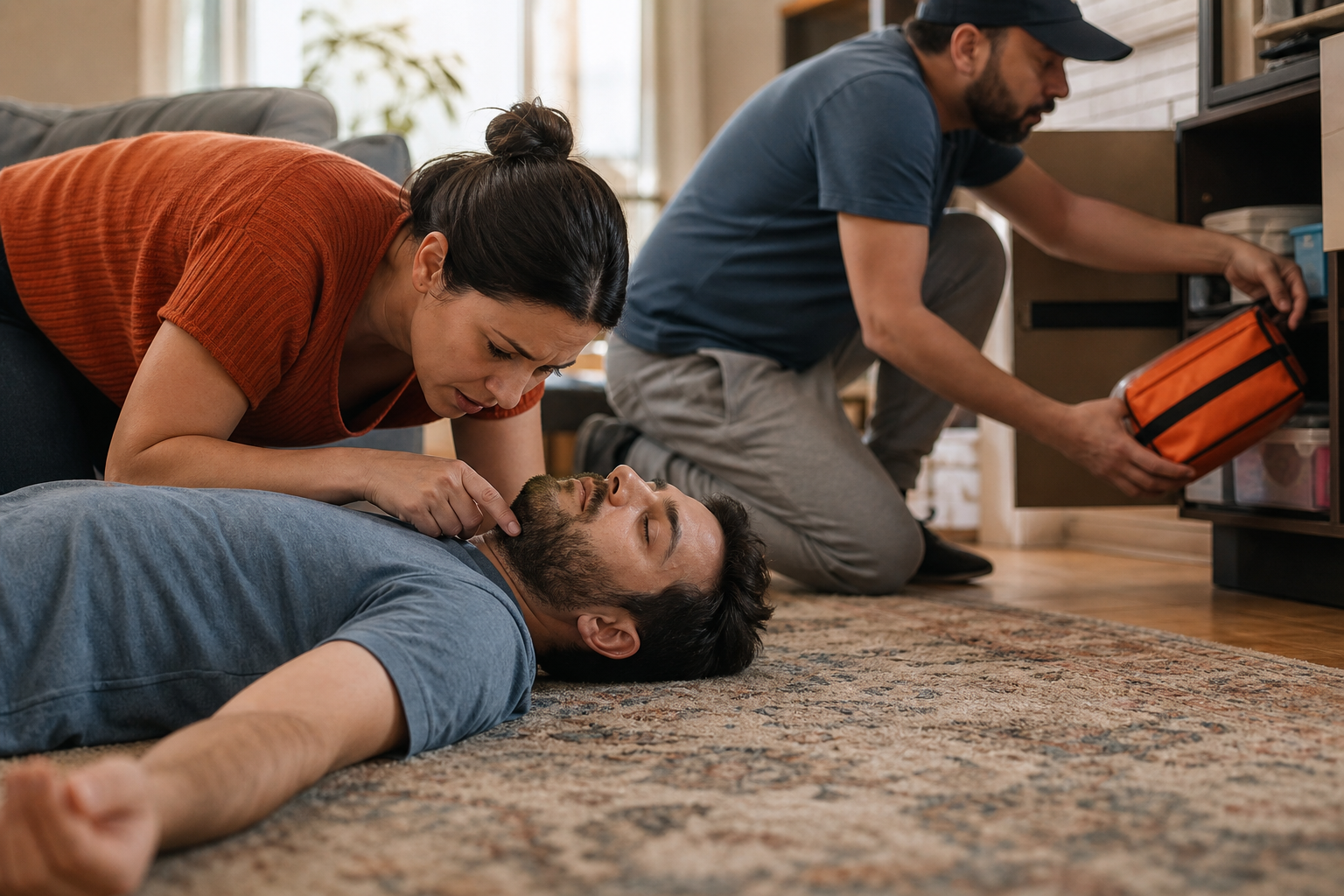
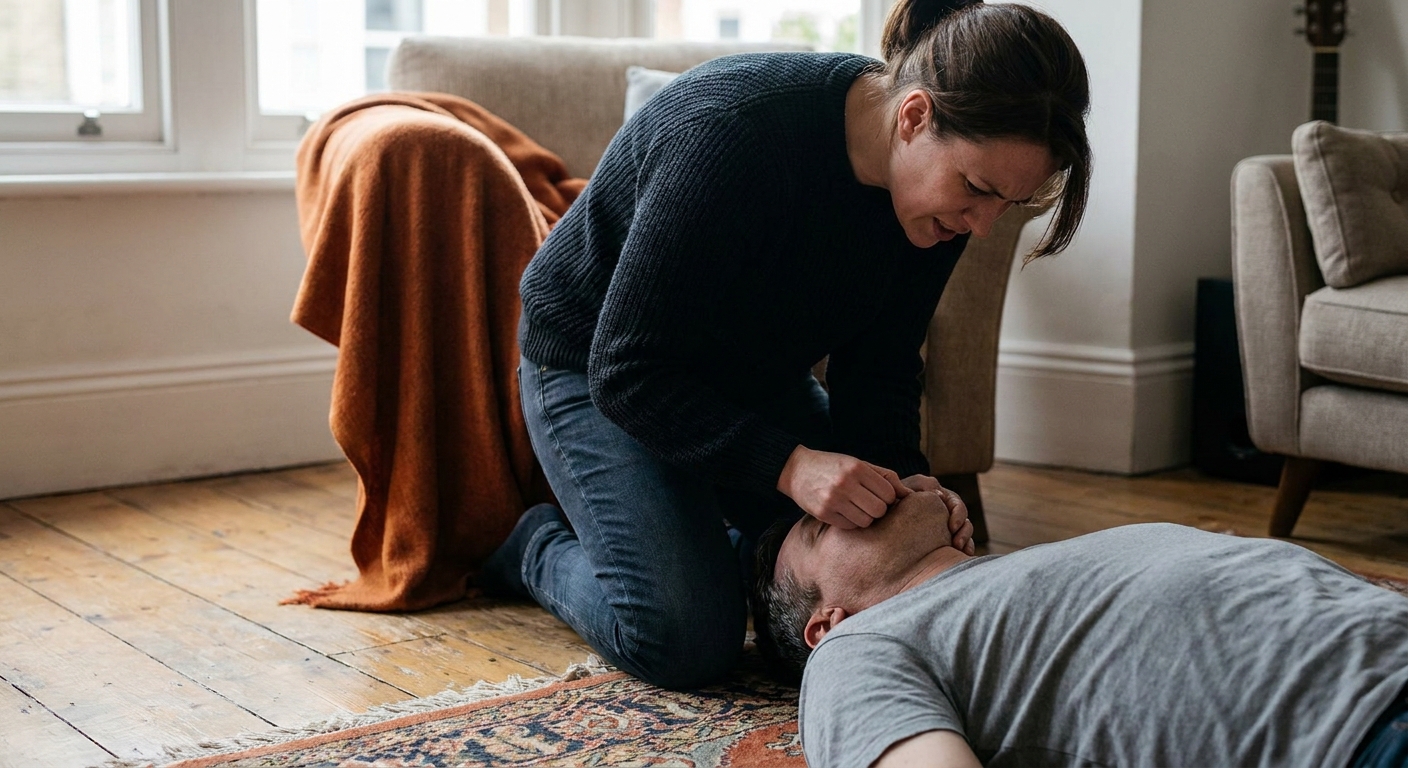
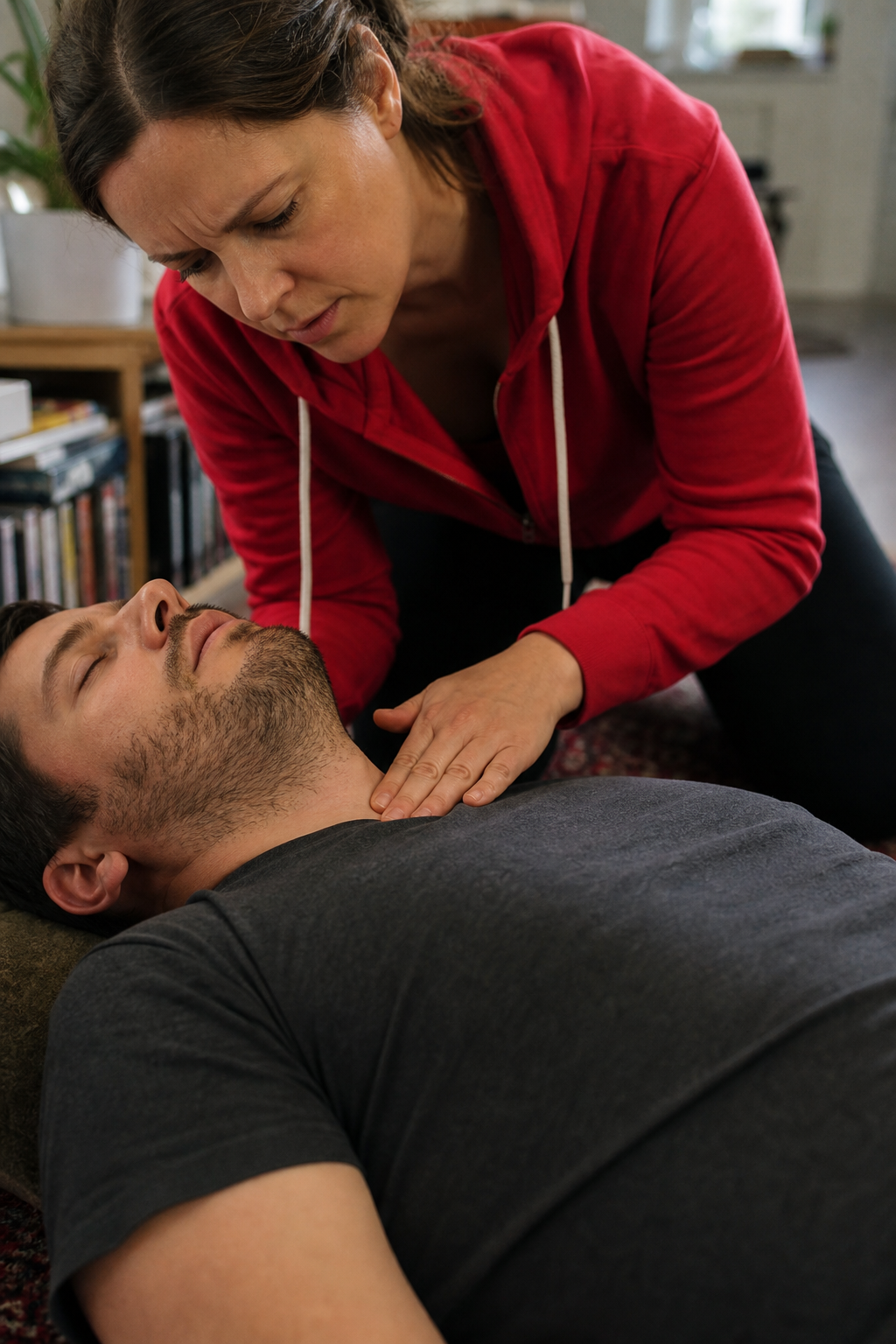
And remember: a person may look pale or limp but still be breathing. Check for chest rise by placing a hand on the upper chest. If you feel the rise, you have a breathing window; if not, start rescue breaths.
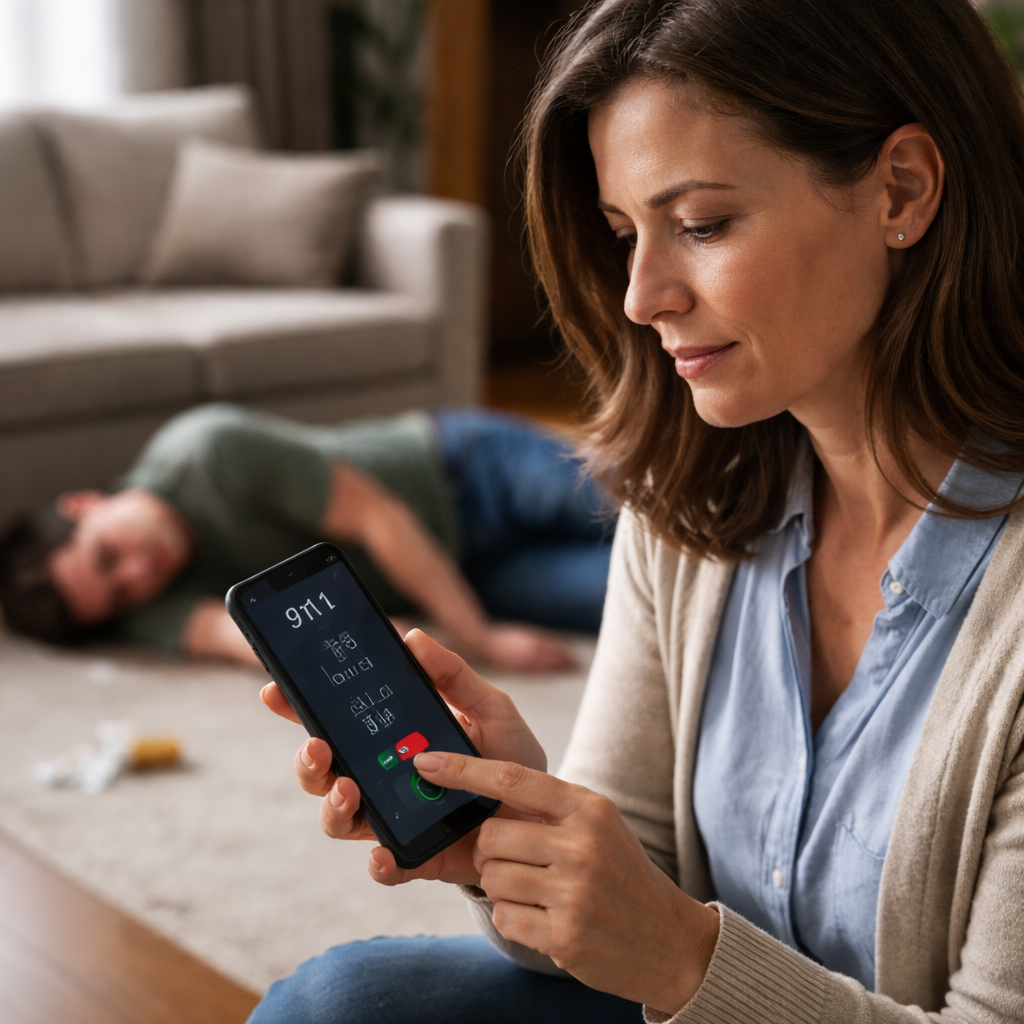
Family members often wonder how to talk about the situation while staying calm. What to Say During a Drug Overdose Emergency offers short scripts you can use while you call 911 and fetch the naloxone kit.
Imagine you’re at home and your teenager collapses after a night out. You notice the tiny pupils and hear a faint wheeze. You call out, “Are you okay?” and get no response. That’s the moment you move to step two.
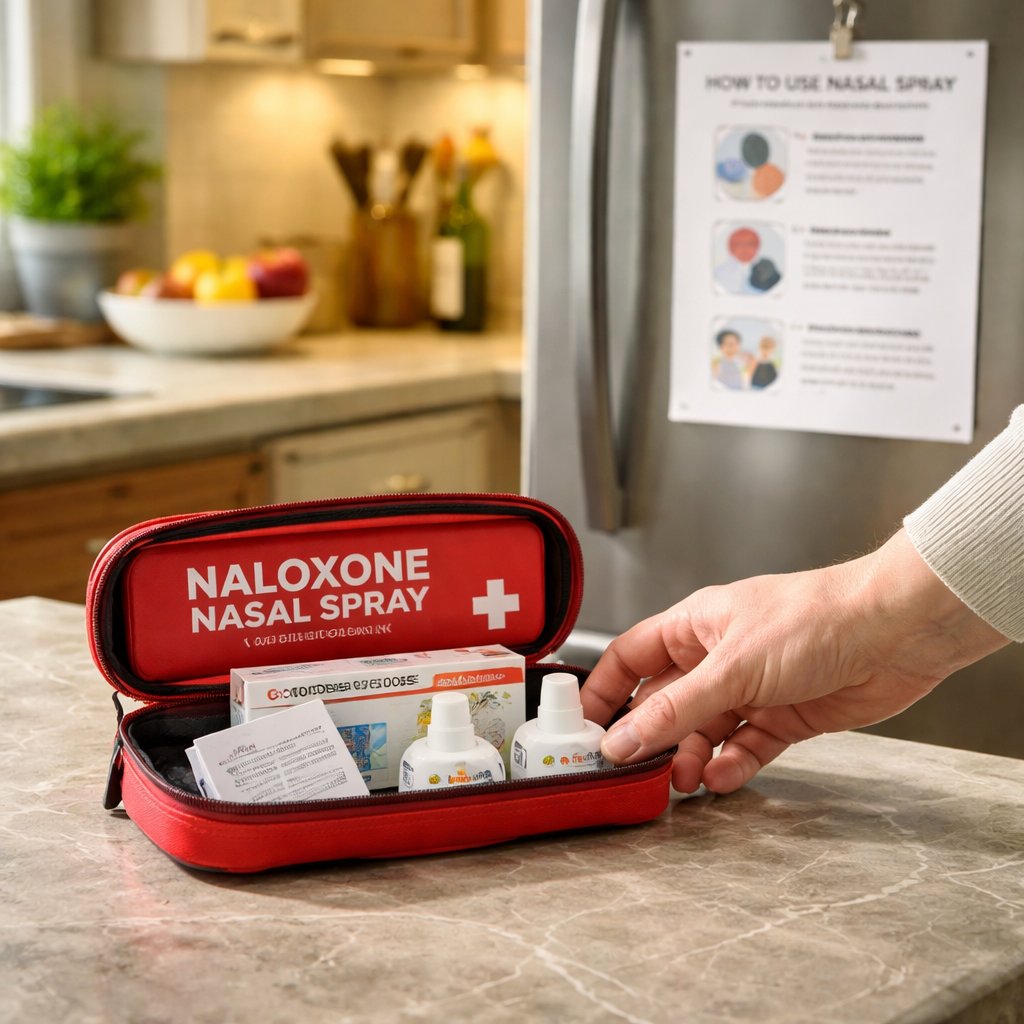
Once you’ve confirmed the signs, the next move is to locate the naloxone device. Keep it in a place everyone knows, like a kitchen drawer or a bathroom cabinet. Write the location on a sticky note and post it where you keep other emergency items.
Pro tip: Label the kit with a bright sticker that says “Naloxone , Use in Emergency.” That visual cue saves a second of hesitation.
Step 2: Prepare the Naloxone Device (Nasal Spray vs. Auto‑Injector)
Two main formats dominate the market: a pre‑filled nasal spray and an auto‑injector that delivers the dose into the thigh. Both are designed for laypeople, but they differ in dosage and handling.
The original layperson guideline recommends a 0.4 mg intramuscular (IM) shot for adults of any age (PMC5753997). Newer kits give 2 mg intranasally, which many families find easier because there’s no need to pierce the skin.
First, remove the protective cap. For a nasal spray, you’ll see a tiny nozzle. For an auto‑injector, a clear plastic shield covers the needle. Both devices click when ready.
And keep an eye on the expiration date. An expired dose may lose potency, leaving you with a weaker response.
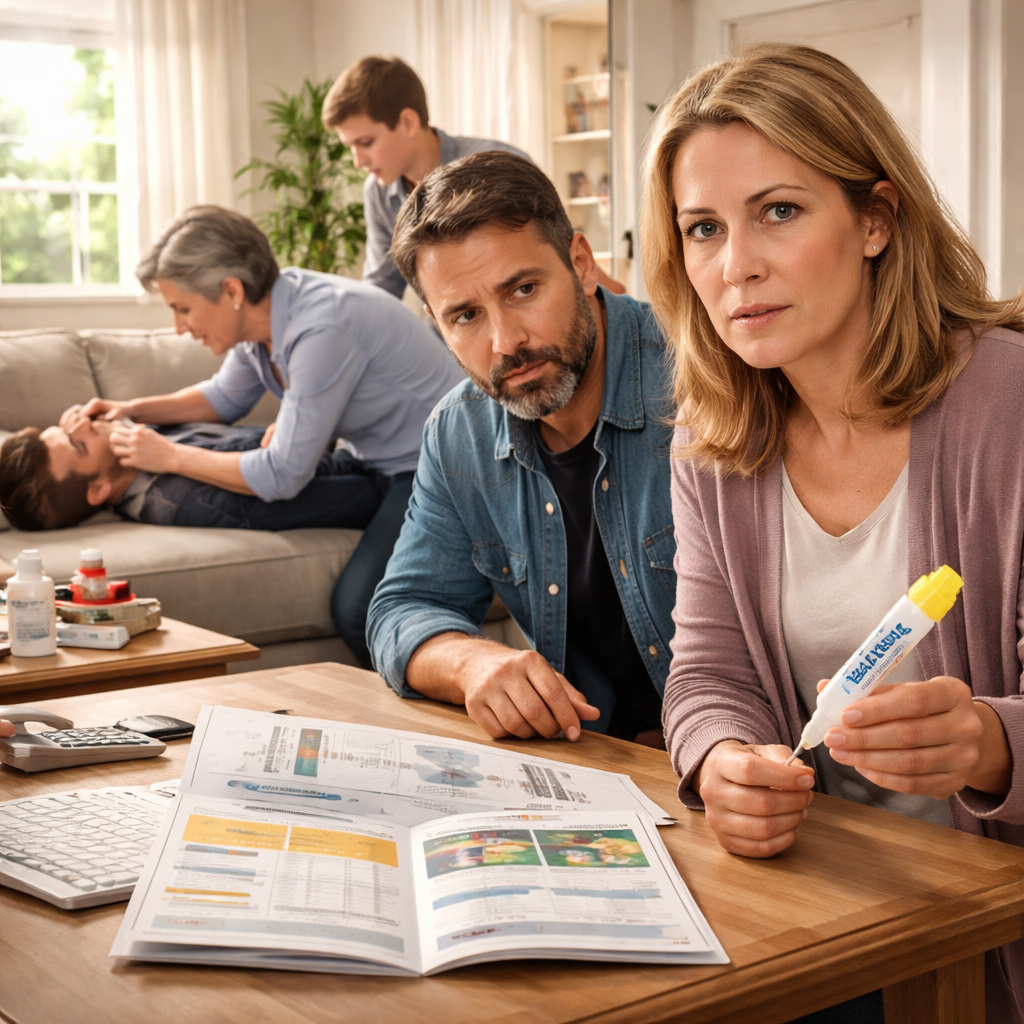
When you decide which device to keep at home, think about who will use it. A teenager may be more comfortable with a spray, while an older adult might prefer the auto‑injector because it feels more like a “shot” they’re used to.
For families with a history of fentanyl exposure, the higher‑dose 2 mg auto‑injector offers a better chance of reversal, as fentanyl binds more tightly to opioid receptors. How to Handle a Loved One’s Fentanyl Overdose walks through the extra steps needed when fentanyl is suspected.
Step 3: Administer Naloxone Correctly
Now that the device is ready, it’s time to give the medicine. Follow these actions in order, and keep a timer or phone handy.
For Nasal Spray
1. Hold the bottle upright. 2. Remove the cap. 3. Insert the tip into one nostril. 4. Press firmly until you hear a click. 5. Keep the other nostril closed with a finger for a few seconds.
For Auto‑Injector
1. Remove the cap. 2. Place the needle end against the outer thigh, through clothing if needed. 3. Press until you feel a click. 4. Hold for 10 seconds to ensure full delivery.
After the first dose, watch the person for any sign of breathing improvement, gasping, coughing, or a pinker complexion. If after 2, 3 minutes there’s no change, give a second dose using the other nostril or the other leg.
The DailyMed entry for Narcan confirms the 2, 3 minute repeat window and the importance of using alternate nostrils (DailyMed). That source also notes the click sound that tells you the dose has been released.
Here’s a quick visual cue: the spray makes a soft hissing sound, while the injector gives a distinct “click.” If you’re unsure, listen for the click, it means the medication is inside the body.
And never hesitate to give a second dose if the person is still not breathing. The risk of giving too much naloxone is far lower than the risk of death from continued opioid suppression.
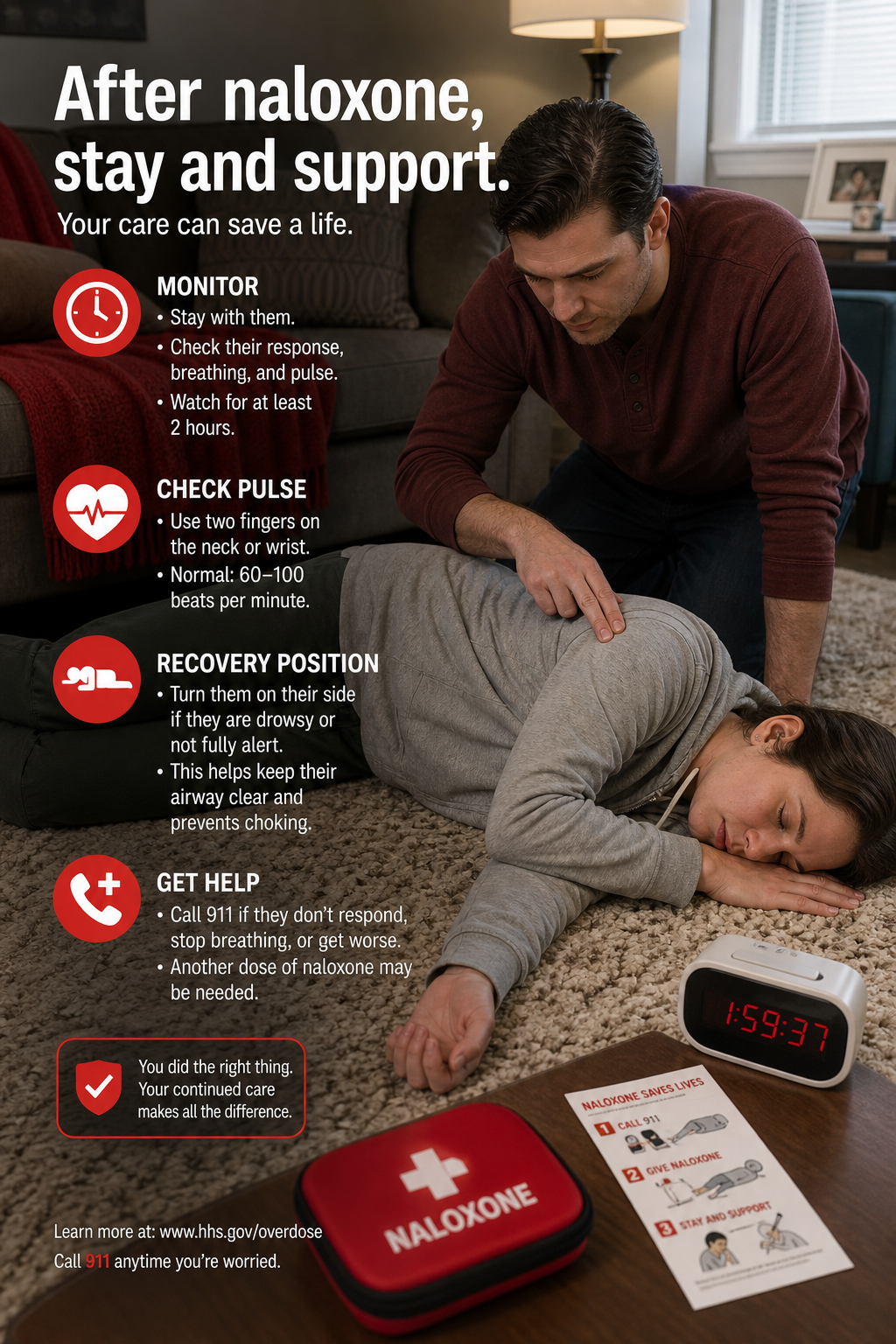
Once the medicine is in, keep the person lying on their side in the recovery position. This prevents choking if they vomit.
Step 4: Post‑Administration Care and Monitoring
Giving naloxone is only the first half of the rescue. After the dose, you must watch the person closely for at least an hour.
Check breathing every 2 minutes. Count the breaths; a normal adult should have 8, 12 breaths per minute. Feel for a pulse at the wrist or neck. If the chest stops rising, start rescue breaths, two slow breaths every five seconds.
If the person wakes up, they may feel agitated or confused. That’s normal; the opioid block wears off quickly, and the brain can react with a surge of energy.
Document the exact time you gave each dose. Write it on a piece of paper or note it on your phone. This log helps emergency responders understand what’s happened and whether additional naloxone might be needed later.
And stay alert for re‑sedation. The half‑life of naloxone is short, about 30‑60 minutes, while many opioids stay in the system much longer. If the person’s breathing slows again, be ready to give another dose if you have one.
When you feel the situation is stable, steady breathing, pink skin, normal pulse, still stay until EMS arrives. Hand over your notes: time of first dose, any repeat doses, observed changes.
Finally, reassure the person. Simple words like “You’re safe now, help is on the way” can calm them and reduce the chance of a panic‑induced relapse.
Step 5: When to Call 911 and Follow‑Up Care
Call 911 the moment you suspect an overdose, even if you have naloxone ready. Emergency responders bring advanced airway support, oxygen, and monitoring equipment that you don’t have at home.
Tell the dispatcher:
- Exact address and any landmarks
- What substance you think was taken (if known)
- How many naloxone doses you’ve given and when
- Any allergies or medical conditions the person has
After the ambulance arrives, give them your written notes. They will assess whether more naloxone is needed and will transport the person for further care.
Follow‑up doesn’t stop at the hospital. Schedule an appointment with a substance‑use specialist within 24 hours. Early counseling reduces the chance of another overdose.
For families looking for a professional partner, Overdose Help: A Usable Guide to Emergency Response and Recovery outlines how Next Step Intervention can support you with counseling, treatment referrals, and crisis planning.
Remember: the goal is to keep the person alive long enough for medical care, then connect them to long‑term support.
Frequently Asked Questions
What is the correct naloxone dosage for family members?
The baseline dose for any layperson is 0.4 mg intramuscular or 2 mg intranasal. Caregiver‑focused nasal spray kits deliver a single 4 mg spray, and a second dose can be given after 2, 5 minutes if needed. The newer Evzio® auto‑injector provides a 2 mg IM dose, five times higher than the classic 0.4 mg version.
Can I give naloxone to a child?
Yes. The same adult doses (0.4 mg IM or 2 mg IN) are used for children of all ages because the medication works quickly and excess is cleared by the body. Always follow the device’s instructions and call 911 immediately.
How long does naloxone last?
Naloxone’s effect peaks in a few minutes and lasts about 30‑60 minutes. Because many opioids stay in the system longer, symptoms can return after the naloxone wears off. Watch for breathing slowdown and be ready to give another dose if you have one.
What should I do if the person doesn’t wake up after a dose?
Start rescue breathing right away: two slow breaths every five seconds. Keep the airway open with a head‑tilt‑chin‑lift. If there’s still no response after a second dose, continue rescue breaths and wait for EMS.
Do I need gloves when giving naloxone?
Gloves are recommended to protect both you and the person from blood or other fluids. If gloves aren’t available, wash your hands thoroughly after the event.
Can naloxone cause a severe opioid withdrawal?
It can cause mild withdrawal, sweating, shaking, nausea, but the priority is to restore breathing. The withdrawal symptoms are temporary and far less risky than an untreated overdose.
How often should I replace my naloxone kit?
Check the expiration date every six months. Replace the kit at least once a year or sooner if it’s close to expiring. Store it in a cool, dry place away from direct sunlight.
Is it legal to carry naloxone at home?
Yes. Federal law protects individuals who administer naloxone in good faith. Many states also have Good Samaritan laws that shield you from liability when you act in an emergency.
Conclusion
Knowing the signs, having the right device, and practicing the exact steps can turn a terrifying overdose into a life‑saving moment. Remember the core flow: spot the signs, grab the kit, give the dose, watch for response, call 911, and stay until help arrives. Each family member should keep a written cheat‑sheet and practice the routine at least once a year.
If you need a naloxone kit, training, or a follow‑up plan, Next Step Intervention is ready to help. Call (949) 545‑3438 or visit our website to get a kit and connect with a qualified interventionist today.