Opioid overdose can happen in a split second. One wrong move and a loved one could stop breathing. This guide walks you through every action you need to take, from spotting the warning signs to giving naloxone and keeping the person safe until help arrives.
By the end of this article you’ll know how to recognize an overdose, ready a naloxone kit, deliver the correct dose by spray or injection, provide rescue breathing, and stay on the line with emergency services. Let’s get clear on each step so you can act fast and save a life.
Step 1: Recognize the Signs of an Opioid Overdose
Time is the most precious thing when an overdose is happening. Naloxone works only if you give it before the brain stops getting oxygen.
Key signs include:
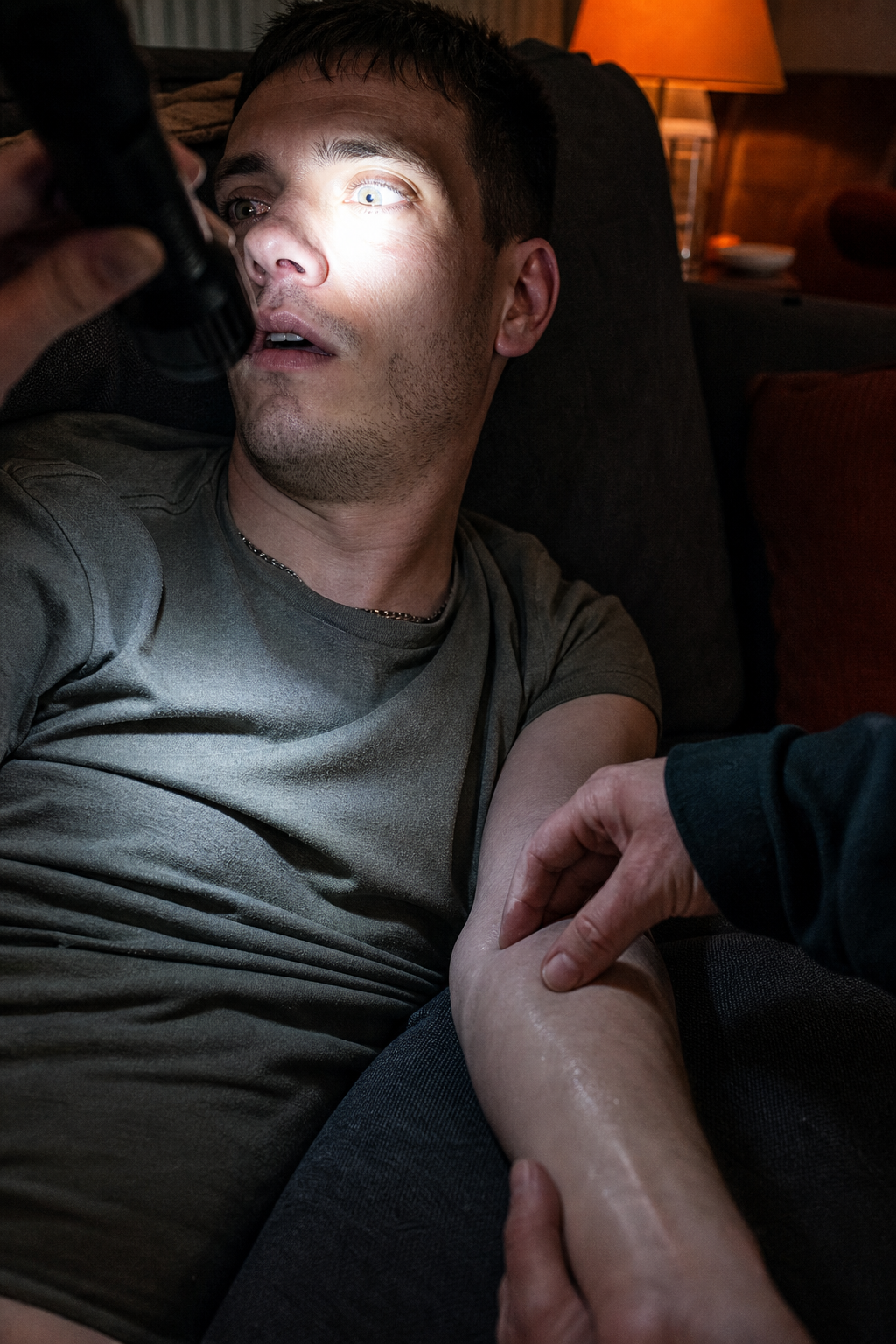
- Poor or shallow breathing , you may hear a wheeze or see the chest barely move.
- Pinpoint pupils that look like tiny dots.
- Unresponsiveness or inability to stay awake.
- Skin that feels cold, clammy, or turns blue‑gray around the lips.
If you see any of these, assume an opioid overdose and move straight to the next step. Even if you’re not sure, it’s safer to act.
Remember that naloxone only reverses opioids. It won’t help with a stimulant or alcohol overdose, but it won’t hurt the person either.
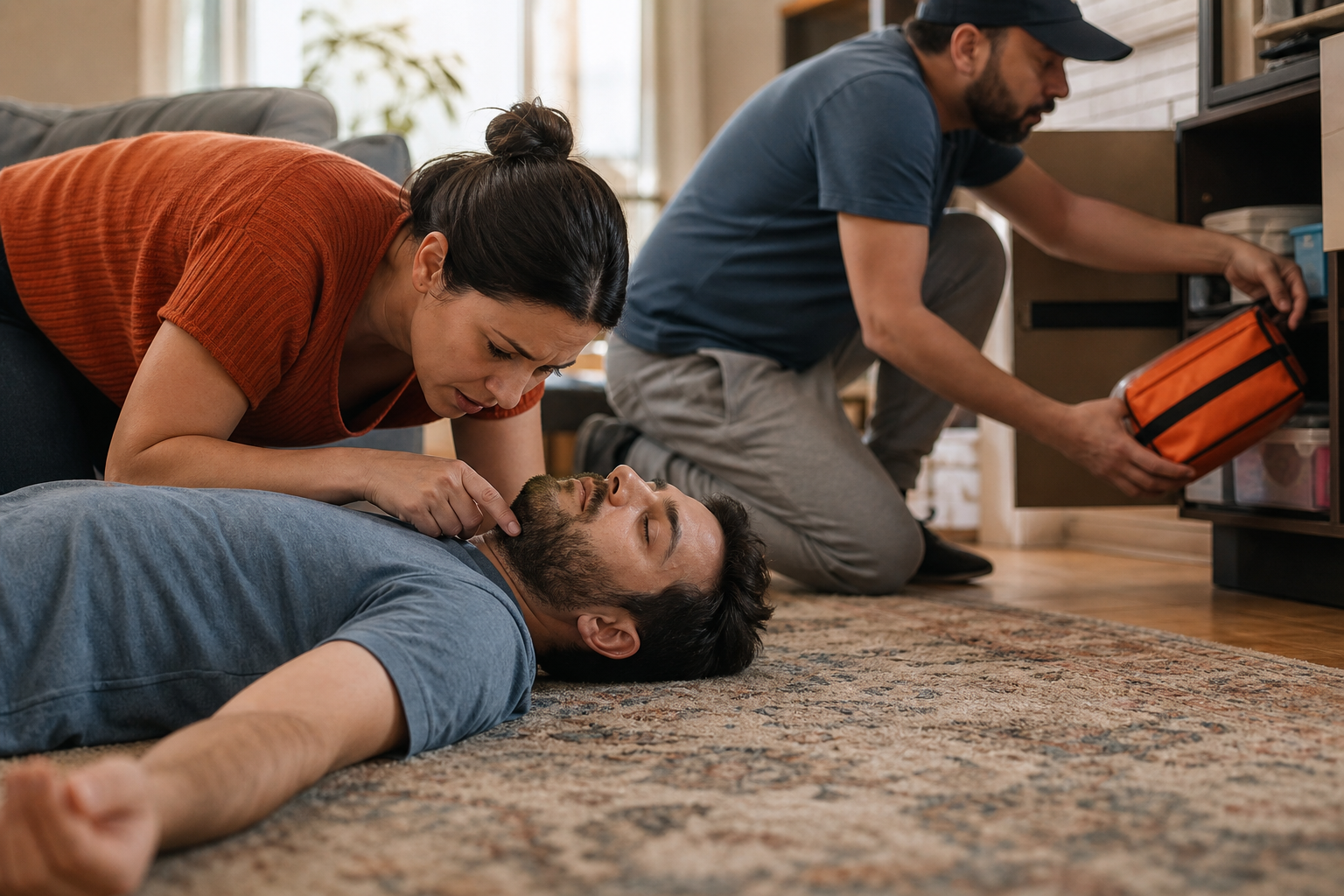
When you suspect an overdose, stay calm. Speak clearly to the person, call out their name, and try a gentle shake. If there is no response, that’s a clear cue to act.
For a deeper look at how naloxone works and why rapid response matters, see the National Institute on Drug Abuse’s overview of naloxone here. The agency explains how the medicine blocks opioid receptors and can restore normal breathing within minutes.
And if the situation involves fentanyl or a mixed‑drug scenario, you might need a second dose. Keep a second kit handy if possible.
When the person is unresponsive, move to a safe spot, lay them on their back, and tilt the head back to open the airway. This preparation makes the later steps smoother.
Think about it this way: you spot the signs, you clear the airway, you get the kit. Then you give naloxone. That simple chain of actions can mean the difference between life and death.
After you’ve set the scene, you’re ready to open the naloxone kit. The next section shows how to keep everything organized so you don’t waste a second searching for the right part.
Step 2: Prepare Your Naloxone Kit
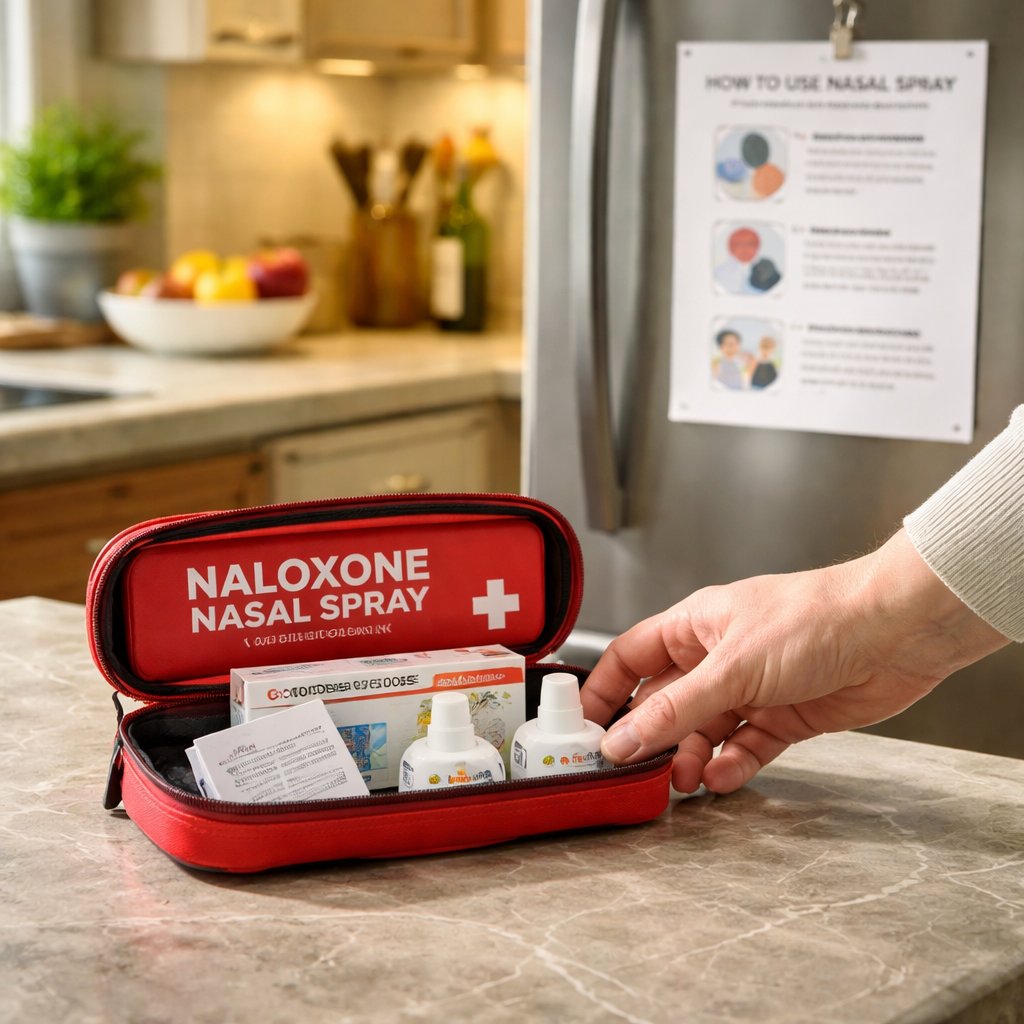
A well‑packed kit saves time and nerves. The goal is to have everything you need in one place, clearly labeled, and checked regularly.
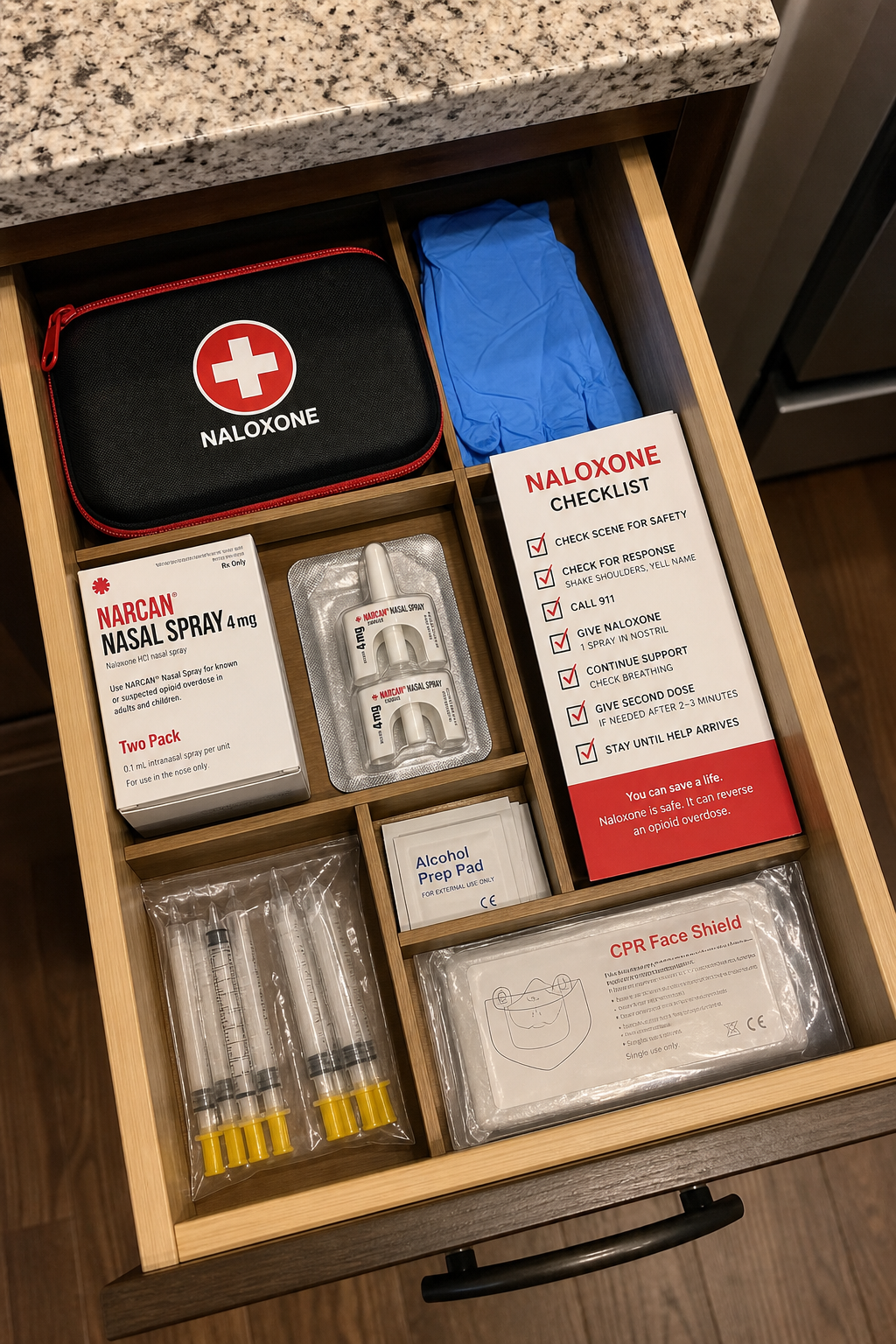
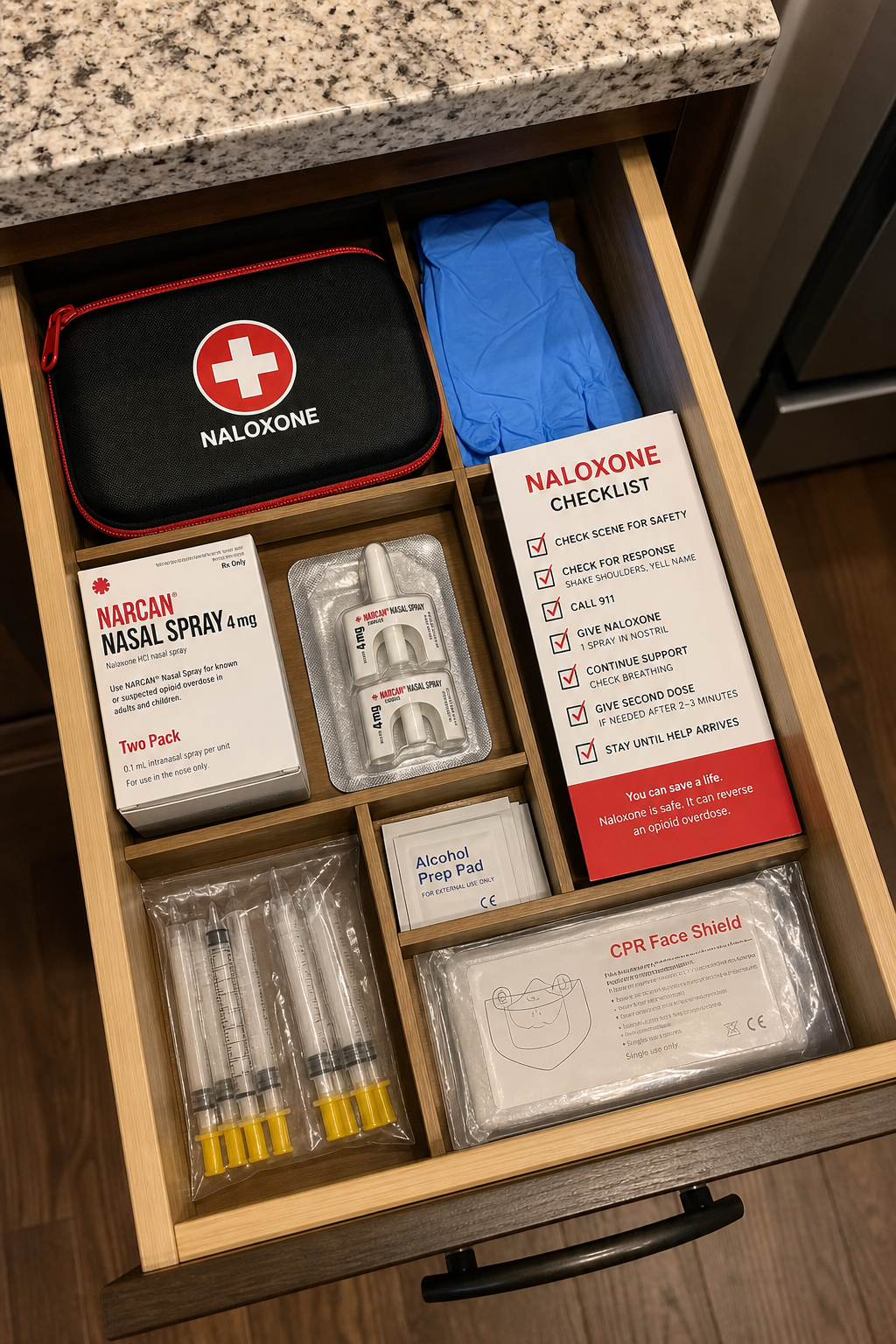
Typical items include:
- One pre‑filled nasal spray or auto‑injector.
- Two syringes and a vial of naloxone (for injectable kits).
- Disposable gloves.
- A pocket‑mask or a simple rescue‑breathing shield.
- A small flashlight for low‑light situations.
- Printed instructions that match the device you own.
Store the kit in a durable, water‑resistant container that can sit in a kitchen drawer, a bathroom cabinet, or a bedside table. Keep it away from extreme heat or direct sunlight, because heat can degrade the medicine.
Check the expiration date at least once a month. Replace any expired component right away. Trusted health authorities note that naloxone remains stable at room temperature as long as it’s not past its date.
For families that run multiple kits, label each one with a location tag, “Living‑Room Kit” or “Car Kit”. Write the date you last checked the kit on a sticky note so the next person knows when to verify it again.
When you assemble the kit, include a short cheat‑sheet that lists the steps in order: 1) Open, 2) Administer, 3) Call 911, 4) Monitor. Having that visual cue reduces panic.
Research comparing intranasal and intramuscular delivery shows both routes work well in pre‑hospital settings, with success rates above 80 % (systematic review). That means you can choose the form you’re most comfortable with, but you must still follow the exact dosing instructions.
Here’s a quick checklist you can print and tape to the inside of the kit lid:
Keeping this table on the lid helps anyone who grabs the kit to run through the items without missing anything.
Next, learn how to actually give the medicine. Whether you use the spray or the syringe, the steps are straightforward once you’ve practiced.
For families that want a structured emergency plan, How to Create an Effective Emergency Drug Intervention Plan for Families offers a printable template that dovetails nicely with this kit prep.
Step 3: Administer Naloxone Nasal Spray
The nasal spray is the most user‑friendly option for laypeople. It comes in a single‑dose, pre‑packed device that you press against one nostril.
Follow these actions step by step:
- Remove the outer protective cap. You’ll hear a click.
- Hold the device with the tip pointing down.
- Gently insert the tip into one nostril. Do not insert it deep , a light touch is enough.
- Press the plunger firmly until you hear a second click. That releases the full dose.
- Remove the device and place it aside. Do not reuse.
After you spray, watch the person closely. Normal breathing should start within two to three minutes. If the chest is still not rising, you may need a second dose in the other nostril.
The New York State health guide stresses keeping the person in the recovery position while you wait for the drug to work. This position keeps the airway open and prevents choking if they vomit.
While you wait, continue rescue breathing if the person’s breathing is shallow. Two slow breaths every five seconds is enough to give oxygen to the brain.
When the dose takes effect, you’ll often see a gasp, coughing, or a return to normal skin color. Those are good signs that the opioid block is wearing off.
If the person awakens but still looks weak, stay with them. Opioid withdrawal can be uncomfortable, with shaking, sweating, or nausea, but it is not life‑threatening. Keep monitoring for at least an hour.
Remember to note the time you gave the spray. That information helps EMTs decide whether a second dose is needed.
Step 4: Administer Naloxone by Injection
Injectable naloxone is a good backup when the nasal spray is unavailable or when you suspect a very strong opioid like fentanyl.
Here’s how to give an intramuscular injection safely:
- Wash your hands thoroughly, or use an alcohol wipe.
- Put on a disposable glove.
- Open the vial and draw the prescribed amount (usually 0.4 mg) into the syringe.
- Pick a large muscle , the outer thigh is ideal. You can give the shot through clothing if needed.
- Firmly press the needle into the thigh, then pull the plunger back to inject. Hold for about 10 seconds.
- Remove the needle, activate the safety mechanism, and dispose of it in a sharps container.
The VA injection guide notes that you should feel a “click” when the needle reaches the correct depth. That mechanical cue tells you the dose has been delivered.
If you’re using a pre‑filled auto‑injector, the steps are even simpler: remove the safety cap, press the device against the thigh, and hold until you hear the click. The device then automatically injects the correct dose.
After the injection, keep the person on their side in the recovery position. Check breathing every 30 seconds. If there is no improvement after two minutes, give a second dose in the opposite thigh.
Injectable naloxone may act a bit faster than the nasal spray, but the difference is small. Both are effective, and the choice often comes down to what you have on hand.
Practice the injection technique with a trainer kit before an emergency. Muscle memory saves precious seconds.
When you’re done, record the exact time of each dose. EMTs will use that timeline to decide on further treatment.
For a step‑by‑step visual on how to set up an emergency kit that includes both spray and injector, see Effective Emergency Intervention: A Step‑by‑Step Guide for Immediate Action. It walks you through the exact layout we recommend.
Step 5: Provide Rescue Breathing and Monitor
Even after naloxone is given, the person may still need help breathing. Rescue breathing keeps oxygen flowing until the drug takes effect.
Use these simple steps:
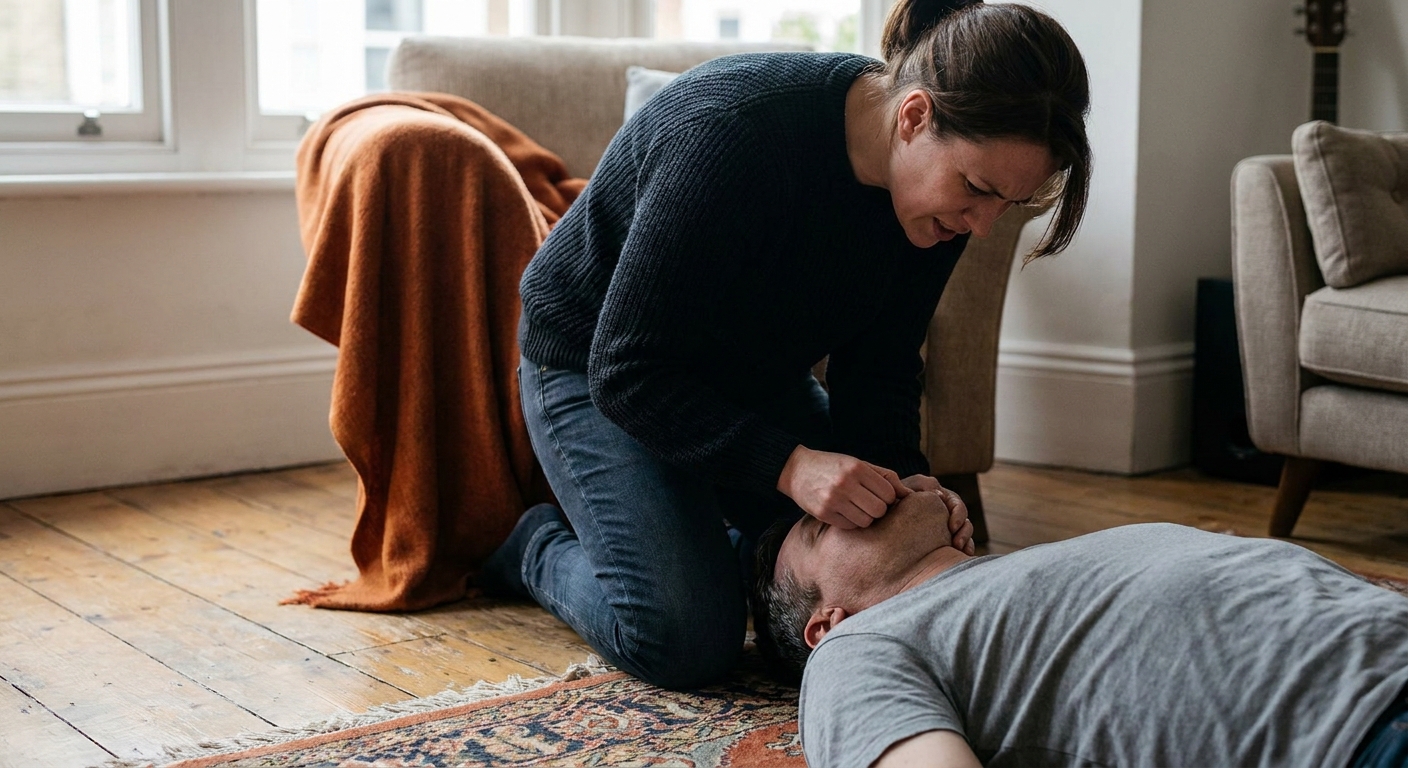
- Make sure the airway is clear. Tilt the head back and lift the chin.
- Pinch the nose shut with one hand.
- Give a deep breath into the mouth, watching the chest rise.
- Release the nose and let the person exhale naturally.
- Repeat every five seconds , that’s about 12 breaths per minute.
If you have a pocket mask, place it over the mouth and deliver the breaths through the mask. The mask reduces the risk of disease transmission.
Watch for these improvement signs:
- Chest rises with each breath.
- Skin color returns to pink or normal.
- The person starts to make sounds or opens their eyes.
If breathing returns to normal, you can stop rescue breaths but stay close. The person may still feel groggy or shaky.
Keep monitoring for at least two hours after the last naloxone dose. Opioids can stay in the system longer than naloxone, which means breathing could dip again.
During this time, talk to the person calmly. Reassure them that help is on the way and that the shaking they feel is just withdrawal, not a new overdose.
Step 6: Call 911 and Stay Until Help Arrives
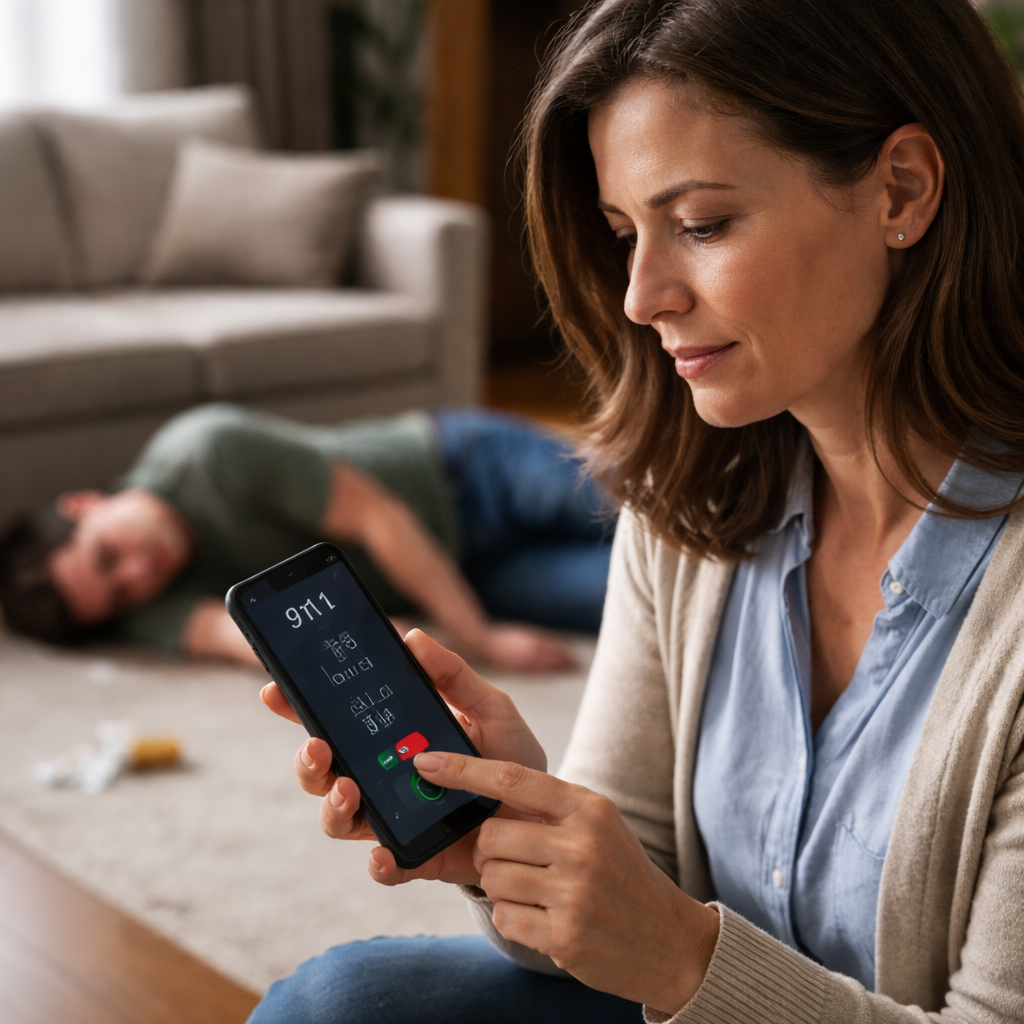
Calling emergency services is non‑negotiable. Even if the person looks fine after a dose, they still need professional evaluation.
When you dial 911, give the dispatcher these details:
- Exact address, including apartment or unit number.
- What you observed , shallow breathing, pinpoint pupils, unresponsiveness.
- What you gave , nasal spray, injection, time of each dose.
- Any known allergies or medical conditions.
Stay on the line. The operator may guide you through additional breathing steps or ask you to move the person to a safer spot.
The CDC’s FAQ page confirms that naloxone’s effects wear off after 30‑90 minutes, so EMS will likely want to observe the patient for a while (CDC). Let the responder know if a second dose was needed.
If you’re alone, put the phone on speaker so your hands stay free. If there’s another person nearby, ask them to stay with the victim while you talk to the dispatcher.
While you wait, keep the person in the recovery position, continue rescue breaths if needed, and protect them from choking hazards , clear the area of loose clothing or objects.
When EMTs arrive, hand over the written notes you made about the timing of doses and any changes in breathing. That information helps the medical team decide whether more naloxone is required.
Frequently Asked Questions
Can I use naloxone on someone who isn’t an opioid user?
Naloxone only works on opioid receptors, so it will have no effect on a person who has not taken opioids. Giving it to someone who isn’t using opioids is safe , the medication does not cause a high, and it will not cause harm. However, it may cause mild irritation or a brief headache, which is far less risky than waiting for a potential overdose to worsen.
How long does a naloxone dose last?
The drug’s effects generally last between 30 and 90 minutes. Because many opioids stay in the system longer, a person can slip back into respiratory depression once the naloxone wears off. That is why you should stay with the person and be ready to give a second dose if breathing becomes shallow again.
Do I need a prescription to buy naloxone?
In every U.S. state you can obtain naloxone without a prescription thanks to standing orders at pharmacies. You can also get it from community‑based distribution programs, health departments, or local harm‑reduction groups. Check with your pharmacist about any cost‑assistance programs that may be available.
What should I do if the person vomits after receiving naloxone?
Turn the person onto their side into the recovery position. This keeps the airway open and prevents choking. Keep a close eye on breathing and be ready to give rescue breaths if the chest does not rise.
Can I give naloxone to a child?
Yes. Naloxone is approved for use in children of all ages. The dosage may differ, so follow the pediatric instructions on the kit’s label. If you’re unsure, call 911 and let the dispatcher guide you.
What if I run out of naloxone in the middle of an emergency?
If you have only one dose and the person does not improve, keep performing rescue breaths and call 911 immediately. EMS will bring additional doses. It is a good idea to keep a spare kit in a second location , for example, one at home and one in the car.
Is there any risk of overdose from naloxone itself?
No. Naloxone has no abuse potential and cannot cause an overdose. It may trigger withdrawal symptoms in people who are physically dependent on opioids, but those symptoms are uncomfortable, not life‑threatening.
How often should I check my naloxone kit?
Inspect the kit monthly. Look for any torn packaging, expired dates, or missing components. Replace anything that looks damaged, and rotate stock so you always have a fresh dose ready.
Can I use naloxone if I’m allergic to it?
Allergic reactions to naloxone are extremely rare. If you notice hives, swelling, or difficulty breathing after a dose, treat it as an emergency and call 911. Most people can safely use naloxone even if they have never taken it before.
What other resources are available for families dealing with opioid use?
Many communities offer free training, counseling, and support groups. The Substance Abuse and Mental Health Services Administration provides an online toolkit that helps families create an intervention plan, locate local treatment centers, and connect with peer support.
Conclusion
Knowing how to use naloxone at home gives you the power to stop an overdose before it becomes fatal. Recognize the signs, keep a ready‑to‑go kit, practice both spray and injection techniques, and stay on the line with emergency services. Those steps turn a frightening emergency into a manageable response.
If you or a loved one struggles with opioid use, consider reaching out to a professional service like Next Step Intervention. They can help you build a customized emergency plan, provide training, and connect you with treatment options.
Every minute counts. Keep your kit stocked, rehearse the steps, and act with confidence. You can be the difference between a tragic loss and a saved life.