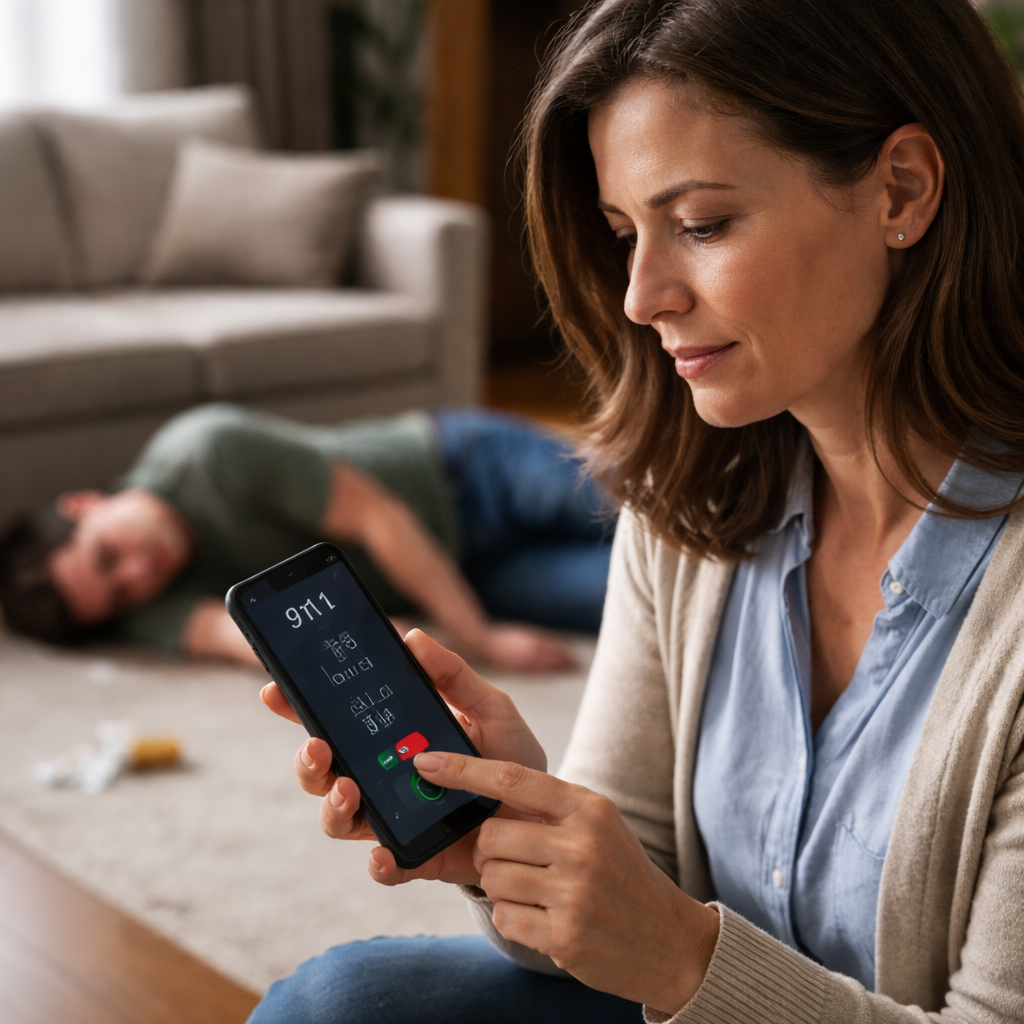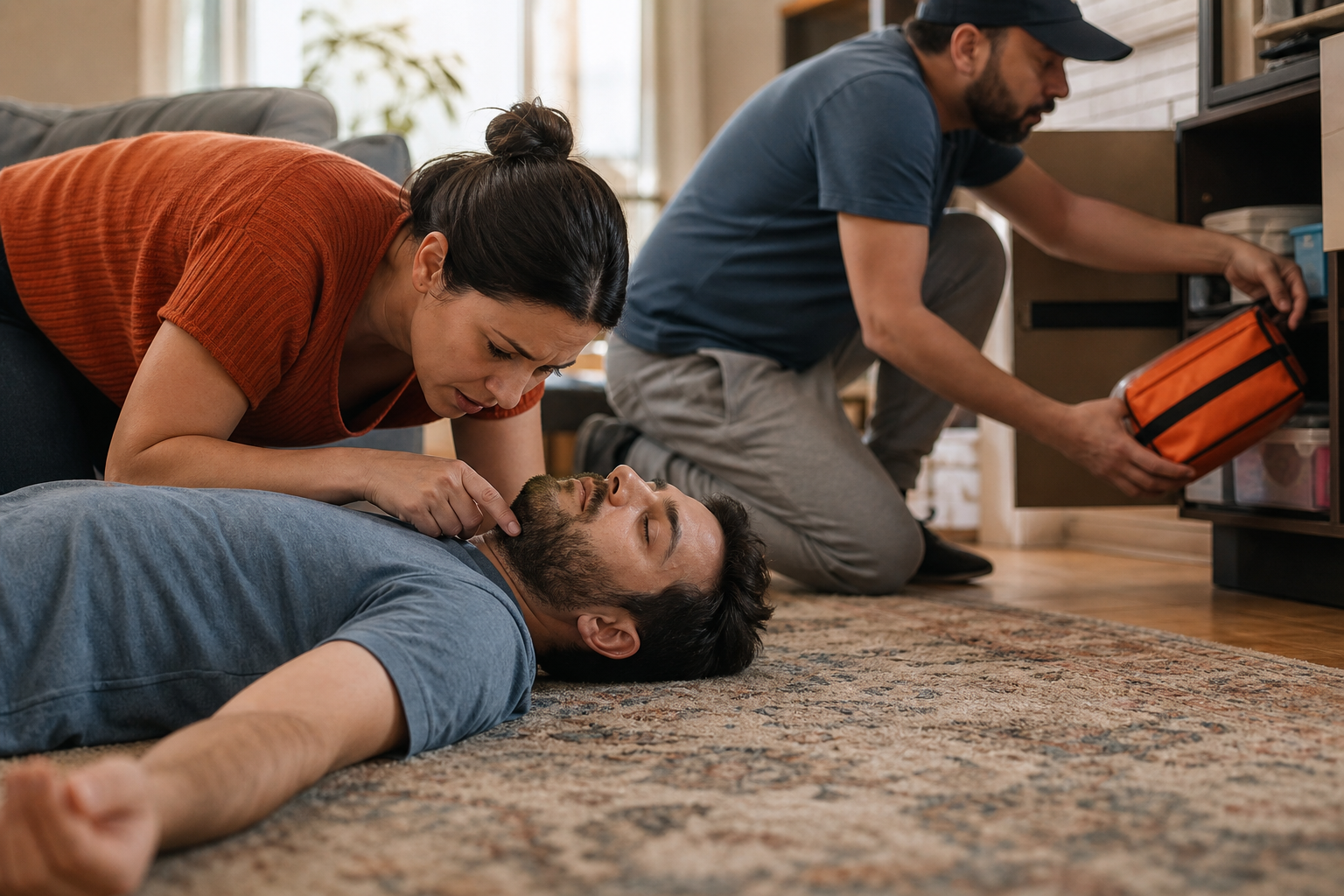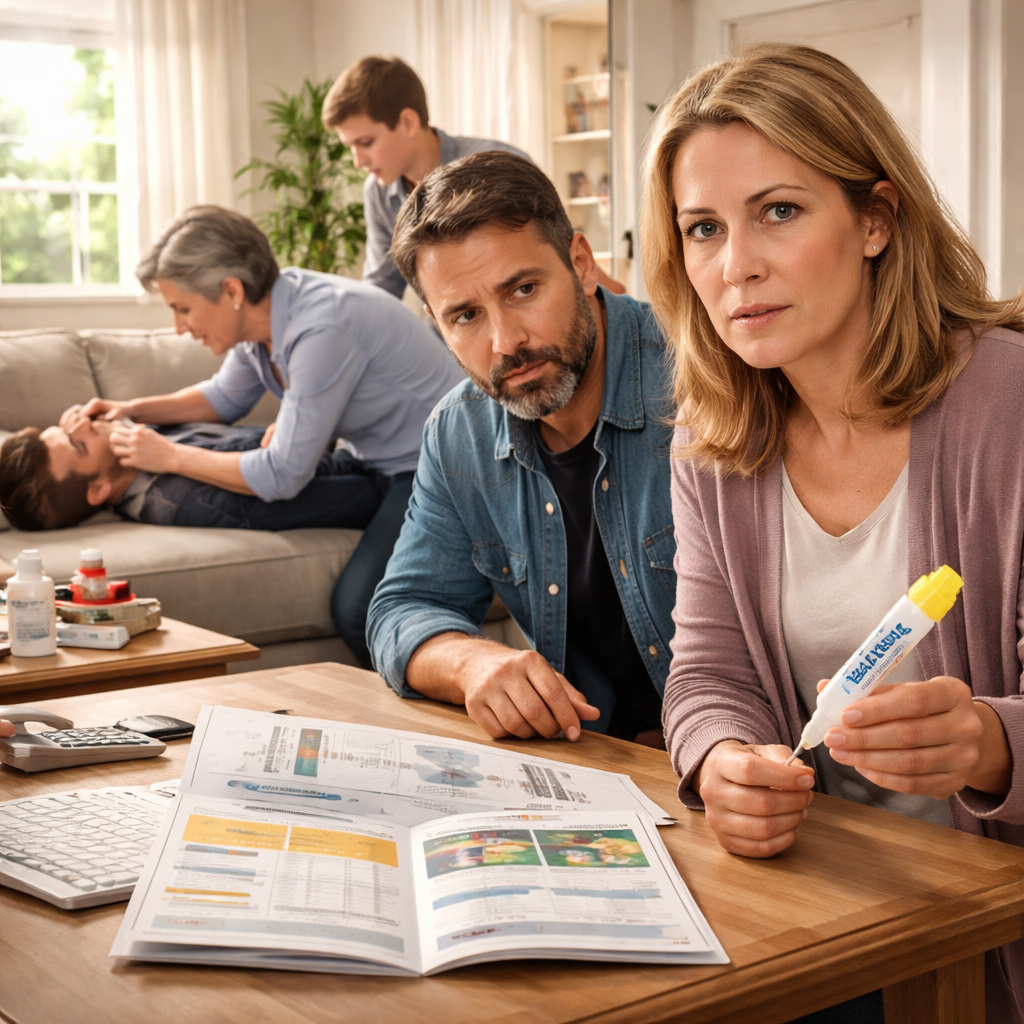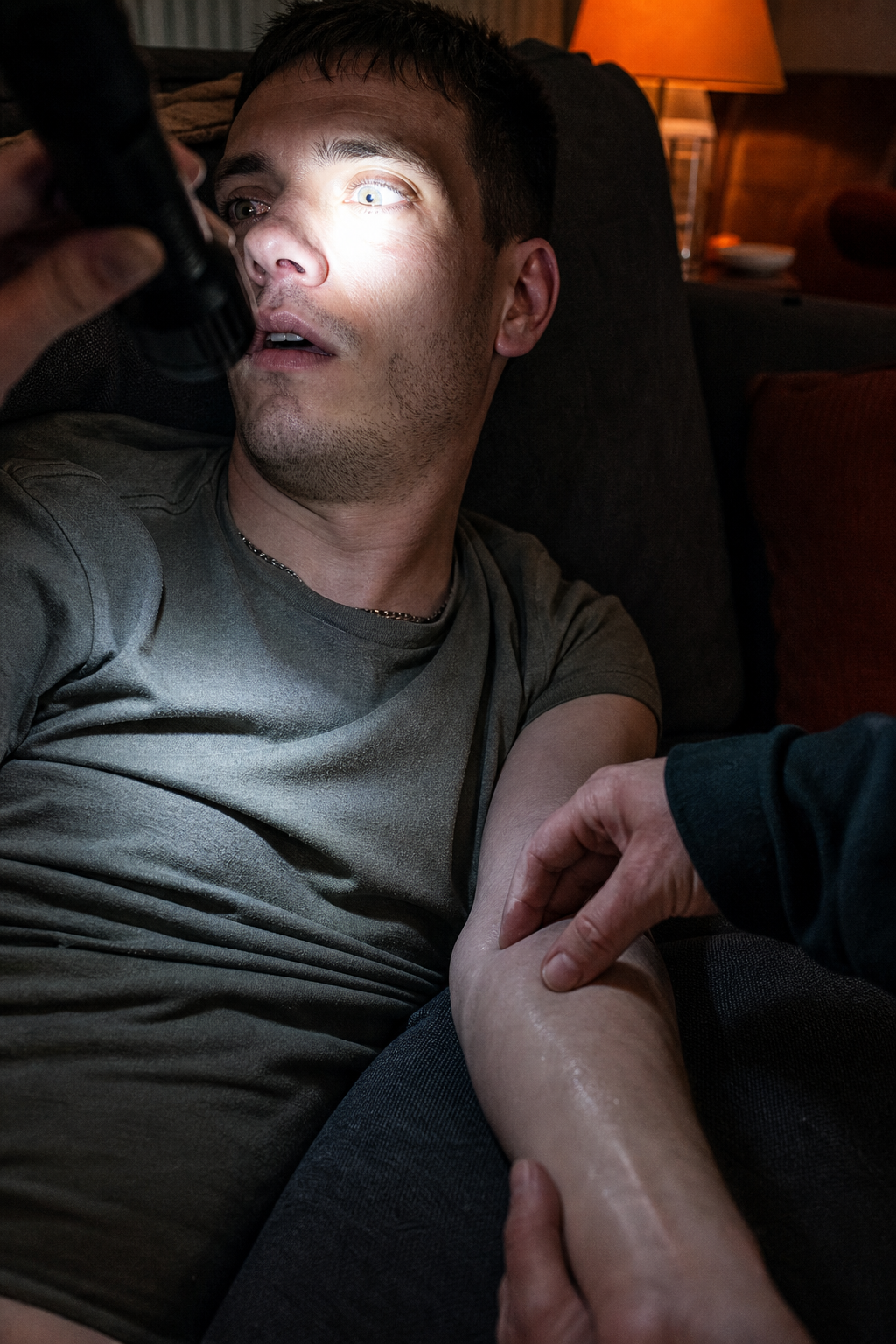
When an opioid overdose strikes, seconds count. Below is a shortlist of ten tools and services that can turn a panic‑filled moment into a coordinated response.
1. Next Step Intervention (Our Top Pick) , Complete Family Overdose Response Service
Next Step Intervention offers a 24/7 phone line, travel coordination, and an on‑site sober companion who can stay with the person until help arrives. It’s built for families who need a single point of contact and a clear chain of command.
The service bundles a crisis call, a travel‑arranged escort to the nearest hospital, and follow‑up counseling, all without charging families for the emergency response itself. That level of coordination is unique in the dataset.
Because the team includes certified interventionists, families get professional guidance on next steps, not just a one‑time rescue. The only downside is that the service works best in regions where the provider has local partners, so remote areas may see longer travel times.
For a step‑by‑step plan that matches this service, see our Emergency drug intervention plan for families.
2. Professional Emergency Medical Services, Rapid Care
Most communities rely on emergency medical responders to bring naloxone and advanced care to the scene. A study of Baltimore EMS records showed 1.1% of calls involved naloxone administration, with an average of 100 doses per month. The data also reveal peaks in summer and on weekends, which helps families anticipate higher risk periods.
Emergency medical responders can start rescue breathing, deliver naloxone, and transport the person to a hospital for further monitoring. Their presence also offers legal protection in many states, as Good Samaritan laws often shield both the caller and the responder.
One limitation is that emergency medical responders may not arrive quickly in rural areas, where response times can exceed 15 minutes. Families should pair professional emergency services with a faster on‑site option when possible.
To learn more about the role of EMS in overdose surveillance, read the EMS naloxone administration data.
3. Legal Support Resources & Guidance
Many states provide legal support hotlines that offer advice and connect callers to nearby resources. These services can reassure families that calling 911 won’t automatically lead to arrest, addressing a common fear.
Staff can provide the location of the nearest naloxone distribution site and guide callers through the steps of administering the medication while waiting for emergency services.
Availability varies by state, so it’s worth checking your local health department’s website for the exact contact information. The main drawback is that these services cannot physically intervene; they only offer information.
4. Over‑the‑Counter Naloxone Access
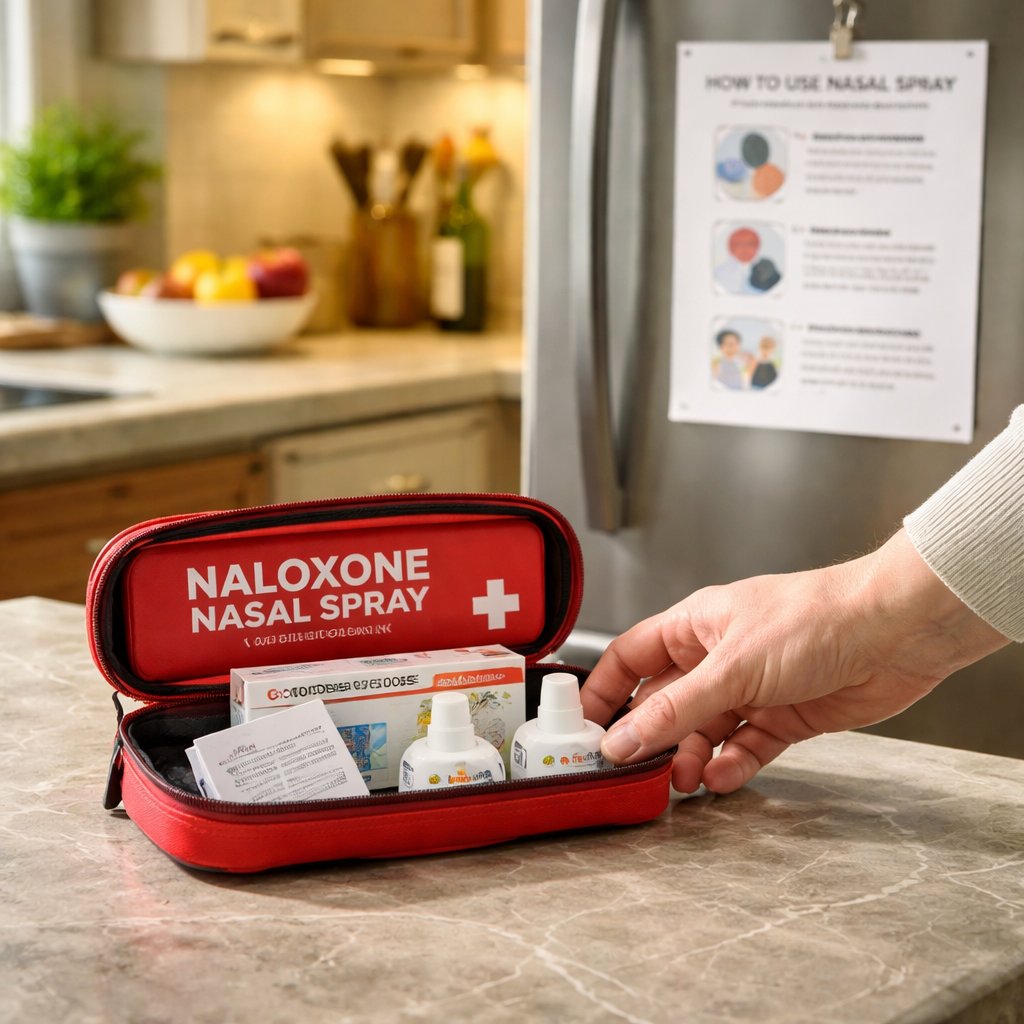
An over‑the-counter naloxone nasal spray allows anyone to administer a life‑saving dose without a prescription. Many pharmacies carry the product and provide guidance on its use.
The product includes clear instructions, a safety cap, and a pre‑filled spray that delivers naloxone into one nostril. It can help restore breathing quickly.
The effect lasts for a limited time, so a second dose may be needed if the opioid involved is fentanyl.
For additional information, consult reputable health organization resources.
5. Emergency Response Mobile Tool, Real‑Time Family Coordination
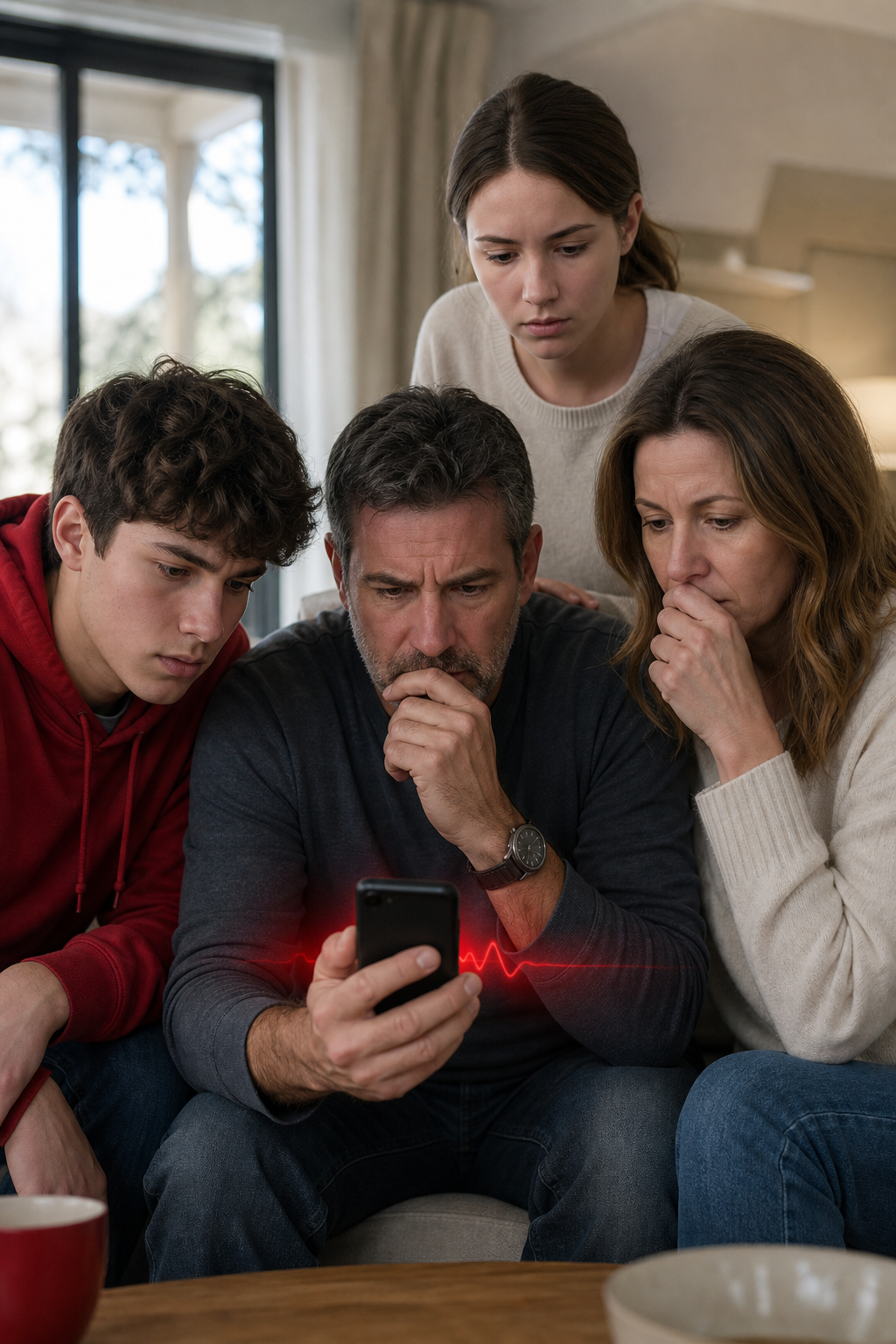
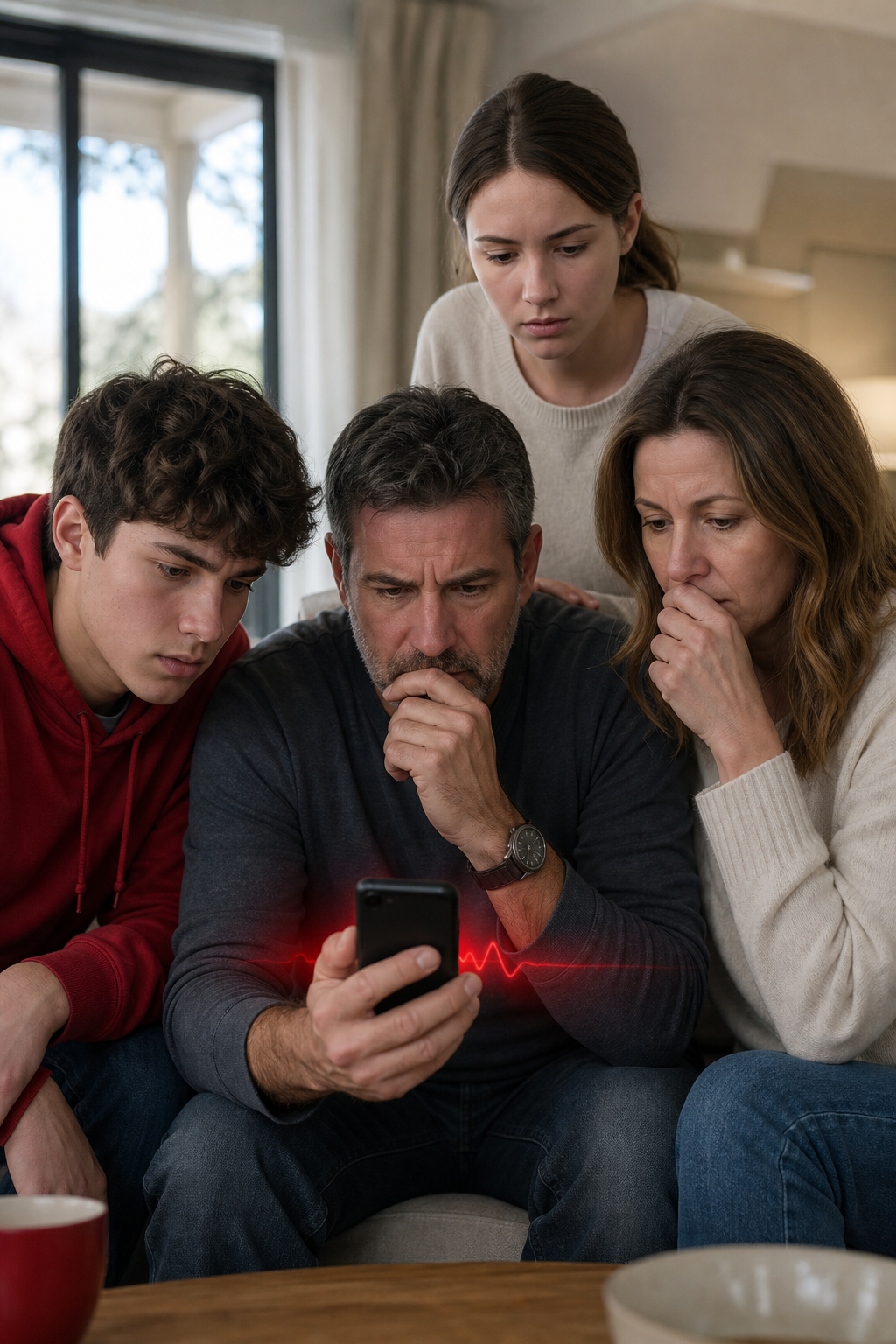
A mobile emergency response tool can monitor vital signs using the phone’s built‑in sensors. When it detects abnormal breathing patterns, it sends an alarm to designated contacts.
The tool is currently in prototype stage, works on iOS and Android, and requires only a phone.
For a visual idea of how this tool fits into a broader emergency plan, check out our Handling a loved’s fentanyl overdose guide.
6. Harm‑Reduction Resources and Training
Many cities run harm‑reduction sites that hand out free naloxone kits and teach basic rescue breathing. The sites also offer peer support and referrals to treatment programs.
Community distribution of naloxone can reduce overdose deaths when paired with education. Hands‑on training helps families feel confident using the spray under stress.
The main limitation is that hours of operation may not align with a crisis, and some locations require proof of residency.
Global data on opioid overdoses is available from health authorities.
Family Emergency Planning Resources
Various organizations provide downloadable PDFs that walk families through creating a checklist, assigning roles, and locating supplies. The template asks for a code word, a designated phone‑tree, and a locked box for naloxone.
Because the document is editable, families can customize it for multiple residences or for a mobile lifestyle. It also includes a rehearsal schedule to practice the steps.
The downside is that it’s a static document; it won’t send reminders or update contacts automatically.
For a quick start, our own Usable guide to emergency response and recovery includes a printable version of the template.
8. Ongoing Support Services
After an overdose, many families need emotional and logistical help. Remote counseling services connect patients with licensed counselors who can address trauma, cravings, and relapse prevention.
Sessions are typically 30 minutes and can be booked on short notice. Some insurers cover the cost, making it accessible for low‑income households.
The biggest hurdle is internet access; families in rural pockets may need a phone‑only option.
9. Safety Planning Toolkit for Home & Work Environments
A safety planning toolkit helps employers spot early signs of substance use and set up safe storage policies for opioids at work and at home.
It includes a five‑step checklist: identify risk, train staff, provide naloxone, create a response protocol, and evaluate outcomes. Organizations that adopt the toolkit see lower absenteeism and fewer accidents.
Families can adapt the same checklist for their household, turning the workplace safety model into a personal safety plan.

10. Emergency Equipment for Overdose Response
An automated external defibrillator (AED) paired with gloves, a face mask, and a pocket mask can bridge the gap between naloxone administration and professional care.
The Red Cross offers a short online course that teaches families how to use an AED on an opioid overdose that has progressed to cardiac arrest. The kit also includes a bag‑valve‑mask for rescue breathing.
Cost can be a barrier; many community health centers loan AEDs to families at no charge.
What to Look For When Choosing a Family Overdose Plan
First, check whether the option offers 24/7 access. Overdose emergencies happen at odd hours, so a service that only works weekdays leaves gaps.
Second, verify that the solution includes naloxone in a form you can actually use. Nasal sprays are easier for non‑medical family members than injectables.
Third, consider legal protection. Good Samaritan laws vary; a hotline that explains local statutes can reduce fear of arrest.
Fourth, look for training resources. Hands‑on practice with a manikin or a peer‑led workshop builds confidence.
Finally, assess cost. Free community kits and telehealth sessions lower the financial hurdle for long‑term recovery.
Comparison of the Top 10 Family Overdose Options
FAQ
What should I do first if I think someone is overdosing?
Call 911 right away, then check for breathing and pulse. If the person isn’t breathing, start rescue breaths while you wait for help.
How do I get naloxone for my family?
You can buy an OTC nasal spray at most pharmacies, request a free kit from a community harm‑reduction center, or have one delivered by a telehealth service.
Do Good Samaritan laws protect me if I call 911?
In most states, Good Samaritan laws shield callers and the person overdosing from criminal charges when emergency help is requested.
Can I use an app to alert others during an overdose?
Yes, the Second Chance app monitors breathing and sends an alert to designated contacts when it detects a problem.
Is an AED useful for opioid overdose?
If the overdose leads to cardiac arrest, an AED can deliver a shock that may restart the heart, but naloxone remains the first‑line medication.
How often should my family rehearse the emergency plan?
Practice the steps at least once a month. A short drill helps everyone remember their role and reduces panic.
Ready to protect your loved ones? Start with our usable guide and call (949) 545‑3438 to set up a free consultation with Next Step Intervention.