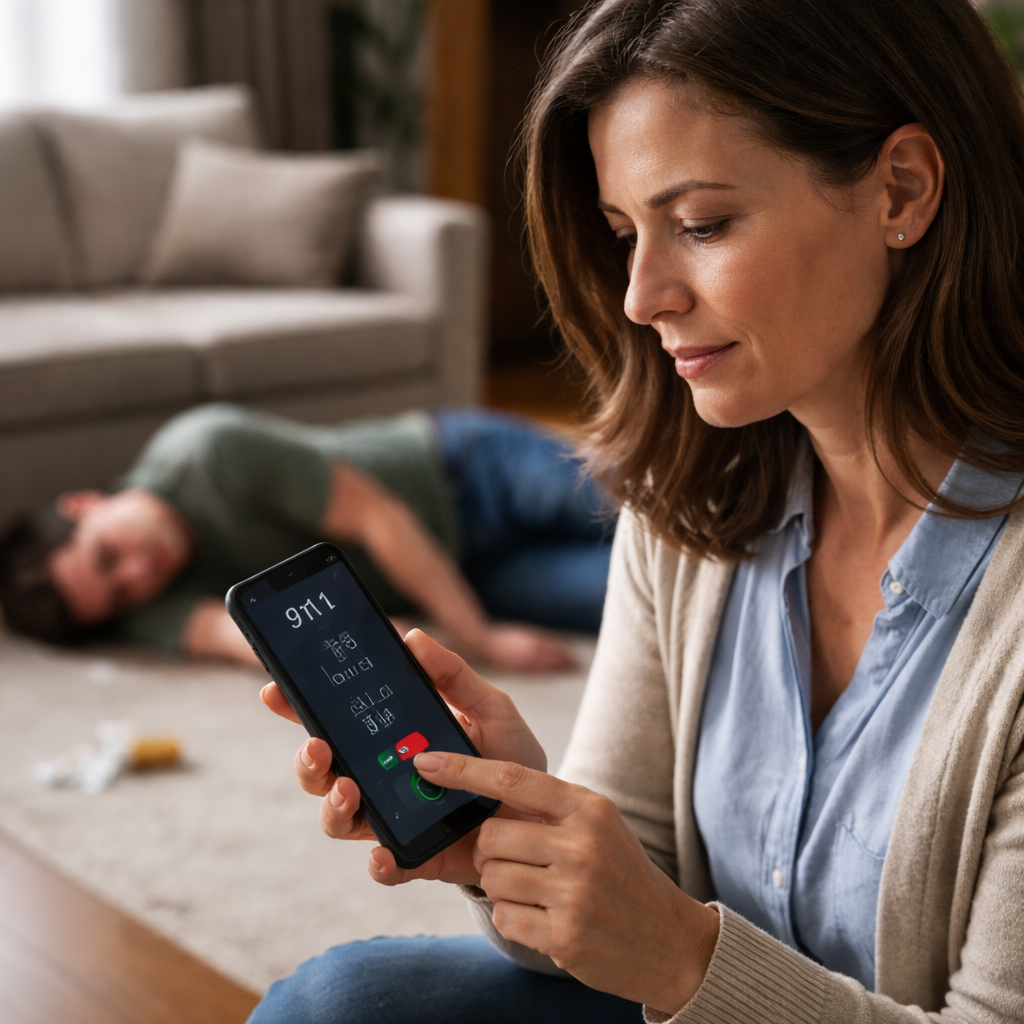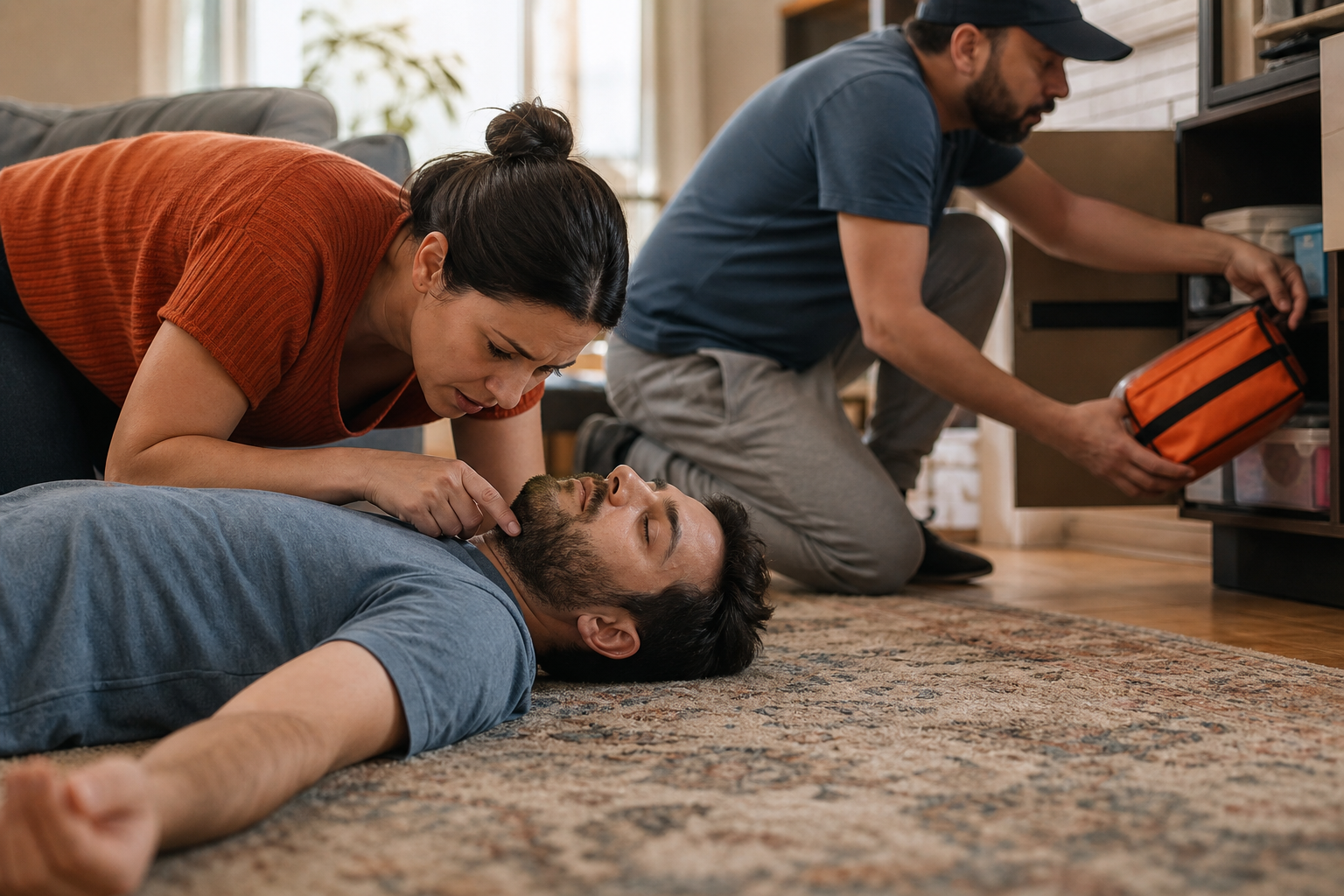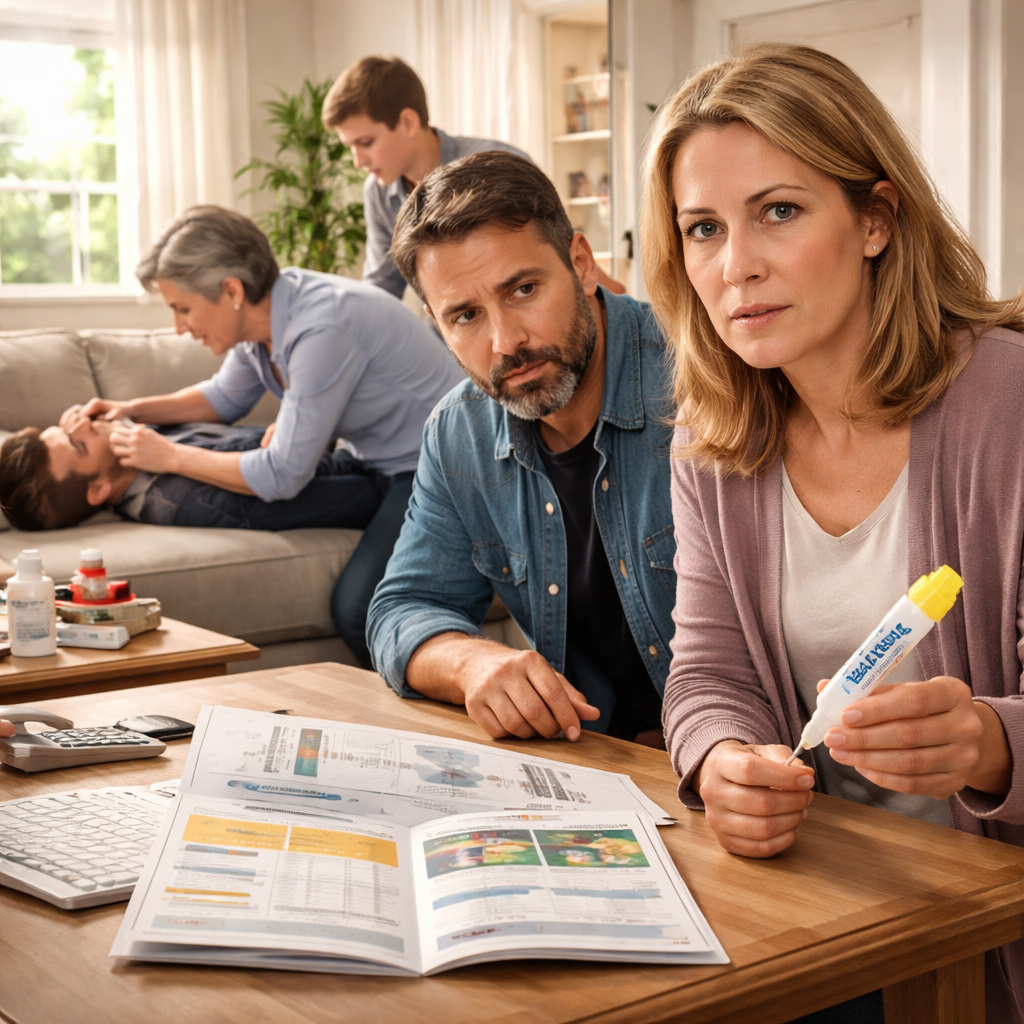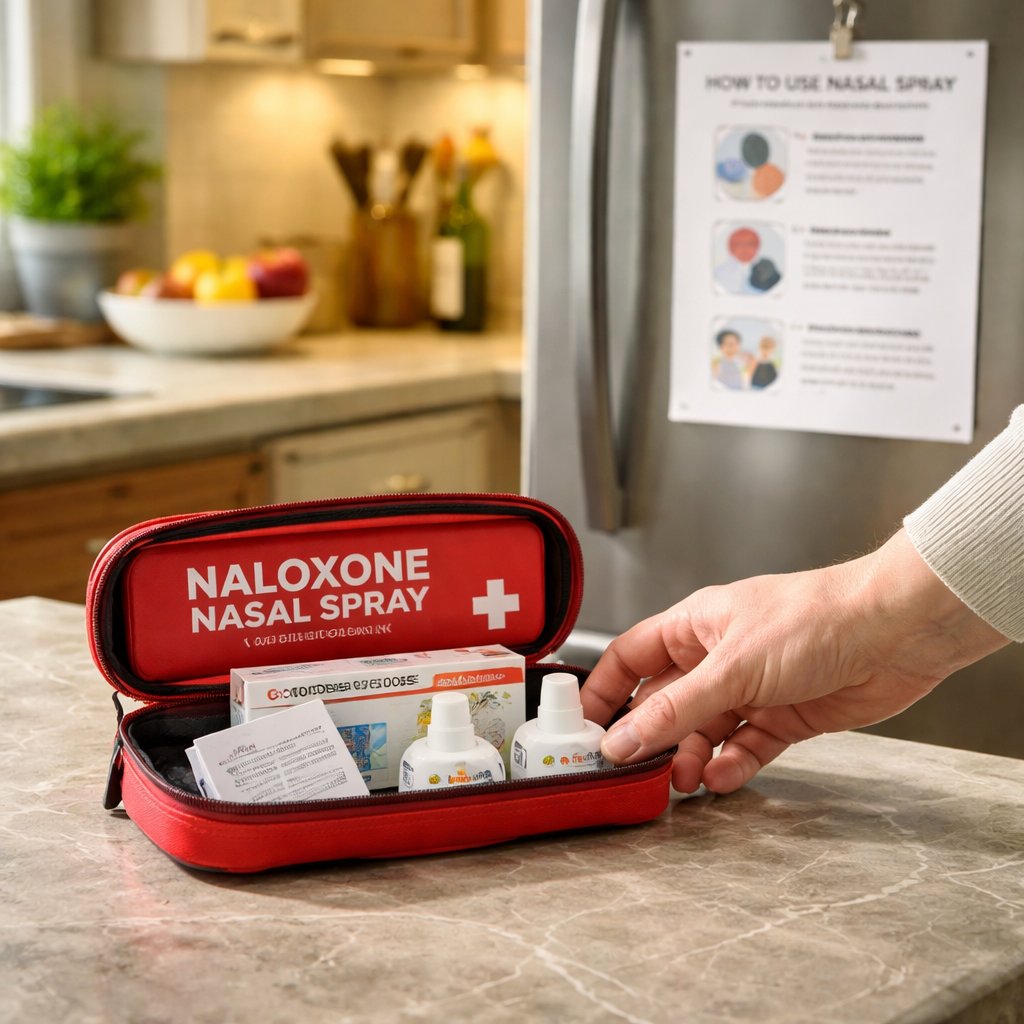
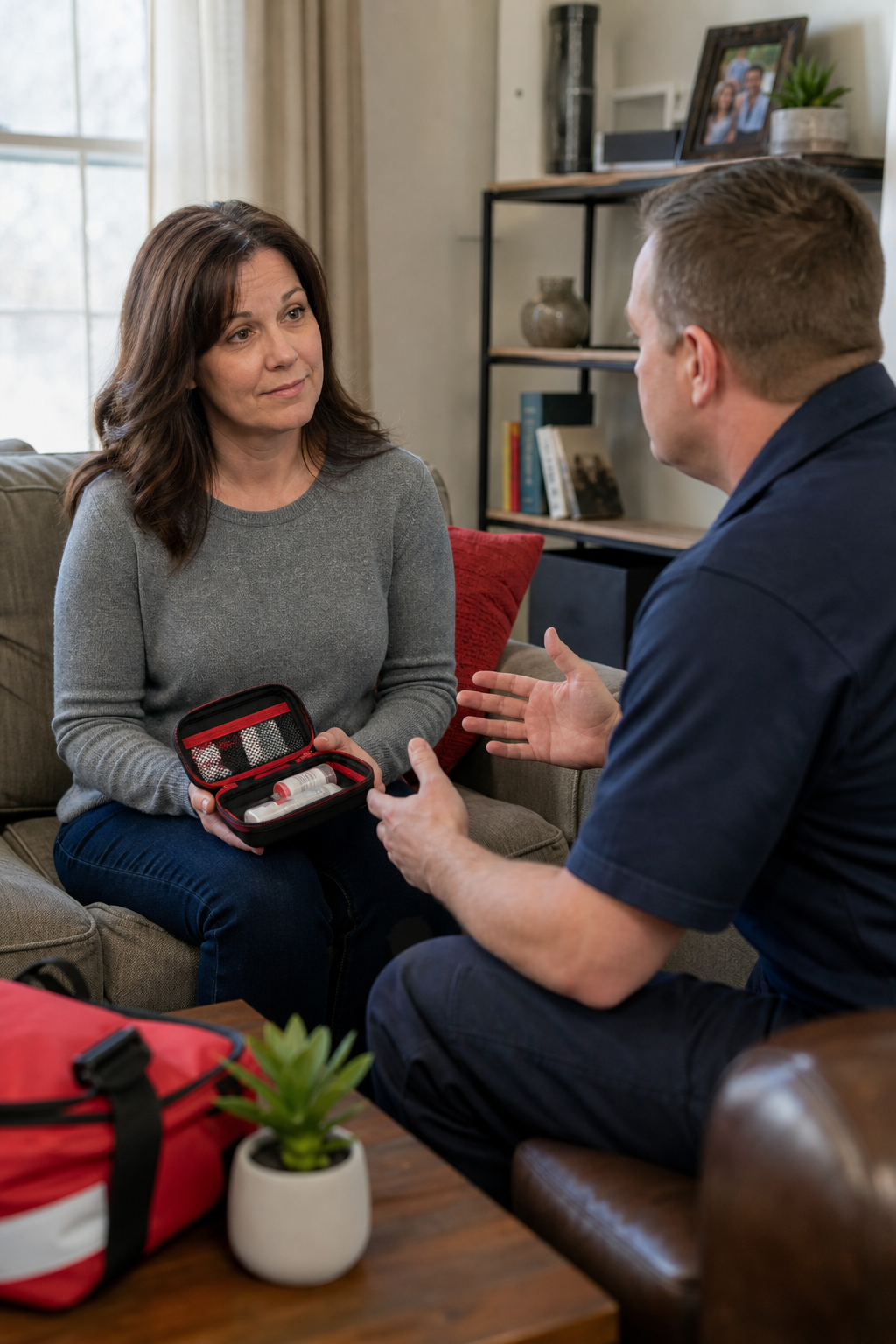
When an opioid overdose hits, every second counts. Below is a ready‑to‑use checklist of the best options you can add to your emergency plan right now.
1. Next Step Intervention (Our Top Pick) , Complete Emergency Response Service
Next Step Intervention provides 24/7 crisis response for families. Their team of certified interventionists arrives on scene, assesses safety, administers naloxone if needed, and coordinates follow‑up treatment.
The service is especially useful for households with multiple opioid users because it includes a detailed after‑care report that EMS can hand off to doctors. This report captures vital signs, dosage timing, and any complications, which helps clinicians decide on next‑step treatment.
Because the plan is tailored to each family, you get a clear chain of command , who calls 911, who grabs the naloxone kit, and who contacts the interventionist. The only catch is that the service is limited to the regions they cover, so you’ll need to confirm local availability.
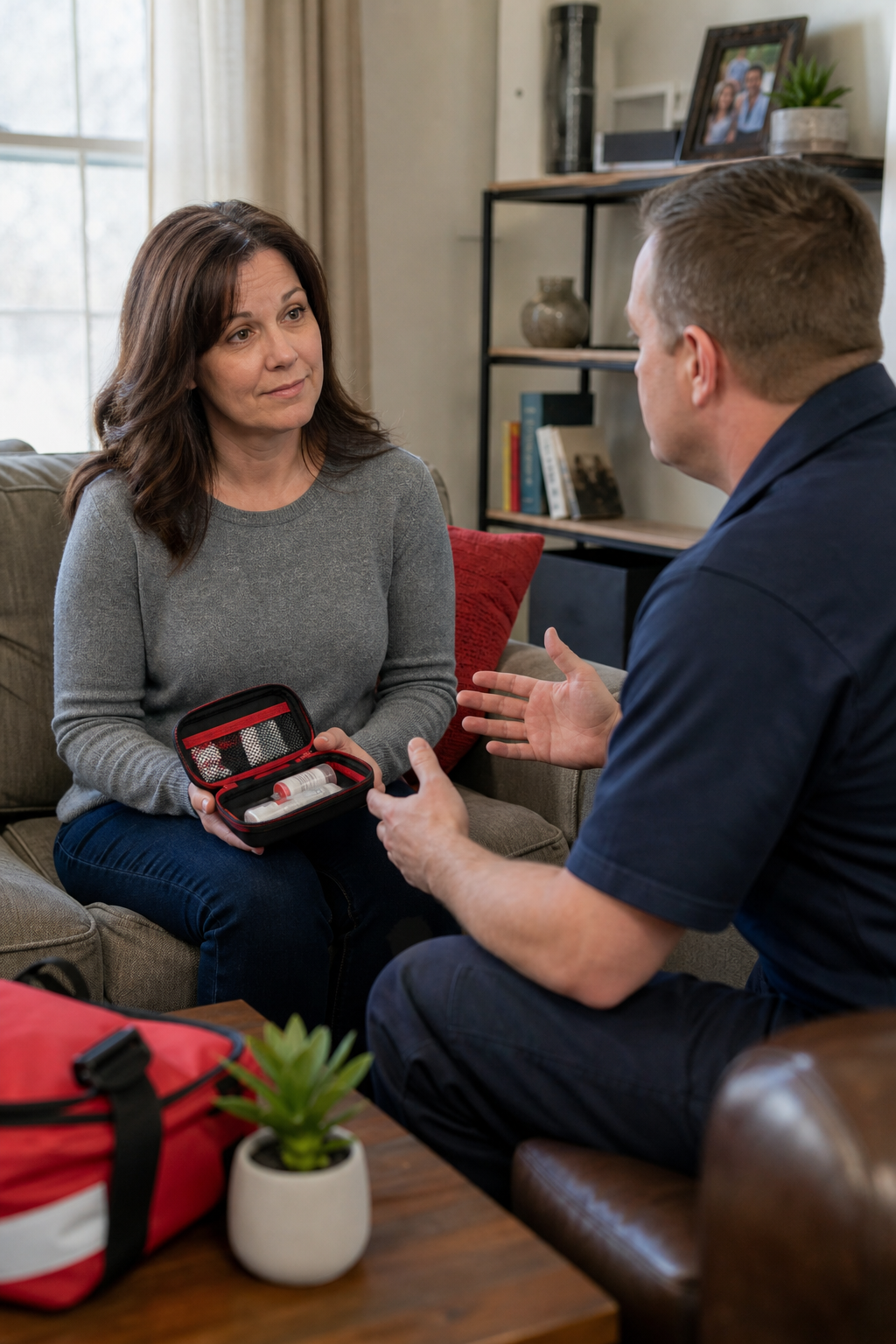
Learn how to create an effective emergency drug intervention plan here. The guide walks you through risk assessment, medication inventory, and role assignment, so you can rehearse the plan with confidence.
2. Ready‑to‑Use Naloxone Kit
Ready‑to‑Use naloxone kits deliver a pre‑measured dose of 0.4 mg into the muscle, reversing opioid‑induced respiratory depression within minutes. The device is single‑use, needle‑free and clearly labeled, which reduces hesitation in an emergency.
Studies show that both intranasal spray (4 mg/0.1 mL) and intramuscular delivery are effective, with intramuscular preferred when a user may have nasal obstruction or severe facial trauma. The kit also includes a built‑in timer that reminds you to call 911 after administration.
One limitation is that the kit may not protect against ultra‑potent synthetic opioids like fentanyl; higher‑dose formulations may be required, so keep a second kit handy.
For exact dosage details and expiration‑date guidance, see the latest research review. It confirms the 0.4 mg dose and explains how to read the printed expiration stamp.
3. Local Overdose Response Training & Support
Local community health organizations teach friends, families and bystanders how to spot an overdose and administer naloxone safely. They often host free workshops, distribute kits, and provide printed guides that fit on a fridge.
In New York, the state health department maintains a calendar of trainings that cover everything from basic overdose signs to legal protections under Good Samaritan laws. Participants leave with a laminated one‑page cheat sheet.
These programs also connect you to peer‑support hotlines that stay on call after an incident, helping you manage the emotional aftermath.
And here’s a quick visual of a typical training session:
Read more about how these programs operate on the relevant state health department website, which lists upcoming workshops and provides free downloadable handouts.
4. EMS Collaboration, Fast Professional Help
Partnering with your regional EMS agency gives you direct access to paramedics who are trained in opioid overdose reversal and post‑overdose outreach. Some districts run community‑paramedicine programs that follow up with the survivor, offer referral to treatment, and even deliver a replacement naloxone kit.
A 2020 review of 27 EMS‑based programs found that integrating harm‑reduction education increased the odds of survivors entering treatment within 30 days. The study also noted a 75 % rise in naloxone administration by first responders since 2012.
Not every EMS department offers these extra services, so check your local protocols. If they do, request a written memorandum of understanding that outlines kit storage, training frequency, and data‑sharing consent.
For a deeper look at EMS‑led overdose initiatives, see the peer‑reviewed analysis. It outlines best practices and common pitfalls.
The Harm Reduction Coalition also provides a quick reference guide on calling 911, securing the scene, and documenting the event here.
5. Printable Laminated Checklist , Quick‑Reference Sheet
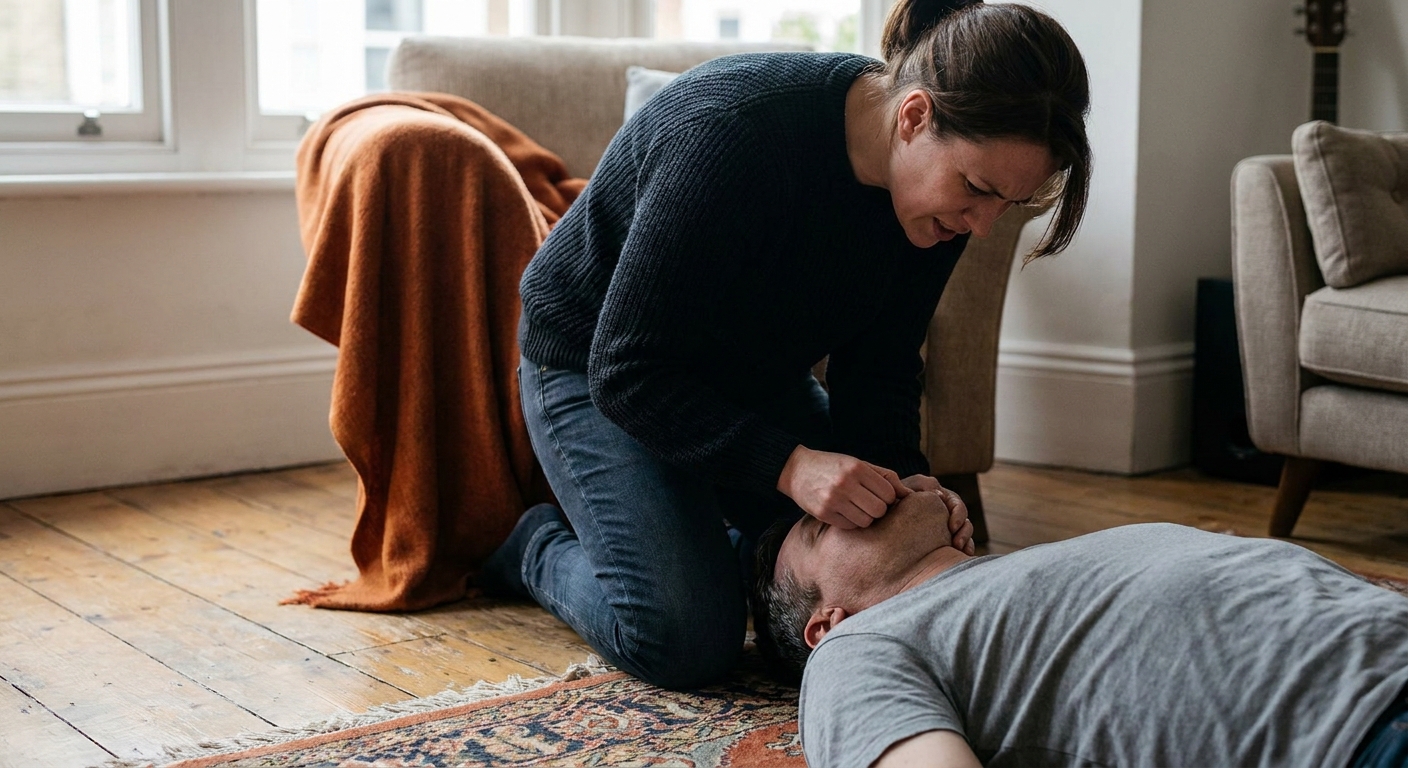
A single‑page laminated checklist puts the entire emergency sequence in plain view. It typically lists: 1) assess safety, 2) call 911, 3) administer naloxone, 4) provide rescue breathing, 5) monitor, and 6) document.
The sheet can be taped to the fridge, placed next to the naloxone kit, or stored in a lockbox. Because it’s waterproof, you can keep it in a bathroom or garage where spills happen.
The only downside is that a printed list can become outdated if local laws change. Review it every six months and update the contact numbers.
Step‑by‑step guidance on building your own checklist is available on Next Step Intervention’s site. The page walks you through formatting, labeling, and where to store the final sheet.
6. Mobile First‑Aid Tools, On‑The‑Go Guidance
Smartphone apps from reputable health organizations push push‑notifications with step‑by‑step overdose instructions. They often include a timer for repeat naloxone doses, a pulse‑check guide, and an offline mode for low‑signal areas.
A reputable health organization’s app, for example, lets you tap “Opioid Overdose” and instantly see a visual flowchart. The app also stores your emergency contacts so you can call 911 with one tap.
Because apps rely on battery life, keep a portable charger nearby. Also, verify that the app is from a trusted source; many low‑quality apps flood the stores with generic advice.
7. Red Cross Training Workshops , Certified Skill Building
The Red Cross offers a 45‑minute online course that covers the entire opioid overdose response, from scene safety to CPR for opioid‑related cardiac arrest. Participants earn a certificate that can be used for workplace compliance.
Training includes a live demonstration of naloxone administration and a quiz that reinforces key steps. Because the class is virtual, you can finish it on a laptop or tablet without leaving home.
One limitation is that the course does not provide a physical naloxone kit; you’ll need to purchase that separately.
Register for the next session on the Red Cross site and download the accompanying PDF cheat sheet.
8. Community Support Resources, Immediate Peer Assistance
Community support groups connect people who have witnessed an overdose with volunteers ready to call emergency services, stay on the line, and provide emotional reassurance.
These networks often operate via text or a dedicated hotline, ensuring someone is always reachable when an overdose occurs in a private setting.
The main drawback is that peer volunteers are not medical professionals, so they can’t administer naloxone themselves. However, they can guide the caller through the steps while EMS is en route.
Consider joining a local chapter or signing up for a national hotline to add a human safety net to your plan.
9. Institutional Safety Initiatives, Student‑Focused Overdose Plans
Universities increasingly adopt campus‑wide overdose response plans that place naloxone in residence halls, dining areas, and student unions. Training sessions are mandatory for resident advisors and optional for students.
These programs also embed Good Samaritan policies in the student handbook, reducing fear of legal repercussions when a peer calls 911.
A limitation is that funding varies; some schools only provide a limited number of kits, so you may need to bring a personal supply.
Check your campus health center for the latest policy and request a copy of the relevant checklist.
10. State Good Samaritan Law Information, Legal Protection Info
Good Samaritan laws shield the caller and the overdose victim from drug‑related prosecution when emergency help is sought. Each state’s statutes differ in scope, so concise information helps you know what’s covered.
For example, Texas law explicitly protects anyone who calls 911 for an overdose, even if the person is in possession of illegal substances. Resources also list required disclosures to the dispatcher to maximize protection.
The only caution is that some states exclude certain offenses, such as possession of large quantities of paraphernalia. Always verify the latest version before training.
Download a state‑by‑state summary PDF PDF.
Comparison Table: Key Features of Each Option
FAQ
What should I do first if I suspect an opioid overdose?
The first action is to call 911 and describe the situation, then check the person’s breathing and responsiveness while you get the naloxone kit ready.
How many naloxone doses might I need?
Most overdoses respond to one dose, but if the person does not improve within 2‑3 minutes, give a second dose in the opposite nostril or a new injector, then call emergency services.
Can I use naloxone on a child?
Naloxone is safe for children, but the dose is lower (0.1 mg for infants); always follow the pediatric instructions on the kit or seek professional help immediately.
Do Good Samaritan laws protect me if I have illegal drugs on hand?
Yes, in most states the law protects the caller and the victim from drug‑related prosecution when emergency help is requested, though you should still be aware of any state‑specific exclusions.
What PPE should I wear while responding?
Wear disposable gloves, a mask, and eye protection if possible; this limits exposure to bodily fluids and any drug residue.
Conclusion
If you need a single, reliable service to coordinate the whole response, start with Next Step Intervention. Then add additional overdose response tools, such as a quick‑reference checklist, to round out your plan. For deeper guidance, explore our detailed emergency response guide and call (949) 545‑3438 to speak with a specialist today.