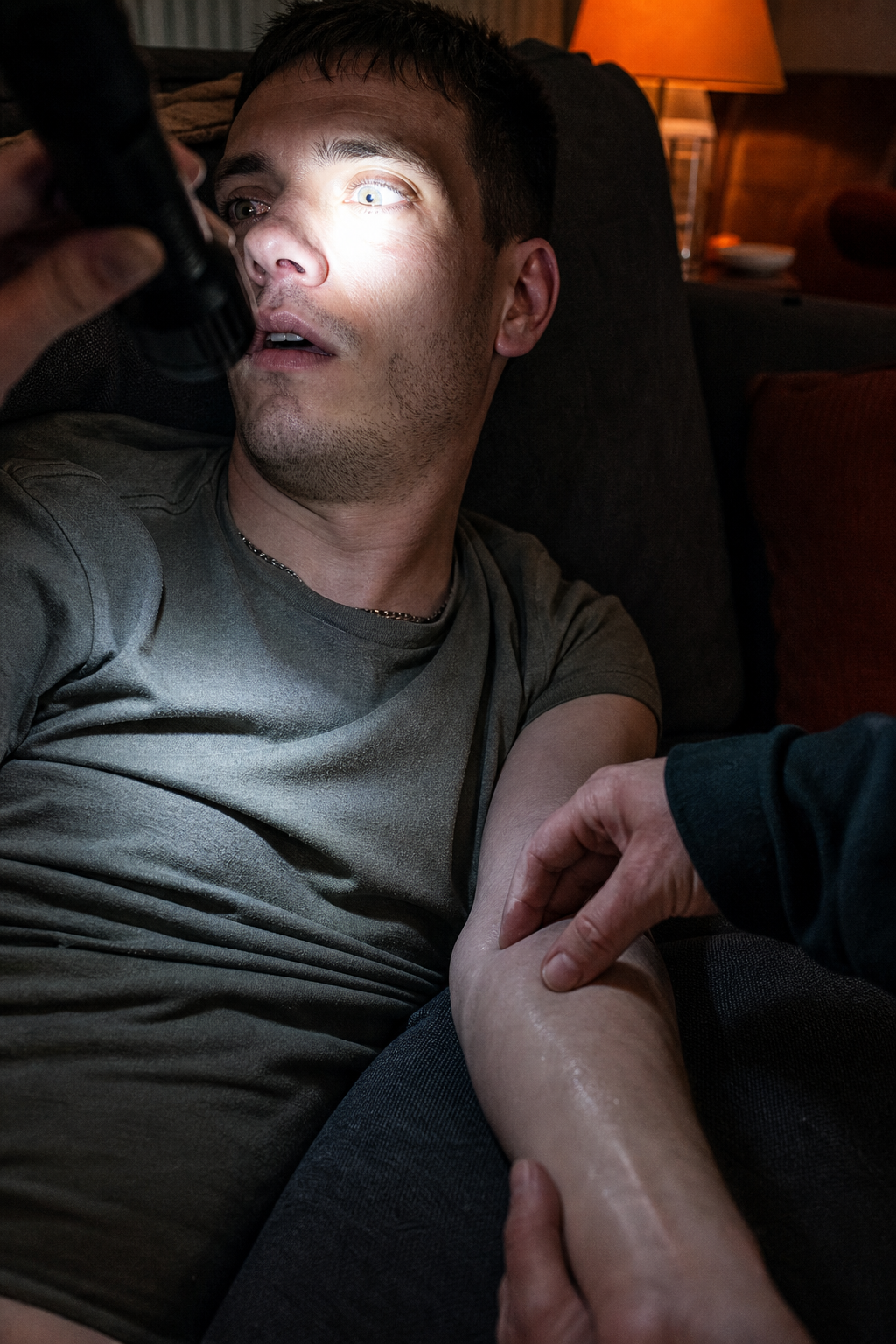

Someone you care about might stop breathing from an opioid overdose. You have a few minutes to act, and the right moves can bring them back. Below is the exact step‑by‑step plan to use naloxone at home, call help, and stay calm while you wait.
Step 1: Recognize Overdose Signs & Call 911
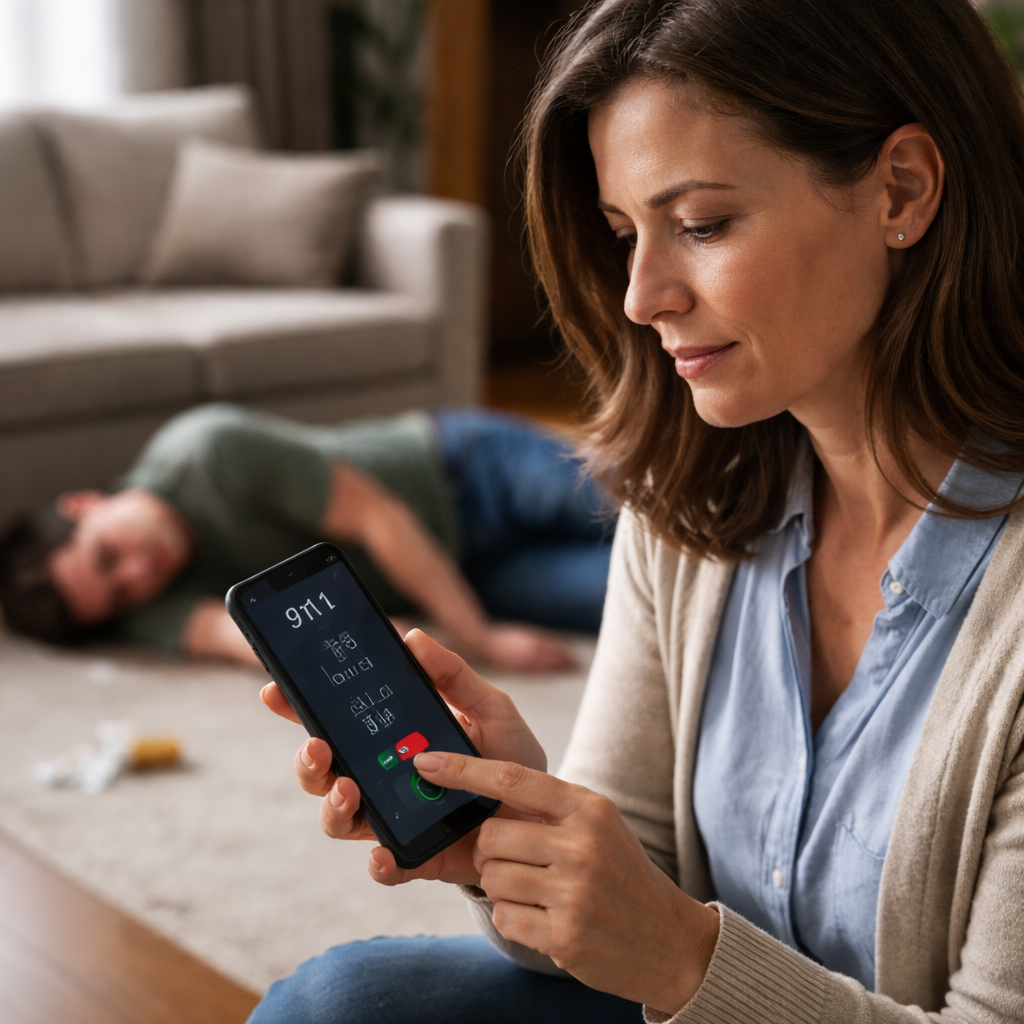
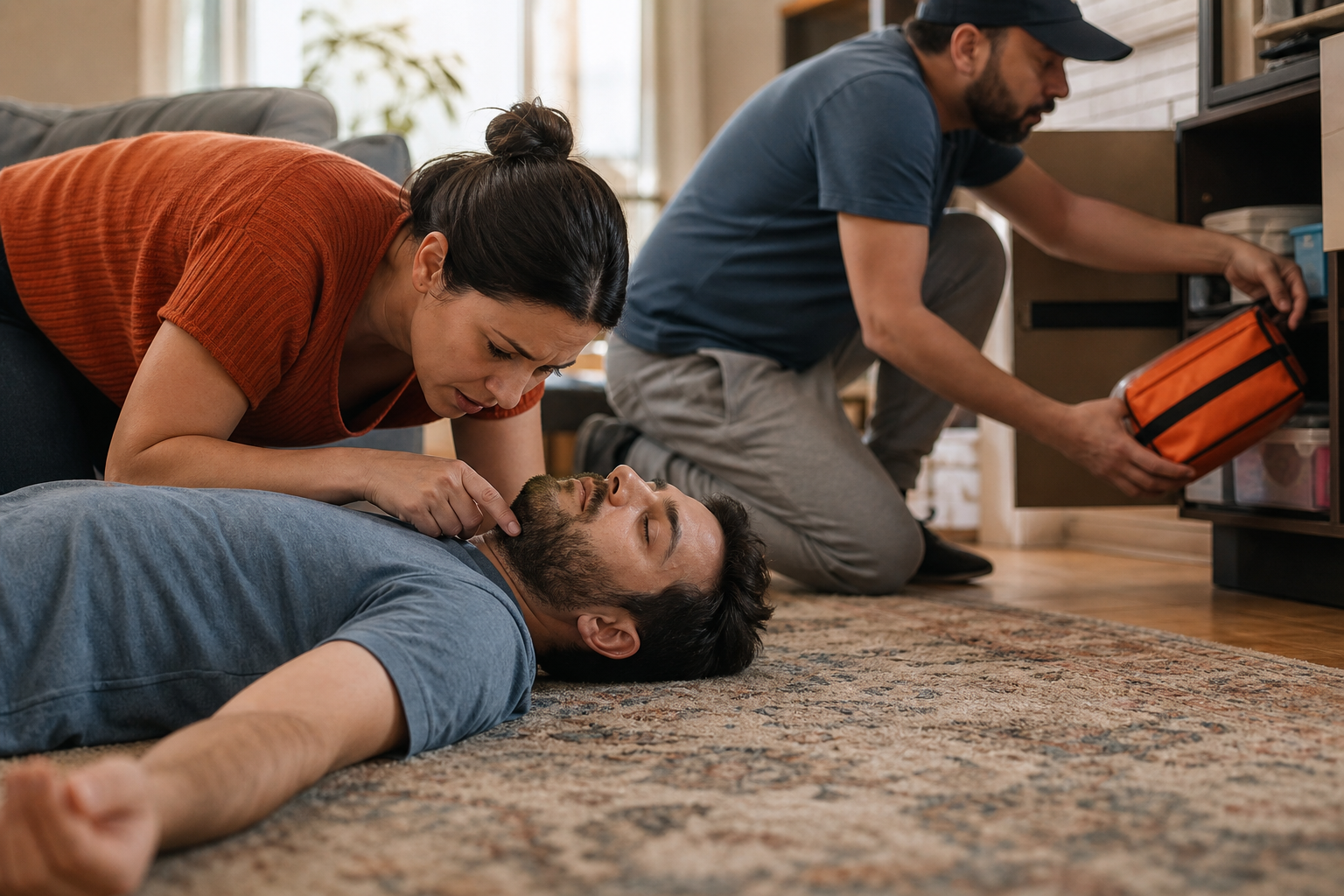
First, check if the person is responsive. Call out their name, shake their shoulders, or press firmly on their chest. If they don’t react, they may be overdosing.
Key signs include shallow or no breathing, limp body, blue‑gray lips or fingertips, pinpoint pupils, and cold, clammy skin. When you see any of these, dial 911 immediately. Tell the dispatcher you suspect an opioid overdose, give the exact address, and mention that you have naloxone on hand.
While you wait for the operator, stay close enough to hear any change in breathing. Keep the scene safe , move sharp objects and make sure the person is on their back if they’re unconscious.
For more on handling a fentanyl overdose, see How to Handle a Loved One’s Fentanyl Overdose. The guide walks through calling 911 and staying safe while you prepare the kit.
Step 2: Prepare Your Naloxone Kit
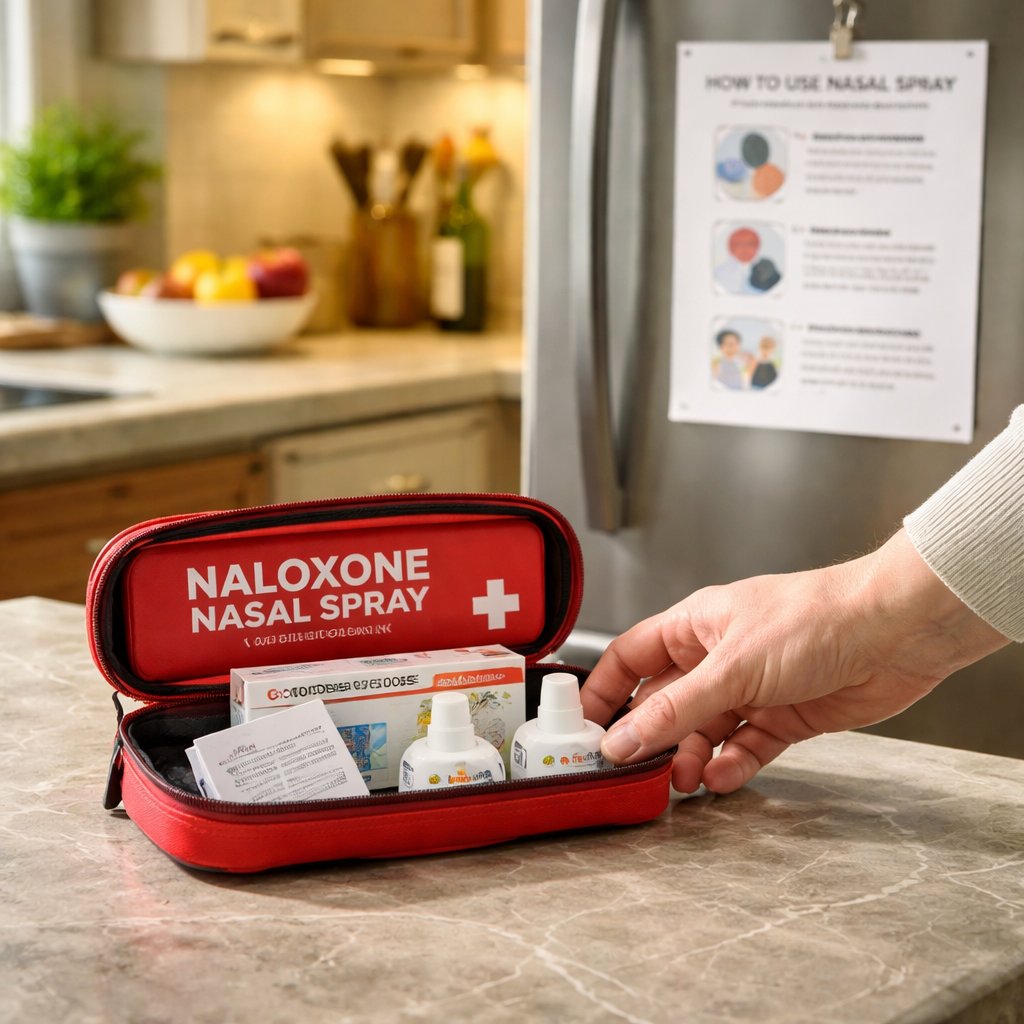
Locate the kit in the spot you chose during your household preparedness drill , a kitchen drawer, a bathroom shelf, or a locked box that only sober adults can open.
Check the expiration date. An expired dose may not work when you need it most. The kit usually contains a pre‑filled nasal spray or an injectable form with a syringe, gloves, alcohol swabs, and an instruction card.
Remove the protective cap from the nasal spray or, if you have an injectable form, gather the syringe, needle, and vial. Do a quick visual inspection for cracks or leaks.
Put on the gloves. This protects you from any blood or bodily fluids and keeps the medication clean.
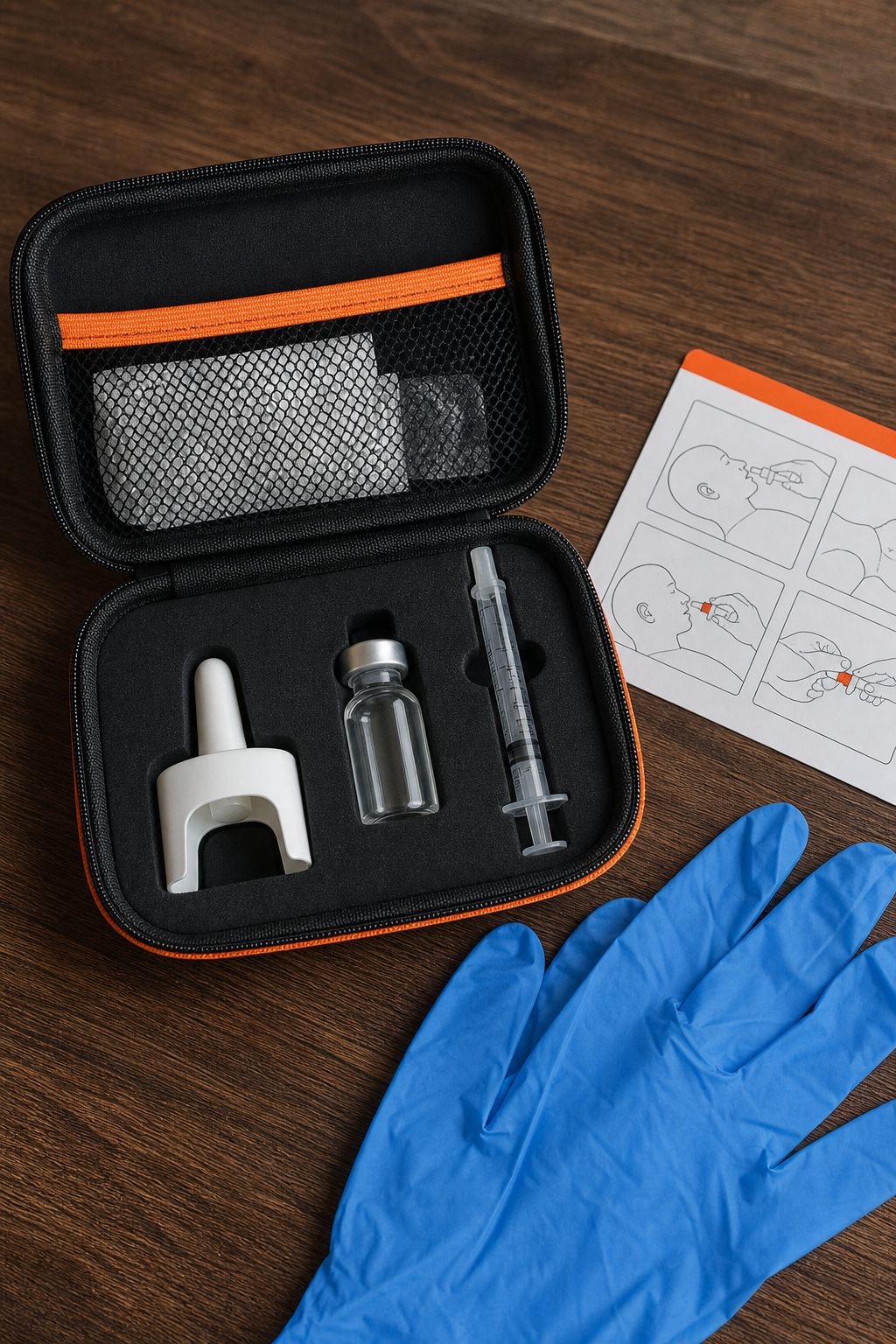
Now you’re ready to give the medication. Keep the phone on speaker so you can stay hands‑free while you work.
Step 3: Administer the Nasal Spray
Hold the nasal spray upright. Tilt the person’s head back slightly to open the airway. Pinch the nostril that will receive the spray to prevent the dose from leaking out.Press the plunger firmly until you hear a click , that’s the full dose. Insert the tip into the open nostril and hold it there for a second.
Release the other nostril and let the person breathe normally. Watch for any change in chest rise within two to three minutes.
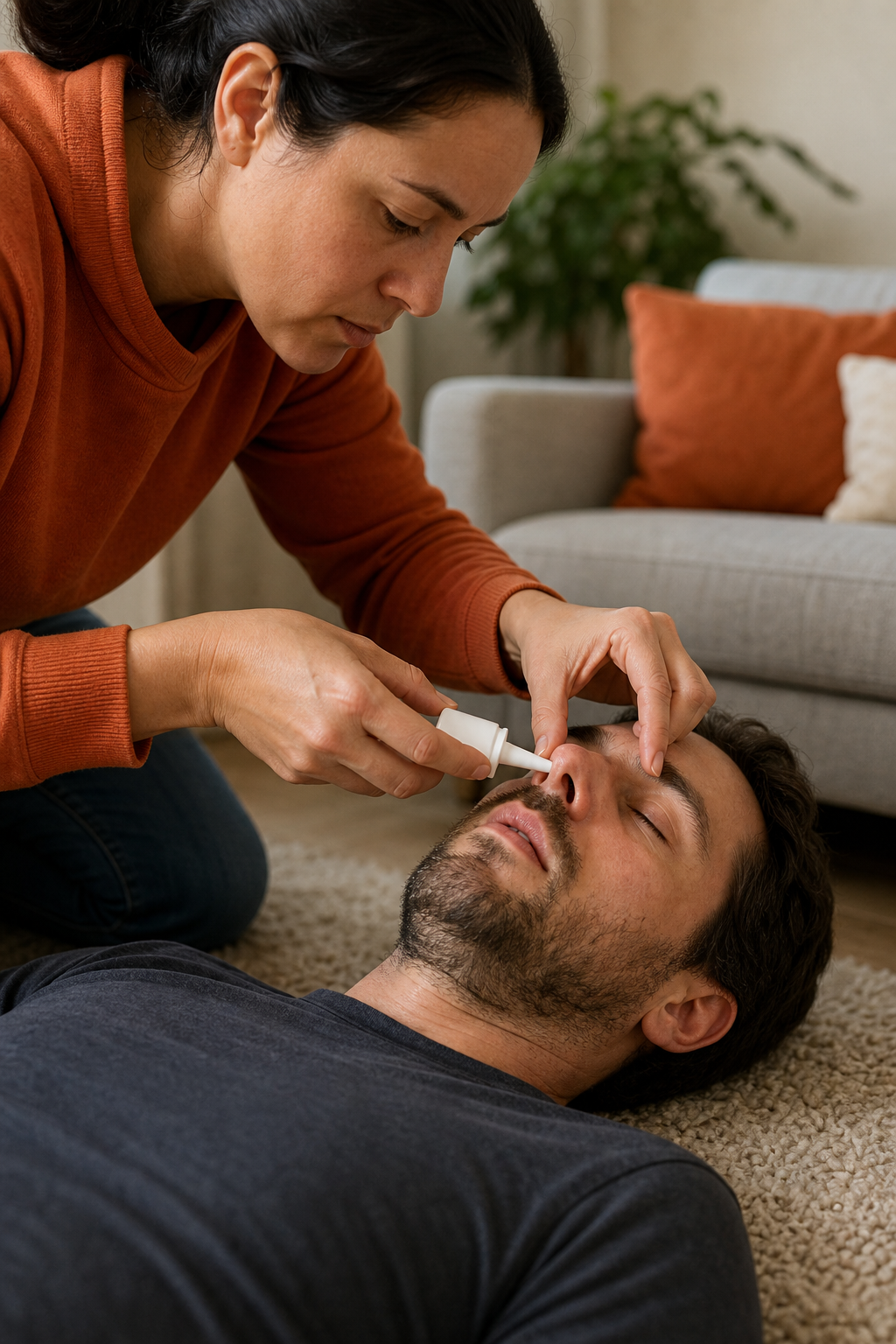
If the person doesn’t start breathing, move on to the injectable dose.
Step 4: Administer the Injectable Dose
Pull the plunger back to draw air into the syringe , the amount of air should match the volume of the naloxone vial (usually 1 mL).
Insert the needle into the vial, push the air in, then flip the vial and pull the naloxone into the syringe. This removes any vacuum that could make drawing the liquid hard.
Choose a fatty, muscular area , the outer thigh, upper arm, or buttock works best. The skin there is thick and can absorb the medication quickly.
Insert the needle at a 90‑degree angle, push the plunger all the way, and hold the syringe for ten seconds. Then pull the needle out and apply gentle pressure with a clean swab.
By now you should see the person’s chest rise or hear a gasp. If nothing changes after three minutes, give a second dose in the other nostril or the opposite thigh.
For deeper background on naloxone’s mechanism, see Wikipedia’s Naloxone page. It explains how the drug blocks opioid receptors and why a second dose may be needed for strong opioids like fentanyl.
When you finish, note the time of each dose. EMS will need that info.
Step 5: Monitor, Provide Rescue Breathing & Give a Second Dose if Needed
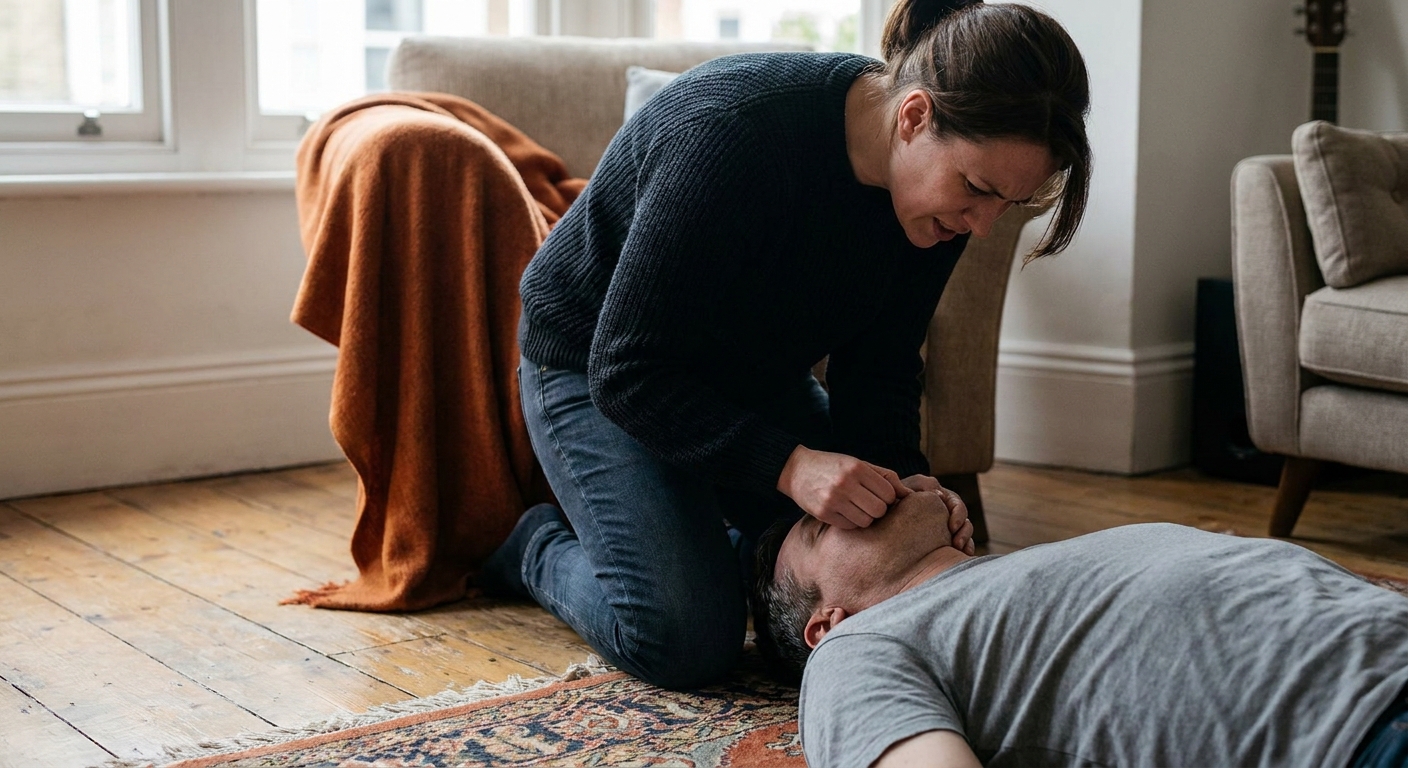
Stay with the person. Keep the airway open by tilting the head back and lifting the chin. If the chest isn’t moving, start rescue breathing.
Pinch the nose, give a breath every five seconds, and watch the chest rise. If you have a pocket mask, use it; otherwise a simple mouth‑to‑nose technique works.Check the pulse every minute. If there’s still no breathing after two minutes of rescue breaths, give the second naloxone dose.
When the person begins to breathe, place them in the recovery position , on their side, head slightly tilted, to keep the airway clear. Keep monitoring breathing and pulse until EMS arrives.
Even after they look okay, naloxone’s effect may wear off in 20‑90 minutes. Be ready to give another dose if breathing slows again.
Comparison: Nasal Spray vs. Injectable Form
Both forms work, but the nasal spray wins for speed and simplicity. The injectable form gives you control over dose size, which can matter with very high‑potency opioids.
When you’re unsure which kit you have, refer to the instructions included in the kit; they indicate which form you hold.
Post‑Overdose Care & Household Preparedness Checklist
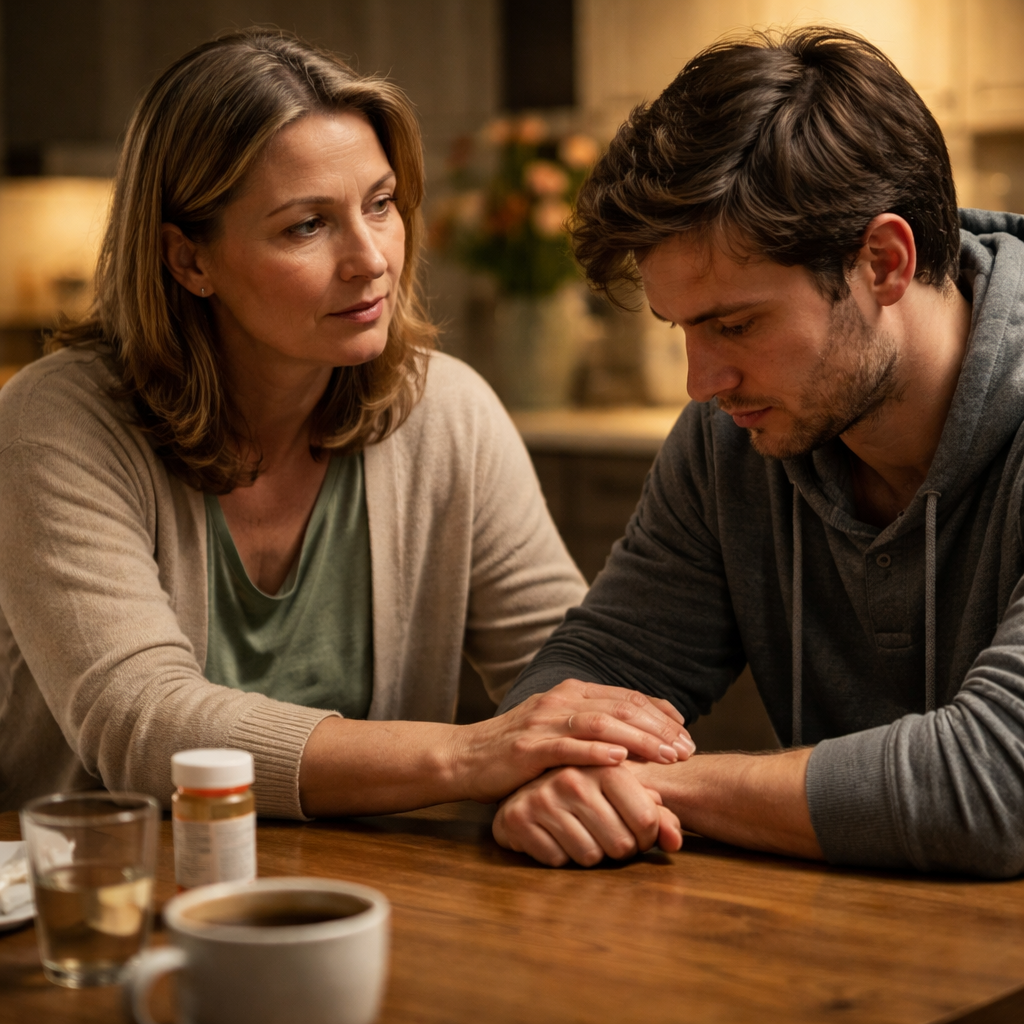
After the emergency, document what happened: time of overdose, signs you saw, doses you gave, and when EMS arrived. This record helps medical staff decide on further treatment.
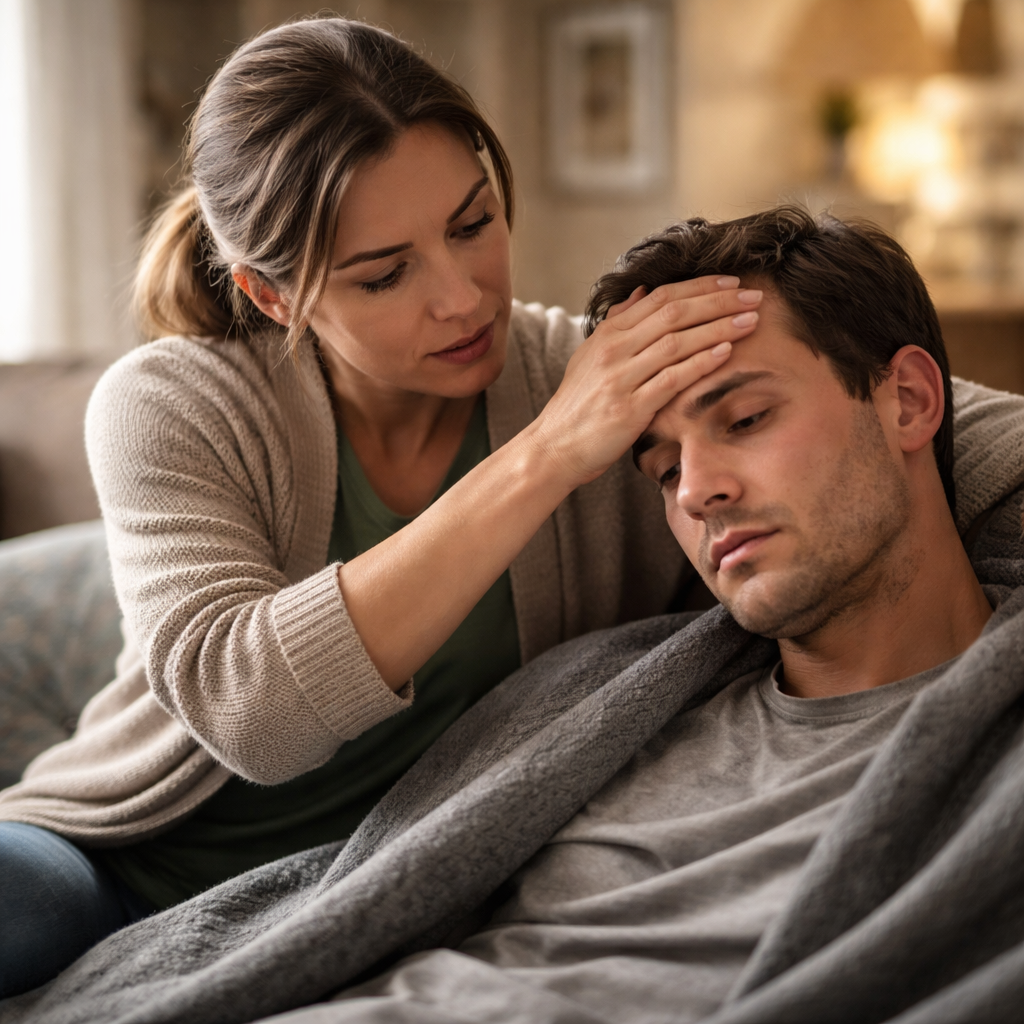
Schedule a follow‑up medical check‑up within 12‑24 hours. Even if the person feels fine, doctors can assess withdrawal symptoms and recommend ongoing support.
Keep the naloxone kit stocked. Replace any used dose immediately, and check the expiration date monthly.
Designate a specific storage spot , a labeled drawer or lockbox that all adults know. Write the location on a fridge note so everyone can find it quickly.
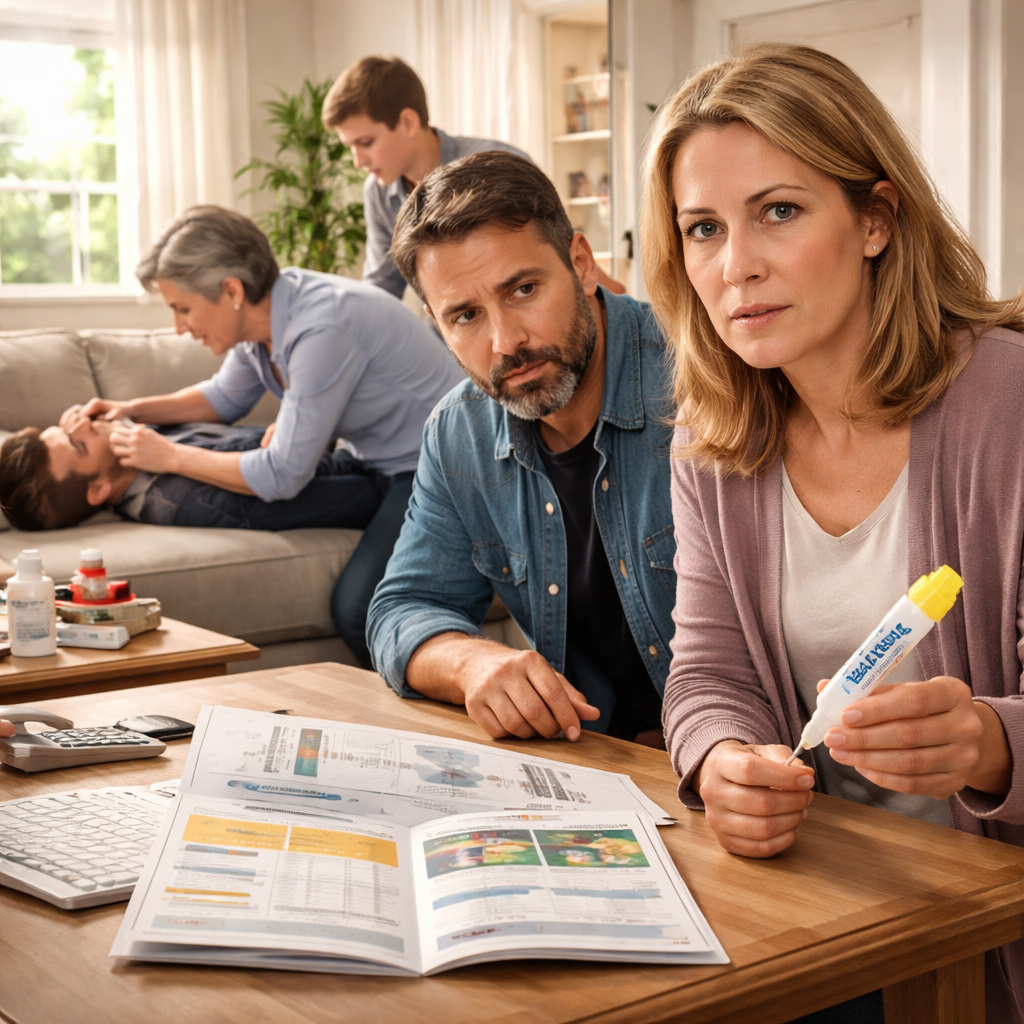
Run a short drill with family members once a month. Practice calling 911, opening the kit, and the two administration steps. Muscle memory saves seconds.
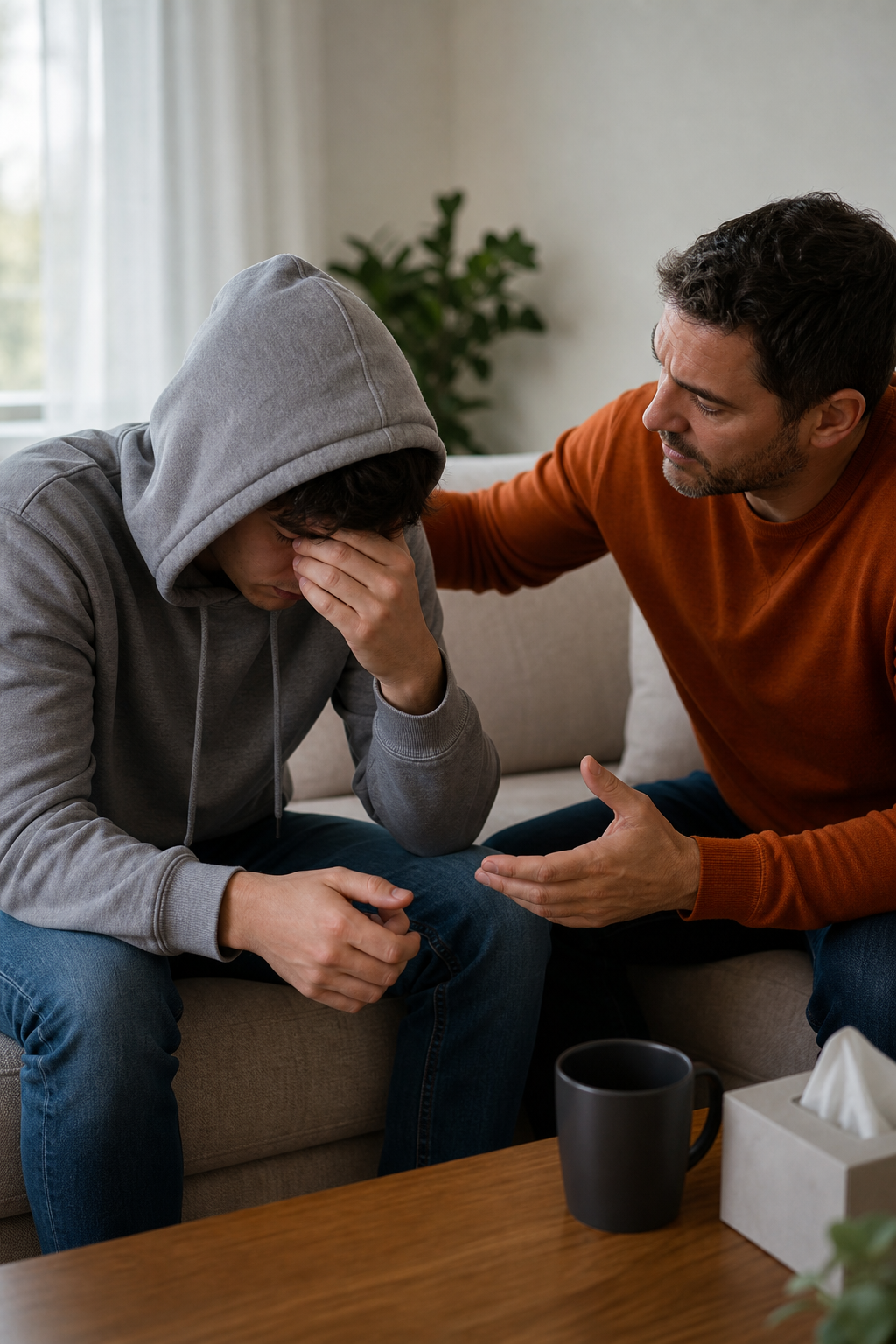
For broader support, families often turn to counseling. What to Say During a Drug Overdose Emergency offers scripts that keep the conversation calm and clear.
FAQ
Can I use naloxone if I’m not sure the person took opioids?
Yes. Naloxone does no harm if opioids aren’t involved, and it can reverse an opioid overdose quickly. Giving it when you’re unsure is safer than waiting.
How long does naloxone stay effective?
It typically works for 20‑90 minutes, depending on the opioid’s potency. Strong opioids like fentanyl may require a second dose as the drug’s effects outlast the naloxone.
Do I need a prescription to buy naloxone?
No. In most states, naloxone is available over the counter without a prescription. Pharmacies, community health centers, and other local health resources often stock it for free.
What legal protections exist if I administer naloxone?
Good Samaritan laws in most states protect by‑standers who provide emergency assistance, including naloxone, from civil or criminal liability.
Can children use a naloxone kit?
Children should not administer the drug themselves. Keep the kit out of reach of kids, but train any sober adult in the household to use it.
Is there a difference between Narcan and generic naloxone?
Both contain the same active ingredient. Brand names like Narcan are just a marketed version; the dosage and administration steps are identical.
For immediate help or to obtain a naloxone kit, call (949) 545‑3438 or visit Next Step Intervention online.
Conclusion
Having a naloxone kit, knowing these steps, and practicing the routine can save a life. Keep your kit ready, run a quick monthly drill, and contact Next Step Intervention for professional support if you need help planning an emergency response plan.