When an opioid overdose hits, seconds decide if a loved one lives or dies. This guide walks you through every move you need to make, from spotting the danger to getting professional help afterward.
Step 1: Recognize the Signs of an Opioid Overdose
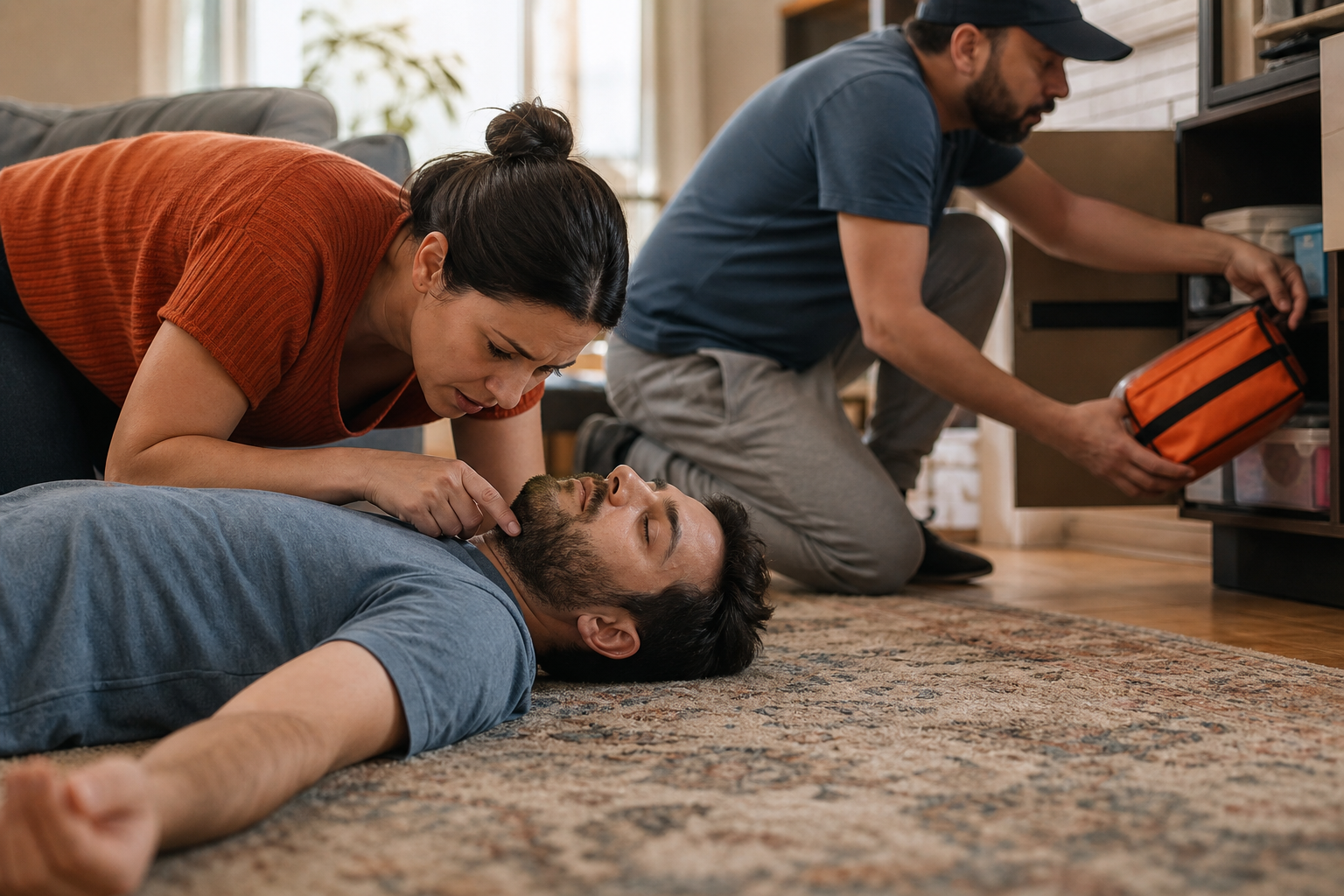
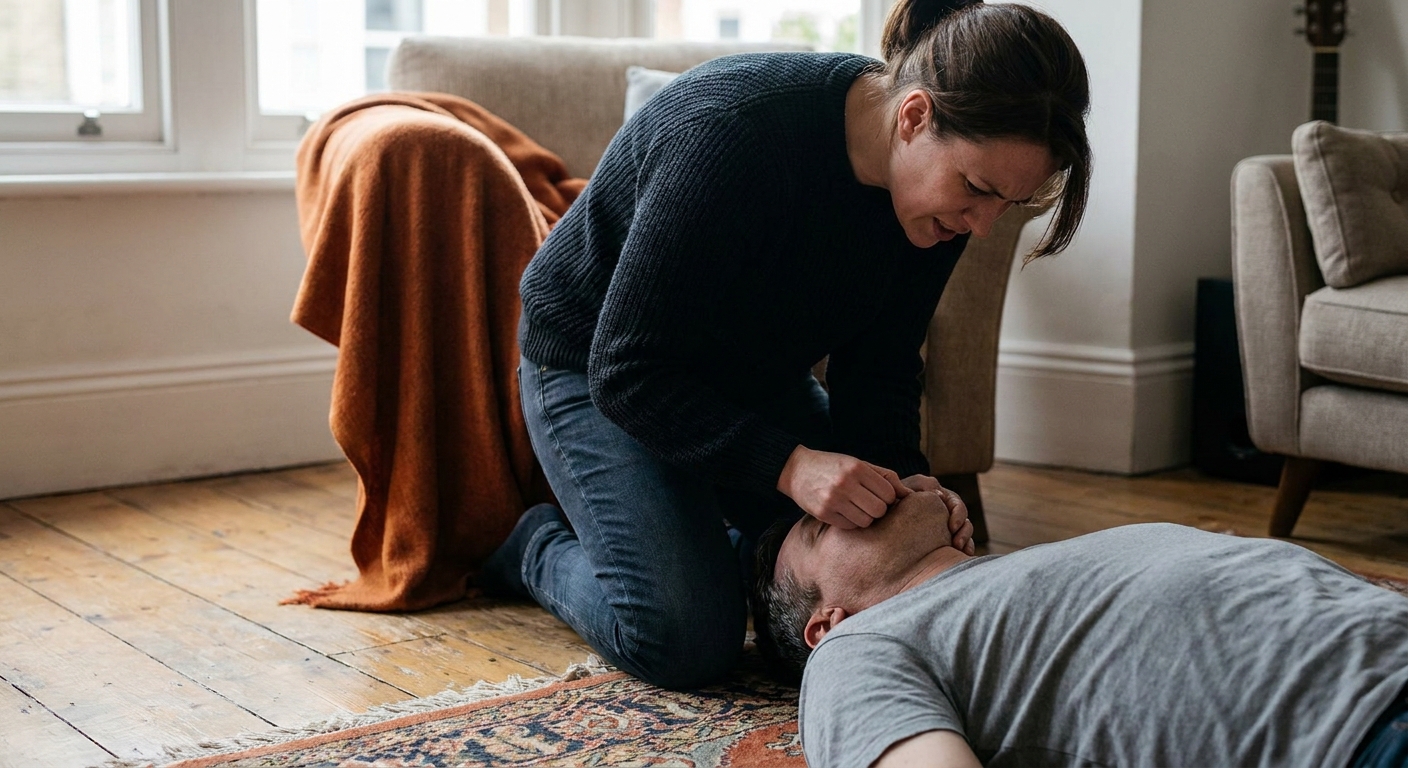
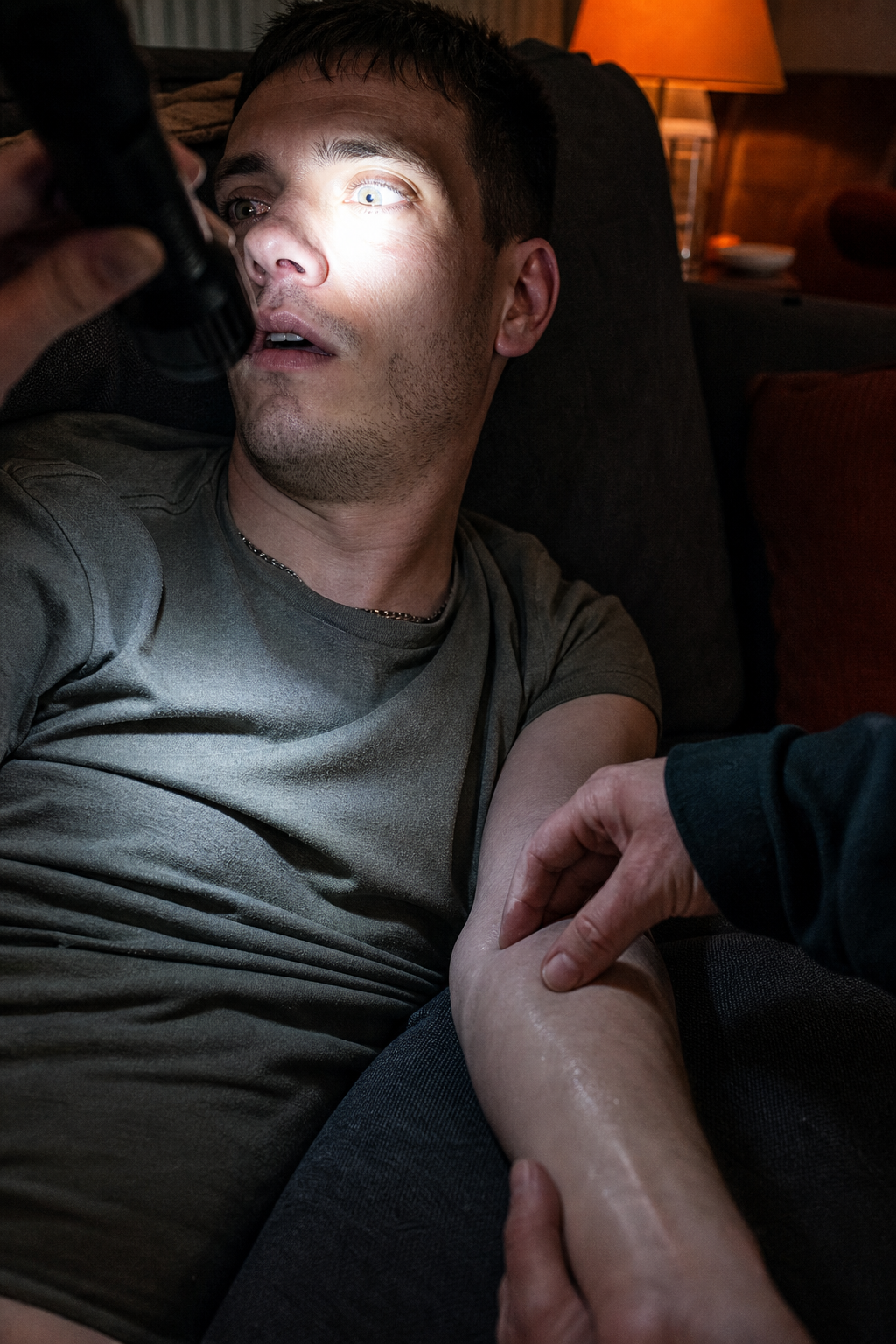
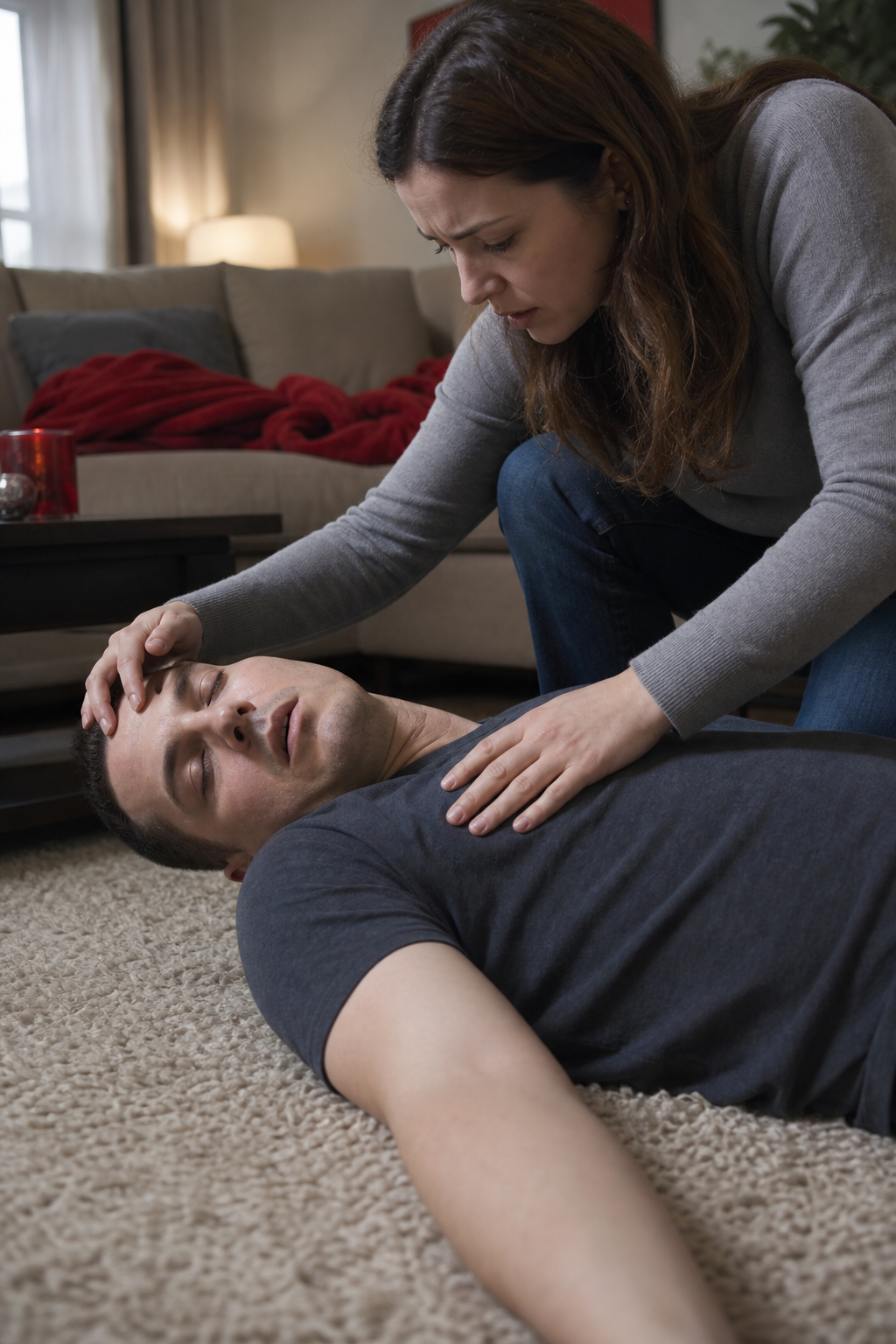
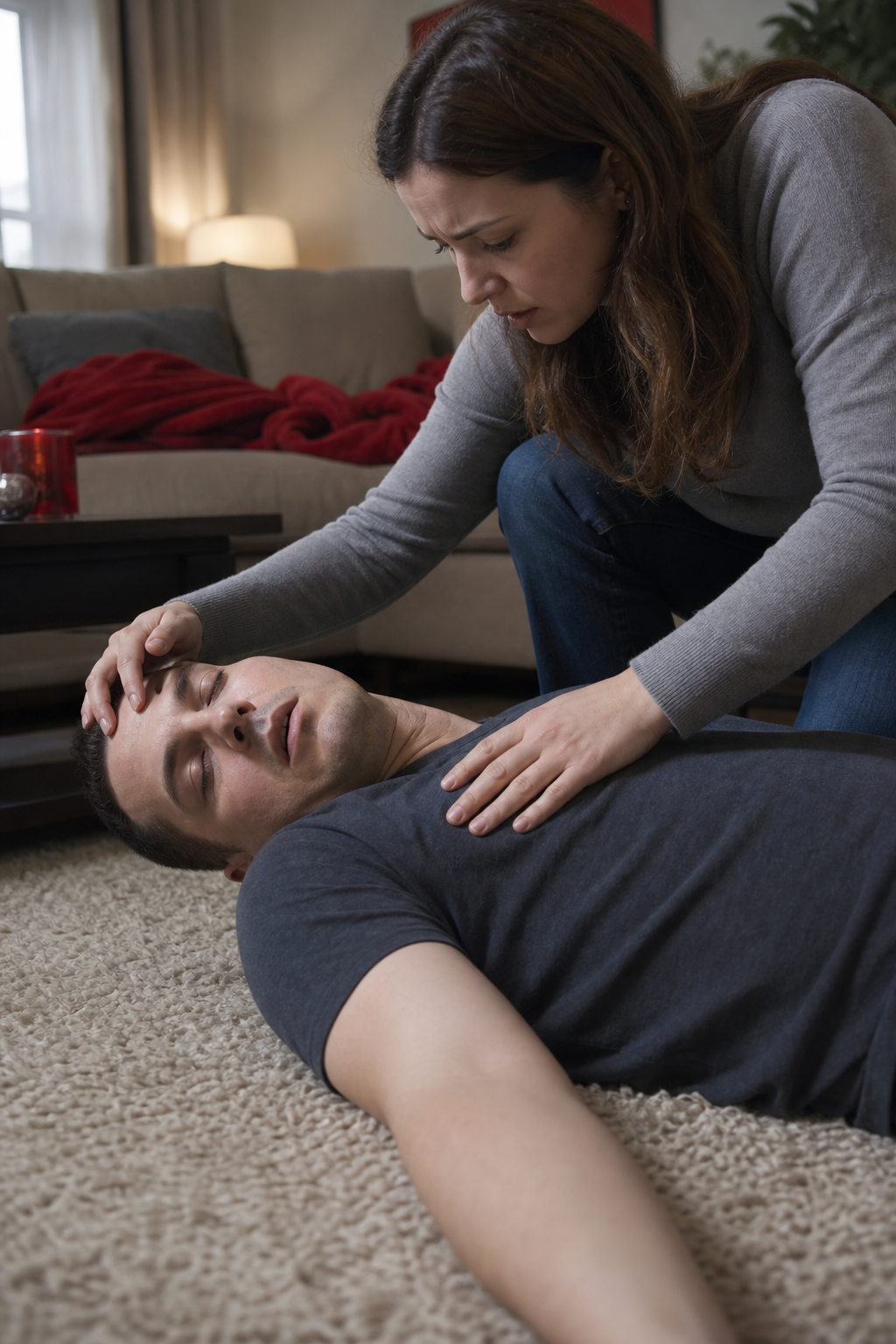
Overdose often shows up as a limp body, shallow or stopped breathing, and a blue‑gray tint on lips or fingertips. The person may be unresponsive even when you shout their name or give a firm rub to the chest.
Key warning signs identified by public health authorities include pinpoint pupils, a slow or absent breath, and a gurgling sound from the throat. An overdose prevention page explains why each symptom matters and how quickly they can turn fatal.
Even prescription painkillers can cause overdose, especially if tolerance has dropped after a period of abstinence. Keep an eye out for anyone who looks unusually drowsy, has cold, clammy skin, or cannot be roused.
Remember: you don’t need to be 100 % sure it’s an opioid before you act. If the clues match, start the emergency response.
When you spot these signs, move straight to the next step , calling 911. Delay costs precious minutes.
Step 2: Call 911 and Gather Your Naloxone Kit
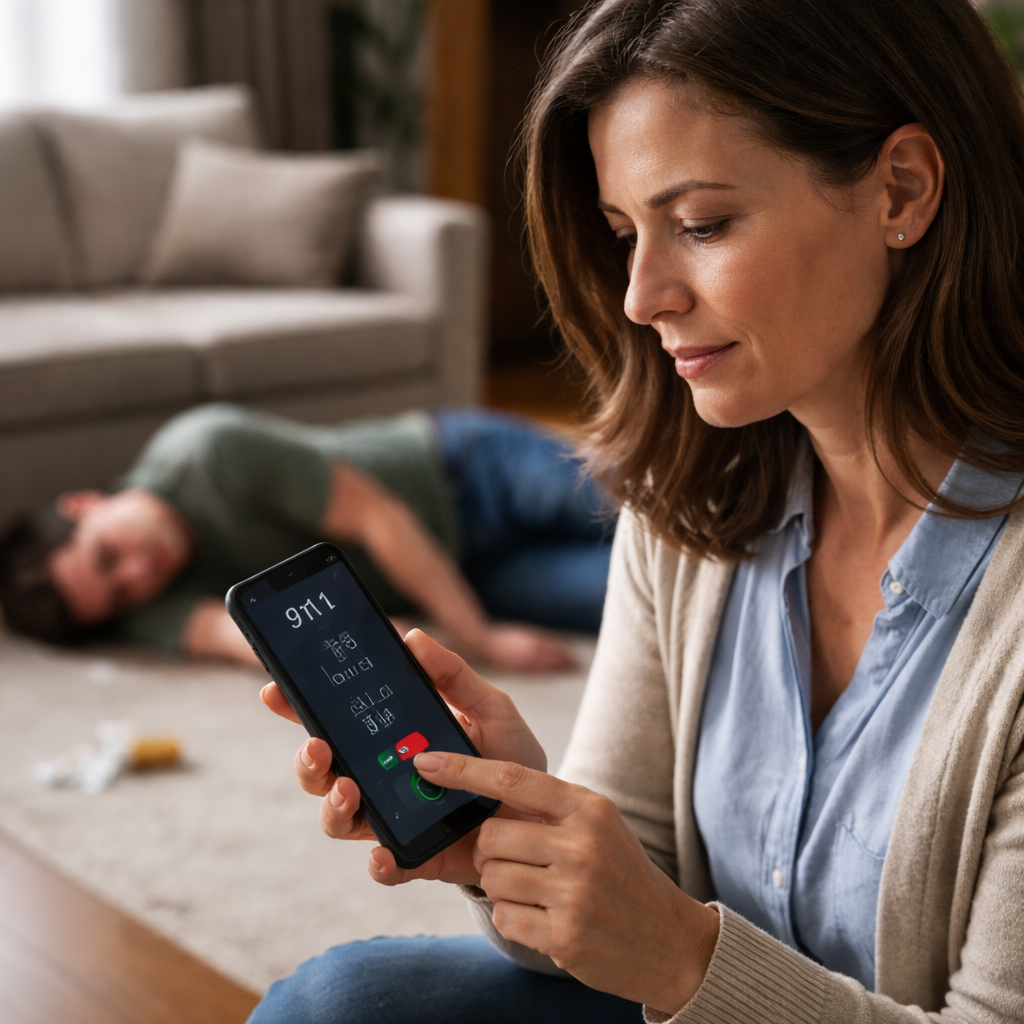
Dial 911 immediately. Tell the dispatcher that you suspect an opioid overdose, give the exact address, and mention that you have naloxone on hand. Stay on the line; the operator may guide you through rescue breathing while help is on the way.
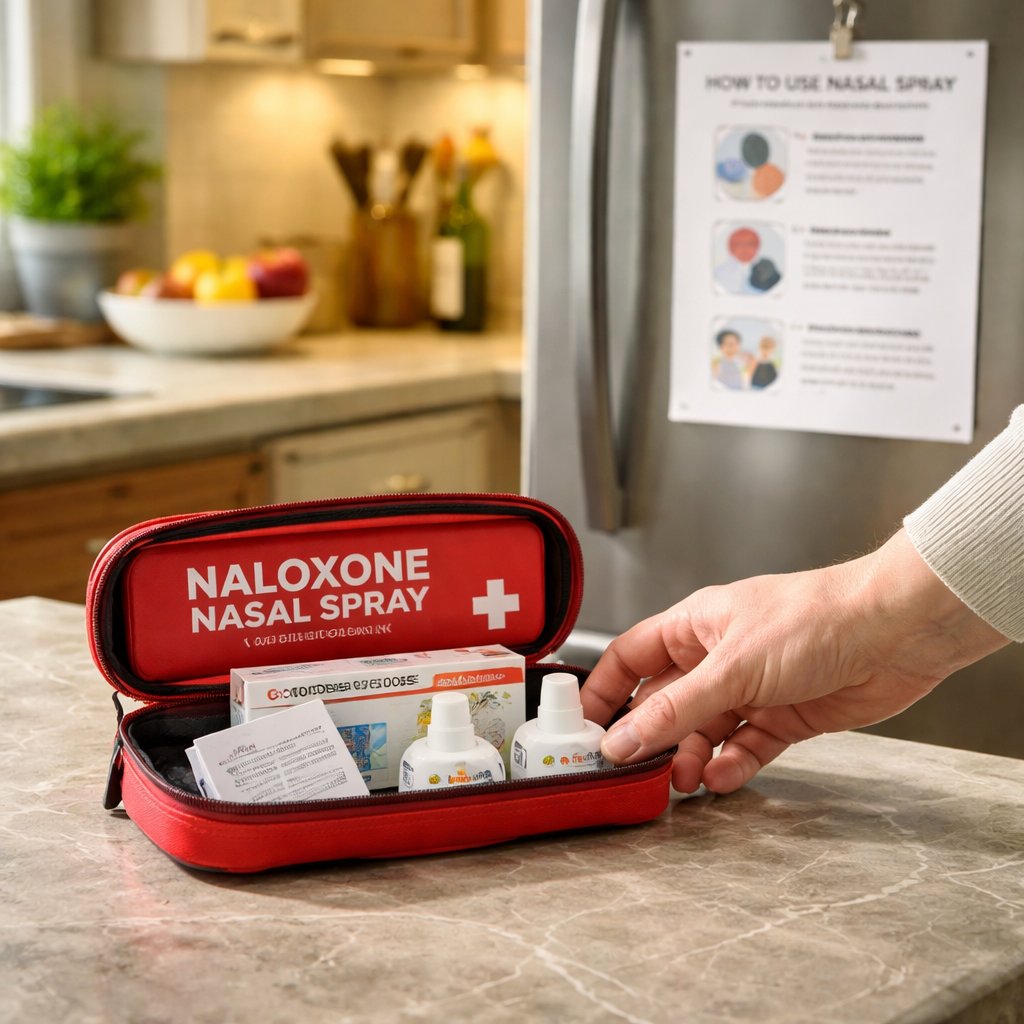
While the call connects, locate your naloxone kit. Store it where everyone in the household can reach it , a kitchen drawer, a bathroom cabinet, or a locked box that only sober adults can open. How to Use Naloxone at Home (Step‑by‑Step Guide) walks you through choosing the right spot and checking expiration dates.
The Harm Reduction Coalition outlines the exact phrasing that helps dispatchers prioritize your call: “Person not breathing, unresponsive, I have naloxone.” Harm Reduction’s response guide also notes that many 911 centers now send both an ambulance and a police officer, but the officer will not arrest you for possessing naloxone.
If you’re alone, grab the kit and keep the phone on speaker so you can stay hands‑free while you administer the medication.
Step 3: Administer Naloxone Correctly
Open the naloxone package without testing the dose , the medication is a one‑time use spray or injector. If it’s a nasal spray, peel back the foil, tilt the person’s head back slightly, and insert the nozzle into one nostril.
Press the plunger firmly until you hear a click; that delivers the full 4 mg dose. Watch the chest rise within two to three minutes. If breathing does not improve, give a second dose using the other nostril or the second injector in the kit.
For injectable naloxone, snap the ampule, draw the liquid into a syringe, and inject into a thick muscle such as the outer thigh. Hold the needle in place for ten seconds to ensure full delivery.
The New York State health department notes that naloxone takes about 2, 3 minutes to reverse an opioid’s effect, but its action lasts only 30, 90 minutes. NY health’s clinical guide stresses the need to be ready for a possible second dose.
After the dose, keep the airway open by tilting the head back and lifting the chin. If the person is still not breathing, start rescue breaths.
Step 4: Provide After‑Care and Monitor Recovery
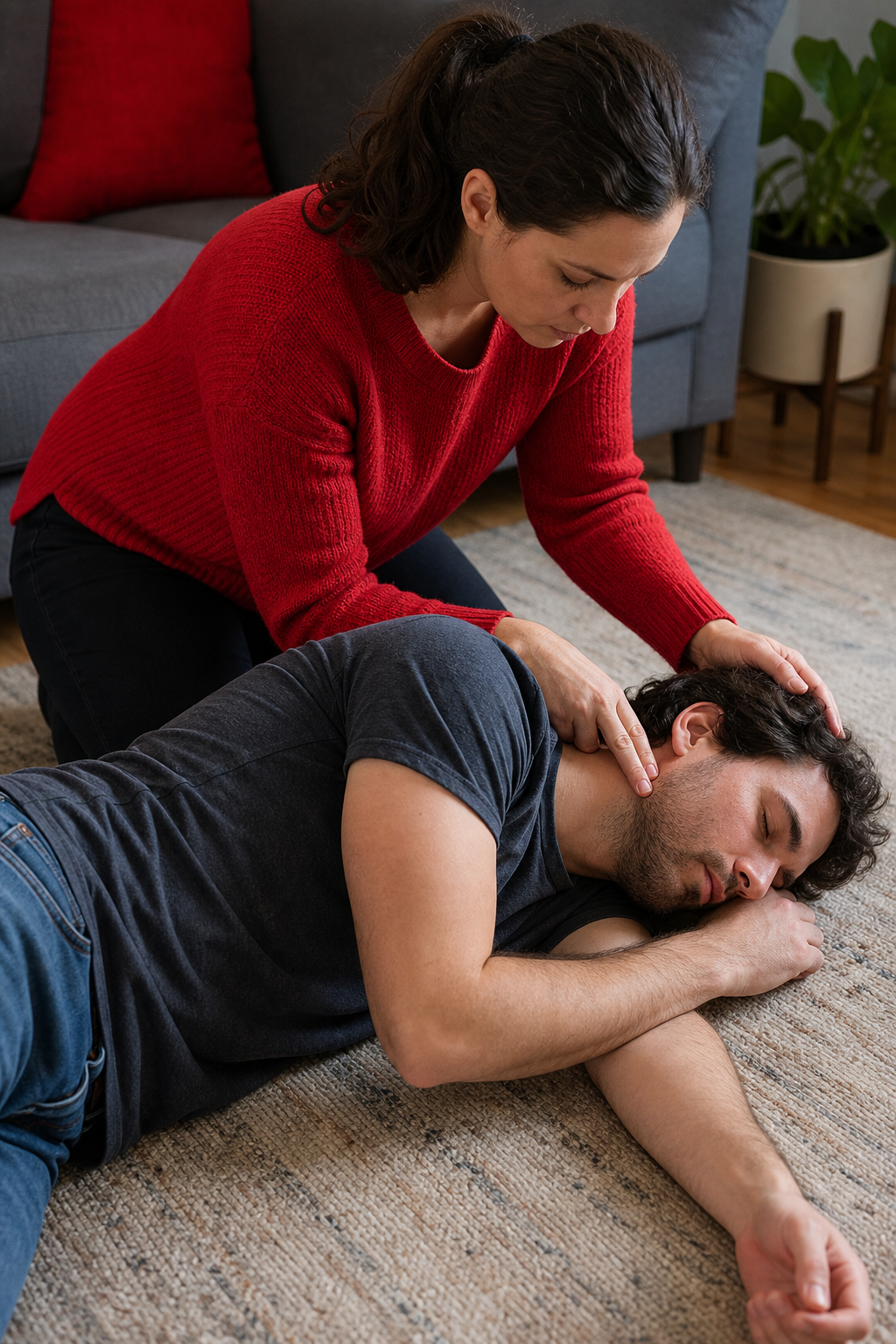
Once breathing resumes, place the person in the recovery position on their side. This keeps the airway clear if they vomit and prevents choking.
Monitor breathing, pulse, and skin color every two minutes. Normal adult breathing is 8‑12 breaths per minute. If the chest stops rising, resume rescue breathing and be ready to give another naloxone dose.
Write down the time of each dose, the amount given, and any changes you observe. Paramedics rely on this information to continue treatment.
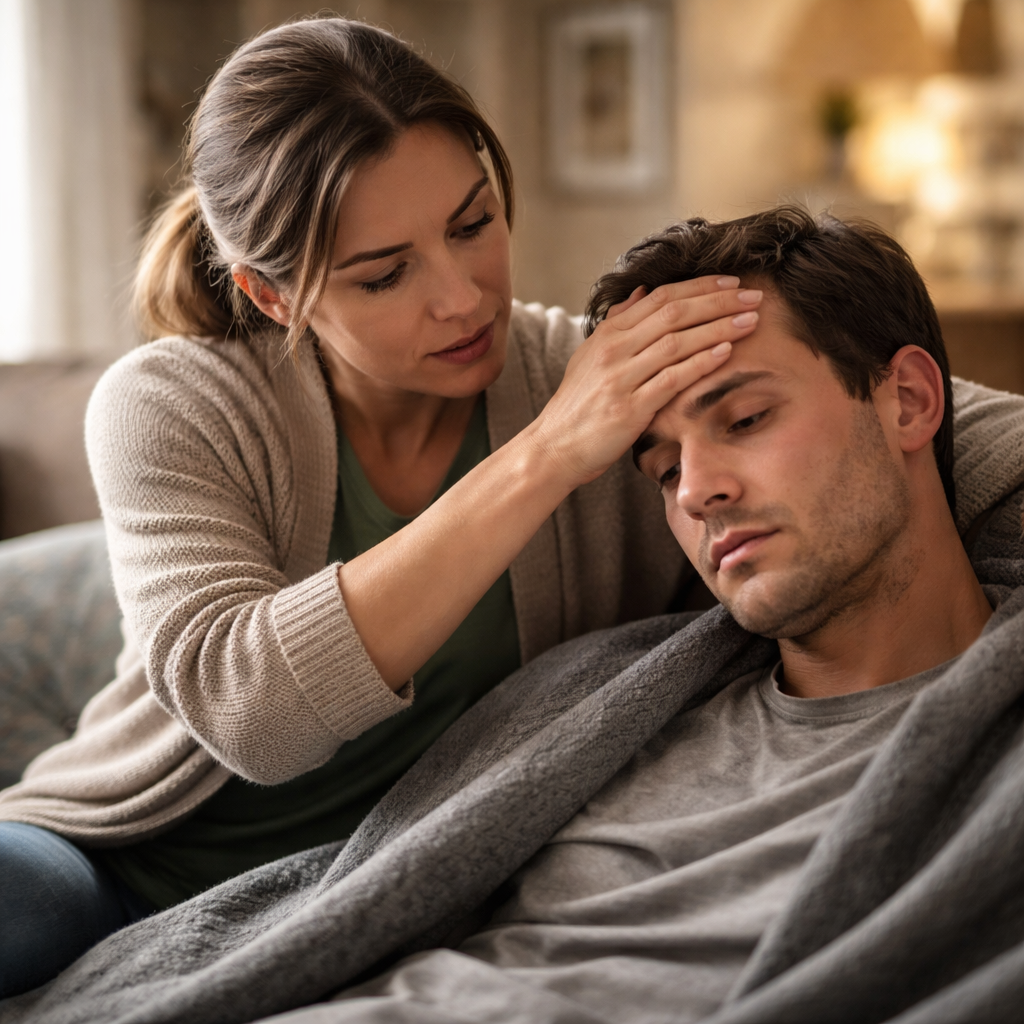
Stay with the person for at least two hours after the last dose. Naloxone wears off before many opioids, so a relapse can happen. Keep the environment calm, speak softly, and avoid giving the person anything to eat or drink until EMS arrives.
If you notice agitation, sweating, or a return of shallow breathing, be ready to administer another dose.
When emergency responders arrive, hand them your notes. Clear communication speeds up medical care.
Step 5: Connect with Professional Help (Video)
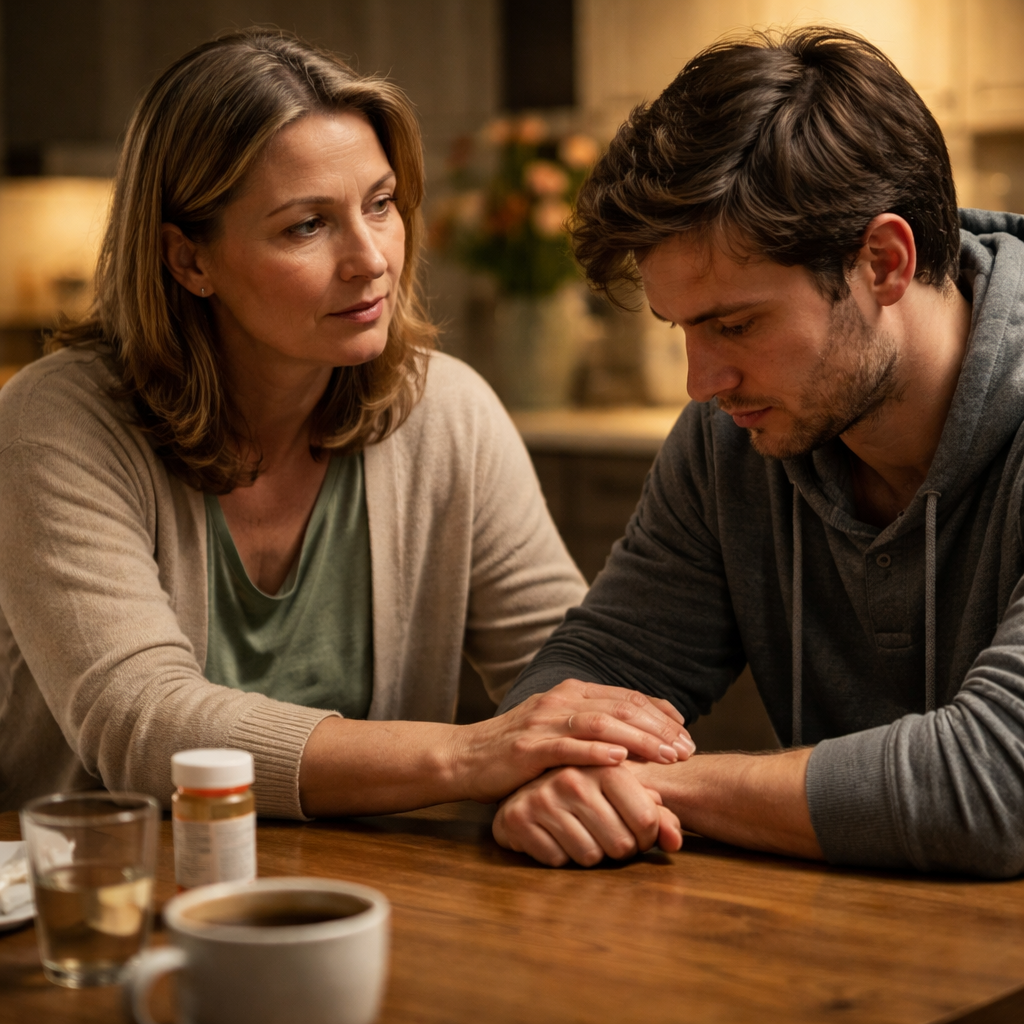
Even after the crisis passes, the person needs follow‑up care. Reach out to a treatment center, a counselor, or a crisis intervention service within 24 hours.
Next Step Intervention offers 24‑hour family support, medication‑assisted treatment referrals, and counseling to keep the cycle from restarting. Call (949) 545‑3438 or visit our website to set up a follow‑up plan.
Watch the short video below for tips on how to talk to your loved one about treatment options and how to handle insurance coverage.
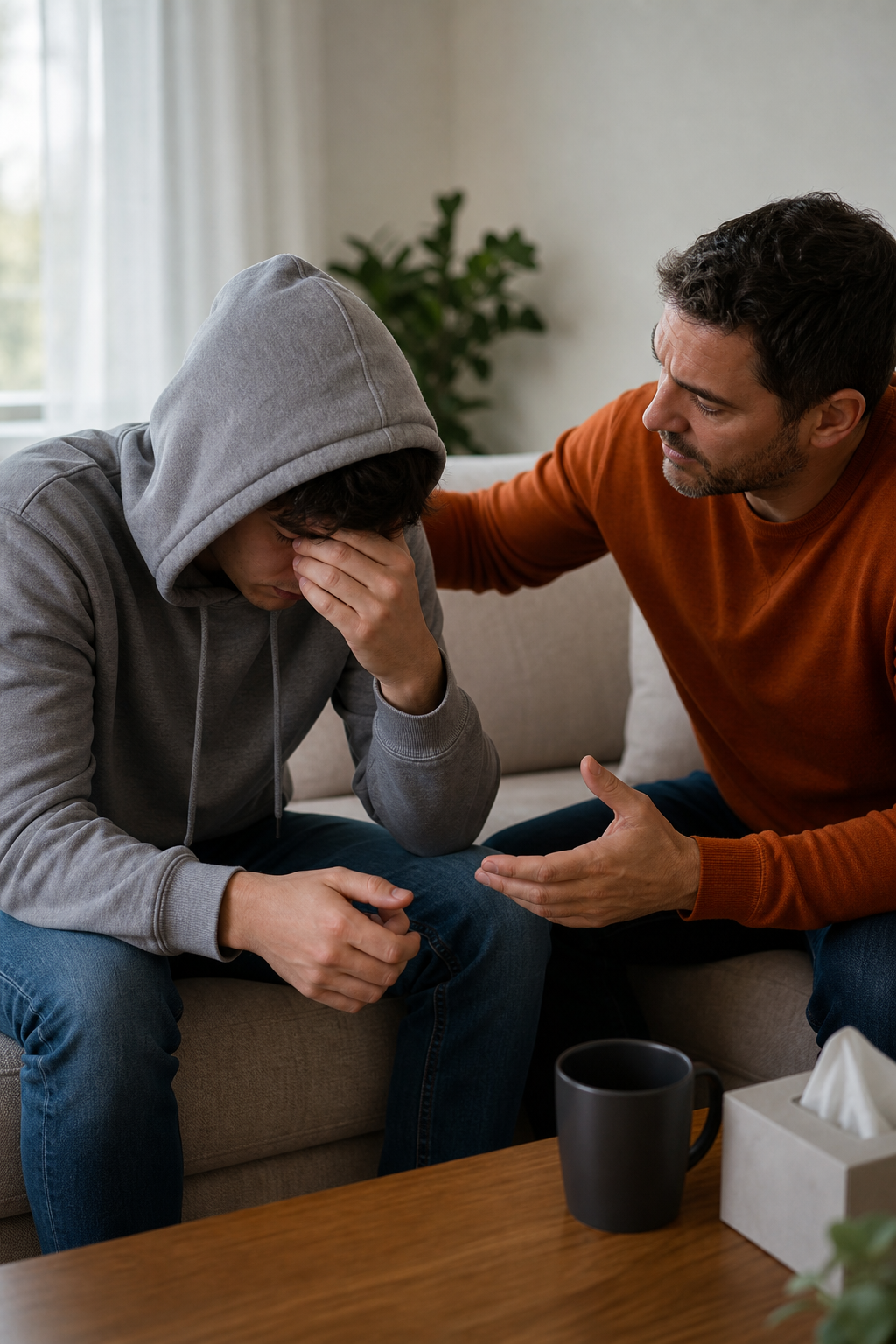
After the call, keep the conversation open. Let the person know you’re there, that help is available, and that you won’t judge them for past use.
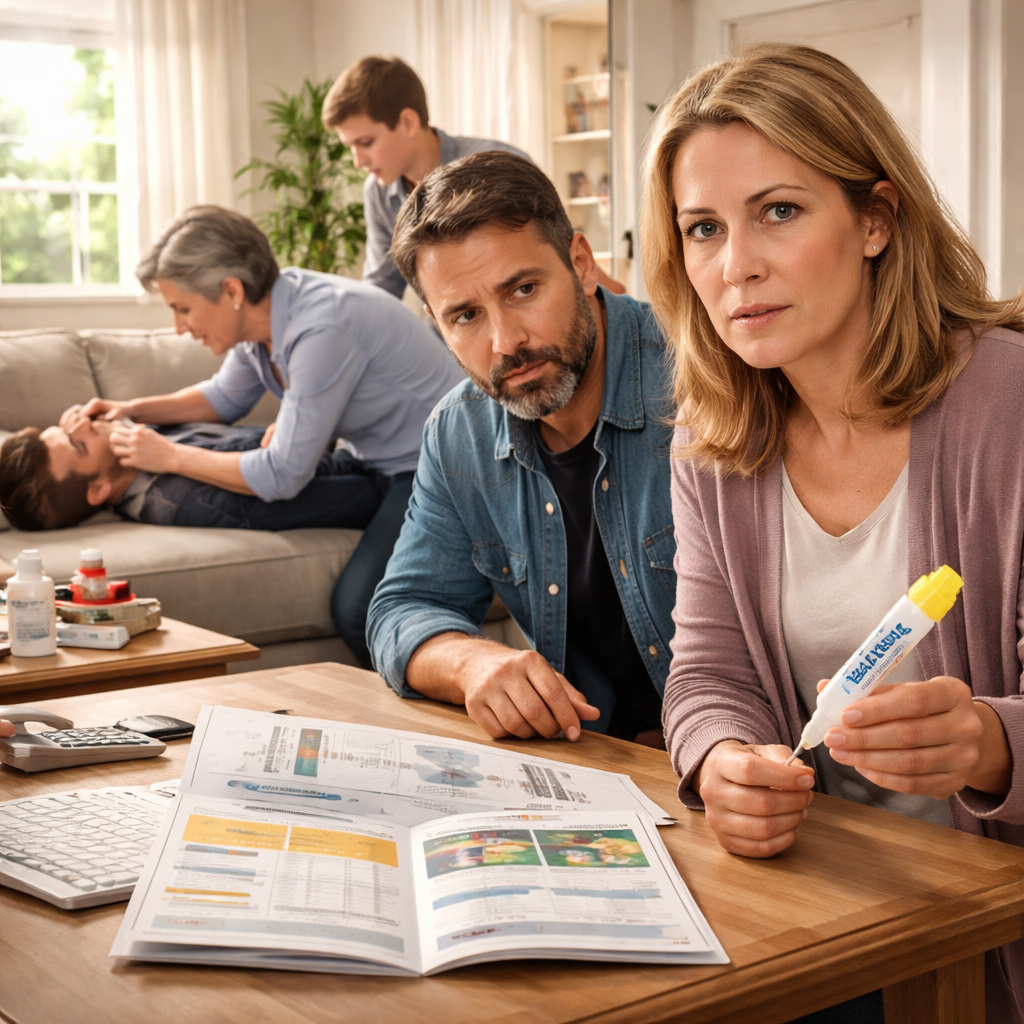
For more detailed steps on building a family emergency plan, see Step‑by‑Step Naloxone Guide for Families. It includes printable checklists and a phone‑ready script for 911 calls.
FAQ
What should I do first if I think someone is overdosing?
Call 911 right away and check for the classic signs: unresponsive, shallow or no breathing, and pinpoint pupils. Grab your naloxone kit while staying on the line with the dispatcher.
How long does naloxone take to work?
Naloxone usually starts reversing an opioid overdose within two to three minutes. If the person does not respond, give a second dose after that interval.
Can I give naloxone to someone who isn’t using opioids?
Yes. Naloxone is safe for anyone; if opioids aren’t present it simply has no effect. That’s why you should administer it whenever overdose signs appear.
Do I need a prescription to buy naloxone?
In most states, naloxone is available over the counter or via a standing order at pharmacies. Some community programs provide it for free, though many still rely on coupons to lower cost.
What after‑care steps are essential after giving naloxone?
Place the person in the recovery position, monitor breathing and pulse every few minutes, and be ready to give another dose if symptoms return. Keep a written log and stay until EMS arrives.
Conclusion
Our top recommendation is to keep a naloxone kit accessible, call 911 instantly, and follow the step‑by‑step actions above. After the emergency, contact Next Step Intervention at (949) 545‑3438 for professional follow‑up and lasting support.