Every second counts when an opioid overdose strikes. This guide walks you through the exact steps to give naloxone at home, call help, and keep your loved one safe.
Step 1: Recognize the Signs of an Opioid Overdose
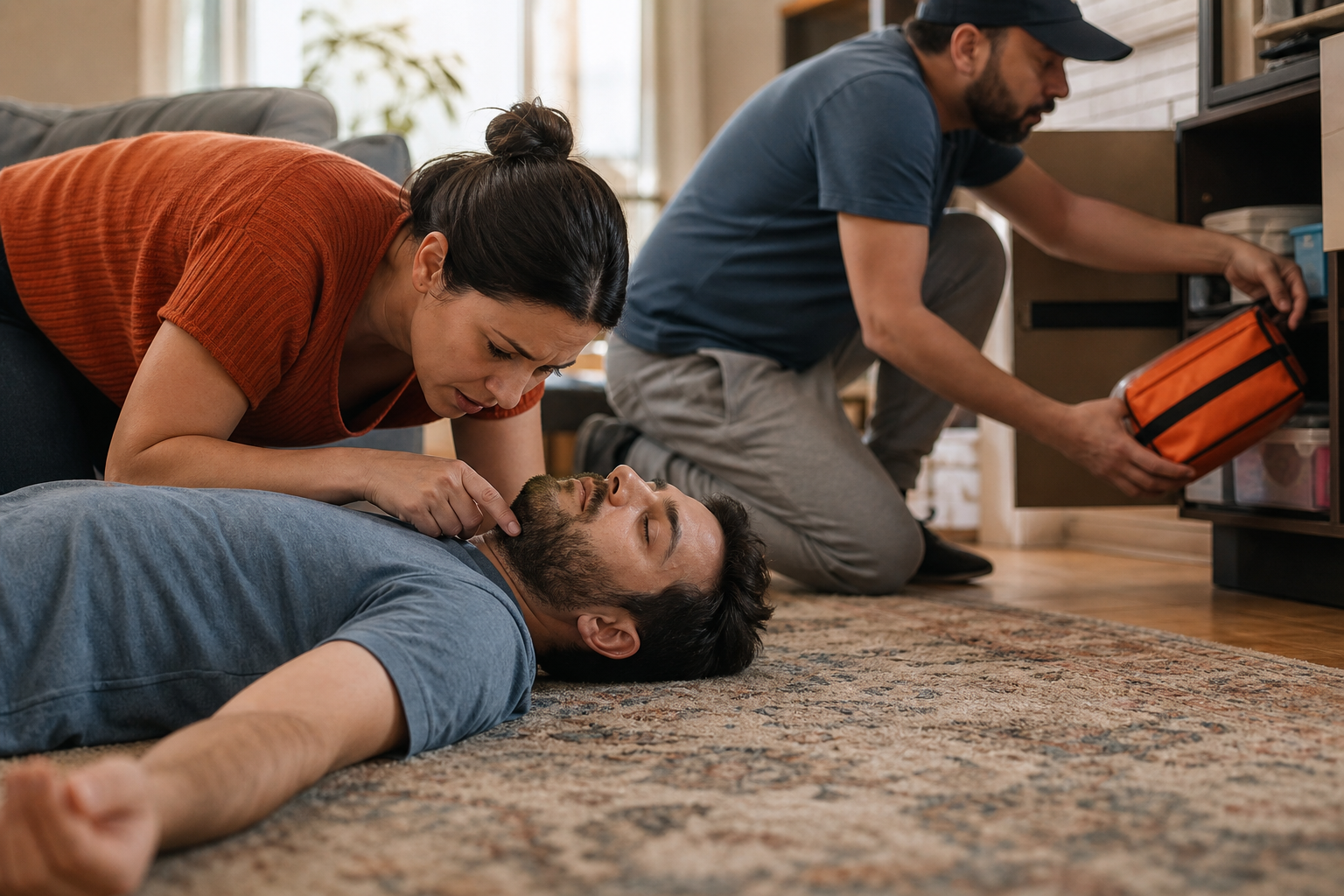
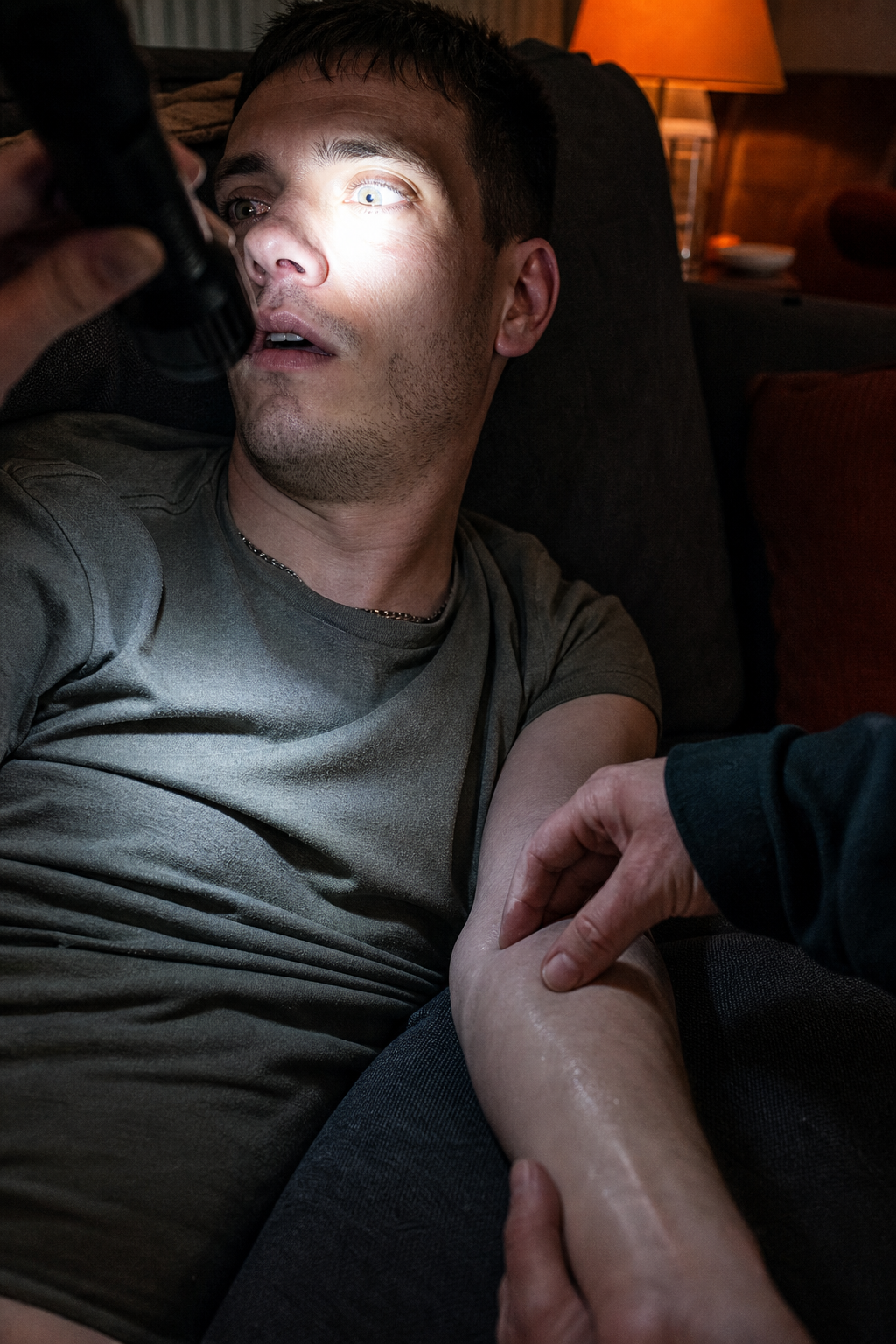
Look for shallow breathing, pinpoint pupils, blue‑tinged lips, or a limp body. These clues mean the brain isn’t getting enough oxygen because opioids have shut down the breathing center.
Naloxone works fast to reverse that blockage, but it only helps if you act before the person stops breathing completely. Naloxone can quickly restore normal breathing in an overdose situation. If you see two or more of these signs, treat it as an emergency.
Ask yourself: Is the person unresponsive? Are they not moving? If the answer is yes, you’re dealing with a likely opioid overdose.
Take a quick breath count. Less than eight breaths in ten seconds is a red flag. Note the time , it will help EMS later.
Once you’re sure an overdose is happening, move straight to step 2.
Step 2: Gather Your Naloxone Kit and Check Expiration
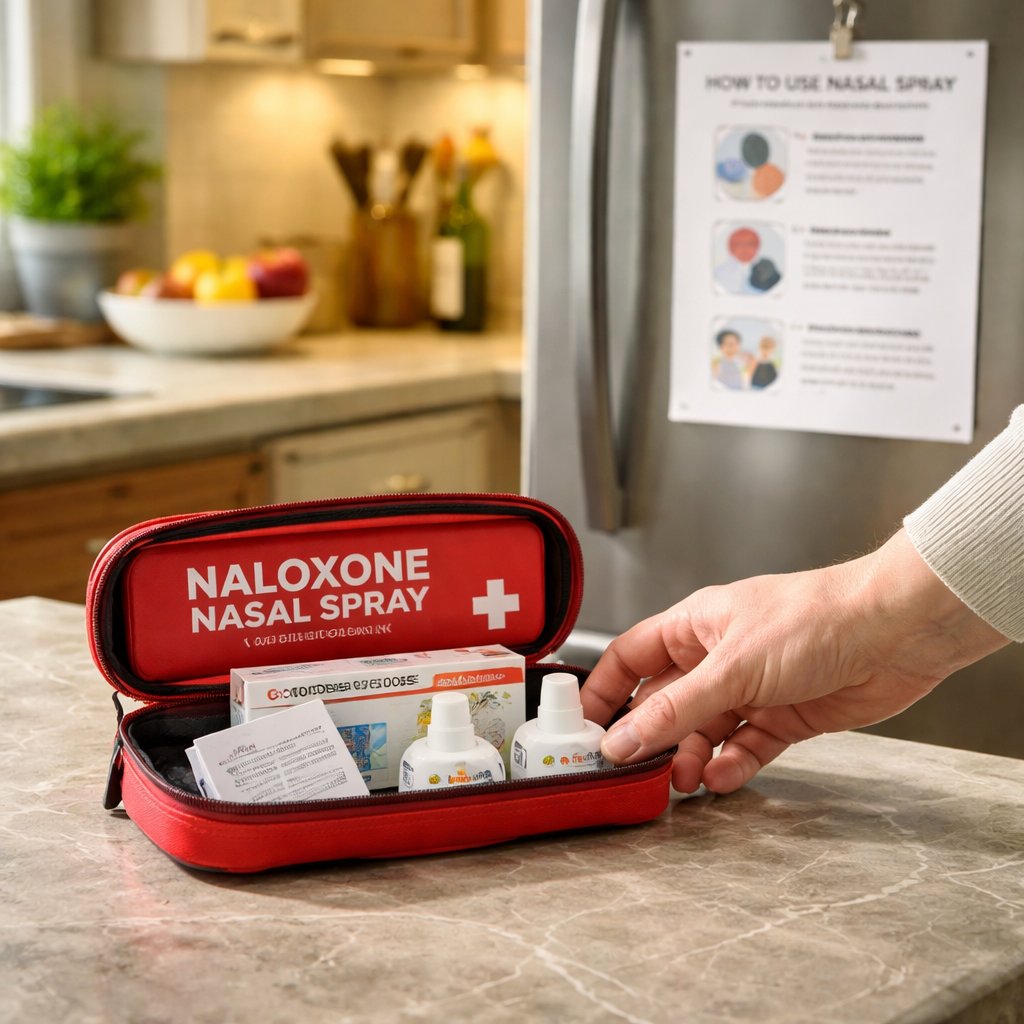
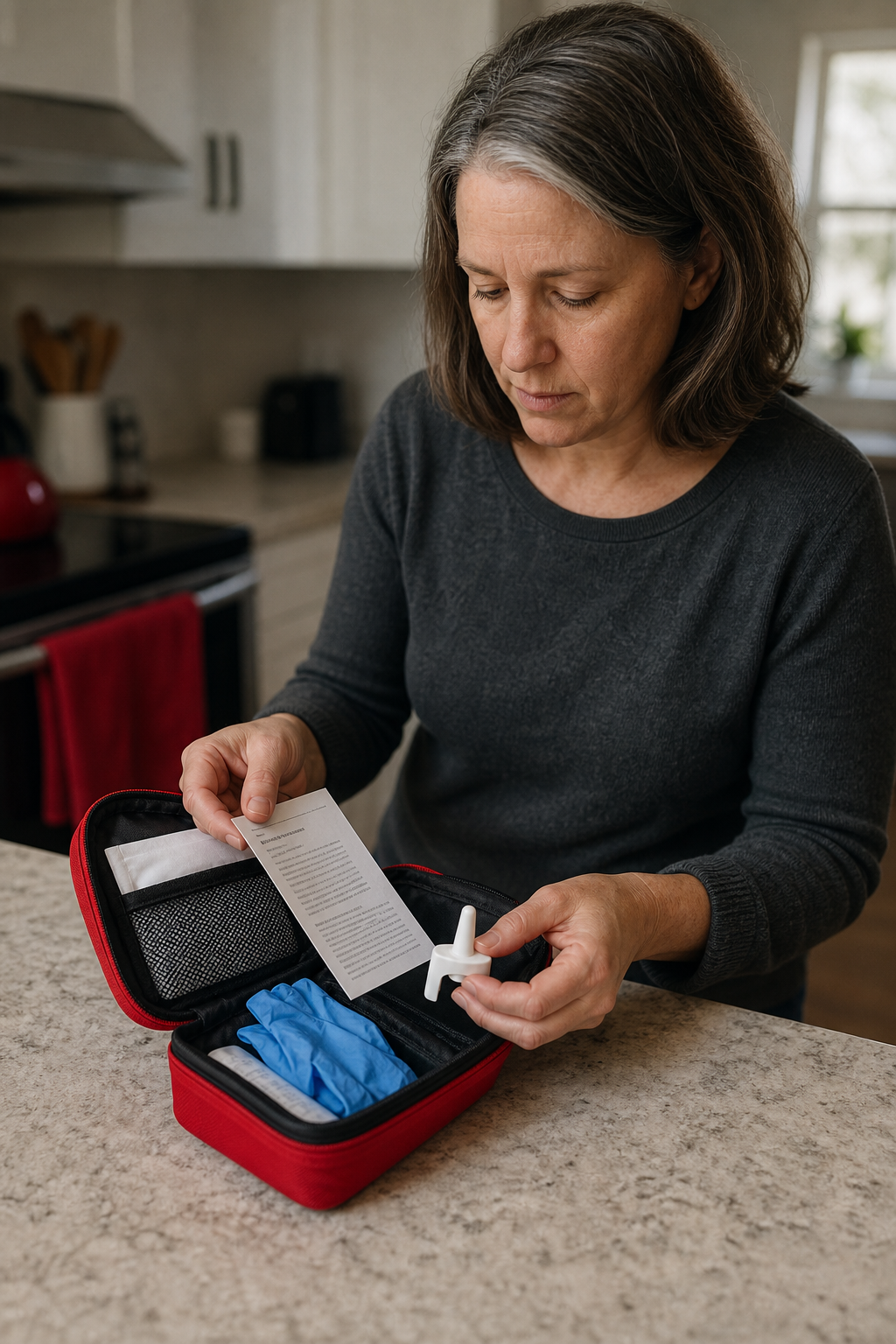
Open the kit you keep in a drawer, a bag, or a locked box. Pull out the nasal spray, any additional device, a pair of disposable gloves, and the instruction card.
Check the printed expiration date on the spray. An expired dose may not work when you need it most.
If the expiration date has passed, replace the kit right away.
Make sure the cap is intact and the spray device isn’t frozen or damaged. A cracked container can leak the dose.
Practice opening the bag and locating the spray while you’re calm. A quick rehearsal saves seconds later.
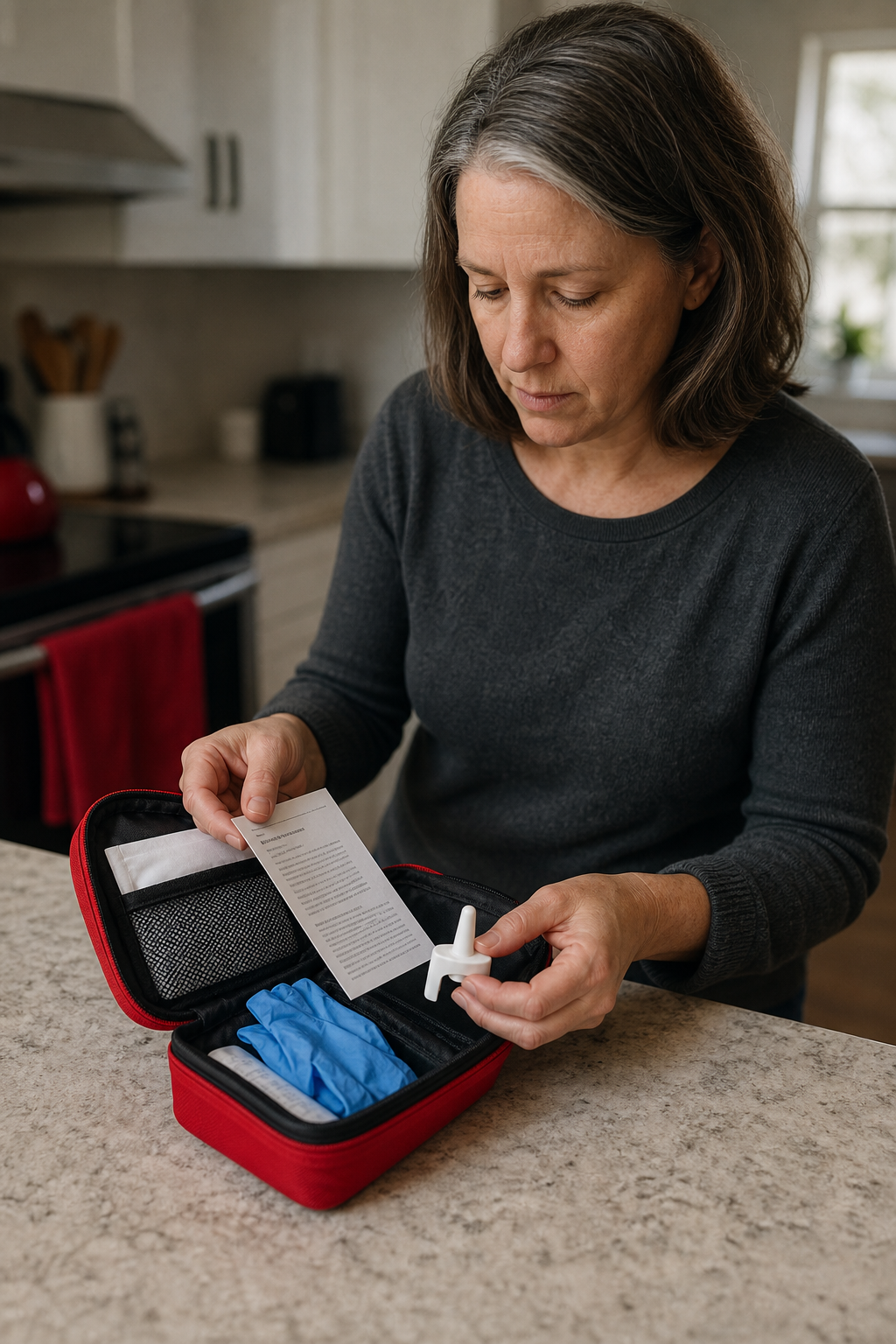
When everything’s in place, you’re ready for the next step.
Step 3: Administer the Nasal Spray Correctly
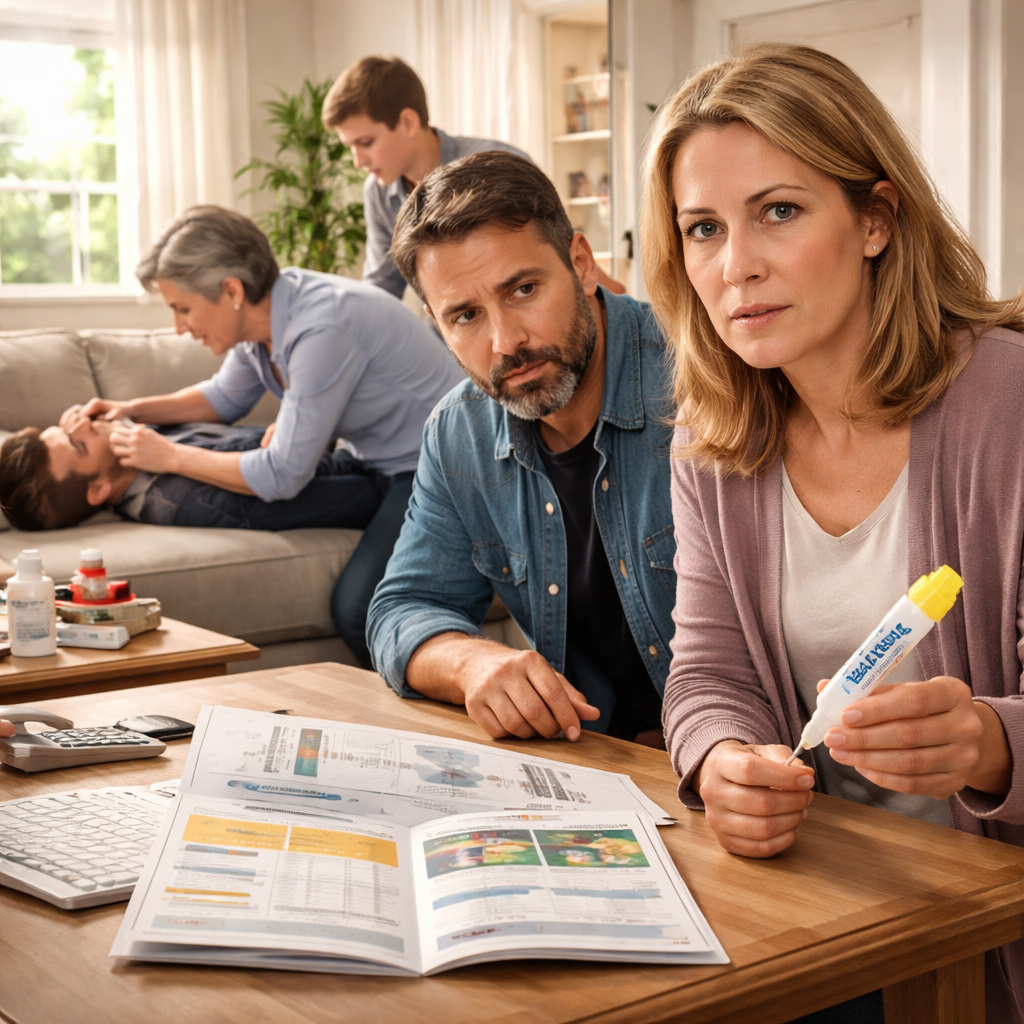
Hold the spray upright with your thumb on the base and your index finger on the tip.
Remove the protective cap. Tilt the person’s head back slightly and close the opposite nostril with a finger.
Insert the tip into the open nostril and press firmly until you hear a click , that releases the full 4 mg dose.
After you spray, keep the person on their side in the recovery position. This helps any vomit drain away from the airway.
Watch for a gasp, cough, or normal breathing within 30 seconds to two minutes. If nothing changes, give a second dose using the backup spray or another approved naloxone delivery method if one is available.
While you wait, stay on the phone with the dispatcher and tell them you’ve given naloxone, the time you did it, and any changes you see.
Now that the dose is in, move on to step 4.
Step 4: Call Emergency Services and Provide Critical Information
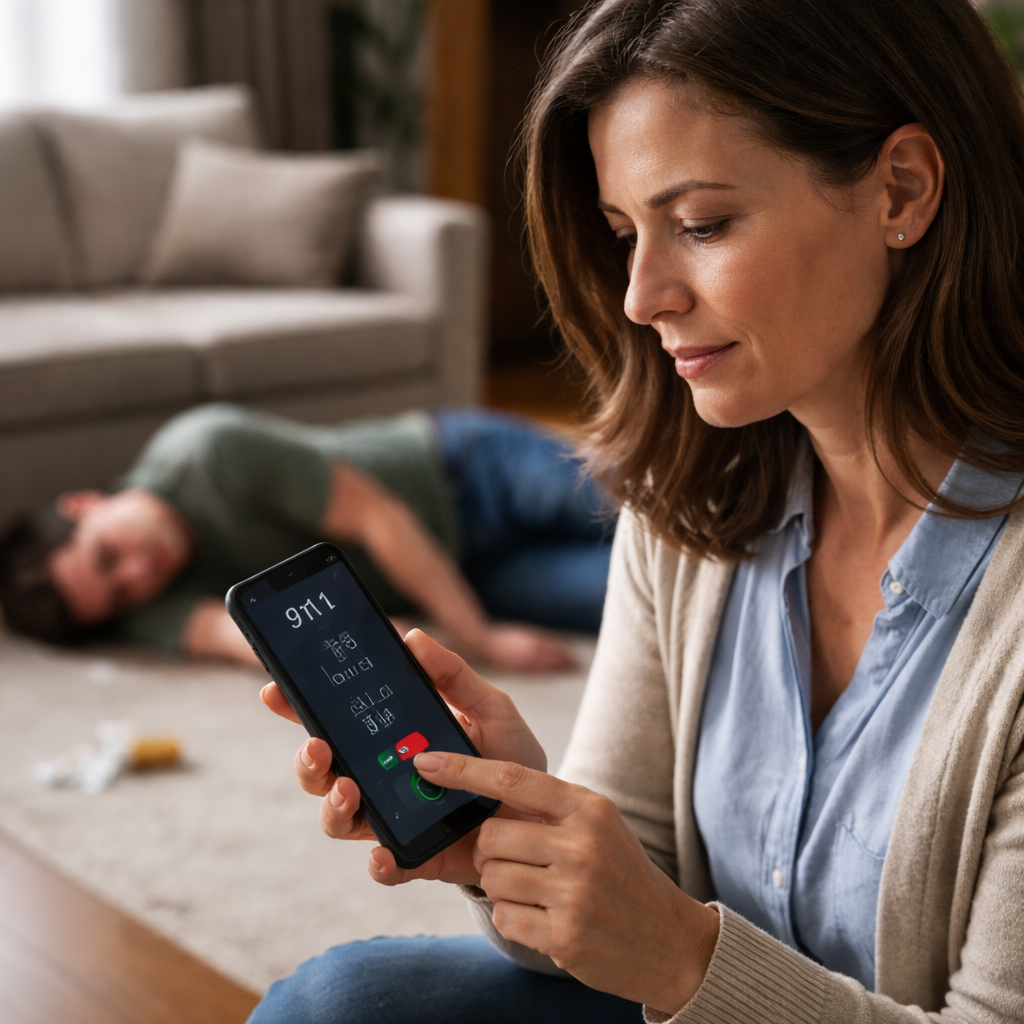
Dial 911 immediately. Even if the person seems to recover, medical professionals need to assess them.
Tell the dispatcher you suspect an opioid overdose, the exact address, and any known drugs involved. Mention that you have administered naloxone and note the time.
Stay on the line. The operator may ask about breathing, pulse, or whether the person is conscious.
If you have a notepad in the kit, write down the time of each dose and any observations. This record speeds up the handoff to EMTs.
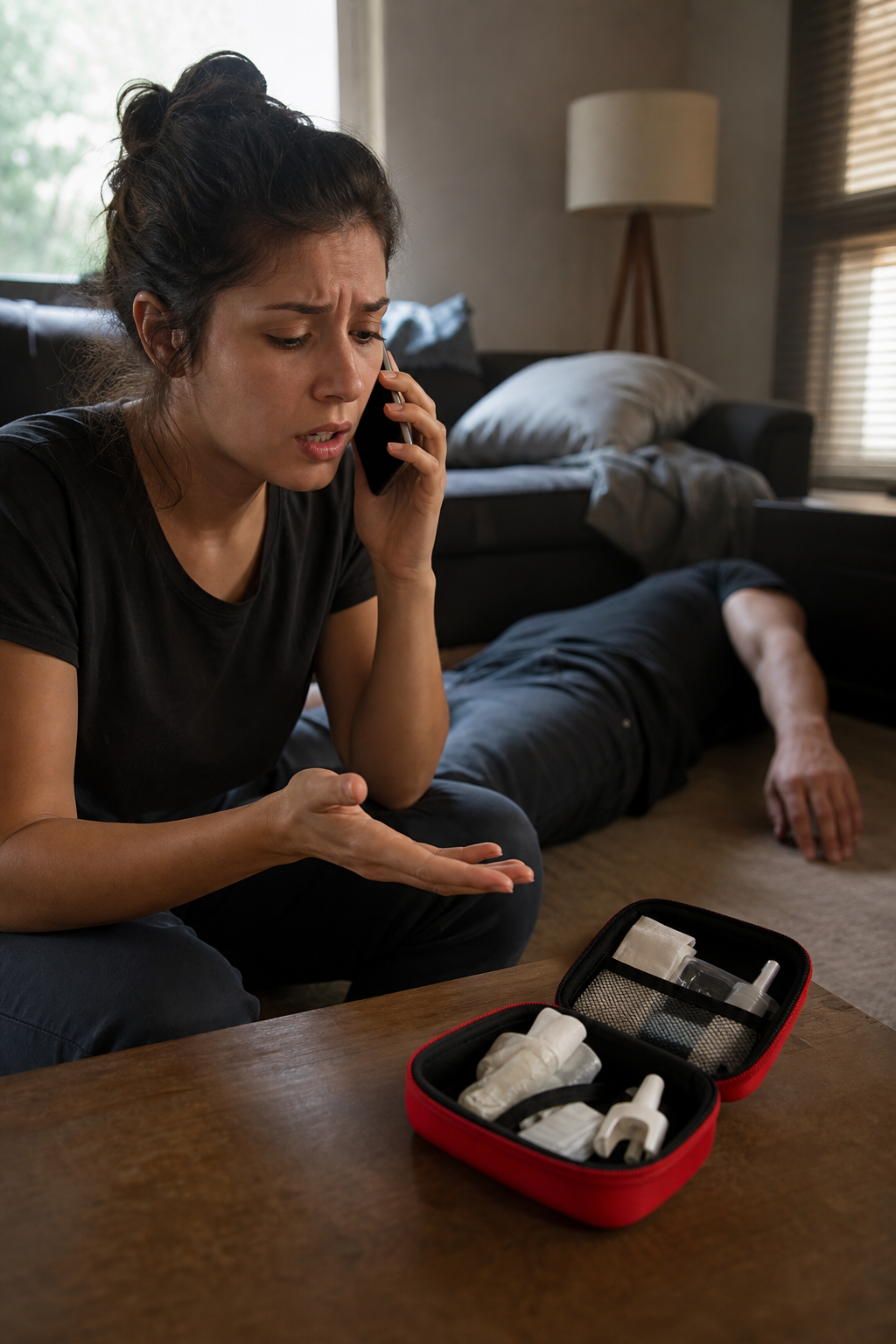
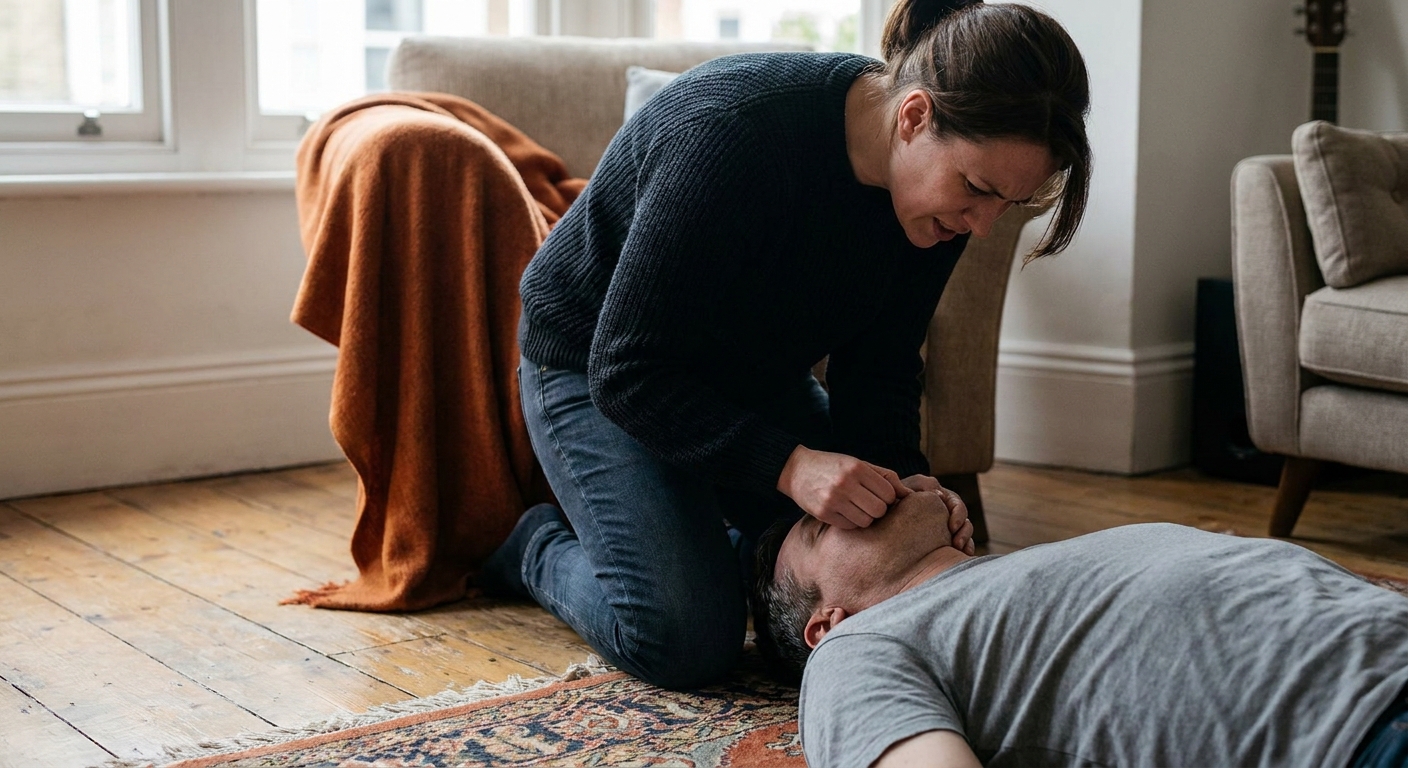
Keep the person safe while you wait. Hold their chin up to keep the airway open, and be ready to give rescue breaths or start CPR if breathing stops.
When EMS arrives, hand over the kit, the written notes, and a brief verbal summary of what happened.
Step 5: Monitor, Support Recovery, and Follow Up with Professionals
After the first dose, watch the person closely for at least an hour. Check breathing every five minutes and feel for a pulse.
Remember, naloxone’s effect lasts 30‑90 minutes, but many opioids stay in the system longer. A second wave of respiratory depression can happen once the naloxone wears off.
If you notice the person becoming drowsy, slurring words, or their skin turning pale again, be prepared to give another dose.
Once the person is fully awake and breathing normally, offer small sips of water. Do not give food or drink until they can swallow safely.
Document the entire event , time of overdose, substances you suspect, number of naloxone doses, and the response each time. This log helps doctors decide on further treatment.
Reach out to a medical professional right away. Community‑based naloxone programs have high survival rates when follow‑up care is provided. Ask the emergency team for a referral to an addiction specialist or a local treatment center.
For families that want a ready‑to‑use plan, Next Step Intervention offers a step‑by‑step after‑overdose guide that walks you through paperwork, follow‑up appointments, and emotional support resources.
Now you have the full protocol from recognition to recovery.
FAQ
Alternative naloxone delivery methods
Various delivery options, such as auto‑injectors or nasal sprays, are designed to provide rapid reversal of opioid overdose. Follow the instructions that come with the device you have, and be prepared to give a second dose if breathing does not improve after two minutes.
How many naloxone doses should I keep at home?
Most experts recommend having at least two doses ready. Some strong opioids, like fentanyl, may need a second dose to fully reverse the effects.
What should I do if the person stops breathing after the naloxone wears off?
Call 911 again immediately, start rescue breathing, and be prepared to give another naloxone dose if you have one left.
Do I need a prescription to buy naloxone?
In many states, naloxone is available over the counter without a prescription. Check with your local pharmacy or a community‑based distribution program.
Is it safe for me to administer naloxone if I’m not a medical professional?
Yes. Naloxone has no abuse potential and does not affect anyone who isn’t using opioids. Training kits are designed for laypeople to use safely.
Ready to act fast the next time an overdose happens? Next Step Intervention’s naloxone kit guide shows you how to keep your kit organized and ready. Call (949) 545‑3438 or visit Next Step Intervention for immediate help and a personalized emergency plan.