When an opioid overdose hits at home, seconds matter. This list shows the ten concrete steps families need right now to act fast, keep naloxone ready, and stay calm after the crisis.
1. Next Step Intervention (Our Top Pick)
Next Step Intervention offers in‑person overdose drills, free naloxone kits, and post‑event counseling. The service is built for families that need a hands‑on plan and a trusted professional to guide them.
Families who sign up get a certified interventionist, a step‑by‑step response sheet, and a follow‑up call within 24‑48 hours. This continuity helps prevent relapse and keeps the conversation open.
Because the program bundles training with a kit, you avoid the common gap where families learn but have no medication at hand. Effective Emergency Intervention: A Step‑by‑Step Guide walks through the exact actions you’ll rehearse.
One limitation: the service is only available in select states, so check your local coverage before enrolling.
2. Recognize the Signs of an Opioid Overdose
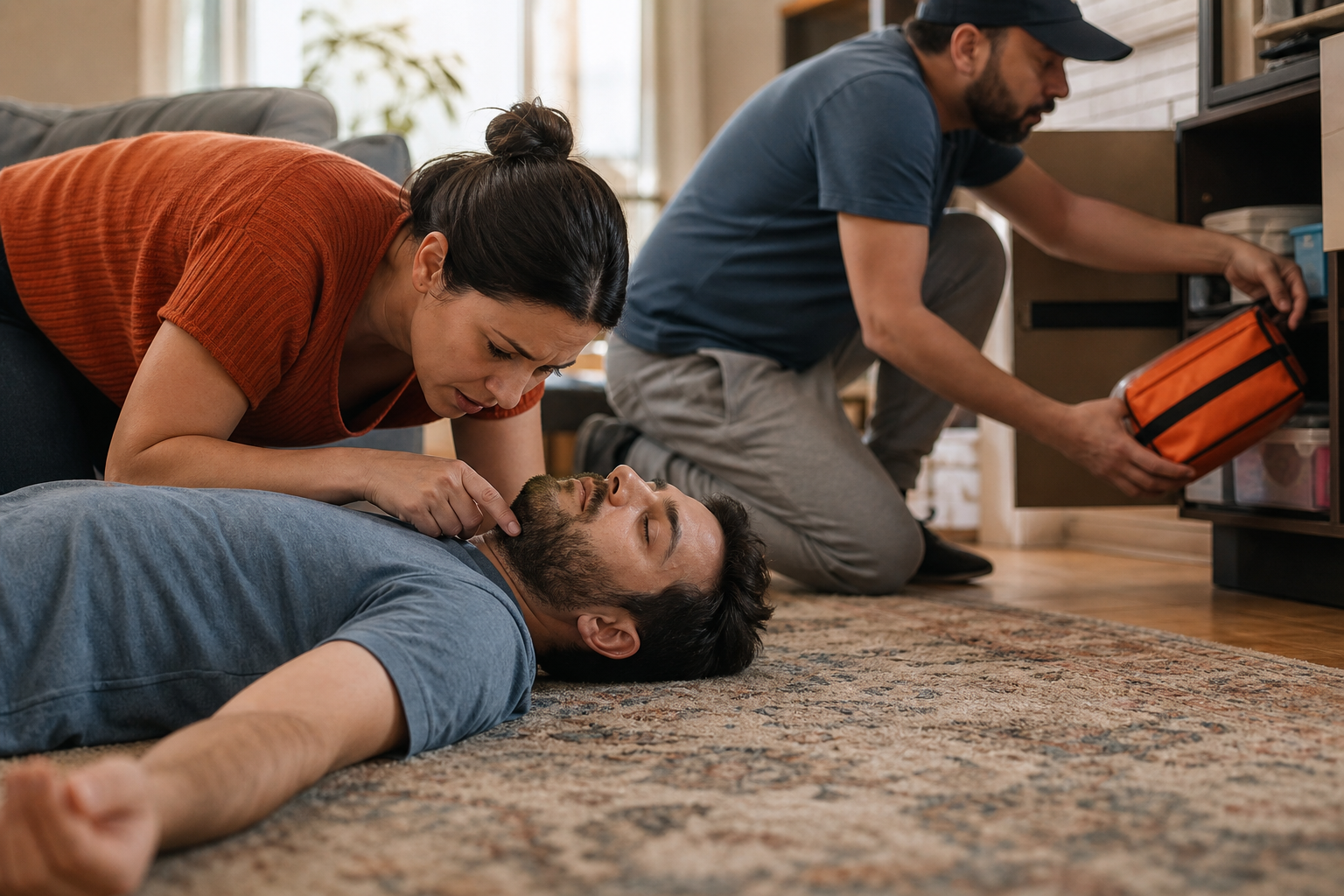
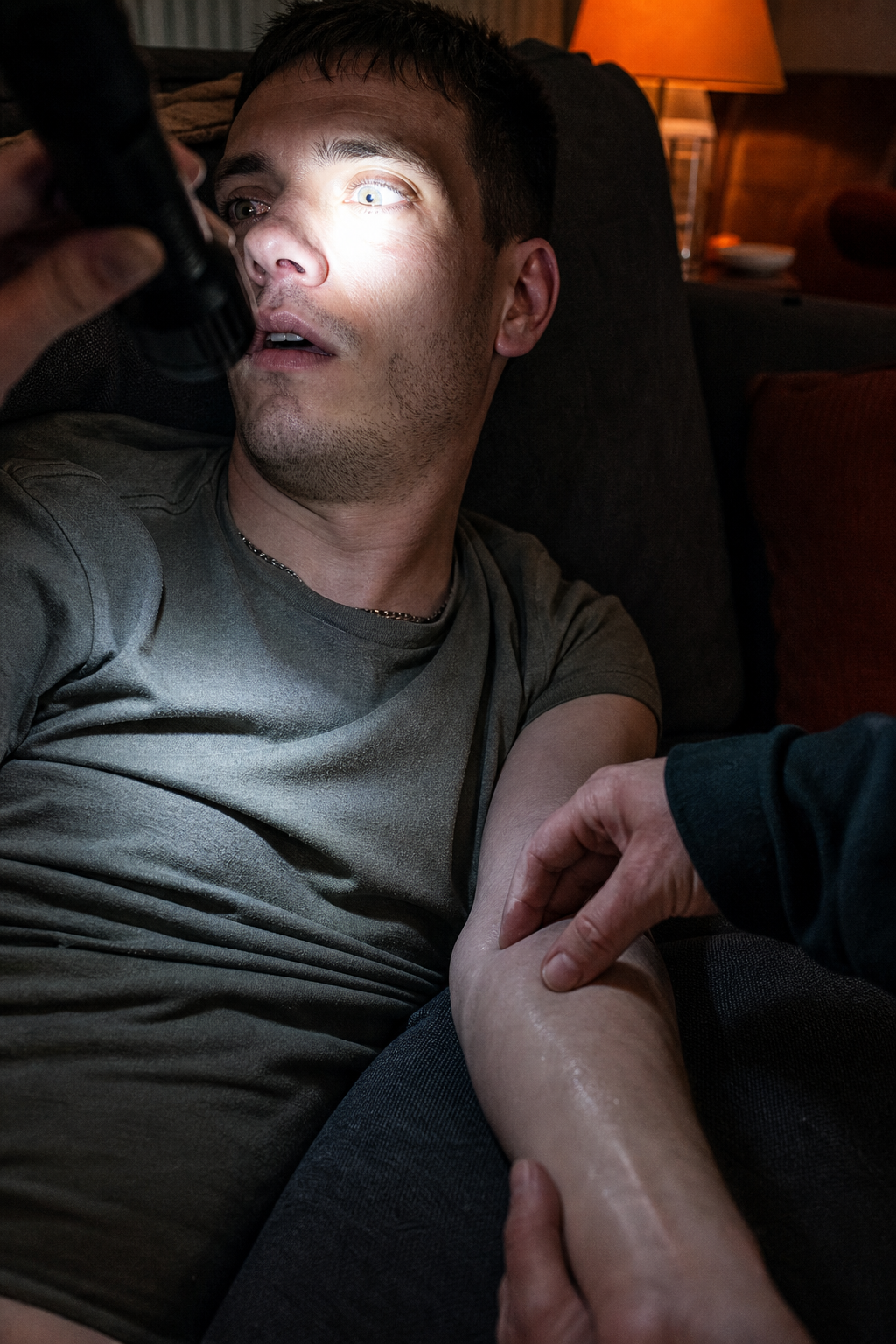
Knowing the warning signs can buy you precious minutes. Look for shallow breathing, a blue tinge around the lips, pinpoint pupils, and unresponsiveness.
Other clues include a limp body, clonic seizures, or a sudden loss of consciousness in someone who uses opioids. Family members often miss the early cue of slowed breathing because it feels “normal” until it stops.
A person’s breathing rate may drop dangerously low — that’s when naloxone becomes lifesaving.
Remember, the signs can appear fast, especially with fentanyl‑laced substances. Keep a checklist handy so everyone knows what to watch for.
3. Administer Naloxone Nasal Spray (Narcan) Correctly
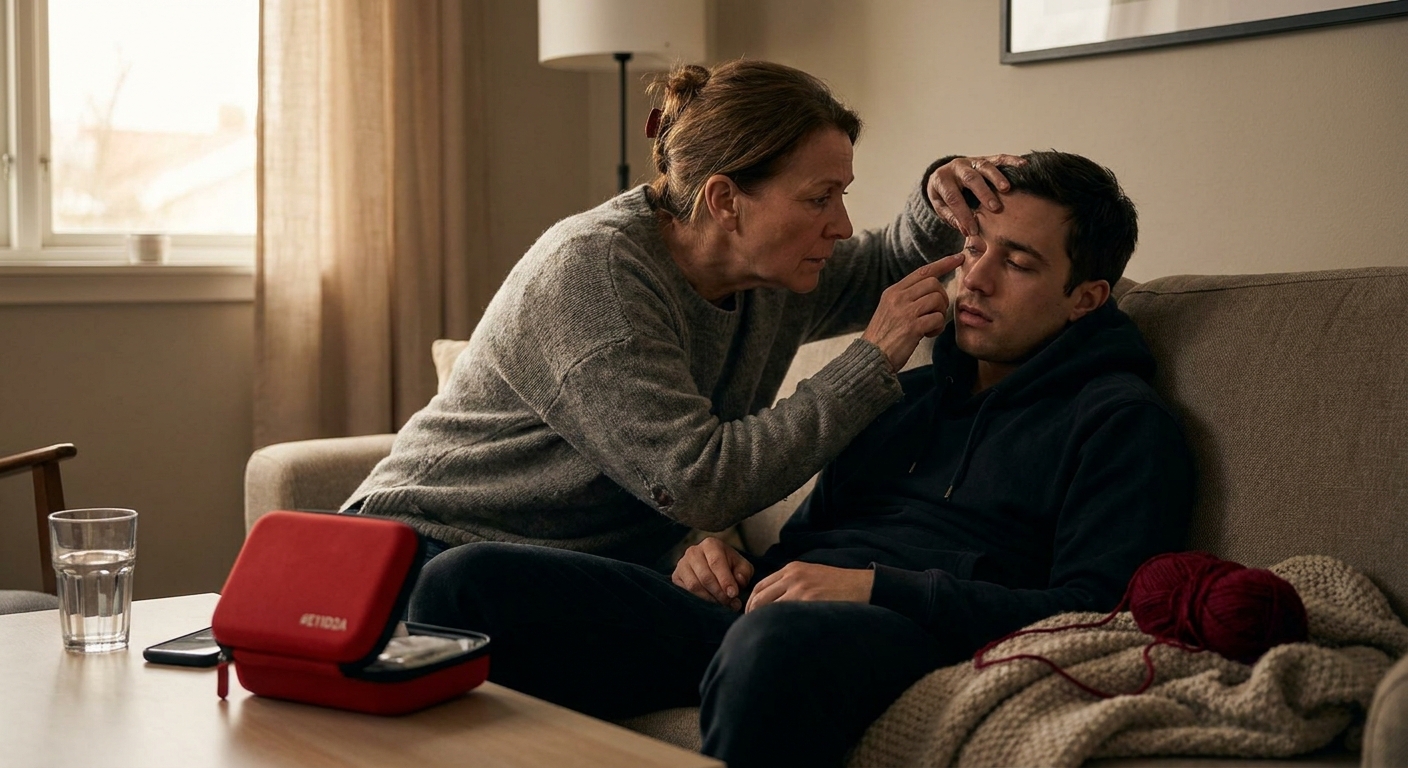
The nasal spray is the simplest form for most households. Remove the device from its case, pull off the protective cap, and place the tip into one nostril.
Press firmly until you hear a click , that releases the full dose. After you spray, tilt the person’s head back slightly and watch for a gasp or coughing within 30 seconds to two minutes.
If breathing doesn’t improve, you may give a second dose in the other nostril after two minutes.
Practice the motion with an empty trainer device so you don’t fumble during an emergency.
When the spray is used, the opioid receptors are blocked, allowing normal breathing to resume.
4. Use a Naloxone Auto‑Injector (EVZIO) If Nasal Spray Isn’t Available
EVZIO looks like an epinephrine auto‑injector and is useful when you can’t get a nasal spray in time. Hold the device against the outer thigh , the side of the leg works best.
Press the button until you hear a click, then keep it pressed for five seconds. The injector releases a single dose into the muscle.
After the injection, you’ll feel a strong urge to breathe as the opioid effects wear off. Watch for the same recovery signs you’d expect with the spray.
One caveat: EVZIO costs more than the spray and may not be covered by all insurance plans, so check your pharmacy options.
5. Call 911 and Monitor the Person After Administering Naloxone
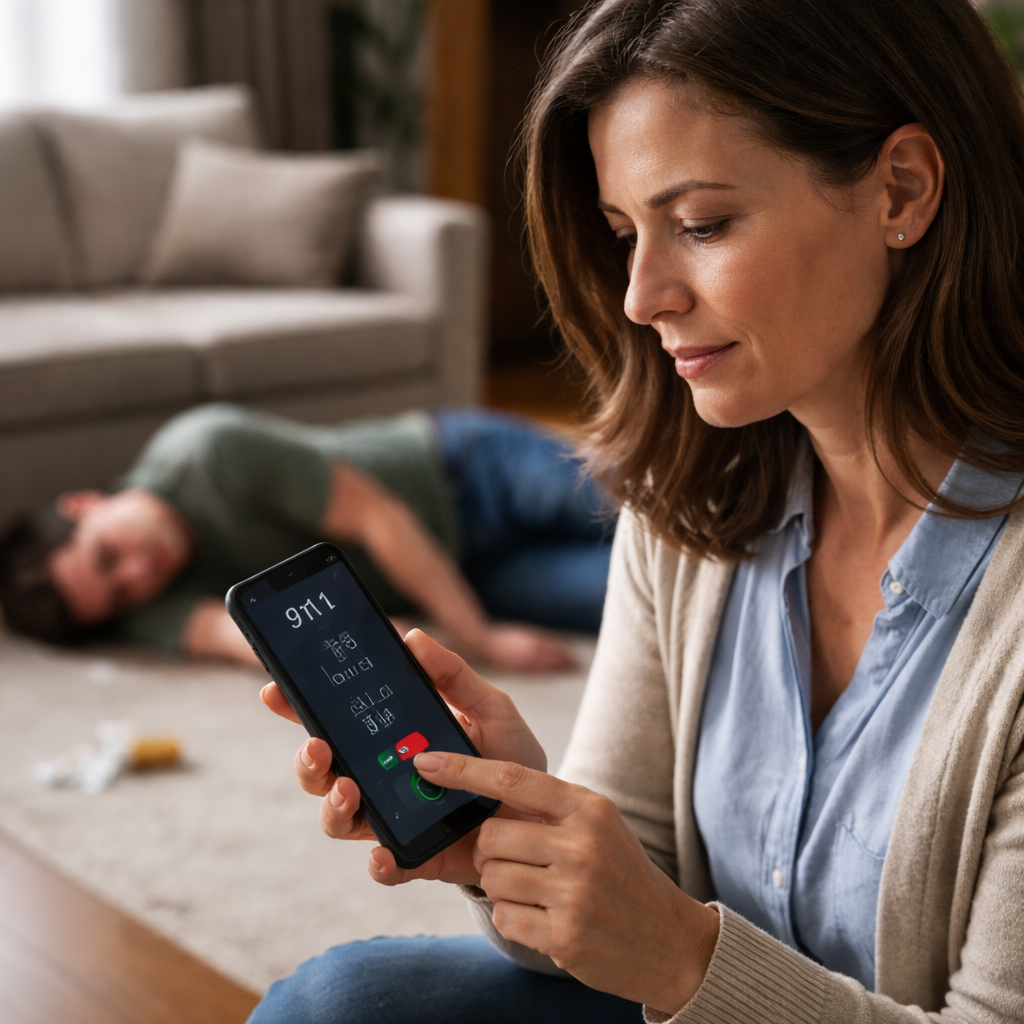
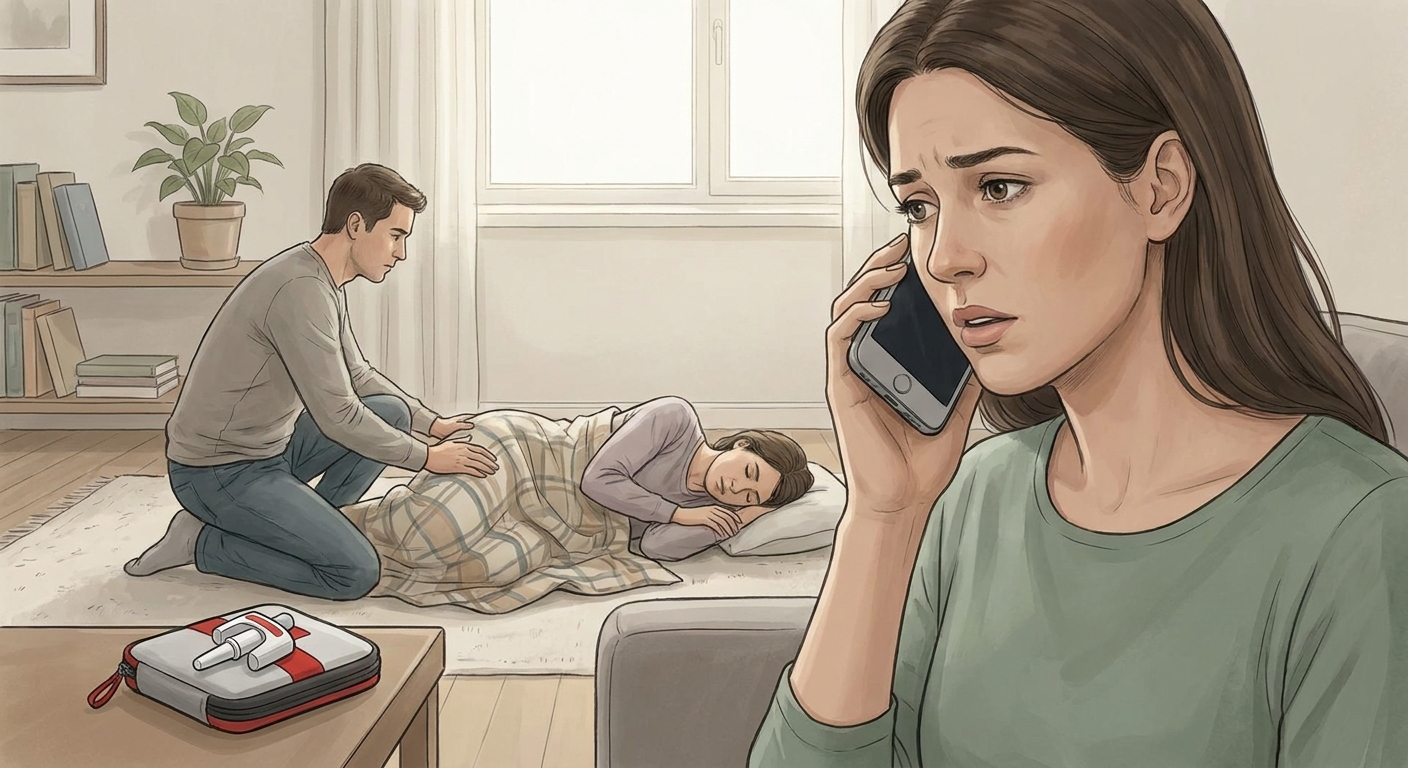
Even if the person wakes up, emergency services still need to evaluate them. Dial 911, stay on the line, and tell the dispatcher you’ve given naloxone, the suspected substance, and any known medical conditions.
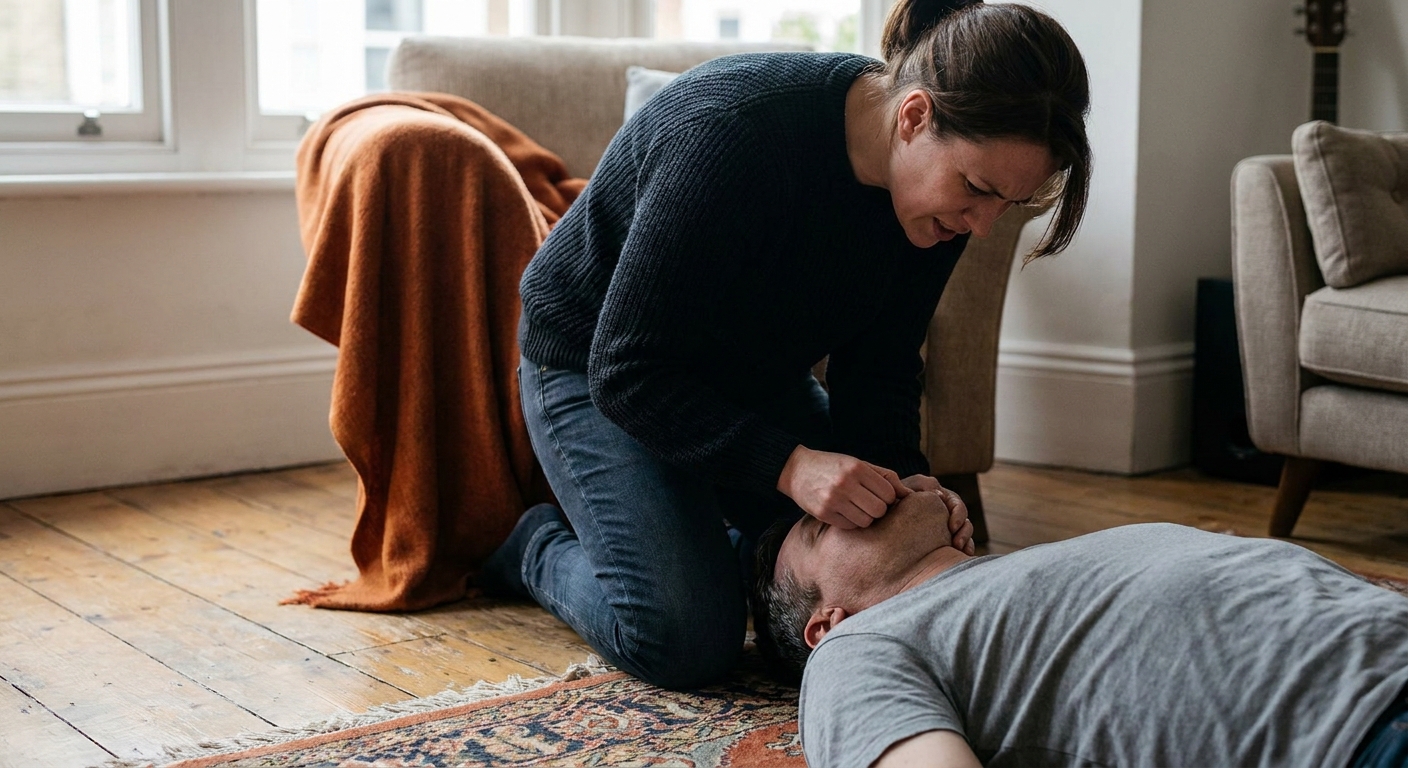
While you wait, keep the person in the recovery position , on their side with the head tilted back. This protects the airway if they vomit.
Check breathing every 30 seconds. If the person stops breathing again, be ready to give a second dose or start rescue breaths.
After EMS arrives, hand over the time and number of doses you administered. This information guides further medical care.
6. Keep Naloxone Accessible at Home , Storage and Expiration Tips
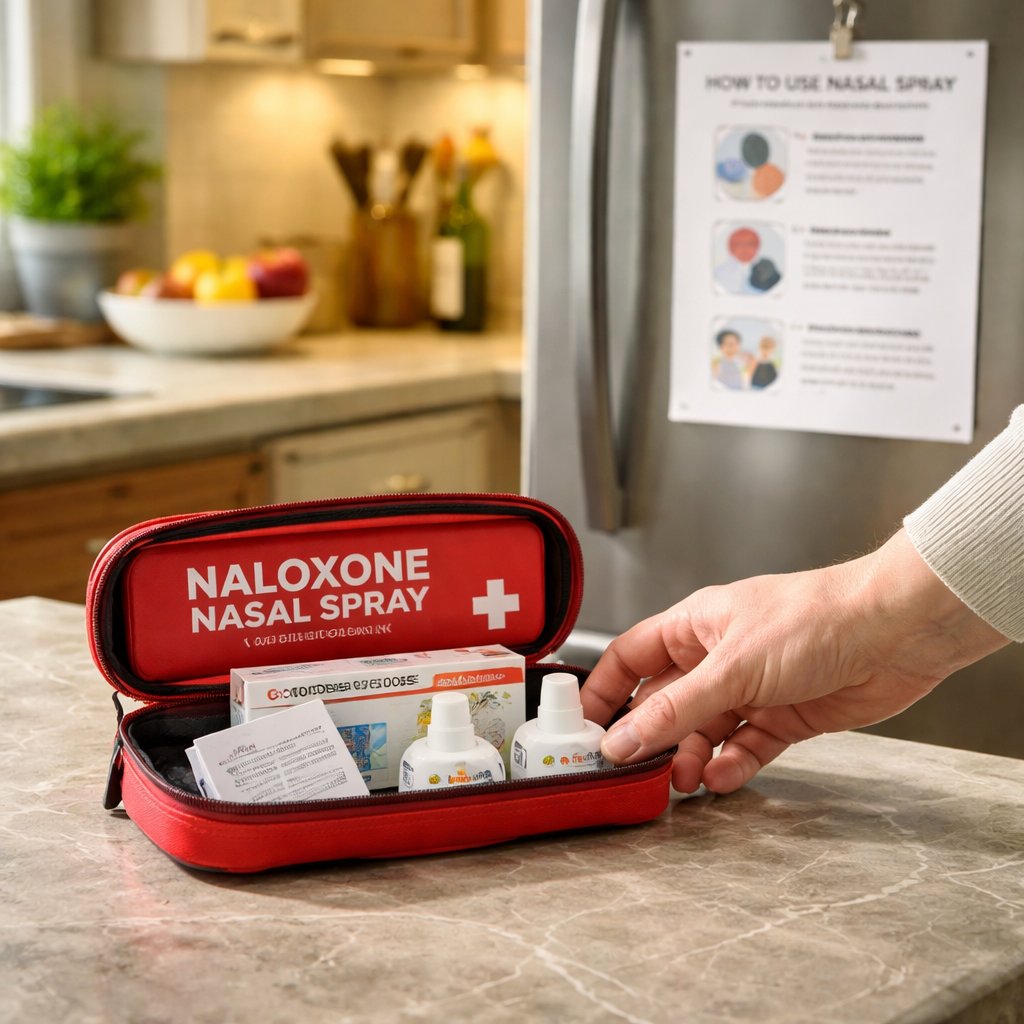
Store naloxone in a cool, dry place away from direct sunlight. A kitchen drawer or bathroom cabinet works if the temperature stays stable.
Write the expiration date on a sticky note and tape it to the kit. Replace the device before it expires , an expired dose may not work.
Consider a second kit in a different location (e.g., a car) so you’re covered if the primary kit is out of reach.
One limitation: some kits lose potency faster in high humidity, so avoid bathroom shelves unless the area stays dry.
7. Get Naloxone Without a Prescription , Insurance and Pharmacy Access
All 50 states now allow pharmacists to dispense naloxone under a standing order, meaning you don’t need a doctor’s script.
Check your insurance , many plans cover the nasal spray at no out‑of‑pocket cost. If not, ask the pharmacist about a discount card.
Some community health centers offer free kits. Call your local health department to learn about state‑specific programs.
Be aware that a few insurers still label naloxone as “non‑formulary,” which can add a small copay.
8. Practice Overdose Response Drills as a Family
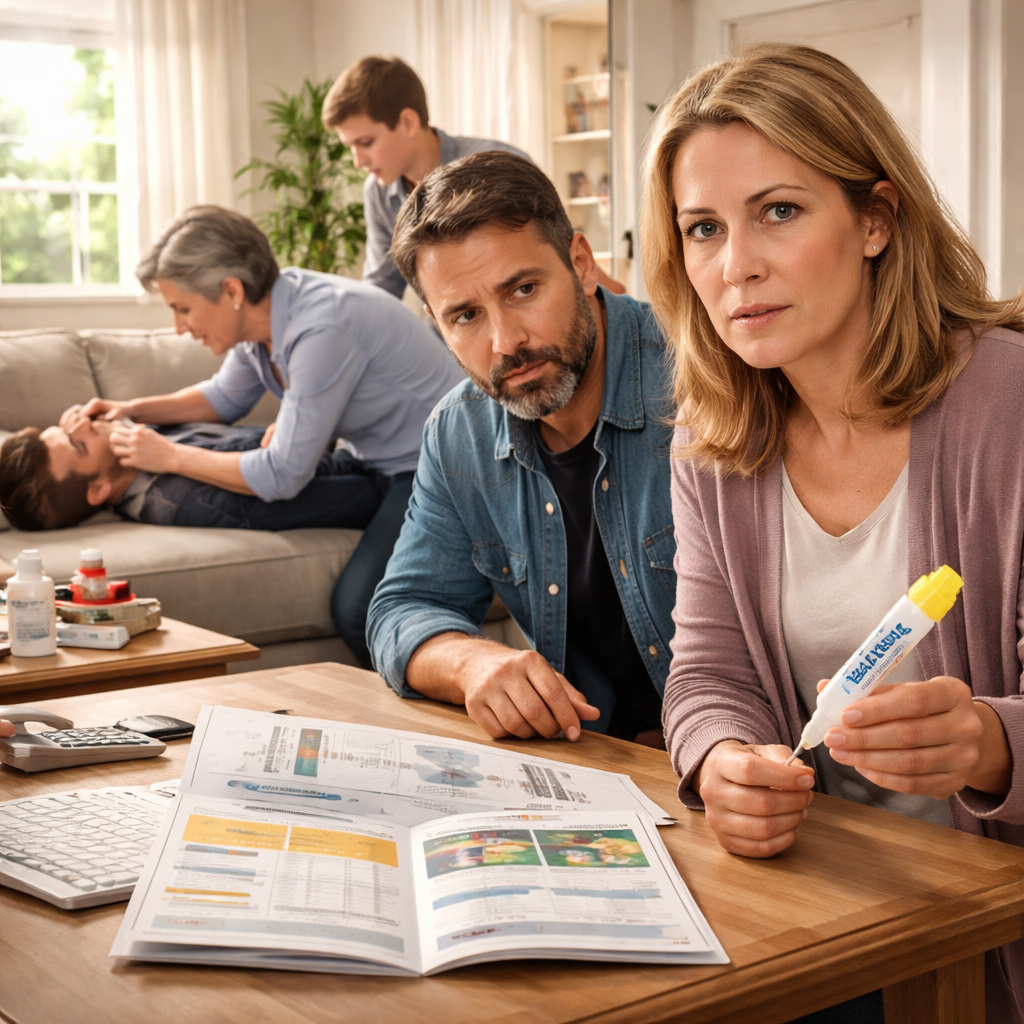
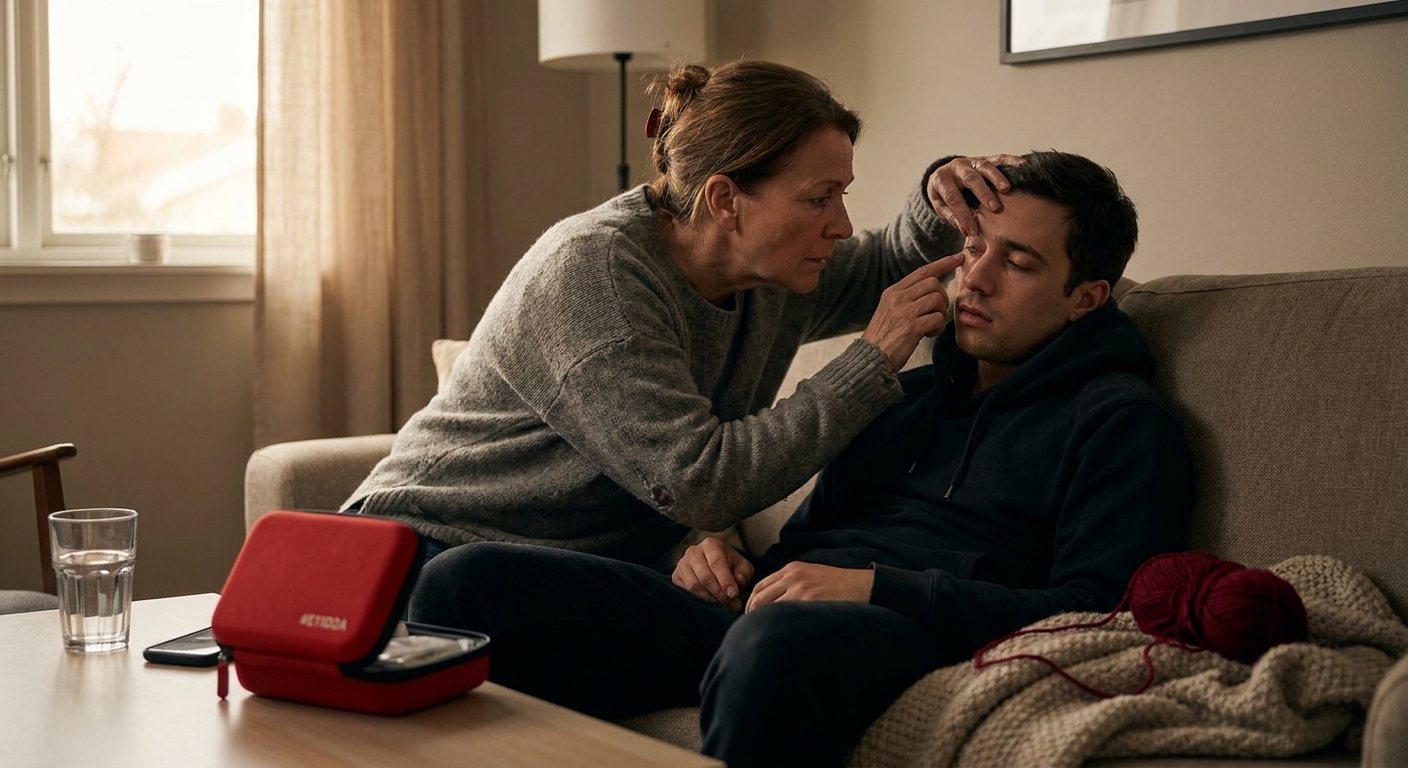
Schedule a short drill once a month. Run through the steps: spot the signs, call 911, grab the kit, administer the dose, then monitor.
Assign roles , who calls, who fetches naloxone, who stays with the person. This reduces panic and speeds up real response.
After the drill, debrief. Talk about what felt clear and what needs tweaking.
Remember, the drill isn’t a rehearsal of the tragedy; it’s a confidence‑building exercise that can save a life.
Overdose Help: A Usable Guide includes a printable drill checklist you can print and post on the fridge.
9. Talk to Your Loved One About Naloxone Without Shame
Start the conversation in a calm, non‑judgmental tone. Explain that naloxone is a safety tool, not an invitation to use.
When you’re clear, the person is more likely to welcome the kit. Answering questions, addressing resistance, and reducing stigma are important steps when discussing naloxone with families.
Use “I’m worried about your safety” rather than “You need help,” to keep the dialogue open.
One downside: the conversation can feel awkward at first, but repeated, honest talks make it normal.
10. Find Emotional Support for Families After an Overdose Event
After the crisis, families often feel shock, guilt, or anxiety. Reach out to a support group or a licensed therapist who specializes in substance‑use trauma.
Next Step Intervention offers a 24‑hour hotline for post‑overdose counseling. Connecting with peers who have lived through similar events reduces isolation.
Consider a follow‑up meeting with a counselor within a week to process emotions and plan next steps.
Beware of “quick‑fix” advice that tells you to move on immediately; healing takes time.
Emergency Drug Intervention Plan for Families provides a template for ongoing support.
Quick Comparison: Naloxone Formats at a Glance
How to Choose a Family Naloxone Plan , Checklist
- Confirm state standing‑order or prescription status.
- Pick a format that matches your comfort level (spray vs injector).
- Store kits where every adult can reach them quickly.
- Set expiration reminders on your phone.
- Schedule monthly drills and a post‑event debrief.
FAQ
What should I do first if I suspect an overdose?
Call 911 immediately, then locate and prepare the naloxone kit while staying with the person.
How long does naloxone’s effect last?
Its action peaks within two minutes and can wear off after 30‑90 minutes, so the person may need another dose and medical evaluation.
Can I use a naloxone kit that’s expired?
No. An expired dose may not work, so replace kits before the printed expiration date.
Do I need a prescription to get naloxone?
Most states allow a pharmacist to dispense it under a standing order, so a prescription isn’t required in many areas.
Is it safe to give naloxone to someone on medication for chronic pain?
Yes. Naloxone only reverses opioid effects and does not affect non‑opioid pain meds, but you should still inform emergency responders about all medications.
Ready to protect your family? Visit Next Step Intervention, call (949) 545‑3438, and set up a free training session today.