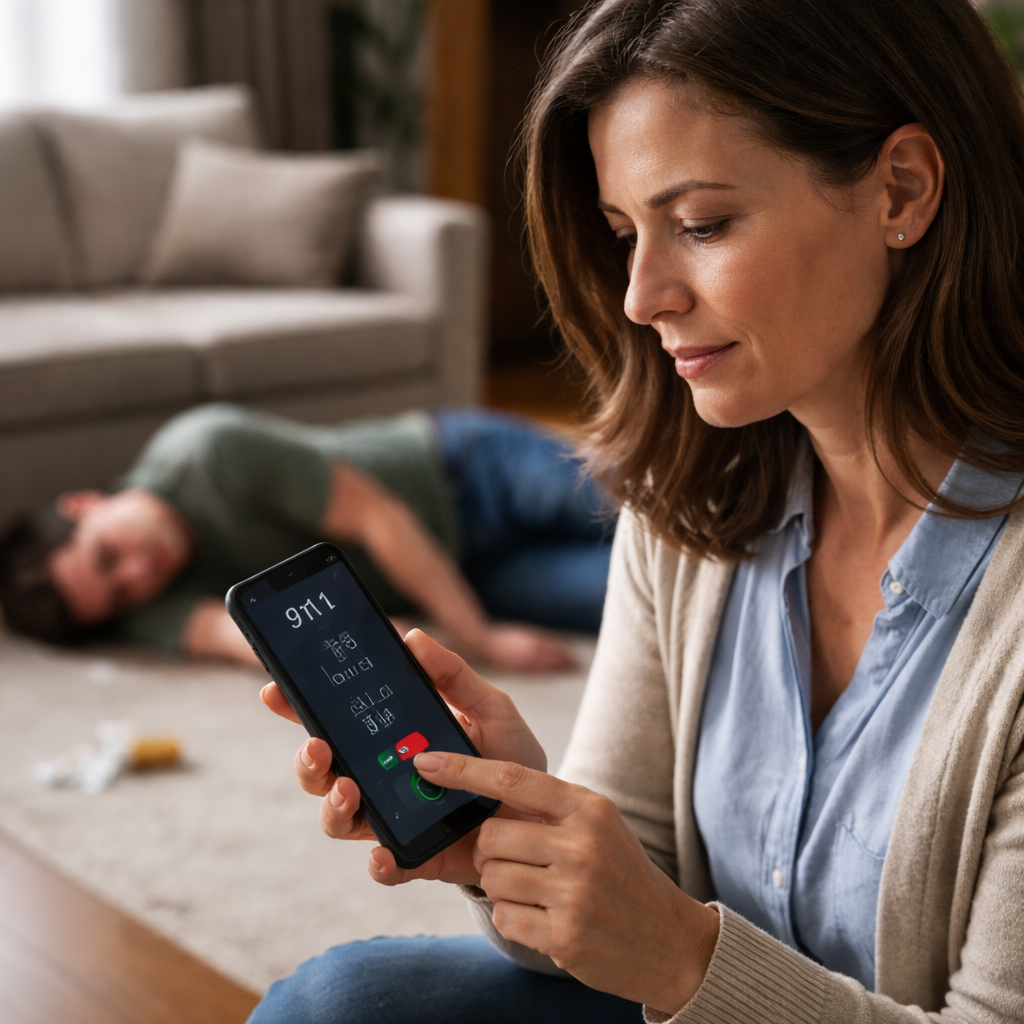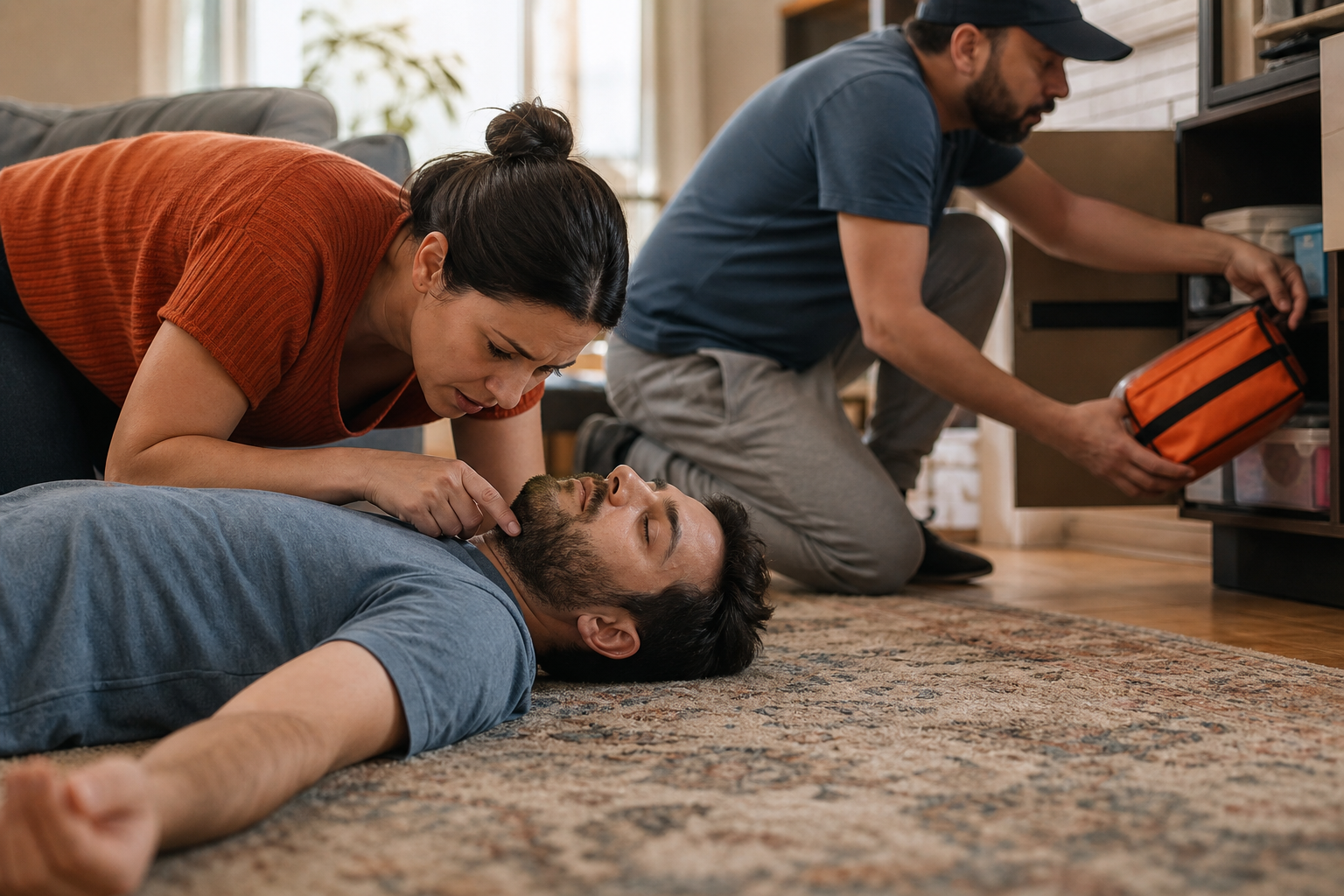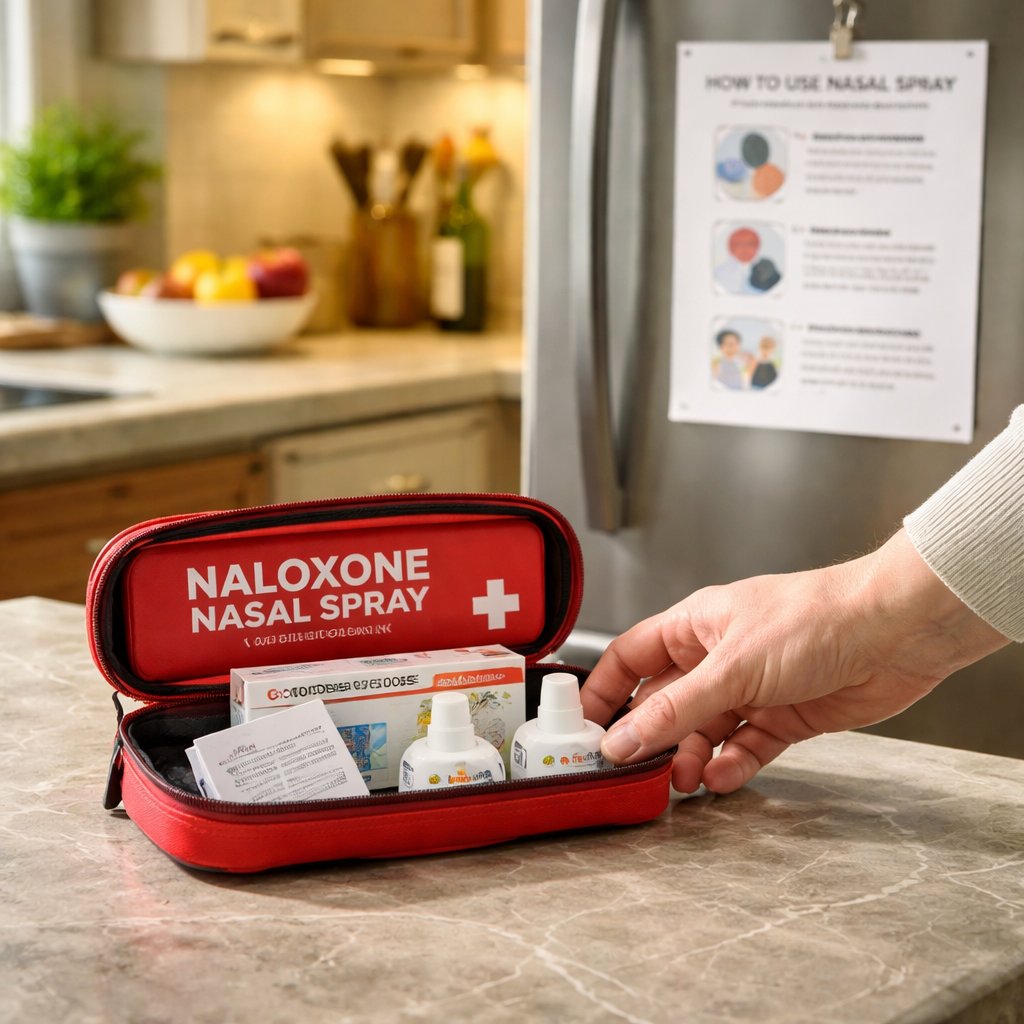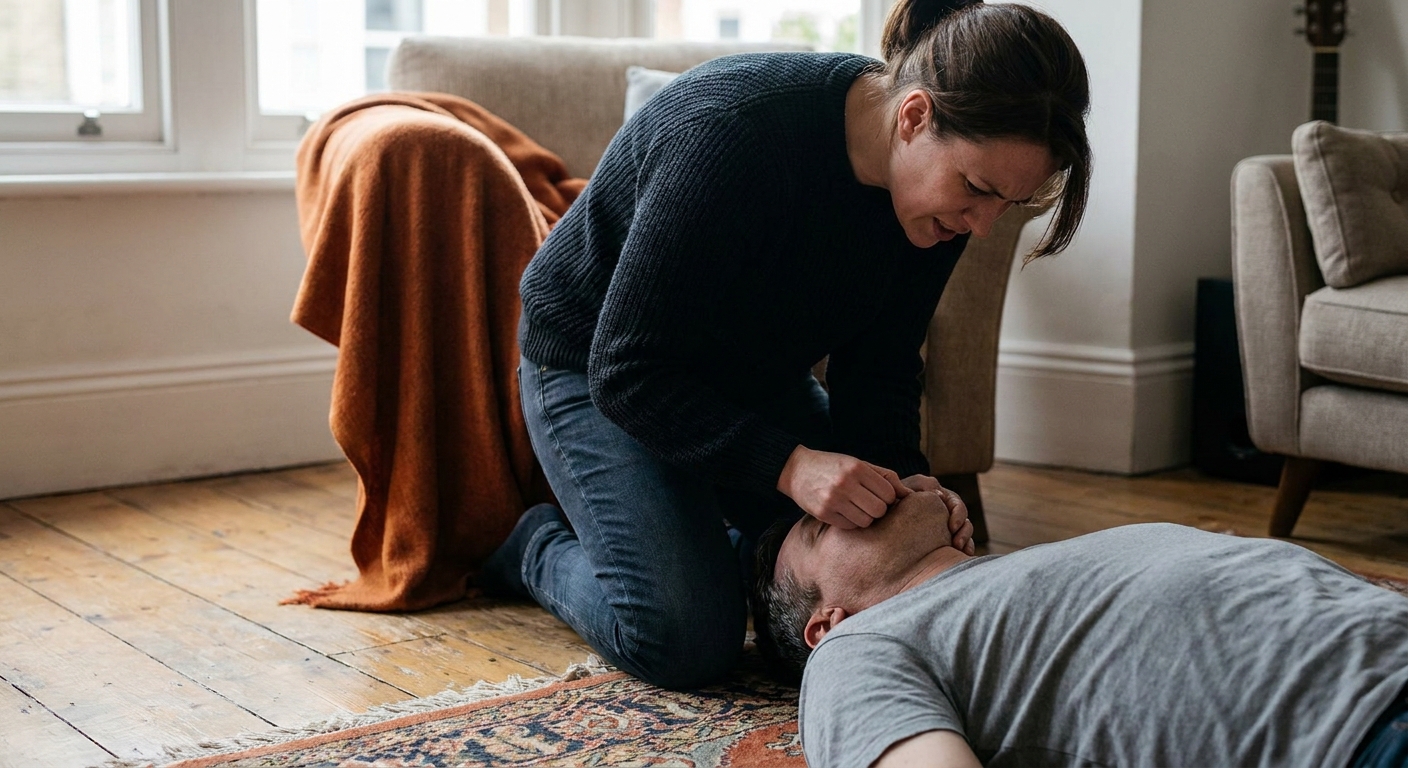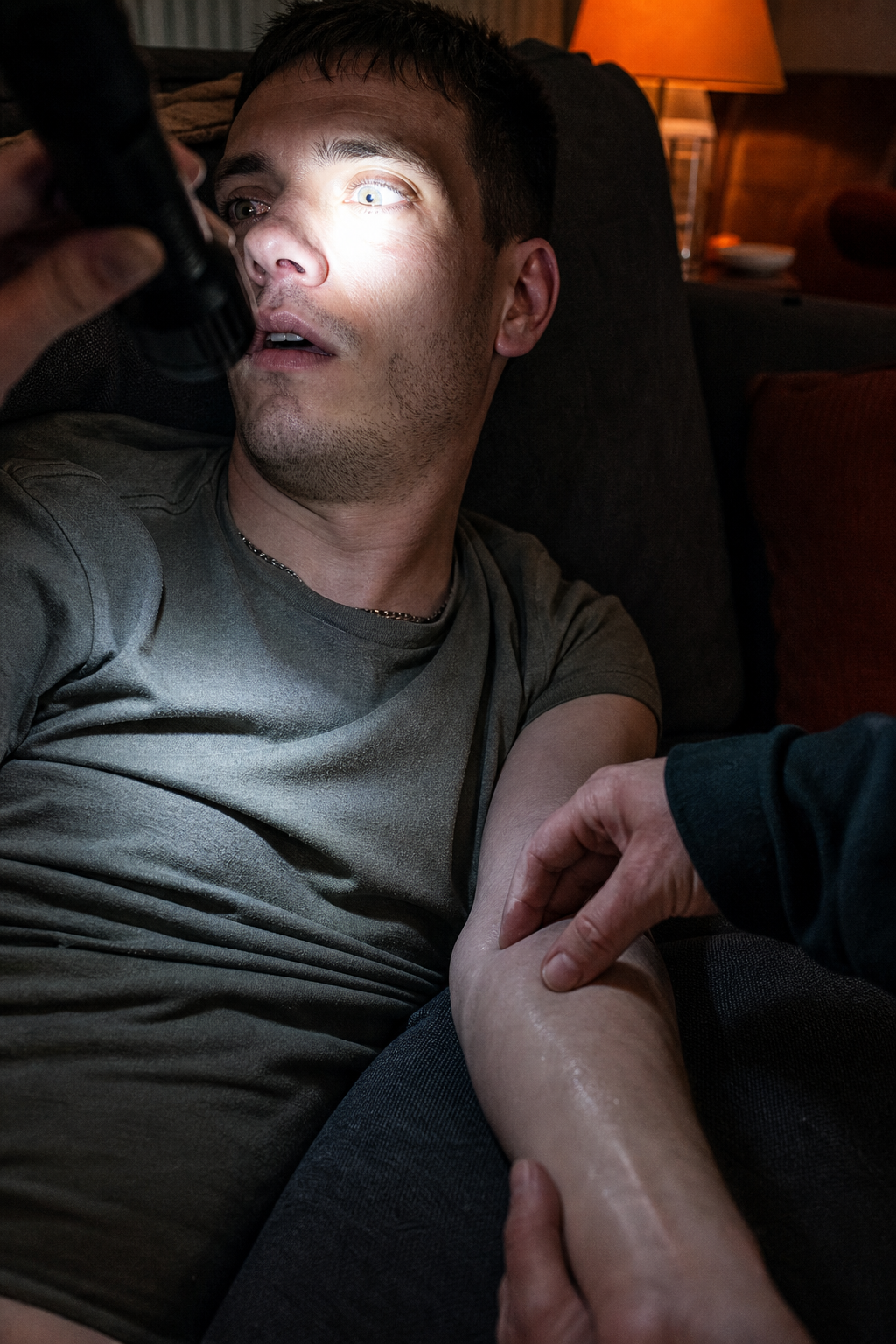
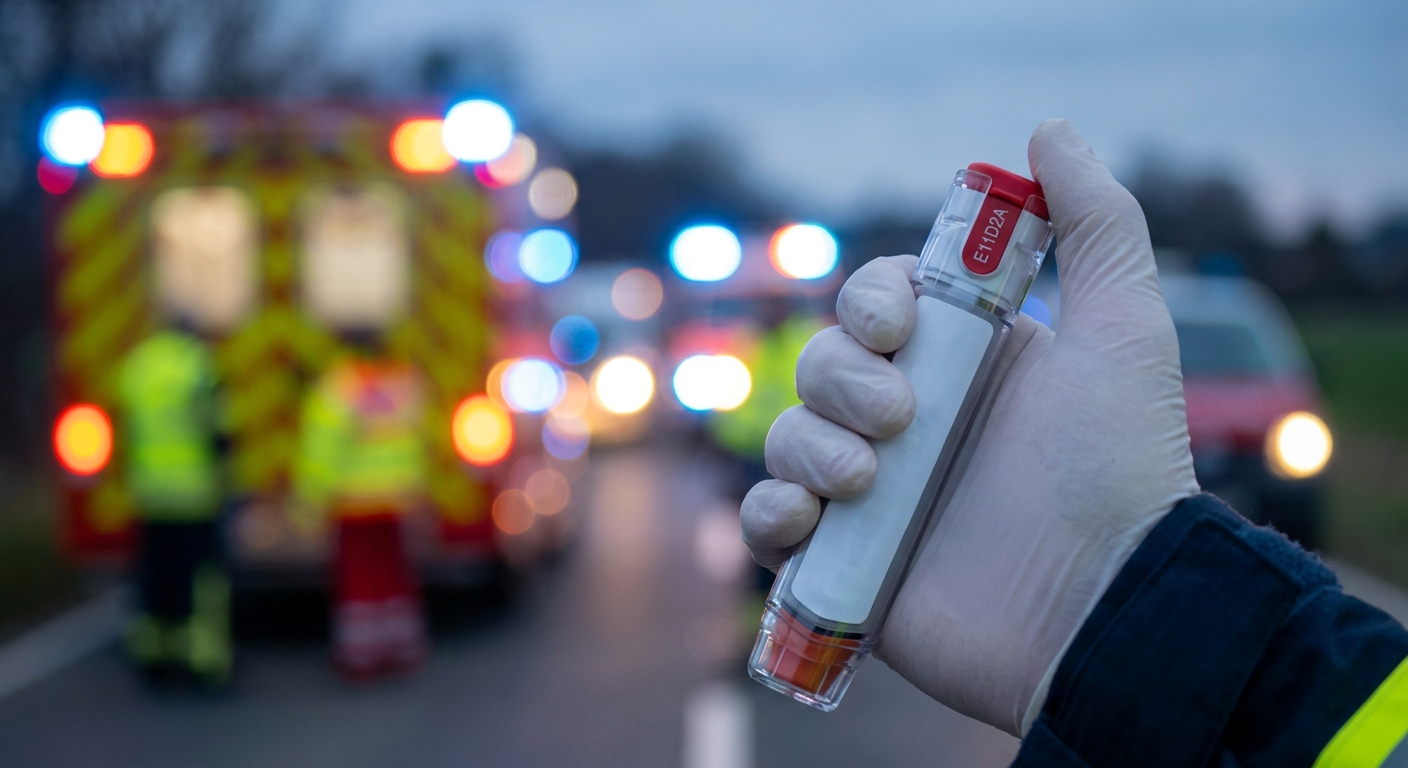
Every second counts when an opioid overdose happens, and the right dose of naloxone can save a life. Below is a short list of the most useful dosage options you can rely on right now.
1. Next Step Intervention , Professional Emergency Response & Naloxone Kit
Next Step Intervention offers a free, state‑supported overdose kit that includes a nasal spray, test strips for fentanyl and xylazine, and bilingual instructions. It’s aimed at families and community groups that need quick, reliable access to naloxone. The kit follows a state public health protocol, which recommends calling 911 first, then administering the spray if the person shows shallow breathing or pinpoint pupils. State public health guidelines note that the spray delivers a fixed 4 mg dose, enough for most opioid overdoses while limiting the risk of severe withdrawal.
Because the kit is free and includes test strips, it helps responders distinguish fentanyl‑related cases that may need higher repeat doses. Detailed usage instructions are available on the Next Step Intervention website. The only caveat is that you must keep the kit stored at room temperature and replace it before the expiration date.
2. Intranasal Naloxone Spray, Easy Intranasal Administration
Intranasal naloxone spray is a widely recognized option. It delivers a pre‑measured 4 mg dose that can be given through clothing, making it ideal for by‑standers with no medical training. The spray’s bioavailability is about 50 %, but the rapid onset, usually within one to two minutes, covers the majority of opioid overdoses, including heroin and prescription painkillers.
Research shows that intranasal administration works as well as injectable routes in pre‑hospital settings, though a second dose may be required more often.
The spray is easy to carry, and its single‑dose design eliminates dosing errors. A limitation is that it may not be strong enough for synthetic opioid overdoses such as fentanyl, where clinicians often start at 10 mg IV.
3. Single‑Dose Autoinjector Device
An autoinjector delivers a pre‑measured dose of naloxone intramuscularly with a single push. The device includes visual and audio cues to guide users, and the needle retracts automatically for safety.
It is useful for individuals who prefer not to handle needles, as the injection is performed automatically. Clinical guidance notes that a standard dose can reverse many opioid overdoses, though additional dosing may be required for high‑potency opioids.
One consideration is the cost relative to other delivery forms, and the device is intended for single‑use only.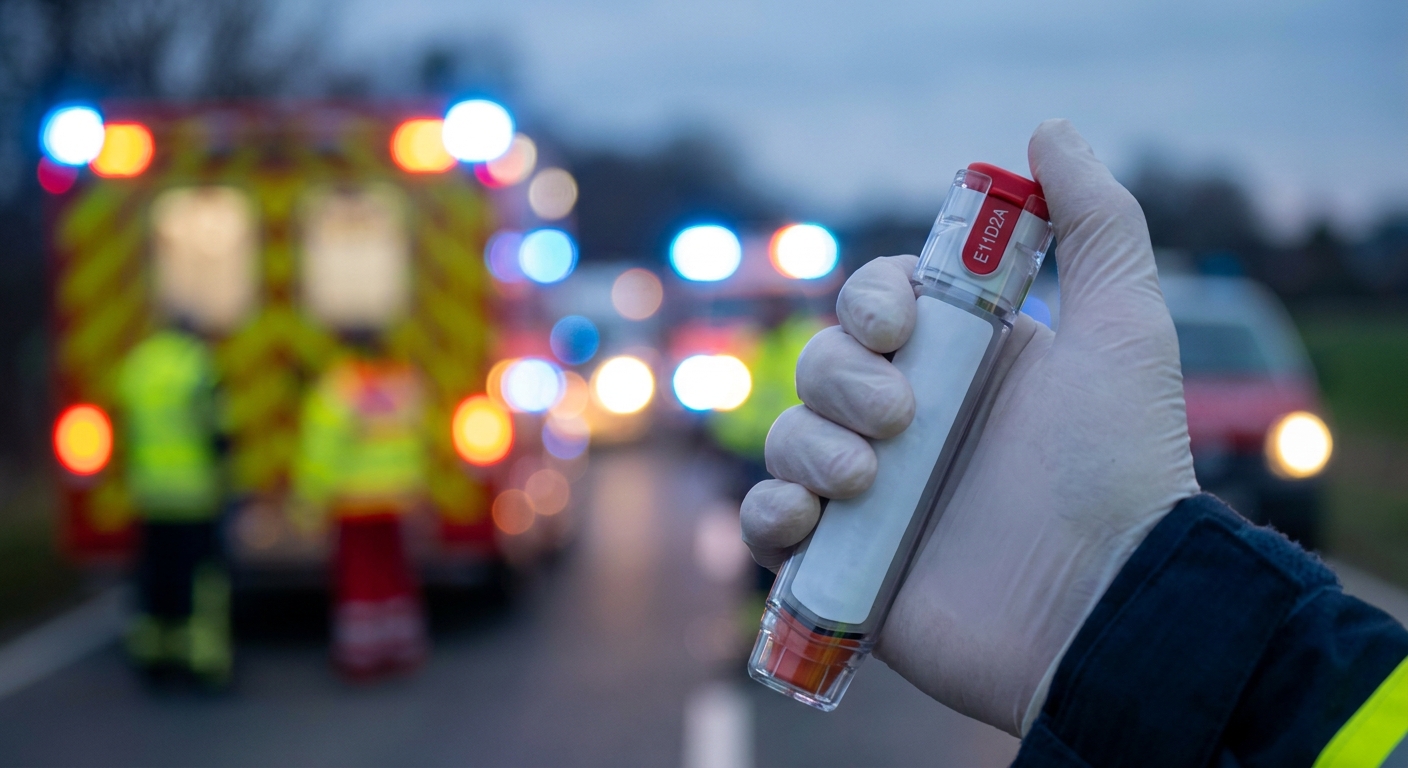
Injectable Naloxone (Ampoule) – Flexible IV/IM Dosing
Standard ampoules contain 0.4 mg/mL naloxone and can be drawn into a syringe for IV or IM injection. This format gives clinicians the ability to titrate the dose from as low as 0.04 mg for opioid‑dependent patients up to 10 mg for fentanyl overdoses.
Because you control the exact amount, you can avoid precipitating severe withdrawal in chronic users while still achieving rapid reversal. The downside is that it requires a needle, a clean injection site, and basic training, factors that limit its use by laypersons.
When using an ampoule, always check for cloudiness or particles before drawing the dose; discard if the solution looks abnormal.
For families interested in learning the injection technique, What to Do After Overdose at Home provides a clear, step‑by‑step walkthrough.
5. Flexible Naloxone Administration Kit
This kit includes a mucosal atomizing device paired with a standard‑strength ampoule, allowing naloxone to be given intranasally or by syringe. It offers responders the flexibility to choose the most appropriate route in the field.
The kit’s versatility is its greatest advantage, but the additional components require proper assembly under pressure. A brief practice session can mean the difference between a smooth delivery and a missed dose.
6. Weight‑Based Dosing Kit, 0.1 mg/kg Formulation
Children require dosing based on weight rather than a fixed amount. This kit provides pre‑measured vials that deliver 0.1 mg of naloxone per kilogram of body weight, aligning with pediatric dosing guidelines.
The formulation reduces the risk of overdose in small patients while still providing enough antagonist to reverse respiratory depression. It’s packaged with clear charts that list the required volume for common weight ranges.
A limitation is that the kit is less common in retail settings; you’ll often need to request it through a hospital pharmacy or a community health program.
7. High‑Dose Naloxone Protocol
For people with long‑term opioid dependence, a higher initial dose can prevent rapid withdrawal symptoms that lead to agitation or combativeness. This approach uses a 4 mg pre‑filled syringe, which is double the typical 2 mg starter dose used by many first‑responders.
Higher initial doses may reduce the need for multiple repeat doses, though clinicians still monitor for signs of severe withdrawal.
The main caution is the increased chance of precipitated withdrawal, so you should be ready to manage agitation with calming measures or, if needed, short‑acting benzodiazepines under medical supervision.
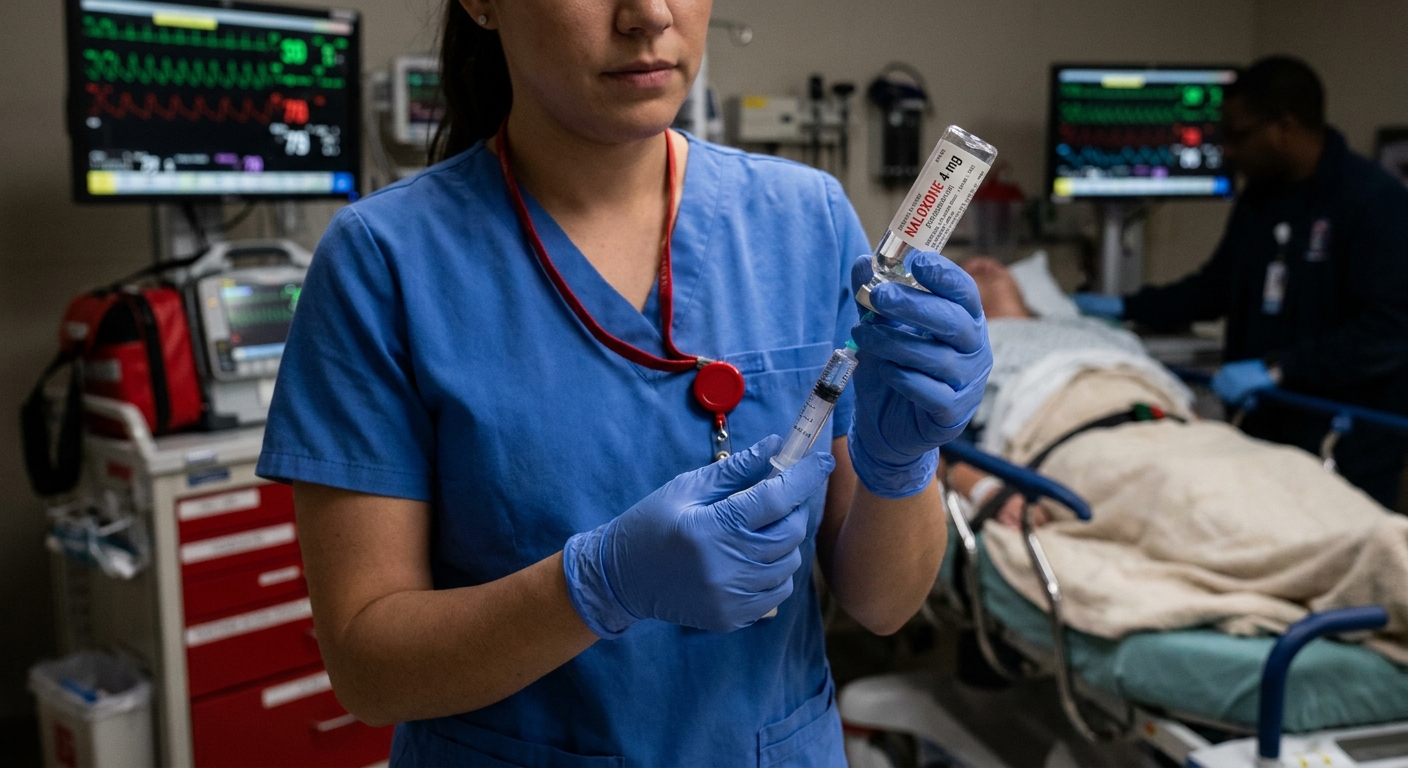
8. Naloxone IV Infusion for Prolonged Overdose
When the opioid’s half‑life exceeds that of naloxone, an IV infusion can maintain therapeutic levels. The infusion can be prepared to a concentration such as 4–8 µg/mL and administered with an adjustable pump based on patient response.
This approach is common in hospital settings for severe fentanyl or carfentanil exposures. The PDR notes that the solution must be clear and free of particles; any discoloration signals contamination and the bag should be replaced.
Infusion requires an IV line and a pump, so it’s not usable for most by‑standers. It is, however, a lifesaver for patients who need prolonged monitoring after the initial reversal.
For families who want a quick reference on how to track doses, Top Quick Checklist for Family Drug Crisis offers a printable guide. Call now at (949) 545‑3438 or visit Next Step Intervention for immediate assistance.
9. Naloxone emergency response kit, guidelines for use during CPR
When opioid overdose leads to out‑of‑hospital cardiac arrest, EMS teams can administer naloxone alongside standard ACLS protocols. Studies have shown that administering naloxone during resuscitation can improve return of spontaneous circulation and neurological outcomes.
The kit pairs a naloxone auto‑injector delivering a standard dose with a clear instruction card that tells responders to give the dose after the first rhythm check, then continue CPR. The evidence suggests that even a modest dose can improve oxygenation once the airway is opened.
One caution: if epinephrine is also needed, the timing of naloxone may affect drug interactions, so providers should follow the latest professional guidance.
10. Over‑the‑Counter Nasal Spray (Non‑Prescription) , Community Access Option
The FDA recently approved an over‑the‑counter 4 mg naloxone nasal spray, making it the first non‑prescription product of its kind. This move expands access to pharmacies, convenience stores, and even online retailers, removing the barrier of a doctor’s script.
According to the FDA announcement, the spray maintains the same safety profile as the prescription version, but manufacturers must include clear pictograms so users can apply it without supervision. FDA OTC approval press release
The main limitation is cost; while the drug is now available without a script, insurers may still require a prescription for reimbursement. Nonetheless, it represents a major step toward community‑wide overdose reversal.
Comparison of the 10 Naloxone Options
Frequently Asked Questions
What is the typical adult dose of naloxone?
The usual starting dose for an adult is 0.4 mg to 2 mg given intravenously or intramuscularly. If the patient does not respond, repeat the dose every 2, 5 minutes up to a total of about 10 mg for high‑potency synthetic opioids.
How do I know which naloxone form to use for a child?
For children, dose by weight at 0.1 mg per kilogram of body weight. Kits that provide pre‑measured vials for common weight ranges make this calculation easy and reduce dosing errors.
Can I give naloxone to someone who isn’t opioid‑dependent?
Yes. Naloxone is safe for anyone; if opioids are not present, it simply has no effect. The risk of side‑effects is low, but you should still monitor the person for any changes.
What should I do after the person wakes up?
Call emergency services even if breathing returns. Keep the person seated upright, offer water once fully awake, and watch for signs of re‑sedation for at least an hour. A follow‑up medical evaluation is recommended.
Is naloxone covered by insurance?
Many plans cover prescription naloxone, and some states have Medicaid programs that provide it at no cost. The new OTC spray may be reimbursed only if a prescription is still filed, so check with your insurer.
Looking for a deeper look at overdose response? Check out our Emergency Drug Intervention Plan for Families to build a complete safety net at home.