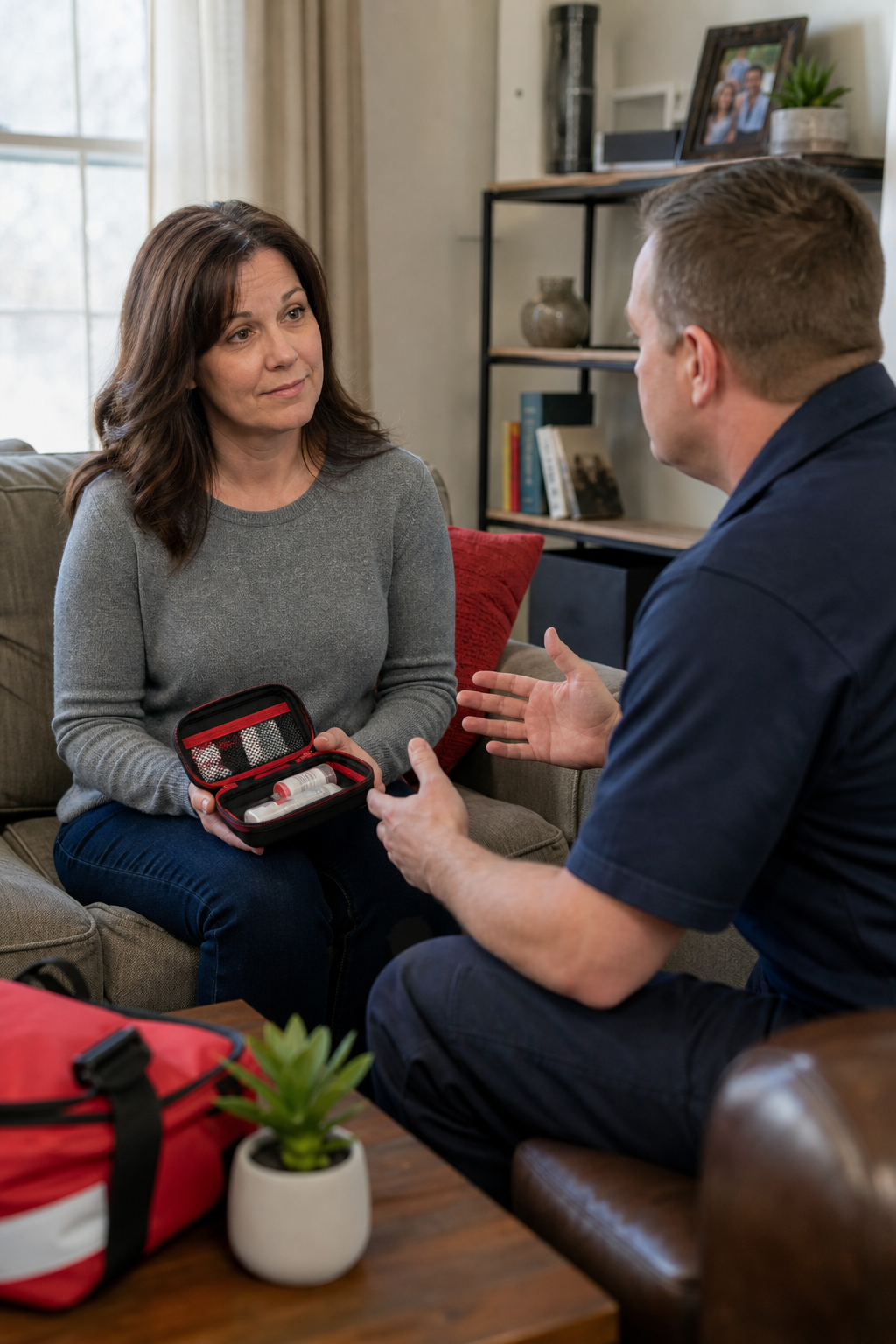

Imagine sitting at the kitchen table, heart pounding, wondering if today is the day you finally break the cycle. You’ve tried gentle nudges, late‑night talks, even subtle hints, but the pattern keeps looping. Does it feel like you’re stuck on repeat, waiting for a sign to start an intervention?
What if the first step isn’t a grand speech but a simple, concrete habit that turns anxiety into action? In our experience, families who begin with a clear, data‑driven observation list find the conversation less confrontational and more collaborative. Grab a notebook, jot down three specific moments from the past two weeks – a missed appointment, a late‑night call, a visible change in mood. Include the date, time, and how it affected you or the family. This tiny log becomes the backbone of your opening line.
Next, assemble a tiny, trusted crew. You don’t need a courtroom; you need four people who can stay calm when emotions flare – maybe a sibling who knows the day‑to‑day routine, a close friend who can speak compassionately, and a professional interventionist to keep the dialogue on track. A quick 15‑minute check‑in with each person confirms commitment and clarifies roles. When everyone knows their part, the room feels like a support circle rather than a battleground.
Choose a neutral space where the person feels safe – a living‑room couch, a quiet coffee shop, or even a park bench on a calm afternoon. Light a scented candle or place a warm drink on the table; subtle sensory cues lower defenses. Then, draft a three‑sentence script: start with love (“We care about you”), share one factual observation from your log, and end with a single, actionable ask (for example, “Would you be willing to call the intake line tomorrow at 2 p.m.?”). Practice the script with your team so it sounds natural, not rehearsed.
When the moment arrives, breathe deeply, make eye contact, and deliver the opening line calmly. Listen without interrupting, validate feelings, and then present the concrete next step. Having the printed contact card or a pre‑filled intake form in your hand makes the offer feel real and immediate.
For a step‑by‑step walkthrough that covers every detail – from logging observations to choosing the perfect venue – check out our guide on how to do a family intervention. And if you’re looking for a tangible reminder of your commitment, this practical guide on a sober‑journey graphic tee can give you a visual badge of solidarity: Sober Journey Graphic Tee guide.
TL;DR
Start an intervention by gathering a calm, trusted crew, logging concrete observations, and choosing a neutral, comfortable spot where love leads the conversation.
Then, rehearse a three‑sentence script—love, fact, clear ask—so you can deliver it naturally and move straight to a specific next step, like scheduling a call with a professional today.
Step 1: Recognize the Need for an Intervention
So you’re staring at the same old pattern: missed appointments, late‑night calls, a mood that seems to swing like a weather vane. It feels like you’re stuck on repeat, right? That gut‑tightening feeling you get when you wonder whether you should step in at all is actually the first clue that it’s time to recognize the need for an intervention.
In our experience, the moment you can name the behavior, rather than just label it “bad,” is the moment the conversation shifts from vague worry to concrete action. Grab a notebook, a phone, or even a simple spreadsheet. Write down three specific incidents from the past two weeks—date, time, what actually happened, and how it rippled through the family.
Here’s why that matters: concrete observations turn “I think something’s wrong” into “Look, on March 3rd at 7 p.m. you missed your therapy session, and it left Mom feeling anxious and exhausted.” When you can point to facts, the other person can’t brush it off as a “misunderstanding.”
Now, pause and ask yourself: do I feel a genuine sense of concern, or am I reacting out of frustration? That emotional check‑in is the second piece of the puzzle. If you’re feeling love mixed with worry, you’ve got the right motivation. If it’s mostly anger, you might need a little time to cool down before you move forward.
Once you’ve logged those moments, share them with one trusted ally—a sibling, a close friend, or a counselor. Their perspective acts like a mirror; if they see the same red flags, you’ve built a tiny support crew that can keep the tone compassionate instead of accusatory.
Notice the video above walks through a quick “observation‑log” exercise. It’s a handy visual reminder that you don’t need a fancy app—just a pen and a few minutes of focused writing.
After you’ve got the facts and a supportive voice, it’s time to ask the big question: is the behavior crossing the line from a habit to a crisis? Look for signs like escalating frequency, increased secrecy, or any hint of self‑harm. If those red flags show up, you’ve officially crossed the threshold that warrants an intervention.
One practical way to solidify that decision is to create a simple “readiness checklist.”
1️⃣ Identify the specific behaviors that need change.
2️⃣ List three realistic treatment options (out‑patient counseling, a rehab program, a 24‑hour crisis line).
3️⃣ Choose who will speak first and what they’ll say.
4️⃣ Draft a one‑sentence opening line that starts with love.
When you look at that checklist, you’ll see the path ahead start to clear up. It’s not a courtroom; it’s a caring circle. And if you ever feel stuck, a quick browse of holistic wellness resources can give you fresh ideas for supportive activities—check out XLR8 Well’s wellness tips for inspiration on creating a calming environment.
Remember, recognizing the need isn’t about pointing fingers; it’s about honoring the love you have for the person and the health of the whole family. The more precise your observations, the easier it becomes to move into the next step—drafting that three‑sentence script that feels natural, not rehearsed.
Take a breath, look over your notes, and give yourself permission to feel both hopeful and nervous. That blend of emotions tells you you’re human, and it also tells you you’re ready to act.

Step 2: Assemble the Intervention Team
Okay, you’ve got the facts on the table and you’ve decided it’s time to act. The next question is: who’s going to be in the room when you finally have that conversation? Picking the right crew is like choosing the right band for a gig – you need the right mix of talent, temperament, and timing.
First, make a quick list of everyone who genuinely cares and can stay calm when emotions run high. In our experience, a team of four to six people works best: a close family member who knows the day‑to‑day routine, a trusted friend who can speak from the heart, someone with a bit of professional muscle (a licensed interventionist or counselor), and an “anchor” – a person whose sole job is to keep the atmosphere steady.
But how do you know if someone’s the right fit? Ask yourself three simple questions:
- Can they listen without jumping to judgment?
- Do they have concrete observations to share, not just opinions?
- Are they willing to commit a few minutes for a rehearsal and the actual meeting?
If the answer is yes, move them to the next step. If you’re unsure, have a short 5‑minute chat to gauge their comfort level – it’s better to replace a shaky player now than during the intervention.
Once you have a shortlist, assign clear roles. Here’s a practical breakdown:
| Role | What they do | Key tip |
|---|---|---|
| Facilitator | opens the conversation, sets the tone | Use a simple, loving opener – no courtroom drama |
| Story‑teller | shares one concrete observation (date, time, impact) | Stick to facts, avoid “you always” language |
| Resource‑provider | brings printed treatment options, phone numbers, insurance info | Have a one‑page handout ready |
| Emotional anchor | steps in if tension spikes, validates feelings | Practice a calming phrase like “I hear you” |
| Check‑in champion (optional) | follows up 48‑hours after the meeting | Send a brief text confirming next steps |
Give each person a one‑page briefing that includes their role, a short script, and the time they’ll speak. This tiny document prevents surprises and keeps everyone on the same page.
Now, run a 15‑minute rehearsal. Set a timer for each speaker (30‑45 seconds is plenty). Practice transitions like, “Now I’ll hand it over to…” and watch for any nerves. The rehearsal is where you discover if someone’s likely to freeze or drift off topic.
Real‑world example: Maria, a mother in Los Angeles, invited her son’s former high‑school coach, her sister, and a licensed interventionist. The coach supplied a neutral, respected voice; the sister offered daily observations; the interventionist kept the conversation on track. After a brief rehearsal, the team felt confident, and the son agreed to an intake the very next day.
Another scenario: A family in Austin tried to include a well‑meaning cousin who was still dealing with his own recovery. During rehearsal, he kept slipping into “I know how you feel” stories, which derailed the flow. The family respectfully asked him to step back and replaced him with the family’s therapist, who could stay objective. The switch made the actual meeting smoother and reduced defensive reactions.
Logistics matter, too. Pick a neutral location where the person feels safe – a living‑room couch, a quiet coffee shop, or a community‑center meeting room. Make sure the space is free of distractions (no TV, no phones ringing). If you’re meeting at home, lock the door to prevent interruptions.
Don’t forget to bring tangible resources: printed brochures, a list of local treatment centers, and a written commitment card where the person can sign a simple next‑step agreement. Seeing paper in hand makes the offer feel real.
When you’re ready to lock everything in, use a checklist. Checklists keep you from forgetting the little things that make a big difference.
- ☑ Confirm each team member’s role and rehearsal time.
- ☑ Print and bind the resource handout.
- ☑ Choose a neutral venue and set a date (ideally when the person is sober).
- ☑ Prepare a one‑page commitment card.
- ☑ Set a 48‑hour follow‑up reminder for the check‑in champion.
And remember, you don’t have to go it alone. If you need a professional to help you fine‑tune roles or craft the script, How to Stage an Intervention: Step‑by‑Step Guide for Families walks you through the exact process.
Finally, think about the broader picture of health. An intervention is a big step, but sustained recovery often needs ongoing wellness support. Pairing your plan with proactive health resources, like those offered by XLR8well, can give your loved one tools for stress management, nutrition, and relapse prevention after the initial conversation.
So, who will you invite to your crew? Grab a notebook, map out roles, run that quick rehearsal, and you’ll turn a daunting moment into a coordinated, compassionate effort.
Step 3: Plan the Logistics of the Intervention
Let’s get real about logistics. You’ve handled the heart and the plan, but now you’ve got to land this in the real world. You’ll turn intentions into an actual moment that feels possible, not performative.
So what should you lock in first? In our experience, the backbone of a smooth intervention is the logistics: date, venue, roles, and a simple, repeatable script. Get these right, and the room stays calm even when the conversation gets tough.
Lock in the date, venue, and time
Pick a window when the loved one is most likely sober and able to listen. Block 60–90 minutes so you’re not rushed. Choose a neutral space—a living room, quiet café, or community room—where distractions are minimal and people feel safe.
Does this feel like overkill? Not really. Clear timing helps people settle in, and a calm setting reduces chances of protective defensiveness spiraling the talk off track.
Assemble your playbook: roles and scripts
- Facilitator opens the conversation with a warm, simple opener—no courtroom vibes.
- Story‑teller shares one concrete observation (date, time, impact) without blaming language.
- Resource‑provider brings printed treatment options, contact numbers, and next steps.
- Emotional anchor sits in if tensions rise, validating feelings and grounding the room.
- Check‑in champion (optional) follows up 48 hours after the meeting to keep momentum.
Give each person a one‑page briefing that includes their role, a short script, and when they’ll speak. Then run a quick 15‑minute rehearsal to test timing and transitions.
Prepare tangible materials you can hand over
Print out treatment options, an accessible list of local centers, and a simple commitment card. The more concrete the handouts, the less the room feels like a tease and more like a real pathway.
Also gather a small, portable packet: a printed agenda, a map to the clinic, and a quick “what to say” cheat sheet. People remember feel and format—so give them something real to hold.
Run a quick rehearsal to test the flow
Practice matters. Do a 10–15 minute run‑through where each speaker stays within 30–45 seconds. Work transitions—“Now I’ll hand it to…”—until the tempo feels natural, not robotic.
Think about a backup plan. If someone freezes, who steps in? If emotions spike, what’s your pause point and who calls the break?
Safety nets and crisis planning
You’re planning for the worst while hoping for the best. Have a quick crisis protocol: breathing prompts, a short exit plan, and a direct line to a crisis resource if needed. Keep emergency contacts handy and visible in the room.
Include a short safety script for your team: a calm acknowledgement, a return to the point, and a reminder of the concrete next step.
Plan for aftercare and follow‑up
End with a concrete next step and a time to reconvene. A 24–48 hour follow‑up note to the team helps maintain accountability and momentum. You’ll be surprised how small, scheduled actions compound into real progress.
If you want a hands‑on blueprint, check How to Stage an Intervention: Step‑by‑Step Guide for Families for deeper logistics strategies and scripts.
Step 4: Conduct the Intervention
Okay, the date is set, the crew knows their role, and the script sits on the kitchen table. The moment you walk into that room is the bridge between planning and real change. Here’s how to turn that bridge into a sturdy, compassionate pathway.
Start with a loving opener
Take a breath, make eye contact, and begin with a simple, love‑first line: “We’re here because we care about you and we’re worried about what’s been happening.” Notice how the words feel—no blame, just concern. If you stumble, pause. A brief silence signals that you’re not rushing to judgment, it’s an invitation for them to hear you.
Why does this work? Research from the Mayo Clinic shows that framing the conversation with empathy reduces the defensive “courtroom” feeling and keeps the focus on safety and support.Mayo Clinic explains the power of a calm opening.
Share concrete observations
Next, each team member sticks to the facts you logged: dates, times, specific behaviours. For example, “On March 2 you missed your doctor’s appointment, and on March 5 you called us at 2 a.m. looking upset.” Keep it short—no “you always” or “you never.” The goal is to paint a clear picture, not to assign blame.
When you speak, use “I” statements: “I feel scared when I see the bottle on the counter.” That tiny shift from “you” to “I” can defuse tension in seconds.
Listen actively
After you share, step back. Let them talk. Nod, mirror their language, and repeat back what you hear: “It sounds like you’re feeling overwhelmed by work and the stress is pushing you toward drinking.” Active listening shows you respect their perspective, and it often lowers the emotional temperature.
If they get quiet or shut down, gently offer a break. “Let’s take a five‑minute pause and then come back.” A short breather can reset the room and give everyone a chance to regroup.
Present the next‑step options
Now is the time to hand over the tangible resources you prepared. Hand them a one‑page brochure, a printed intake form, and a business card with the phone number of a local treatment centre. Speak clearly: “We’ve scheduled a call with the intake specialist at Sunrise Recovery tomorrow at 2 p.m. We’ll be on the line with you.” The tactile nature of paper makes the offer feel real and immediate.
Offer a choice, not an ultimatum. “Would you feel more comfortable calling the intake line together, or would you prefer us to set up a virtual meeting?” Giving them agency increases the odds they’ll say yes.
Manage resistance with the emotional anchor
If resistance spikes—raised voice, tears, or a “I don’t need help” outburst—let your emotional anchor step in. Their job is to validate: “I hear how painful this is for you.” Then, gently steer back to the concrete plan: “We’re still here when you’re ready to take that next step.”
Remember the safety plan you drafted earlier: a short break, a phone on standby for emergency services, and a clear exit route if the situation becomes unsafe.
Lock in a commitment
End the meeting with a written commitment. A sticky note that says, “Call Sunrise Recovery at 2 p.m. tomorrow,” signed by everyone, creates a visual reminder. Follow it up immediately with a text to the whole team: “We’re confirmed for the 2 p.m. call tomorrow—see you then.”
That quick recap text is the glue that turns a hopeful conversation into a measurable action.
Quick‑reference checklist
- ☑ Open with love‑first sentence.
- ☑ Share 2‑3 concrete observations using “I” statements.
- ☑ Listen without interruption; validate feelings.
- ☑ Hand out printed resources and a clear next‑step option.
- ☑ Use the emotional anchor if tension rises.
- ☑ Capture a written commitment and send a recap text.
Feeling overwhelmed? You don’t have to go it alone. Our step‑by‑step guide on how to conduct an intervention walks you through each of these moments with scripts and timing cues.
For families who want a broader FAQ on mental‑health questions, About Young People offers a helpful library of answers that can complement your intervention plan.
Step 5: Follow‑Up Support and Resources
So you’ve gotten through the conversation, nailed the commitment, and sent that recap text. What happens next is where the real change sticks – the follow‑up. If you let the momentum fizzle, all the careful planning can feel like a wasted effort.
First thing’s first: set a concrete check‑in date before you even leave the room. A 24‑hour text saying, “We’re on call with Sunrise Recovery tomorrow at 2 p.m.” turns a vague promise into a calendar event. It also gives the person a clear window to prepare mentally.
Build a Support Calendar
Think of the week after the intervention as a mini‑roadmap. Mark three key touchpoints – a morning‑check‑in, a mid‑day resource reminder, and an evening debrief. Keep each message short, supportive, and action‑oriented. For example, “Hey, just wanted to see how you’re feeling about tomorrow’s call. We’re here if you need anything.”
Why three? The first check‑in reinforces the commitment, the second supplies any missing paperwork, and the third celebrates the small win of actually dialing the intake line. Repetition builds habit, and habit is the antidote to the chaos that addiction often creates.
Provide Ongoing Resources
One‑page handouts are great, but people love digital convenience too. Send a PDF of local treatment centers, a list of 24‑hour crisis hotlines, and a simple breathing exercise guide. If you have a smartphone, create a shared note in a family‑wide app – everyone can add updates without feeling like they’re “nagging.”
When you’re unsure what to include, our own guide How to Do a Family Intervention: A Step‑by‑Step Guide for Immediate Results breaks down exactly which resources families find most helpful during the first 72 hours.
Enlist an Accountability Buddy
Pick one trusted person – maybe the sibling who helped draft the script – to be the “accountability buddy.” Their job is simple: send a quick “how are you?” text at the agreed time and, if the person seems stuck, offer to sit with them on the phone while they call the treatment center. This buddy system turns abstract support into a tangible safety net.
It’s okay if the buddy isn’t a professional. What matters is consistency. A gentle nudge from someone who genuinely cares often cuts through denial faster than any brochure.
Monitor Safety and Relapse Signals
Even with the best intentions, crises can flare. Keep a short “red‑flag” list handy: missed appointments, sudden mood swings, or any talk of self‑harm. If any of these appear, don’t wait – call 911 or your local emergency line right away.
Having that list visible on the fridge or in a shared note makes it easy for anyone on the support team to act quickly, without debating whether it’s an emergency.
Celebrate Tiny Wins
Did they actually pick up the phone? Great – send a quick “You did it! Proud of you.” Celebrate the action, not just the outcome. Over time those micro‑celebrations build confidence and make the whole recovery journey feel less like a marathon and more like a series of achievable steps.
Remember, recovery isn’t linear. If a setback occurs, acknowledge it, re‑center, and schedule another check‑in. The goal is to keep the dialogue open, not to punish.
Below is a quick reference you can copy into a note or print on a sticky:
| Follow‑Up Item | Why It Matters | Quick Tip |
|---|---|---|
| 24‑hour recap text | Turns the commitment into a concrete appointment | Include date, time, and a friendly reminder |
| Accountability buddy check‑in | Provides personal support and reduces isolation | Assign one person to send a brief “how’s it going?” |
| Resource packet (PDF + phone numbers) | Gives immediate options when motivation spikes | Store in a shared cloud folder for easy access |
Feeling a little overwhelmed by the follow‑up plan? That’s normal. The same way you rehearsed the opening script, you can rehearse the check‑in flow with your team. Run through a quick role‑play: one person texts, another responds, a third reviews the resource list. When you practice, the real‑time execution feels smoother.
And if you ever wonder whether you’re missing a step, just ask yourself: “If I were the loved one, what would make me feel safest right now?” The answer is usually: clear next steps, a caring voice, and a backup plan.
At the end of the day, follow‑up isn’t an afterthought – it’s the bridge that turns a single conversation into lasting change. Keep it simple, keep it kind, and keep it consistent.

Deep Dive: Understanding Addiction Dynamics
When you sit down to figure out how to start an intervention, the first thing you have to grapple with isn’t the script – it’s the way addiction actually works in the brain and heart.
Imagine dopamine as a tiny messenger that once rewarded a simple pleasure, like a coffee break. After repeated substance use that messenger gets hijacked, flooding the system with a false sense of “need.” The brain learns to chase that high, and the craving becomes a survival instinct, not just a habit.
That’s why you’ll often hear people say, “I can’t stop,” because the chemistry is literally rewiring decision‑making. It’s a loop: craving → use → temporary relief → crash → craving again. Breaking the loop means you have to interrupt at least one point in that cycle.
But cravings aren’t just chemical. Stress, loneliness, or a reminder of an old argument can light the fuse in a split second. One night of feeling overwhelmed can turn into a binge that feels inevitable.
And the social side matters, too. The people we spend time with, the places we frequent, even the music on the radio can become cues that whisper “it’s time.” Those cues are why a family member’s gentle reminder can feel like a trigger if it’s not delivered with care.
Understanding these dynamics is the secret sauce for any successful first step. If you know what’s pulling your loved one toward the substance, you can frame your conversation around empathy rather than accusation.
Map the trigger pattern
Grab a notebook and draw a simple three‑column table: Situation, Feeling, Result. Fill in a few recent moments – “late‑night work stress → anxiety → a drink.” Seeing the pattern on paper makes it easier to speak the truth without sounding judgmental.
Turn observations into conversation starters
Instead of saying “You’re always drinking,” try, “I noticed you reached for a bottle after the 8 p.m. deadline on Tuesday, and it seemed to calm you for a few minutes. I’m worried that short‑term relief is costing you long‑term peace.” That language mirrors the science we just talked about.
Lean on professional expertise
When the dynamics feel too tangled, a trained interventionist can help untangle them and keep the conversation on track. Our own step‑by‑step guide for family interventions walks you through translating these neuro‑behavioral insights into a concrete plan.
So, what’s the next move? Write down three trigger moments tonight, share one with a trusted teammate tomorrow, and use that fact‑based story as the opening line of your intervention.
Remember, you’re not fighting a willful opponent; you’re navigating a brain chemistry storm with love as your compass. When you respect the science, the conversation shifts from “why won’t you stop?” to “how can we help you feel safe without the substance?” That shift is the real catalyst for lasting change.
Conclusion
Let’s wrap up what we’ve covered about how to start an intervention and give you a clear path forward.
We’ve walked through spotting concrete patterns, gathering a calm crew, planning logistics, and delivering a loving opening that keeps defenses down. Each piece is a tiny gear that turns a chaotic moment into a hopeful doorway.
Remember, the brain’s rewiring takes time, so set a realistic, time‑bound next step—whether it’s a call to a treatment intake line tomorrow or a brief breathing exercise you do together tonight.
So, what’s the first thing you can do right now? Grab a notebook, write down three recent observations with dates, and share them with one trusted ally tonight. That simple act moves you from worry to action.
Take that one action and then schedule a quick 15‑minute rehearsal with your team. Rehearsal builds confidence, and confidence keeps the conversation from feeling like a courtroom.
If you need a steady hand, platforms like Next Step Intervention offer emergency response and professional guidance to keep the process safe and compassionate. You’re not alone in this journey.
Keep the momentum going, stay gentle with yourself, and trust that every honest, caring step brings you closer to the support your loved one deserves.
FAQ
What’s the first step when I’m trying to figure out how to start an intervention?
Start by treating the process like a small project rather than a crisis. First, sit down with a notebook and write down three concrete incidents—date, time, what happened, and how it affected you or other family members. Those facts become the backbone of your conversation and keep the focus on behavior, not blame. In our experience at Next Step Intervention, that simple log turns vague worry into a clear opening.
How do I know if my loved one is ready for an intervention?
Readiness isn’t about catching them at a perfect moment; it’s about showing you’ve gathered enough evidence to speak from a place of care. If you can name at least two specific behaviors from the past two weeks and see a hint of openness—like a brief sigh or a willingness to talk about stress—that’s a green light. When the person is still in denial, plan a shorter check‑in and revisit the full conversation later.
What should I include in the observation log before the meeting?
The observation log should be a factual snapshot, not a diary of feelings. Write each entry on a single line: date, time, what you saw, and the immediate impact (e.g., missed work, a broken promise, safety concern). Keep it to five bullets maximum so you can read it aloud without losing the group’s attention. Having this tidy sheet ready lets you stay calm and gives the team a shared reference point.
How can I choose the right people for the intervention team?
Pick people who can stay calm when emotions rise and who have something specific to share. A good rule is four to six members: one close family member, a trusted friend, a professional or counselor, and an “anchor” who simply validates feelings. Before you invite them, have a quick 5‑minute chat to gauge their comfort level. If anyone feels shaky, replace them now rather than during the intervention.
What’s the best way to set the tone in the opening statement?
The opening line sets the emotional temperature, so keep it brief and loving. Try something like, “We’re here because we love you and we’re worried about the recent changes we’ve seen.” Follow with one concrete observation from your log, then pause for a breath. That pause signals you’re not rushing to judgment and gives the person a moment to hear the concern without feeling attacked.
How do I handle strong emotions or resistance during the conversation?
If resistance spikes, lean on the emotional anchor you assigned. Have them repeat a validating phrase—“I hear how overwhelming this feels for you”—and then gently steer back to the plan. You can also suggest a short break: “Let’s take five minutes and come back.” Keeping a simple safety script ready helps you stay composed and prevents the conversation from spiraling into blame.
What follow‑up actions keep the momentum after the initial intervention?
After the meeting, send a quick recap text to everyone with the agreed‑upon next step and the exact time. Then, give the person a tangible resource folder—printed brochures, a one‑page crisis‑line list, and a simple commitment card they can sign. Follow up within 24‑48 hours with a brief check‑in call; consistency shows you’re reliable and keeps the momentum moving toward treatment.