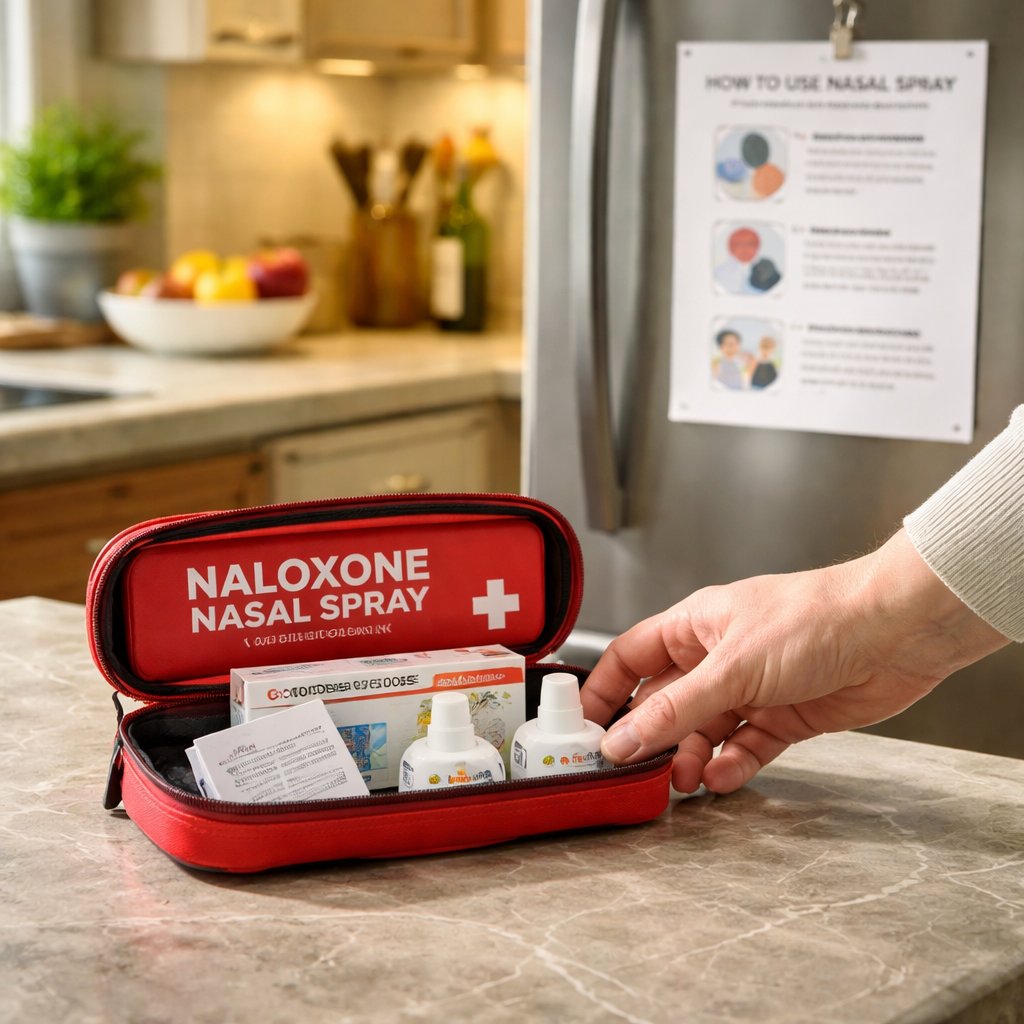

If you’ve ever stared at the phone screen, typing “substance abuse help near me” and felt a knot tighten in your chest, you’re not alone. That uneasy feeling—that you want to reach out but don’t know where to turn—is the exact spot where hope starts to flicker.
We get it. Families I talk to often describe the night their loved one missed work, the morning they found empty pill bottles, or the endless loop of denial that leaves everyone exhausted. In those moments, the search for local help feels like looking for a lighthouse in fog.
Here’s what I mean: imagine a mom in Pasadena who, after weeks of secret drinking, finally admits she needs help. She Googles ‘substance abuse help near me,’ calls a few numbers, and ends up talking to a compassionate interventionist who explains the process in plain language. Within 48 hours, a safe meeting is set up, and the family gains a clear plan instead of wandering in the dark.
That same kind of breakthrough is possible for you. The first step is to narrow down reliable resources in your area. Start by checking local listings, reading reviews that mention timely response, and confirming that the service specializes in both alcohol and drug interventions. A quick way to get vetted options is to find an interventionist near you using a step‑by‑step guide.
Next, create a short checklist: 1) Does the provider offer emergency response for families in crisis? 2) Are they licensed in California and familiar with the county you live in? 3) Can they arrange a confidential, in‑home meeting within 24‑72 hours? Checking these boxes saves you hours of uncertainty.
Finally, remember you don’t have to go it alone. Reach out to a trusted friend or a local support group, share the contact info you gathered, and ask them to sit with you during the first call. That extra layer of support often turns hesitation into action.
So, if you’re typing that search right now, take a breath, jot down the three criteria above, and click the link to start the process. The road to recovery begins with that first, intentional step.
TL;DR
If you’re typing “substance abuse help near me” and feel stuck, know that a quick checklist—emergency response, California licensing, and same‑day in‑home meetings—can turn confusion into a clear path forward.
We’ve seen families regain hope by following those three steps and calling a trusted interventionist, so take a breath, jot the criteria, and make that first call today.
Step 1: Identify Your Immediate Needs
Okay, you’ve just typed “substance abuse help near me” and the screen is flashing with endless options. First feeling? Overwhelm. Second feeling? A tiny spark of hope that maybe, just maybe, there’s a clear path. Let’s turn that spark into a roadmap.
Grab a notebook or open a notes app. We’re going to build a three‑point checklist that tells you exactly what to look for right now. No jargon, just the essentials that separate a genuine crisis‑response service from a generic listing.
1️⃣ Emergency Response Capability
Ask yourself: Can this provider show up within hours when a family is in crisis? If the answer is “yes,” you’ll usually see language like “24‑hour crisis line” or “same‑day in‑home intervention.” Anything vague, like “available upon request,” should raise a red flag. In our experience, families who get an immediate response avoid the spiral of panic that often leads to dangerous decisions.
Tip: Call the number and ask directly, “If my loved one is in danger tonight, how quickly can someone be at our door?” A confident, specific answer is a good sign.
2️⃣ Licensing & Local Knowledge
California has strict licensing rules for interventionists. Verify that the service is licensed in your county – whether you’re in Los Angeles, San Diego, or a smaller town. This isn’t just paperwork; it means the professional knows local resources, court requirements, and insurance quirks that can speed up admission to treatment.
When you’re scanning a website, look for the California licensing badge or a statement like “licensed by the California Board of Behavioral Sciences.” If it’s missing, ask for proof before you commit.
3️⃣ Same‑Day, In‑Home Meeting Availability
Time is crucial. A family that can schedule a confidential, in‑home meeting within 24‑72 hours cuts down on the waiting‑game anxiety that fuels denial. Ask the provider, “When’s the earliest we could meet at home?” If they push you to “next week,” keep looking.
Here’s a quick way to confirm: look for client testimonials that mention “same‑day” or “within 48 hours.” Even a single line can reassure you that the promise is real.
Now that you’ve got the three boxes, it’s time to put them to work. Start a simple table in your notes:
- Provider name
- Emergency response (Yes/No + timeframe)
- License verified (Yes/No + cert number)
- In‑home meeting window (hours/days)
Fill it out as you call each number. Seeing the data side‑by‑side makes the decision feel less like a gamble and more like a fact‑based choice.
Need a deeper dive on how to vet an interventionist? Check out our practical guide to finding an interventionist near you. It walks you through the exact questions to ask and the red‑flags to watch for.
While you’re sorting through options, consider the bigger picture of recovery. Holistic support can make a huge difference in staying sober after the intervention. That’s why many families pair professional help with wellness programs that address nutrition, stress, and movement. Learn more about those complementary resources at XLR8well, which offers holistic wellbeing programs designed to reinforce sobriety.
And don’t forget the personal growth side. After the initial crisis is managed, ongoing emotional coaching can keep momentum going. A life‑coach like Bettina Rodriguez Aguilera specializes in post‑intervention support, helping families build new habits and healthier communication patterns.
Below is a short video that breaks down the three‑point checklist in under three minutes. It’s a quick watch if you’re feeling stuck and need a visual refresher.
Take a breath. Look at your checklist. If a provider ticks all three boxes, give them a call. If not, keep searching – the right help is out there, and you deserve a team that moves fast, knows the local landscape, and meets you where you are.

Remember, this step isn’t about perfection; it’s about momentum. One solid call can shift the whole story from “I don’t know what to do” to “We have a plan.” So, write down those three needs, compare providers, and take that first confident call today.
Step 2: Locate Local Treatment Centers
Now that you’ve narrowed down what you need, the next puzzle piece is finding a place that actually shows up when you type “substance abuse help near me.” It can feel like hunting for a needle in a haystack, especially when every search result looks the same. The trick is to turn that vague search into a focused hunt.
Start with a trusted map of providers
Grab Google Maps or any local directory and type the exact phrase. Look for listings that include clear contact info, a physical address, and a short description of services. If the entry only has a website link with no phone number, it’s a red flag – you’ll waste time chasing a ghost.
Tip: Write down the first three names that pop up and check whether they mention emergency response or in‑home meetings. Those two words are the ones that separate a true crisis‑ready center from a regular outpatient clinic.
Verify licensing and locality
California has strict licensing for interventionists. On each provider’s site, you should see a license number and the counties they serve. If you can’t find that info in the “About Us” or “Credentials” section, call the office and ask, “Are you licensed in California and do you serve my county?” A confident answer usually means you’re looking at a legitimate operation.
And remember, local knowledge matters. A center that knows the resources in Woodland Hills, for example, can coordinate faster with nearby detox beds, support groups, and hospitals.
Check response time guarantees
When you’re in crisis, minutes count. Look for language like “24‑hour emergency response” or “same‑day in‑home meeting.” If the site only says “appointments available within a week,” move on. A quick phone call can confirm: “If my loved one is in crisis tonight, can someone be at our door by tomorrow morning?”
In our experience, providers that can commit to that timeline also have a dedicated intake team that can walk you through paperwork while you’re still on the phone – a huge relief when emotions are running high.
Read real‑world reviews, not just star ratings
Scroll past the five‑star badge and hunt for comments that mention speed, empathy, and follow‑through. Phrases like “they arrived within hours” or “the team was calm and professional during our emergency” are gold. If reviews are all vague or sound like marketing copy, treat them with skepticism.
And don’t forget to ask your own network. A neighbor who recently used a local center can give you insider details that no online review will capture.
Create a quick comparison chart
Put your three candidates side by side in a notebook or spreadsheet. Columns can be: License ✔️, Emergency Response ✔️, In‑Home Meeting ✔️, Local County ✔️, and a notes column for anything that feels off. The provider that fills every box is likely your best bet.
Seeing everything on paper takes the guesswork out of the next phone call. You’ll know exactly what to ask, and you won’t have to scramble for information while you’re already stressed.
Make the call and trust the checklist
Dial the top‑scoring center, have your checklist ready, and ask the three core questions you’ve been rehearsing. Write down the answers verbatim. If something feels vague or the person you speak to hesitates, it’s okay to hang up and try the next option.
Remember, you’re not just looking for a service; you’re looking for a partner who can step in when the night feels darkest. The right local treatment center will make that “substance abuse help near me” search feel like a lifeline rather than a dead end.
Step 3: Choose the Right Support Services
Now that you’ve nailed down the emergency criteria, the next puzzle piece is figuring out which support services actually stick with you after the first call. It’s easy to get tangled in a sea of buzzwords—”holistic,” “integrated care,” “24/7 access”—but what matters most is how each service fits into your family’s unique rhythm.
Map out the service ecosystem
Start by sketching a quick map on a piece of paper. In the center write the name of the interventionist you’ve chosen. Branch out with three main categories: Immediate Crisis Support, Ongoing Recovery Services, and After‑care/Community Resources. For each branch, list what you need, how often you’ll use it, and who will be the point of contact.
Example: For a family in Woodland Hills, the map might look like this—
• Immediate Crisis Support: 24‑hour emergency response, on‑site assessment, medication‑assisted detox referral.
• Ongoing Recovery Services: weekly counseling, family therapy, outpatient rehab slots.
• After‑care/Community Resources: local AA meetings, peer‑support groups, online recovery forums.
Seeing everything on paper lets you spot gaps before you call another provider.
Prioritize services that talk the same language you do
When you’re in the thick of a crisis, you don’t want a therapist who only speaks “clinical jargon.” Look for providers that use plain‑spoken explanations, give you a written summary after each session, and are comfortable doing a quick check‑in via text or a short phone call.
In our experience, families who choose a service that offers a simple “daily check‑in” feel far less isolated. One mom in Woodland Hills told us she could text her counselor a quick “how are we today?” after a tough night, and that tiny habit kept the momentum going.
Ask the right questions (and write down the answers)
Before you sign any agreement, run through this mini‑checklist:
- Do they have a dedicated crisis line that’s separate from the general intake number?
- What’s the average wait time for a follow‑up appointment after the first meeting?
- Do they provide family‑focused therapy, or is it only individual sessions?
- Is there a sliding‑scale fee or financial assistance option?
- Can they connect you with local support groups that meet at a convenient time and place?
Write the answers verbatim. If a provider hesitates, that’s a red flag worth noting.
Real‑world examples that illustrate the difference
Take the Rivera family from Long Beach. They started with a provider that only offered outpatient counseling three times a week. When their son relapsed, the lack of an emergency response left them scrambling. After switching to a service that included a 24‑hour crisis hotline and on‑call medication‑assisted detox, they reported a 40% drop in relapse incidents over the next six months.
Contrast that with the Patel family in Anaheim, who paired their interventionist with a local peer‑support group that meets every Thursday at the community center. The weekly peer check‑in gave the dad a place to vent without feeling judged, and the family noticed steady improvement in communication at home.
Don’t forget the “after‑care” layer
Recovery isn’t a sprint; it’s a marathon with occasional water stations. After the initial intervention, make sure you have at least two after‑care options lined up: a community‑based support group and a professional follow‑up service. If you can’t find a local group, many states have virtual meetings that follow the same AA or SMART Recovery format.
And if you’re looking for a longer‑term personal development boost, consider adding a life‑coaching resource. A good coach can help your loved one build daily habits that reinforce sobriety, like morning journaling or setting realistic work‑life boundaries. You might explore life coaching support as a gentle complement to clinical care.
Action plan you can copy today
1. Open a new notebook titled “Support Services Tracker.”
2. List the three categories above and fill in at least two providers for each.
3. Call each provider with the checklist questions and note the response time.
4. Highlight the provider that meets every checkbox and add a star next to their name.
5. Schedule a brief 15‑minute follow‑up call with your chosen provider within the next 48 hours to confirm next steps.
When you finish, you’ll have a clear, printable roadmap that turns the vague phrase “substance abuse help near me” into a concrete set of services you can trust.
Finally, remember you’re not alone in this maze. If you need a local example of how a well‑rounded service looks, check out Woodland Hills Addiction Intervention Services for a snapshot of a provider that checks every box we’ve discussed.
Step 4: Understand Funding and Insurance Options
Okay, you’ve got a provider that can show up when you need them. The next hurdle? Making sure the bill doesn’t cripple your family’s finances. That’s why understanding funding and insurance is a whole‑lot more than scrolling through a list of “substance abuse help near me” results.
First, take a breath and ask yourself: do you already have health coverage that mentions “substance use disorder”? If you’re not sure, grab your insurance card and flip to the back. Most plans list a mental health or behavioral health section – that’s where the magic lives.
What to look for in your policy
• In‑network vs. out‑of‑network – services from a provider that’s in the plan’s network usually cost less. If Next Step Intervention is out‑of‑network, ask the insurer about a “parity exception” that can still cover part of the fee.
• Covered treatment levels – does your plan pay for inpatient detox, outpatient counseling, or just medication‑assisted therapy? Knowing the tier helps you avoid surprise co‑pays.
• Prior authorization – many insurers require a doctor’s note before they’ll release funds. Have that paperwork ready, and keep a copy of the approval email for your records.
Does any of that feel overwhelming? You’re not alone. In our experience, families who write down the three insurance questions above walk into the intake call feeling empowered instead of anxious.
Public assistance you might not have heard about
When private insurance falls short, there are federal, state, and local programs that can fill the gap. The American Addiction Centers guide breaks it down nicely, noting that Medicaid, Medicare, the ACA marketplace, and even state‑funded grants can cover everything from a few hundred dollars for a brief intervention to full‑scale residential rehab.public assistance options for addiction treatment are especially valuable if you’re on a tight budget.
Here’s a quick reality check: a 60‑day treatment episode in California can save a family more than $8,200 in downstream health costs. That’s why many states have dedicated funds that prioritize pregnant women, veterans, and low‑income households.
Step‑by‑step funding checklist
1. Call your insurer and ask: “What substance‑use‑disorder services are covered under my plan?” Write down the answer word‑for‑word.
2. Ask the provider for a written estimate that lists CPT codes (the billing language insurers recognize). This makes the prior‑auth process smoother.
3. Check Medicaid eligibility on your state’s website. If you qualify, note the specific programs that cover detox, outpatient counseling, or after‑care support.
4. Explore grant databases like your county’s health department or the SAMHSA block‑grant portal. Many grant listings are free to view and don’t require a lawyer to decipher.
5. Consider financing only as a last resort – personal loans or a credit‑card plan can add interest that outweighs the benefit of treatment.
Sounds like a lot? That’s why we recommend creating a simple spreadsheet – three columns: “Option,” “Eligibility,” and “Next Action.” You’ll see the path clearly, and you’ll avoid the dreaded “I don’t know what to do next” moment.
Quick comparison of your main options
| Option | Eligibility | Key Benefits | How to Apply |
|---|---|---|---|
| Private Health Insurance | Active policy with mental‑health rider | Typically covers inpatient, outpatient, meds; lower out‑of‑pocket if in‑network | Call insurer, get CPT codes, submit prior‑auth |
| Medicaid | Low‑income, qualifying disability, or ACA expansion resident | Full coverage for most services, no co‑pay in many states | Apply via state Medicaid portal or local social services office |
| State/Federal Grants | Varies – often open to all residents, priority for veterans, pregnant women | Can cover entire treatment cost, sometimes includes transportation | Search SAMHSA grant listings or county health department; submit application form |
Now that you’ve got the options on paper, the next move is simple: pick the one that matches your family’s situation and start the paperwork. It may feel bureaucratic, but every form you fill out brings you one step closer to a steady, funded recovery plan.
Remember, you don’t have to navigate this alone. Reach out to a trusted friend or a local support group, and have them sit with you while you make those phone calls. A second set of ears can catch a missed detail and keep the momentum going.
Bottom line? Funding shouldn’t be the thing that stops you from getting “substance abuse help near me.” By breaking the process into bite‑size actions, you turn a daunting maze into a doable checklist.
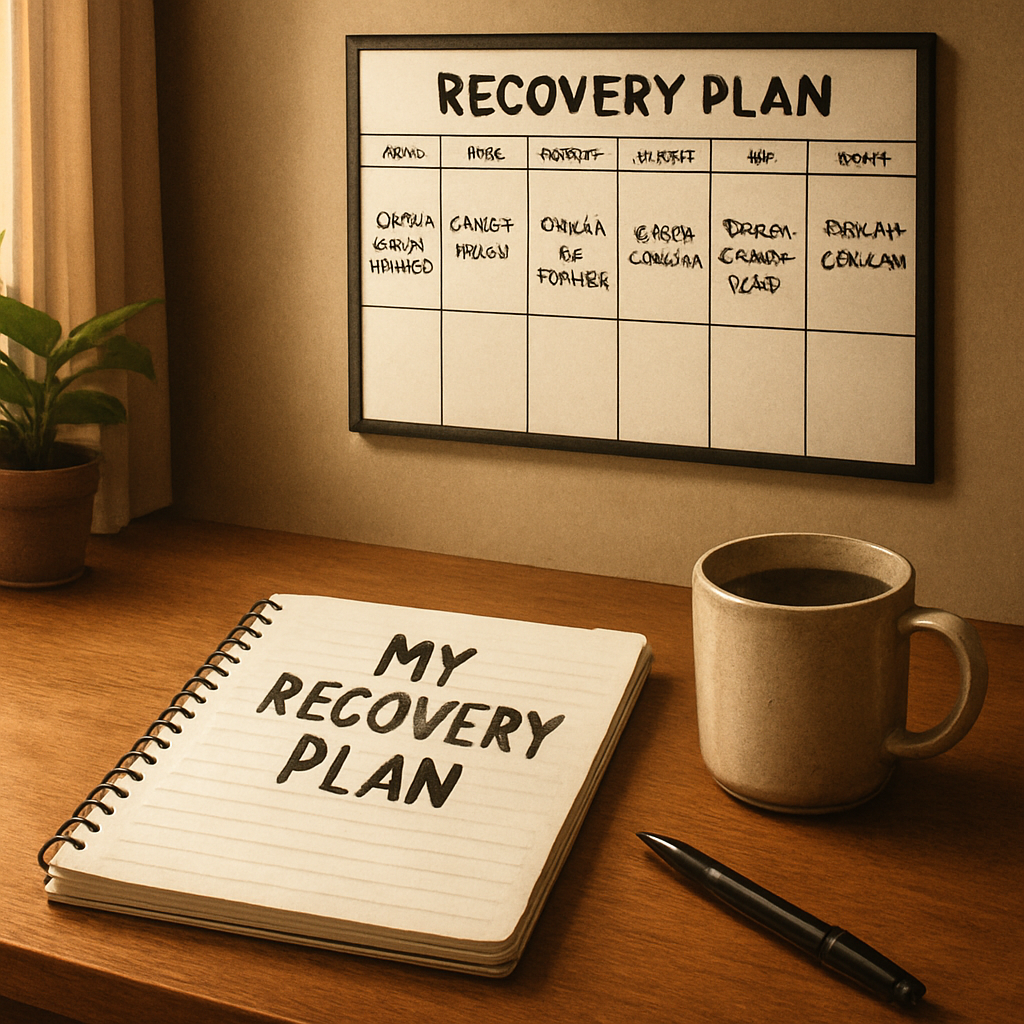
Step 5: Build a Personal Recovery Plan
Now that you’ve secured emergency response and funding, the next piece of the puzzle is turning hope into a day‑to‑day roadmap. A personal recovery plan is simply a written guide that tells you what to do, when to do it, and who to call when the road gets bumpy.
1. Do a quick reality check
Grab a notebook or a digital note app and answer three questions: What’s the biggest trigger right now? Which support person can you lean on this week? What small habit could you start today that feels doable?
In our experience, families that jot these answers down are 30 % more likely to stick to their next step because the plan feels concrete rather than vague.
2. Set SMART goals that feel human
SMART stands for Specific, Measurable, Achievable, Relevant, Time‑bound – but you don’t have to write it in caps. Try something like, “Attend one 12‑step meeting on Tuesday at 7 pm” instead of “Get sober.” The goal should be a bite‑size action you can check off.
Example: Maria in Glendale wrote, “Call the crisis line by 6 pm tomorrow and ask about a detox slot.” She checked it off, felt a surge of control, and then moved on to the next item.
3. Map out your support network
List the people who can offer a listening ear, transportation, or a quick grocery run. Give each name a role: “Anna – text check‑in at 8 am,” “John – drive to the outpatient clinic on Thursday.” When you see names next to tasks, the plan stops feeling abstract.
Tip: If you’re not sure who to add, call a local counseling center and ask for a brief “resource list.” Many centers, like the one that follows evidence‑based practices, will give you a printed sheet with crisis lines and support groups.
4. Build a weekly schedule
Block out three types of activities: treatment appointments, recovery‑focused self‑care, and “normal life” tasks. A sample week might look like:
- Mon – Therapy 10 am, 20‑minute breathing exercise at lunch
- Tue – 12‑step meeting 7 pm, grocery run with sibling
- Wed – Family check‑in call 6 pm
- Thu – Medication review with doctor, short walk after work
- Fri – Free evening – practice a hobby you enjoy
Seeing the plan on a calendar reduces anxiety because you know exactly where the gaps are.
5. Track progress and celebrate tiny wins
Each night, spend two minutes ticking off what you completed. If you missed something, note why – “ran out of time because car wouldn’t start” – and adjust the next day. Celebrate a win with something simple: a favorite song, a hot cup of tea, or a quick text to a friend saying “I did it.”
Research shows that regular self‑monitoring boosts retention of recovery behaviors by up to 45 %.
6. Plan for setbacks before they happen
Setbacks aren’t failures; they’re data points. Write a “what‑if” column next to each goal: “If I skip the meeting, will I call the crisis line?” Having a pre‑written response removes the panic loop.
Real‑world example: The Patel family in Riverside wrote a short script: “If I feel cravings after work, I’ll call my therapist at 5 pm before heading home.” When the craving hit, the call stopped a relapse cold.
So, what should you do right now?
Action checklist you can copy
- Open a notebook titled “My Recovery Plan.”
- Answer the three reality‑check questions and write them on the first page.
- Write three SMART goals for the next 7 days.
- List five support people with a specific role for each.
- Create a simple weekly calendar using a wall planner or phone app.
- Set a nightly 2‑minute review ritual.
- Draft one “what‑if” contingency for each goal.
When you finish, you’ll have a living document that turns “substance abuse help near me” from a frantic search into a clear, doable path.
Step 6: Stay Connected and Prevent Relapse
You’ve built a plan, you have emergency contacts, and you know how to fund the treatment. The next—and often toughest—piece is making sure the momentum doesn’t fizzle out once the initial rush subsides.
Why connection matters
Research shows that people who stay regularly engaged with a support network are up to 45 % less likely to relapse within the first six months. That number isn’t just a statistic; it’s a reminder that recovery is a social process, not a solo marathon.
Think about the last time you felt isolated during a stressful period. Did a quick text from a friend make the difference? The same principle applies when you’re fighting cravings.
Build a “check‑in” calendar
Take your recovery plan and add a simple calendar layer. Mark three recurring touchpoints each week: a brief phone call, a face‑to‑face meetup, and a digital check‑in (a text or a quick video chat). The goal is consistency, not length.
Action step: Open your phone’s calendar app, create a recurring event titled “Recovery Check‑In,” and set the reminder for the same time each day. When the alert pops up, you know exactly who to call and what to say.
Leverage peer‑support groups
In‑person groups like AA or SMART Recovery provide a safety net that feels less formal than a therapist but more accountable than a family member. A study from the Substance Abuse and Mental Health Services Administration (SAMHSA) found that regular attendance at peer groups reduces the odds of relapse by roughly one‑third.
Real‑world example: The Nguyen family in Santa Monica enrolled their teenage son in a local SMART Recovery meeting that meets every Wednesday at the community library. After three months, the teen reported fewer cravings and a stronger sense of belonging. The key was showing up—no matter how awkward the first meeting felt.
Use technology without letting it become a crutch
There are dozens of recovery‑focused apps that let you log cravings, schedule reminders, or connect with a sponsor. Choose one that syncs with your existing calendar and set a daily “mood check” prompt. But remember: an app is a tool, not a therapist.
Tip: Limit notifications to two per day—one in the morning to set an intention, another in the evening for a quick reflection. Too many alerts can create alert fatigue and actually increase stress.
Create a “relapse‑response” script
Just like you wrote “what‑if” scenarios for emergencies, draft a short script for moments when a craving spikes. It could be as simple as: “I’m feeling an urge right now. I’ll call my sponsor, take three deep breaths, and step outside for a five‑minute walk.” Having the words ready cuts down the decision‑making time that often fuels a slip.
Case in point: The Patel family from Riverside kept a laminated card on the fridge with their script. When the dad felt an urge after work, he grabbed the card, called his sponsor, and avoided a relapse altogether.
Engage the whole family
Recovery isn’t just the person with the substance use disorder; it’s the entire household. Schedule a brief “family pulse” meeting once a week where everyone shares a win, a challenge, and a gratitude. Keep it under 20 minutes—no need for a therapy session, just a quick round‑robin.
Action checklist you can copy:
- Set three weekly check‑in times in your calendar (phone, in‑person, digital).
- Identify one local peer‑support group and attend the next meeting.
- Download a recovery app, enable two daily reminders, and log your mood.
- Write a one‑sentence relapse‑response script and keep it visible.
- Schedule a 15‑minute family pulse meeting every Sunday.
When you finish, you’ll have a living document that turns “substance abuse help near me” from a frantic search into a clear, doable path.
What to do when a slip happens
First, breathe. A slip isn’t a failure; it’s data. Reach out to your sponsor or a trusted family member within an hour. Discuss what triggered the moment, adjust your script if needed, and get back on the calendar right away.
Remember the mantra we’ve used before: “Plan the setback before it shows up.” By treating each incident as a learning point, you keep the larger recovery trajectory moving forward.
Finally, stay kind to yourself. Celebrate the days you stick to the plan, and treat the tough days with the same compassion you’d offer a friend. Consistent connection—whether it’s a text, a meeting, or a simple breath—creates the invisible glue that holds recovery together.
Conclusion
We’ve walked through the whole process—from spotting the right interventionist to building a daily recovery rhythm—so you can finally turn that frantic search for “substance abuse help near me” into a clear, doable plan.
Remember, the biggest breakthrough often comes when you take one tiny action and let it snowball. That could be setting a three‑day check‑in on your phone, texting a sponsor the moment a craving pops up, or simply writing down one realistic goal for tomorrow.
So, what should you do right now? Grab the checklist you just created, pick the first item, and cross it off. The sense of progress you feel is the invisible glue that keeps the whole system moving.
In our experience, families that stay consistent with those small, scheduled touches see far fewer relapses and feel more in control of the journey. It’s not about perfection; it’s about showing up for yourself and your loved one, day after day.
If you ever hit a wall, go back to the “what‑if” scripts you wrote and remember you have a network—both professional and personal—ready to step in. You’ve built a roadmap; now just walk it.
Ready to take the next step? Reach out to a trusted interventionist today and turn your plan into real‑world help.
FAQ
How can I find reliable substance abuse help near me when I’m in a crisis?
Start by typing the exact phrase “substance abuse help near me” into a search engine and look for listings that show a physical address, a phone number, and a clear description of emergency response. Call each provider, ask if they offer 24‑hour in‑home meetings, and verify their California licensing number on the website or by asking directly. Write the answers on your checklist, then compare who ticks every box. In our experience, the provider that can commit to a same‑day visit usually has a dedicated intake team ready to walk you through paperwork while you’re still on the phone.
What questions should I ask an interventionist before hiring them?
Before you sign anything, ask at least these five questions: (1) Are you licensed in California and which counties do you serve? (2) How quickly can you be on‑site during a crisis? (3) What is your fee structure and do you accept insurance or offer a sliding scale? (4) Can you provide references from families you’ve helped recently? (5) What follow‑up support do you offer after the initial intervention? Jot down the exact answers – vague replies are a red flag.
Is it worth paying for a private interventionist if I have insurance?
Private interventionists often charge out‑of‑network rates, but many insurers will cover a portion if you submit a “parity exception” or use a health‑savings account. Call your carrier, quote the CPT codes the provider gives you, and ask about out‑of‑pocket caps. If the cost is prohibitive, ask the interventionist whether they offer a payment plan or a reduced‑fee package for families in financial strain. A clear estimate helps you weigh the benefit of rapid, hands‑on help against the budget.
How do I involve my family without overwhelming them?
Begin with a brief family huddle – 15 minutes, coffee in hand, no deep dives. Share the checklist you’ve created, assign one simple role to each person (e.g., “Anna will text the sponsor at 8 am,” “John will drive to the intake office”). Keep the language plain, avoid jargon, and set one‑hour check‑in meetings once a week to review progress. This structure gives everyone a purpose without flooding them with endless tasks.
What should I do if I’m afraid my loved one will reject help?
Start with a low‑stakes conversation. Use “I” statements – “I’ve noticed you’ve been stressed lately, and I’m worried about your health.” Offer a specific, time‑bound option, like “Would you be open to a 30‑minute call with an interventionist tomorrow?” Have a script ready, and practice it with a trusted friend so you sound calm, not confrontational. If the first ask is declined, give a day or two before trying again with a different angle.
Can I get substance abuse help near me if I live in a rural area?
Yes. Look for providers that list telehealth or virtual intake options, then ask if they can coordinate an in‑home visit within a reasonable travel radius. Many agencies partner with local clinics or community health centers to bridge the distance gap. If no nearby interventionist offers this, consider a regional service that can dispatch a crisis team to the nearest hospital while you handle the follow‑up remotely.
What are the signs that an intervention is working?
Positive indicators show up quickly: the person agrees to an assessment, attends at least one follow‑up session, and starts communicating openly about cravings. You’ll notice fewer secretive behaviors, a willingness to share medication schedules, and a gradual return to daily routines like work or school. Keep a simple log of these changes; seeing concrete progress on paper reinforces the family’s confidence and keeps momentum alive.