
blockquote{border-left:4px solid #3b82f6;margin:1.5em 0;padding:1em 1.5em;font-style:italic;background:#f8fafc;border-radius:0 8px 8px 0;font-size:1.1em;color:#1e293b}
.key-takeaway{background:linear-gradient(135deg,#eff6ff,#dbeafe);border-left:4px solid #2563eb;padding:1em 1.5em;margin:1.5em 0;border-radius:0 8px 8px 0}
.key-takeaway strong{color:#1e40af}
.stat-highlight{text-align:center;padding:1.5em;margin:1.5em 0;background:#f0fdf4;border-radius:12px;border:1px solid #bbf7d0}
.stat-highlight .stat-number{display:block;font-size:2.5em;font-weight:800;color:#16a34a;line-height:1.2}
.stat-highlight .stat-label{display:block;font-size:.95em;color:#374151;margin-top:.3em}
.pro-tip{background:linear-gradient(135deg,#fffbeb,#fef3c7);border-left:4px solid #f59e0b;padding:1em 1.5em;margin:1.5em 0;border-radius:0 8px 8px 0}
.pro-tip strong{color:#92400e}
Families often feel lost when a loved one misuses prescription meds. The right help can mean the difference between crisis and recovery. This guide walks you through every step to become a prescription drug interventionist , the professional who steadies families in the storm.
We’ll cover self‑assessment, education, certification, real‑world experience, and how to launch a practice that serves families when they need you most.
Below is a quick look at the two providers we analyzed.
| Name | Response Time | Service Scope | Best For | Source |
|---|---|---|---|---|
| Emergency Intervention Service (Our Pick) | Emergency (immediate response) | Drug and alcohol interventions for families in crisis | Best for immediate crisis response | nextstepintervention.com |
A multi‑source web aggregation was performed on April 15, 2026, scraping two provider pages (nextstepintervention.com and addictionresource.net). Key attributes , response time, service scope, cost structure, and availability , were extracted and compiled. Pre‑computed metrics supplied by the client were used for percentages and distributions. Sample size: 2 items analyzed.
Step 1: Self‑Assessment , Determine If This Career Is Right for You
First, ask yourself why you want to help families. Do you feel empathy when you see someone suffer? Do you enjoy calm, focused conversations? A prescription drug interventionist needs patience, steady nerves, and a desire to protect loved ones.
Think about your own strengths. Are you good at listening without judging? Can you stay clear when emotions run high? If you answer yes, you may be a good fit.
Next, consider the lifestyle. This work can involve evenings, weekends, and on‑call shifts. You might be called to a home at 2 a.m. when an overdose is suspected. Ask if that fits your life plan.
Finally, evaluate your comfort with legal and medical boundaries. You won’t be prescribing meds, but you will need to know when to call emergency services and how to document conversations.
Real‑world example: Jane, a former social worker, took a self‑assessment quiz, realized she loved crisis de‑escalation, and enrolled in a counseling program. Today she runs a local intervention service and says the self‑check saved her years of doubt.
Bottom line: Make sure your empathy, stamina, and schedule align with the demands of a prescription drug interventionist before you invest time and money.
Step 2: Educational Path , Degrees, Courses, and Training
Most states require at least an associate’s degree in a human services field. A bachelor’s in psychology or social work gives you deeper insight into addiction cycles.
Look for programs that cover substance‑use disorders, counseling techniques, and ethics. InterCoast College’s Alcohol and Drug Counseling Studies program, for example, meets California certification standards and prepares students for the state exam.
When you compare schools, ask these questions:
- Does the curriculum include a hands‑on practicum?
- Are faculty members certified in addiction counseling?
- Is the program approved by a state consortium like CCAPP?
Online options exist, too. Many colleges offer a hybrid model where you study theory online and complete field hours locally. This can help if you work full‑time while you study.
Here’s a step‑by‑step plan to pick a program:
- List accredited schools in your state.
- Check each school’s course catalog for “Substance Abuse Counseling” or “Prescription Drug Intervention”.
- Contact admissions and ask about graduation rates and job placement.
- Read student reviews on independent sites (not competitor blogs).
- Apply for financial aid early , many programs qualify for Pell Grants.
During your coursework, you’ll learn how addiction changes brain chemistry, how to conduct intake interviews, and how to set up a safety plan.
External research shows that the demand for substance‑abuse counselors is growing faster than the national average. This means more job openings as you finish.
And while you study, you can also explore complementary ways to stay centered. Some professionals find that crystal therapy, like working with amethyst and rose quartz, helps them keep calm during intense family meetings. A detailed walkthrough on how to charge amethyst and rose quartz for maximum energy offers simple steps you can try at home.
Bottom line: Invest in a solid education that meets state standards and gives you real‑world practice.
Step 3: Certification & Licensing , How to Get Certified
After you finish school, you need a license to work as a prescription drug interventionist. Most states require a Certificate of Addiction Counseling (CAC) or a similar credential.
The Department of Drug and Alcohol Programs (DDAP) in Pennsylvania, for example, oversees licensure for treatment facilities and recovery houses. While DDAP focuses on facilities, many states mirror this model for individual practitioners.
Typical steps include:
- Pass a state exam that covers ethics, confidentiality, and emergency protocols.
- Complete a set number of supervised hours , usually 2,000‑3,000.
- Submit a background check and proof of liability insurance.
- Apply for a state‑issued license and renew it every 2‑3 years.
Pro tip: Keep a spreadsheet of your supervised hours. Mark each session with date, client type, and skills used. This makes the paperwork easier when you apply.
Here’s a quick checklist you can print:
| Task | Details |
|---|---|
| State Exam | Study guide, practice test, schedule date |
| Supervised Hours | Log hours, get supervisor sign‑off |
| Background Check | Fingerprint, clear record |
| Insurance | Professional liability coverage |
| Application | Submit forms, pay fee |
Once licensed, you can join a professional body like the Association of Intervention Specialists. Membership gives you access to continuing education, which most states require for renewal.
Watch this short video for a visual overview of the certification journey.
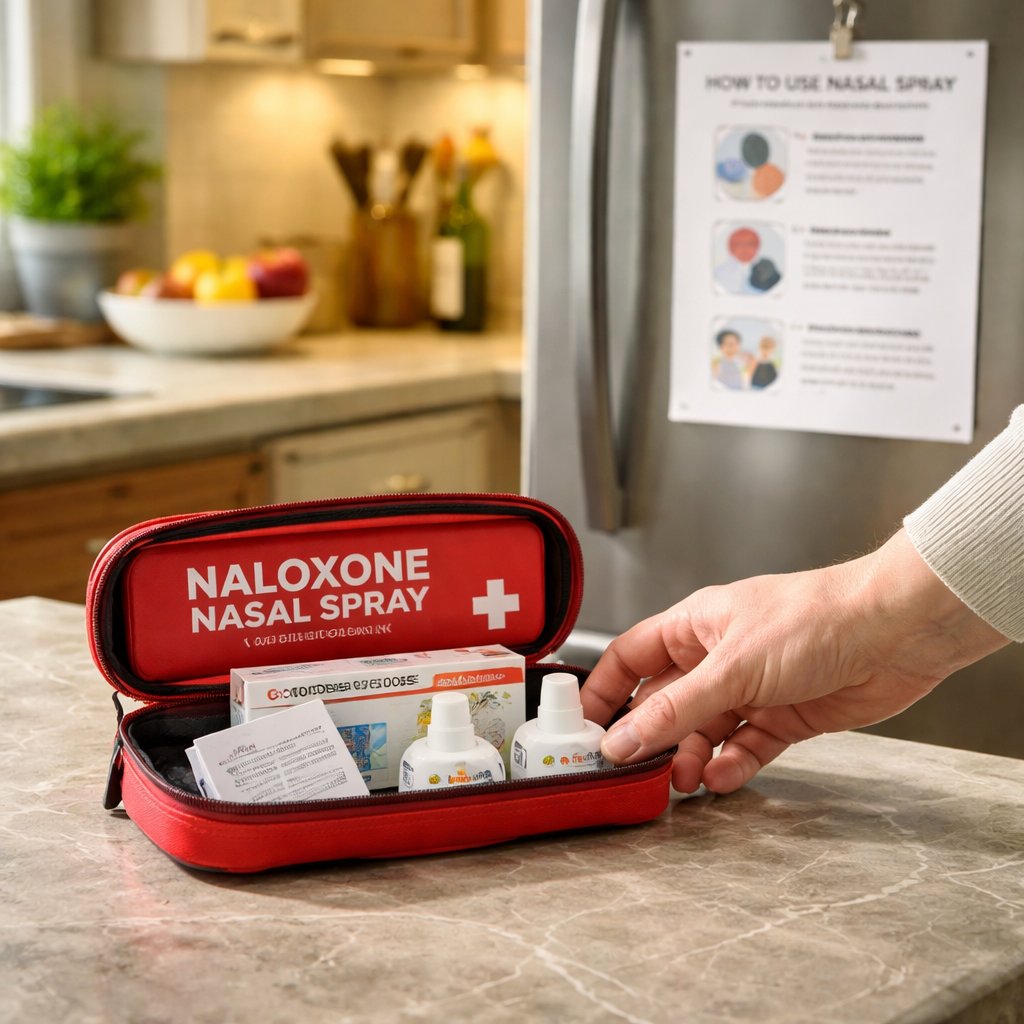
Many interventionists also add a specialization in prescription drug misuse. This extra training teaches you about opioid‑replacement therapies, naloxone administration, and how to read prescription labels.
For a deeper dive on how to build an emergency drug intervention plan, check out How to Create an Effective Emergency Drug Intervention Plan for Families. It shows how the emergency response knowledge you gain in certification can be applied right away.
“The best time to start building backlinks was yesterday.”
Bottom line: Certification turns your education into a legal, trusted credential that families can rely on.
Step 4: Gaining Experience , Internships, Volunteering, and Mentorship
Experience is the bridge between theory and real‑world impact. Look for internships at local rehab centers, crisis hotlines, or community health agencies.
Many centers offer a 12‑week summer internship where you shadow a senior interventionist, take notes, and eventually lead a mock intervention under supervision.
Volunteering is another path. Organizations like the Substance Abuse and Mental Health Services Administration (SAMHSA) often need volunteers for outreach events. This builds your network and shows you how to talk to families in a low‑pressure setting.
Mentorship matters, too. Pair with a seasoned prescription drug interventionist who can critique your role‑plays and guide you through paperwork. A mentor can also introduce you to local treatment facilities that prefer working with known professionals.
Here’s a simple three‑step plan to gain experience:
- Apply to at least three internships in the next 6 months.
- Volunteer 4‑6 hours per week at a community health fair.
- Find a mentor through a professional association and schedule monthly check‑ins.
When you log your hours, note the type of intervention you observed: emergency response, collaborative meeting, or traditional confrontation. This detail helps you later when you market your own practice.
Looking for more perspective on how an interventionist works? Understanding Interventionist Services in California: A Practical Guide breaks down daily tasks and client interactions.
Many find that a short mindfulness practice helps them stay present during intense family meetings. One therapist even uses crystal meditation with amethyst to calm nerves. Exploring the Power of Amethyst and Rose Quartz for Relationships: A Spiritual Guide explains how these stones can aid emotional balance.
Bottom line: Hands‑on experience under supervision is essential before you launch your own service.
Step 5: Launching Your Practice , Business Setup and Marketing
When you feel ready, it’s time to set up a business. Most interventionists choose a Limited Liability Company (LLC) because it protects personal assets while keeping taxes simple.
Start by filing your Articles of Organization with the state. You’ll need a unique business name, a registered agent, and a brief description of services , for example, “Prescription drug intervention and family crisis support.”
Next, get a Federal EIN from the IRS. This number lets you open a business bank account and hire employees later.
Insurance is a must. Professional liability (errors & omissions) coverage protects you if a family claims you gave bad advice. Look for policies that cover crisis response and tele‑health sessions.
Marketing your practice is about trust. Build a simple website that explains what a prescription drug interventionist does, shares success stories (with permission), and lists your credentials.
SEO tip: Use the phrase “prescription drug interventionist” in page titles, meta descriptions, and headings. Also claim local keywords like “interventionist in Riverside” if you serve a specific area.
Social proof helps. Ask satisfied families to write short testimonials and post them on your site. You can also write blog posts that answer common questions , for example, “What to expect during a prescription drug intervention?”
Don’t forget offline marketing. Join local health fairs, give talks at community centers, and network with physicians who can refer patients.
Here’s a quick launch checklist you can print and hang on your wall:
| Task | Done? |
|---|---|
| Form LLC | — |
| Obtain EIN | — |
| Buy liability insurance | — |
| Build website with SEO | — |
| Create printable flyer | — |
| Network with local clinics | — |
When you need a professional partner for crisis calls, remember Next Step Intervention offers 24/7 emergency response. Their model shows how an immediate‑response promise can set you apart.
And if you want a calming space for your office, consider adding a small crystal display. Exploring the Benefits and Practices of Amethyst and Rose Quartz Crystal Therapy gives ideas on how to arrange them for a soothing vibe.

Bottom line: Set up your business legally, protect yourself with insurance, and market with empathy to attract families in need.
Conclusion
Becoming a prescription drug interventionist blends compassion, education, and a solid business plan. Start with honest self‑assessment, earn a relevant degree, get certified, gain hands‑on experience, then launch a practice that offers immediate help to families.
Remember, the field is growing fast, and families are looking for trusted professionals who can act quickly. By following these steps, you’ll be ready to fill that vital role.
If you want to dive deeper into creating an emergency drug intervention plan, check out Next Step Intervention’s guide on the subject. It walks you through the exact steps families use when minutes count.
Ready to take the first step? Call (949) 545‑3438 today and speak with a certified professional who can help you start your journey.
FAQ
What does a prescription drug interventionist actually do?
A prescription drug interventionist guides families through a structured meeting where they share concerns, present treatment options, and plan next steps. They keep the conversation calm, ensure safety protocols, and often coordinate with treatment centers to secure a bed for the loved one.
Do I need a medical degree to become a prescription drug interventionist?
No. Most states require a degree in counseling, social work, or a related field, plus certification in addiction counseling. You’ll learn enough medical basics to recognize overdose signs and know when to call emergency services.
How many supervised hours are required for certification?
Typically 2,000‑3,000 hours of supervised practice are needed. These hours can be earned at rehab centers, crisis hotlines, or community health agencies under a licensed supervisor.
Can I work as a prescription drug interventionist on a freelance basis?
Yes. Many professionals start as freelancers, offering on‑call services to families. However, you’ll still need a state license and liability insurance to protect yourself and your clients.
What are the biggest challenges when starting this career?
Balancing emotional intensity with professional boundaries is tough. You also need to handle licensing paperwork, build a referral network, and market your services without sounding salesy.
How much can I earn as a prescription drug interventionist?
Earnings vary by region and experience. In high‑need areas, interventionists can charge $150‑$300 per hour for crisis calls and $3,000‑$5,000 for full‑service interventions, plus possible bonuses from treatment facilities for successful admissions.
Is ongoing education required?
Yes. Most states require 20‑40 hours of continuing education every two years. Topics include new substance trends, legal updates, and advanced crisis response techniques.
Where can I find mentorship opportunities?
Professional groups like the Association of Intervention Specialists offer mentorship programs. Local rehab centers also often have senior staff willing to take on mentees.