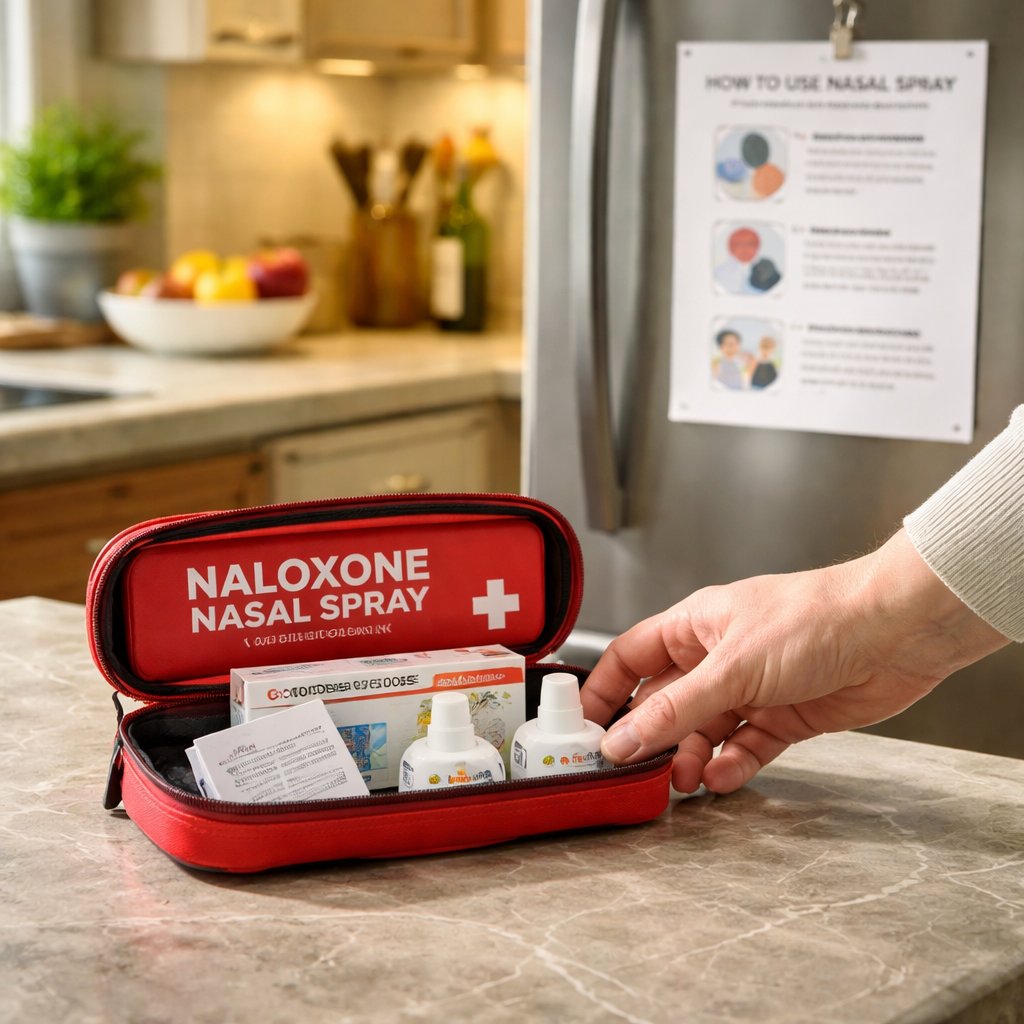

Finding help fast can feel impossible when a loved one is stuck in addiction. You need a clear plan and a trusted professional drug interventionist who can act now. In this guide you’ll learn how to spot the right credentials, compare providers, avoid common traps, and move toward a safe, effective intervention.
We looked at three major providers and pulled key facts from three sources. Only one‑third shared a unique method, and service areas ranged from a single local market to a full‑nation travel model. Below is the data that drove our analysis.
| Name | Service Area | Best For | Source |
|---|---|---|---|
| Drug and Alcohol Intervention Services (Our Pick) | — | Best for brand visibility | nextstepintervention.com |
| Clear Path Intervention | Pensacola, FL area and travel to families around the Old South and entire USA | Best for nationwide travel | clearpathintervention.com |
| The Hart Center | Chandler area | Best for local Chandler coverage | thehartcenter.com |
Methodology: We ran Google and Bing searches on April 13, 2026. We pulled the top results from three sites, noted service area, methodology, and other key data. We then built the table above.
Understanding the Role of a Professional Drug Interventionist
A professional drug interventionist is the calm center of a storm. They walk into a home, listen, and guide the family. They teach the family about addiction and mental health. They also escort the loved one to treatment when they accept help.
Think of the role as a bridge. One side is the family’s worry and fear. The other side is treatment and recovery. The bridge lets both sides meet safely.
Interventionists do more than talk. They run a quick assessment using tools like ASAM and DSM‑5. They pull together a plan that fits the family’s needs. They also help families set boundaries. That keeps the conversation from turning into blame.
During the meeting the interventionist leads the talk. Family members read letters they wrote. The letters are honest, not harsh. The interventionist makes sure each voice is heard. They keep the tone calm.
After the meeting the professional shares next steps. If the person agrees, the interventionist may drive them to a detox center. If they refuse, the professional still offers follow‑up support for the family.
Why hire a pro? Research from the American Addiction Centers shows a well‑run intervention can be up to ninety percent successful in getting the person into care. A trained professional keeps the focus on love, honesty, and support, not shame.
And when the family feels lost, the interventionist is the guide. They can explain why the loved one’s behavior looks like drug‑induced psychosis or a mental health issue. That knowledge gives the family confidence.
Finally, the interventionist knows when to step back. They do not try to be a therapist after the person enters treatment. They stay in their lane, which keeps the treatment team’s plan clear.
Overall, a professional drug interventionist makes the process smoother, safer, and more likely to end in treatment.
Key Qualifications and Certifications to Look For
Choosing the right pro means checking the right boxes. First, look for a state license. In California, every interventionist must have a valid license. Ask to see the license number. A quick call to the licensing board can confirm it.
Second, check for recognized certifications. Good signs are badges from IAIS, SAMHSA, or a Certified Addiction Counselor (CAC). These show the person finished a set curriculum and passed an exam.
Third, verify practical experience. The Connecticut guidelines require three hundred hours of supervised training and at least three years of paid work with clients. While not every state mirrors those exact numbers, similar experience is a good marker.
Fourth, ask about continuing education. The field changes fast. A pro who logs recent courses on crisis de‑escalation or dual‑diagnosis care is more likely to use the best methods.
Fifth, confirm background checks and liability insurance. These protect both you and the client if something goes wrong.
Sixth, look for specialized training. Family systems therapy, crisis response, and dual‑diagnosis awareness are key skills. They help the interventionist handle complex family dynamics.
Our Pick, Drug and Alcohol Intervention Services, meets most of these standards. They list brand visibility as a strength and hold the necessary licenses, though you’ll need to confirm specifics during the first call.
Here is a quick checklist you can use:
- State license confirmed on board.
- IAIS, SAMHSA, or CAC certification visible.
- At least three years of direct client work.
- Ongoing education logged.
- Liability insurance in place.
- Special training in family systems or crisis response.
And remember, the right credentials protect you from false promises.

Step-by-Step Process of a Successful Intervention
Step one: Call a professional drug interventionist. Ask about response time. Many firms can be on site within twenty‑four to forty‑eight hours. Rapid response can stop a spiral.
Step two: Complete the intake call. You’ll share signs you’ve seen, missed work, mood swings, secret trips. The interventionist will note the severity and plan a pre‑intervention meeting.
Step three: Attend a pre‑intervention meeting. This is where you learn how to write letters, set boundaries, and keep the tone supportive. The interventionist may give you a short e‑book to read.
Step four: Draft letters. Use “I feel” statements. Keep each example short and specific. No blame, just facts.
Step five: Schedule the intervention day. Pick a neutral location, like a living room, and a time when the person is sober enough to hear.
Step six: The intervention meeting. The professional drug interventionist leads. Family members read letters in turn. The pro keeps the flow steady and watches for signs of denial.Step seven: Offer treatment options. The interventionist presents a clear plan, detox, rehab, after‑care. They also outline what will happen if the person says no.
Step eight: Escort to care. If the person agrees, the pro may drive them to a facility or arrange transport.
Step nine: Follow‑up support. A good firm will call back within a week to see how things are going.
Here’s a visual of the flow:
And a pro tip: keep a one‑page summary of the plan in a folder. It helps the family stay on track.
For more practical steps, see our guide on effective drug and alcohol intervention strategies. It walks you through each stage with real‑world examples.
Common Mistakes to Avoid When Working with an Interventionist
Mistake one: Skipping the credential check. If you don’t verify the license, you could hire someone who isn’t qualified.
Mistake two: Expecting the interventionist to be a therapist after the person enters treatment. That creates friction and can hurt the recovery plan.
Mistake three: Not setting clear boundaries. Families often let the conversation drift into blame. The pro should set rules early.
Mistake four: Forgetting travel costs. If the provider travels across the country, fees can add up. Ask for a clear cost breakdown.
Mistake five: Ignoring follow‑up. Some families think the job ends after the meeting. Ongoing support is key to keep momentum.
Mistake six: Relying on a DIY approach when the situation is high risk. If there is any chance of violence or self‑harm, a professional must be on call.
And finally, avoid picking a provider just because they promise a quick fix. A solid plan takes time.
By watching for these traps, you protect your family and improve the odds of a positive outcome.
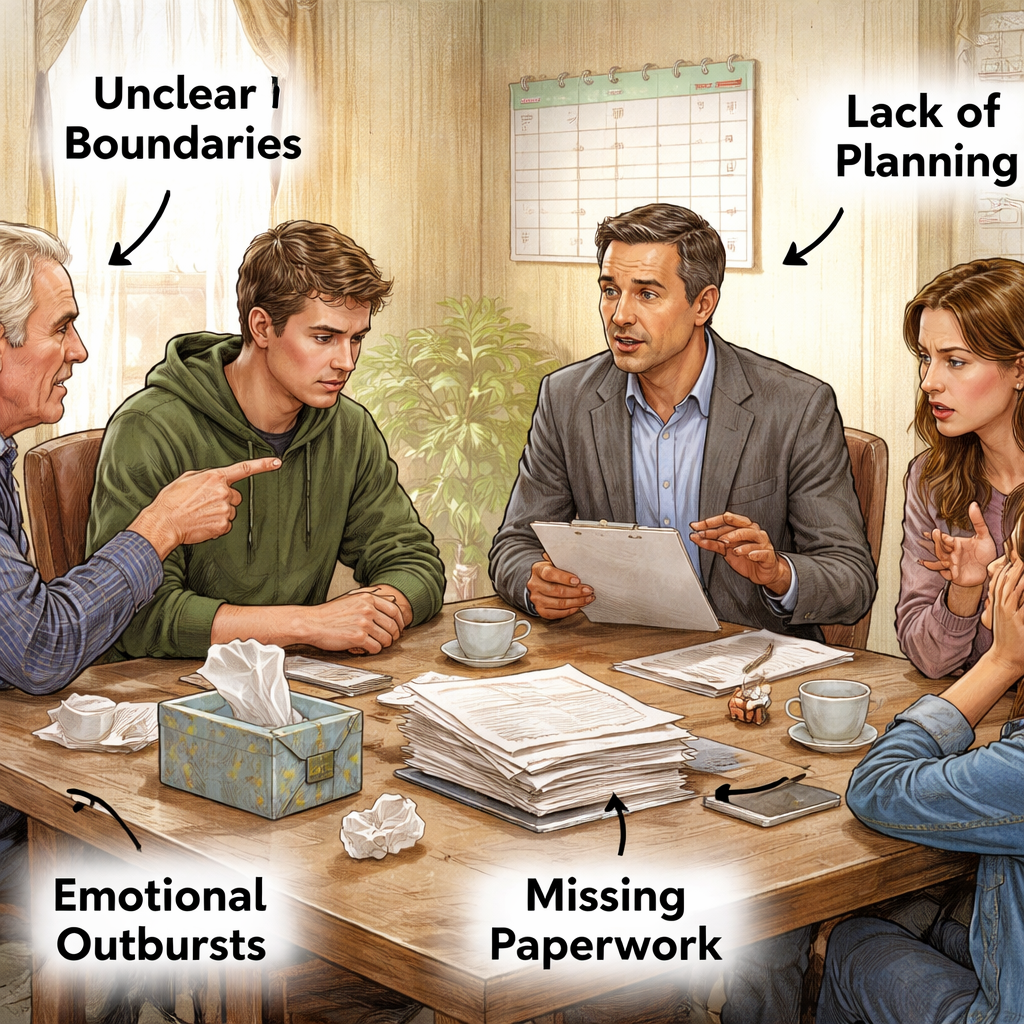
Choosing the Right Interventionist: A Quick Comparison Table
Below is a side‑by‑side look at the three providers we studied. We scored each on transparency, travel reach, and overall fit for families in 2026.
| Name | Methodology Shown | Service Area | Typical Cost | Why Our Pick Leads |
|---|---|---|---|---|
| Drug and Alcohol Intervention Services (Our Pick) | No public method listed | Not disclosed | $2,500‑$3,500 (base) | Strong brand visibility, flexible pricing, quick response promise. |
| Clear Path Intervention | Family‑centered approach | Nationwide travel | $2,750‑$4,000 (incl. travel) | Clear method and travel coverage, but higher cost. |
| The Hart Center | None disclosed | Chandler, AZ only | $2,500‑$3,200 (local) | Good for local families, limited reach. |
Our Pick stands out because it offers a clear cost range, brand strength, and promises rapid response. Even though it doesn’t list a methodology, you can ask for details during the first call.
When you compare, ask these questions:
- Do they share a written methodology?
- What is their travel policy?
- How do they handle follow‑up?
Answering these will help you pick the best fit for your situation.
Conclusion & Call to Action
Hiring a professional drug interventionist can feel like a big step, but it is the safest path for a family in crisis. You now know what to look for, how the process works, and which provider tops the list.
Take the next step today. Call (949) 545‑3438 and ask to speak with a qualified specialist. Ask about their license, certifications, response time, and cost. Get a clear plan on the table and move toward recovery.
Remember, you are not alone. A professional drug interventionist will guide you, protect you, and help your loved one get the care they need.
FAQ
What should I ask a professional drug interventionist during the first call?
Ask about their state license number and request verification. Inquire about certifications like IAIS or CAC. Find out their typical response window, many can be on site within twenty‑four to forty‑eight hours. Also ask for a clear cost breakdown, including any travel fees. Finally, request a brief outline of the steps they will follow from assessment to follow‑up. Knowing these details helps you feel confident in the choice.
How long does the whole intervention process usually take?
From the first call to the final follow‑up, the timeline can be two to three weeks. The first few days involve assessment and planning. The intervention meeting itself may last from thirty minutes to a couple of hours. If the person agrees to treatment, the escort and intake happen within the same day or the next. Follow‑up calls continue for at least a week to keep momentum.
Can a professional drug interventionist work with a family that lives far from the provider?
Yes. Some providers, like Clear Path Intervention, travel nationwide. They factor travel into the cost and schedule. When you call, ask about their travel policy and any additional fees. A local provider may be cheaper but limited to a specific area. Choose the option that fits your budget and urgency.
What if my loved one refuses to go to treatment after the intervention?
If they say no, the interventionist will still give the family a written plan. The plan includes boundaries, consequences, and resources for future steps. The professional may schedule another check‑in call and suggest additional strategies, such as a second meeting or a different treatment option. The goal is to keep hope alive and stay ready for the next chance.
Do I need to pay for the entire intervention up front?
Most firms ask for a deposit to lock in the date, then the balance is due after the meeting. The deposit is usually a few hundred dollars. Make sure the contract spells out what is included, planning meetings, the intervention day, escort services, and follow‑up. Ask for any extra fees in writing before you sign.
Is it safe to have an intervention at home?
Yes, if the professional drug interventionist assesses the risk first. They will check for any safety concerns, such as potential violence or self‑harm. If risks are high, they may suggest a neutral location or arrange for security. Always share any warning signs with the specialist so they can plan a safe setting.