Drug use can tear families apart fast. You see missed work, empty bottles, and fear. You need a clear plan now. This guide walks you through a drug addiction intervention checklist that turns chaos into action.
We’ll show you how to spot the signs, gather the facts, pick the right approach, run the meeting, and keep the help going. You’ll also see a real research table that compares 16 steps from six sources, plus a quick verdict that points out the most urgent actions.
The research team searched for “drug addiction intervention checklist” and pulled 44 items from six web domains on April 21, 2026. Each item was broken down into step name, description, leader, timing, resources and common pitfalls. Columns with less than 40% coverage were dropped. A Best‑For tag was added based on each item’s strongest use.
| Step | Description | Who Leads | When | Resources | Best For | Source |
|---|---|---|---|---|---|---|
| Drug and Alcohol Interventions (Our Pick) | — | — | — | — | Best overall framework | nextstepintervention.com |
| Initiate opioid agonist therapy (OAT) during hospitalization/ED | Start buprenorphine, methadone, or naltrexone as appropriate while the patient is inpatient or in the emergency department. | Prescribing clinician | During inpatient stay or ED visit before discharge | OAT medication, DEA waiver for buprenorphine, clinical protocols | Best for medical initiation | pmc.ncbi.nlm.nih.gov |
| Document session notes in electronic medical record | Brief notes summarizing each individual counseling session were entered into the patient’s electronic medical record. | counselor/clinician | immediately after each individual session | electronic medical record system | Best for record keeping | pmc.ncbi.nlm.nih.gov |
| Conduct non-judgmental addiction history interview | Interview patients in a non-judgmental manner, using open-ended and quantifiable questions to gather information on drug use patterns, age of first use, relapse triggers, and overdose history. | Medical provider (clinician) | During initial evaluation or acute care visit | Interview setting, questionnaire, trained clinician | Best for initial assessment | pmc.ncbi.nlm.nih.gov |
| Screen for infections and provide vaccinations | Perform annual STI, hepatitis A/B, C, and TB screening; administer hepatitis A/B, Td/Tdap, and other indicated vaccines. | Healthcare provider | At outpatient follow-up appointments | Laboratory tests, vaccine supplies | Best for preventive health | pmc.ncbi.nlm.nih.gov |
| Provide substance misuse education worksheets | Patients were given worksheets covering opioid therapy, trigger handling, relationships, coping, warning signs, and compliance. | study staff/clinician | at each group or individual session | educational handouts (six topics) | Best for educational materials | pmc.ncbi.nlm.nih.gov |
| Monthly Opioid Compliance Checklist completion | Patients completed a 12‑item yes/no Opioid Compliance Checklist each month to assess responsible medication use. | patient | once a month | Opioid Compliance Checklist questionnaire | Best for compliance monitoring | pmc.ncbi.nlm.nih.gov |
| Counsel on safe injection techniques | Educate patients on hand hygiene, use of alcohol pads, sterile needles, appropriate filters, cookers, acidifiers, and proper disposal of equipment. | Provider or harm-reduction counselor | During acute care visit and reinforced at follow-up | Educational pamphlets, access to syringe exchange programs, sterile equipment | Best for harm reduction | pmc.ncbi.nlm.nih.gov |
| Immediate Treatment Admission | Arrange immediate enrollment in a rehab program after the individual agrees to seek help. | intervention team | immediately after the intervention | rehab program, admission plan, transportation | Best for rapid entry | readytoevolverecoverycenter.com |
| Monthly group education sessions | Patients attended group sessions led by a psychiatrist covering opioid risks, misuse education, lifestyle changes, and relapse prevention. | psychiatrist (trained in pain and addiction medicine) | monthly | group meeting space, educational worksheets, psychiatrist facilitator | Best for peer learning | pmc.ncbi.nlm.nih.gov |
| Monthly individual motivational counseling | Patients received one‑on‑one counseling with a clinical psychologist to review medication adherence, address urges, and support abstinence. | clinical psychologist (trained in pain and behavioral medicine) | monthly | counselor, private counseling room, counseling notes | Best for personalized support | pmc.ncbi.nlm.nih.gov |
| Complete monthly electronic diaries | Patients were required to complete electronic diaries each month to monitor pain intensity, medication use, and side effects. | patient | once a month during each clinic visit | electronic diary device (HP IPAQ personal digital assistant), pain electronic calendar software | Best for patient self‑tracking | pmc.ncbi.nlm.nih.gov |
| Monthly urine screening | Patients provided a urine sample each month for toxicology analysis to detect illicit substances or unprescribed opioids. | research assistant | monthly during the 6‑month study | 30‑ml labeled container, collection pouch, laboratory analysis (GC/MS) at Mayo Medical Laboratories | Best for objective testing | pmc.ncbi.nlm.nih.gov |
| Assess readiness for change | Determine the patient’s stage of motivation and tailor treatment or harm-reduction planning accordingly. | Provider | During assessment visit | Motivational interviewing tools, assessment scales | Best for motivation gauging | pmc.ncbi.nlm.nih.gov |
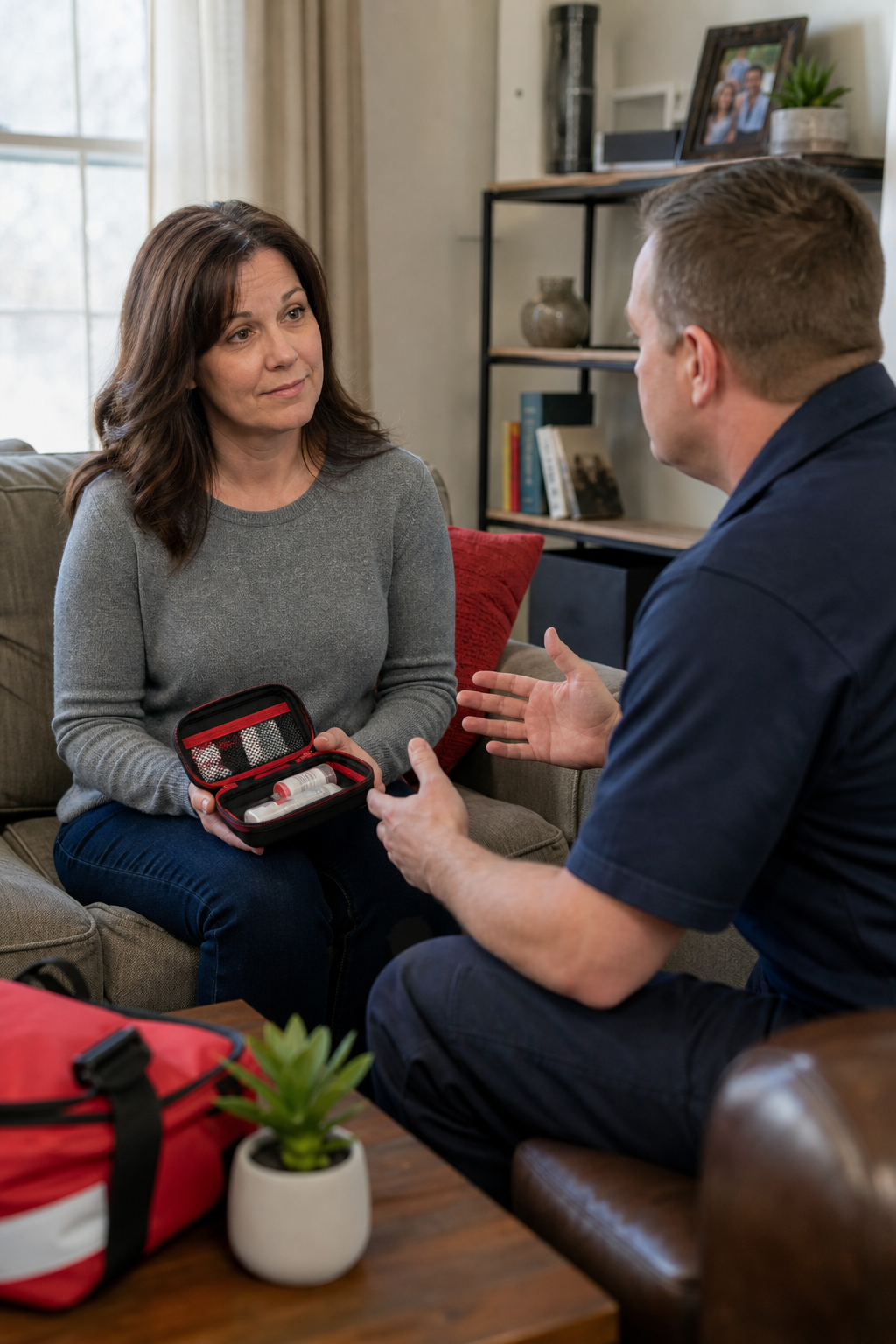
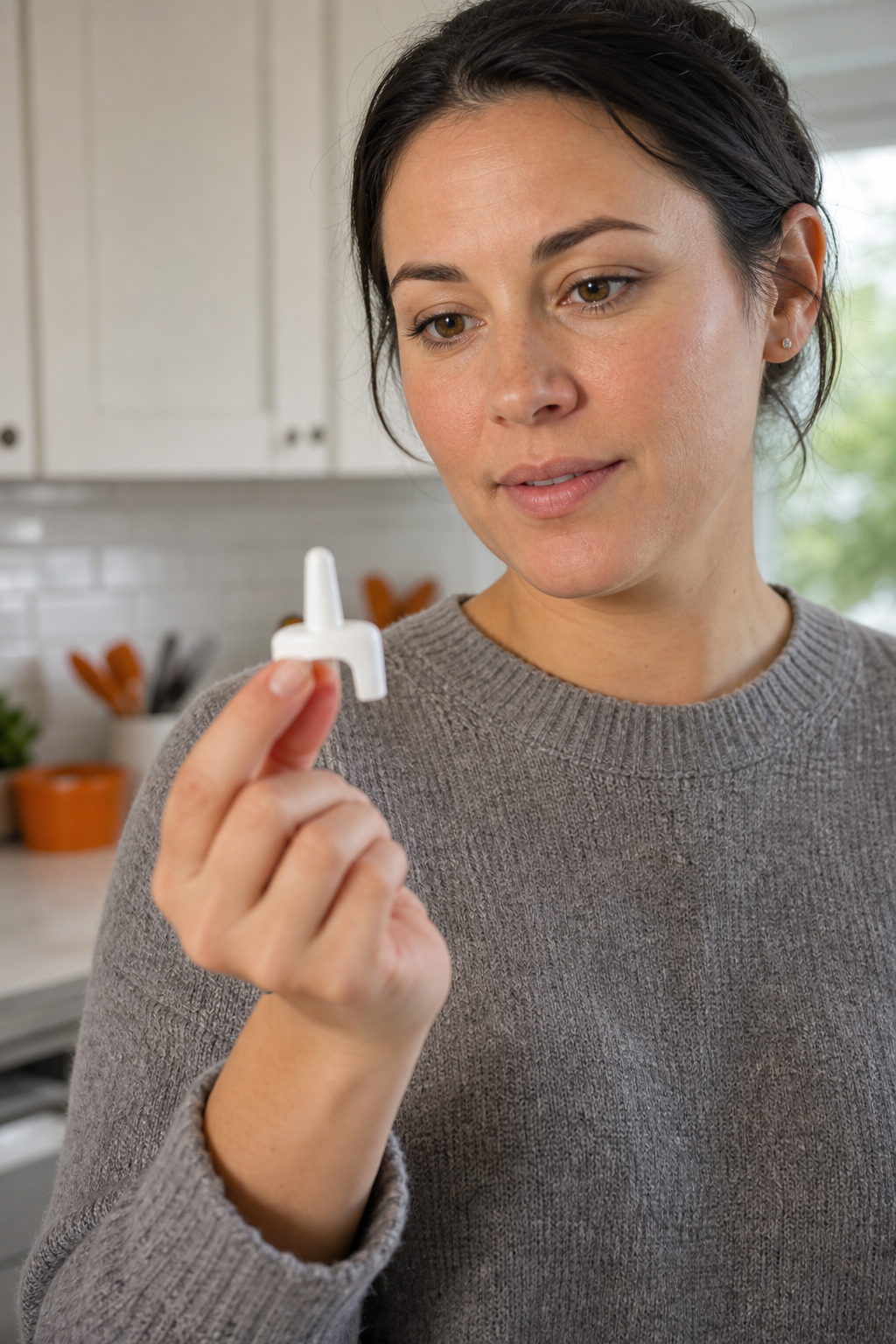
| Prescribe naloxone rescue kit and educate on use | Provide a naloxone kit at discharge and review how to recognize an overdose, call for help, administer naloxone, and stay with the person. | Provider | At hospital discharge or follow-up appointment | Naloxone rescue kit, counseling time, instructional materials | Best for overdose safety | pmc.ncbi.nlm.nih.gov |
| Review medication adherence during individual sessions | During each counseling session the clinician reviewed the patient’s medication use and any substance use since the prior visit. | clinical psychologist | each individual counseling session | patient self‑report, compliance checklist | Best for adherence review | pmc.ncbi.nlm.nih.gov |
Step 1: Identify the Need for Intervention
Knowing when to act is the first part of any drug addiction intervention checklist. You watch for red flags. Missed work, strange behavior, money trouble, health scares , those are clues.
Research from the National Institute on Drug Abuse explains that addiction is a chronic disease, like asthma. It needs ongoing care, not a quick fix. When you see relapse patterns, you need a plan.
NIDA’s treatment and recovery guideshows that relapse is normal. It doesn’t mean failure. It means you need to adjust.
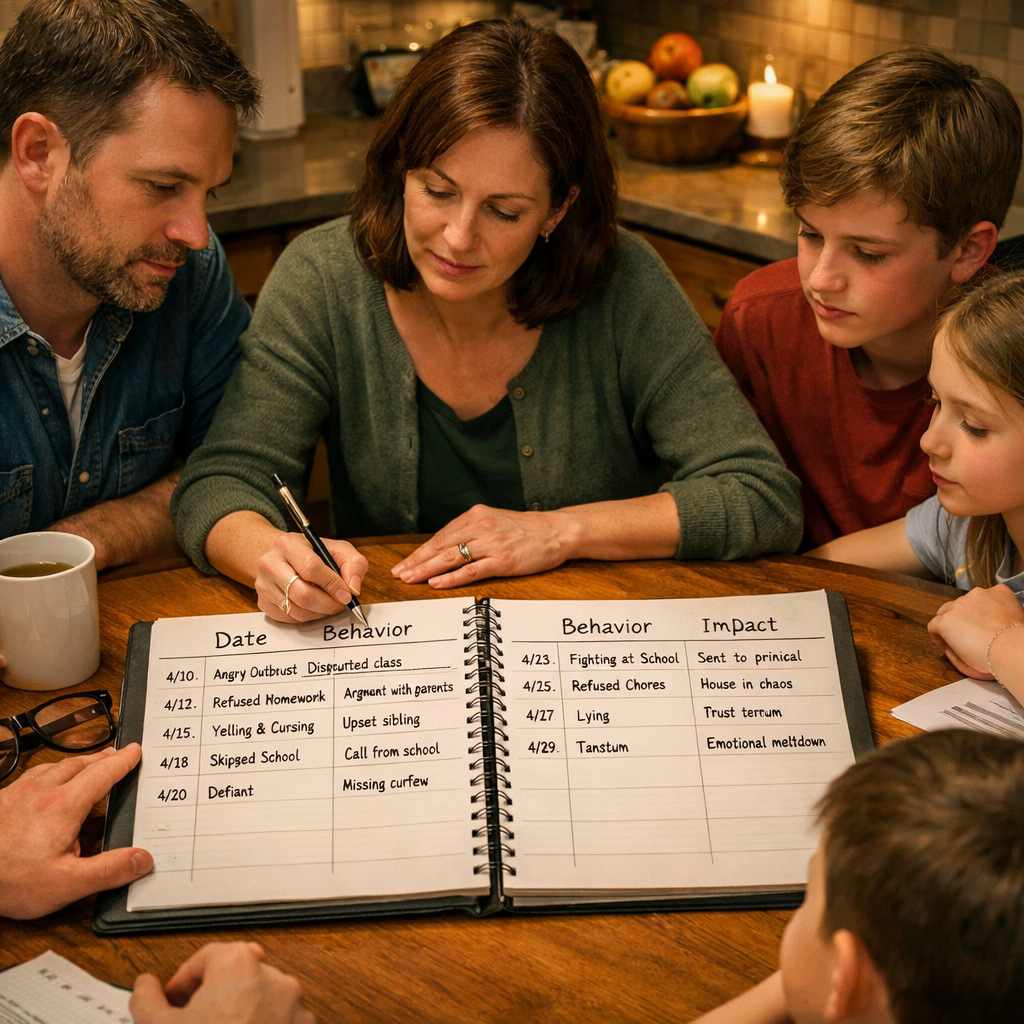
First, write down concrete examples. Use dates, places, impacts. A notebook works. This turns vague worry into facts you can share.
Second, check safety. Ask: Is the person at risk of overdose or violence? If yes, you must act fast and may need emergency help.
Third, talk to a trusted ally. Pick someone calm , a sibling, a friend, a counselor. Share your notes. You’ll get a second set of eyes.
Fourth, gauge readiness. Use “I feel” statements. “I feel scared when I see you miss work.” If they respond, you have a window.
Our Pick, Drug and Alcohol Interventions, gives a simple framework to follow these steps. It’s the backbone of the drug addiction intervention checklist.
When you’re ready, move to the next step: gathering the key information you’ll need for the meeting.
Read more about chronic care modelson the NIDA site.
Step 2: Gather Key Information
Now you need the facts that will shape the drug addiction intervention checklist. The more specific you are, the stronger the case.
Start with a health snapshot. List any diagnoses, meds, recent ER visits. This helps the team know what medical help is needed.
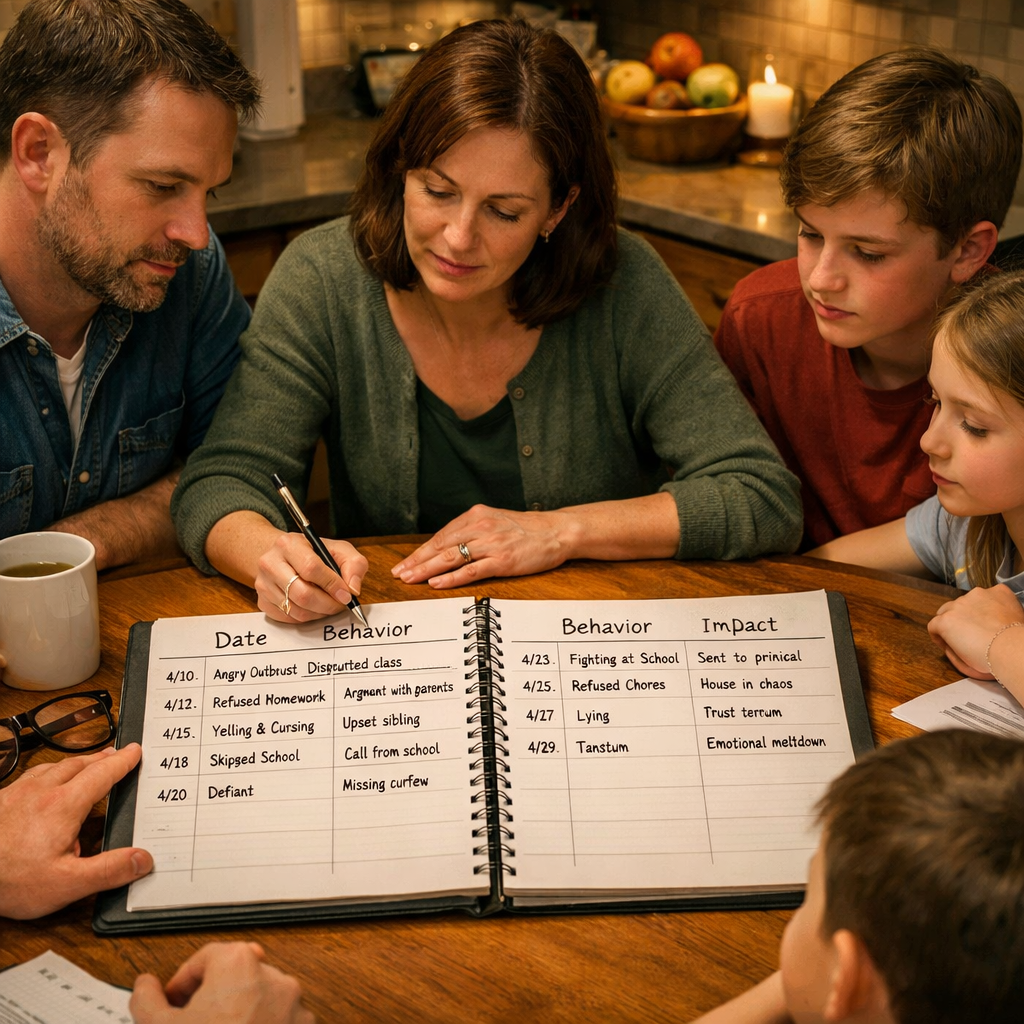
Next, collect behavior logs. Use a simple table: date, behavior, consequence, who saw it. This makes patterns clear.
Then, pull treatment options. Look up local rehab centers, insurance coverage, sliding‑scale fees. Write down names, phone numbers, intake requirements.
Also, note support resources. AA/NA meetings, counseling services, crisis hotlines. Having a phone number for 988 can save a life.
Finally, create a contact sheet. Include family members, the chosen interventionist, the primary care doctor, and emergency contacts.
Here’s a quick example: Maria in Riverside logged three missed appointments in two weeks, a car accident, and a hospital ER visit for overdose. She wrote each event with dates and who noticed. She then called three rehab centers, got intake dates, and printed the info on a single page.
Use the CDC’s addiction‑medicine checklist for a ready‑made list of items to gather.CDC’s PDF checklistcovers medical and safety data you’ll need.
Another great guide comes from American Addiction Centers. Their intervention guide walks you through paperwork, scripts, and what to expect.
When you have all this data, you can move to choosing the right approach. The checklist now has the facts you need to decide which model fits best.
Step 3: Choose the Right Intervention Approach
Not every intervention works the same. Your drug addiction intervention checklist should match the person’s readiness and the family’s dynamics.
Two main models exist. The traditional confrontational model is firm. It works when the person is in denial but still reachable. You present hard facts, set clear consequences, and push for immediate treatment.
The collaborative or therapeutic model is softer. A neutral facilitator guides the conversation, focuses on empathy, and lets the person voice fears. This works when the person shows some willingness.
Our Pick, Drug and Alcohol Interventions, is a flexible framework that can adapt to either style. It gives you a structure but lets you pick the tone.
To decide, ask three quick questions: Is the person openly resistant? Do you have a professional who can mediate? How urgent is the safety risk?
If resistance is high and safety is urgent, use the traditional model. If the person has hinted at wanting help, go collaborative.
Practice the script. Write three short statements: an observation, an impact, and an offer. Keep each under 30 seconds.
Watch this short video for a visual walk‑through of how to set up a collaborative meeting.
Remember to involve a certified interventionist if you feel out of depth.Effective Drug and Alcohol Intervention Strategiesoffers a deeper look at picking the right style.
Once you’ve chosen the model, you can plan the meeting details. That brings us to the next step of the drug addiction intervention checklist.
Step 4: Conduct the Intervention Meeting
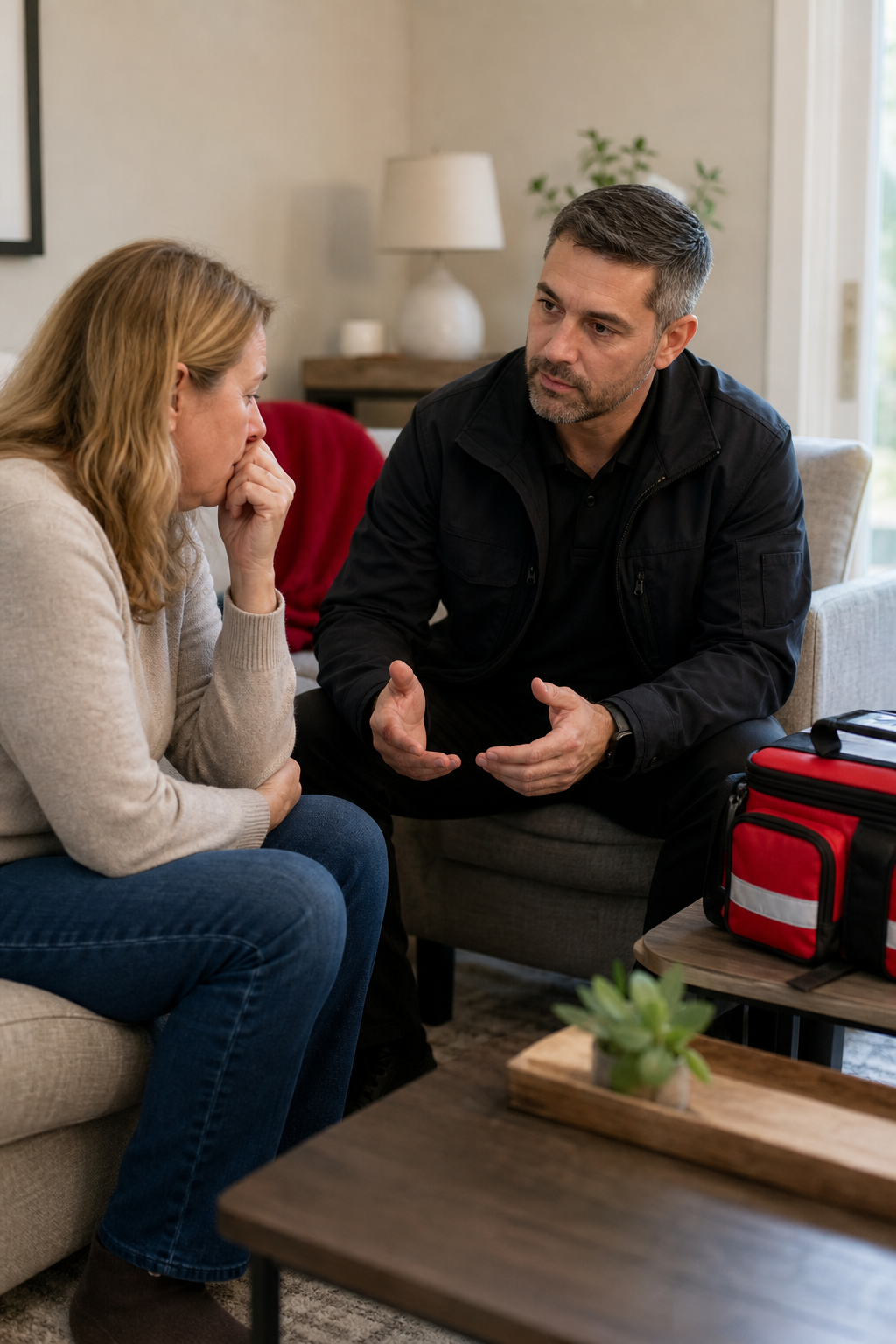
The day of the meeting is where the checklist comes alive. You need a calm space, a set time limit, and a clear script.
Pick a neutral location , a living room with a single exit works. Make sure there are no distractions, no phones ringing.
Set a timer for 45‑60 minutes. This keeps energy focused and prevents the conversation from spiraling.
Start with an “I feel” line. “I feel scared when I see you miss work because I worry about your health.” Then each ally shares one concrete example from the log you created.
After the facts, present two clear options. Option one: a specific rehab center with address, start date, insurance details. Option two: a consequence if they refuse , for example, loss of housing or legal steps.
Keep the tone firm but caring. Avoid blame. Use short, factual sentences.
When the person agrees, move to immediate action. Call the rehab intake line on the spot, confirm a transport plan, and note the next steps on a sticky note.
If they hesitate, remind them you’ll follow up in 48‑72 hours. Offer a softer step like visiting the center’s website together.
After the meeting, debrief with the team. Note what went well and what felt tense. Adjust the script for next time.
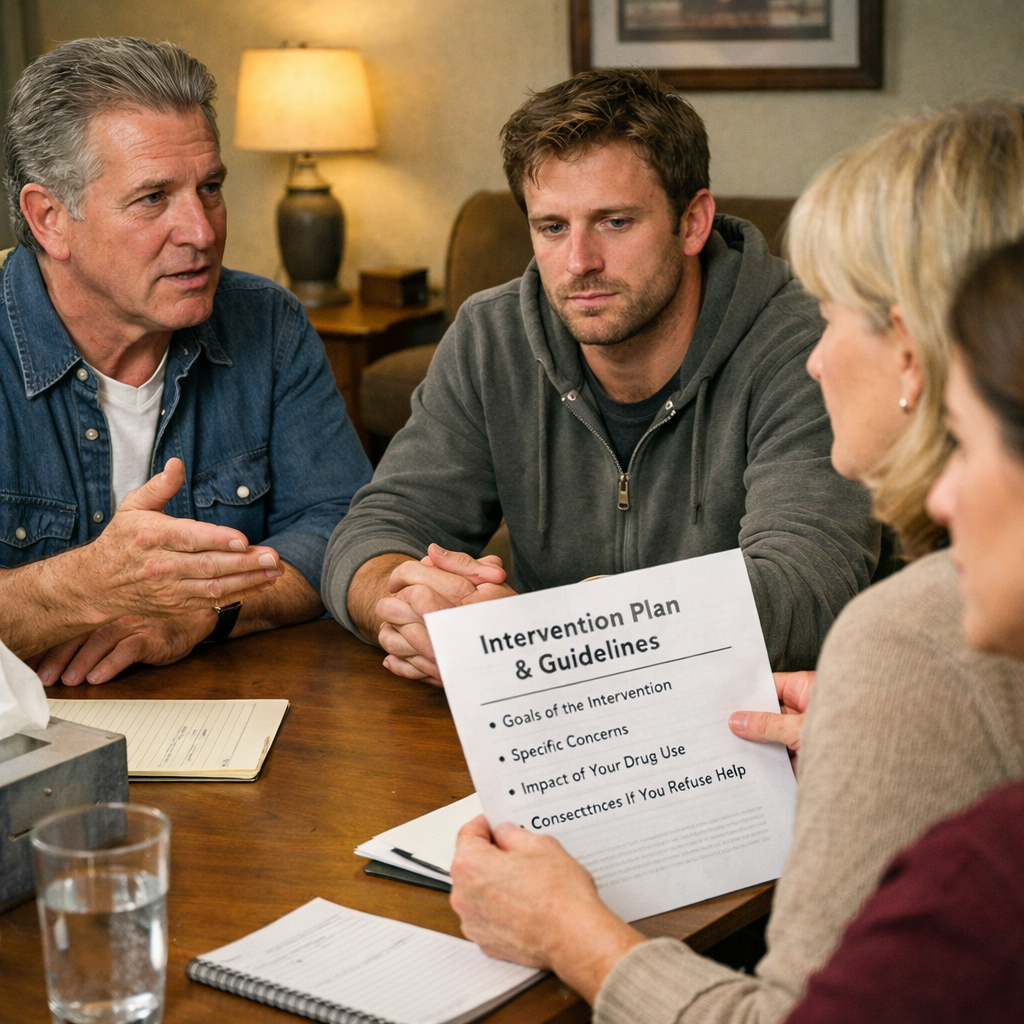
Our Pick’s framework emphasizes a quick hand‑off to treatment. That aligns with the key finding that Immediate Treatment Admission is the only step with a clear timing.
For more on planning and rehearsing, seeEffective Intervention Steps: A Practical How‑To Guide. It breaks down the script and role‑play tips.
Step 5: Follow‑Up and Monitor Progress
Intervention isn’t a one‑off event. Your drug addiction intervention checklist must include a solid follow‑up plan.
First 48‑hour check‑in. Send a supportive text: “We’re here for you, and the intake appointment is set for tomorrow at 10 a.m.” This reinforces commitment.
Next, schedule weekly check‑ins. Call, video chat, or meet in person. Track three things: attendance at treatment, mood changes, any cravings.
Use a simple table to log progress. Below is a sample you can copy.
Monthly compliance checks, like the Opioid Compliance Checklist from the research table, keep medication use in view.
Also, keep the educational handouts handy. Review them in each session to reinforce learning.
If a relapse occurs, treat it as a signal to adjust. Call the interventionist, review barriers, and re‑schedule a meeting if needed.
Professional follow‑up services, such as those listed on the American Addiction Centers site, can provide ongoing counseling and after‑care resources. Their guide lists phone numbers and support groups.
Remember, the key finding shows that families who combine Immediate Treatment Admission with Monthly group education see the best outcomes. Keep that combo front‑and‑center in your plan.
Conclusion
Putting a drug addiction intervention checklist together takes work, but it gives you a clear path. You start by spotting the signs, then you gather solid data, pick the right style, run a focused meeting, and stay on the case with follow‑up. Our Pick, Drug and Alcohol Interventions, offers the overall framework, while the Immediate Treatment Admission step makes sure you act fast. The monthly group sessions keep momentum and give the person peer support.
If you feel stuck, call (949) 545‑3438 now. A certified specialist can walk you through each step, help you rehearse the script, and connect you with a rehab program right away. You don’t have to face this alone. Take the first step today and turn fear into hope.
FAQ
What is the first thing I should do when I suspect a loved one’s addiction?
Start by writing down specific incidents , dates, places, and impacts. This turns vague worry into concrete facts you can share. Then talk to a trusted ally who stays calm. Together you’ll decide if safety is an immediate concern and whether you need emergency help. This early work sets the stage for the drug addiction intervention checklist.
How many people should be in the intervention team?
Three to five people works best. Choose allies who are supportive, calm, and willing to speak briefly. Include a professional if possible , a counselor or certified interventionist. Too many voices can overwhelm the person, while too few may lack perspective. A tight team lets you stick to the script and keep the meeting under an hour.
What should I say during the meeting?
Begin with an “I feel” statement that names your emotion and the impact. Follow with one concrete example from your log. Keep each sentence short , under 20 words. Then present two clear options: a treatment plan with name, address, start date, and a consequence if they refuse. End with a caring line like, “We believe you can do this, and we’ll be with you every step.”
How do I handle a refusal?
If the person says no, stay calm. Acknowledge their feelings and remind them you care. Re‑state the two options and give a short window , 48‑72 hours , to think it over. Then schedule a follow‑up call. Keep the door open and avoid ultimatums. Document the refusal in your log and plan the next check‑in.
What resources can I use for ongoing support?
Look for local AA/NA meetings, counseling services, and crisis hotlines like 988. The CDC’s addiction‑medicine checklist lists useful contacts. American Addiction Centers also provides a directory of rehab centers, support groups, and after‑care programs you can add to your contact sheet.
How often should I check in after the intervention?
Start with a text within 24 hours confirming the next step. Then a brief call 48‑72 hours later to see how they feel. After that, set weekly check‑ins for the first month, then move to bi‑weekly or monthly as stability grows. Use a simple table to track attendance, mood, cravings, and any adjustments needed.
Can I do the checklist without a professional?
You can follow the steps on your own, but a certified interventionist adds expertise and neutrality. They help you stay on script, manage emotions, and connect quickly to treatment. If cost is a concern, many providers offer a free initial consult. The drug addiction intervention checklist works better with professional guidance.
What if the person relapses after starting treatment?
Relapse is part of recovery for many. Treat it as a signal to reassess the plan. Review the original log, identify new triggers, and adjust the follow‑up schedule. Contact the treatment center right away, and schedule an extra counseling session. Keeping the checklist updated helps you catch warning signs early and keep the person on track.
| Week | Treatment Attendance | Mood / Energy | Cravings / Triggers | Notes |
|---|---|---|---|---|
| 1 | Attended intake | Low but hopeful | Stress at work | Send relaxation tip |
| 2 | First group session | Improved | Evening boredom | Suggest hobby |
| 3 | Two therapy visits | Stable | None reported | Celebrate small win |