
Alcohol abuse can turn a family’s life upside down in weeks. The pain, fear, and confusion pile up fast, and you may feel stuck. This guide shows you exactly what a professional alcohol interventionist does, what skills they need, how to pick the right one, and when to call for help. You’ll get step‑by‑step tips, real‑world examples, and a clear plan to move forward.
Below is a side‑by‑side look at two providers we found in April 2026. It highlights what they share and where they differ.
| Name | Service Modes | Certified Interventionists | Best For | Source |
|---|---|---|---|---|
| Drug and Alcohol Interventions (Our Pick) | — | — | Best for private, undisclosed approach | nextstepintervention.com |
| Clear Path Interventions | In‑person, Phone, Video‑chat | certified family interventionists, certified intervention professionals & recovery coaches | Best for multi‑modal delivery | clearpathintervention.com |
What Is a Professional Alcohol Interventionist?
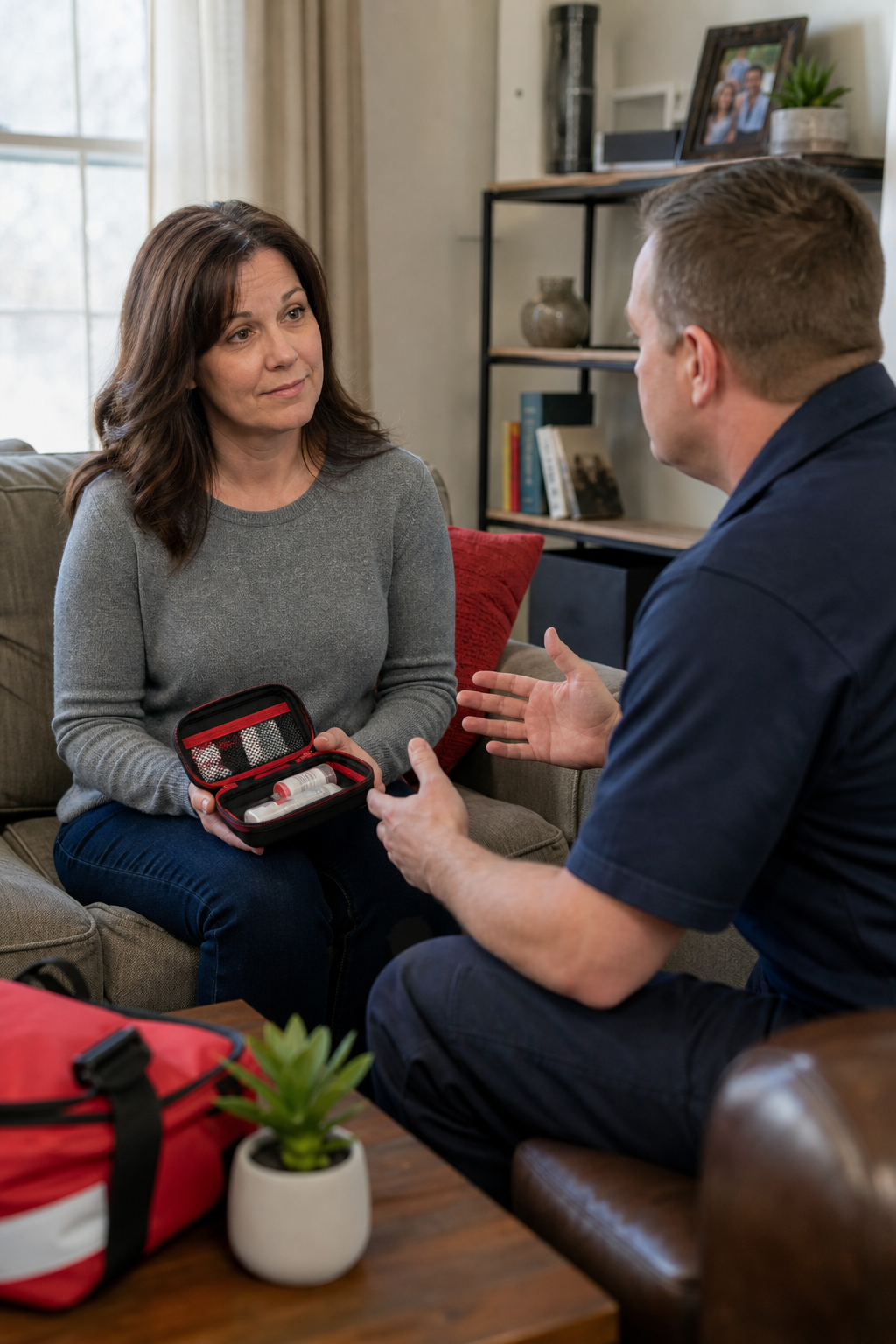
A professional alcohol interventionist is a trained person who guides a family through a safe, structured meeting with a loved one who drinks too much. The goal is not to shame or force, but to give clear facts, set firm boundaries, and point to help.
The role has two main parts. First, the specialist educates the family about how alcohol affects the brain, behavior, and health. Second, the specialist leads the actual meeting, makes sure each family member stays calm, and escorts the person to treatment if they agree.
Think of the interventionist as a neutral coach. They watch the family dynamics, spot enabling patterns, and keep the conversation on track. The process often starts with an intake interview where the specialist asks about drinking frequency, recent incidents, and any medical or mental health history. This helps the specialist decide which treatment level fits best, outpatient counseling, a detox program, or a residential stay.
During the meeting, the specialist asks each family member to read a short letter they wrote. The letters share personal feelings, specific examples of hurt, and a clear offer of help. The specialist then sums up the plan: where the treatment center is, how transport will work, and what the family will do if the person refuses.
After the meeting, the specialist stays on call for a few days to answer questions, help with insurance paperwork, and make sure the person reaches the treatment center safely. This after‑care support is why families keep coming back for more help.
One real example: the Torres family in Orange County called a professional after their son missed work three days in a row. The interventionist arrived within two hours, ran a quick assessment, and organized a transport to a local rehab. Within a week the son was in a structured program and the family felt relief.
Professional interventionists also work with other experts. They may coordinate with a therapist, a medical doctor, or a recovery coach to create a full plan that covers both the alcohol issue and any co‑occurring mental health concerns.
Because the job blends counseling, crisis response, and logistics, the specialist must hold specific training and follow ethical guidelines. That’s why you’ll see certification badges on reputable sites.
For a deeper look at what an interventionist does, see the Professional Interventionist Overview page.
When you’re ready to start, you can also read our guide on finding a local specialist. How to Find an Alcohol Intervention Specialist Near Me: A Practical Guide walks you through the first steps.

Key Skills and Certifications
A professional alcohol interventionist needs both hard skills and soft skills. Hard skills are the things you can learn in a classroom , assessment tools, legal knowledge, and emergency response. Soft skills are the personal traits like empathy, listening, and calmness.
Below is a quick matrix that shows the most important skills and the typical certifications that prove a specialist has them.
| Skill | Why It Matters | Typical Certification |
|---|---|---|
| Assessment using ASAM, DSM‑5, ASI | Helps match the person to the right level of care | Certified Intervention Professional (CIP) |
| Crisis Management | Ensures safety if the person becomes aggressive or suicidal | Certified Crisis Intervention Specialist (CCIS) |
| Family Mediation | Reduces blame and keeps the meeting focused | Family Mediation Certification (FMC) |
| Knowledge of Treatment Options | Lets the specialist suggest the best detox or rehab program | Certified Addiction Counselor (CAC) |
| Legal & Ethical Standards | Protects privacy and avoids liability | HIPAA Compliance Training |
Most reputable specialists have at least 150 hours of formal training. That includes 20 hours on intervention theory, 20 hours on substance‑use disorders, and a supervised practicum where they observe or co‑lead real meetings.
In addition to certificates, many specialists keep a log of the number of interventions they have led. A good rule of thumb is to ask for proof of at least ten completed interventions with references.
Soft skills can be harder to verify, but you can sense them in a free consultation. Does the specialist listen without interrupting? Do they use plain language instead of jargon? Are they calm even when you describe a chaotic situation?
Here’s a quick tip list for checking skills during a phone call:
- Ask how they would handle a family member who becomes angry.
- Request an example of a recent assessment they completed.
- Check if they have a written after‑care plan template.
Training programs often partner with national bodies like the International Association of Intervention Specialists (IAIS). When you see a badge from IAIS or the Substance Abuse and Mental Health Services Administration (SAMHSA), you know the specialist follows recognized standards.
Our pick, Drug and Alcohol Interventions, does not list certifications publicly, which is a red flag for some families who want full transparency. However, they do offer a private, undisclosed approach that some people prefer.
Another example: Clear Path Interventions lists certified family interventionists, certified recovery coaches, and offers in‑person, phone, and video options. That openness can help you feel more confident in the specialist’s abilities.
For a quick look at what a training session feels like, watch this short video from a leading provider.
When you compare the two, think about what matters most for your family: clear credentials or a private approach. Both can work, but the right fit depends on your comfort level.
How to Choose the Right Interventionist
Choosing a professional alcohol interventionist is like picking a doctor for a serious condition. You need to check credentials, ask about the process, and see if the style matches your family’s needs.
Step one is to make a short list of local specialists. Use Google, state directories, or referrals from a therapist. Write down each name, the phone number, and any certification you can find on their website.
Step two is the vetting call. During the call, ask three key questions:
- What certifications do you hold, and can you send a copy?
- How quickly can you be on site if we need emergency help?
- What does your after‑care plan look like?
The answers will tell you if the specialist is prepared for a crisis or only offers a one‑time meeting.
Step three is to compare the approaches. Some specialists use a “rapid‑assessment” model that moves fast to get the person into treatment within 24‑48 hours. Others use a slower “family‑centric” model that spends more time on education and boundary‑setting before the meeting. Your choice should match how urgent the situation feels.
Here’s a side‑by‑side checklist you can print:
- Certification (IAIS, AIP, state license)
- Years of experience with alcohol‑focused families
- Available service modes (in‑person, phone, video)
- Emergency response window (minutes, hours)
- Insurance acceptance
Score each specialist on a 1‑5 scale for each item. The highest total usually points to the best fit.
Another practical tip: ask for a short, written outline of the intervention plan before you sign anything. A clear outline shows the specialist respects transparency and gives you a chance to ask questions.
When you’re ready, you can also read the guide on drug intervention services in San Diego for more ideas on what to expect from a professional. Top Reasons to Trust Next Step for Drug Intervention Services in San Diego CA
Finally, trust your gut. If the specialist sounds rushed, uses vague language, or refuses to give references, keep looking. A good professional will be patient, answer every question, and give you a clear path forward.
Once you have a specialist you feel comfortable with, schedule a free consultation. This meeting lets you see how they interact with you and whether they can handle the emotional load of your situation.
Remember, the right professional can turn a night of fear into a hopeful plan for recovery.
When to Call a Professional Alcohol Interventionist
Knowing the right moment to call a professional can save a lot of heartache. Below are the top signs that it’s time to bring in an expert.
1. Daily morning drinking that interferes with work or school.
2. Legal trouble such as DUIs, arrests, or repeated violations.
3. Physical harm , falls, injuries, or blackouts.
4. Severe mood swings, aggression, or threats of self‑harm.
5. The person refuses to talk about the problem, shuts down, or becomes hostile when you bring it up.
If you see any of these, a professional can keep the conversation calm and focused. They know how to hold up a mirror without triggering a fight.
Another red flag is when the family feels helpless. If you notice you’re constantly arguing about how to handle the situation, that’s a sign you need a neutral third party.
Professional interventionists also help when the loved one has co‑occurring mental health issues like depression or anxiety. They can arrange a dual‑diagnosis program that treats both problems at once.
Here’s a step‑by‑step plan for families who are on the fence:
- Write down the last three incidents that worried you.
- Rate how dangerous each incident felt on a scale of 1‑10.
- If any rating is 7 or higher, call a professional right away.
- Gather a calm support team of two‑three people who can speak without blame.
- Reach out to a specialist for a quick phone audit.
One real story shows how this works. The Patel family in Long Beach saw their daughter miss three consecutive work shifts and then have a minor car accident. They called an interventionist, who arrived within three hours, did a quick assessment, and set up a detox program. Within two weeks the daughter was in treatment, and the family felt relief.
When you call, ask the specialist about their emergency response plan. A good professional will have a 24‑hour hotline and a clear process for getting the person to a treatment center safely.
For more guidance on when to act, the Hazelden Betty Ford Foundation explains the power of a compassionate, non‑confrontational approach. Read their full article on how to do an intervention.

After the first meeting, the specialist will stay on call for a few days to answer any follow‑up questions and make sure the treatment start goes smoothly. That after‑care is a key reason to choose a professional over a DIY approach.
If you need immediate help, you can call the 24/7 line at (949) 545‑3438. The team will connect you with a qualified professional right away.
Conclusion & Next Steps
Hiring a professional alcohol interventionist can turn a chaotic night into a clear plan for recovery. You now know what the role looks like, the skills and certifications to watch for, how to vet and choose the right person, and the warning signs that say it’s time to act.
Start by making a short list of local specialists and checking their credentials. Use the checklist we provided, and don’t forget to ask about emergency response and after‑care support. When you feel ready, schedule a free consultation and ask for a written outline of the intervention process.
If you want a trusted partner that offers both privacy and proven methods, consider reaching out to our top pick, Drug and Alcohol Interventions. They keep the details private, which can be a good fit for families who value discretion.
Still unsure? Call our 24/7 line at (949) 545‑3438 now. A compassionate professional will listen, answer your questions, and help you take the first step toward a safer, healthier future for your family.
For a broader view of how intervention fits into overall recovery, you might also explore our guide on finding qualified counselors. Get Help Now: Alcohol Intervention Services in Anaheim
FAQ
What does a professional alcohol interventionist do during the first meeting?
The first meeting usually lasts 15‑20 minutes. The specialist asks each family member about recent drinking incidents, health concerns, and emotional impact. They then explain how the intervention will work, set clear boundaries, and outline treatment options. The goal is to give everyone a safe space to share feelings without blame and to create a concrete plan if the person accepts help. The specialist also notes any co‑occurring mental health issues that may need separate treatment.
How can I verify a specialist’s certifications?
Ask the specialist to email you a copy of their certification badge or provide a link to the licensing board where you can look them up. Look for recognized names like IAIS, AIP, or state‑issued interventionist licenses. You can also call the board directly to confirm the status. A good specialist will gladly share this information and may even provide references from families they have helped.
What are the signs that I need a professional instead of a DIY intervention?
If the person drinks every morning, has legal trouble, shows aggressive or self‑harm behavior, or you notice the family is stuck in blame cycles, it’s time to call a professional. Also, if you feel overwhelmed, can’t stay calm, or lack knowledge about treatment options, a specialist can keep the meeting focused and safe. Their neutral role often prevents the situation from spiraling.
How much does a professional intervention cost?
Costs vary by region and the level of service. Some specialists charge a flat fee for the whole process, while others bill hourly for assessment, planning, and follow‑up. Many work with insurance, so it’s worth asking for a cost estimate and whether they accept your plan. Always get the fee structure in writing before you sign any agreement.
Can an interventionist help with dual‑diagnosis cases?
Yes. A qualified professional will ask about mood swings, anxiety, or depression during the intake. They can then refer you to a treatment center that offers both addiction and mental‑health services. This integrated approach avoids the common pitfall of treating the alcohol problem alone while ignoring underlying mental health issues.
What should I expect after the intervention?
After the meeting, the specialist provides a written action plan that lists the treatment center, insurance contacts, and a 24‑hour check‑in schedule. They may also arrange a follow‑up call within 48 hours to see how the person is coping and to answer any new questions. Ongoing support can include family counseling, after‑care check‑ins, and referrals to support groups like AA or SMART Recovery.