
Let’s face it—watching a loved one spiral into meth use feels like watching a house burn down from the kitchen window. You’re terrified, exhausted, and you keep asking yourself, “When will they finally see how dangerous this is?” This intro will give you a clear path forward, so you don’t have to feel stuck.
First, recognize that meth addiction isn’t just a bad habit; it’s a physiological hijack that rewires the brain’s reward system. Families often report sudden mood swings, paranoia, and a frantic need for the next high—behaviors that can feel like a stranger has taken over the person you once knew. Understanding this shift is the first step in crafting a compassionate intervention.
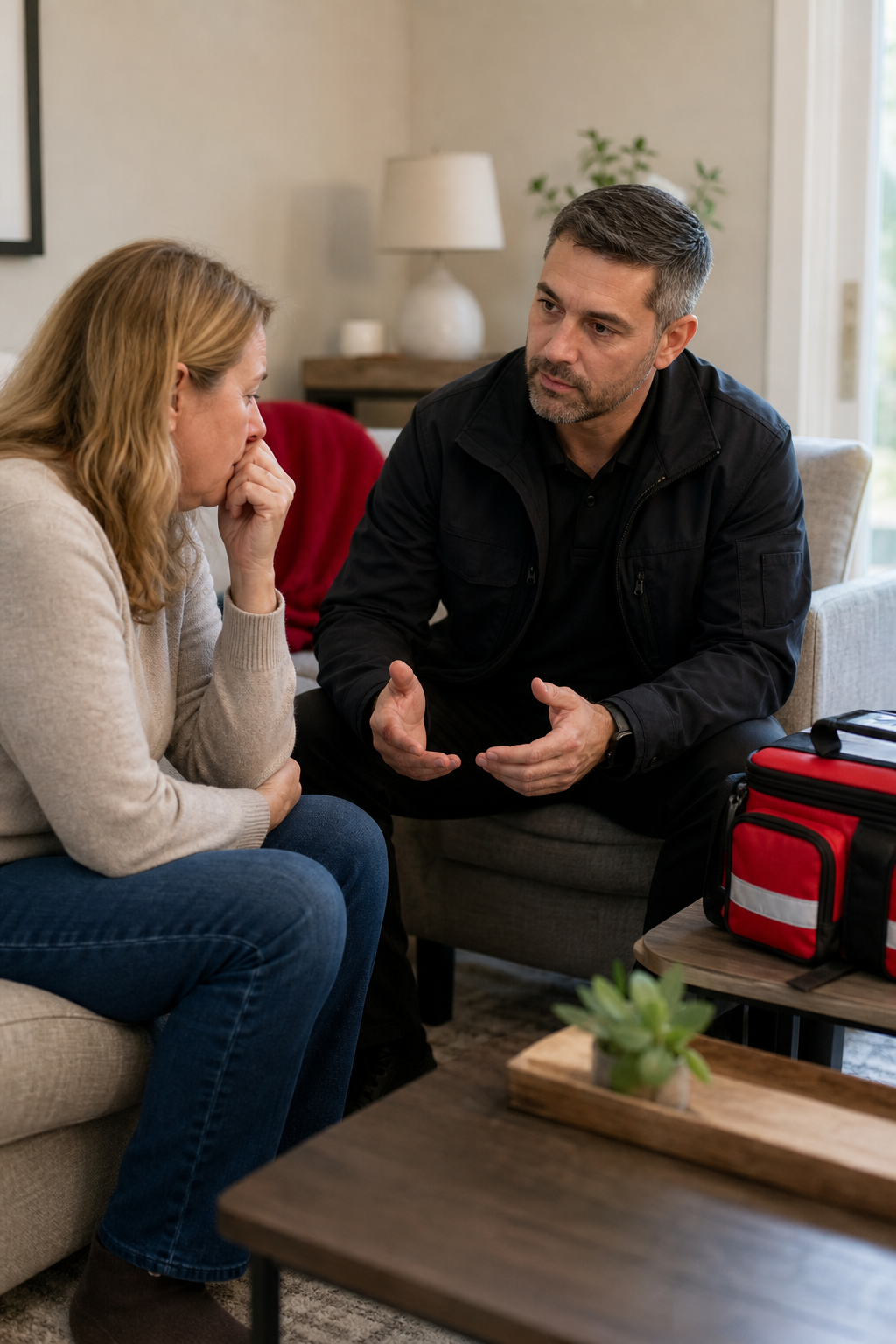
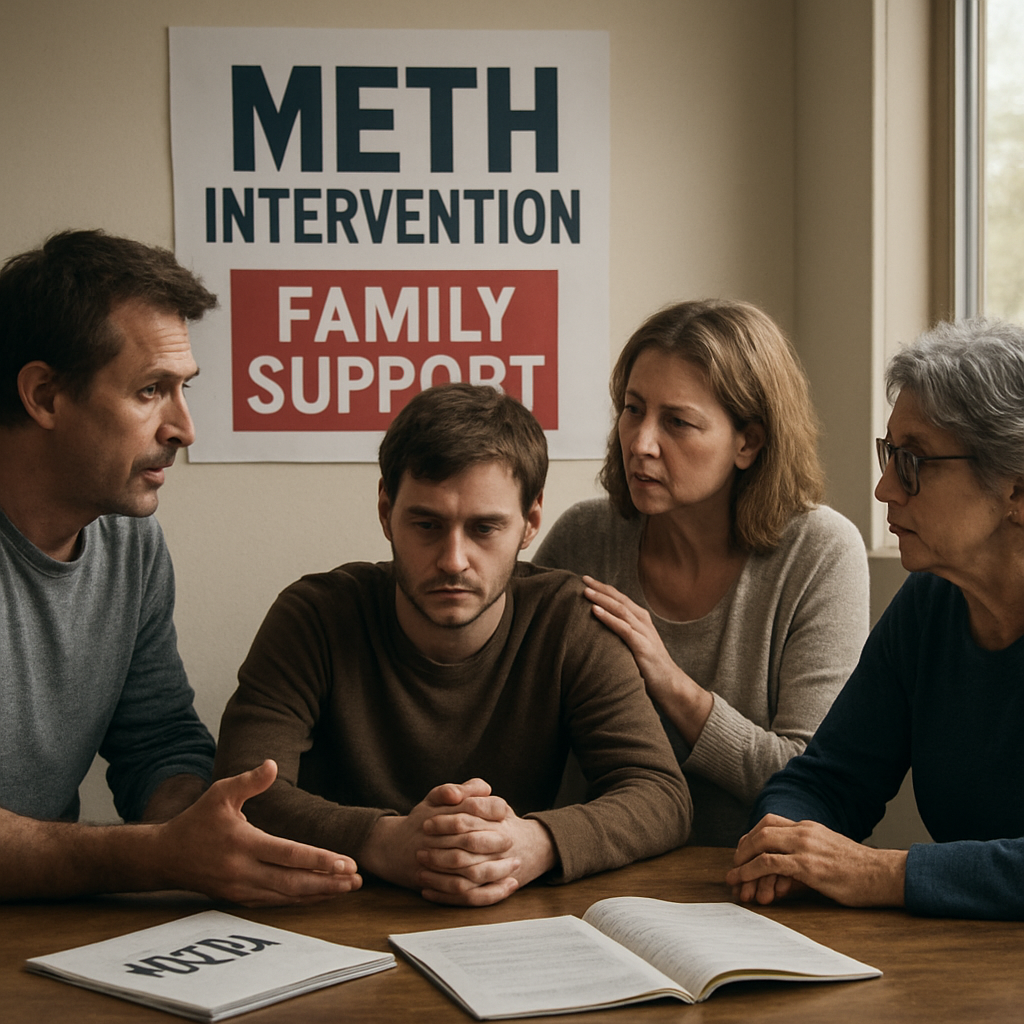
So, what does a meth intervention actually look? Imagine gathering a small circle of trusted friends and family, each sharing a brief, honest story about how the addiction has impacted them—no blame, just facts. An experienced interventionist can help keep the conversation on track, ensuring everyone speaks from a place of love rather than accusation.
Real‑world example: The Martinez family in Los Angeles called us after their 22‑year‑old son started disappearing for days, stealing money, and losing his job. Within a week of a structured intervention, he agreed to enter an inpatient program, and the family reported a 70% reduction in daily meth use within the first month. Stories like this show that timing and preparation matter more than you might think.
If you’re wondering where to start, a practical first move is to review proven methods for substance‑use crises. Our effective drug and alcohol intervention strategies guide breaks down the core steps, from assessing safety to choosing the right professional. It also offers a checklist you can print and bring to your first planning meeting.
But an intervention isn’t a one‑time event; it’s the start of a recovery journey that often involves trauma work. Many people battling meth have histories of unresolved emotional pain, so pairing the intervention with post‑treatment counseling can dramatically improve long‑term outcomes. For families looking for holistic support, we recommend checking out ProsperWithAlthea, which offers trauma‑aware personal development programs that complement the medical side of recovery.
TL;DR
A meth intervention combines careful planning, compassionate conversation, and professional guidance to break the cycle of addiction and jump‑start lasting recovery.
Start by assessing safety, gather trusted supporters, and follow our step‑by‑step checklist so you can intervene confidently and set your loved one on a path toward healing today together.
Understanding Meth Abuse and Its Impact
When you first hear that someone you love is using meth, the news can hit like a cold splash of water – shocking, disorienting, and instantly draining. You might wonder why the high feels so irresistible and why the crash feels like a bottomless pit. The answer starts with the chemistry: methamphetamine floods the brain with dopamine, creating an intense rush that fades in minutes, leaving a desperate craving for “just one more hit.”
That rapid cycle of euphoria and crash is why users often binge for days, sleeping only a few hours a night. Think about the Martinez family we mentioned earlier – their son started staying up for 72 hours straight, barely eating, and then spiraled into paranoid delusions. In the blink of an eye, a once‑reliable student turned into someone who was stealing money just to fund the next dose.
Physical and Mental Toll
Meth’s impact isn’t limited to the brain. It raises heart rate, blood pressure, and body temperature, sometimes leading to life‑threatening strokes or heart attacks. Chronic use can erode teeth – the infamous “meth mouth” – and cause severe weight loss because appetite is suppressed. On the mental side, users often experience anxiety, aggression, and vivid hallucinations. A study from the National Institute on Drug Abuse notes that long‑term use can result in persistent paranoia and cognitive decline.
But the damage goes deeper. Because meth is frequently injected or smoked, users are at heightened risk for HIV, hepatitis B, and hepatitis C. The drug also worsens any existing mental health conditions, making depression and suicidal thoughts more common after the crash.
Why an Intervention Is Critical
All of these health alarms stack up quickly, and families can feel powerless watching the decline. That’s where a meth intervention becomes a lifeline. An intervention creates a structured, compassionate space where loved ones hear the hard truths without feeling attacked. It’s not a “scare tactic”; it’s a coordinated plan that pairs emotional honesty with professional resources.
If you’re wondering where to start, a good first step is to locate a qualified professional who understands the unique challenges of stimulant use. Our Finding an Interventionist Near Me: A Practical Guide walks you through evaluating credentials, asking the right questions, and budgeting for the service.
Once you have an interventionist on board, consider these actionable steps:
- Document specific behaviors (e.g., missed appointments, erratic spending) with dates – concrete facts keep the conversation grounded.
- Assemble a small, trusted circle of supporters who can speak briefly and calmly.
- Develop a clear “next‑step” plan: treatment center options, financial logistics, and post‑intervention support.
It may feel overwhelming, but breaking it into bite‑size tasks makes the process manageable. And remember, you don’t have to walk this road alone.
Beyond the medical side, the emotional fallout can be just as heavy. Families often report sleepless nights, guilt, and a sense of grief for the person they once knew. That’s why pairing an intervention with resources for emotional resilience can make a world of difference. For practical coping tools, check out emotional resilience resources that help you process stress and maintain your own wellbeing while supporting your loved one.
In summary, meth’s rapid, destructive chemistry creates a cascade of physical, mental, and social problems that can feel impossible to reverse. Yet, by understanding the science, recognizing the warning signs, and taking decisive, compassionate action – including a well‑planned meth intervention – you can break the cycle and open a path toward recovery. The next step is yours: reach out, gather your allies, and start the conversation before another crash lands.
Early Signs and Risk Factors to Watch For
When you first notice a loved one acting a little “off,” it’s easy to chalk it up to stress or a bad night. But meth has a way of slipping into daily routines so quietly that the warning lights can feel like flickers in a storm.
And then, before you know it, the changes become impossible to ignore. You might catch them staring at a wall for hours, talking to themselves, or pulling all‑nighters that leave them looking like a ghost. Those moments are the early alarms that a meth intervention could save you from a deeper crisis.
So, what should you actually be looking for? Below, we break down the most common physical and behavioral clues, plus the risk factors that make a meth problem more likely to spiral.
Physical red flags you can’t miss
First, the body often gives up before the mind does. Rapid weight loss, severe dental decay (“meth mouth”), and persistent skin sores are classic signs. You might also notice a constant jitter, sweaty palms, or dilated pupils that don’t shrink even in dim light.
And it’s not just the obvious. A sudden intolerance for cold, unexplained fever spikes, or frequent nosebleeds (especially if they’re smoking) can all point to meth use. These symptoms appear early because the drug hijacks the brain’s dopamine pathways and forces the body to run on “high gear.”
Behavioral clues that raise the alarm
You may have heard the phrase “they’re on a different planet.” That’s often how families describe the erratic mood swings, paranoia, and hyper‑productivity that accompany early meth use. One moment they’re laser‑focused, the next they’re suspicious of everyone around them.
Look for compulsive spending, secretive phone calls, or a sudden obsession with “getting things done” at any cost. According to a UK‑based addiction guide, users can become “erratic, anxious or compulsively productive,” and those shifts rarely fade without help as detailed by Rehabs UK.
Another red flag is sleep deprivation. If they’re pulling 48‑hour binge cycles, their eyes will be bloodshot, their speech slurred, and they’ll often seem “wired” even when they finally crash.
Risk factors that amplify danger
Not everyone who tries meth ends up in a full‑blown addiction, but certain factors dramatically increase the odds. A personal or family history of substance abuse, untreated mental health issues like depression or ADHD, and environments where meth is readily available (e.g., certain social circles or “chemsex” scenes) all stack the deck against recovery.
Age matters, too. Young adults and teenagers have brains still wiring themselves, so the dopamine surge can lock in addictive pathways far faster than in older adults.
When to move from observation to a meth intervention
If you’ve spotted three or more of the signs above and they’re persisting for weeks, it’s time to consider a meth intervention. Waiting longer only lets the brain’s chemistry cement the dependence, making later treatment tougher.
Start by gathering concrete examples—dates, behaviors, physical changes—so you can present a clear, non‑judgmental picture. Then, reach out to a professional interventionist who knows how to steer the conversation toward hope rather than blame.
Quick checklist for families
- Track physical changes: weight loss, dental decay, skin lesions.
- Log behavioral shifts: paranoia, sleepless binges, secretive actions.
- Identify risk amplifiers: mental health history, peer pressure, easy access.
- Document at least three consistent signs over a 2‑week span.
- Contact a qualified interventionist before confronting the loved one.
Remember, catching the early signs isn’t about playing detective—it’s about protecting the person you love before the damage becomes irreversible. A timely meth intervention can turn a nightmarish downward spiral into a hopeful new chapter.
Step-by-Step Intervention Strategies for Families
When you finally see the warning signs, the clock seems to stop. You wonder how you can move from panic to a plan that actually works.
First, gather concrete evidence. Write down dates, behaviors, and physical changes – a simple spreadsheet works better than a vague memory. Seeing the pattern on paper makes the conversation feel less like an accusation and more like a fact‑check.
Next, pick a small, trusted circle. Four to six people who love the person but aren’t caught up in the drama are ideal. Each person should practice a brief, honest statement that sticks to observable facts and avoids blame.
Does this sound overwhelming? Take a breath. Break it down into bite‑size tasks, and you’ll notice the process becomes manageable.
Step 1 – Choose the Intervention Model. The Johnson Model, the T‑Group, or a hybrid works for most families. The key is to decide whether you’ll present a united front (hard‑stop) or a collaborative conversation (soft‑stop). Professional Interventionist Guide: Resources and Strategies for Effective Support offers a quick comparison chart you can print.
Step 2 – Draft the Script. Start each statement with “I’ve noticed…” and end with a clear request, such as “We’ve arranged a stay at Sunrise Recovery for you on Monday.” Keep each line under 30 seconds; longer speeches tend to trigger defensiveness.
Step 3 – Set the Logistics. Choose a neutral location – a living‑room with a single exit, or a quiet café. Schedule the meeting for a time when the person isn’t exhausted or high on meth. Ensure you have transportation and a safe place to go afterward if the reaction escalates.
Step 4 – Practice With Your Team. Role‑play the entire conversation at least twice. This rehearsal builds confidence and helps you spot any language that might sound judgmental.
Step 5 – Execute the Intervention. Arrive on time, sit in a circle, and let the person speak first. After each family member shares their observation, pause for a breath before moving on. The goal is to create a rhythm of empathy, not a courtroom.
Step 6 – Offer Immediate Options. Have admission paperwork, insurance info, and a list of nearby treatment centers ready. Present at least two concrete next steps so the person doesn’t feel trapped.
Step 7 – Follow‑Up. Within 24‑48 hours, check in with a supportive text or a quick call. If the person accepts help, celebrate the win. If they refuse, keep the door open and schedule a follow‑up meeting.
Does it feel like a lot? Remember, each step is a single action you can tick off. The whole process can be spread over a week, giving you breathing room.
Real‑world example: The Ramirez family in Los Angeles documented their journey. They started with a three‑day observation journal, then used a hybrid Johnson/T‑Group model. After a 90‑minute family circle, the son agreed to a 28‑day residential program and reduced his meth use by 70 % within the first month.
One common snag is the “all‑or‑nothing” mindset. If you’re tempted to give an ultimatum, pause. Research shows that offering choices—different treatment options, flexible start dates—keeps the person in the decision‑making seat and improves compliance (Mayo Clinic explains the power of choice in interventions).
Another pitfall is ignoring safety. If you suspect the person might become violent, have a plan: a neighbor on standby, a phone ready to call emergency services, and a safe room for children.

Finally, keep your own wellbeing in check. Attend a support group, talk to a therapist, or lean on a trusted friend. You’ll be a steadier pillar when the conversation gets tense.
If you need a professional hand, consider reaching out to an interventionist who specializes in stimulant use. Their experience can smooth the rough edges and keep the focus on recovery rather than conflict.
And remember, you’re not alone in this journey. Communities, online forums, and even Lisa Nartey offer resources for families navigating addiction.
Comparing Community Resources and Treatment Programs
Now that you’ve seen how a meth intervention can get the conversation started, the next big question is where to steer your loved one next. Do you lean on free community groups, or do you dive straight into a structured treatment program?
Both routes have strengths, and both have blind spots. The trick is to match what your family needs right now with what each option actually delivers.
What community resources bring to the table
Think of community resources as the friendly neighborhood coffee shop of recovery – informal, low‑cost, and built on peer support. Groups like Narcotics Anonymous, local sober living homes, or faith‑based ministries offer a safe space where people share stories without the pressure of a medical setting.
Because they’re usually run by volunteers, you’ll often find flexible meeting times, no lengthy intake forms, and a vibe that feels less “clinical” and more “real life.” That can be a lifesaver when someone is scared of hospitals or just wants to test the waters.
What treatment programs deliver
On the other side, treatment programs are the full‑service restaurant – you pay more, you get a menu of options, and you have professional chefs (doctors, therapists, counselors) preparing everything for you.
These programs range from 28‑day inpatient stays to intensive outpatient schedules that still provide medical monitoring, medication‑assisted treatment, and evidence‑based therapy. If the addiction has already taken a toll on health, a program can catch complications early.
So, how do you decide which path fits your situation? Let’s break it down side by side.
| Aspect | Community Resources | Treatment Programs |
|---|---|---|
| Cost | Often low‑ or free, may rely on donations | Typically covered by insurance or paid out‑of‑pocket; higher upfront cost |
| Structure | Flexible, peer‑led meetings; no strict schedule | Formal schedule, medical supervision, therapy sessions |
| Intensity | Supportive, ongoing, low‑intensity | High‑intensity, detox, residential or intensive outpatient |
| Access | Usually immediate; you can walk in today | May require assessments, waiting lists, or insurance approvals |
| Professional Oversight | Volunteer‑run, limited clinical input | Licensed clinicians, physicians, and accredited staff |
Notice the “Access” row? If you’re in a crisis right after the intervention, a community meeting can happen tonight. A treatment center might need a few days to get you admitted, which can feel like a frustrating delay.
But don’t discount the power of professional oversight. When meth has caused heart issues or severe mental health swings, a program’s medical team can adjust medications, monitor vitals, and intervene before things get dangerous.
Here’s a quick reality check: imagine your family just finished a tough intervention. Your loved one is willing to get help but feels “scared” of a hospital. Starting with a community support group could build confidence, then you can transition into a program once they’re comfortable.
And what about long‑term sustainability? Community groups shine at keeping people connected after discharge. The friendships forged in a 12‑step meeting often become the safety net that prevents relapse months down the line.
Conversely, treatment programs give you that initial “reset button” – a clean slate, detox, and a structured relapse‑prevention plan. They also often provide family counseling, which you’ve already seen can be a game‑changer.
So, what should you do next? First, map out the immediate needs: Is the priority medical stabilization or emotional support? Then, line up the nearest community group for daily check‑ins while you explore admission to a reputable treatment center.
Don’t feel forced to pick one over the other forever. Many families create a hybrid approach: community meetings for ongoing encouragement, paired with a short‑term residential stint for deep healing. It’s like using a trampoline and a ladder together – you get the boost and the steady climb.
Bottom line: community resources and treatment programs aren’t competitors; they’re teammates. Knowing the differences helps you craft a recovery roadmap that feels realistic, affordable, and—most importantly—sustainable for the person you love.
Creating a Personal Recovery Plan and Aftercare
After the intervention, the real work begins: turning hope into a roadmap you can actually follow. That’s where a personal recovery plan swoops in – it’s the GPS for the months and years ahead.
But what does a plan look like when you’re dealing with meth? It can’t be a one‑size‑fits‑all checklist; it has to fit the person’s daily reality, their triggers, and the support they already have.
Why a Personal Plan Matters
Think about the last time you tried to lose weight without a schedule. You probably stumbled, right? Recovery works the same way. A clear, written plan gives you something concrete to point to when cravings whisper, “just one more hit.”
And it isn’t just about staying clean. It’s about rebuilding life – sleep, nutrition, relationships, and even hobbies that got lost in the haze.
Core Elements of Your Recovery Blueprint
1. Immediate Safety Steps – List emergency contacts, a sober friend you can call 2 a.m., and nearby medical facilities. Knowing who to dial before panic hits can save minutes, and minutes can save lives.
2. Trigger Identification – Write down the people, places, and feelings that make the urge spike. Maybe it’s a certain bar, a stressful work email, or even boredom after a quiet night at home. Seeing them on paper makes avoidance or coping strategies feel doable.
3. Coping Toolbox – Fill this section with real‑world tactics you’ve tried: a 5‑minute walk, chewing gum, a grounding exercise (“5‑4‑3‑2‑1” senses), or a quick call to a sponsor. The more specific, the better – “call Mom at 7 pm” beats “talk to someone.”
4. Structured Routine – Draft a daily schedule that includes regular meals, sleep windows, work or school blocks, and at least one recovery‑focused activity (like a NA meeting or therapy session). Routines shrink the “free time” where cravings love to creep in.
5. Long‑Term Goals – These are the dreams that keep you moving: getting a promotion, finishing a certification, or simply being present for a family dinner. Break each goal into tiny milestones so you can celebrate progress weekly.
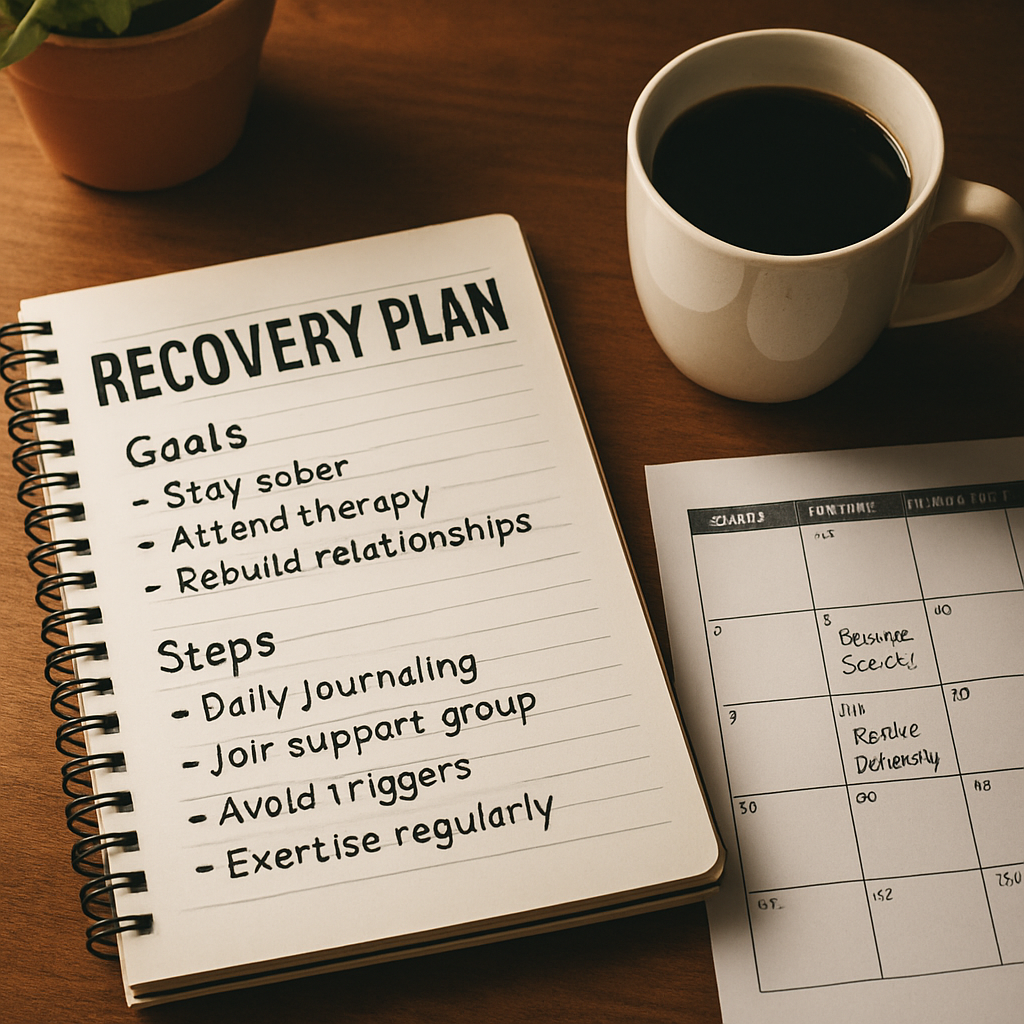
Having that visual of a written plan can be oddly comforting. It turns abstract anxiety into something you can tick off, one line at a time.
Aftercare: Keeping the Momentum
Recovery isn’t a sprint; it’s a marathon with hills. After the first 30 days, the risk of relapse spikes because the initial “high‑intensity” support fades. That’s why aftercare is built into the plan from day one.
First, lock in ongoing professional support. Whether it’s weekly counseling, a monthly check‑in with an interventionist, or a telehealth session, schedule it now and treat it like any other medical appointment.
Second, embed community touchpoints. A local NA meeting, an online sober‑living forum, or a peer‑support app can fill the social void that meth once occupied. The goal is to have at least one sober connection every day.
Third, monitor progress with a simple journal. Each night, jot down three things that went well and one spot where cravings nudged you. Patterns emerge quickly, and you can tweak your plan before a slip becomes a slide.
Finally, involve family in a gentle way. Share the plan with a trusted sibling or parent and ask them to remind you of upcoming milestones. Their accountability can be the gentle nudge you need during a rough patch.
Quick Checklist to Jump‑Start Your Plan
- Write down emergency contacts and safe‑space locations.
- Identify top three personal triggers and brainstorm alternatives.
- Pick three coping tools you’ll use right now.
- Set a daily wake‑up and bedtime window – aim for 7‑8 hours.
- Schedule your first after‑care appointment within the next week.
- Add a weekly “celebration” moment for any progress, no matter how small.
Remember, a recovery plan isn’t a rigid contract; it’s a living document that evolves as you heal. Keep it visible – on the fridge, in your phone notes, or taped to your bathroom mirror. When you see it each day, you’re reminded that you’ve already taken the hardest step: asking for help.
If you’re feeling stuck, reach out to a professional interventionist who can help you fine‑tune the plan and make sure every piece fits your unique situation. The next move is yours, and it starts with putting pen to paper.
Conclusion
We’ve walked through why a meth intervention matters, how to spot the warning signs, and the step‑by‑step plan that turns panic into purpose.
So, what does all this mean for you right now?
First, grab concrete evidence – dates, behaviors, physical changes – and keep it simple. Second, assemble a small, trusted circle and practice what you’ll say. Third, line up immediate safety contacts and at least two treatment options before the conversation even starts.
Remember, the intervention isn’t a one‑off showdown; it’s the opening chapter of a longer recovery story. The plan you write today will evolve, but the core promise stays the same: you’re choosing hope over helplessness.
If you’re feeling stuck, reach out to a professional interventionist who understands meth’s unique challenges. A quick call can help you fine‑tune the checklist, set realistic next steps, and give you that extra confidence to move forward.
Take the first step now – put pen to paper, share the plan with someone you trust, and watch the momentum build. The road ahead may be tough, but you’ve already proven you can start it.
Every day you delay is another day the addiction tightens its grip. By taking action now, you’re not only protecting your loved one, you’re protecting yourself from the endless cycle of worry and burnout. So grab that notebook, call an interventionist, and turn intention into action today.
FAQ
What exactly is a meth intervention and why is it different from a regular talk?
A meth intervention is a structured, compassionate meeting where you and a small circle of trusted people share concrete observations—like missed appointments or rapid weight loss—and then present clear, immediate treatment options. Unlike a casual “we need to talk,” it’s guided by an interventionist who keeps the conversation fact‑based, non‑blaming, and focused on safety. The goal is to break through denial and give the loved one a roadmap, not just a lecture.
How do I know if my family is ready to start a meth intervention?
Look for three signals: you’ve documented specific behaviors for at least two weeks, you’ve identified a handful of supportive allies who can speak calmly, and you’ve secured at least two treatment options (e.g., an inpatient program and an outpatient counseling service). If those boxes are checked, you’ve built enough groundwork to move from “thinking about it” to actually scheduling the meeting. If you’re still unsure, a quick call with a professional interventionist can help you fine‑tune the checklist.
Can I conduct a meth intervention without a professional interventionist?
You can, but it’s risky. Without a trained facilitator, emotions can flare, facts can get twisted, and the person might feel attacked—making them shut down. An interventionist knows how to keep the tone supportive, spot safety red flags, and pivot if the conversation turns volatile. If budget or availability is a concern, many interventionists offer a brief “consult‑only” session to coach your family through the process.
What should I say during the intervention to keep it effective?
Start each statement with “I’ve noticed…” and stick to observable facts—dates, behaviors, physical changes. For example, “I’ve noticed you’ve been staying up for 48 hours straight and you’ve lost 10 pounds in the past month.” Then follow with a caring request: “We’ve arranged a spot at Sunrise Recovery starting next Monday, and we’d love you to consider it.” Avoid blame, speculation, or moral judgments; keep it short, specific, and solution‑oriented.
How can I keep my own safety and mental health during the intervention?
Plan an exit strategy before the meeting begins. Identify a safe room or a neighbor’s house you can retreat to if things get heated. Keep a phone charged and numbers for emergency services handy. After the conversation, schedule a debrief with a therapist or a support group—you’ll need a space to process emotions, guilt, or relief. Remember, you can’t pour from an empty cup.
What are the most common mistakes families make after the intervention?
One big pitfall is assuming the work is done once the person agrees to treatment. Recovery is a marathon; without ongoing after‑care—like weekly counseling, daily check‑ins, and community support—the risk of relapse spikes. Another mistake is ignoring the family’s own grief; untreated stress can cause burnout, which undermines the whole effort. Set up a simple after‑care plan: daily journal prompts, a scheduled therapy session, and at least one sober activity each week.
How long does it typically take to see progress after a meth intervention?
Results vary, but most families notice a shift within the first two weeks: the loved one shows up for the first treatment appointment, starts stabilizing physically, and the household feels less on edge. Long‑term sobriety often emerges after 30‑60 days of consistent treatment and after‑care. Celebrate each small win—whether it’s a sober night or a willingness to talk about cravings—because those moments build momentum toward lasting recovery.