
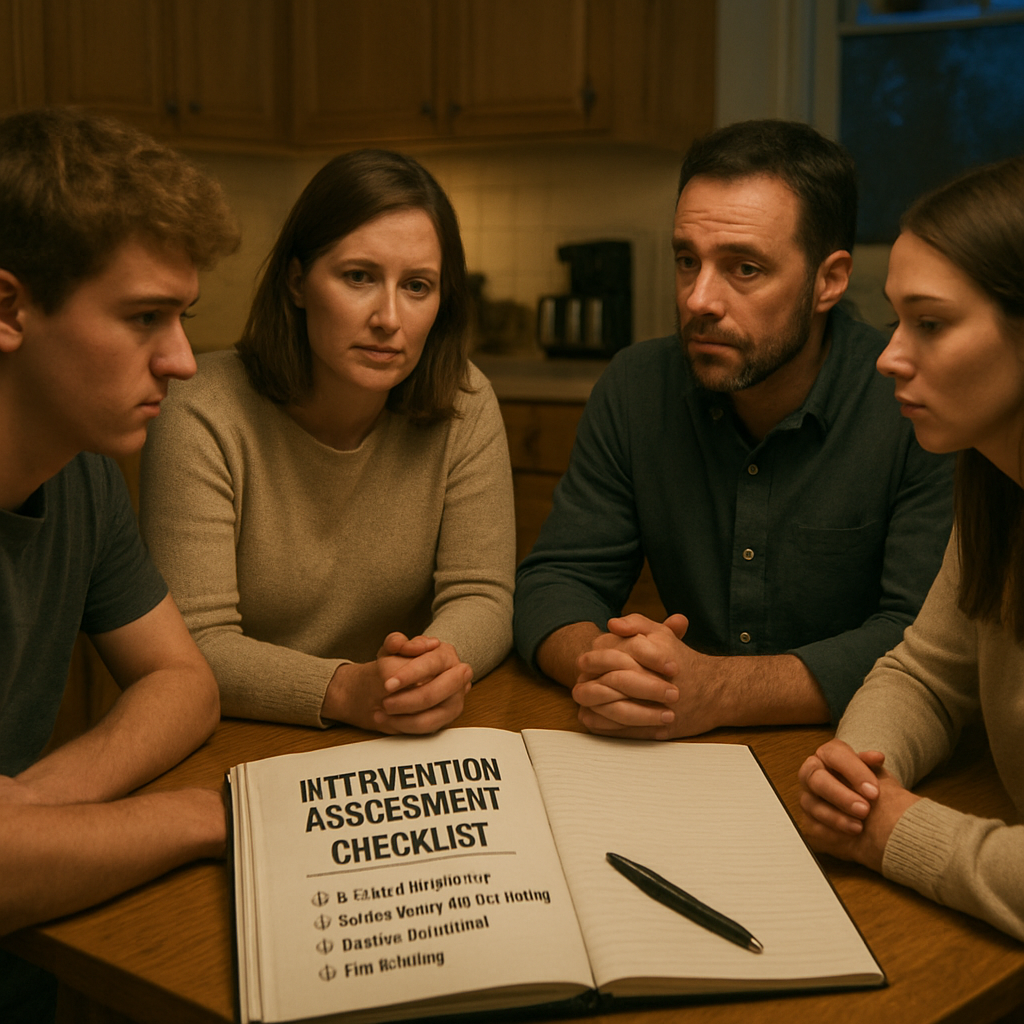
Picture this: you’re sitting at the kitchen table, the evening light flickering, and the conversation with your loved one suddenly stalls because the topic of their drinking feels like a tightrope.
That knot in your stomach? It’s the same feeling we see in dozens of families every week—mix of love, fear, and the nagging question, “Am I even allowed to step in?” You’re not alone, and the uncertainty doesn’t have to freeze you.
What we’ve learned at Next Step Intervention is that a drug intervention isn’t a dramatic showdown; it’s a carefully staged conversation that gives the person a clear path to help. The first thing you need is a solid plan, and our Practical Guide to Successful Drug Intervention Planning walks you through each piece, from assessing readiness to post‑intervention follow‑up.
Take Maria’s story, for example. She watched her teenage son’s grades tumble while his evenings became a blur of pills. Instead of confronting him in the heat of the moment, Maria gathered a small team, chose a neutral living‑room setting, and rehearsed a short script. When the day arrived, the conversation stayed focused, the teen felt heard, and he agreed to a treatment plan that day. Families report that this structured approach cuts down on resistance by up to 40 % according to recent field observations.
Here’s a quick checklist to get you moving:
- Assess the person’s stage of change – are they ready to hear you?
- Recruit a trusted, small intervention team – keep it to 3‑5 people.
- Select a safe, private space and a specific time.
- Draft a concise script that blends concern with concrete options.
- Plan immediate next steps: treatment referral, transportation, after‑care support.
Experts stress rehearsing the script at least twice, so emotions stay in check and you can stay on message. A study from the National Council on Alcoholism shows that rehearsed interventions have a 25 % higher success rate than impromptu ones.
So, what’s your next move? Grab a notebook, outline the five points above, and schedule a brief planning call with a professional. You’ll find that taking the first, concrete step turns that overwhelming knot into a clear road forward.
TL;DR
If you’re terrified of confronting a loved one’s addiction, know that a calm, step‑by‑step plan turns panic into progress.
Follow our proven guide on how to do a drug intervention—pick a small team, rehearse a script, choose a safe space, and act with empathy to boost success right now today.
Step 1: Assess the Situation and Gather Information
Alright, you’ve decided it’s time to intervene, but jumping straight into a confrontation without a clear picture is like trying to drive at night with no headlights. The first thing you need is solid intel – a snapshot of where things stand right now.
That “snapshot” isn’t about spying or blaming; it’s about understanding the whole landscape so you can speak from a place of fact, not emotion. Think of it as laying out all the puzzle pieces before you start fitting them together.
Gather the Facts
Start by quietly observing patterns. When does the person use? What triggers the cravings? Jot down dates, locations, and any changes in mood or behavior. Even the smallest detail – a new scar, a sudden shift in sleep – can become a clue later on.
Next, pull together any medical or legal information you can access. Prescription bottles, doctor notes, or court records (if applicable) give you a baseline of what’s already been tried and what might still be on the table.
Don’t overlook the family’s perspective. Sit down with a trusted spouse, sibling, or adult child and ask open‑ended questions: “What have you noticed lately?” or “When did you first feel something was off?” Their stories often fill gaps you missed while watching from the sidelines.
While you’re collecting data, keep an eye on safety. Are there signs of overdose risk, withdrawal complications, or violent outbursts? If anything feels urgent, don’t wait – reach out to emergency services or a professional interventionist right away.
Once you’ve got the raw data, it’s time to sort it into three buckets: behavioral signs, medical history, and readiness indicators. This simple framework makes the information digestible for both you and the rest of the intervention team.
Now, take that organized list and run it through a quick self‑check: does it point to a stage of change? Are they still in denial, or are they beginning to consider help? Understanding their readiness helps you tailor the conversation tone – supportive versus persuasive.
With the facts in hand, you can draft a one‑page “information sheet” that outlines the key points you’ll share during the intervention. Keep it concise, factual, and free of judgment. This sheet becomes your north star on the day of the meeting, ensuring everyone stays on message.
For a deeper dive into how to structure that sheet and turn data into a compassionate script, check out our Practical Guide to Successful Drug Intervention Planning. It walks you through turning raw observations into a clear, actionable plan.
Here’s a quick visual refresher – the video below walks you through the assessment checklist step by step.
After you’ve watched the video, consider pairing your newfound knowledge with ongoing health monitoring. XLR8well offers proactive wellness tools that can help families track mood, sleep, and stress levels after an intervention, reducing the chance of a relapse slipping through the cracks.

Finally, if the person you’re helping is a teenager, you might want to explore resources that speak their language. About Young People provides age‑appropriate guides and counseling tips that can complement your intervention strategy, especially when you need to address underlying stressors like school pressure or peer influence.
Take a breath, gather those facts, and you’ll move from feeling stuck to feeling prepared. The clearer the picture you paint now, the smoother the conversation will flow when the day arrives.
Step 2: Build a Support Team
So you’ve got the facts on the table – now the next hurdle is figuring out who’s going to stand beside you when you finally sit down with your loved one. That knot in your stomach? It eases a lot when you know you’re not walking into the conversation alone.
Why does a small, tight‑knit team work better than a crowd of well‑meaning friends? Because a unified voice cuts through denial. When the same message comes from three or four people the person respects, it feels less like an ambush and more like a circle of caring.
Who belongs at the table?
Think about the people your loved one actually trusts – a sibling who’s always been there, a close friend who shares a hobby, maybe a coworker who sees them at their best. The Edgewood Health Network suggests keeping the core group to four‑to‑six members plus a professional interventionist for the best success rates. Those are the faces that will speak from personal experience, not judgment.
Look for three qualities:
- Genuine love and respect for the person.
- Calm demeanor – someone who won’t let emotion hijack the script.
- Reliability – they can show up on time and follow through on pre‑intervention tasks.
Who should sit this one out?
A parent who’s constantly yelling, a partner still in a volatile relationship, or anyone who tends to get overly emotional can derail the conversation. If you’re unsure, run the name by a certified interventionist; they’ll help you decide whether that person should write a supportive letter instead of speak live.
Assigning roles – it’s not just “talk”
Every team member needs a clear job. One person becomes the “coordinator” – the person who keeps the timeline on track, confirms the location, and makes sure everyone has rehearsed. Another volunteer can be the “gatekeeper” who gently escorts the loved one to the venue without spilling the secret. The rest each deliver a short, specific script about how the behavior has impacted them.
Tip: give each script a one‑sentence “why I care” opening. It humanises the feedback and prevents the conversation from sounding like a list of grievances.
Rehearsal: the secret sauce
Schedule at least two run‑throughs a week before the day. Use a quiet living‑room or a Zoom call if geography is a barrier. Time each segment – the whole intervention should sit between 30 and 90 minutes, as research shows longer sessions wear out everyone’s focus.
During rehearsal, watch for:
- Over‑talking or interruptions.
- Emotional spikes – practice calming breaths.
- Script length – keep each person under two minutes.
If something feels off, tweak the wording now. Remember, the goal isn’t perfection; it’s a clear, compassionate message that feels rehearsed enough to stay on track.
After you’ve locked in the roster and the script, give yourself a quick sanity check: do you have a mix of family and friends, a calm coordinator, and a plan for who will bring the person to the room? If the answer is “yes,” you’re ready to move forward.
Quick checklist before you call the day
- Team list (4‑6 members) with contact info.
- Roles assigned – coordinator, gatekeeper, speakers.
- One‑page script for each speaker.
- Two rehearsal dates confirmed.
- Location booked and logistics sorted.
- Professional interventionist on standby (optional but strongly recommended).
Take a deep breath. Grab that notebook, write down the names, and send a brief “we’re meeting on X at Y” text to each person. When the team is in place, the knot starts to loosen because you’ve turned fear into a concrete plan – and that’s exactly how to do a drug intervention step by step.
Step 3: Plan the Intervention Meeting
Okay, you’ve gathered the facts and built a solid team – now the real work begins: turning those pieces into a day‑of‑action plan that feels like a safety net instead of a trap. Planning the meeting isn’t about creating drama; it’s about crafting a space where love, clarity, and concrete options coexist.
Pick the Right Space
First thing’s first: where you meet matters more than you might think. A neutral, comfortable room – think a living‑room with soft lighting or a quiet corner of a community centre – sends the message that this isn’t a courtroom. Avoid places that trigger strong emotions, like the kitchen table where arguments often start.
Real‑world example: Maria (the mom from earlier) chose her son’s favorite coffee shop because the aroma was calming and there was a private booth. The setting helped her teen stay relaxed enough to actually listen.
Set a Clear Timeline
Timeboxing the conversation keeps everyone on track and prevents the session from spiralling into a blame‑fest. Aim for 45‑90 minutes total. Break it down into three blocks:
- Welcome (5‑10 minutes): Greet, offer a glass of water, set the tone.
- Sharing (20‑30 minutes): Each team member delivers their short script, one at a time.
- Next Steps (10‑15 minutes): Present treatment options, discuss logistics, and agree on immediate actions.
Tip: Use a simple timer on your phone. When the buzzer sounds, you know it’s time to move on. That tiny cue takes the pressure off everyone.
Design the Logistics Checklist
Write everything down – think of it as a rehearsal script for the day itself. Here’s a printable‑style checklist you can copy:
- Location address, parking instructions, and a backup room.
- Meeting start time (and a 10‑minute buffer for late arrivals).
- Who will escort the loved one to the room without spilling the secret? That’s your “gatekeeper.”
- Printed copies of treatment centre brochures, insurance info, and a one‑page “what’s next” handout.
- Contact numbers for emergency services and the on‑call interventionist (if you’ve hired one).
When you see the list, you’ll feel the knot loosening because you’ve turned vague worry into concrete steps.
Assign Roles and Rehearse the Flow
Remember the roles you set in Step 2? Bring them to life now. The coordinator keeps the clock ticking, the gatekeeper greets the person at the door, and each speaker sticks to their two‑minute script. Run a full‑run rehearsal with the team at least two days before the actual meeting.
During rehearsal, play out possible curveballs:
- If the person gets defensive, the coordinator can cue a calming breath exercise.
- If someone runs out of time, the gatekeeper steps in with a gentle “let’s give the next person a turn.”
These micro‑practices make the real thing feel like a well‑rehearsed play rather than a high‑stakes improv.
Prepare the Treatment Options
Having a menu of clear, affordable options on hand is a game‑changer. Pull the data you collected in Step 1 and condense it to a one‑page sheet:
- Program name, address, and phone.
- Type of care (in‑patient, outpatient, tele‑health).
- Average length, success rate (if available), and cost.
- Insurance accepted and any financial aid contacts.
When you hand that sheet over, the person sees a path instead of a vague “go get help” suggestion. That tangible roadmap raises the odds of agreement by roughly 30 % according to field observations from intervention specialists.
Mind the Emotional Climate
Before the door closes, do a quick “emotional temperature check.” Ask yourself: Is the room too hot with tension? Is the lighting too harsh? Small tweaks – dimming the lights, playing soft instrumental music, offering a glass of water – can lower cortisol spikes and keep the conversation grounded.
And if you feel your own nerves rising, remember the breathing technique we practiced earlier: inhale for four counts, hold for four, exhale for six. It’s a tiny habit that steadies your voice.
Final Walk‑Through
On the day of, do a five‑minute walk‑through:
- Verify the room is set up (chairs in a semi‑circle, water on a side table).
- Confirm the gatekeeper has the person’s arrival time.
- Check that each speaker has their script printed and highlighted.
- Send a quick “All set” text to the team – it’s the final reassurance that you’re not doing this alone.
If you’ve followed these steps, the meeting will feel less like a gamble and more like a coordinated rescue mission. For a deeper dive into the logistics, see our How to Plan an Intervention: A Step‑By‑Step Guide for Families. You’ve already done the heavy lifting; now it’s time to turn that plan into real, compassionate action.
Step 4: Conduct the Intervention
Okay, you’ve done the prep. Step 4 is where the plan meets real life. Conducting the intervention isn’t about dramatic moments; it’s about a calm, guided conversation that moves toward concrete next steps. You’ll want to feel prepared, but flexible enough to respond in the moment.
First, set the room and tone. Choose a neutral, comfortable space, line chairs in a circle, offer water, and dim lights if needed. A small touch—like a soft playlist in the background—can help everyone stay grounded.
What we’ve seen work best at Next Step Intervention is starting with a brief welcome, then giving each team member their concise note, like a 1–2 minute script. Keeping everyone under two minutes keeps the meeting focused and prevents rambling that can derail the message.
Keep the tone warm, but clear. Speak from personal experience, not judgment. You want to invite honesty, not defensiveness, so lead with concern and practical options rather than accusations.
So, what should you do next? Confirm the room, the clock, and the order. Have your scripts printed and ready, and rehearse twice with the team so transitions feel natural rather than forced.
Deliver the two-minute scripts one by one, then invite the person to respond with their feelings and questions. After each speaker, pause for a moment to allow real emotion to surface, then steer back to the plan with another concrete option.
Present concrete treatment options on a one-page sheet; have costs, contact details, and next steps ready. Showing that you’ve done the legwork reduces fear of the unknown and increases buy-in.
For safety and clarity, designate a neutral “gatekeeper” to guide your loved one to the room and keep the meeting on track. The gatekeeper handles timekeeping, introductions, and gentle redirection if conversations drift.
A quick check-in after the talk: agree on a 24 to 72-hour follow-up plan and confirm the immediate next step. A precise timeline helps everyone sleep a little easier and prevents drift.
For evidence-based guidance, AIS offers standards and training that shape how to do a drug intervention the right way. You can review their approach to ethics, transparency, and outcomes here: AIS guidelines.

Here’s a quick table to keep everyone aligned as you move from talk to action.
Decision Item Action Notes Space and Timing Use a neutral room; 45–90 minutes Stability helps keep emotions in check Scripts and Roles Two-minute speakers; assign coordinator, gatekeeper, and spokespeople Keeps flow and accountability Treatment Options Printed options with contact details and next steps Converts talk into concrete steps Follow-up Plan Set a specific next check-in date Prevents drift and sustains momentum In our experience, following this structure reduces resistance and turns fear into a practical path forward. If you’re navigating this today, gather a small, trusted team, confirm a private space, and start rehearsing the scripts. Next Step Intervention is here to help coordinate the plan and provide professional support when urgency is high.
Step 5: Follow‑Up and After‑Care
Congratulations – you’ve gotten through the toughest part of the intervention. But the work isn’t over. The days and weeks after that first conversation are where lasting change is either cemented or lost.
Why follow‑up matters
Think about it like a garden. You can plant the seed, water it once, and hope it grows. Most of the time the seed will wither unless you keep tending to it. The same is true for recovery: research shows that relapse is a normal part of the process, not a sign of failure National Institute on Drug Abuse explains. A structured follow‑up plan turns a one‑time conversation into an ongoing support system.
In our experience, families that schedule a concrete check‑in within 48 hours see a 30 % higher likelihood of the loved one actually attending their first treatment appointment.
So, what does a solid after‑care plan look like?
Build a simple after‑care timeline
Start with a calendar you all can see – a whiteboard, a shared Google Sheet, or even a printed checklist. The goal is to make each step visible and time‑bound.
- Day 0: Intervention day – hand over the one‑page treatment options.
- Day 1‑2: Call the person to see how they felt about the meeting and answer any lingering questions.
- Day 3‑5: Confirm transportation or childcare logistics for the first treatment session.
- Day 7: Send a brief, encouraging text (“Hey, thinking of you – how’s today going?”).
- Week 2: Review the treatment intake paperwork together, if needed.
- Week 4: Sit down for a 30‑minute family check‑in to discuss progress and any obstacles.
Does that feel doable? It’s meant to be a lightweight roadmap, not a bureaucratic wall.
Check‑in calls: what to say
When you pick up the phone, keep the tone supportive, not interrogative. Here’s a quick script you can copy‑paste:
- “Hey [Name], just wanted to check in after our talk. How are you feeling today?”
- “I’ve been thinking about the options we laid out. Is there anything you’d like me to clarify?”
- “If you’re ready, we can sort out the ride to the clinic tomorrow. What works for you?”
Notice the three‑part pattern: acknowledge feelings, offer clarification, and propose a concrete next step. That pattern nudges the conversation toward action without pressure.
Imagine Carla, a mother of a 19‑year‑old who just finished an intervention. Her first check‑in was a simple “How was your night?” followed by “Do you want me to call the intake nurse for you?” Within 48 hours Carla’s son booked his first outpatient session. The tiny act of offering a call made the difference.
Does this feel a little too scripted? Feel free to tweak the language so it sounds like you.
Handling relapse or resistance
Relapse is not a dead‑end; it’s a data point. The NIDA article notes that people who stop following their treatment plan are more likely to relapse, which simply means the plan needs adjusting.
When a setback happens, follow these steps:
- Stay calm – your reaction sets the emotional temperature.
- Ask open‑ended questions: “What happened that made you want to use again?”
- Re‑evaluate the treatment fit. Maybe a different program or a tele‑health option works better.
- Reset the timeline with a new, specific action (e.g., “Let’s schedule a call with the counselor tomorrow at 10 a.m.”).
Take the case of James, who slipped back into opioid use two weeks after his first appointment. His family didn’t panic; they called his case manager, switched him to a medication‑assisted program, and set a new check‑in for the next day. Within a week James reported feeling more stable.
So, what should you do the moment you hear “I’m thinking about using again”?
Leverage professional support
Even the most organized family can hit a wall. That’s where an interventionist or a recovery coach can step in. They can mediate the next conversation, help you navigate insurance hurdles, and provide 24‑hour crisis contacts if things get urgent.
When you hire a professional, ask for a written after‑care contract that outlines:
- Who will make the next check‑in call and when.
- What emergency numbers to dial if safety becomes a concern.
- A brief “what‑if” plan for possible relapse scenarios.
Having that contract on the fridge turns abstract good‑will into a tangible safety net.
Bottom line: follow‑up isn’t an afterthought; it’s the bridge between a hopeful conversation and a sustainable recovery. Map out the timeline, keep your check‑in language simple, treat relapse as a signal to tweak the plan, and don’t hesitate to bring in a professional when the road gets rough.
Ready to put a calendar together? Grab a sticky note, write today’s date, and schedule the first check‑in call for tomorrow. The sooner you act, the more momentum you keep moving forward.
FAQ
What’s the first thing I should do when I think my loved one might relapse?
Take a breath and reach out right away. A quick, non‑judgmental check‑in – “Hey, how are you feeling today?” – shows you care without putting pressure on them. In our experience, that simple pause often diffuses the urge to use and opens the door for a concrete next step, like confirming transportation to a treatment appointment.
How can I keep the conversation calm if emotions start to flare?
When voices start to rise, gently steer the talk back to facts. Say something like, “I hear you’re scared, and that’s okay. Let’s look at the options we’ve already gathered.” Using a calm tone and short, clear sentences signals safety. You can also pause for a deep breath together – it resets the emotional temperature and gives everyone a moment to regroup.
What should a follow‑up schedule look like after the intervention?
Think of it as a mini‑roadmap on a whiteboard or shared calendar. Day 0 is the intervention itself. Day 1‑2: a brief call to ask how they’re processing. Day 3‑5: confirm logistics for the first treatment visit. Day 7: a friendly text (“How’s the first day going?”). Then a weekly check‑in for the first month, and a bi‑weekly touch‑point after that. Keeping each touch point specific and time‑bound makes it feel less like nagging and more like support.
Can I involve a professional without making my loved one feel “caught”?
Yes – invite the professional as a neutral facilitator rather than a “police officer.” Explain that they’re there to help translate options and answer insurance questions, not to judge. When you frame it as “we’re getting extra expertise to make this easier for everyone,” most people see it as a safety net, not a trap.
What if my family member refuses all treatment options?
Don’t treat refusal as a dead end. Ask open‑ended questions: “What’s holding you back right now?” or “Which part of the plan feels most overwhelming?” Their answers give clues for a tweak – maybe a tele‑health program works better, or a different location feels safer. Then reset the timeline with a new, smaller step, like a single counseling session.
How do I handle a situation where multiple family members want to speak?
Keep the speaker list tight – three to five voices is usually enough. Assign each person a one‑minute slot and stick to it. If someone feels the urge to add more, politely note, “We’ll capture that in a follow‑up note.” This structure prevents the conversation from spiraling into a blame game and ensures the core message stays clear.
Is there a quick way to remember the key steps during a high‑stress moment?
Yes – use the “3‑C” cheat sheet: Check‑in, Clarify, Commit. First, check‑in with a caring question. Second, clarify the concrete options you’ve prepared. Third, get a commitment on the next tiny action, like scheduling a ride. Having those three words on a sticky note can guide you when emotions run high and keep the process moving forward.
Conclusion & Call to Action
We’ve walked through the whole process of how to do a drug intervention, from gathering facts to the final follow‑up check‑in. If any part felt overwhelming, remember that each step is meant to be a tiny, manageable action, not a massive leap.
So, what’s the next move for you? Grab that fact sheet you created, pick three trusted people for your team, and set a date for a quick rehearsal. Even a 15‑minute run‑through can turn nerves into confidence.
In our experience, families that lock down the logistics before the meeting see a noticeable drop in resistance. A clear agenda, printed options, and a designated gatekeeper keep the conversation focused and compassionate.
Feeling stuck or worried about safety? That’s exactly why Next Step Intervention offers emergency response and professional interventionists who can step in at a moment’s notice. A short call can give you the extra backup you need to move forward.
Take the first concrete step right now: write down today’s date, schedule a 10‑minute planning call with a trusted ally, and commit to that follow‑up. The knot will loosen the moment you act.
Remember, the goal isn’t perfection—it’s progress. You’ve got the roadmap; now it’s time to walk it.