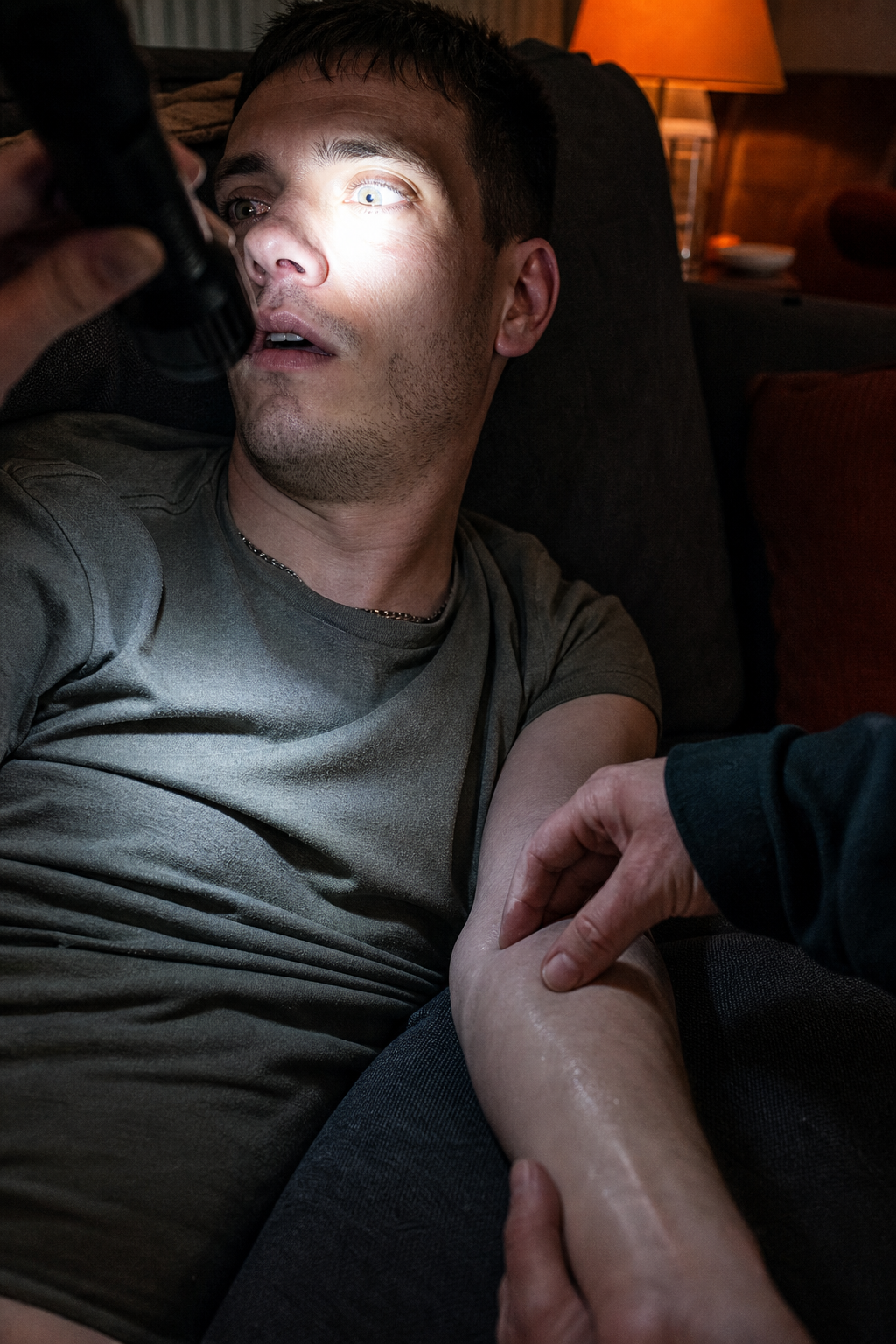
Opioid overdoses happen fast, and families often feel unprepared. This guide walks you through the exact steps to get naloxone into your home, practice using it, and build a solid emergency plan.
Step 1: Recognize the Need for Naloxone in Your Household
First, ask yourself if anyone at home could be at risk , a loved one who uses opioids, a teen who might experiment, or an older relative prescribed strong pain meds. Even occasional use can lead to accidental overdose, especially with fentanyl in the supply.
When the risk is real, the next move is to secure a rescue tool. Next Step Intervention runs free, family‑focused sessions that explain why naloxone matters and how to keep it handy.
Look for community programs that advertise a “family” or “caregiver” track. If you can’t find one, contact your local health authority; many states have standing orders that allow you to obtain naloxone without a prescription.
By now you should have identified at least one person in your circle who could benefit from a naloxone kit.
Step 2: Gather the Right Naloxone Supplies
Not all naloxone products work the same way. The two most common formats for home use are a nasal delivery device and an injectable delivery device. Both deliver a dose that can reverse an opioid overdose within minutes.
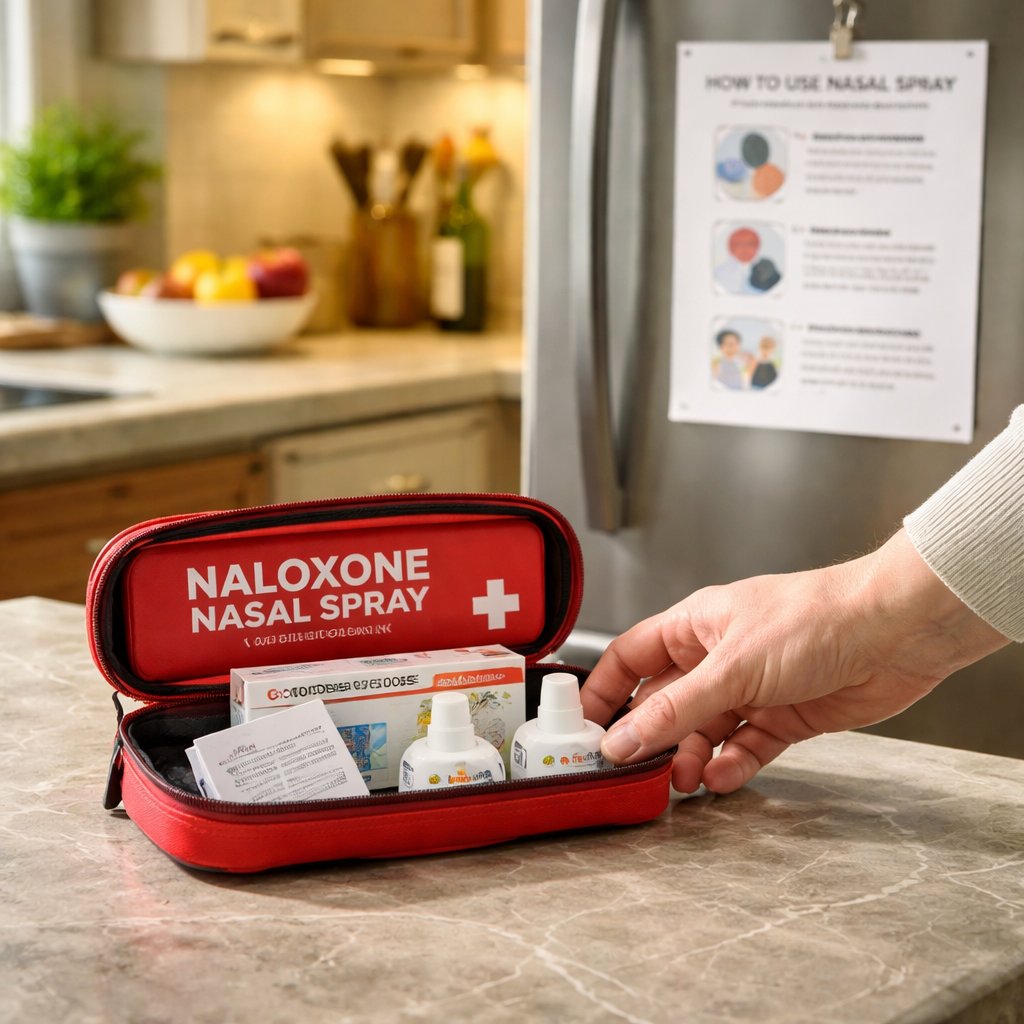
Here’s a quick look at what a basic family kit should contain:
Most community trainings hand out a four‑item kit that matches the table above. If you buy a kit yourself, double‑check that it includes the gloves and breathing shield, they are often sold separately.
For a printable checklist you can keep on your fridge, see the printable checklist provided by Next Step Intervention. It walks you through each piece of equipment and where to store it.
Now you have a complete kit ready to go.
Step 3: Learn How to Administer Naloxone Correctly
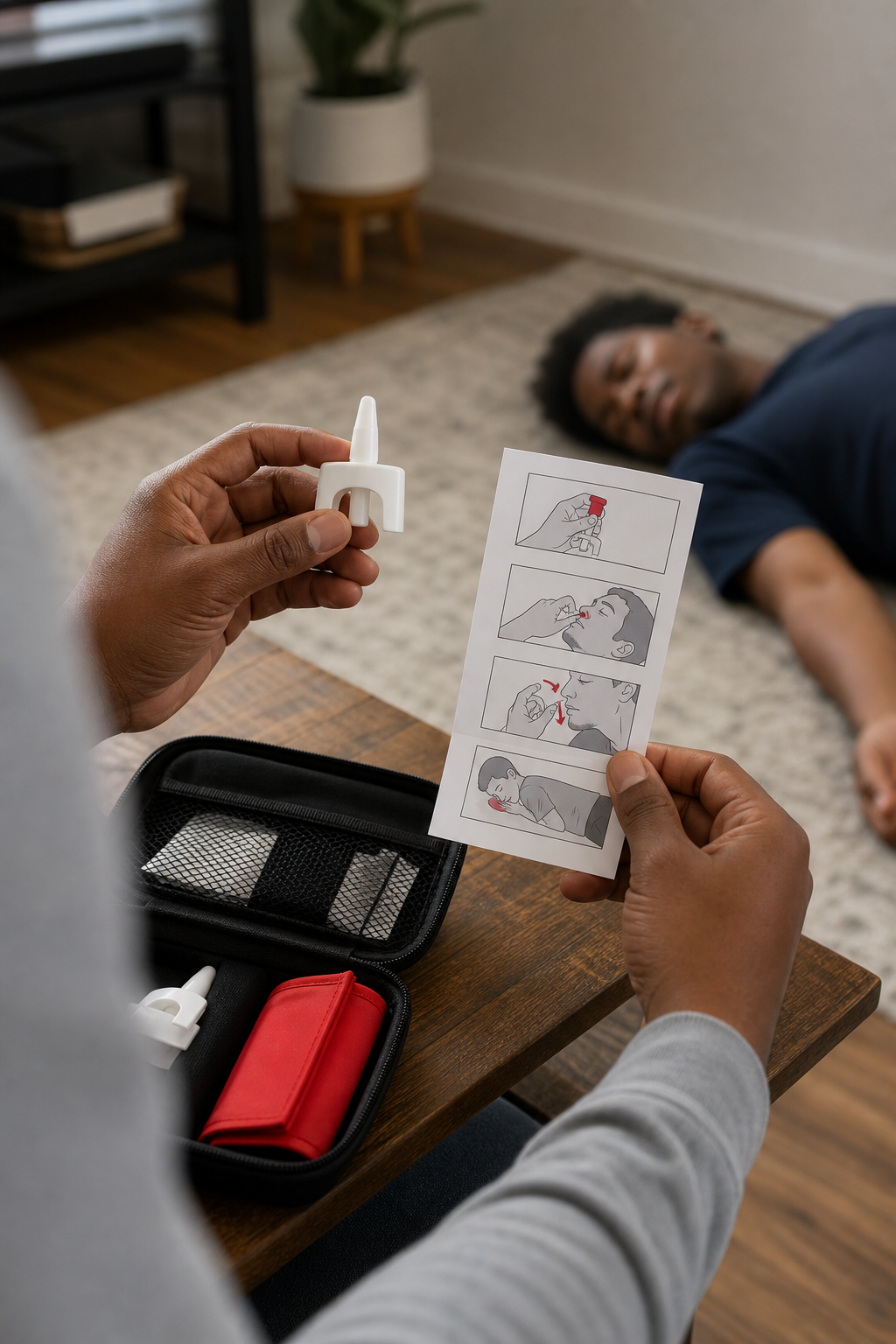
Understanding the mechanics of naloxone saves seconds when an emergency strikes. The device you choose will dictate the exact motions, but the core steps stay the same: remove the cap, place the tip, and press firmly until you hear a click.
The administration process is straightforward: a single press releases the full dose, and a click indicates delivery.
Key points to remember:
- Check the expiration date before each use.
- Never test the device on yourself , the dose is potent.
- Administer the dose as instructed, typically into a nostril or the outer thigh.
After the first dose, wait two to three minutes. If breathing does not improve, give a second dose in the opposite nostril or thigh.
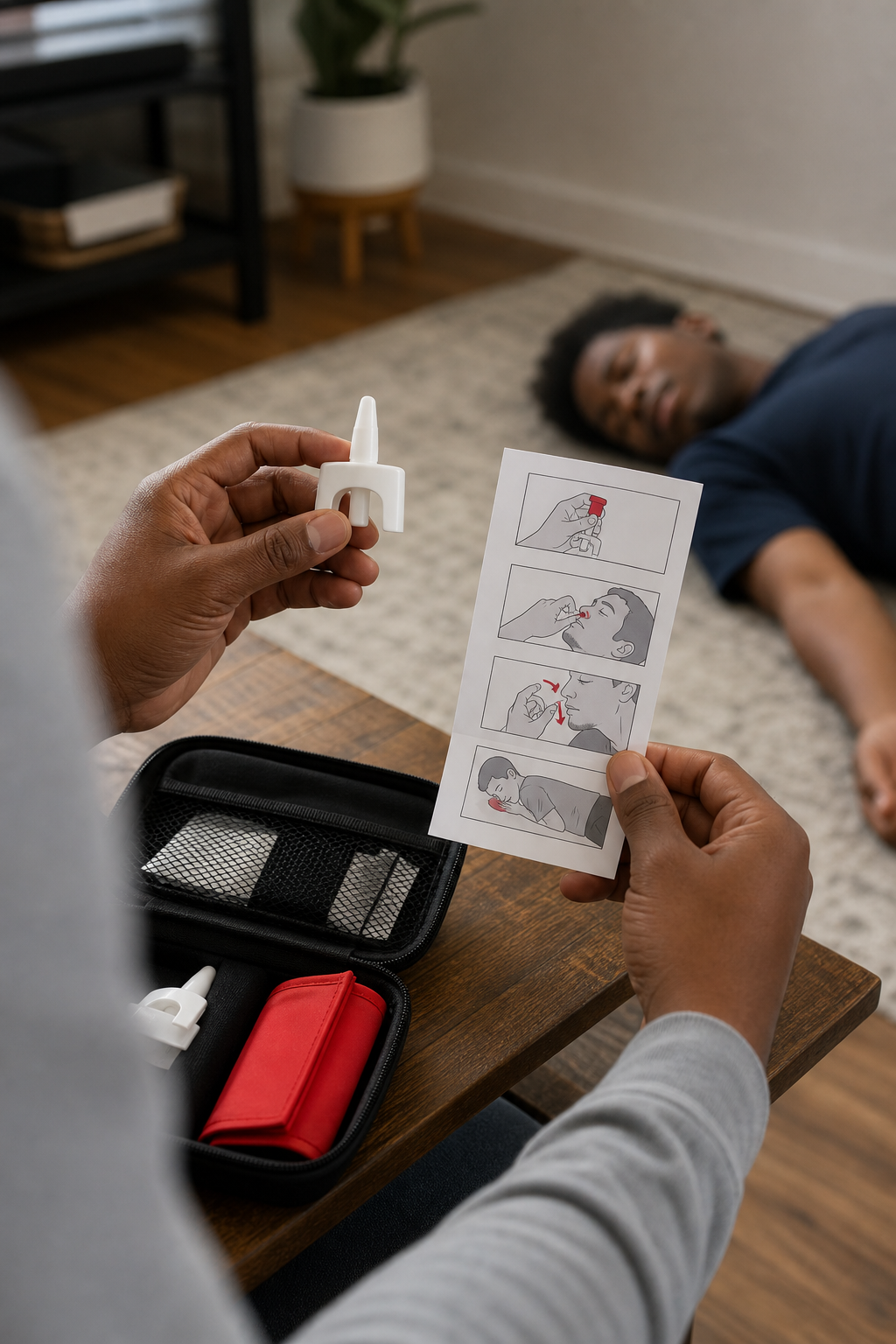
Practice these motions until they become muscle memory. When the steps feel natural, you’ll be ready to act without hesitation.
Step 4: Practice the Procedure with a Training Kit
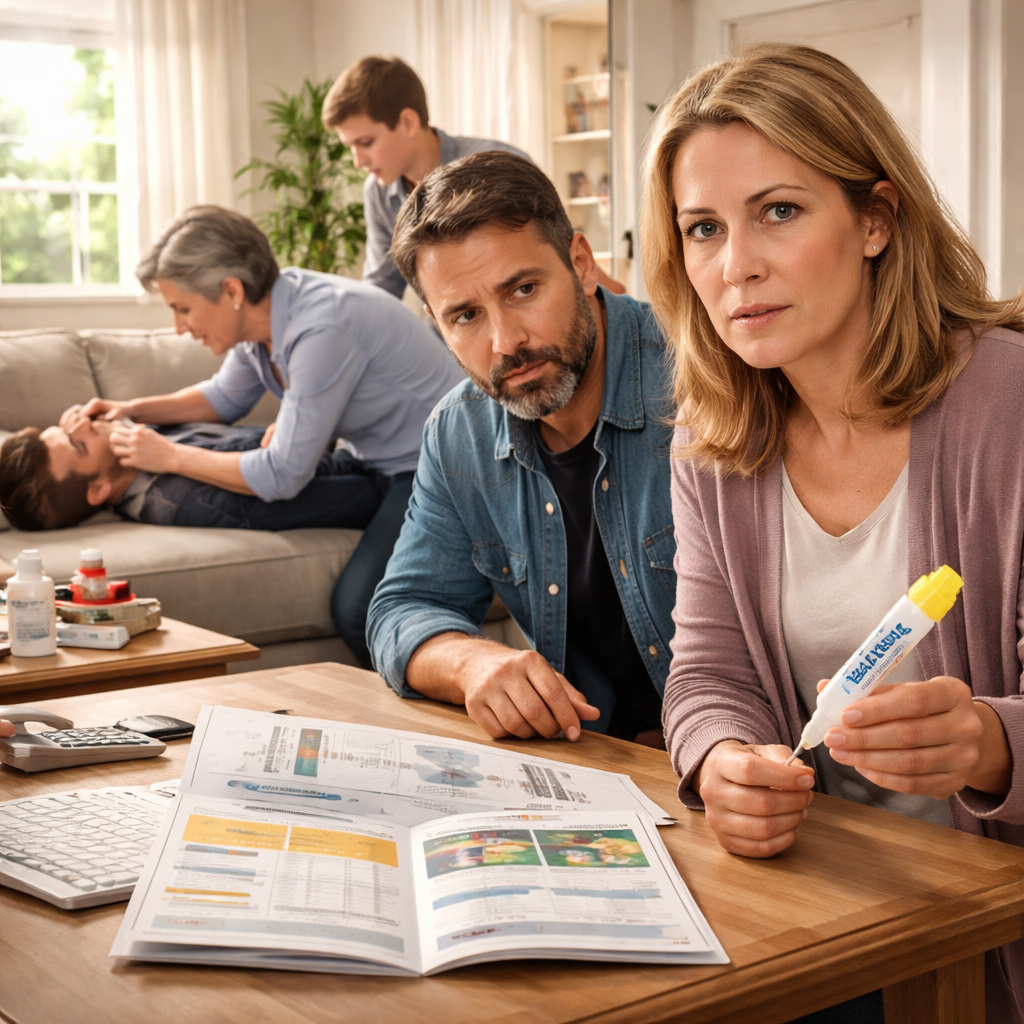
Repetition builds confidence. Many families use a training kit that mimics the real device but contains no medication. Run through a full drill at least once a month.
Hands‑on practice with a training kit can boost knowledge and confidence.
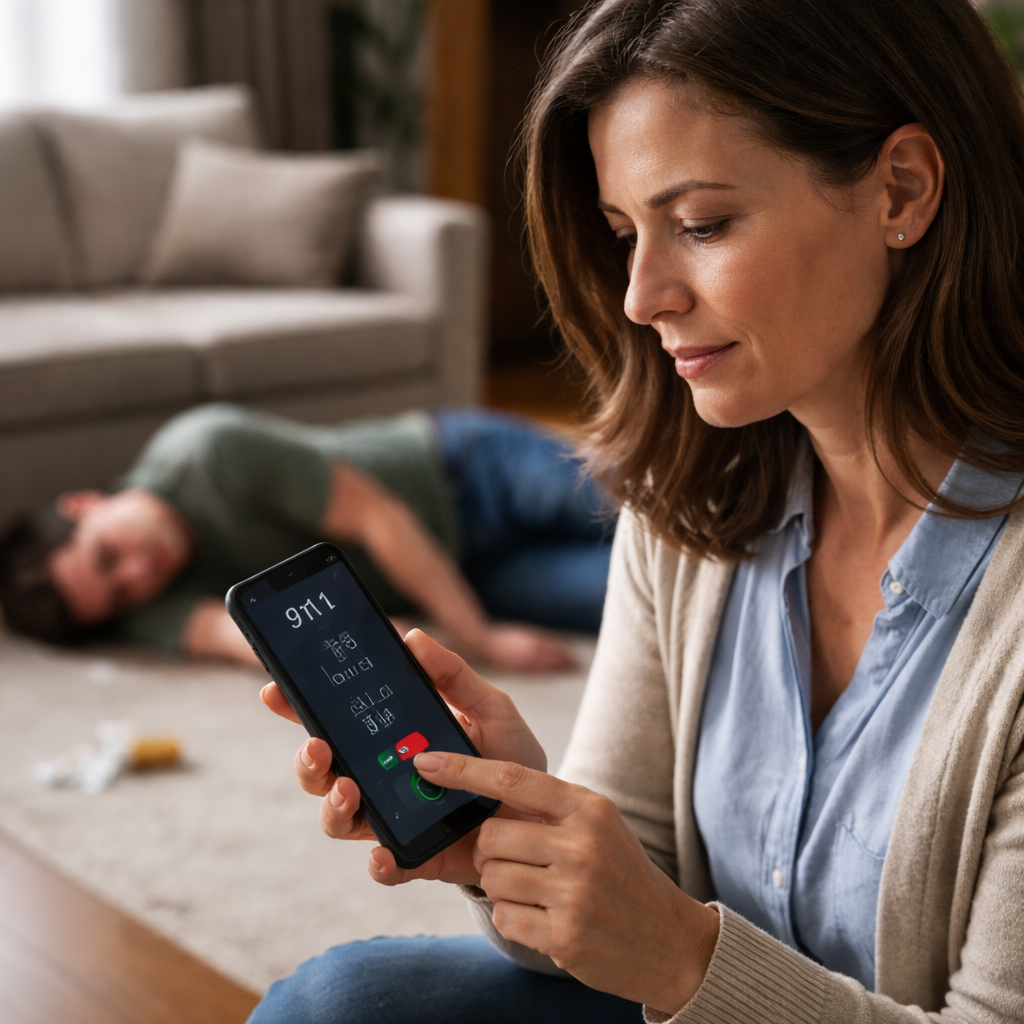
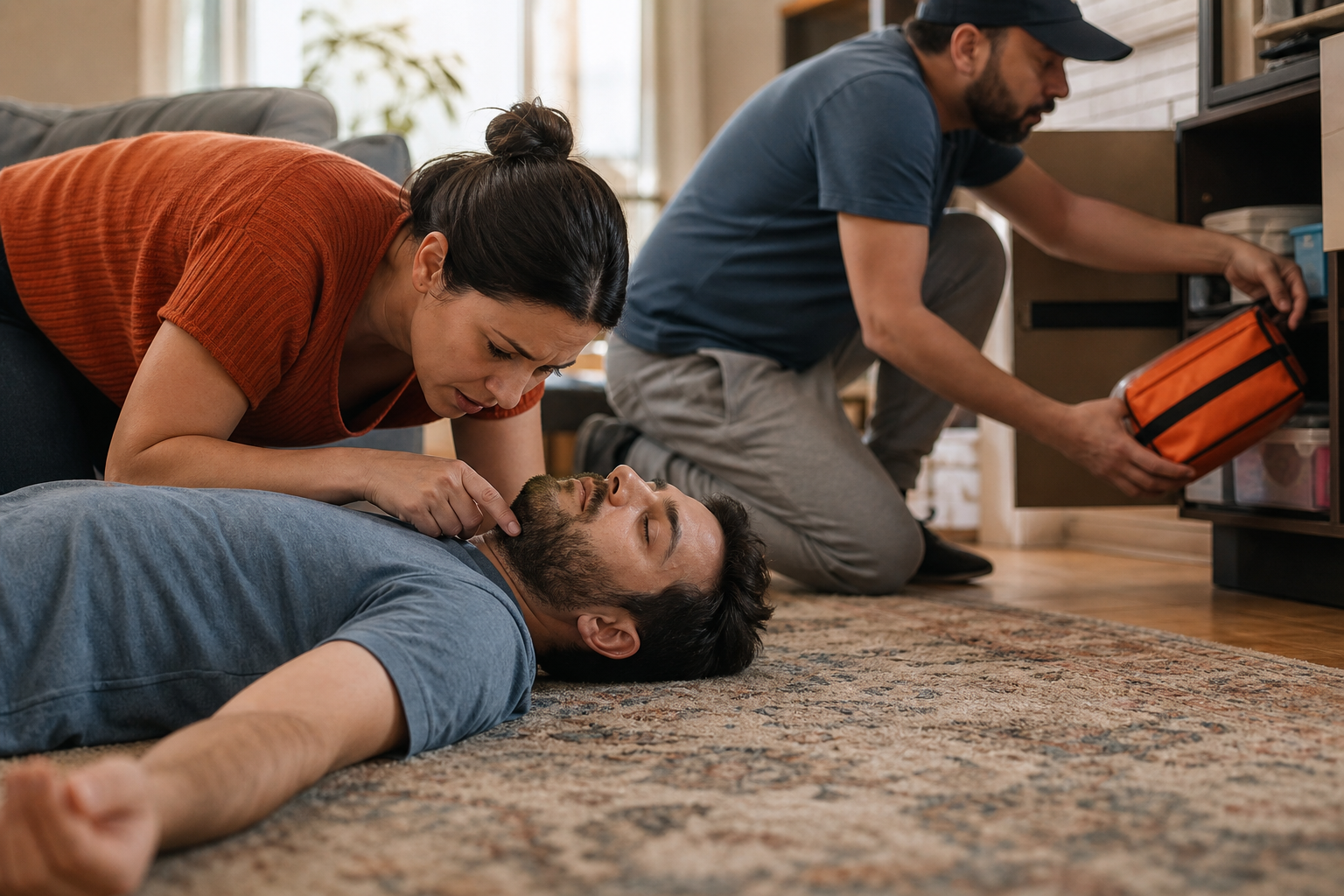
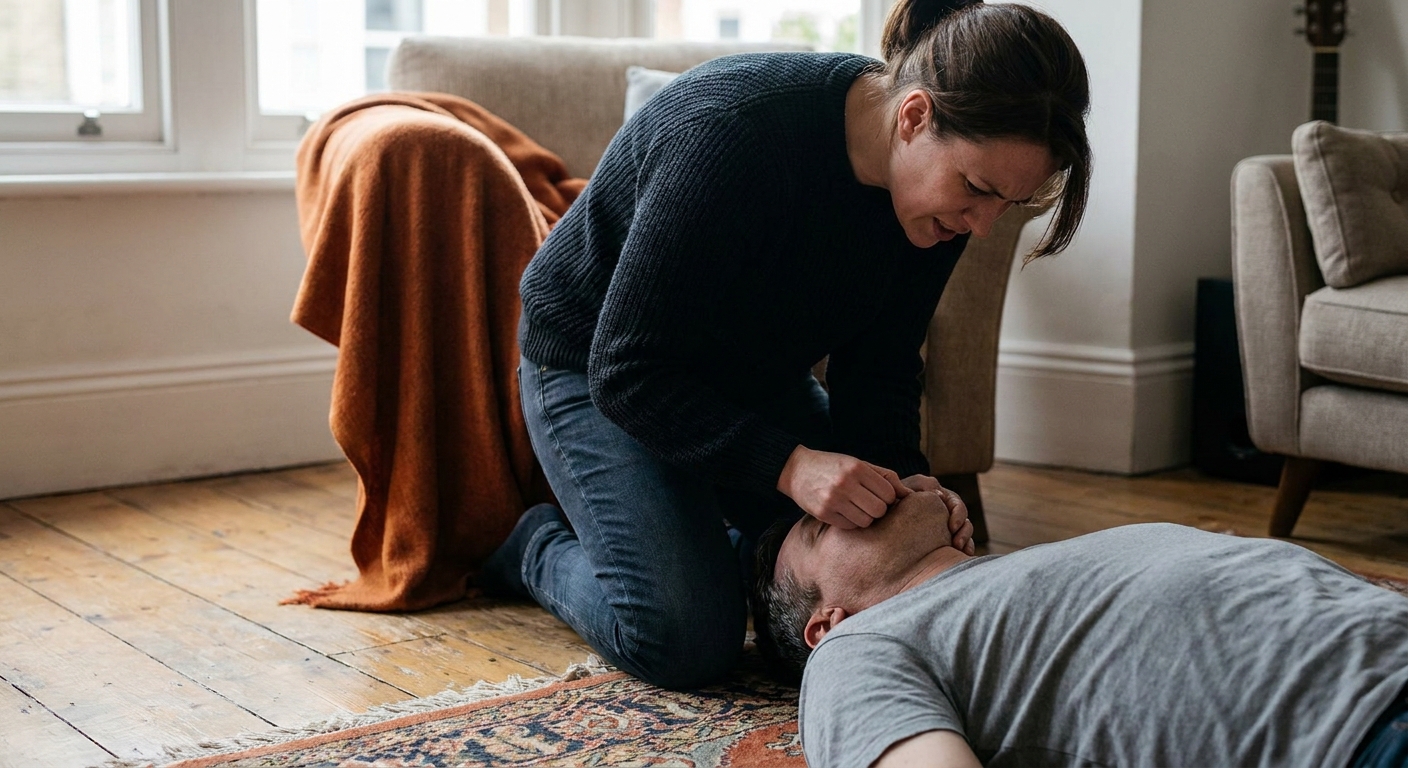
Set up a mock scenario: one family member pretends to overdose, another calls 911, and a third grabs the kit and administers the dose. Time each step and note any hiccups.
When you finish, debrief. Ask: Did anyone hesitate? Was the kit easy to open? Did you remember where it’s stored? Adjust your plan based on the answers.
By now you should have a smooth, practiced routine that feels as natural as checking the mail.
Step 5: Create a Family Emergency Action Plan
Even the best training falls short without a clear plan. Write down the exact steps your household will follow when an overdose is suspected.
A solid plan includes four parts: recognize, call, administer, and monitor. Use simple language and assign roles , who grabs the kit, who dials 911, who stays with the person.
Here’s a template you can copy:
- Recognize the signs: unresponsive, shallow breathing, blue lips, pinpoint pupils.
- Call 911 immediately. Say, “I suspect an opioid overdose, my address is ___, and I have naloxone.”
- Administer naloxone exactly as practiced.
- Monitor breathing and be ready for a second dose. Keep the person in the recovery position.
Print the plan and tape it to the fridge where everyone can see it. Next Step Intervention’s step‑by‑step guide offers a printable version that matches this outline.
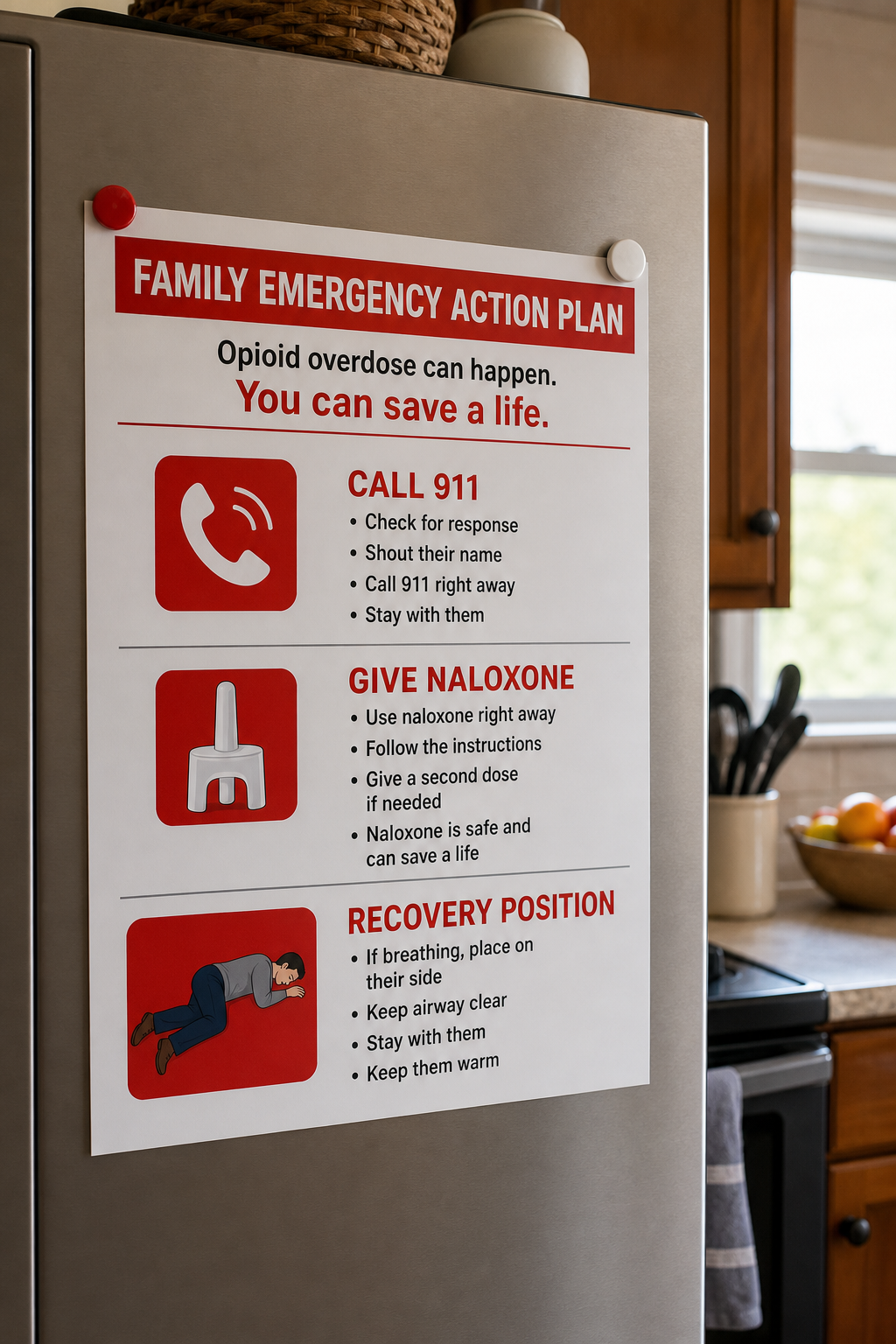
Run a brief drill each month. Time how long it takes from spotting the signs to calling 911. Aim for under two minutes , the faster you act, the better the outcome.
FAQ
What is naloxone and how does it work?
Naloxone is a medication that quickly reverses the effects of opioids by blocking their receptors. The first dose can restore breathing within minutes, buying time for emergency services.
Do I need a prescription to get naloxone for my family?
In most states you can obtain naloxone under a standing order, which means no prescription is required. Check your state pharmacy or local health department for the exact process.
Can I use naloxone on a child?
Yes, naloxone is safe for children and adults. The dosage may differ, so follow the instructions on the device or ask a pharmacist for guidance on pediatric use.
How long does naloxone stay effective?
Naloxone’s effects usually last 30 to 90 minutes. Because some opioids last longer, the person may need additional medical care even after the dose works.
What should I do after giving naloxone?
Stay with the person, keep them in the recovery position, and monitor breathing. Provide any information you have to the EMTs when they arrive, and be prepared to give a second dose if breathing does not improve.
If you’re ready to protect your loved ones, start with a free family session fromNext Step Interventionand follow the steps above. Call (949) 545‑3438 or visit nextstepintervention.com to schedule your training today.