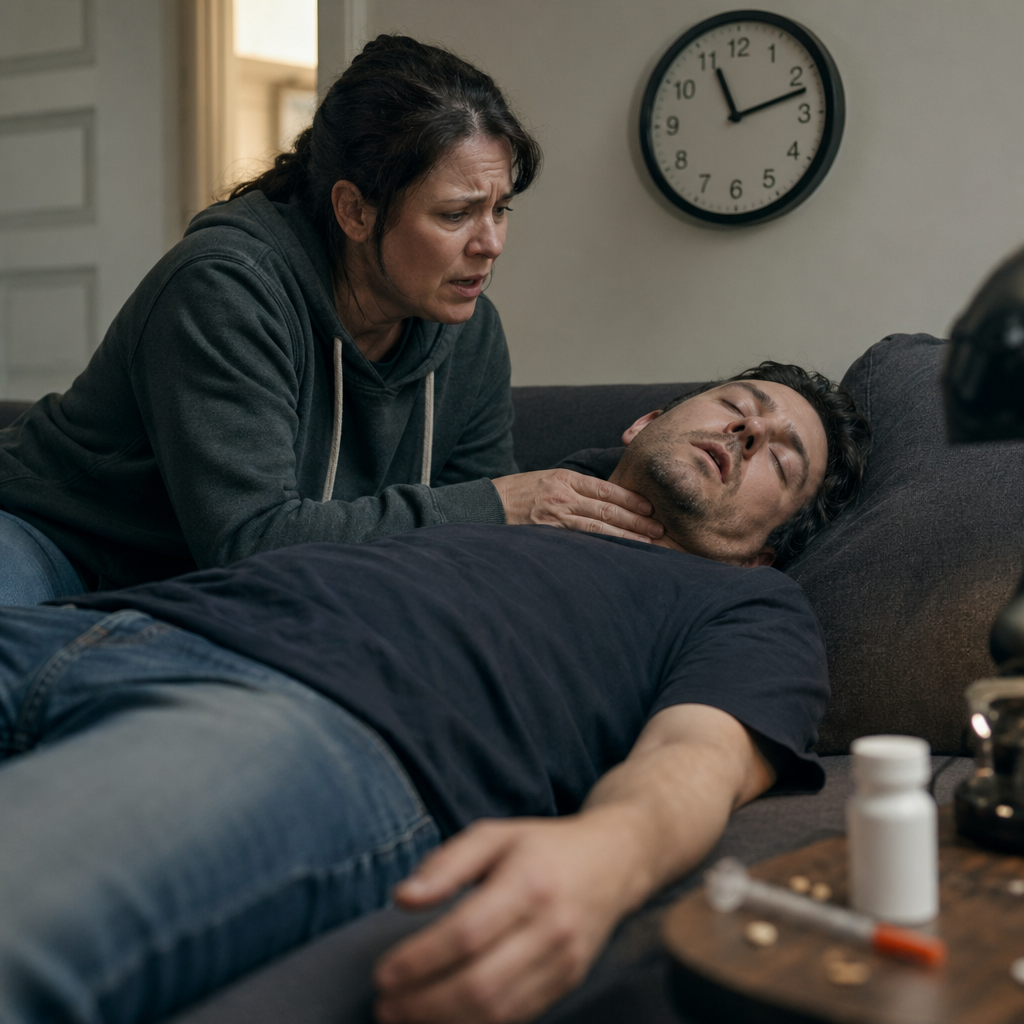

Let me be completely honest: when a loved one slips into a drug crisis, your heart does more than just beat—it races. Do you remember the first time you heard the word “overdose” and felt that cold dread? That feeling is real, and it can happen in a heartbeat. We’re here to talk about emergency drug intervention in a way that feels less textbook and more like a conversation over coffee.
Picture this: a teenager comes home early, eyes glazed, a bottle in hand. You’re standing at the doorway, the silence thick. What do you do? The answer isn’t to scream or to lock the doors—it’s to step in with calm, clear, and immediate action. That’s the heart of emergency intervention.
In our experience, the first minutes can set the tone for recovery. A quick call to emergency services, a check of breathing, and a gentle, non‑accusatory conversation can make the difference between panic and a plan. The key steps are simple: breathe, assess, act, and after‑care. Each step has a purpose: breathing steadies the body, assessment lets you know the severity, action gets the right help, and after‑care ensures the next steps aren’t missed.
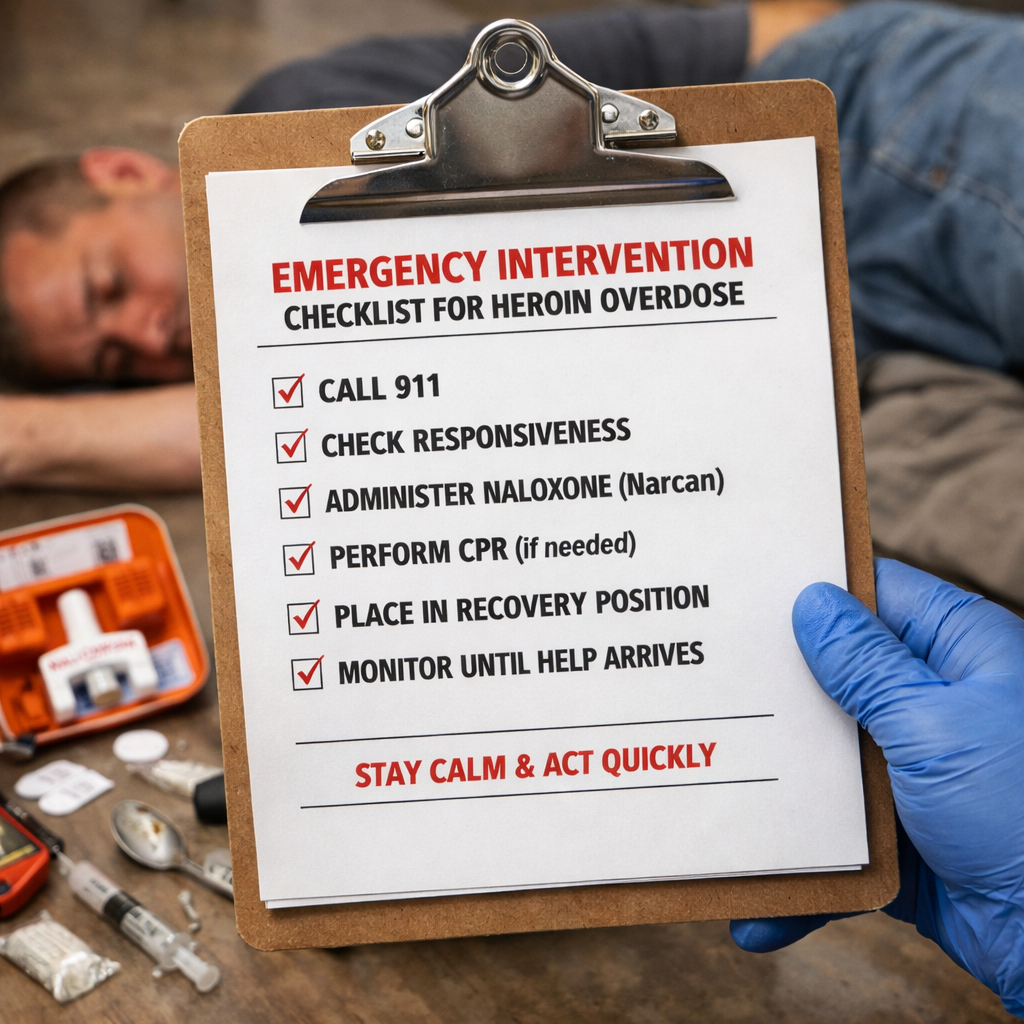
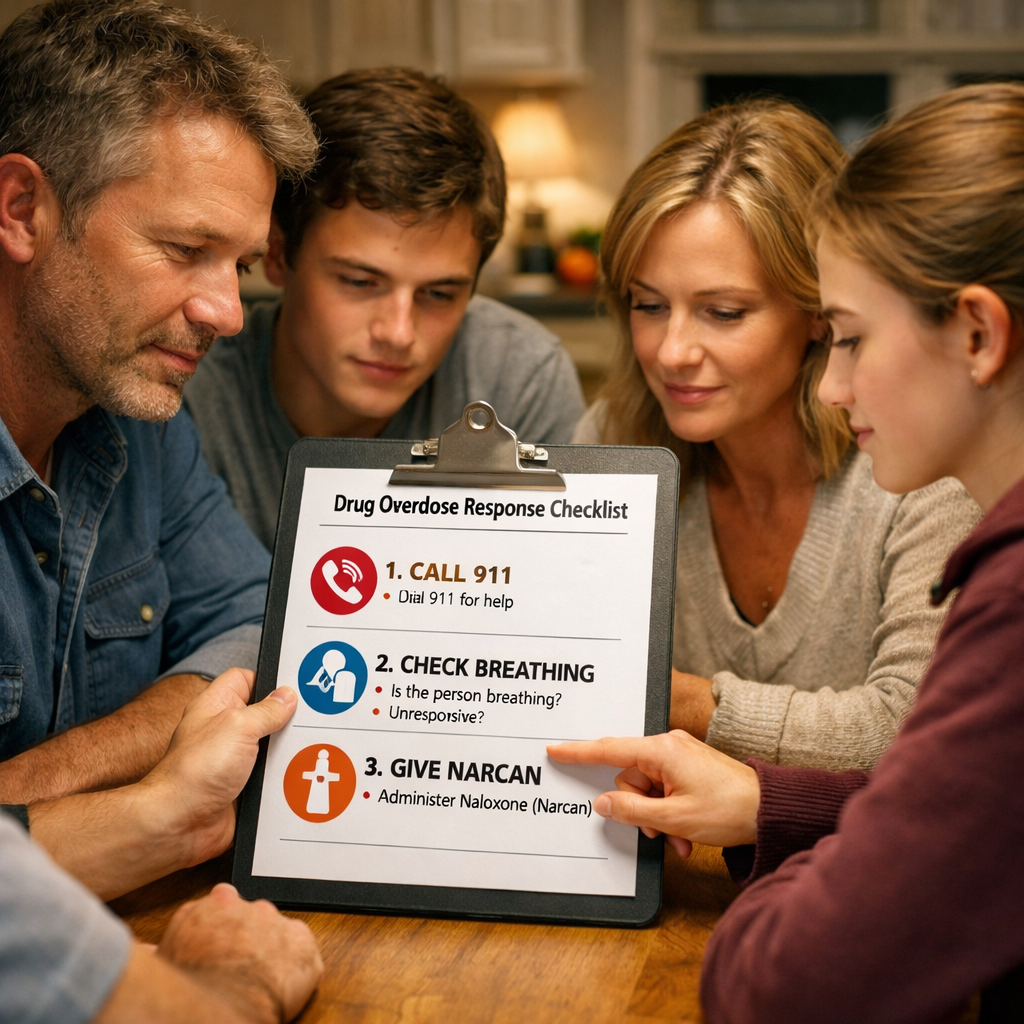
Here’s a quick checklist you can keep in your pocket: 1) Check responsiveness—tap, call, see if they react. 2) Call 911 if there’s breathing trouble or you suspect an overdose. 3) If you’re trained, administer naloxone (Narcan) right away. 4) Stay with them until help arrives. 5) Once safe, talk about next steps—professional help, rehab, or support groups.
Don’t let the fear of “what if” hold you back. Emergency drug intervention isn’t about being perfect; it’s about being present and prepared. We’ve seen families who, after a quick, calm intervention, get professional support that leads to lasting recovery. And when the initial crisis is over, the next challenge is ongoing wellness. That’s why connecting with a follow‑up program can keep the momentum alive.
If you’re feeling stuck, check out Effective Emergency Intervention: A Step‑by‑Step Guide to Immediate Action for deeper, step‑by‑step guidance. For ongoing support after the emergency, consider visiting XLR8well—a partner that offers proactive health services to help families maintain wellness beyond the crisis. Call now for immediate help: (949) 545-3438.
TL;DR
When a loved one faces an overdose, the first steps you take can mean the difference between panic and a calm plan. Use the breathing‑assess‑act‑after‑care method, keep Naloxone ready, stay with them, and call 911—then follow up with professional help for lasting recovery, and plan a supportive care path to keep momentum.
Step 1: Recognize Symptoms and Call for Immediate Medical Help
When the first signs show up, your heart races, palms sweat, and the world feels like it’s about to tilt. That cold spike of anxiety is a signal that something urgent is happening.
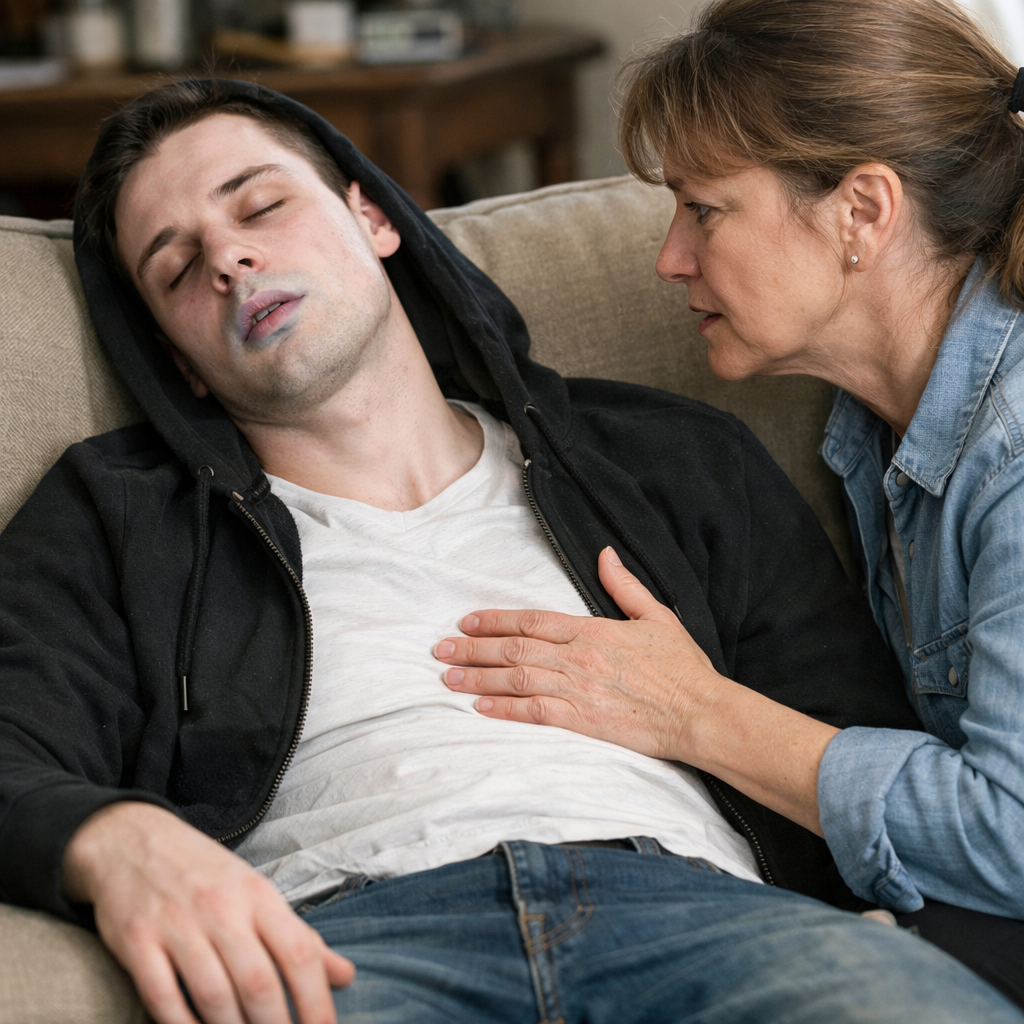
Do you know how a loved one’s breathing can suddenly shift from deep, steady cycles to a whispering pause? A slowed pulse, pale skin, or a blueish tint around the lips are red flags you can spot even if you’ve never seen an emergency before.
Here’s a quick sanity check you can do in under a minute:
1. Tap their shoulder, say their name loudly. 2. Look for breathing—two breaths in 10 seconds is a sign of distress. 3. Check for responsiveness—any flicker of movement or eye contact is a lifeline.
If the answer to any of those steps is negative, don’t wait. Call 911 immediately; every second counts when you’re dealing with a possible overdose.
For deeper guidance on how to structure an intervention after the immediate crisis, check out Effective Drug and Alcohol Intervention Strategies: A Practical Guide—our go‑to playbook for families who need to act fast.
While you’re waiting for emergency responders, stay with them. Keep their head cool—use a damp cloth or a cool towel if you can. If you’re trained, administer naloxone (Narcan) right away; it can reverse the overdose for a limited window.

Once the ambulance arrives, hand over all relevant information: what they were taking, how much, when, and any medical history you know. That detail can save minutes and help the responders tailor their approach.
After the immediate crisis, consider a proactive health partnership. XLR8well offers ongoing wellness programs that can help your family stay on track and prevent future emergencies.
If you’re a clinician or a caregiver in a medical role, staying vigilant about burnout is crucial. e7D-Wellness provides evidence‑based assessments for healthcare professionals, so you can spot early signs of fatigue and maintain the strength needed to care for others.
Remember, the first step isn’t just about survival—it’s about setting a foundation for recovery. Stay calm, act fast, and keep the lines of communication open with professionals. You’ve already made the biggest difference by being there.
Step 2: Prepare the Medication and Necessary Equipment
After you’ve dialed 911 and kept your loved one steady, the next move is to gather the tools that can tip the scale toward recovery. It feels almost ritualistic, like preparing a fire when you need warmth—except this fire can be a life.
Start by pulling out a small, portable kit that’s already organized. Think of a crash cart on a hospital floor: a rolling cart with drawers for meds, equipment, and documentation. At home, a simple plastic tote with labeled pockets can do the trick.
Inside the tote, place these essentials:
- One or two ready‑to‑use naloxone pens or nasal sprays.
- A small glucose gel or sugar packets for hypoglycemia.
- An oxygen mask or concentrator if you have it.
- Basic airway tools—tongue depressors, suction bulb.
- Sturdy gloves, face shield or mask, and a small first‑aid kit.
Every item should be checked for expiration. A bottle of naloxone that’s past its date can be a false friend, and a glucose gel that’s gone bad is a recipe for confusion. Mark the date on the outside with a permanent marker—quick and visible.
When you’re pulling out naloxone, keep the instructions in mind. Most spray pens are single‑dose: aim at the outer thigh, squeeze, and wait 2 minutes. If you have the injection version, the needle goes into the muscle of the thigh and a single push does the job. The key is to remember the sequence—don’t let the tension slow you down.
Next, add a small bag of clean water. Even a simple 16‑oz bottle can be lifesaver if the person needs to stay hydrated. If you live in an area with high air quality concerns, a spare mask with a HEPA filter can help if there’s a chance of respiratory irritation.
Think of the kit as a “code blue” setup—everything you need in one place. If you can, drill the process once a week. Lay the kit out, run through the steps aloud, then reset. The muscle memory built from practice means you won’t fumble when the clock starts ticking.
Let’s walk through a real‑world example. Last month, a 32‑year‑old mother found her teenage son unresponsive on the living‑room floor. The mother had a naloxone kit on a coffee table. She grabbed it, sprayed the thigh, waited a couple of minutes, and called 911 again. The EMS arrived within minutes and took over. The mother’s quick preparation and knowledge saved the day. If she didn’t have the kit, the timeline would have stretched, and the outcome could have been different.
Label everything. Use waterproof labels on each bag or drawer. Write both the item name and the expiry date. In the chaos of a crisis, you’re likely to look for the first thing that pops out of the tote. Clear labels cut that hesitation in half.
Keep the kit in a place you can reach in under a minute—close to the bedroom door or a frequently used kitchen counter. Avoid deep storage in a closet or pantry where you’d have to dig.
When you’re done, double‑check the inventory. Make a quick mental checklist: naloxone? glucose? oxygen? gloves? If anything is missing, note it down and plan to restock before the next emergency.
Now that you’ve assembled the kit, you’re ready to act. In the next section, we’ll walk through how to administer and monitor the medication while waiting for professional help.
For a deeper dive into how families can structure their medication kit and training, read Effective Drug and Alcohol Intervention Strategies: A Practical Guide.
When the crisis calms, remember that emergency intervention is just the first chapter. A life coach like Bettina Rodriguez Aguilera can help your loved one move from survival to lasting recovery.
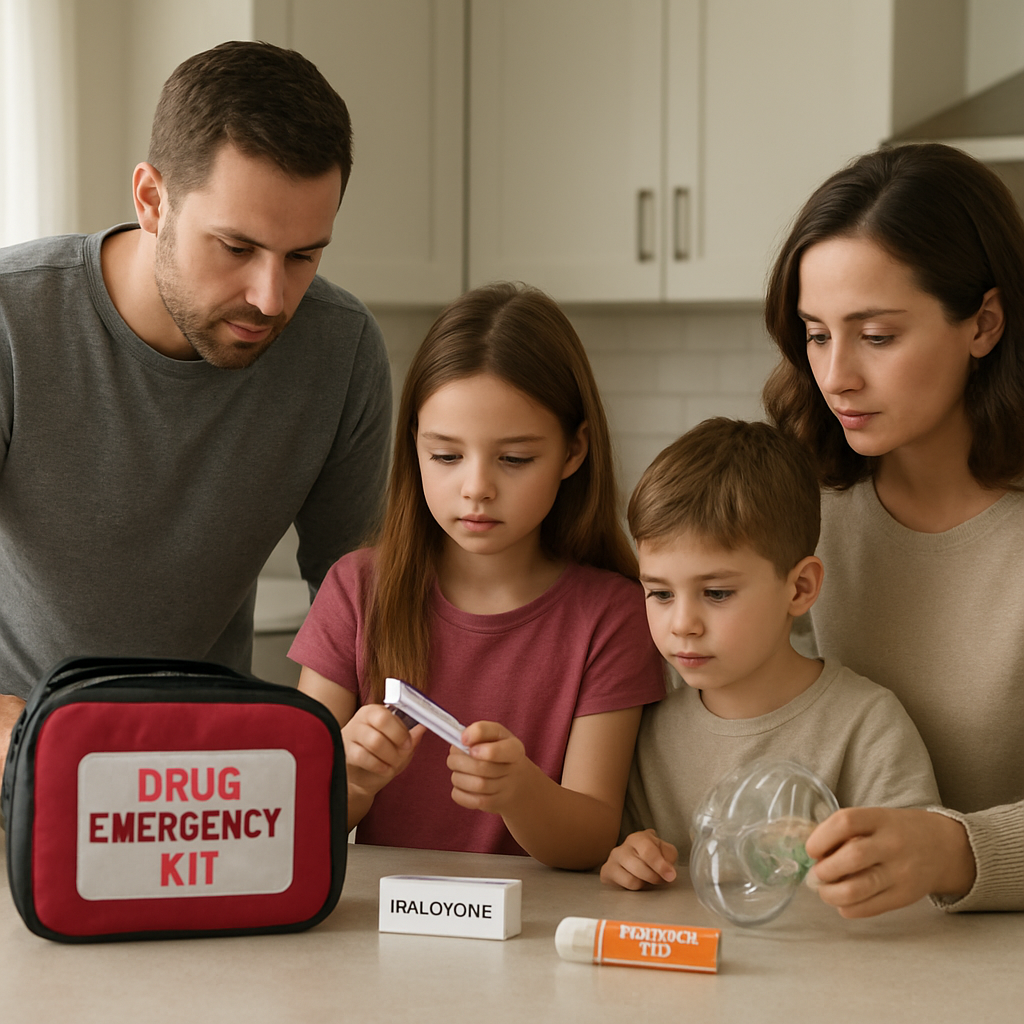
Step 3: Administer the Drug Correctly and Monitor Patient Response
Let’s dive right in. You’ve called 911, the paramedics are on their way, and now the critical moment arrives: how do you administer the drug without panicking or missing a beat?
First up—timing. The drug’s window is tight. If you wait too long, the overdose can become irreversible. Aim to inject or spray as soon as you’ve verified the person’s breathing and responsiveness.
Second—technique matters. For naloxone, if you’re using the spray, aim at the outer thigh and squeeze firmly for two seconds. If it’s the injectable version, put the needle into the muscle, push the plunger fully, and keep the hand steady for a moment. A quick, deliberate action saves more than a second of hesitation.
So, what’s the real difference between a spray and an injection? It’s speed and comfort. Sprays feel less invasive, but injections deliver a more consistent dose. Depending on your kit and training, pick the one you can perform reliably.
Now, about the dosage. Many kits come with a single dose. If the person still isn’t breathing properly after the first dose, repeat after the first minute. This repeat protocol is covered in the Kane County Health Department’s Emergency Response Toolkit.
Do you wonder how you’ll know if the drug worked? Watch for the first signs: breathing starts, eyes open, and responsiveness improves. Don’t wait for dramatic changes. A slight shift in breathing rate can mean the drug is kicking in.
While you’re waiting, keep the person in a recovery position unless they’re already breathing normally. This helps prevent choking if they vomit after the drug takes effect.
Next, monitoring. Record everything—time of dose, method, and any changes in breathing or consciousness. This data is vital for the paramedics who arrive; it helps them adjust treatment if needed.
Do you have a buddy to help? If possible, have someone else keep track of time, while you focus on administering. A partner can also check for breathing and alert you to any worsening.
It’s also worth noting that you’ll need to keep the drug’s expiration date in mind. An expired dose won’t help; it can even be harmful.
Don’t forget to keep the kit organized. Store all doses in a labeled bag with the expiry dates clearly marked. If the bag’s contents are muddled, you’ll waste time searching during a crisis.
Here’s a quick sanity check: Have you identified the correct dose, chosen the right administration method, and set a timer? If yes, you’re on the right track.
So, what should you do next? Keep calm, keep the bag handy, and administer the drug as soon as the moment arrives.
After the dose, stay with the person until help arrives. This reassurance can make a big difference in their psychological recovery.
Now let’s take a look at a handy visual guide:
Below is a concise table that breaks down the main options and what to keep in mind.
| Option | Method | Key Notes |
|---|---|---|
| First Dose | Spray or Injection | Administer as soon as possible; follow product instructions. |
| Repeat Dose | After 1 minute if no response | Only if breathing or consciousness is still impaired. |
| Recovery Position | Maintain unless breathing is normal | Prevents aspiration if vomiting. |
Remember, the goal here is quick, precise action followed by diligent monitoring. Stay focused, keep the kit ready, and let the paramedics handle the next steps. You’ve got this.
Step 4: Post‑Intervention Care and Documentation
So, you’ve got the drug out, you’ve seen breathing return, and now the ambulance is on its way. But the story doesn’t end when the paramedics take over—what happens next can shape recovery.
First off, keep the calm vibes flowing. A steady tone and a gentle hand make a world of difference for someone who just felt like the world flipped upside down.
Here’s a quick rundown of what to do once you’re in the post‑intervention phase:
1. Stay with the person
Even after the drug kicks in, the body still needs observation. Remain present until EMS arrives, checking breathing, pulse, and level of consciousness. A simple “Hey, how are you feeling?” can soothe anxiety and help you spot subtle changes.
2. Document the timeline
Grab a notebook or a phone and jot down:
- Exact time you administered the drug.
- Dose and method (spray vs injection).
- Any shifts in breathing or responsiveness.
- Notes on the environment—temperature, noise, anything that might affect recovery.
This log is gold for the medical team and can help you track patterns if similar incidents happen later.
3. Prepare for follow‑up care
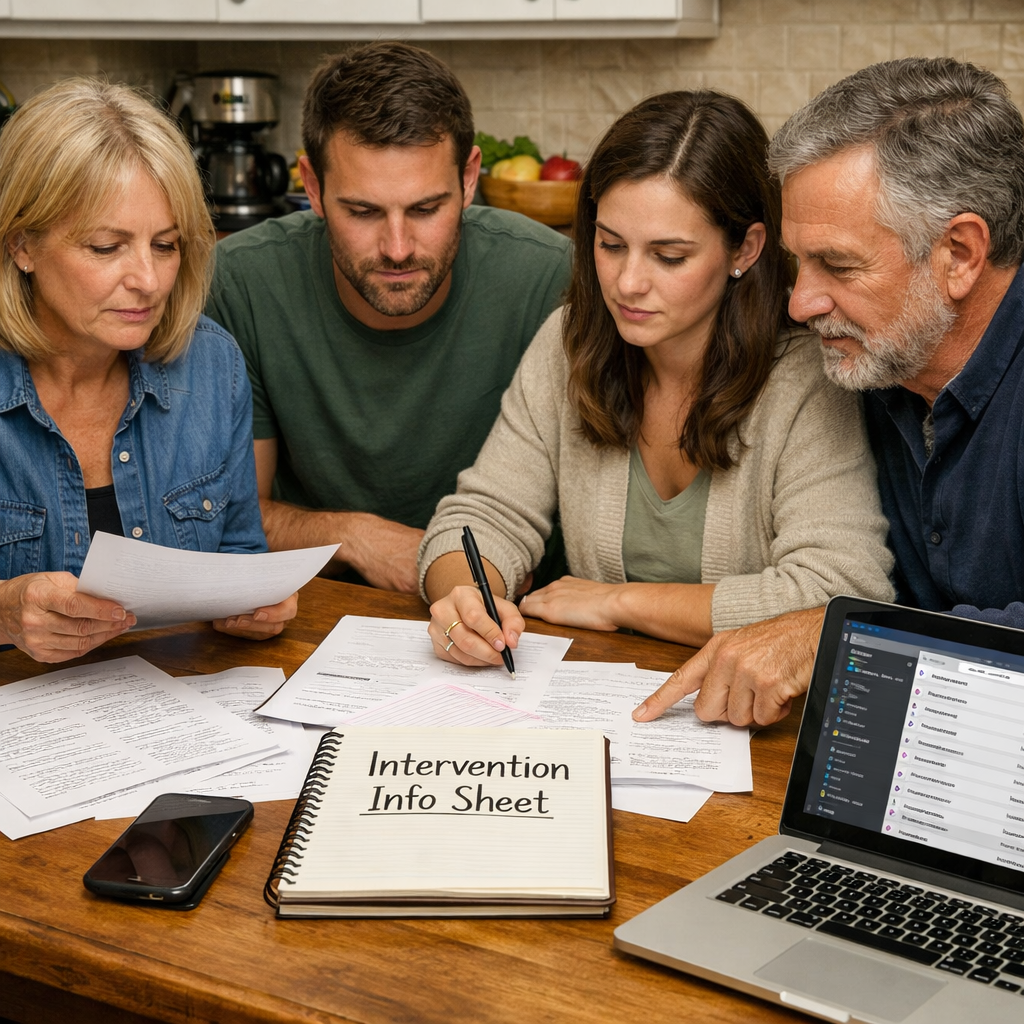
Once the ambulance leaves, you’re back on the ground. That’s the moment to talk about next steps. Ask the EMS team for any recommended follow‑up appointments or referrals. If you’re looking for a structured plan, platforms like Next Step Intervention can help map out a treatment pathway that fits your family’s needs.
Remember, the goal isn’t just to get them out of the acute crisis but to start the journey toward lasting recovery.
4. Reach out for professional support
After an overdose, it’s common to feel exhausted or overwhelmed. Turning to a trusted helpline can give you immediate guidance and emotional support. SAMHSA’s National Helpline is a free, confidential 24/7 resource that can connect you to local treatment centers and support groups. Call or text them for help right now.
They’ll ask for your ZIP code to find nearby services. It’s a quick way to make sure you’re not alone in figuring out the next steps.
5. Document lessons learned
After the dust settles, sit down with your notes. Highlight what worked—perhaps a particular breathing cue you used—or what could be smoother next time. Sharing these insights with family members or a support group can reinforce learning and prevent future crises.
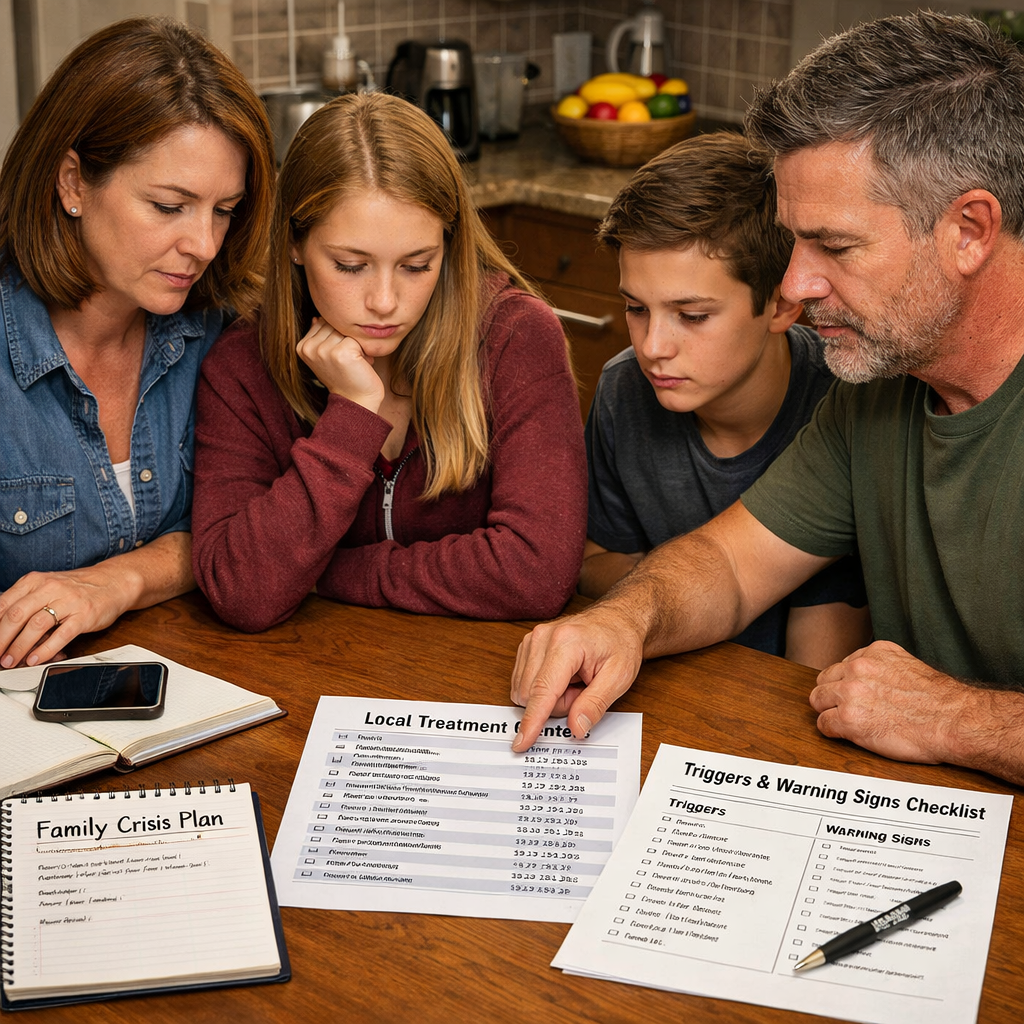
Also, consider creating a short “intervention log” that your family can reference. A simple spreadsheet with columns for date, trigger, action taken, and outcome can be a lifesaver if another incident happens.
6. Take care of yourself
You’re not just the responder; you’re also a caregiver. If you feel drained, reach out to a friend or a local support network. A quick walk outside or a coffee break can reset your energy before the next round of help.
Remember, the aftermath of an emergency is just as critical as the emergency itself.

And before you wrap up, remember the call to action that’s been echoing: call now for immediate help: (949) 545-3438. It’s a simple step that can make a world of difference when you’re in the middle of a crisis.
Conclusion
First off, let’s pull everything together. We’ve walked through breathing, checking, calling 911, and giving that quick Naloxone shot. It’s a lot, but each piece fits like a puzzle piece in the emergency drug intervention story.
What’s the one thing you can do right now? Keep a small “quick‑access” kit in a spot you know—maybe a tote on the kitchen counter or a drawer in the bedroom. Label it, check expirations, and practice pulling it out in a mock drill. It’s the same practice that saves lives.
After the ambulance leaves, the story doesn’t end. Write down what happened: time of dose, response, and any follow‑up notes. That log becomes a roadmap for the next step—therapy, counseling, or a support group. You’re not alone; you’ve got a team behind you.
And when the next crisis feels looming, remember this: you’re not just reacting; you’re building resilience. A calm presence, a clear plan, and a little practice make the difference between panic and a path forward today right now.
So, if you’re ready to turn that preparation into action, call now for immediate help: (949) 545-3438. That single phone call could be the bridge from emergency drug intervention to lasting recovery.
FAQ
What exactly is emergency drug intervention?
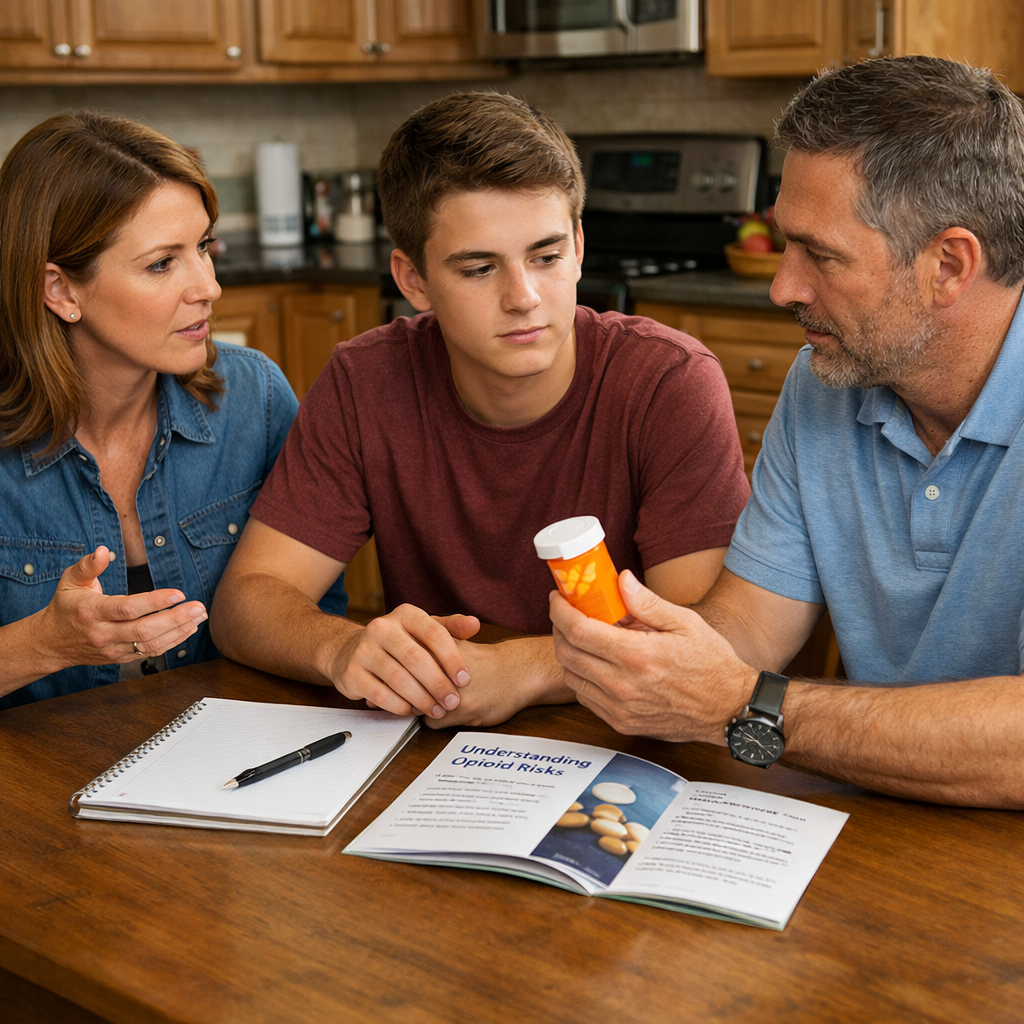
Emergency drug intervention is a rapid, life‑saving response you can take when a loved one shows signs of an acute overdose or severe reaction to medication. Think of it as the first line of defense: checking breathing, calling 911, and administering an antidote like naloxone if needed. It bridges the gap between a crisis and professional care.
How do I know when naloxone is the right call?
If someone is unresponsive, breathing shallow or not at all, or you suspect an opioid overdose, naloxone can reverse the effects in minutes. Use your judgment: if the person shows any sign of distress, or you’re unsure, giving naloxone is safer than waiting. It’s better to err on the side of action.
What’s the best way to store my naloxone kit at home?
Keep it in a spot you can reach in under a minute—like a kitchen counter or a bedroom drawer. Store the pen or spray in a protective case, label the expiry date, and keep a spare supply in the car. Check the kit quarterly, replace any expired items, and keep a small notebook next to it with quick‑step reminders.
After administering naloxone, what should I do right away?
Stay with the person, monitor breathing and pulse, and keep them in the recovery position if they’re still unconscious. Call 911 again if you’re unsure the reaction is fully reversed. Once the individual starts breathing properly, gently encourage them to sit up, but only if they’re stable. Keep calm and keep a mental note of the dose time.
What if symptoms return after naloxone?
Naloxone’s effect can wane within 30‑90 minutes. If breathing slows, or consciousness drops again, give a repeat dose per the product instructions. Meanwhile, continue calling 911, and stay with them. If you’re trained, administer a second dose; if not, wait for EMS and let them handle the next steps.
How often should I review and practice my emergency kit?
Review your kit quarterly: check expiry dates, replace items, and run through the steps aloud. A short rehearsal each month builds muscle memory. You can also set a yearly reminder to refresh any training—like a quick refresher on naloxone use—so you’re confident when the clock starts ticking.
Can other medications be part of an emergency response?
Yes, a comprehensive kit might include a glucose gel for low blood sugar, a small oxygen mask if you have it, and basic airway tools. These items address common complications and can keep a person stable while you wait for help. Always consult a healthcare professional to tailor the kit to your loved one’s specific needs.
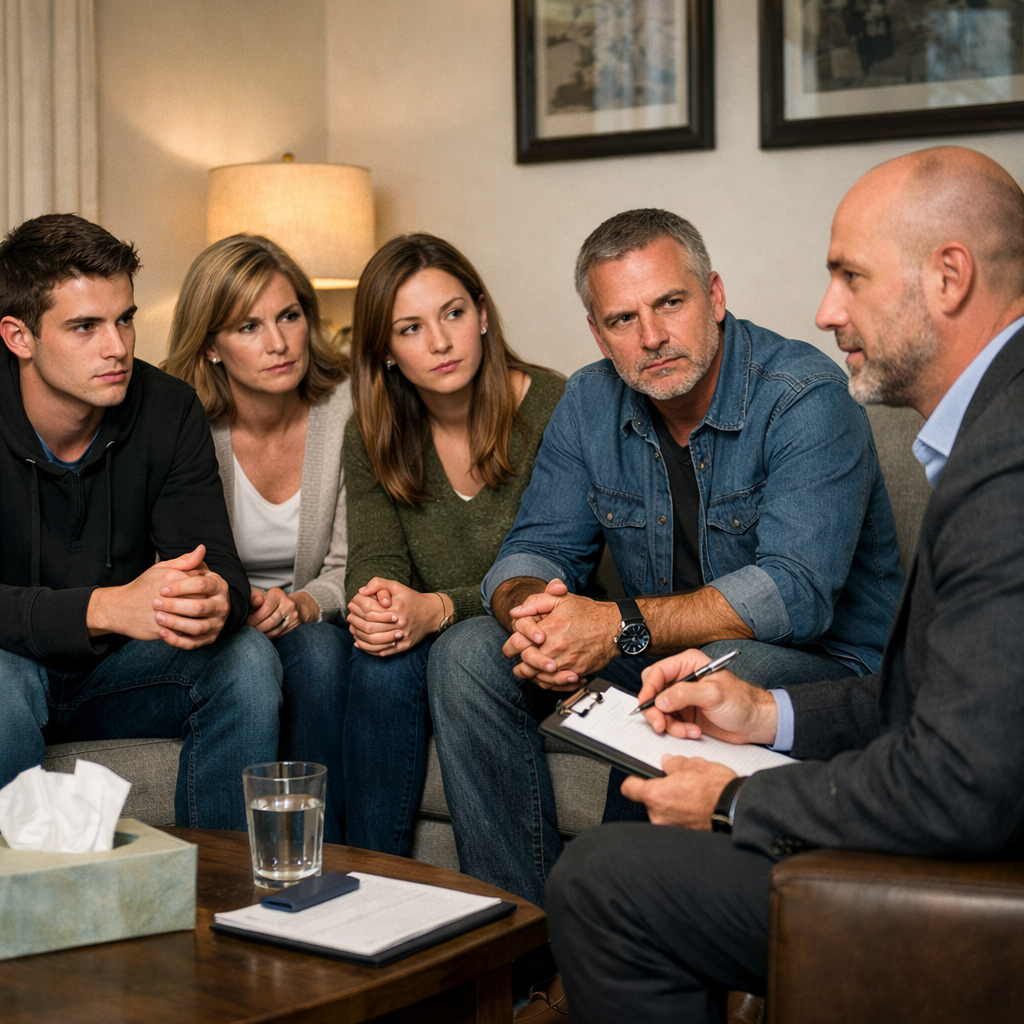
When should I bring a professional interventionist into the picture?
After the acute emergency has passed, consider a professional interventionist for ongoing support. They can guide your family through a structured plan, help secure treatment referrals, and provide emotional support. Early intervention often prevents future crises and promotes lasting recovery.
Ready to act faster next time? Call now for immediate help: (949) 545-3438.