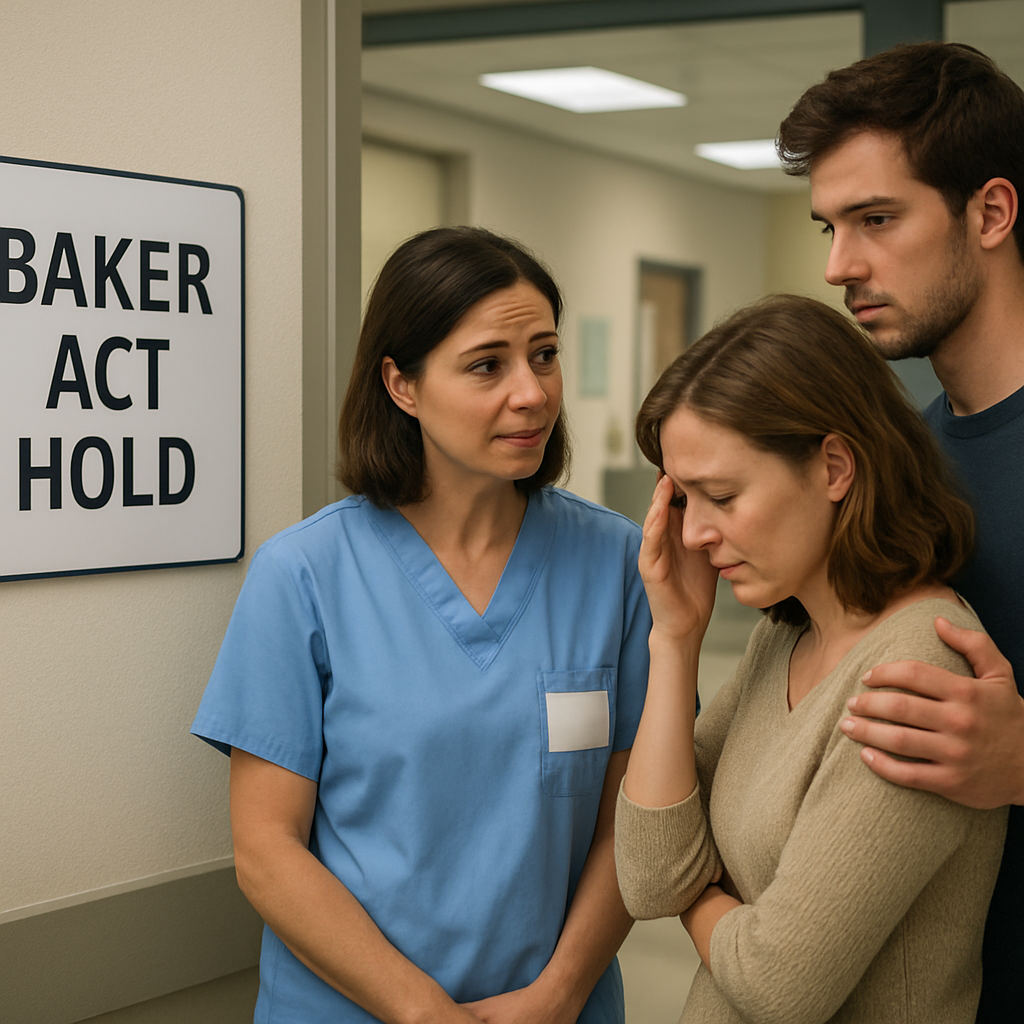
Picture this: you’re on a frantic call with a loved one who’s spiraling, and you hear the words “Baker Act” or “Marchman Act” for the first time. That rush of confusion, fear, and the desperate need for clear guidance is exactly what families face when mental health and addiction crises collide.
First off, the Baker Act is Florida’s mental health hold—up to 72 hours of involuntary psychiatric evaluation when someone is a danger to themselves or others because of mental illness. The Marchman Act, on the other hand, is the state’s pathway for involuntary substance‑abuse treatment, stepping in when a person’s drug or alcohol use puts them at risk.
We’ve seen families in Miami call us in the middle of the night, torn between these two options. One mom described how her teenage son was refusing to eat, talking about “seeing ghosts,” and also missing school because of heavy vaping. The crisis team had to decide whether a psychiatric hold (Baker Act) or an addiction hold (Marchman Act) was the right move. In cases like that, the line blurs, and that’s where a clear comparison helps.
Here’s a quick way to sort it out:
- Ask yourself: Is the primary concern a mental‑health symptom (hallucinations, severe depression) or a substance‑use pattern (overdose risk, withdrawal)?
- If it’s mental health, the Baker Act is the legal tool; if it’s substance abuse, the Marchman Act applies.
- Both acts require a qualified professional—physician, psychiatrist, or licensed therapist—to initiate the process.
But it’s not just about the label. The practical steps matter. For a Baker Act hold, you’ll need to bring the person to a designated receiving facility within the county, and they’ll be evaluated for up to 72 hours. With the Marchman Act, a petition can be filed in circuit court, and the person may be placed in a treatment program while the court reviews the case.
In our experience, families often underestimate the insurance side of things. Even if the hold is involuntary, insurance coverage can still be a hurdle. That’s why understanding options like health insurance for small business can make a big difference when you’re trying to finance emergency care.
When you’re stuck in that moment, a handy reference is When to Seek Involuntary Treatment: Baker Act and Marchman Act Triggers. It breaks down the red‑flag signs, the paperwork you’ll need, and the next steps to protect your loved one’s safety.
Bottom line: knowing the core difference—mental health versus substance abuse—helps you act quickly, reduces the guesswork, and gets the right help on time. If you’re unsure, reach out to a crisis intervention specialist who can guide you through the process and connect you with the appropriate resources.
TL;DR
When a loved one’s crisis blurs the line between mental‑health emergency and substance‑abuse danger, the baker act vs marchman act distinction decides whether you’ll be heading to a psychiatric hold or an addiction treatment program.
Act fast, check the red‑flag signs, and let a trusted crisis team guide you today.
Understanding the Baker Act: Key Provisions and When It Applies
So you’ve heard the term “Baker Act” tossed around in a frantic phone call, and you’re wondering exactly what it means for your family. It’s natural to feel a knot in your stomach when you’re faced with legal jargon while trying to keep a loved one safe.
The Baker Act is Florida’s law that lets a qualified professional—typically a physician, psychiatrist, or licensed therapist—request an involuntary psychiatric hold for up to 72 hours. The goal? To give the person a safe space for a thorough mental‑health evaluation when they’re a danger to themselves or others because of a mental illness.
Here’s what the law actually covers:
- Danger to self or others: Suicidal thoughts, severe self‑harm, or threatening behavior.
- Grave disability: When a mental condition prevents the person from caring for basic needs.
- Immediate need for treatment: Situations where waiting for voluntary consent could cause irreversible harm.
Notice anything familiar? Those are the same red‑flag signs we see in the field every day. When the criteria line up, you can take the person to a designated receiving facility—often a hospital or a state‑approved psychiatric unit—within the county.
But what does the process actually feel like on the ground? First, a professional signs a short petition. Then, law‑enforcement or a qualified officer transports the individual. Once there, a psychiatrist conducts a comprehensive assessment. If the clinician determines continued care is necessary, the 72‑hour clock can be extended with a court order.
And here’s a common point of confusion: the Baker Act is not a blanket “arrest” for mental health issues. It’s a medical hold, not a criminal charge. The person retains certain rights—like the right to an attorney and the right to be informed of the reasons for the hold.
We often get asked, “When is it too late to act?” The short answer: act the moment you see clear danger. Delaying can make the situation harder to reverse, and insurance approvals can become a bottleneck. Speaking of insurance, families looking to understand coverage options might find this health insurance guide for small businesses surprisingly helpful when navigating payment for emergency psychiatric care.
Now, let’s talk about the practical side of filing the hold. Most counties have a list of “receiving facilities” on their website; you can call 911 and ask the dispatcher to route the call to the nearest one. If you’re unsure whether the situation meets the legal threshold, a quick call to a crisis line can give you peace of mind and help you decide whether to invoke the Baker Act or consider the Marchman Act for substance‑use concerns.
For those who want a deeper dive into the nuts‑and‑bolts of the law, our Baker Act: Florida’s Involuntary Psychiatric Examination Law page breaks down every provision in plain language.
While you’re navigating the legal maze, you might also be thinking about prevention. That’s where proactive wellness comes in. A partner like XLR8well offers programs that focus on early mental‑health support, helping families spot warning signs before a crisis erupts.
Below is a quick visual recap of the key steps. Take a moment to watch the short video that walks through the hold process—seeing it in action can demystify the whole experience.
Having a clear picture of what to expect reduces panic and gives you confidence to act fast. Remember, the 72‑hour window is designed to stabilize, not to punish. It buys you time to connect the person with the right clinicians, therapists, and—if needed—follow‑up treatment plans.
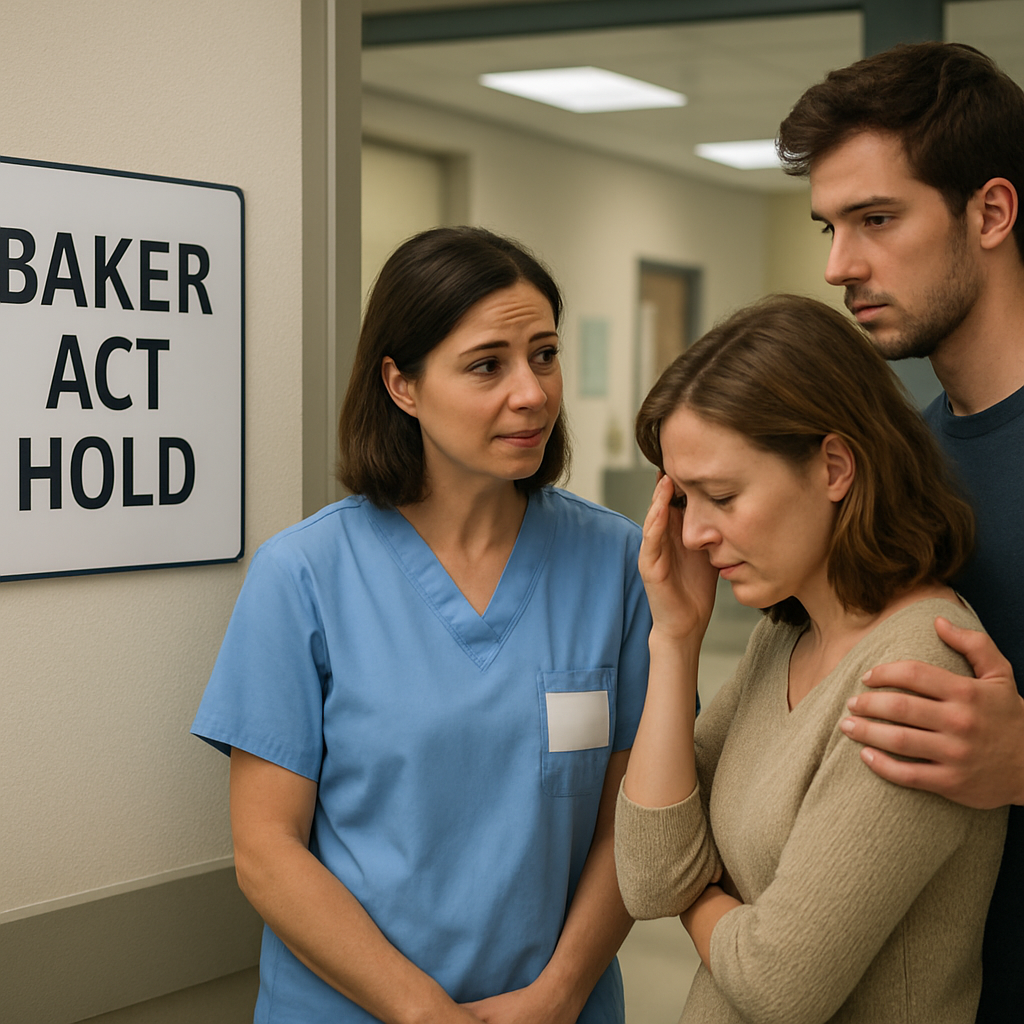
Understanding the Marchman Act: Key Provisions and When It Applies
Facing a crisis where substance use threatens safety, you’re probably wondering if the Marchman Act is the right lever. It is not about punishment, it’s a pathway to assessment and treatment when someone can’t make safe choices due to drugs or alcohol.
In 2026, the Marchman Act remains Florida’s primary legal option for involuntary substance-abuse treatment. It authorizes a petition to the circuit court when a person’s use creates an imminent danger of harm or inability to care for themselves. The goal is stabilization and access to care, not shaming or penalties.
What the Marchman Act does
Think of it as a mechanism that temporarily removes decision-making from a person who is at high risk because of substance use. A judge can order an assessment and, if needed, placement in a treatment program while the case is reviewed. The key is that the trigger is risk tied to substance use, such as dangerous behavior, withdrawal risks, overdoses, or refusal of care that endangers life.
Who can initiate
Typically, a family member, guardian, licensed clinician, or law-enforcement officer can file the petition. A qualified professional must document evidence showing the individual’s condition meets the statute’s criteria. You don’t need consent in advance, but you do need credible observations and medical input.
The process and timeline
First, a petition is filed in the circuit court. Then the person may be evaluated by a professional and temporarily placed into a treatment program pending a hearing. At the hearing, the judge decides whether continued involuntary treatment is appropriate and for how long. The court’s order can include treatment settings, ongoing medication management, and conditions for release.
Practical tips for families
Document everything: dates, symptoms, medications, hospital visits. Gather names of doctors and any prior treatment history. Share that with the court and the treatment team to avoid delays. And remember, you’re not alone—crisis teams and crisis intervention specialists can help navigate the court steps.
For a deeper dive, you might want to explore a comprehensive guide on the subject. What Is the Marchman Act in Florida? A Complete Guide
In our experience, families find that understanding the process ahead reduces panic. Platforms like Next Step Intervention can help coordinate communications with clinicians, attorneys, and treatment programs when you’re racing against the clock in a crisis.
Imagine a family in crisis in 2026, juggling hospital visits, court dates, and treatment plans. The Marchman Act is about buying time to get safe, effective care for a loved one, while preserving dignity and rights.
Common misconceptions about the Marchman Act are worth unpacking. One big myth is that it’s only for severe addiction. In reality, it applies whenever substance use creates real danger or prevents basic self-care. It’s not a blanket punishment; it’s a structured safety net designed to connect someone with help. Another misperception is that the process is instant. In practice, it requires credible documentation, a court review, and coordination with treatment providers to ensure a safe, appropriate plan.
Rights and safeguards matter. The Act includes court oversight, periodic reviews, and the right to appeal. Working with a calm advocate—whether a skilled attorney, a crisis counselor, or a trusted interventionist—helps you gather records, schedule the hearings, and communicate with the treatment team so that nothing slips through the cracks.
If you’re facing a Marchman Act decision, we’re here to help coordinate the process and connect you with the right resources so your loved one can get stabilized as quickly as possible.
Side-by-Side Comparison: Baker Act vs Marchman Act
When the crisis hits, the first thing you wonder is: “Do I call a mental‑health hold or an addiction hold?” That split‑second decision is the core of the baker act vs marchman act dilemma.
Both laws are emergency tools, but they’re built for different emergencies. One is triggered by a psychiatric danger, the other by a substance‑use danger. Knowing which knob to turn can shave hours off the wait for care and keep your loved one from slipping further.
Quick glance at the key dimensions
| Aspect | Baker Act | Marchman Act |
|---|---|---|
| Primary trigger | Severe mental‑health symptom (e.g., hallucinations, suicidal intent) | Immediate risk from alcohol or drug use (e.g., overdose, withdrawal) |
| Who can initiate? | Physician, psychiatrist, licensed therapist, or law‑enforcement officer with “reasonable cause” | Spouse, parent, guardian, close friend, or sheriff filing a petition in circuit court |
| Maximum involuntary period | Up to 72 hours of psychiatric evaluation | Up to 72 hours of assessment before a court decision |
| Typical setting | State‑approved receiving facility (hospital ER or psychiatric unit) | Authorized assessment center or short‑term detention facility |
| Legal outcome | Continued hold, voluntary admission, or release after evaluation | Voluntary treatment, continued involuntary placement, or dismissal of petition |
That table gives you a cheat sheet, but let’s walk through what it looks like in a real family kitchen.
Imagine your teen is pacing, muttering about “the walls closing in,” and has stopped taking prescribed meds. You call your therapist, and they agree the behavior fits a psychotic break. You’re looking at a Baker Act hold: you’ll need to get the teen to a designated receiving facility within the hour, hand over their ID, medication list, and a brief timeline of the episode. The hospital will run a 72‑hour evaluation, after which a hearing decides next steps.
Now flip the script. Your adult son has been binge‑drinking every weekend, shows tremors, and refuses to go to a detox center. A sibling calls a crisis line, and you learn the Marchman Act is the right route. You’ll file a petition with the county clerk, attach medical records, police reports (if any), and a concise statement of the dangerous behavior. Within 24 hours a magistrate can order a 72‑hour assessment, during which the person may be placed in a short‑term detention facility until a treatment bed opens.
So, how do you decide in the heat of the moment?
Actionable decision‑making checklist
1. Identify the dominant symptom. Is the danger rooted in thoughts/behaviors linked to mental illness (hallucinations, suicidal talk) or in substance‑induced physiology (overdose, severe withdrawal)?
2. Ask who can act right now. If you have a doctor on call, the Baker Act is often faster. If you’re a family member with no medical professional nearby, the Marchman Act petition can be filed by any adult relative.
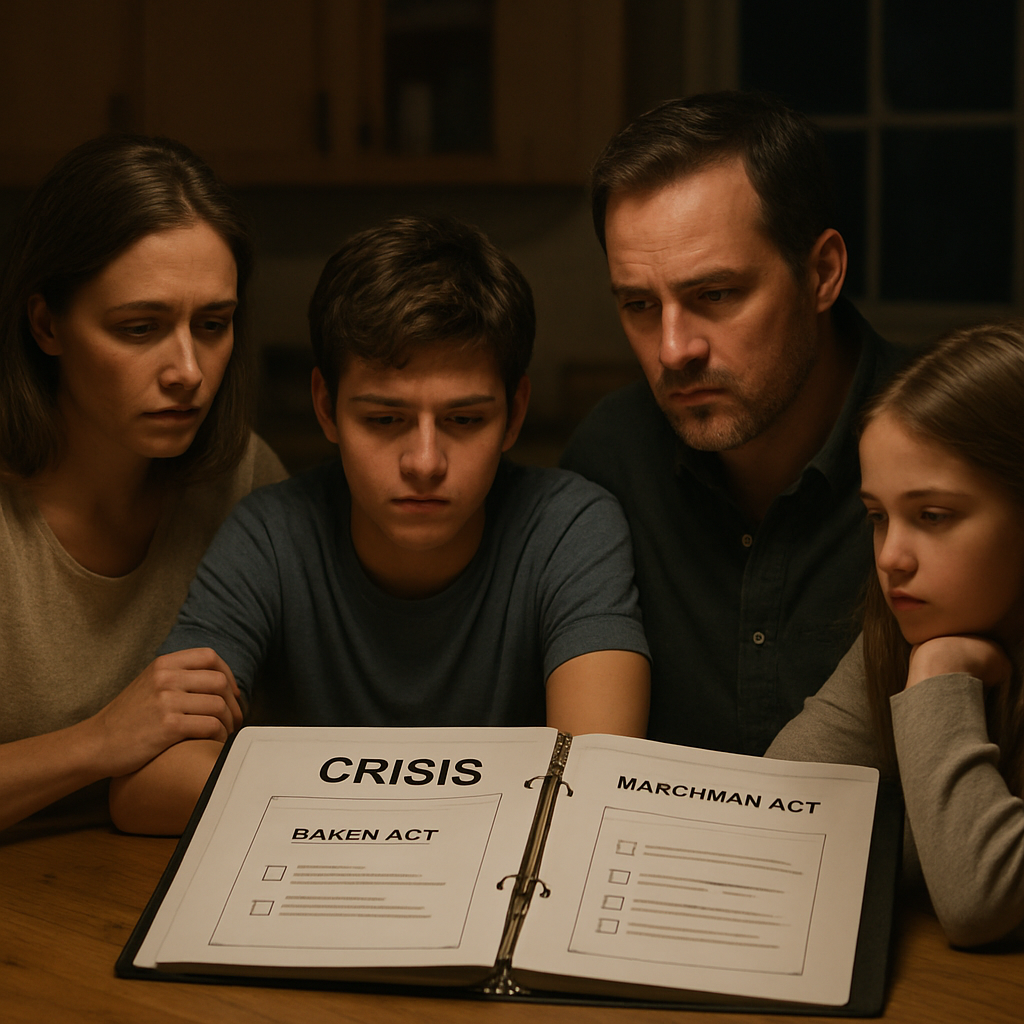
3. Gather the “crisis binder” items. Name, DOB, recent diagnoses, medication list, and a one‑page timeline. Having this ready cuts paperwork time dramatically.
4. Call the appropriate hotline. Dial 988 for immediate psychiatric help (Baker Act) or contact your local circuit court clerk for Marchman Act filing details. In Florida, most counties have a 24/7 “Marchman Act Hotline” listed on the court website.
5. Know your rights. Both acts protect civil liberties: the individual can request a hearing, have legal counsel, and appeal continued detention. Knowing this helps you stay calm and advocate effectively.
6. Plan post‑assessment care. Whether the person is released after a Baker Act evaluation or after a Marchman assessment, you’ll need a follow‑up plan—outpatient therapy, medication management, or a sober‑living arrangement.
Does this feel overwhelming? It can, but breaking it into these bite‑size steps makes the process manageable.
Tips from our front‑line experience
In our experience, families often stumble on the “contempt” clause in the Marchman Act. If the person refuses the court‑ordered placement, they can be held in a short‑term detention facility for up to 72 hours—not as punishment, but to keep them safe from life‑threatening withdrawal.
Another tip: keep a copy of the Baker Act initiation form in your “emergency binder.” When you hand it to the responding officer or clinician, they see you’re organized, which can speed up intake.
Lastly, remember that the two acts sometimes intersect. A person with severe addiction may also be experiencing psychosis. In those gray zones, you can file both petitions—but coordinate with a crisis psychiatrist who can advise which hold will likely result in the quickest, safest care.
Bottom line: the baker act vs marchman act question isn’t a trivia test—it’s a life‑saving decision. Keep this comparison table on hand, follow the checklist, and you’ll feel more in control when the next crisis strikes.
How to Determine Which Act Applies in Your Situation
Picture this: you’re on the phone at 2 a.m., a loved one is shaking, muttering about “can’t stop drinking,” and the other end of the line is asking, “Is this a Baker Act or a Marchman Act situation?” Your stomach drops, but you don’t have to freeze. The trick is to break the panic down into three quick questions.
Step 1 – Identify the core danger
Ask yourself: is the immediate threat coming from a mental‑health symptom (hallucinations, suicidal thoughts, severe mood swings) or from substance‑use physiology (overdose risk, withdrawal tremors, alcohol poisoning)? If the answer leans toward psychosis or self‑harm linked to a diagnosed mental illness, you’re looking at the Baker Act. If the danger is rooted in intoxication or withdrawal, the Marchman Act is the right tool.
It can feel murky—what if the person is both hearing voices and shaking from alcohol withdrawal? In those gray zones, you’ll often need to consider filing both petitions, but start with the dominant symptom that’s putting them in immediate danger.
Step 2 – Who can act right now?
For a Baker Act hold you need a qualified professional—doctor, psychiatrist, or a law‑enforcement officer who observes “reasonable cause.” That person can escort the individual to a state‑approved receiving facility within minutes.
For a Marchman Act petition, any adult relative, close friend, or even a sheriff can file the paperwork in circuit court. No medical professional is required to start the process, which can be a lifesaver when you’re the only one on the line.
Does this distinction help you see which door to knock on? If you have a doctor on call, the Baker Act is often faster. If you’re a parent at home with no clinician nearby, the Marchman Act’s civil‑procedure route might be the quickest path.
Step 3 – Gather your “crisis binder”
Grab a notebook, a pen, and a copy of the person’s ID, medication list, and recent medical records. Write a one‑page timeline of the last 48 hours: what was said, what was seen, any physical symptoms. Having this ready cuts paperwork time from hours to minutes.
We’ve seen families lose precious minutes hunting for a missed prescription bottle. A well‑organized binder signals to first responders that you’re prepared, and they’ll move faster.
Step 4 – Call the right hotline
If you think the Baker Act applies, dial 988 for immediate psychiatric assistance. If the Marchman Act feels right, call your county’s 24/7 Marchman Act hotline (many counties list it on the official Baker vs Marchman comparison guide).
Both hotlines will ask you the same core questions you just answered, but having them written down means you won’t forget anything when the stress spikes.
Step 5 – What to expect after the hold
With a Baker Act hold, the individual gets up to 72 hours of psychiatric evaluation. If the court orders a continued hold, you’ll attend a hearing where the person can request an attorney.
With a Marchman Act petition, the court can order a 72‑hour assessment at an authorized detox center. If the person refuses treatment, a magistrate can hold them in a short‑term detention facility until they agree or a bed opens.
Both processes protect civil liberties: the person can request a hearing, have legal counsel, and appeal. Knowing these rights can calm your nerves and give you confidence to advocate.
Real‑world snapshots
Case A: A 17‑year‑old in Miami stopped eating, talked about “the walls closing in,” and was off her antipsychotic meds. The crisis nurse identified psychosis as the primary danger and we initiated a Baker Act hold at the nearest county hospital. Within an hour, the teen was in a safe evaluation room.
Case B: A 28‑year‑old in Tampa had been binge‑drinking for three days, was shaking uncontrollably, and kept saying, “I’m fine, I don’t need help.” The family filed a Marchman Act petition, and the magistrate ordered a 72‑hour detox assessment. He was placed in a medically supervised unit and began medication‑assisted treatment the next day.
Notice the pattern? The symptom that drove the emergency—psychosis vs withdrawal—directed which act was used.
Quick‑reference checklist
- Symptom check: mental‑health vs substance‑use?
- Who can act: clinician/law‑enforcement vs any adult relative.
- Paperwork: ID, DOB, medication list, 48‑hour timeline.
- Hotline: 988 for Baker, county Marchman Act line for Marchman.
- After‑care: schedule follow‑up therapy, medication management, or sober‑living placement.
When you’ve got this checklist in your back pocket, the “baker act vs marchman act” decision stops feeling like a trivia quiz and becomes a clear, actionable plan.
And remember, you don’t have to go it alone. Crisis intervention specialists can walk you through the paperwork in real time, making sure you’re filing the right petition the first time.
Navigating the Legal Process: Steps After Filing Under Either Act
What Happens Right After the Petition Is Accepted?
First thing you’ll feel is that rush of relief mixed with a new kind of anxiety – the paperwork is done, but now the real clock starts ticking. Whether you filed a Baker Act hold or a Marchman Act petition, the court or magistrate will sign off and issue an order that tells the emergency team where to take your loved one.
In our experience at Next Step Intervention, the moment the order lands in your inbox, you should pull out that “crisis binder” you’ve been told to keep on the kitchen table. Having the person’s ID, medication list, and a timeline of the last 48 hours right there makes the next steps feel less chaotic.
The First 24‑Hour Window
Once the order is signed, you have roughly 24 hours to get the individual to an approved receiving facility (Baker Act) or an authorized assessment center (Marchman Act). If you’re dealing with a mental‑health crisis, call 988 and let the dispatcher know you have a Baker Act order – they’ll coordinate transport with law‑enforcement or an ambulance.
If it’s a substance‑use emergency, dial your county’s Marchman Act hotline – the number is usually posted on the circuit court’s website. The magistrate’s clerk will confirm the order and can often arrange a non‑law‑enforcement transport, which is a huge help when you’re trying to avoid a police‑heavy scene.
72‑Hour Assessment Details
Both acts give you a 72‑hour window for a professional assessment. During that time the team will evaluate safety, medical needs, and the most appropriate level of care. For a Baker Act hold, a psychiatrist will run a full psychiatric evaluation, order labs if needed, and determine if a longer involuntary hold is justified.
For a Marchman Act assessment, doctors and addiction specialists will check withdrawal severity, look for co‑occurring mental‑health issues, and decide whether to place the person in a detox bed or a short‑term detention facility. The key is that the assessment is not a decision point – it’s a fact‑finding mission that sets the stage for the next legal step.
That video walks you through what to expect inside the assessment room – from the intake forms to the kind of questions clinicians ask. Knowing the script ahead of time can keep you from feeling blindsided.
Preparing for the Court Hearing
At the end of the 72‑hour period, the judge (Baker Act) or magistrate (Marchman Act) will schedule a short hearing. This is where you’ll need to be ready to explain why the hold was necessary, what symptoms you observed, and what treatment you’ve already tried.
Bring your binder again, plus any recent medical records, police reports, or therapist notes. If you’ve already set up follow‑up appointments, mention them – it shows the court you have a concrete plan beyond the emergency.
Remember, the person has the right to an attorney and to contest the hold. Staying calm, answering the judge’s questions directly, and keeping the focus on safety will help the hearing go smoothly.
Coordinating After‑Care
Whether the court orders continued involuntary treatment or releases the individual, you’ll need a solid after‑care roadmap. For a Baker Act release, schedule outpatient psychiatry, a medication‑management visit within a week, and a therapist who can provide weekly check‑ins.
For a Marchman Act discharge, line up a detox-to‑rehab transition, a sober‑living placement if needed, and at least two community‑based recovery meetings in the first month. The sooner you lock in those appointments, the less chance there is for a relapse or a return to crisis.
Quick‑Check Checklist
- Gather documents: ID, DOB, medication list, recent medical notes.
- Transport plan: 988 for Baker Act, county Marchman hotline for substance‑use holds.
- 72‑hour assessment: know the facility’s location and what will be evaluated.
- Hearing prep: binder, timeline, any supporting records.
- After‑care schedule: appointments, therapy, support groups set before discharge.
So, what should you do next? Take a breath, grab that binder, and follow the steps above. The legal process can feel like a maze, but with a clear roadmap you’ll move from panic to purposeful action. You’ve already taken the hardest part – filing the petition – now it’s time to steer the ship through the next 72 hours and beyond.
Conclusion
We’ve walked through the maze of baker act vs marchman act, and by now you probably feel a mix of relief and lingering questions. That’s normal – these laws are designed to be complicated because they’re trying to protect lives.
Remember the core thing: if the danger is tied to a mental‑health symptom, the Baker Act is your fast‑track; if it’s rooted in substance‑use physiology, the Marchman Act is the right tool. The decision hinges on that single symptom check, and you don’t have to guess alone.
So, what should you do next? Grab your crisis binder, note the dominant symptom, and call the appropriate hotline – 988 for a Baker Act hold or your county’s Marchman Act line. Having the paperwork ready can shave precious minutes.
In our experience, families who act quickly and stay organized get smoother transitions into after‑care, whether that’s outpatient psychiatry or a detox‑to‑rehab pathway. The sooner you lock in follow‑up appointments, the less chance there is for a relapse.
Finally, if the process feels overwhelming, know that Next Step Intervention is here to guide you through the paperwork and coordinate emergency response. A quick call can turn panic into a clear plan.
Take a breath, trust the checklist you’ve built, and move forward with confidence – you’ve already taken the hardest step.
FAQ
What is the main difference between the Baker Act and the Marchman Act?
The Baker Act is Florida’s emergency mental‑health law – it kicks in when someone’s thoughts or behavior tied to a psychiatric condition make them a danger to themselves or others. The Marchman Act, on the other hand, is the state’s civil‑procedure tool for dangerous substance‑use situations, like severe alcohol withdrawal or a drug‑induced overdose risk. In short, think “mind” for the Baker Act and “body” for the Marchman Act. That split decides which form you’ll fill out and which hotline you’ll call.
When should I call 988 versus my county’s Marchman Act line?
If you’ve identified a mental‑health crisis – hallucinations, suicidal talk, or a manic episode – dial 988 right away. The dispatcher will connect you with a crisis counselor who can trigger a Baker Act hold and arrange transport. If the danger is coming from intoxication, tremors, or an inability to stay hydrated, pick up the Marchman Act number listed on your county’s circuit‑court website. Both lines ask the same core questions, but the response path diverges after you describe the symptom.
Can a family member file a Baker Act hold without a doctor?
No. The Baker Act requires a qualified professional – a physician, psychiatrist, licensed therapist, or a law‑enforcement officer who observes “reasonable cause.” A sibling or parent can call 988, but the actual hold won’t be filed until a professional assesses the situation on the scene or over the phone. That’s why it helps to have a crisis binder ready with medication lists and recent notes, so the clinician can act fast.
Do I need a lawyer to file a Marchman Act petition?
You don’t have to have an attorney, but having one can smooth the paperwork and keep the process moving. Any adult relative, close friend, or sheriff can submit the petition to the circuit court. The magistrate will review the affidavit you sign and may schedule a hearing within 24 hours. If you’re unsure about the language, a brief consult with a lawyer or an interventionist can prevent delays.
What happens during the 72‑hour assessment for each act?
Both acts give you a three‑day window, but the focus differs. Under the Baker Act, a psychiatrist runs a full mental‑health evaluation, orders labs if needed, and decides whether a longer involuntary hold is justified. With the Marchman Act, doctors and addiction specialists assess withdrawal severity, check for co‑occurring mental‑health issues, and determine whether you need a detox bed or short‑term detention. In either case, the assessment is fact‑finding, not a final treatment decision.
How do I prepare for the court hearing after a Marchman Act petition?
Bring your crisis binder – ID, DOB, medication list, and a concise 48‑hour timeline of events. Attach any recent medical records, police reports, or therapist notes that back up your “reasonable cause” claim. Be ready to answer the magistrate’s simple questions: what behavior sparked the petition, what treatment has been tried, and what follow‑up plan you’ve set. Staying calm and focused on safety usually speeds up the hearing.
What support does Next Step Intervention offer during a Baker Act or Marchman Act crisis?
In our experience, families who call us get a dedicated interventionist who walks them through the paperwork, coordinates transport, and helps set up after‑care appointments before the 72‑hour window ends. We can also help you locate the nearest state‑approved receiving facility or authorized assessment center, making the whole process feel less chaotic and more like a roadmap you can actually follow.