
When a loved one is caught in a drug or alcohol habit, the words you choose can be the line between a night of anger and a step toward recovery.
You’re not there to lecture or blame; you’re there to share how their behavior hurts you and the family.
Start with a plain observation, not a judgment. Say something like “I’ve noticed you’ve missed several shifts this month, and it worries me.” It shows you see the impact.
Add an “I” statement that links the habit to your feelings: “I feel scared thinking about what could happen if this keeps going.” Keeping the focus on you avoids blame.
Suggest a simple next step. You could say, “I’d like us to explore help together, like talking to a professional who knows how to handle this.”
If tension rises, it’s fine to pause and come back later. A short break can stop the talk from spiraling.
Many families find that having a trained interventionist on call eases the pressure. Next Step Intervention offers emergency response and guidance for moments like this.
End the chat with one clear action: setting up a meeting, calling a hotline, or agreeing to keep the dialogue open.
Step 1: Plan the Conversation
Planning the talk is the hardest part, but it doesn’t have to feel chaotic.
First, write down the main points you want to cover. Keep each point short, one sentence about what you’ve seen, how it makes you feel, and what you hope will change. Seeing it on paper helps you stay calm when emotions rise.
Next, decide who should be in the room. A small group of trusted family members works best; too many voices can drown out the message. Choose people who can stay calm and who will back you up with facts, not blame.
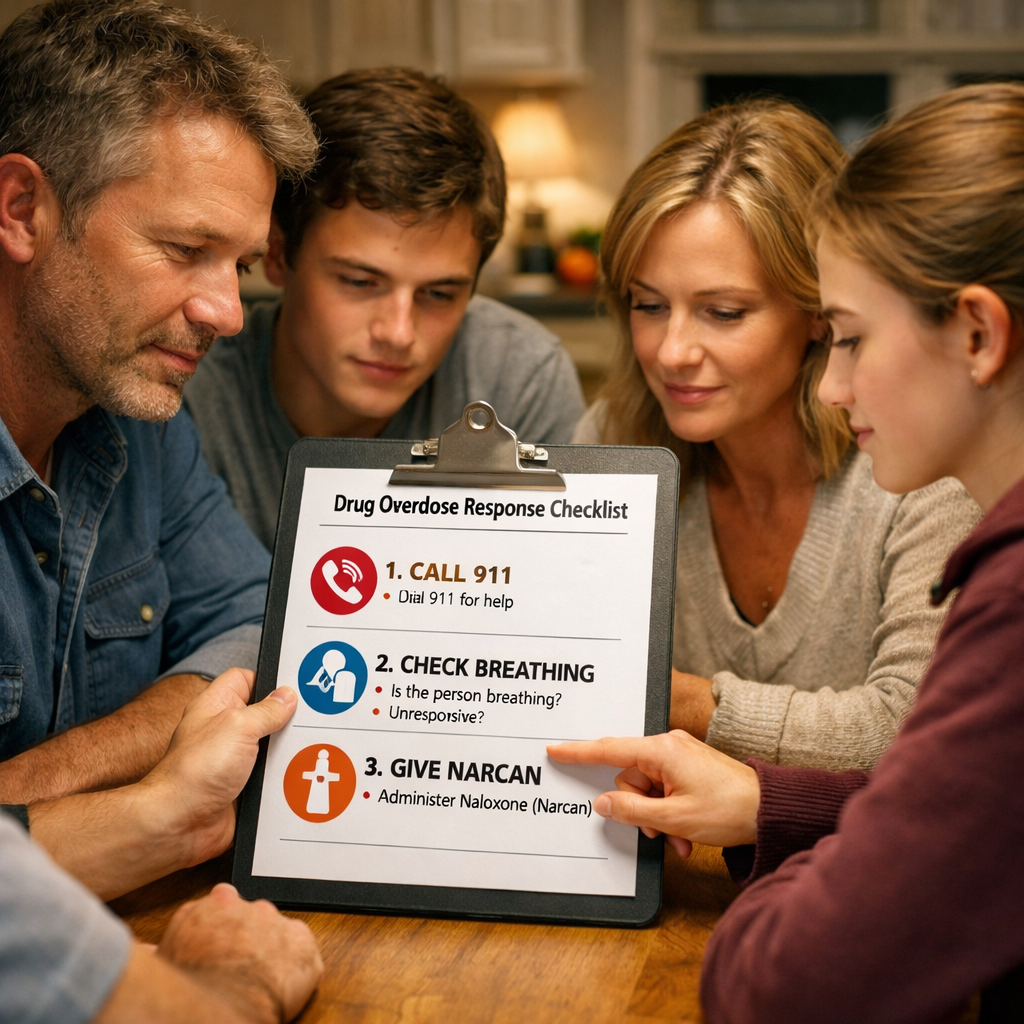
Pick a quiet spot where you won’t be interrupted. A living room with a lamp on creates a safe vibe. Let the person know ahead of time that you want a calm chat, not a showdown.
Write a short script using “I” statements. For example: “I feel scared when I see you miss work because I worry about your safety.” This keeps the focus on you, not on what they’re doing wrong.
After you’ve mapped the basics, rehearse with a trusted friend or a professional. Running through the words out loud shows you where you might slip into blame.
When you feel ready, set a clear next step, like calling a counselor or scheduling a meeting with an interventionist. A concrete plan shows you’re serious about help, not just angry.
For more detail on planning each piece, check out How to Plan an Intervention: A Step‑By‑Step Guide for Families. It walks you through the checklist you just built.
If you want ongoing wellness support after the talk, XLR8well offers proactive health services that can help keep the recovery momentum going.
Step 2: Gather Support and Set the Scene
Before you walk into the talk, pull together a small team you trust. A parent, a sibling, or a close friend can give you backup and keep the vibe calm.
First, pick people who truly care and who will stay quiet unless needed. Their job is to listen, not to argue. If you’re not sure who fits, think about who has shown steady concern in the past.
Next, collect any proof that shows the habit’s impact. A missed work schedule, a doctor’s note, or a bill that’s gone unpaid can help ground the conversation in facts. You don’t need to overwhelm, just a few clear points.
Set a neutral spot – a living‑room chair, a kitchen table, anything without distractions. Keep the room bright enough to feel safe, but not too flashy.
Here’s a quick checklist you can print:
- Names and roles of supporters
- Two or three concrete examples
- A short script of your opening lines
Once you’ve got the basics, think about what you’ll say next. Use simple, “I” statements. For example, “I’ve seen you miss work a lot, and I feel scared about what that could mean for you.” This keeps blame out and opens a path to help.
Need help choosing who to involve? Choosing the right interventionist offers solid tips on spotting reliable allies.
And remember, you don’t have to go it alone after the talk. Ongoing coaching can keep the momentum going. Check out a post‑intervention coaching program for families who want extra support.
One more thing: make sure you’ve got a quick way to reach emergency help if emotions run high. Keep a crisis line number on hand.
Finally, read more about what makes a great guide in this guide: What Makes a Professional Interventionist Stand Out?

Step 3: Deliver Your Message with Compassion
Now that you’ve planned what to say and gathered support, it’s time to actually speak. Your voice should feel calm, not like a courtroom. Think of it as a caring chat, not a lecture.
Start with a soft opening. A simple “I’m worried about how the drinking has affected our family” shows you care. Keep the focus on your feelings with “I” statements. That removes blame and opens space for them to hear.
Imagine you’re sitting at the kitchen table. You might say, “I noticed you missed three shifts this week, and it scares me because I don’t want you to lose your job.” Pause. Let them breathe. This pause lets emotions settle and gives them a chance to answer.
Here are three quick actions to keep the talk compassionate:
- Speak slowly. Aim for one idea per sentence.
- Validate their emotions. “I hear that you feel stuck, and that’s understandable.”
- Offer a concrete next step, like calling a local helpline together.
If the mood spikes, gently suggest a break. “Let’s take five minutes and come back.” A short walk or glass of water can reset the tone.
For more detailed wording ideas, check out How to Stage an Intervention: A step‑by‑step guide for immediate impact. It walks you through phrasing that feels warm yet firm.
End the conversation with one clear ask: a phone call, a meeting, or a written plan. Keep it simple. One small step today can lead to bigger change tomorrow.
Step 4: Handle Reactions and Outline Next Steps
When you hear a laugh, a sigh, or a shut‑down, that is the moment to stay calm. You don’t need a perfect reply, just a steady one.
First, name the feeling you see. “I hear you’re scared,” or “I notice you’re angry,” works. Naming it shows you see them, not that you judge.
Next, give them space. A short pause or a simple, “Take a breath,” lets the heat drop. If the chat spikes, suggest a break: “Let’s step out for a minute and come back.”
After the pause, move to the next step. Keep it tiny – a phone call to a helpline, a quick email to an intake form, or a promise to meet tomorrow. One clear ask beats a long list.
Here’s a quick cheat sheet you can print:
| Reaction | Response | Next step |
|---|---|---|
| Denial | “I get that this feels far off.” | Offer a short info packet. |
| Anger | “I hear you’re upset.” | Suggest a five‑minute break. |
| Fear | “I see this worries you.” | Set a call with a counselor. |
If you need a ready‑made script, check out the 7‑step guide. It walks you through each response and the tiny next move that keeps the talk moving forward.
Remember, the goal isn’t to solve everything in one hour. It’s to plant a seed, show you care, and give them a simple path to follow. One small step today can turn a tense moment into a hopeful next step.
Step 5: Follow‑Up and Maintain Ongoing Support
The conversation ends, but the care keeps going. A quick follow up shows you still care and gives them a chance to act.
Pick a day or two after the talk and send a short text. Something like, “Hey, I’m thinking of you. Did you get a chance to call the helpline?” Keep it low pressure and friendly.
If they reply, celebrate the tiny win. If they’re silent, wait a day and try again. One gentle nudge is enough; you don’t want to feel like a police officer.
Offer a concrete resource each time you check in. A local support group, a trusted counselor, or an online meeting link works. You can even share a short video that explains how to ask for help.
When the first steps feel steady, move to a longer plan. Schedule a weekly coffee chat or a family meeting where everyone can share how they’re coping. Consistency builds trust.

For a deeper look at what a professional interventionist does and how they keep support flowing, read what makes a professional interventionist stand out.
Remember, you don’t have to carry the load alone. Next Step Intervention offers emergency response if things flare, so you always have backup. Keep the dialogue open, and watch small steps turn into lasting change.
Conclusion
When you walk into that talk, remember the words you choose are the bridge, not the wall. A clear “I feel scared when I see you miss work” keeps blame out and opens a path for help.
Stick to one short point, pause, then offer one tiny next step. “Can we call a counselor together tomorrow?” feels doable and shows you’re in this together.
Check in fast, a text or quick call after 24 hours keeps the momentum alive. If the line’s busy, suggest a chat app or a local meet‑up.
Every reminder you send is a gentle nudge toward recovery. Take that first note, set the reminder, and let the conversation keep moving forward.
Next Step Intervention can connect you with an emergency response team when things feel urgent.
FAQ
What should I say first when I start an intervention?
Start with a simple observation. Say something like, “I’ve noticed you missed a few shifts this week, and it worries me.” Keep it short, stick to facts, and use an “I” feeling. That shows you care without blaming. The first line sets a calm tone and opens the door for a deeper chat. You can pause after the line, let them breathe, and watch how they respond. A gentle start makes the rest of the talk easier to handle.
How can I keep the conversation calm if they get angry?
When feelings rise, keep your voice steady and breathe. Say, “I hear this is hard for you,” then pause. Offer a short break, a glass of water or a five minute walk, before you go on. This small reset lets both heads cool down. After the pause, return to your point with a single clear sentence, like “I’m still worried about your health.”
What are good examples of “I” statements for an intervention?
An “I” statement ties the issue to how you feel, not to blame. Try: “I feel scared when I see you miss work because I worry about our bills.” Or: “I feel hurt when you hide your drinking, since it makes me feel out of the loop.” Keep it short, honest, and focused on your own reaction. Using a calm tone helps the other person hear the feeling instead of feeling attacked.
How often should I follow up after the first talk?
Check in within 24 hours, even if it’s just a quick text saying, “Did you get a chance to think about our chat?” Then plan a brief call or note a day later to see if they took the next step. A short, regular touch shows you care and keeps the momentum moving, without pressuring them. Aim for one follow‑up each day for the first three days, then every few days as they move forward.
Can I involve other family members without making it feel like a courtroom?
Yes. Choose one or two people who truly care and will stay quiet unless needed. Tell the person ahead, “I’ve asked Mom and Alex to be here because we all want to help.” Keep the group small so it feels like a supportive circle, not a panel. Let each helper listen and only speak if the conversation stalls. A brief intro from you can set a calm tone and remind everyone that the goal is healing, not judgment.
What if the person says they don’t need help?
If they push back, stay calm and repeat a short “I hear you.” Then add a gentle fact, like “I’m worried because I’ve seen this pattern affect health.” Offer a tiny next step, such as looking at a free helpline together. Show you respect their view, but keep the focus on safety and support. You can say, “I’m not trying to force anything, I just care about you and want you safe.”