Someone you love can slip into an opioid overdose in seconds. The panic that follows can freeze your thoughts. This guide walks you through the exact moves that save a life, step by step, so you’ll know exactly what to do if a loved one overdoses on heroin.
Step 1: Call Emergency Services Immediately
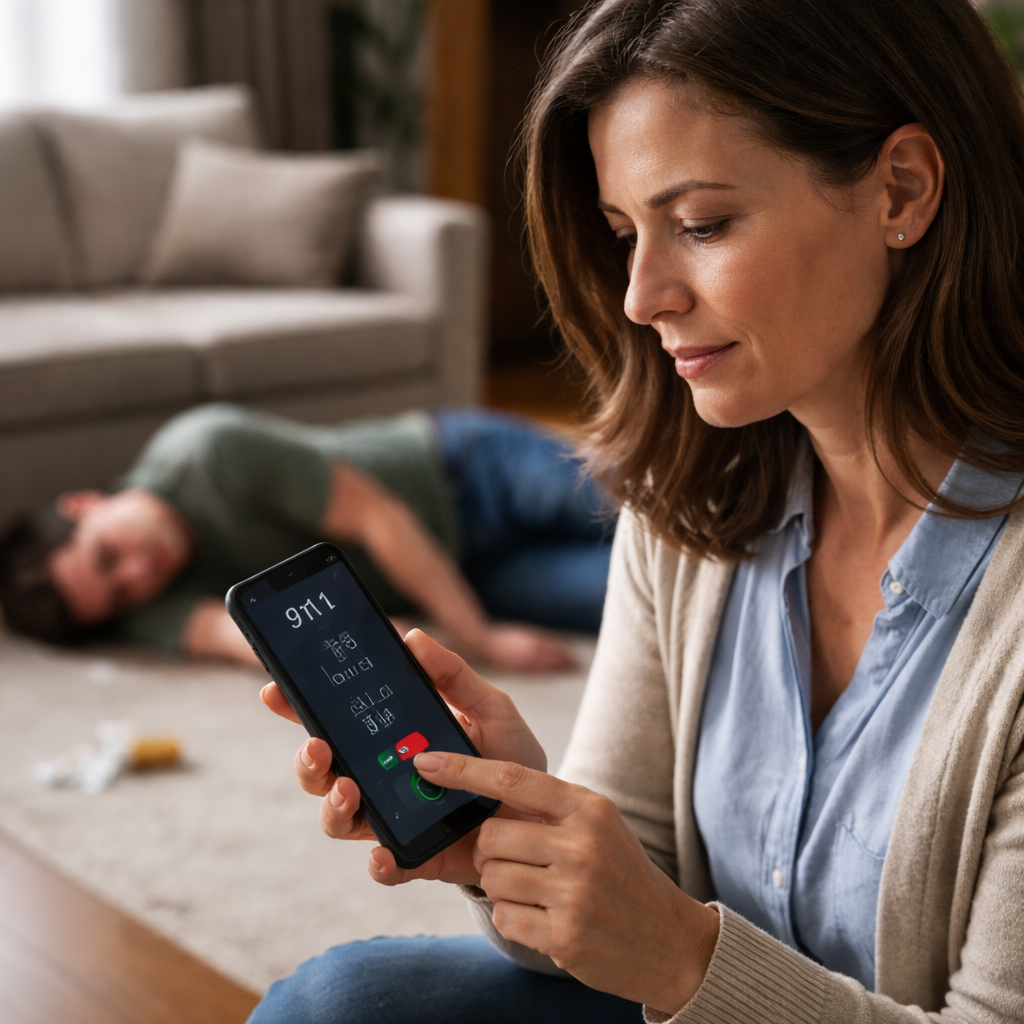
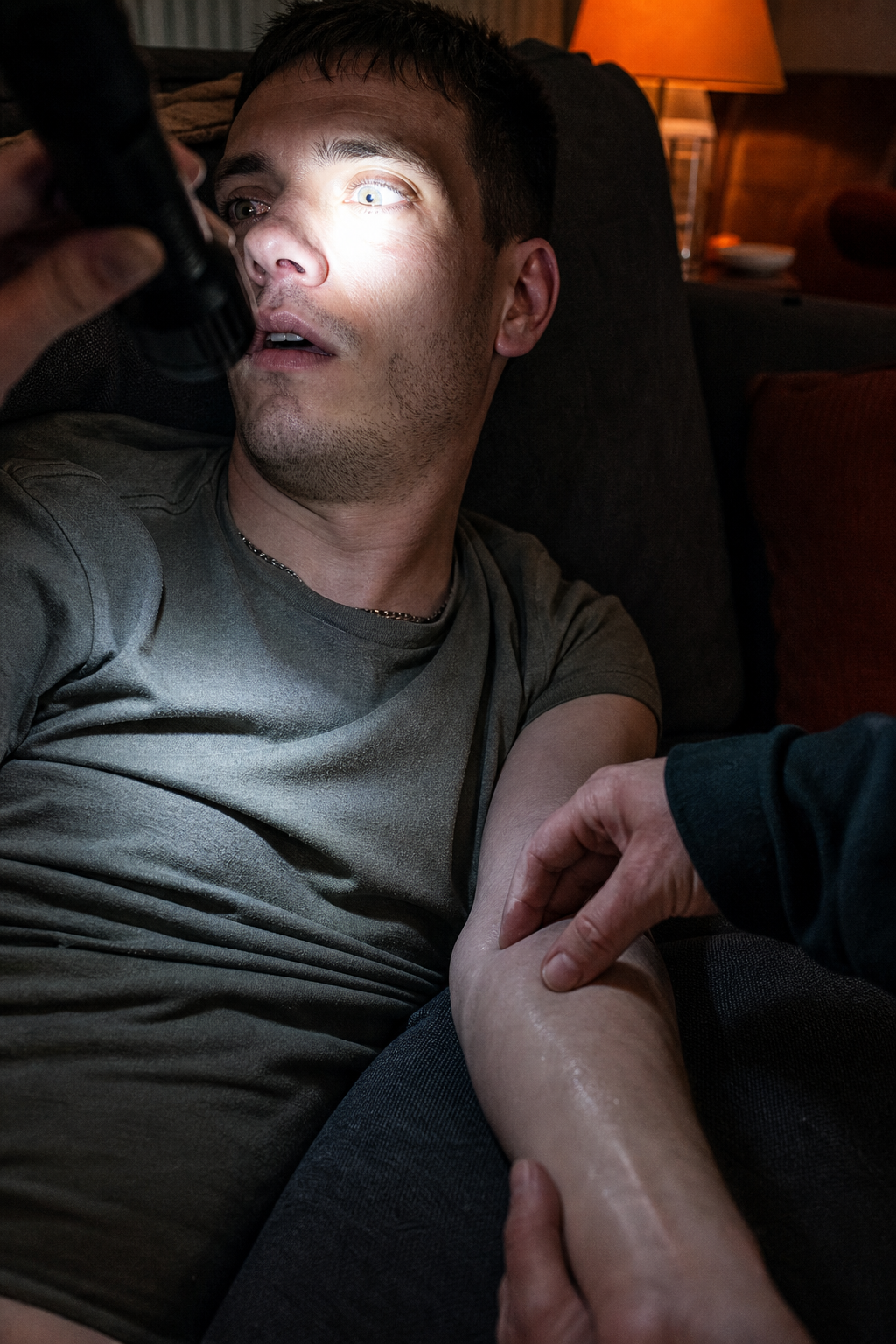
Dial 911 the moment you notice signs like shallow breathing, a limp body, or a blue tinge around the lips. The dispatcher will ask for the location, the person’s name, and what drug you suspect. Give those details fast. Stay on the line; the operator may guide you through basic first‑aid while help is on the way.
Why call right away? Bystanders are listed as the primary responder in 44% of overdose studies, meaning the faster you summon EMS, the higher the chance of a full recovery. CDC’s overdose‑prevention page confirms that each minute of delay reduces survival odds.
While you wait, keep the person lying on their back if they are still breathing. If they stop breathing, prepare to start rescue breaths. If the scene feels unsafe, say, a fire nearby, move them to a clear area before you start any other step.
Take note of the exact time you called. When the EMTs arrive, that timestamp helps them assess how long the brain has been without oxygen.
Once you’ve called, you can move on to the next lifesaving tool: naloxone.
Step 2: Administer Naloxone if Available
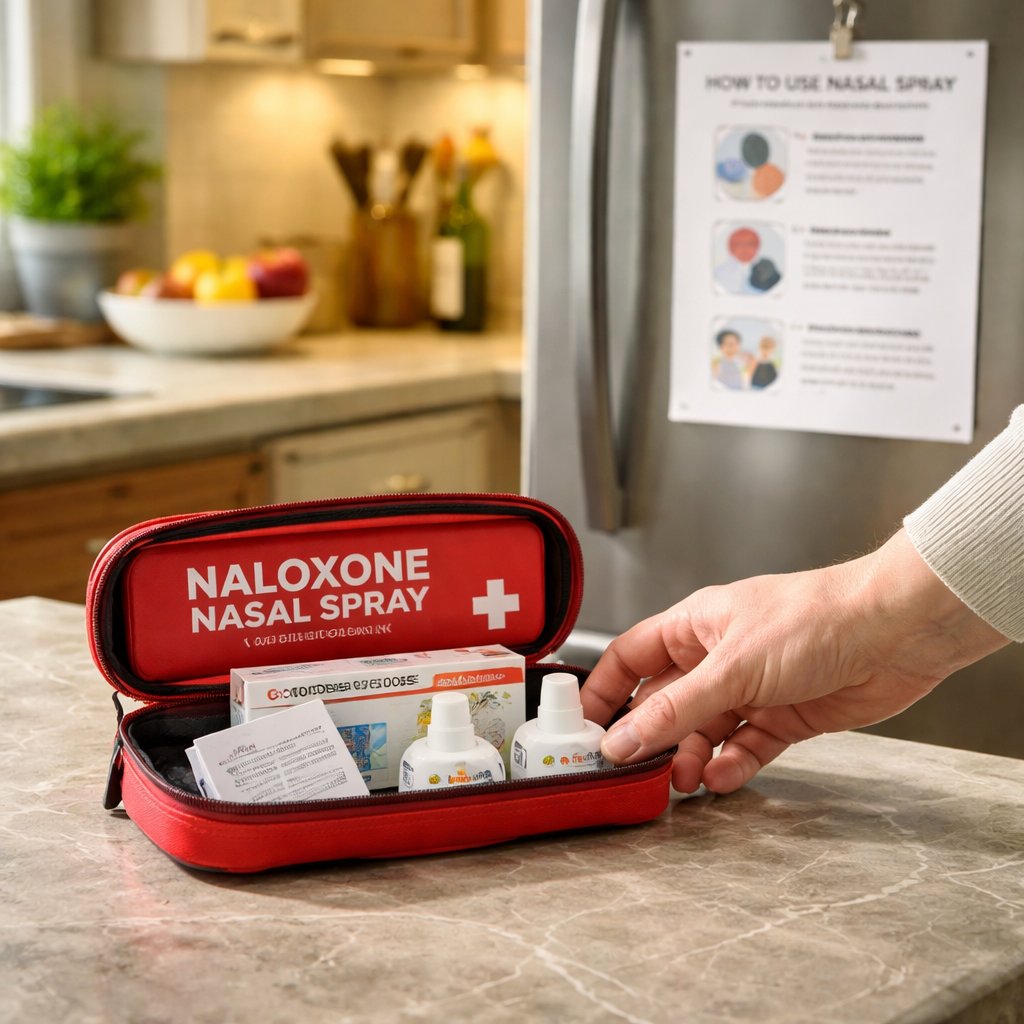
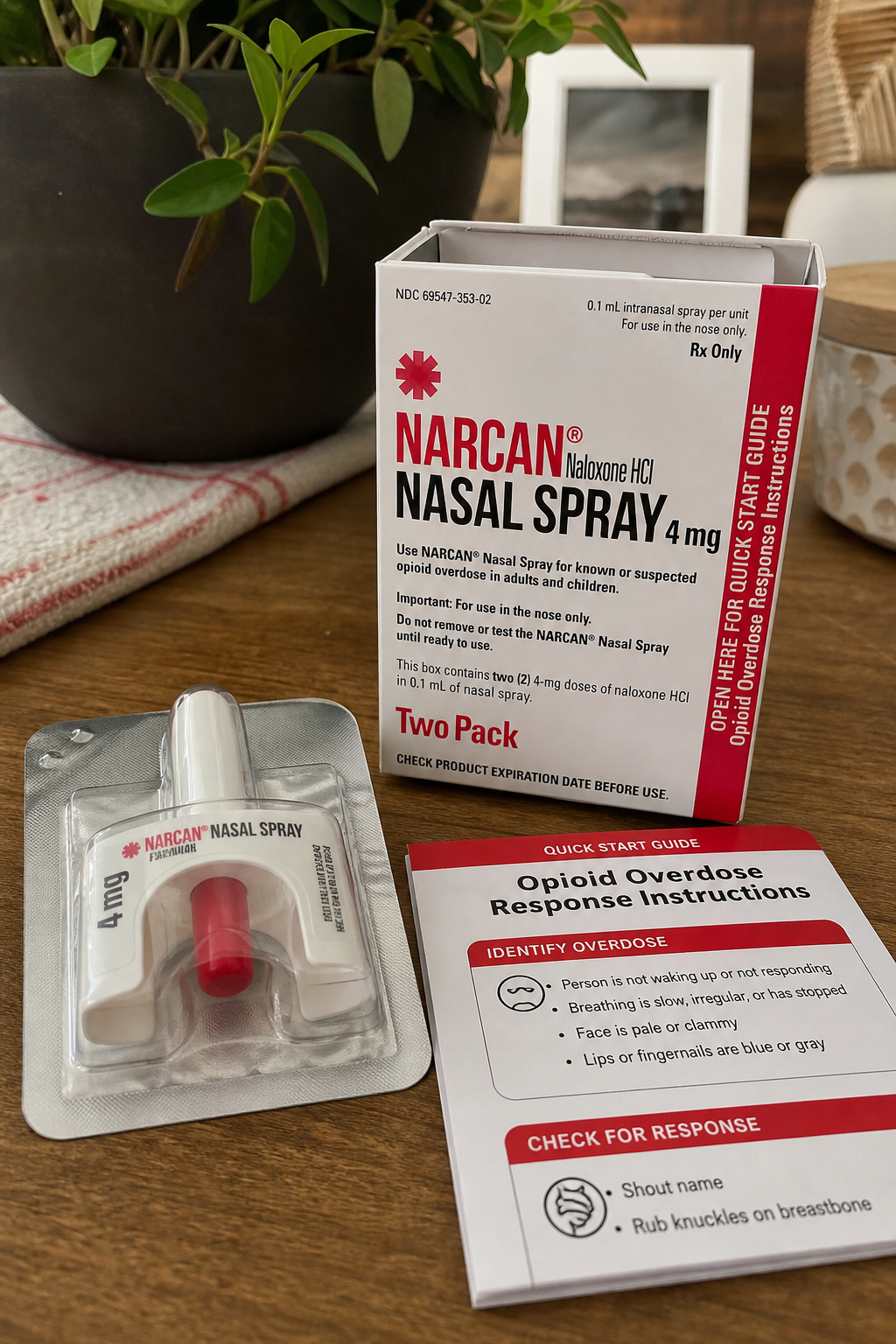
Naloxone, sold as Narcan, reverses opioid effects in minutes. If you have a kit, remove the cap, place the nasal spray in one nostril, and press until you hear a click. If it’s an auto‑injector, press the device against the outer thigh and hold for five seconds.
After the first dose, watch the person’s breathing. If they don’t start breathing normally within two minutes, give a second dose in the other nostril or on the opposite thigh. Wikipedia explains that a second dose may be needed for strong opioids like heroin.
Record the time of each dose. If the person begins to wake, keep them upright and reassure them. If they become agitated, stay calm, agitation is a common side effect as the drug kicks in.
When EMS arrives, tell them how many doses you gave and when. That information helps them decide whether more naloxone is needed.
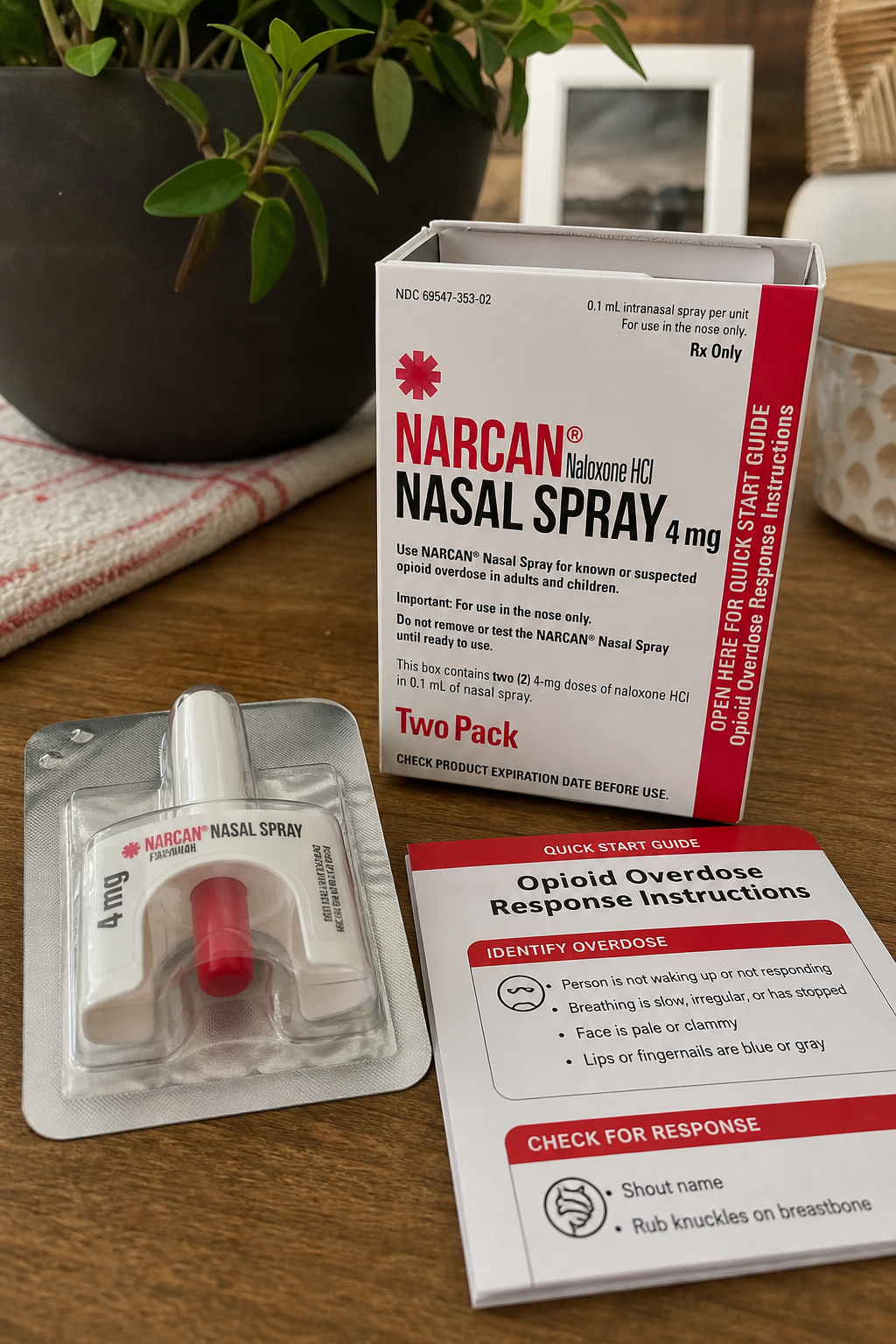
Even if you don’t have naloxone at home, you can still act. Many pharmacies now carry over‑the‑counter kits. A quick search for “naloxone near me” will show locations that sell it without a prescription.
Remember: naloxone buys time, it does not replace professional medical care. After you give it, you still need to keep monitoring breathing and wait for EMTs.
Step 3: Keep Their Airway Open and Monitor Breathing
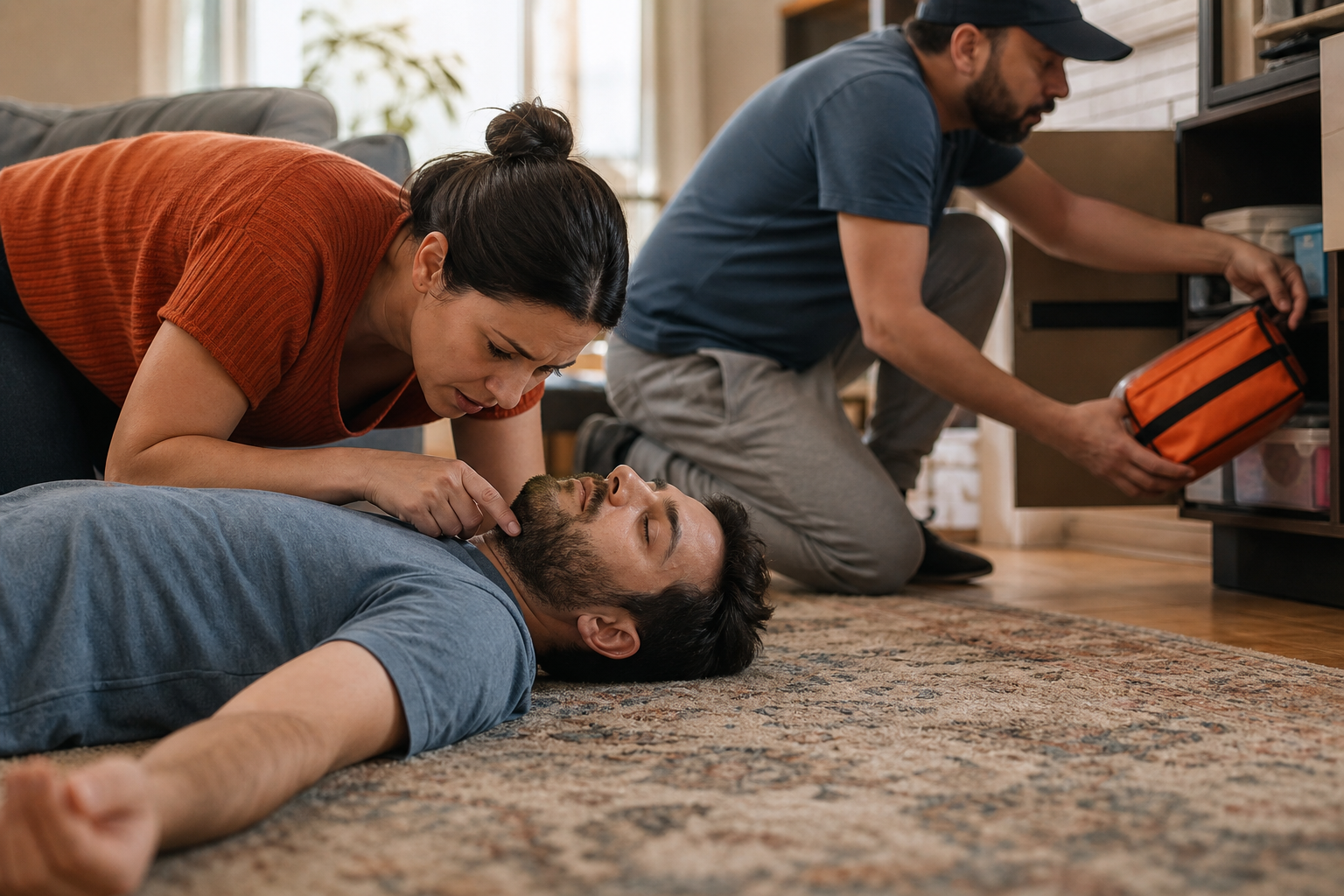
Clear the airway before you do anything else. Tilt the head back slightly, lift the chin, and look for any objects that could block airflow. If the person is vomiting, roll them onto their side into the recovery position.
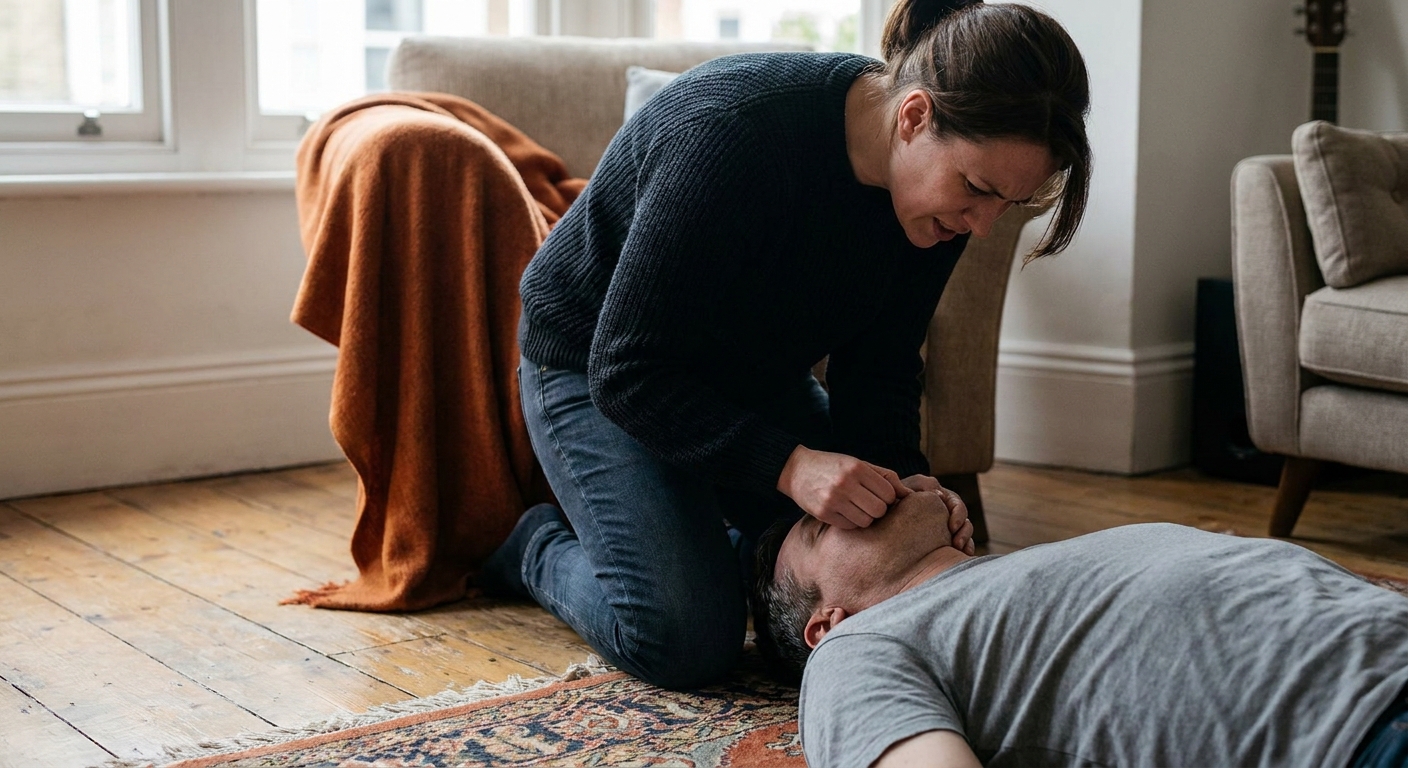
Check the chest for rise and fall. If you see no movement, start rescue breaths: pinch the nose, cover the mouth, and blow until you see the chest rise. Give two breaths, then check for a pulse at the wrist or neck.
If there’s no pulse, begin chest compressions: push hard and fast in the center of the chest, about two inches deep, at a rate of 100‑120 compressions per minute. Alternate 30 compressions with two rescue breaths.
Continue this cycle until the person starts breathing on their own or EMS takes over. Keep a timer handy; note each time you give breaths or compressions.
While you’re doing CPR, keep your own safety in mind. If the environment feels hazardous, loose wires, sharp objects, move the person to a safer spot if you can do so without compromising the airway.
When the EMTs arrive, hand over your log of times, breaths, and compressions. That record gives them a clear picture of the emergency timeline.
Step 4: Provide Emotional Support and a Safe Environment
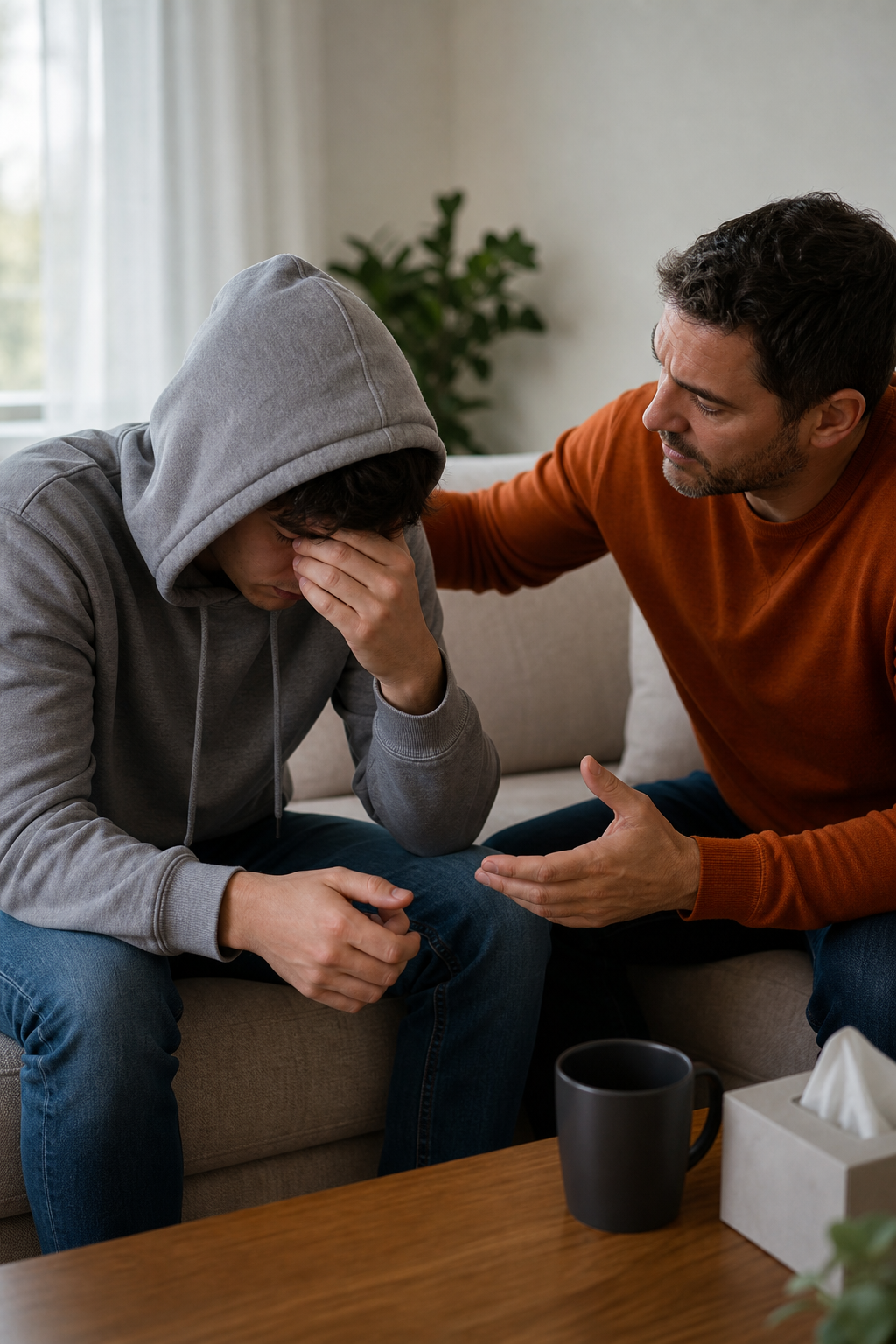
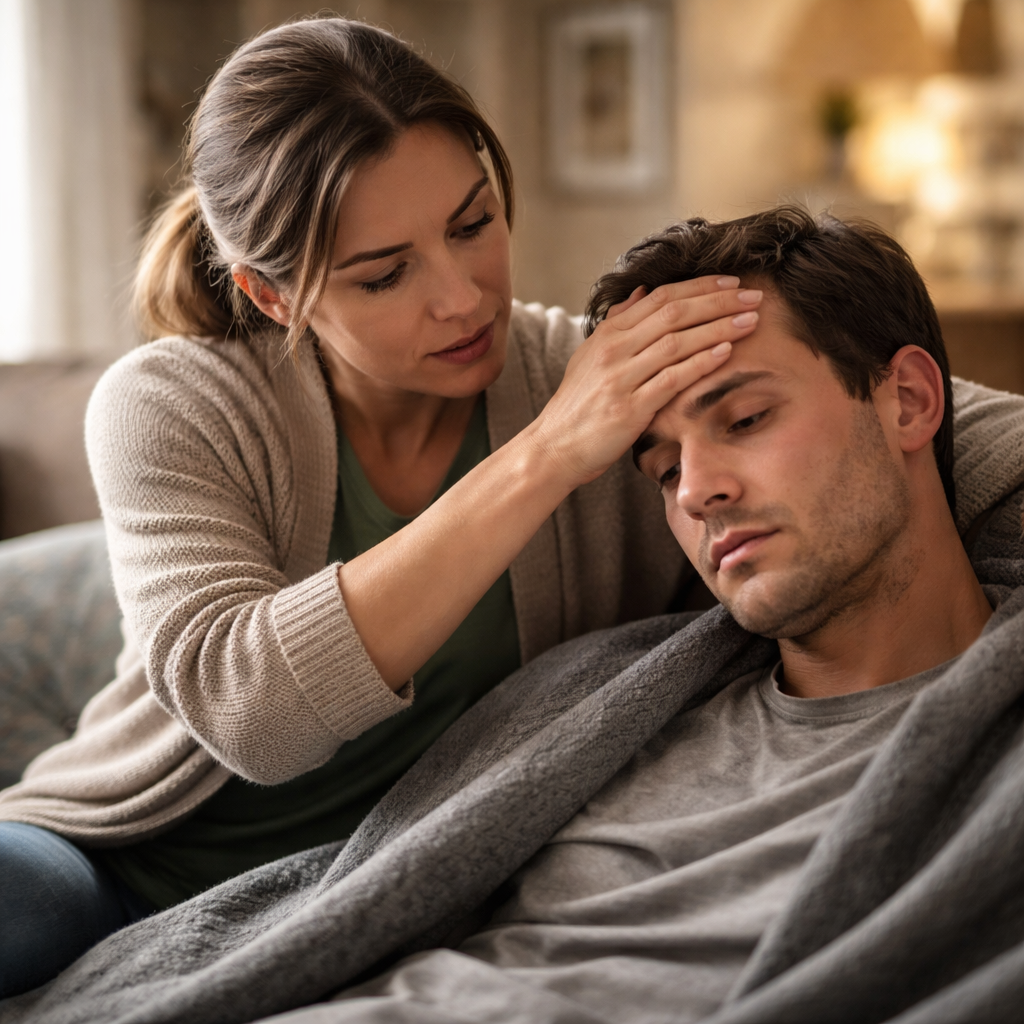
Once the person is breathing again, the crisis may feel over, but the emotional fallout can linger. Speak in a calm, low voice. Ask simple questions like, “Can you breathe?” or “Do you feel any pain?” Let them answer at their own pace.
Remove any items that could be used for self‑harm, sharp knives, heavy objects, or extra drug paraphernalia. Lock away all opioids, prescription pills, and alcohol bottles. A safe room with a locked door, a phone, and a timer helps keep the situation contained.
Offer a glass of water only if the person is fully alert and can swallow without choking. Do not give food or drinks until a medical professional says it’s safe.
After the immediate danger passes, you’ll want to start a longer‑term plan. That’s where Family Crisis Intervention: A Usable Guide with Essential Resources can help you build a support network, set clear boundaries, and schedule follow‑up care.
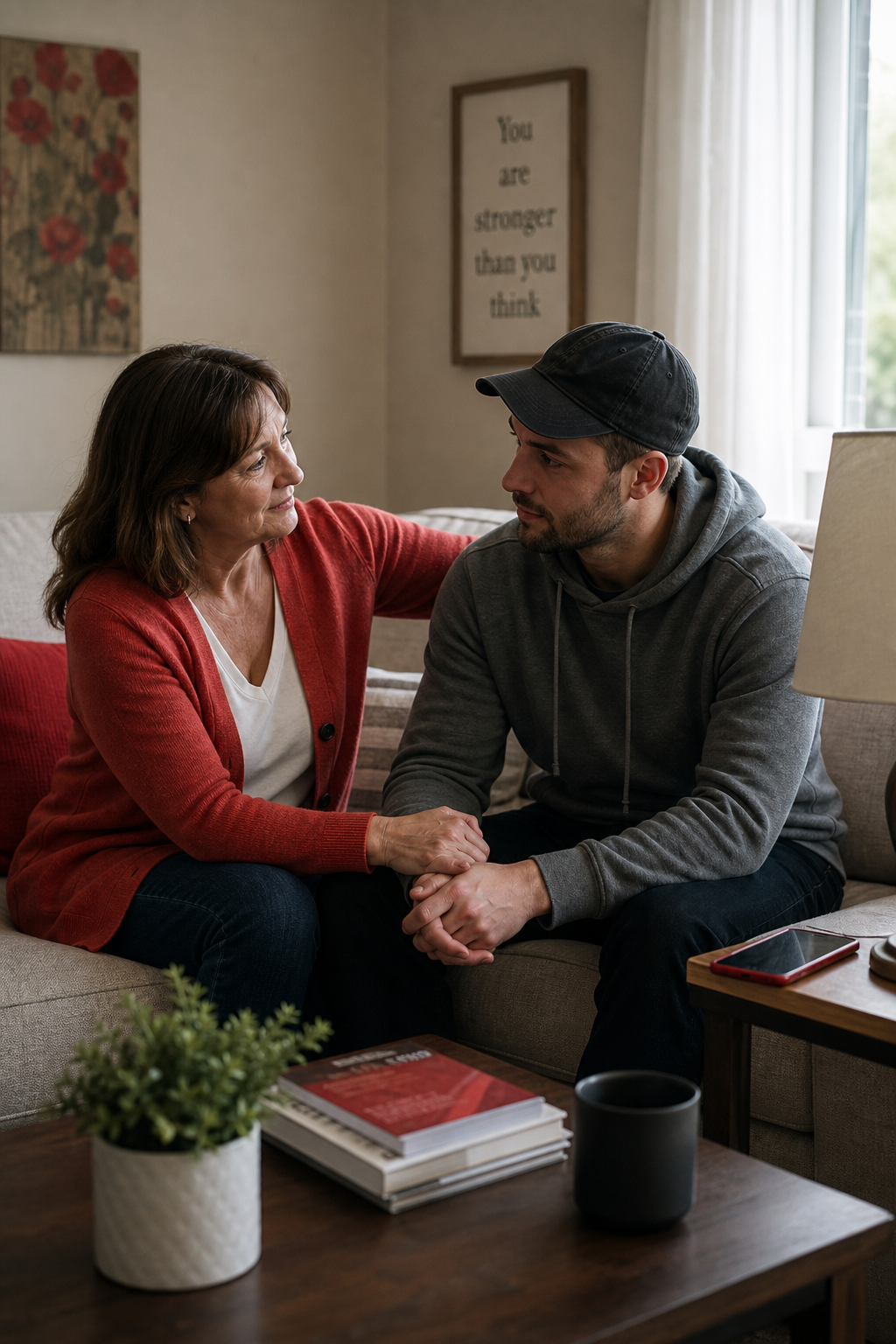
Encourage the person to talk about what happened, but don’t push them to relive the trauma. Listening without judgment builds trust and makes it easier to discuss treatment options later.
Keep a log of the conversation: what they said, how they felt, and any questions they have. That log can be shared with a counselor or interventionist.
“Bystander care is the bridge between overdose and recovery.”
Finally, let other family members know what happened, but keep details factual. Rumors spread quickly and can cause more panic.
Step 5: Arrange Professional Treatment and Ongoing Care
Saving a life is only the first step. Long‑term recovery needs a plan that covers medical, psychological, and usable needs. Contact an intervention service within 24‑48 hours; early contact improves the chance of entering treatment before the crisis fades.
Next Step Intervention offers an Emergency Response Service that links you directly to a certified interventionist. That service can help you set up an intake appointment, arrange transportation, and explain insurance coverage.
When you speak with the interventionist, have these items ready:
- A list of recent overdose events, dates, and any substances involved.
- Medical history, including allergies, chronic conditions, and current medications.
- Insurance information and a list of preferred treatment centers.
Use the following table to compare common treatment options. Pick the one that matches the person’s health status, support network, and personal goals.
After you choose a setting, schedule the first appointment within the next week. If the person resists, remember that a gentle, non‑confrontational approach works best. Offer to accompany them, handle paperwork, and arrange rides.
Finally, set up a post‑treatment support plan. That could include weekly family meetings, a sober‑living environment, or a peer‑support group like NA. The Emergency Drug Intervention Plan for Families walks you through building that safety net.
Keep the momentum going. Check in daily for the first week, then every few days for the next month. Celebrate small wins, a sober day, a therapy session attended, so the person feels recognized.
FAQ
Can I use naloxone on someone who is not unconscious?
Yes. If you suspect opioid use and the person’s breathing is shallow or their pupils are pin‑point, give naloxone right away. It works within minutes and can prevent a full overdose before the person loses consciousness. Always follow the kit instructions and call 911 even after administering naloxone.
What if the person stops breathing before I can call 911?
If you notice no breath, start rescue breaths and chest compressions immediately. Even one minute without oxygen can cause brain injury, so act fast. Keep the phone on speaker so you can stay on the line with the dispatcher while you perform CPR.
How many naloxone doses might be needed for heroin?
Heroin is a powerful opioid, and some people need more than one dose. The standard guidance is to give a second dose after two to three minutes if breathing does not improve. Keep a second kit nearby if possible.
Is it safe to give naloxone to a pregnant woman?
Yes. Naloxone is classified as Pregnancy Category B, meaning it has no known risk to the fetus. Overdose poses a far greater danger to both mother and baby, so administering naloxone is the recommended action.
What should I do after the person wakes up?
Stay with them, keep the environment calm, and avoid giving food or drink until a medical professional says it’s okay. Offer reassurance, ask simple questions about how they feel, and begin discussing next steps for treatment.
How can I prevent future overdoses?
Build a safe home environment: lock away all opioids, keep a naloxone kit in an easy‑to‑reach spot, and remove items that could be used for self‑harm. Work with an interventionist to create a long‑term recovery plan that includes therapy, support groups, and regular medical check‑ups.
When should I call 988 instead of 911?
988 is the national Suicide & Crisis Lifeline. Call it if you suspect the person is also experiencing suicidal thoughts or severe mental‑health distress in addition to the overdose. If there is any danger to breathing or consciousness, call 911 first.
Is there a risk of overdose from the naloxone itself?
No. Naloxone only blocks opioid receptors; it does not have a toxic effect on its own. The worst that can happen is an abrupt withdrawal, which may cause agitation or shaking, but that is far safer than an opioid overdose.
If you’re facing an overdose right now, act fast, stay calm, and follow these steps. For immediate professional help, call (949) 545-3438 or visit Next Step Intervention. Our Emergency Response Service connects you to trained specialists while you handle the urgent care steps.