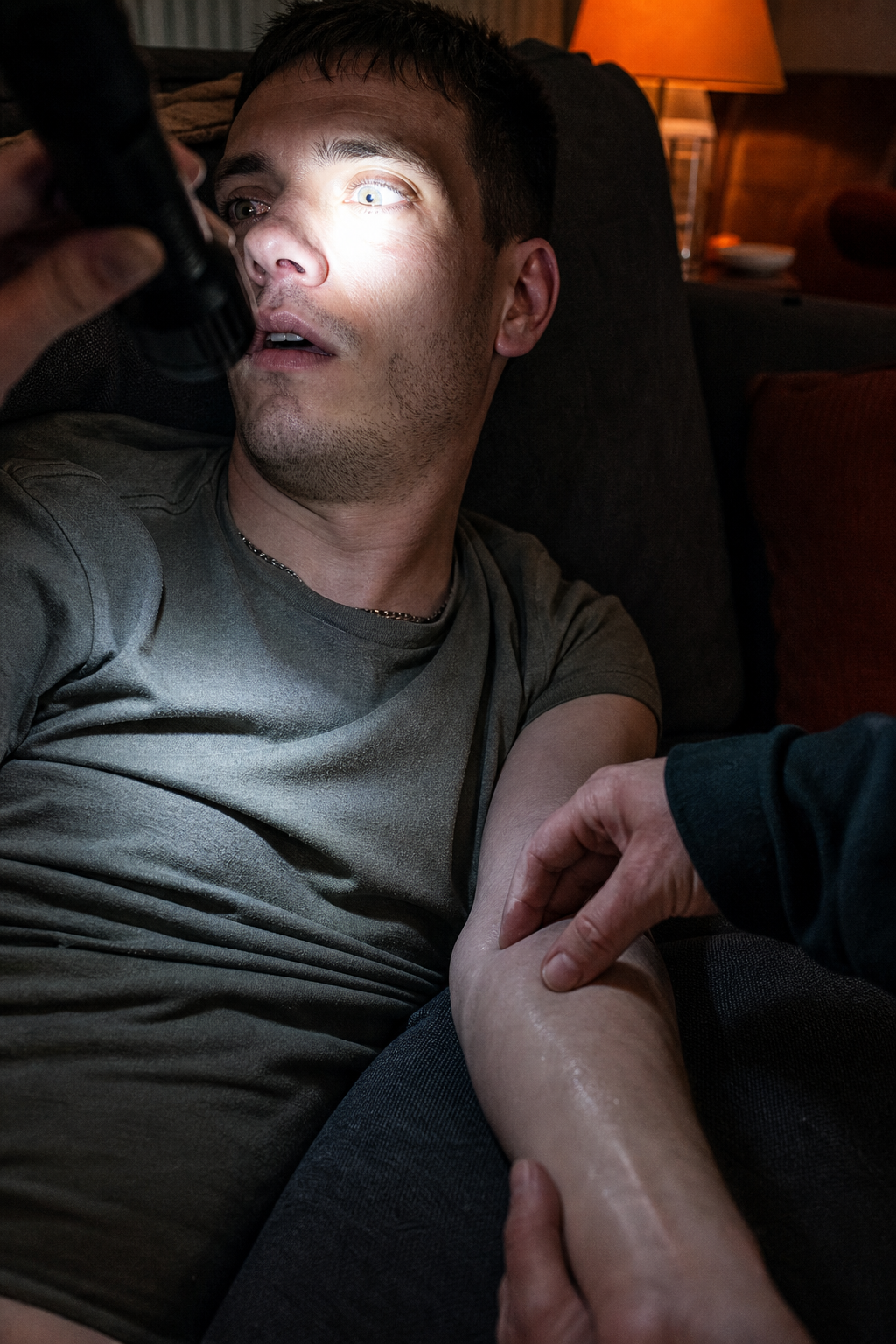
Every second counts when an overdose hits. A loved one can stop a tragedy if they act fast and know exactly what to do. This guide gives you a quick checklist for family drug overdose response that you can run through in under ten seconds. You’ll learn the safety steps, how to give naloxone, how to keep the person breathing, and what to do after the emergency. Keep this page near a phone or on the fridge so you can act without hesitation. Call (949) 545-3438 or visit Next Step Intervention for urgent help.
Step 1: Ensure Safety and Call Emergency Services
First, make sure the area is safe for you and the person who is in trouble. Look for sharp objects, open flames, or anything that could hurt you while you help. If the room feels unsafe, move the person to a clearer spot if you can do it without hurting them.
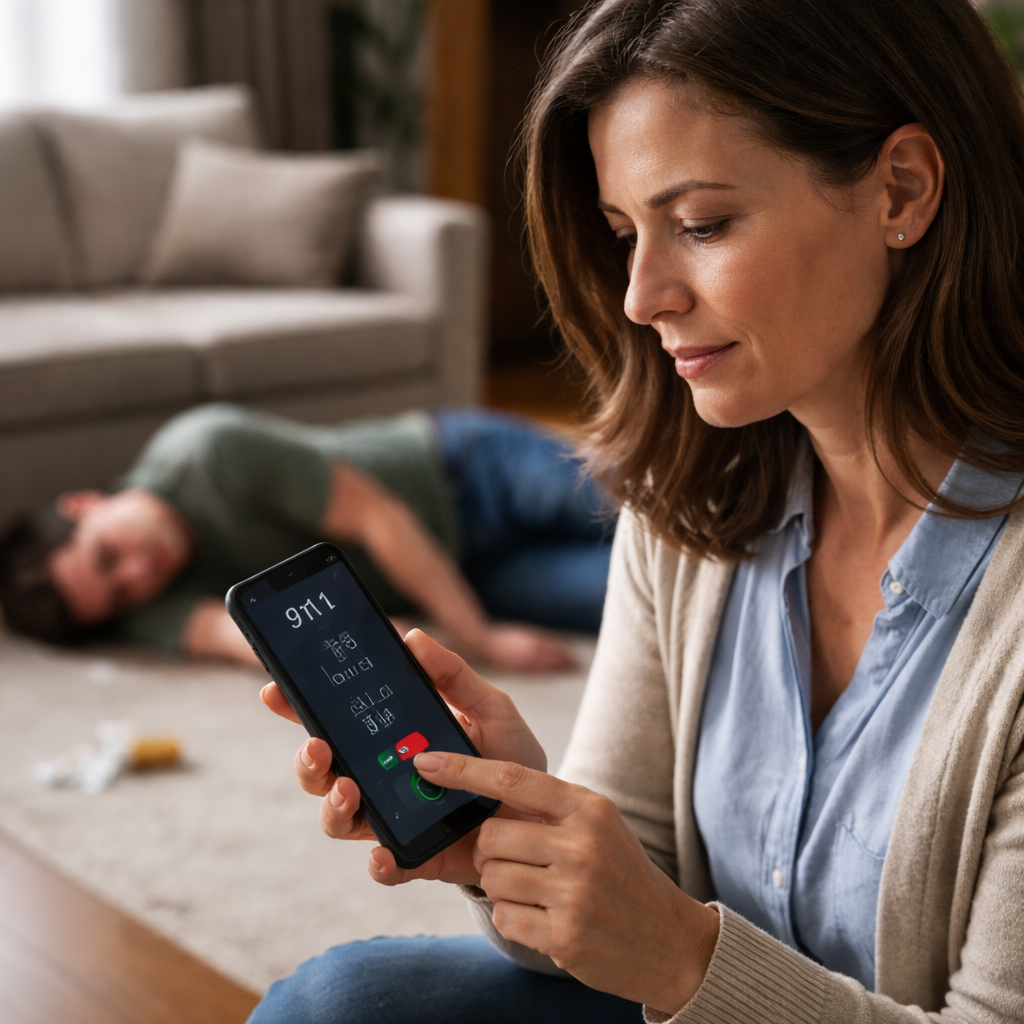
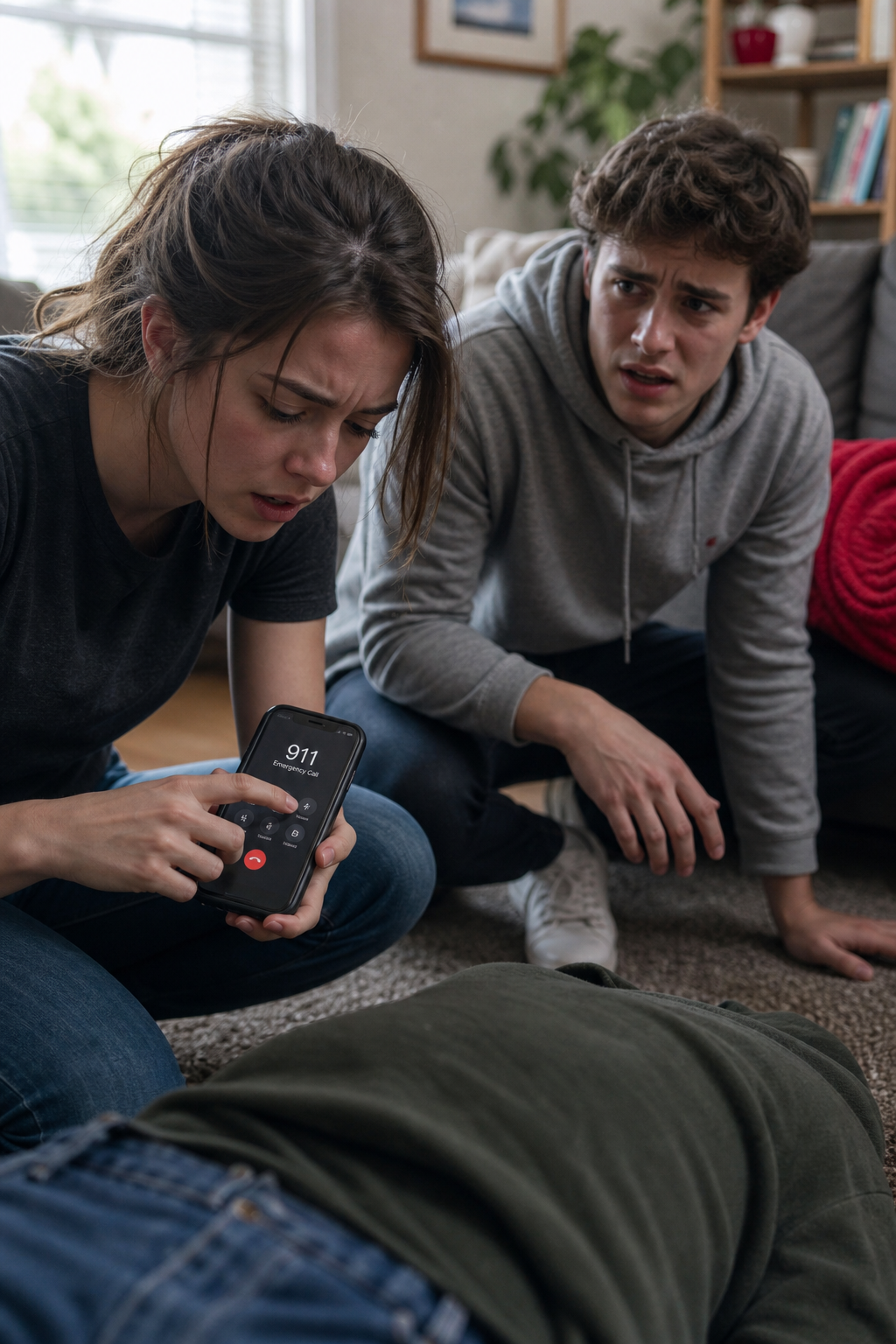
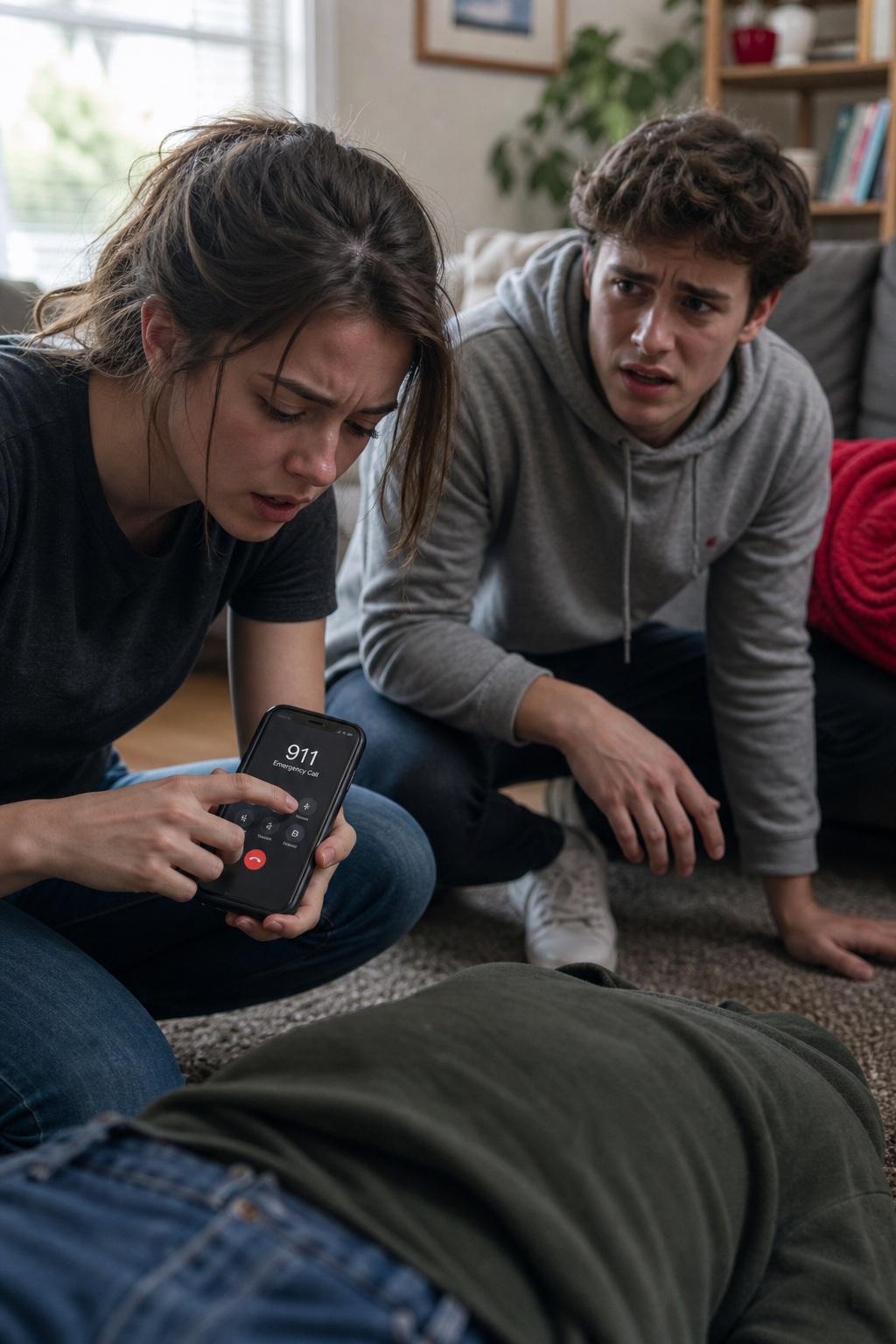
Once the space is safe, dial 911 right away. Tell the dispatcher you suspect an overdose, the exact address, and any drugs you think were used. The dispatcher may ask about breathing, pulse, or if you have naloxone. Stay on the line until help arrives.
Why call first? Studies show that calling EMS before giving naloxone saves lives because professionals bring oxygen and advanced equipment. the health authority’s overdose prevention page confirms that early EMS activation is the top priority.
And note the time you called. Write it down on a phone note or a paper log. That time stamp helps EMTs understand how long the person has been without oxygen.
For a deeper look at how families can stay ready, see Overdose Help: A Usable Guide to Emergency Response and Recovery. It walks you through the phone call script and what to say to the dispatcher.
(949) 545-3438 – Contact Next Step Intervention now for immediate assistance. Visit our site for more resources.
Step 2: Perform Immediate Assessment and Check Breathing
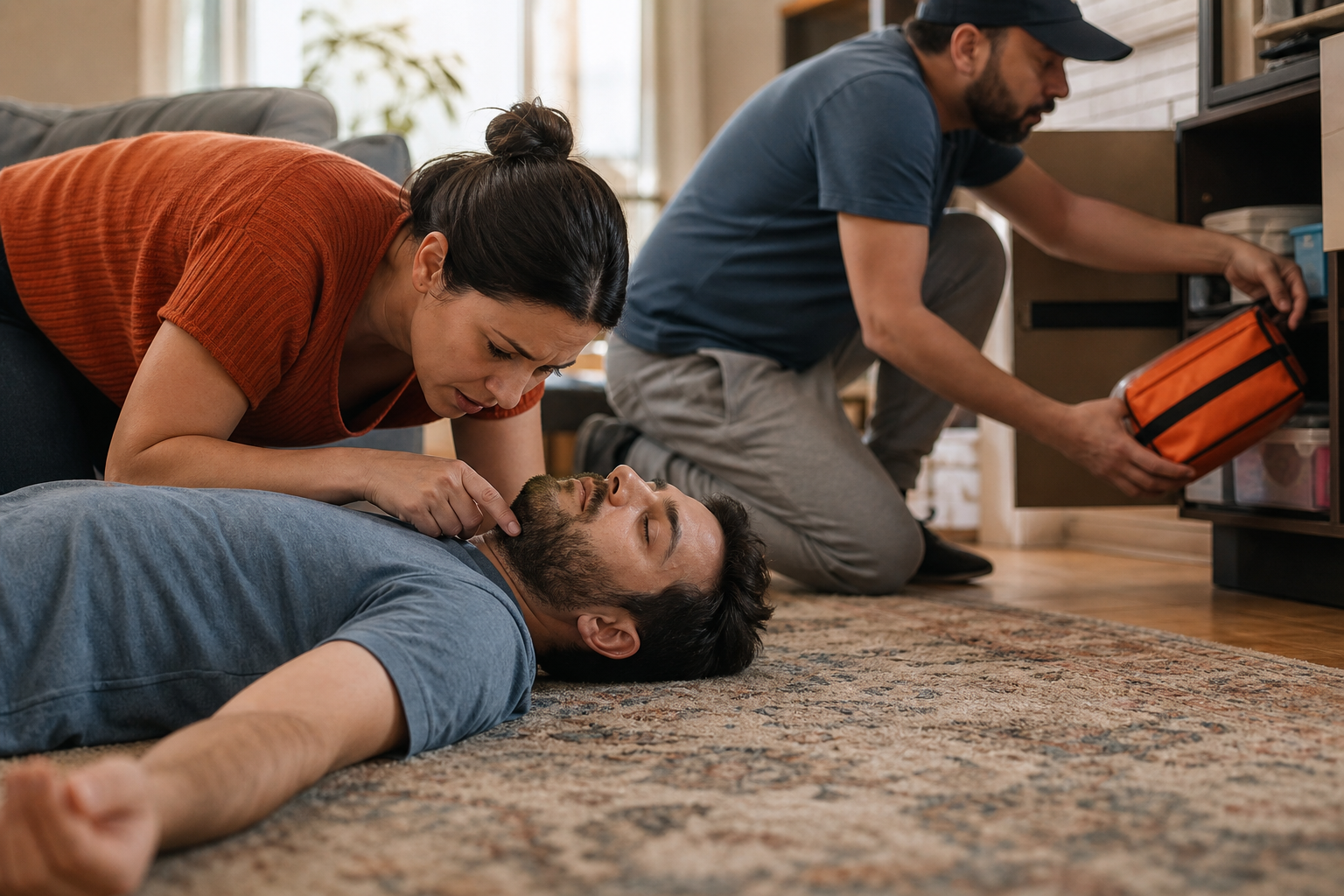
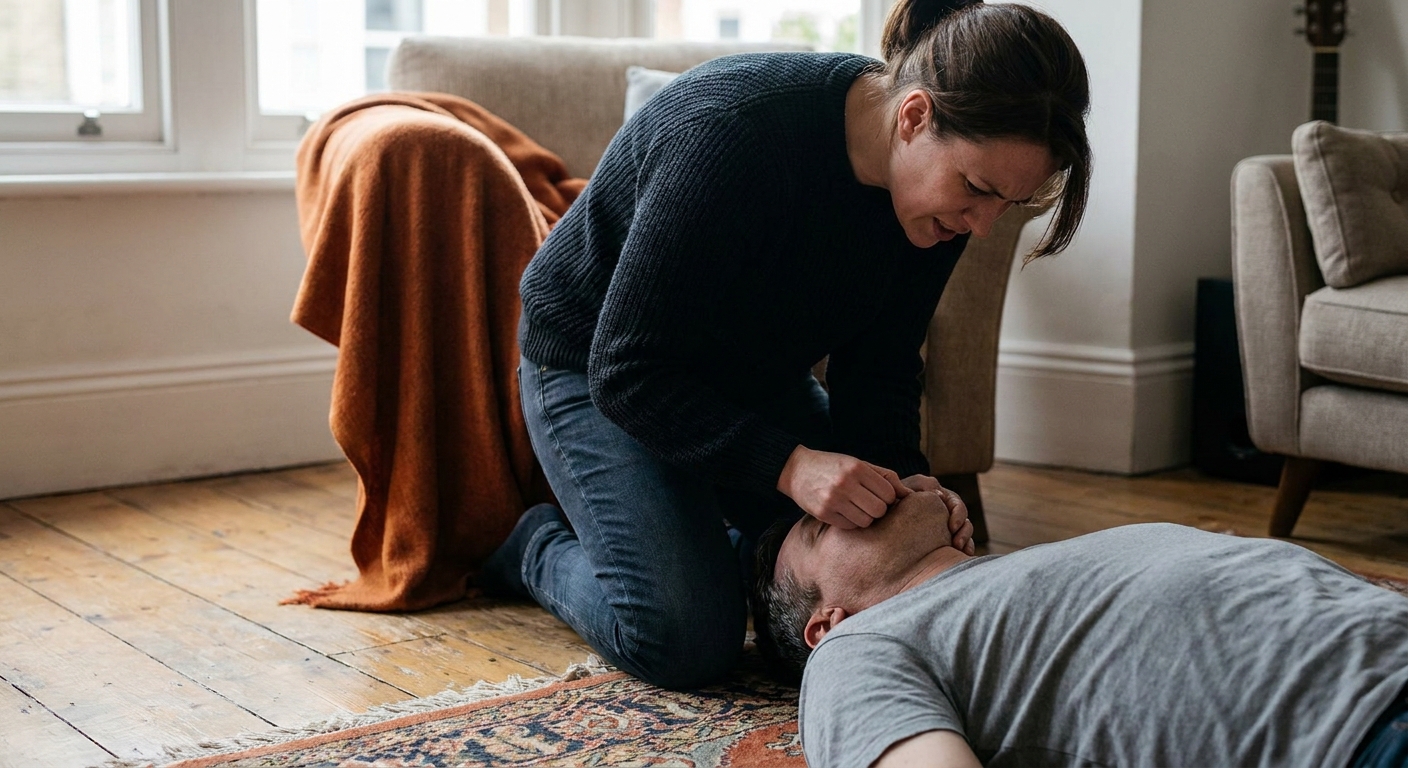
Look at the chest. Does it rise and fall? If you see no movement, the person may not be breathing.
Listen for air. Put your ear close to the mouth and nose. If you hear no sound, start rescue breaths.
Feel for a pulse. Use two fingers on the wrist or neck. No pulse means you must start CPR.
If the person is breathing shallowly, give two slow breaths every five seconds. Keep the breaths gentle but enough to lift the chest.
And keep talking. Your voice can wake the person and give you a cue that they are responding.
When you check breathing, note the exact time. Write it next to the 911 call time. This log helps the EMTs see the timeline.
For more on how to assess breathing, the National Institute on Drug Abuse (NIDA) explains the signs of opioid overdose and the importance of checking pulse first.
Step 3: Administer Naloxone (If Available) , Video Demonstration
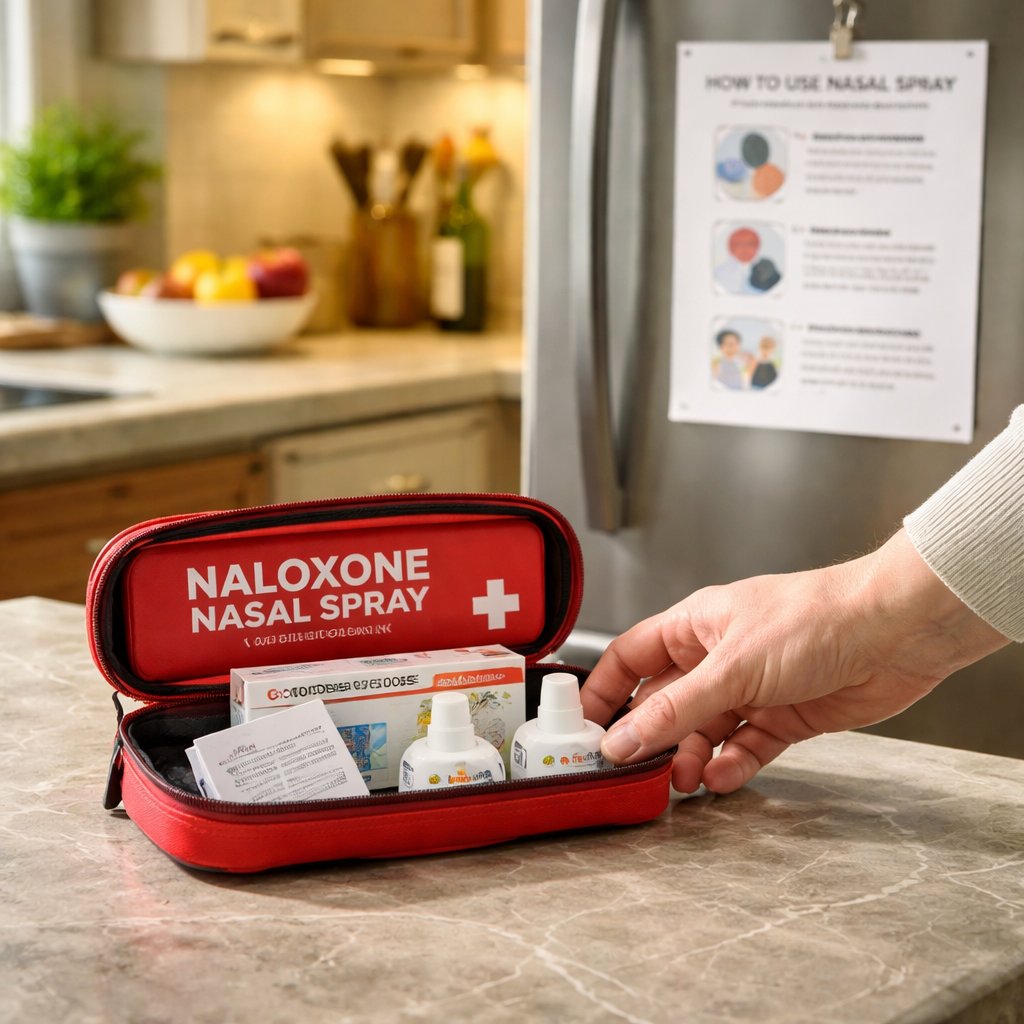
If you have a naloxone kit nearby, get it ready now. Open the kit, remove the protective cap, and place the tip in one nostril. Press until you hear a click. That is the full dose.
Watch the short video below for a step‑by‑step view of the spray method. It shows the exact hand position and timing.
If the person does not start breathing within two to three minutes, give a second dose in the other nostril or on the thigh if you have the injector version.
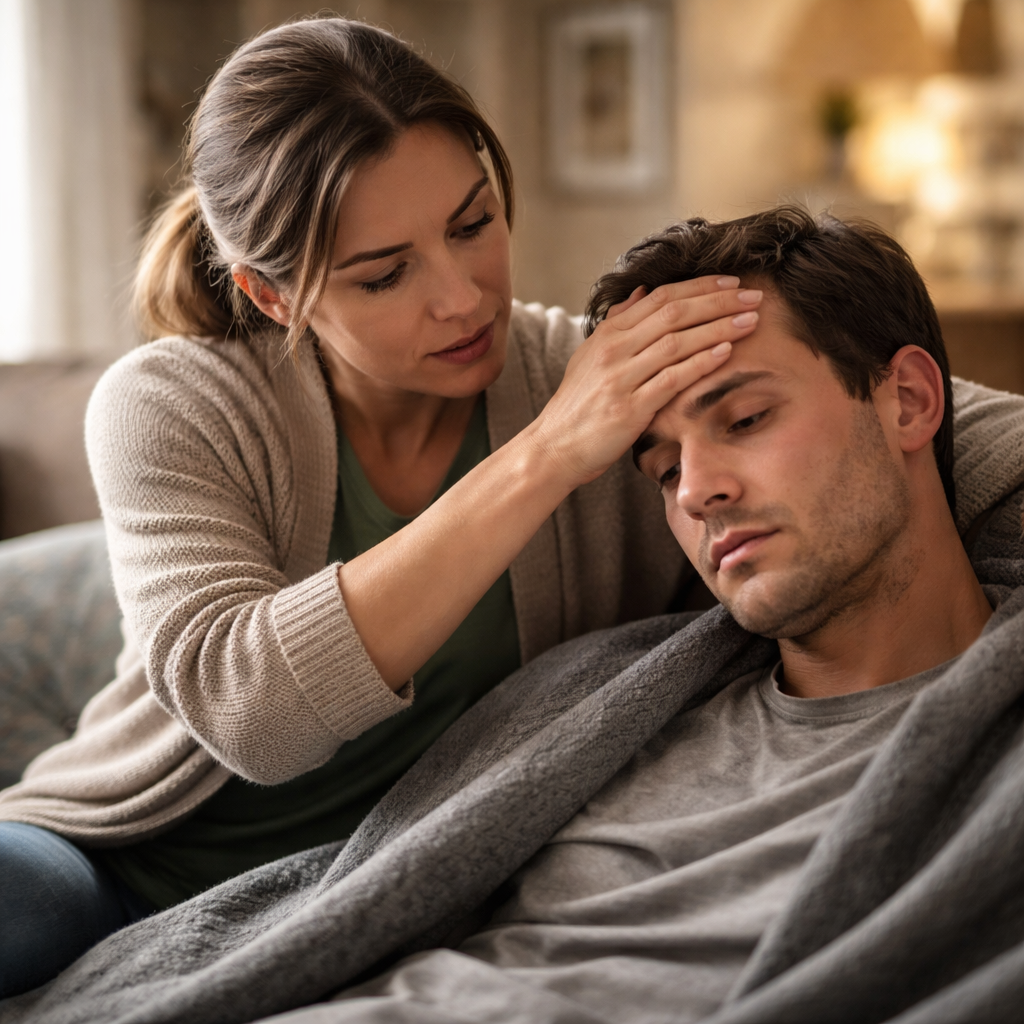
And stay with them. Keep watching their chest, pulse, and skin colour. If they get red or start to sweat, that means the drug is wearing off.
After you give naloxone, write down the dose time and the number of doses. This record is vital for the EMTs.
Step 4: Position and Monitor the Person
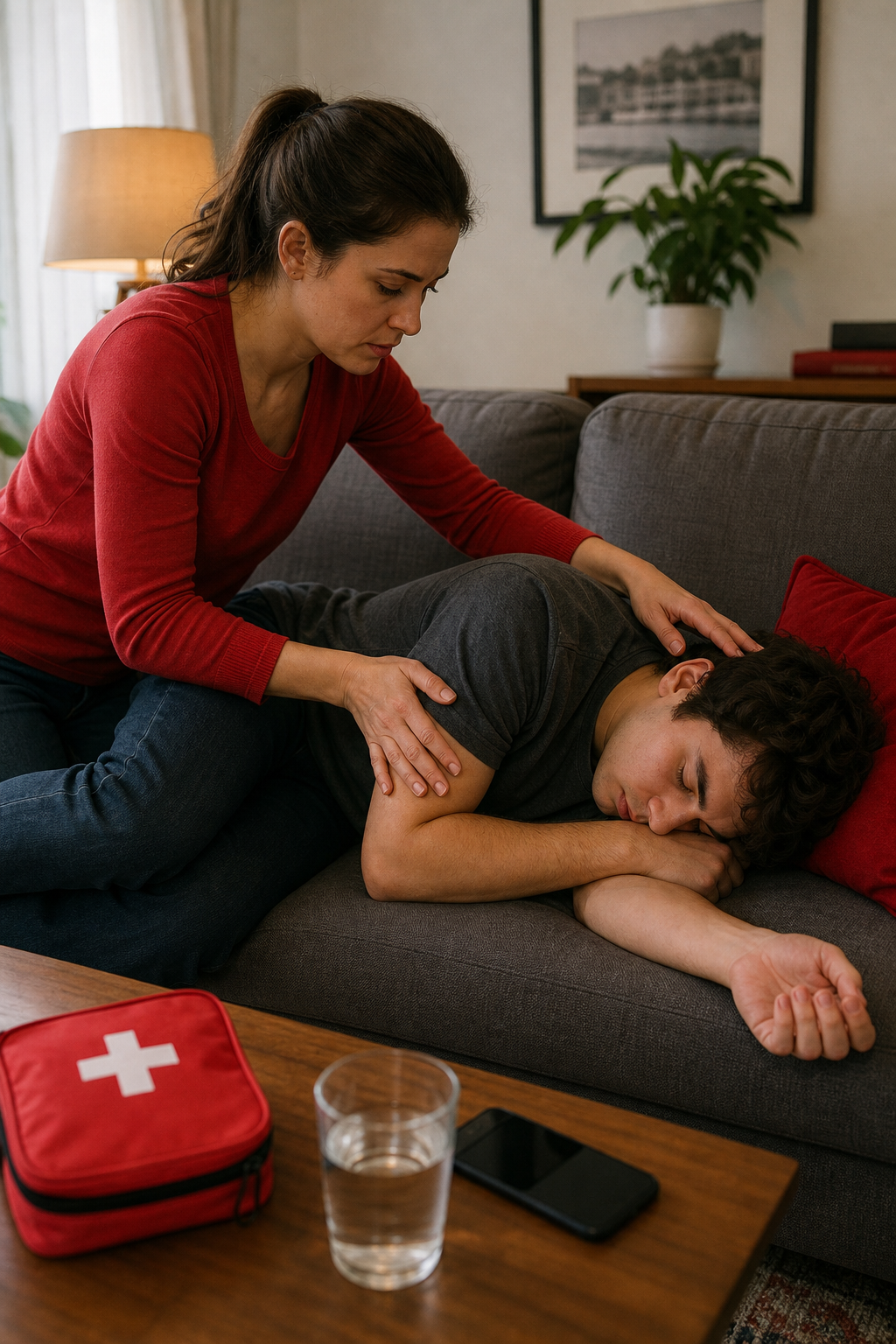
Put the person on their side if they are unconscious but still breathing. This is called the recovery position. It keeps the airway open and stops choking if they vomit.
Check the breathing every five minutes. Look for a steady rise of the chest. If breathing stops, be ready to start rescue breaths again.
Keep the environment calm. Lower the lights, speak softly, and remove loud noises. A calm scene helps the brain reset.
Watch the skin. Blue or very pale skin can mean low oxygen. If that happens, call 911 again and tell them the skin change.
And keep a timer running. Knowing exactly how long each step took helps the medical team.
Step 5: Use the Quick Decision Table for Next Actions
When the EMTs arrive, you will have a lot of info to hand over. A table can help you stay organized.
Use this table as a quick reference. It makes sure you do not miss any detail.
And after the EMTs take over, you can step back. They will handle the medical part.
Step 6: Provide After‑care Support and Documentation
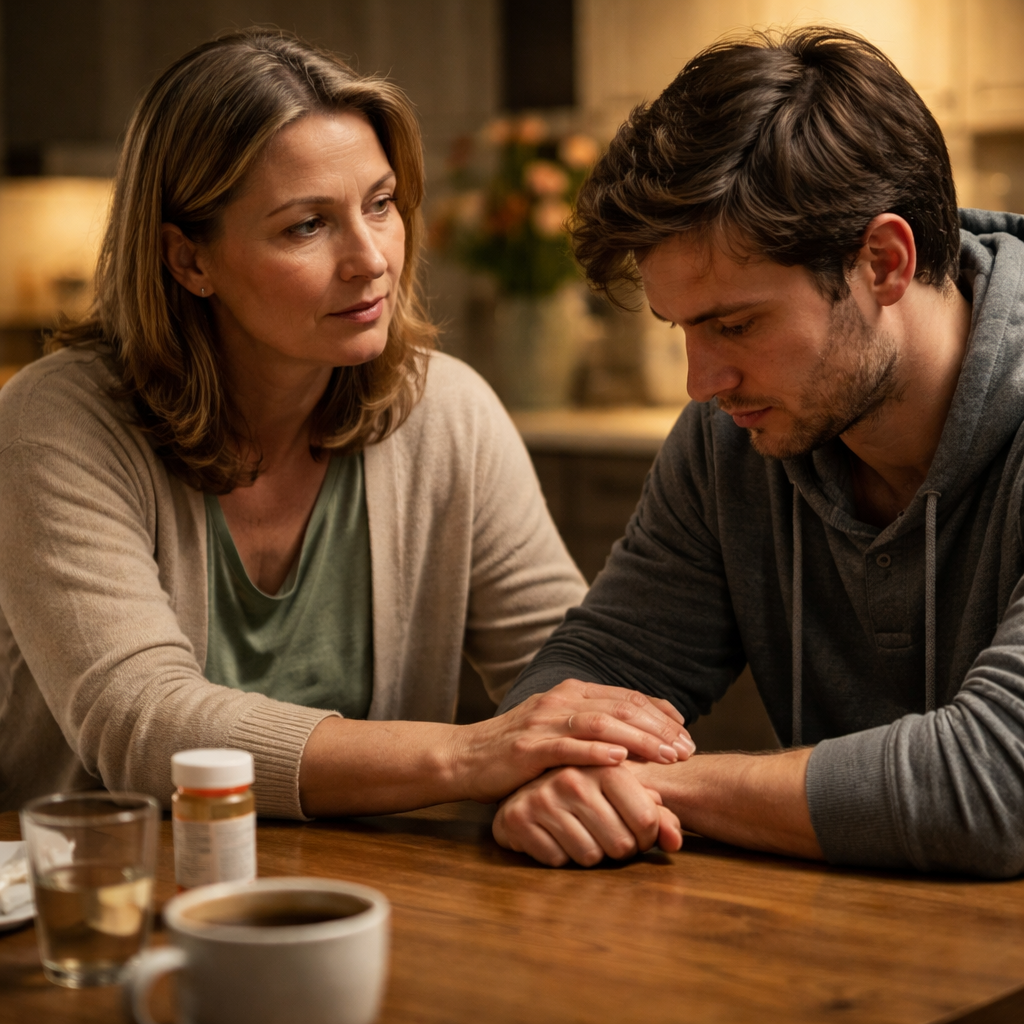
When the ambulance leaves, the work is not over. You need to support the person and keep records.
Ask the EMTs what the next steps are. They may suggest a hospital stay, a detox centre, or a follow‑up call.
Write down the hospital name, the doctor’s name, and any medication they give. Put this in a folder you keep for the family.
Call a professional intervention service within the next 24‑48 hours. How to Create an Effective Emergency Drug Intervention Plan for Families explains how a certified counselor can guide the next conversation.
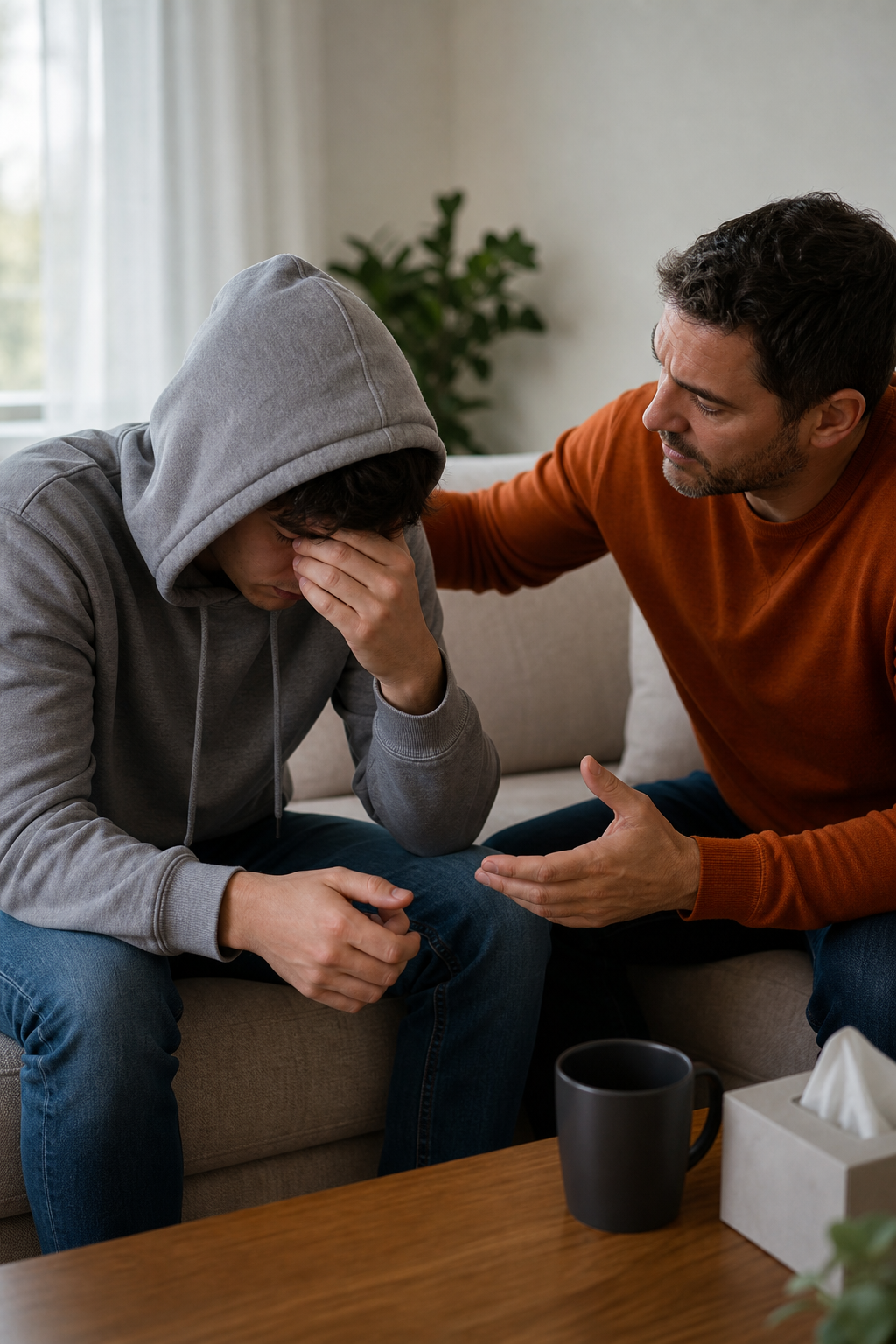
Stay calm and listen. The person may feel shaky, confused, or scared. Reassure them that help is on the way.
And set a reminder to check in later that day. A quick text or call can catch a relapse early.
Step 7: Implement Prevention Strategies for the Future
Think about what led to the overdose. Was it a hidden pill bottle? Was it a friend’s supply? Knowing the cause helps you block it.
Lock away all prescription meds. Use a lock box or a high shelf. Keep the key with a trusted adult.
Store naloxone where everyone can find it. A kitchen drawer or a bathroom cabinet works.
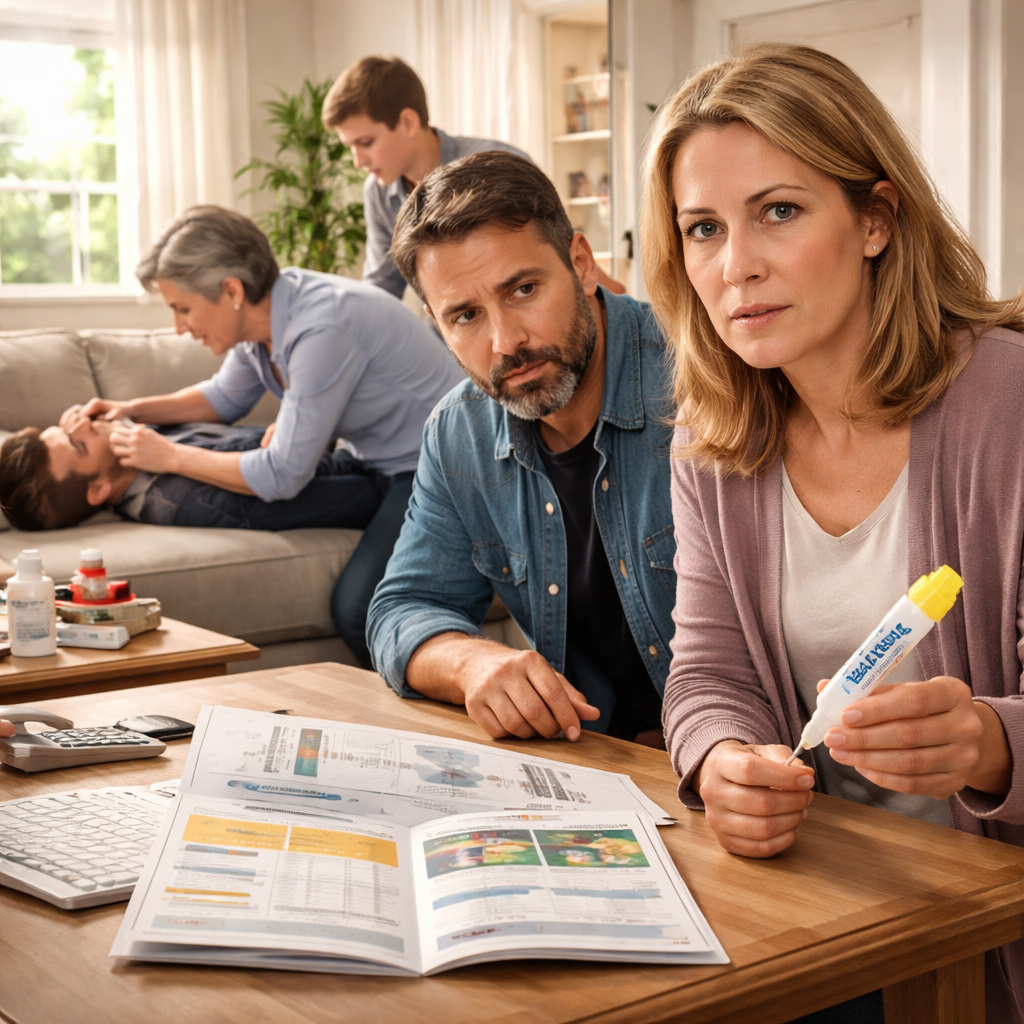
Teach every adult in the house the quick checklist. Run a short drill once a month so everyone knows their role.
Connect with a local harm‑reduction group. The SAMHSA toolkit notes that community programs can give you extra kits and training.
And make a plan for when cravings hit. Have a list of phone numbers , 988 for mental‑health crises, the nearest urgent‑care, and your chosen interventionist.
Finally, write down a family emergency plan. List who calls 911, who brings naloxone, and who talks to the EMTs. Keep the plan on the fridge.
FAQ
What should I do if I can’t find a naloxone kit?
Call 911 right away and tell the dispatcher you suspect an opioid overdose. Tell them you do not have naloxone. The dispatcher may send a unit with naloxone or guide you on the next step. Meanwhile, start rescue breaths if the person is not breathing. Keep the airway open and watch for any change.
How long does naloxone work before a second dose might be needed?
Naloxone usually works for two to three minutes. If the person’s breathing does not improve after that time, give a second dose in the other nostril or on the thigh. Keep checking breathing every five minutes. If there is still no response, call 911 again and let them know you gave a second dose.
Can I give naloxone to a child?
Yes, naloxone can be used on children, but the dose may be smaller. Follow the instructions on the kit for pediatric dosing. If you are unsure, call 911 first and ask the dispatcher for guidance. Do not wait for a doctor’s call if the child is not breathing.
What information should I give the EMTs when they arrive?
Give them the exact time you called 911, the time you gave naloxone, how many doses you gave, and any changes you saw in breathing or pulse. Also tell them what drug you think was used, any medical conditions the person has, and any other meds they are on. The more details you share, the better care they can give.
How can I keep my home safe after an overdose?
Store all drugs, both prescription and illegal, out of reach. Use locked boxes or keep them in a safe room. Remove sharp objects and any items that could be used for self‑harm. Keep a clean, calm space for the person to rest. Make a list of emergency numbers and keep it visible.
When should I contact a professional interventionist?
Contact a professional within 24‑48 hours after the overdose. The early conversation can keep the person from slipping back into use. An interventionist can set up a treatment plan, help with insurance, and arrange transport to a detox centre. Early contact also shows the person you care and that help is ready.
Act now—your loved one’s life may depend on it. Call (949) 545-3438 immediately or visit Next Step Intervention for urgent, professional help.
Conclusion
Having a quick checklist for family drug overdose response can mean the difference between life and death. You now have seven clear steps: make the scene safe, call 911, check breathing, give naloxone, position the person, use a decision table, and plan after‑care and prevention. Practice these steps with your family so they become second nature.
If you need a hand to set up a full emergency plan, reach out to Next Step Intervention. Their team can guide you through the checklist, provide same‑day naloxone kits, and arrange follow‑up care. Call (949) 545‑3438 to start the conversation today.