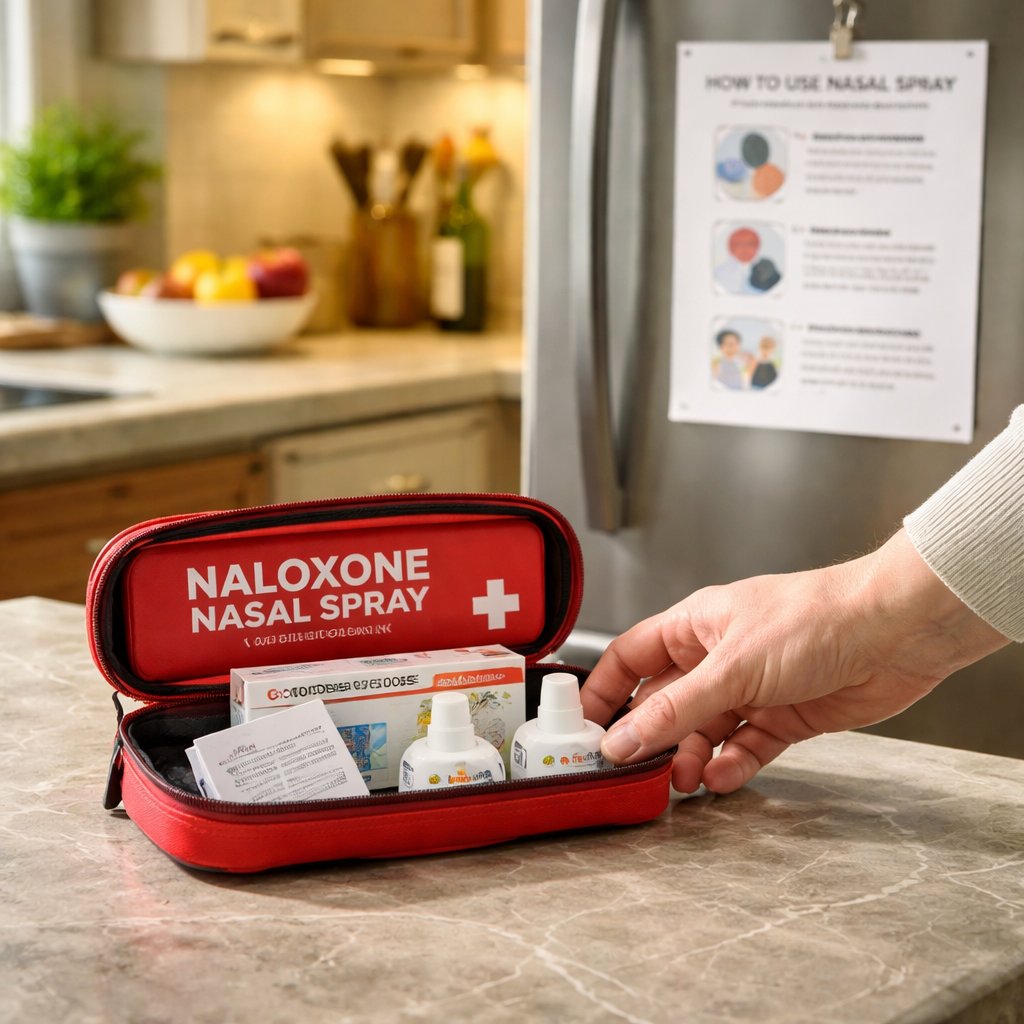

Drug use is hurting more teens than ever. You might feel lost when a teen asks about it or when you shows you exactly what to say to a teen about drug addiction crisis, how to keep the talk safe, and where to find help. Follow each step and you’ll feel more confident to protect the kid you care about.
Step 1: Create a Safe, Non‑Judgmental Environment
First, pick a quiet spot where you won’t be interrupted. A living‑room couch after dinner works well. Turn off phones, close the TV, and let the teen know this is a calm space.
Next, set the tone with an open line. Try, “I’ve noticed a few changes lately and I’m worried about you.” This shows you care, not that you’re accusing. When you use an “I” statement, the teen is less likely to feel attacked.
Make it clear that you’re not here to lecture. Say, “I’m here to listen and understand.” Then give them the floor. Let them talk for a few minutes without interruption. Nod, keep eye contact, and mirror their feelings back in simple words.
Repeated short talks work better than one long lecture. SAMHSA notes that frequent, low‑pressure conversations build trust over time. Write down a few observations beforehand, but keep the language neutral. For example, “I saw you came home late on Thursday.” Avoid labels like “drugs” or “addiction” until the teen brings them up.
Give the teen a signal they can use if they feel unsafe. A code word or a quick text can let them ask for help without fear. Explain the signal calmly: “If you ever need a ride home, just text me ‘safe’ and I’ll be there.” This small step lowers the barrier to reaching out.
After the talk, summarize what you heard in one sentence. This shows you listened and helps the teen feel validated. For instance, “You said school stress makes you want to vape.” Then ask a gentle follow‑up: “What could make that feeling easier to handle?”
Remember, the goal isn’t to solve everything in one sitting. It’s to open a door for future talks.
When you need a deeper look at setting limits, Effective Drug and Alcohol Intervention Strategies offers a step‑by‑step plan that families find useful.
Step 2: Use Clear, Compassionate Language
Words matter a lot. Teens hear the same phrase from friends, school, and media. You want your language to be clear and kind.
Start with person‑first language. Say, “You are dealing with substance use,” not, “You are a drug user.” This subtle shift removes blame and shows you see the person first.
Replace stigma‑laden terms with neutral ones. Use “substance use” instead of “abuse.” Talk about “treatment options” rather than “rehab” when you first bring up help. NIDA explains that this reduces defensive reactions.
Keep sentences short. A teen can get overwhelmed by long explanations. Try, “I’m worried about the vaping because it can affect your lungs.” Then pause. Let the teen ask questions.
Validate feelings. If they say, “I feel stressed,” respond with, “That makes sense. Stress is hard.” Avoid saying, “You’re just overreacting.” Validation builds trust.
Use specific examples, not vague judgments. Instead of, “You’re always on your phone,” say, “I saw you scrolling for three hours after dinner.” Specific facts are harder to dispute.
End with an invitation: “Would you like to talk about what’s behind the stress?” This invites a collaborative search for solutions.
Visuals can help. 
For more ideas on phrasing, you can read Intervention Questions to Ask: 7 Powerful Prompts. They give you ready‑made questions that keep the chat gentle.
Step 3: Address Myths and Facts About Addiction
Many teens hear rumors that shape their choices. One common myth is that addiction is just a bad habit. The truth is that addiction changes brain chemistry, making it hard to quit without help.
Another myth says prescription meds are safe because a doctor gave them. In reality, misuse of prescribed opioids or stimulants can be just as risky as illegal drugs.
Explain that addiction doesn’t pick a side. It affects people of any background. Share a simple fact: “Your brain chemistry can get stuck, and that’s why cravings feel so strong.”
Use the DAODAS myth‑busting list as a guide. It points out five myths and the facts behind them. You can quote one myth and fact in the conversation.
When you correct a myth, do it gently. Say, “I heard that too, but the research shows…” Then give a short source, like the state health department.
Encourage the teen to ask “why?” If they wonder why a myth persists, explain that media and peers often simplify complex issues.
After you clear a myth, ask how it changes their view. “Now that you know this, does it feel different about vaping?” This checks if the fact landed.
Embed the video below for a quick visual on myth‑busting. It can be watched together or later.
When you finish, remind the teen that you’re on their side. “I’m here to help you find real answers, not just opinions.”
Step 4: Offer Usable Support and Resources
Talking is only the start. Teens need specific help to move forward.
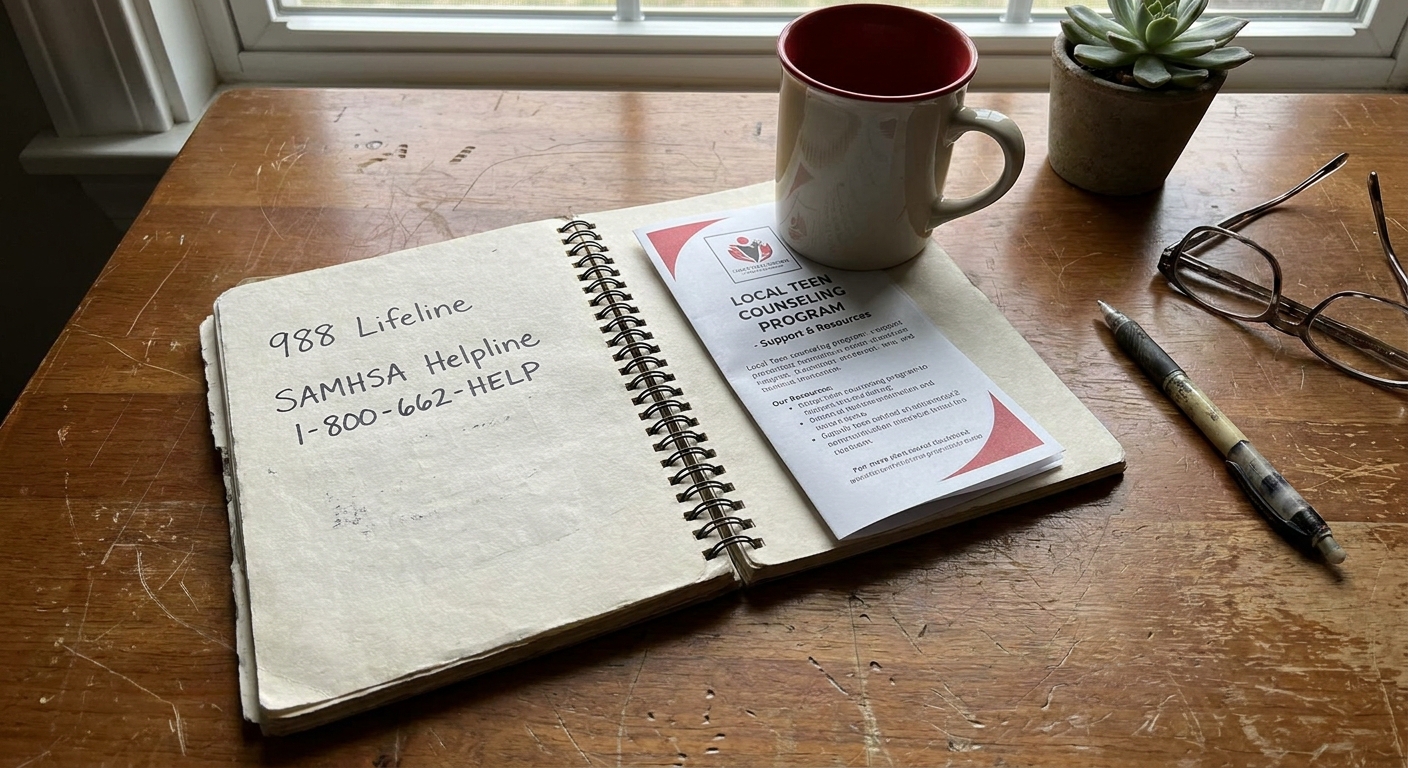
First, give them a list of local resources. The 988 Suicide & Crisis Lifeline is always on. It offers phone, text, and chat options. Write the number down and show how to start a text.
Second, point to the SAMHSA National Helpline. It can connect families to nearby treatment centers. The phone is 1‑800‑662‑HELP, and the website lets you search by zip code.
Third, suggest school‑based programs. Many schools run Life Skills Training that teaches coping skills. If the teen’s school offers it, ask a counselor for the schedule.
Fourth, share online tools. The NIAAA short video series explains how alcohol affects the brain in plain language. Watching it together can spark more questions.
Fifth, offer to attend an appointment with them. Say, “I can go with you to the intake meeting if you want.” This reduces fear of going alone.
When you hand over a resource list, keep it short: a phone number, a website link, and a brief note on what each offers.
Finally, set a simple next step. “Can we call the helpline together tomorrow at 5 p.m.?” This turns talk into action.
Visual aid can make the list feel real.
Step 5: Set Ongoing Boundaries and Follow‑Up Plans
Boundaries keep both you and the teen safe. They aren’t strict rules that punish; they’re limits that protect.
Start by writing down what you will not allow in the home. Example: “No drugs or drug paraphernalia in the house.” Phrase it as a boundary, not a rule you expect the teen to police.
Next, decide what you will do if the boundary is crossed. A calm response works best. Say, “If we find a vape, we’ll talk about where you can get help, and we’ll ask you to stay with a trusted friend tonight.” This shows consequences are about safety, not punishment.
Document the plan in a shared note or a printed sheet. Review it together each week. Ask the teen if the language feels fair.
Boundaries also apply to you. You can set a personal limit like, “I will not cover any drug‑related expenses.” This stops enabling behavior.
Use a calm voice when you bring up the boundary. Start with, “I’m setting this limit because I love you and I need to stay healthy too.” Then listen to the teen’s response.
Check in regularly. A quick text after school, “How was today?” keeps the line open without pressure.
If the teen slips, stay steady. Acknowledge the setback, then return to the plan: “We talked about this before. Let’s try the next step we agreed on.”
When you need extra help, How to Set Boundaries with an Addict: A Usable Guide walks you through scripts and examples.
Research shows that families who use clear boundaries see fewer relapses. DrugFree.org shares stories of parents who found peace by focusing on what they can control.
FAQ
How can I start the conversation without sounding like I’m spying?
Begin with a caring observation. Say something like, “I noticed you’ve been staying up late after school and I’m worried you might be feeling stressed.” This shows you care about their wellbeing, not that you’ve been watching them. Keep your tone calm and use “I” statements to avoid blame.
What if my teen says they don’t need help?
Respect their view, but gently share facts. You might reply, “I hear you. The research I’ve read says early help makes recovery easier. Can we look at a few options together?” Offering choices lets the teen feel in control while you keep the door open.
Are there free resources for teens who can’t afford treatment?
Yes. The 988 Lifeline is free and works 24/7. SAMHSA’s National Helpline also connects you to low‑cost programs. Many communities have state‑funded outpatient services that don’t require insurance. Ask the helpline for “no‑cost” or “sliding‑scale” options.
How often should I check in after the first talk?
Start with a brief check‑in the next day: a quick text that says, “How are you feeling after our chat?” Then move to a weekly brief conversation. Consistency shows you care without crowding them.
What if the teen is using multiple substances?
Document each substance separately, noting frequency and impact. Bring this list to a professional. A qualified interventionist can help you create a plan that addresses all substances, not just one.
Can I involve friends or siblings in the conversation?
Yes, but choose people who stay calm and supportive. Keep the group small , three or four trusted adults. Ask each person to share one observation in a short sentence, then let the teen speak. This prevents the talk from feeling like a courtroom.
What should I do if the teen becomes angry or defensive?
Stay still and listen. Acknowledge the feeling: “I see you’re upset. That’s okay.” Avoid arguing. Give them space to breathe, then repeat your main point in a softer tone. If the anger escalates, suggest taking a short break and returning to the talk later.
Conclusion
Talking to a teen about the drug addiction crisis isn’t easy, but you now have a roadmap. Create a safe space, use kind language, bust myths, share real resources, and set clear boundaries. Each step builds trust and moves the teen toward healthier choices.
If you need a steady hand, Next Step Intervention offers 24/7 emergency response and family‑focused support. Call (949) 545‑3438 or visit Next Step Intervention to connect with a certified professional today.