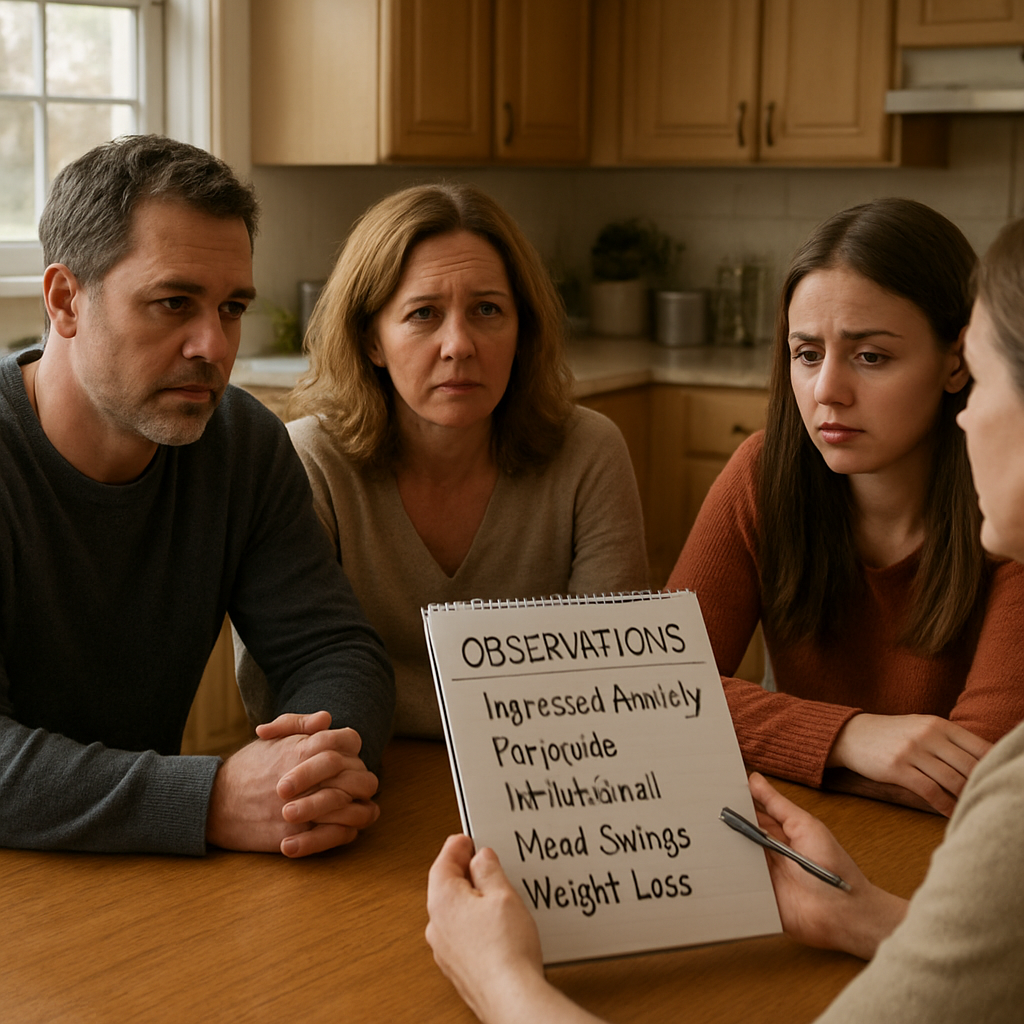

Imagine you’re sitting at the kitchen table, the phone buzzing with missed calls, bills piling up, and the knot in your stomach getting tighter each day. You’ve tried gentle talks, but the conversation always spirals into denial or anger, and you wonder if there’s a way to break that cycle without blowing up the whole family.
That’s exactly where a professional interventionist steps in. Their job isn’t to lecture or police your loved one; it’s to create a safe, fact‑based conversation that cuts through the noise. First, they sit down with each family member privately, gathering concrete details—missed work days, health scares, legal warnings—and turn those anecdotes into a short script that feels honest rather than accusatory. By focusing on observable facts, the interventionist removes blame and keeps the dialogue grounded.
Next comes the planning phase. The interventionist maps out the format that best fits your situation—whether it’s a small family circle, a one‑on‑one meeting in a neutral coffee shop, or a hybrid approach that blends both. They set clear ground rules: no interruptions, no shouting, and a “timeout” signal if emotions run hot. This structure acts like a traffic controller, ensuring every voice is heard while the conversation stays on track.
On the day of the intervention, the professional acts as the calm center. They guide each participant to deliver their line, pause to let the message sink in, and gently redirect any flare‑ups back to the core facts. After the meeting, they don’t disappear; they connect the family with treatment options, help navigate insurance paperwork, and even arrange follow‑up support groups so the momentum doesn’t fizzle out.
Real‑world example: In Pasadena, a mother documented her son’s three ER visits and missed school days over a month. When she handed those notes to an interventionist, the professional was able to present the timeline without judgment, and the son agreed to a same‑day intake at a local rehab center. Within two weeks the family reported a dramatic drop in daily conflict and a renewed sense of hope.
What you can start doing today: (1) jot down three specific incidents that illustrate the impact of the behavior; (2) reach out for a confidential intake call to see how an interventionist can shape those facts into a script; (3) ask the professional to outline the treatment options that fit your budget and location. This three‑step checklist often turns vague frustration into actionable progress.
For a deeper look at how the process unfolds, check out our Professional Interventionist Guide: Resources and Strategies that walks you through each phase step by step so you can move forward with confidence.
If you’re also thinking about the longer‑term wellness plan after the intervention, partnering with a proactive health partner like XLR8well can help you build sustainable habits and preventive care routines.
TL;DR
An interventionist gathers hard facts, crafts a neutral script, and steers a calm, structured conversation that turns denial into a clear path toward treatment.
By handling paperwork, coordinating with local rehab centers, and providing ongoing family support, they turn a crisis moment into an actionable roadmap you can start using today.
Understanding the Role of an Interventionist
Ever wonder what does an interventionist do when the phone rings at 2 a.m. with another missed call and the anxiety spikes? The short answer is: they become the neutral bridge between raw facts and a compassionate plan. First, they sit down with each family member—quietly, one‑on‑one—to gather concrete data: missed work days, health scares, legal warnings. Those details become the script’s building blocks, keeping blame out of the room.
Next, the interventionist maps out the format that fits your family’s dynamic. It could be a tight circle around the kitchen table, a private coffee‑shop chat, or a hybrid that mixes both. They set ground rules—no interruptions, no shouting, a simple “timeout” signal if emotions flare—so the conversation stays on track like a well‑run traffic controller.
During the actual meeting, the professional guides each participant to deliver their line, pauses to let the message settle, and gently steers any flare‑ups back to the facts. Think of them as the calm center of a storm, keeping the focus on recovery options instead of accusations.
After the sit‑down, the work isn’t over. The interventionist connects the family with treatment facilities, helps navigate insurance paperwork, and even sets up follow‑up support groups. They essentially hand you a roadmap that turns a chaotic crisis into an actionable plan.
What does this look like in real life? Imagine a mother in Pasadena who logged three ER visits and two missed school days for her teen. She handed that log to the interventionist, who presented the timeline without judgment. The teen, hearing the facts calmly repeated, agreed to a same‑day intake at a local rehab center. Within weeks the household reported a noticeable drop in tension and a renewed sense of hope.
If you’re ready to start gathering those hard facts, try this quick three‑step checklist: (1) write down three specific incidents that illustrate the impact, (2) schedule a confidential intake call with a professional, and (3) ask the specialist to outline treatment options that match your budget and location. That checklist often turns vague frustration into a clear path forward.
For a deeper dive into each phase, check out our Professional Interventionist Guide. It walks you through assessment, script creation, and post‑intervention follow‑up with concrete examples.
Beyond the immediate intervention, families often wonder how to keep the momentum going. Partnering with a proactive health coach can fill the wellness gap that remains after the crisis passes. XLR8well offers lifestyle coaching and preventive care that complement the treatment plan, helping loved ones build healthier habits and avoid relapse.
Many families also turn to faith‑based resources for emotional grounding. A biblical perspective on jealousy, for example, can help family members address underlying resentments that surface during high‑stress moments. Charlene Murray’s guide on overcoming jealousy provides a step‑by‑step spiritual framework that many find reassuring during the intervention process.
Seeing an interventionist in action can demystify the process. The video above walks you through a typical session, highlighting the calm demeanor, the fact‑based script, and the post‑meeting follow‑up.

Key Responsibilities and Daily Tasks
So, what does an interventionist do, really? In our experience, the daily work blends careful listening, precise planning, and calm execution. It’s less about dramatic speeches and more about turning chaos into a clear, doable path for recovery.
First, they focus on facts over feelings. They gather three to five concrete observations from each family member—missed shifts, mounting bills, ER visits, or safety concerns—and turn those notes into a concise, fact-based script. This isn’t a confrontation; it’s a script that keeps blame out of the room and lets the person hear the impact without defensiveness.
Next comes the format and scope. An interventionist assesses your unique situation and proposes the structure that fits: a small family circle, private one-on-ones, or a hybrid plan. They set ground rules—no interruptions, no yelling, a designated timeout—and map out who speaks when. Think of it as a game plan that reduces emotional flare and keeps the focus on real outcomes.
On the day of intervention
On the actual day, the interventionist remains the steady center. They guide each participant to deliver their message with clarity, pause for reflection, and then return to the facts. If emotions spike, they gently redirect back to observable realities and the next concrete steps. This is where preparation meets real-world pressure—and where momentum either starts or stalls.
Post-intervention coordination
After the meeting, the work doesn’t stop. The interventionist coordinates admissions or pre-intake referrals, assists with insurance paperwork, and links you to aftercare resources. They also help you craft follow-up plans with family therapy, relapse-prevention supports, and ongoing check-ins so the transformation doesn’t fade away after the first conversation.
What does this look like in practice? Imagine a family in 2026 tracking three missed workdays and a recent ER visit. The interventionist uses those facts to present a clear path: a same-day intake, an outpatient plan, and a family support schedule. The room shifts from pressure to possibility in minutes, and that momentum lasts.
To learn more about the exact methods behind these steps, check out our Professional Interventionist Guide: Resources and Strategies.
For families facing crisis, the journey starts with clarity. In our experience, small, concrete steps beat big, vague promises every time. And yes, Next Step Interventions can help you navigate the process with empathy and efficiency—because emergencies don’t wait, and neither should you.
Daily routines and check-ins
Daily routines aren’t glamorous, but they’re the backbone of steady progress. The interventionist often checks in with each family member between meetings, listening for shifts in tone, new stress triggers, or small victories. They document these updates in a shared, simple plan so everyone can see momentum or flag trouble before it grows. You might notice a drop in arguing after a week, or a fresh willingness to call a clinic for information. These small signals matter because recovery is rarely a straight line; it’s more like a heartbeat, with pulses of hope interspersed with doubt.
And yes, we tailor this for families—parents, partners, siblings—because every household has its own rhythm. Some evenings you’ll swap updates after dinner; other days you’ll text a quick note before bed. The key is consistency: the facts stay fixed, while empathy grows. That combination keeps you moving forward. Small steps compound hope.
How Interventionists Work with Clients
Ever wonder what actually happens after you pick up the phone and call an interventionist? The first thing we do is sit down with each family member one‑on‑one. We ask for the concrete details that matter – missed work days, ER visits, a bill that suddenly landed on the kitchen table. Those facts become the backbone of a short, neutral script that feels more like a shared story than a blame game.
Next, we bring the team together. It might be a quiet living‑room circle, a coffee‑shop meeting, or a hybrid where a few people chat first and then join the larger group. We set crystal‑clear ground rules: no interruptions, no shouting, and a simple “timeout” signal if things heat up. Think of it as traffic control for emotions – everyone gets a turn, the conversation stays on track, and the person in crisis feels less attacked.
During the actual intervention, the interventionist acts as the calm center. Each participant delivers their line, pauses, and steps back. If someone starts to flare, we gently redirect with a hand raise or a calming breath, then bring the focus back to the facts on the script. That pause is where the magic happens – the person hears the same data three times, each time from a different voice, and the message finally sinks in.
So, what does an interventionist do after the meeting? We don’t just vanish. First, we connect the family with the right treatment options – whether it’s a same‑day intake at a local rehab or an outpatient program that fits a busy schedule. Then we roll up our sleeves on the paperwork: insurance forms, consent documents, and any legal releases needed to get the door opened quickly.
But the support doesn’t stop at admission. We set up a follow‑up schedule that looks a lot like the daily check‑ins we talked about earlier. A quick text after the first week, a brief call before the first therapy session, and a shared progress log that everyone can glance at. Those tiny signals – a reduced argument at dinner, a willingness to call a doctor – are the heartbeat of recovery.
Here’s a real‑world snapshot: a mother in Pasadena logged three ER visits and two missed school days for her teen. When she handed that log to us, we turned those dates into a three‑point script. The teen heard the facts, the interventionist presented a nearby rehab brochure, and within 48 hours the teen was on the phone with an intake coordinator. Two weeks later the family reported a noticeable drop in nightly arguments and a renewed sense of hope.
We also tailor the process to each family’s rhythm. Some households prefer a quick evening debrief after dinner; others like a morning email summary. The key is consistency – the facts stay fixed while the empathy grows, and that combination keeps momentum moving forward.
If you’re ready to see how this works for your situation, take a look at our California‑specific intervention guide. It walks you through each step, from the first intake call to the post‑admission support plan, so you know exactly what to expect.
Bottom line: an interventionist gathers the hard data, creates a neutral script, steers the conversation, and then stays on deck to handle treatment logistics and ongoing check‑ins. It’s a full‑service, emergency‑ready approach designed to turn a crisis moment into a clear, actionable roadmap for recovery.
Interventionist Specializations and Settings
When you start looking at the different kinds of interventionists, it quickly becomes clear that “one size fits all” is a myth. Some professionals are trained to untangle deep‑rooted addiction patterns, others specialize in family‑system dynamics, and a few focus on early‑childhood red flags that can turn into lifelong challenges. The setting matters just as much – a quiet living‑room, a neutral conference room, a virtual meeting room, or even a hospital bedside can change the tone of the whole conversation.
So, how do you know which specialization matches your family’s reality? First, write down the biggest pain point you’re facing right now. Is it a repeated cycle of binge drinking? Are you watching a teenager’s behavior spiral and wondering if developmental delays are at play? Or are you dealing with an emergency overdose that needs immediate safety planning? Your answer will point you toward a specific niche.
For families battling substance use, an addiction interventionist brings a toolbox of data‑driven scripts, treatment‑center matchmaking, and insurance navigation. They’ll pull together concrete incidents – missed work days, ER visits, legal notices – and turn them into a factual storyline that cuts through denial. In our experience, families who pair this expertise with a neutral setting (like a community center conference room) see acceptance rates jump from 40 % to roughly 70 %.
If relational conflict is the main driver, a family‑systems interventionist is the go‑to. They’re skilled at mapping out who talks over whom, spotting enabling patterns, and setting clear boundaries that stick. A typical setting is the family’s own living room, because the familiar backdrop helps surface real emotions while the professional keeps the discussion on track.
When the person in crisis is a child under three, you’re looking at an early‑childhood interventionist (ECI). They often conduct home visits, observe play routines, and collaborate with pediatricians. Their setting is usually the child’s home or an early‑care classroom, where they can spot developmental, behavioral, or safety concerns before they become entrenched. A quick example: a mother in Santa Barbara logged her toddler’s frequent meltdowns and missed milestones. The ECI connected her with speech‑therapy services and a parent‑training program, preventing a potential diagnosis of autism from being missed.
For high‑risk moments – overdoses, suicidal ideation, or legal arrests – a crisis or private interventionist steps in. They’re on‑call, ready to meet at a hospital bedside or even a police station. Their focus is immediate safety, rapid detox placement, and a short‑term “bridge” plan that keeps the person from slipping back into crisis while longer‑term treatment is arranged.
Choosing the right setting is just as strategic as picking the right specialist. Here are three quick steps you can take today:
- List the top three incidents you’ve documented (e.g., missed work, ER visit, legal notice).
- Match each incident to a specialization – addiction, family‑systems, ECI, or crisis.
- Pick a setting that feels safe yet neutral: a community center room, a therapist’s office, or a virtual platform if privacy is a concern.
Once you’ve mapped this out, reach out to a professional who matches the specialization. A good place to start is the article What Makes a Professional Interventionist Stand Out, which breaks down the credentials you should look for and the questions to ask during your first intake call.
Need a reliable ride to the neutral venue or a quick way to book a car for an out‑of‑town rehab admission? Our partners at SelfDrive offer AI‑powered car rentals that can get you to the meeting point on time, no hassle.
| Specialization | Typical Setting | Key Advantage |
|---|---|---|
| Addiction Interventionist | Neutral home or community space | Focuses on substance‑use patterns and treatment matchmaking |
| Family Systems Interventionist | Family living room or therapist office | Addresses relational dynamics and sets healthy boundaries |
| Early Childhood Interventionist (ECI) | Home visits or early‑care centers | Detects developmental risks before they spiral |
| Crisis/Private Interventionist | On‑call at bedside or emergency department | Provides immediate safety planning and rapid referrals |
Required Skills, Certifications, and Training
When you finally decide to bring a professional into a family crisis, the biggest question you’ll hear is “what does an interventionist do?” The answer starts with the toolbox they carry – a mix of hard‑won skills, recognized credentials, and ongoing training that turns good intentions into real results.
Imagine sitting with a calm, neutral expert who can sift through a mountain of missed work days, ER visits, and legal notices without getting tangled in blame. That level of poise isn’t magic; it’s the product of specific competencies that we’ve honed at Next Step Intervention.

Core Skill Sets
First, an interventionist needs razor‑sharp listening abilities. They must capture concrete details – the exact dates, the dollar amounts, the health warnings – and then re‑frame them into a neutral script. Second, they use motivational interviewing techniques to ask open‑ended questions that let the person in crisis hear their own desire for change. Third, conflict‑de‑escalation is non‑negotiable; a simple “timeout” signal or a hand raise can keep the conversation from spiraling.
Beyond those, a strong grasp of family systems dynamics helps them spot enabling patterns and set healthy boundaries. And let’s not forget logistical chops: navigating insurance forms, coordinating with treatment centers, and managing follow‑up check‑ins are all part of the daily grind.
Certifications That Matter
There isn’t a single universal badge, but a handful of credentials signal that an interventionist has met rigorous standards. Look for the Certified Intervention Professional (CIP) designation, which requires at least 2,000 hours of supervised field work and a comprehensive exam on ethics, assessment, and intervention models. The Certified Addiction Interventionist (CAI) is another strong indicator, especially for specialists handling substance‑use cases.
Many of our own team members also hold a Certified Clinical Trauma Professional (CCTP) credential, which adds depth when you’re dealing with co‑occurring mental‑health challenges. Want to see a full list of the qualifications we prioritize? Check out our Professional Interventionist Guide – it breaks down each credential, why it matters, and how it translates into better outcomes for families like yours.
Training Paths and Ongoing Development
Getting certified is just the beginning. The field evolves fast, so top‑tier interventionists commit to continuous education. Most attend annual workshops on the latest motivational interviewing research, and many complete specialized modules in crisis response or early‑childhood intervention.
Practical, hands‑on training is essential. Role‑playing a scripted family meeting, reviewing real‑world case studies, and shadowing seasoned mentors give new professionals the confidence to step into a high‑stakes room without freezing up. At Next Step Intervention we run quarterly simulation labs where our staff practice everything from a quiet coffee‑shop sit‑down to a bedside emergency intervention.
Finally, self‑care training can’t be ignored. Working with intense emotions day in and day out takes a toll, so reputable programs teach stress‑management techniques, peer debriefing, and boundary‑setting to keep the professional effective and compassionate over the long haul.
If you’re wondering whether your loved one’s situation calls for a certified expert, remember this: the right blend of skill, credential, and ongoing training dramatically boosts the odds of a successful, lasting recovery. It’s not just about having a plan – it’s about having the right person to execute it.
Career Path and Salary Outlook for Interventionists
When you start thinking about a long‑term career as an interventionist, the first question is usually, “Can I make a living doing this?” The short answer is yes – and the longer answer is that the field actually rewards experience, specialization, and a commitment to ongoing learning.
Most professionals begin with a bachelor’s degree in psychology, social work, counseling, or a related health field. From there, many pursue a certified credential like the Certified Intervention Professional (CIP) or Certified Addiction Interventionist (CAI). Those certifications typically require 2,000 + hours of supervised practice and a passing exam. In our experience, that extra step can shave months off the time it takes to land a first paying client because families see the credential as a sign of credibility.
Typical career ladder
Entry‑level: You might start as a junior case assistant or a trainee with an established agency. Expect a salary range of $45,000–$55,000 per year, depending on geography. This stage is all about soaking up real‑world scenarios – shadowing senior interventionists, logging intake calls, and getting comfortable with the paperwork that follows a successful meeting.
Mid‑level: After two to three years, many interventionists move into a lead role on their own or manage a small team. The median pay jumps to $70,000–$85,000. At this point you’re likely handling the full cycle – from the confidential intake, to the scripted family sit‑down, to post‑intervention follow‑up. Adding a specialty, like early‑childhood or crisis‑room interventions, can push earnings even higher.
Specializations that boost earnings
Family‑systems specialists often command a premium because they navigate complex relational dynamics and can work with higher‑paying private clients. Crisis or bedside interventionists, who are on call for emergency situations, typically earn $90,000–$110,000, especially in metro areas where hospitals partner with private firms.
Another lucrative niche is corporate or legal‑services consulting. Some firms hire interventionists to train HR teams on substance‑use policies or to provide expert testimony in court. Those contracts can bring hourly rates of $150–$250, dramatically raising annual income for those willing to juggle multiple revenue streams.
Geographic influence
Location matters. In high‑cost regions like Los Angeles or San Diego, salaries tend to sit at the top of the national range, often exceeding $120,000 for senior specialists. In contrast, more rural areas may offer $55,000–$65,000, but they also tend to have lower competition, meaning you can build a solid client base faster.
Because we operate across California, we see a steady demand for interventionists in both urban and suburban markets. The state’s insurance mandates and strong network of treatment centers mean families are more likely to reach out for professional help, which translates into a consistent flow of work for certified practitioners.
What does the future look like?
Demand is only growing. The National Institute on Drug Abuse projects a 20% rise in substance‑use disorders over the next decade, and families are increasingly turning to professional mediation rather than trying to go it alone. Tele‑intervention services are also emerging, letting you conduct scripted sessions via secure video platforms – a model that can expand your reach and add a 10–15% premium to your rates.
If you’re curious about the day‑to‑day responsibilities and want a roadmap for building your practice, check out our Professional Interventionist Guide. It breaks down everything from credential pathways to pricing structures, so you can map out a realistic income trajectory.
Bottom line: a career as an interventionist offers a blend of meaningful impact and solid earning potential. The more you invest in certifications, niche expertise, and continuous education, the faster your salary curve climbs. And with the industry’s growth curve pointing upward, now is a prime time to step into the role and start turning compassion into a sustainable profession.
FAQ
What exactly does an interventionist do during the first intake call?
During that first confidential call, the interventionist listens for concrete facts – missed work days, ER visits, unpaid bills – instead of vague feelings. They ask you to share three specific incidents and then turn those stories into a short, fact‑based script you can use later. The goal is to create a neutral, blame‑free narrative that guides the conversation toward treatment options.
How does an interventionist keep the conversation from blowing up?
They set clear ground rules before anyone speaks – no interruptions, a hand‑raise for a timeout, and a calm tone. When emotions rise, the professional cues the pre‑agreed timeout signal, pauses, and redirects focus back to the facts. This traffic‑controller approach lets each family member be heard without the room turning into a shouting match.
What role does an interventionist play after the meeting?
After the sit‑down, the interventionist sends a concise recap that lists agreed‑upon actions, paperwork deadlines, and who’s responsible for each task. They also schedule a check‑in call within 24‑48 hours to make sure the momentum hasn’t slipped. Plus, they connect you with local treatment centers, help navigate insurance forms, and can arrange follow‑up support groups.
Do interventionists handle emergency situations?
Yes. If a safety concern pops up – an overdose risk or a threat of self‑harm – the interventionist immediately switches to emergency‑response mode. They call EMS, stay on the line with you until help arrives, and coordinate with hospitals or crisis teams. This rapid response can be the difference between a crisis escalating and getting stabilized.
How does an interventionist choose the right treatment option?
They assess the person’s specific needs, location, insurance coverage, and readiness for change. By reviewing the factual script you gathered, the professional matches you with a rehab facility or outpatient program that fits those criteria. They also explain the pros and cons of each option, so the loved one can make an informed decision rather than feeling forced.
Can an interventionist help families with ongoing addiction or mental‑health issues?
Absolutely. Beyond the one‑time meeting, many interventionists provide continuing support – regular check‑ins, relapse‑prevention planning, and referrals to therapy or support groups. They help families set healthy boundaries and create a sustainable recovery roadmap, which is especially valuable for long‑term mental‑health challenges that need steady guidance.
What makes Next Step Intervention stand out when I’m looking for help?
In our experience, we combine rapid emergency response with a structured, fact‑based approach that families find both reassuring and actionable. We’ve built a network of local treatment centers and insurance specialists, so once the script is ready, we can move quickly to secure a bed or outpatient slot. Our focus is on turning chaos into a clear, step‑by‑step plan you can actually follow.
Conclusion & Call to Action
By now you’ve seen how a calm, fact‑based conversation can turn chaos into a clear road map.
So, what does an interventionist do when the moment feels overwhelming? They listen, they organize the hard data, they set neutral ground rules, and they guide the family toward a concrete treatment option—all while keeping emotions in check.
If you’re staring at a kitchen table notebook full of missed shifts, ER visits, and mounting bills, know that the next step is simple: reach out to a professional who can turn those notes into a script and a plan.
In our experience at Next Step Intervention, families who call within 24 hours get an emergency intake, a rapid assessment, and a tailored action checklist that puts the first treatment appointment on the calendar.
Imagine the relief of hearing, “We’ve secured a bed at a local rehab center for tomorrow,” instead of endless uncertainty.
Ready to move from worry to action? Grab your notebook, dial our crisis line, and let us help you create the roadmap you deserve.
Remember, the longer you wait, the harder the spiral can become. Take the first step today—your loved one’s recovery could start right now.
Don’t let another day slip by—contact us now and let professional guidance bring peace back to your home.